
explain
~/
~/attachments/99f8f828-f599-4ef7-ba74-223d9c5746b8/
pediatric vasculitis
pediatric vasculitis overview Kawasaki IgA vasculitis guideline
python -c "import pdfplumber; p='/tmp/workspace/attachments/99f8f828-f599-4ef7-ba74-223d9c5746b8/Pediatrics_Vasculitis @verse_medical.pdf'; pdf=pdfplumber.open(p); print('PAGES',len(pdf.pages)); [print('---PAGE',i+1,'---\n', (page.extract_text() or '')[:6000]) for i,page in enumerate(pdf.pages)]"
https://pmc.ncbi.nlm.nih.gov/articles/PMC8943865
mkdir -p "/tmp/workspace/vasculitis-explain/assets" && python -c "import fitz; p='/tmp/workspace/attachments/99f8f828-f599-4ef7-ba74-223d9c5746b8/Pediatrics_Vasculitis @verse_medical.pdf'; d=fitz.open(p); [d[i].get_pixmap(matrix=fitz.Matrix(1.5,1.5),alpha=False).save(f'/tmp/workspace/vasculitis-explain/assets/page_{i+1}.png') for i in range(len(d))]; print('rendered',len(d))"
~/vasculitis-explain/
python -c "mods=['pypdfium2','PyMuPDF','pdf2image','wand','PIL']; import importlib.util; [print(x, bool(importlib.util.find_spec(x))) for x in mods]"
python -c "import pypdfium2 as pdfium; from PIL import Image; p='/tmp/workspace/attachments/99f8f828-f599-4ef7-ba74-223d9c5746b8/Pediatrics_Vasculitis @verse_medical.pdf'; d=pdfium.PdfDocument(p); [Image.frombytes('RGB',(bm:=d[i].render(scale=1.5)).width and (bm.width,bm.height),bm.to_pil().convert('RGB').tobytes()).save(f'/tmp/workspace/vasculitis-explain/assets/page_{i+1}.jpg') for i in range(len(d))]; print('rendered',len(d))"
Pediatric vasculitis explained
- IgA vasculitis (IgAV), previously called Henoch-Schönlein purpura
- Kawasaki disease (KD)
Classification by vessel size
| Vessel size | Main pediatric examples | Typical concern |
|---|---|---|
| Large vessel | Takayasu arteritis | Aorta and its branches, pulses and blood pressure |
| Medium vessel | Kawasaki disease, polyarteritis nodosa | Coronary, renal, mesenteric and muscular arteries |
| Small vessel | IgA vasculitis, ANCA-associated vasculitis | Skin, kidneys, lungs, gut |
1. IgA vasculitis
Classic tetrad: remember “Skin, Joints, Gut, Kidneys”
- Skin: palpable purpura, meaning raised purple-red spots that do not blanch on pressure. They are usually on the legs and buttocks.
- Joints: ankle and knee pain or swelling.
- Gut: colicky abdominal pain, vomiting, or gastrointestinal bleeding.
- Kidneys: blood in urine and/or protein in urine. Severe cases can cause nephritic or nephrotic syndrome.
Diagnosis
- Purpura or petechiae, predominantly on the lower limbs, without thrombocytopenia, plus at least one of:
- abdominal pain
- arthritis/arthralgia
- kidney involvement
- biopsy evidence of IgA-dominant leukocytoclastic vasculitis
Management
Prognosis
2. Kawasaki disease
Diagnostic pattern
- Bilateral non-purulent conjunctivitis
- Red, cracked lips or “strawberry tongue”
- Rash
- Redness/swelling of hands and feet, followed later by peeling around fingers and toes
- Cervical lymphadenopathy, often unilateral
Evaluation and management
- Inflammatory markers and blood tests support the diagnosis but do not confirm it alone.
- Echocardiography evaluates the coronary arteries and cardiac function.
- Treatment is urgent and specialist-led, typically with intravenous immunoglobulin (IVIG) and aspirin according to pediatric cardiology/rheumatology guidance.
- Timely treatment markedly reduces the likelihood of coronary artery aneurysms. Firestein & Kelley's Textbook of Rheumatology, p. 2431.
Less common but serious pediatric vasculitides
- ANCA-associated vasculitis: granulomatosis with polyangiitis, microscopic polyangiitis, and eosinophilic granulomatosis with polyangiitis. Can affect kidneys, lungs, ENT region, nerves, and skin.
- Polyarteritis nodosa: medium-vessel disease that can produce hypertension, skin nodules/livedo, abdominal pain, neuropathy, and renal vascular disease.
- Takayasu arteritis: inflammation of the aorta and its branches. Clues include unequal pulses, blood-pressure differences between limbs, bruits, and limb claudication.
- Behçet disease: recurrent oral/genital ulcers, eye inflammation, skin disease, and vascular involvement.
Red flags needing urgent medical assessment
- Severe or persistent abdominal pain, vomiting, blood in stool, or abdominal distension
- Reduced urine output, visible blood in urine, swelling, high blood pressure, or persistent protein in urine
- Fever for 5 days or more with Kawasaki-like features
- Chest pain, breathlessness, fainting, severe headache, seizures, or focal weakness
- Purpura with fever and a child who appears very unwell, since serious infection must be excluded urgently
explain each term , each sentence , and what the sentence means and add overall meaning of the sentence at the end of the explanation
- Introduction and classification of childhood vasculitis
- IgA vasculitis: definition, symptoms, tests, treatment, outcome
- Kawasaki disease: definition, symptoms, tests, treatment, outcome
- ANCA-associated vasculitis
- Polyarteritis nodosa
- Takayasu arteritis
- Original sentence
- Terms explained: simple meanings of every important word/phrase
- Sentence explanation: the sentence rewritten in simple language
- Overall meaning: the single main point to remember
Which section should I explain first, sentence by sentence?
Pediatric vasculitis explained
- IgA vasculitis (IgAV), previously called Henoch-Schönlein purpura
- Kawasaki disease (KD)
Classification by vessel size
| Vessel size | Main pediatric examples | Typical concern |
|---|---|---|
| Large vessel | Takayasu arteritis | Aorta and its branches, pulses and blood pressure |
| Medium vessel | Kawasaki disease, polyarteritis nodosa | Coronary, renal, mesenteric and muscular arteries |
| Small vessel | IgA vasculitis, ANCA-associated vasculitis | Skin, kidneys, lungs, gut |
1. IgA vasculitis
Classic tetrad: remember “Skin, Joints, Gut, Kidneys”
- Skin: palpable purpura, meaning raised purple-red spots that do not blanch on pressure. They are usually on the legs and buttocks.
- Joints: ankle and knee pain or swelling.
- Gut: colicky abdominal pain, vomiting, or gastrointestinal bleeding.
- Kidneys: blood in urine and/or protein in urine. Severe cases can cause nephritic or nephrotic syndrome.
Diagnosis
- Purpura or petechiae, predominantly on the lower limbs, without thrombocytopenia, plus at least one of:
- abdominal pain
- arthritis/arthralgia
- kidney involvement
- biopsy evidence of IgA-dominant leukocytoclastic vasculitis
Management
Prognosis
2. Kawasaki disease
Diagnostic pattern
- Bilateral non-purulent conjunctivitis
- Red, cracked lips or “strawberry tongue”
- Rash
- Redness/swelling of hands and feet, followed later by peeling around fingers and toes
- Cervical lymphadenopathy, often unilateral
Evaluation and management
- Inflammatory markers and blood tests support the diagnosis but do not confirm it alone.
- Echocardiography evaluates the coronary arteries and cardiac function.
- Treatment is urgent and specialist-led, typically with intravenous immunoglobulin (IVIG) and aspirin according to pediatric cardiology/rheumatology guidance.
- Timely treatment markedly reduces the likelihood of coronary artery aneurysms. Firestein & Kelley's Textbook of Rheumatology, p. 2431.
Less common but serious pediatric vasculitides
- ANCA-associated vasculitis: granulomatosis with polyangiitis, microscopic polyangiitis, and eosinophilic granulomatosis with polyangiitis. Can affect kidneys, lungs, ENT region, nerves, and skin.
- Polyarteritis nodosa: medium-vessel disease that can produce hypertension, skin nodules/livedo, abdominal pain, neuropathy, and renal vascular disease.
- Takayasu arteritis: inflammation of the aorta and its branches. Clues include unequal pulses, blood-pressure differences between limbs, bruits, and limb claudication.
- Behçet disease: recurrent oral/genital ulcers, eye inflammation, skin disease, and vascular involvement.
Red flags needing urgent medical assessment
- Severe or persistent abdominal pain, vomiting, blood in stool, or abdominal distension
- Reduced urine output, visible blood in urine, swelling, high blood pressure, or persistent protein in urine
- Fever for 5 days or more with Kawasaki-like features
- Chest pain, breathlessness, fainting, severe headache, seizures, or focal weakness
- Purpura with fever and a child who appears very unwell, since serious infection must be excluded urgently
- Introduction and classification of childhood vasculitis
- IgA vasculitis: definition, symptoms, tests, treatment, outcome
- Kawasaki disease: definition, symptoms, tests, treatment, outcome
- ANCA-associated vasculitis
- Polyarteritis nodosa
- Takayasu arteritis
- Original sentence
- Terms explained: simple meanings of every important word/phrase
- Sentence explanation: the sentence rewritten in simple language
- Overall meaning: the single main point to remember
- Introduction and classification
- IgA vasculitis
- Kawasaki disease
- ANCA-associated vasculitis
- Polyarteritis nodosa
- Takayasu arteritis
- Original sentence
- Each medical term explained
- Simple explanation of the sentence
- Overall meaning of the sentence
Explain IgA vasculitis sentence by sentence
IgA vasculitis children
IPNA recommendations IgA vasculitis nephritis children urinalysis blood pressure follow up
https://pmc.ncbi.nlm.nih.gov/articles/PMC10008002
IgA Vasculitis: Sentence-by-Sentence Explanation
A. Definition and classification
1. “IgAV, formerly known as Henoch-Schönlein purpura, is the most common vasculitis in childhood.”
- IgAV: Immunoglobulin A vasculitis.
- Immunoglobulin A (IgA): A type of antibody, a protein made by the immune system.
- Vasculitis: Inflammation of blood-vessel walls.
- Formerly known as: The disease had an older name that is no longer preferred.
- Henoch-Schönlein purpura: The old name for IgA vasculitis.
IgA vasculitis is the commonest disease in children in which blood vessels become inflamed.
IgA vasculitis is the most frequent childhood vasculitis.
2. “It is a small vessel vasculitis that is characterized by IgA immune deposition and involvement of the skin, gastrointestinal, musculoskeletal, and renal systems.”
- Small-vessel vasculitis: Inflammation mainly affecting tiny blood vessels, such as capillaries, venules, and arterioles.
- Characterized by: Identified or defined by.
- IgA immune deposition: IgA antibodies, often in immune complexes, collect in blood-vessel walls and trigger inflammation.
- Skin system: The body surface and its tissues.
- Gastrointestinal system: Stomach and intestines.
- Musculoskeletal system: Joints, muscles, bones, and supporting tissues.
- Renal system: Kidneys and urinary system.
This disease inflames small blood vessels because IgA-related immune material deposits in them. It commonly affects the skin, joints, abdomen, and kidneys.
IgA deposits in small vessels cause a disease involving four main areas: skin, joints, gut, and kidneys.
3. “IgAV typically presents acutely with a self-limited disease course; however, a minority of patients will have a more chronic course.”
- Presents acutely: Starts suddenly or over a short time.
- Self-limited: Gets better on its own after a limited period.
- Disease course: The way a disease progresses over time.
- Minority: A smaller proportion of patients.
- Chronic course: Symptoms or organ involvement continue for a long time or recur.
In most children, IgA vasculitis starts suddenly and settles without causing long-lasting illness. A small number have persistent or recurrent disease.
IgA vasculitis is usually temporary, but some children have prolonged disease.
4. “The EULAR/PRINTO/PRES criteria for IgAV include a mandatory finding of purpura or petechiae without thrombocytopenia, with lower limb predominance, and one or more of the following.”
- EULAR/PRINTO/PRES criteria: Classification rules developed by European pediatric rheumatology organizations to identify IgA vasculitis.
- Mandatory finding: A feature that must be present.
- Purpura: Purple-red spots caused by bleeding under the skin. They do not disappear when pressed.
- Petechiae: Very small pin-point purplish-red spots caused by bleeding under the skin.
- Without thrombocytopenia: The platelet count is not low.
- Platelets: Blood cells that help stop bleeding.
- Lower-limb predominance: Rash mainly occurs on the legs, especially lower legs and buttocks.
To classify a child as having IgA vasculitis, the child must have a non-blanching purplish rash, mainly on the legs, while platelet levels are normal. They must also have at least one additional feature described below.
The typical essential sign is a purpuric leg rash with normal platelets, plus evidence of involvement elsewhere.
5. “Diffuse abdominal colicky pain may include intussusception and gastrointestinal bleeding.”
- Diffuse: Spread over a broad area, rather than in one precise point.
- Abdominal: Related to the abdomen or belly.
- Colicky pain: Cramping pain that comes and goes in waves.
- Intussusception: One part of the intestine slides inside the next part, like a telescope. It can obstruct blood flow and is an emergency.
- Gastrointestinal bleeding: Bleeding from the stomach or intestines, which may cause bloody stool, black stool, or vomiting blood.
The child may have cramp-like abdominal pain. In severe cases, the bowel can telescope into itself or bleed.
Gut involvement may range from abdominal pain to serious intestinal complications.
6. “Arthritis or arthralgia.”
- Arthritis: Inflammation of a joint, causing pain, swelling, warmth, and restricted movement.
- Arthralgia: Joint pain without necessarily having visible joint inflammation.
The child may have painful joints, with or without obvious swelling.
Joint symptoms are a common part of IgA vasculitis.
7. “Histopathology showing leukocytoclastic vasculitis or proliferative glomerulonephritis with predominant IgA deposition.”
- Histopathology: Examination of tissue under a microscope after a biopsy.
- Leukocytoclastic vasculitis: Small-vessel inflammation in which fragmented white blood cells are seen around damaged vessels.
- Proliferative: Increased number of cells due to inflammation.
- Glomerulonephritis: Inflammation of the kidney’s filtering units, called glomeruli.
- Predominant: Main or most prominent.
- IgA deposition: IgA immune material found deposited in tissue, such as skin vessels or kidney filters.
If tissue is biopsied, the microscope may show small-vessel inflammation in the skin or inflammation of kidney filters, with IgA deposits.
A biopsy can support the diagnosis by demonstrating the characteristic IgA-related vessel or kidney inflammation.
8. “Kidney involvement includes hematuria, red blood cell casts, or proteinuria.”
- Kidney involvement: The disease is affecting the kidneys.
- Hematuria: Blood in the urine. It may be microscopic or visible.
- Red blood cell casts: Tube-shaped clumps of red cells seen in urine microscopy. They suggest bleeding and inflammation within the kidney filters.
- Proteinuria: Excess protein in the urine, usually indicating leakage through damaged kidney filters.
Kidney disease may be detected by blood in the urine, protein in the urine, or red-cell casts on urine examination.
Urine testing is important because IgA vasculitis can inflame kidney filters.
B. Epidemiology
9. “IgAV has an incidence of 6 to 30 cases per 100,000 children, with a peak incidence between ages 4 to 6 years.”
- Incidence: Number of new cases occurring in a population during a specified period.
- Peak incidence: The age group in which the disease occurs most often.
Each year, approximately 6 to 30 out of every 100,000 children develop IgA vasculitis, most often between ages 4 and 6.
IgA vasculitis is mainly a disease of young children, particularly preschool-aged children.
10. “Most studies suggest a slight male predominance at a ratio of 1.2 to 1.5:1.”
- Male predominance: More boys than girls are affected.
- Ratio of 1.2 to 1.5:1: For every one girl affected, approximately 1.2 to 1.5 boys are affected.
Boys develop IgA vasculitis slightly more often than girls.
There is only a small male excess in this disease.
11. “IgAV is much less common in adults, but adults may have worse renal outcomes.”
- Renal: Related to the kidneys.
- Renal outcomes: The eventual effect of disease on kidney function, including whether kidney damage persists.
Adults get IgA vasculitis less often than children, but when they do, their kidney involvement can be more serious.
IgA vasculitis is mainly pediatric, but adult cases may have a poorer kidney prognosis.
12. “IgAV occurs throughout the year but less frequently in the summer months.”
- Occurs throughout the year: Cases can arise in every season.
- Less frequently: Happens less often.
Children can develop IgA vasculitis at any time, but it is seen less often in summer.
The disease has some seasonal variation but can occur at any time.
13. “Infectious triggers have long been recognized, with more than half of affected children having a preceding upper respiratory infection.”
- Infectious trigger: An infection that may stimulate the immune system and contribute to onset of disease.
- Preceding: Occurring before the IgA vasculitis.
- Upper respiratory infection: An infection of the nose, throat, or upper airways, such as a common cold or sore throat.
Many children develop IgA vasculitis after a recent cold, cough, sore throat, or similar respiratory infection.
A recent infection often comes before IgA vasculitis, although the infection does not prove to be its direct cause.
C. Cause and mechanism
14. “The underlying cause of IgAV remains unknown; however, a combination of genetic, environmental, and immunologic factors likely plays a role.”
- Underlying cause: The exact reason why the disease begins.
- Genetic factors: Inherited features in a person’s DNA that may affect disease risk.
- Environmental factors: Outside influences, such as infections, season, or exposures.
- Immunologic factors: Features of the immune system and how it reacts.
Doctors do not know one exact cause of IgA vasculitis. It probably occurs when genetic susceptibility, outside triggers, and an abnormal immune response come together.
IgA vasculitis likely has several causes rather than one single cause.
15. “Associations with certain HLA alleles, as well as polymorphisms in other genes, have been reported.”
- Association: A link observed in studies. It does not necessarily prove cause.
- HLA alleles: Variations in genes that help the immune system recognize proteins and distinguish self from foreign material.
- Polymorphisms: Common differences in DNA sequence between people.
Some genetic variations, especially in immune-system genes, have been linked with IgA vasculitis.
Genetics may influence who is more likely to develop the disease.
16. “The presence of IgA deposits in vessel walls of affected organs is characteristic of IgAV.”
- Vessel walls: The layers forming the walls of blood vessels.
- Affected organs: Organs involved by the disease, such as skin, intestine, or kidneys.
- Characteristic: A typical and defining feature.
A key finding in IgA vasculitis is IgA material collecting in blood-vessel walls in affected tissues.
IgA deposits are a defining biological feature of the disease.
17. “Both aberrant and increased levels of IgA and IgA complexes are considered to play a central role in the pathogenesis of IgAV.”
- Aberrant: Abnormal in structure, behavior, or processing.
- IgA complexes: Groups of antibodies attached to other proteins or immune substances.
- Central role: An important main mechanism.
- Pathogenesis: The process by which a disease develops.
Abnormally formed IgA and excessive IgA-containing immune complexes may deposit in vessels and start the inflammation.
An abnormal IgA immune response is thought to drive IgA vasculitis.
D. Clinical features
18. “The classic tetrad of IgAV includes palpable purpura, joint pain, gastrointestinal complaints, and renal involvement.”
- Classic tetrad: Four typical features of a disease.
- Palpable purpura: Raised purplish skin spots caused by inflammation and leakage from small vessels.
- Gastrointestinal complaints: Abdominal symptoms, such as pain, nausea, vomiting, or bleeding.
- Renal involvement: Kidney inflammation or damage.
The four main features are a raised purplish rash, painful joints, abdominal symptoms, and kidney involvement.
Remember IgA vasculitis as: skin, joints, gut, and kidneys.
19. “The signs and symptoms may develop over days to weeks.”
- Signs: Findings a clinician can observe, such as rash or swelling.
- Symptoms: Problems the child experiences, such as pain or nausea.
Not all features appear at the same time. They can develop gradually over several days or weeks.
A child may first have rash and later develop abdominal, joint, or kidney symptoms.
20. “Nonthrombocytopenic purpuric skin lesions are the hallmark of IgAV, and their presence is required for the diagnosis.”
- Nonthrombocytopenic: Platelets are not low.
- Purpuric skin lesions: Purple-red spots caused by bleeding under the skin.
- Hallmark: The most typical and important sign.
- Required for diagnosis: Must be present to make the standard clinical classification.
The essential sign is a purplish rash despite a normal platelet count. A low platelet count would suggest other causes of bleeding spots.
The rash with normal platelets is the key sign that points to IgA vasculitis.
21. “Palpable purpura usually appear in dependent areas; however, the trunk, arms, and face can also be affected.”
- Dependent areas: Body parts where blood tends to pool due to gravity, especially legs and buttocks.
- Trunk: Chest, abdomen, and back.
The rash usually appears on the legs and buttocks, but it can also occur on the body, arms, or face.
The legs are the usual site of rash, but the rash is not limited to them.
22. “The rash typically appears in crops and may be preceded by a maculopapular or urticarial rash before evolving into the more classic purpura.”
- Crops: New groups of lesions appearing repeatedly over time.
- Maculopapular rash: A rash containing flat discolored spots and small raised bumps.
- Urticarial rash: Hives, usually itchy raised welts.
- Evolving: Changing gradually into another form.
The rash may come in repeated waves. It may start looking like red spots, small bumps, or hives before becoming the typical purple raised spots.
Early IgA vasculitis rash can look different before becoming classic purpura.
23. “Joint involvement is the second most common manifestation seen after rash, with arthritis or arthralgias occurring in approximately three-quarters of children.”
- Manifestation: A feature or way that the disease appears.
- Arthralgias: Joint pains, plural.
- Approximately three-quarters: Around 75%.
After the rash, joint pain or arthritis is the next most common feature and occurs in about three out of four affected children.
Joint symptoms are very common in IgA vasculitis.
24. “The arthritis is usually oligoarticular, with the knees and ankles most commonly affected.”
- Oligoarticular: Affecting a small number of joints, usually four or fewer.
- Knees and ankles: The joints most often involved.
When arthritis occurs, it usually affects only a few joints, especially the knees and ankles.
IgA vasculitis arthritis is typically limited to a few lower-limb joints.
25. “Joint involvement is the presenting manifestation in 15% of children.”
- Presenting manifestation: The first noticeable feature that brings the child for medical care.
About 15 out of 100 children first develop joint pain or swelling before the typical rash or other symptoms become obvious.
Joint symptoms can be the first clue to IgA vasculitis.
26. “Subcutaneous edema, including periarticular swelling, is common.”
- Subcutaneous: Under the skin.
- Edema: Swelling caused by extra fluid in tissues.
- Periarticular: Around a joint.
Swelling beneath the skin, especially around joints, is common.
Puffy swelling, particularly near painful joints, can occur in IgA vasculitis.
27. “Gastrointestinal involvement occurs in up to two-thirds of children, usually manifesting as abdominal pain.”
- Gastrointestinal involvement: Disease affecting the stomach or intestines.
- Manifesting as: Showing itself as.
- Up to two-thirds: As many as about 66 out of 100 children.
Up to two-thirds of children have gut symptoms, most commonly abdominal pain.
Abdominal pain is a frequent feature of IgA vasculitis.
28. “Other symptoms include nausea, vomiting, and gastrointestinal bleeding.”
- Nausea: Feeling that one may vomit.
- Vomiting: Forceful expulsion of stomach contents through the mouth.
- Gastrointestinal bleeding: Bleeding from the stomach or intestines.
A child may feel sick, vomit, or, less commonly, have bleeding from the digestive tract.
Gut inflammation can produce mild symptoms or significant bleeding.
29. “Surgical complications occur in approximately 5% of children and include intussusception and bowel wall perforation.”
- Surgical complications: Serious problems that may require urgent surgical assessment or treatment.
- Intussusception: Telescoping of bowel into itself.
- Bowel-wall perforation: A hole developing in the intestine.
About 5% of affected children develop severe bowel complications, such as telescoping bowel or a hole in the bowel wall.
Severe persistent abdominal pain in IgA vasculitis needs urgent medical assessment.
30. “Renal disease is present in up to half of children and usually presents with hematuria and/or proteinuria within 6 weeks of diagnosis.”
- Renal disease: Kidney involvement.
- Hematuria: Blood in urine.
- Proteinuria: Protein in urine.
- Within 6 weeks: Usually during the first month and a half after diagnosis.
Up to half of children may develop kidney involvement, most often seen as blood or protein in urine during the first 6 weeks.
Urine and blood-pressure monitoring is required after diagnosis because kidney disease may appear later.
31. “Renal involvement is usually mild and self-limited; however, a minority of children will develop nephritic or nephrotic syndrome, impaired renal function, or renal failure.”
- Nephritic syndrome: Kidney-filter inflammation causing blood in urine, high blood pressure, reduced kidney function, and sometimes swelling.
- Nephrotic syndrome: Heavy protein loss in urine causing low blood protein and major swelling.
- Impaired renal function: Kidneys are not filtering blood normally.
- Renal failure: Severe reduction in kidney function.
Kidney involvement is usually mild and resolves. However, a small number of children develop serious kidney inflammation, heavy urinary protein loss, reduced kidney function, or kidney failure.
Kidney complications are uncommon but are the most important potential long-term problem.
32. “Less than 2% of children will develop long-term renal impairment.”
- Long-term renal impairment: Persistent kidney damage or reduced kidney function lasting beyond the acute illness.
Fewer than 2 in 100 children have lasting kidney damage.
The long-term outlook is good for most children, but kidney follow-up remains necessary.
33. “The risk is higher in older children and adults and in patients who have more severe renal disease at presentation.”
- At presentation: When the patient first comes to medical attention.
- More severe renal disease: Findings such as substantial proteinuria, high blood pressure, worsening kidney function, or nephritic/nephrotic syndrome.
Lasting kidney problems are more likely in older children, adults, and those who already have significant kidney involvement at the beginning.
Age and the initial severity of kidney disease help predict prognosis.
34. “Other less common clinical manifestations of IgAV include pulmonary involvement, nervous system involvement, and urologic involvement.”
- Clinical manifestations: Features or symptoms of disease.
- Pulmonary involvement: Lung involvement.
- Nervous-system involvement: Brain, spinal cord, or nerve involvement.
- Urologic involvement: Involvement of urinary or male genital structures.
Rarely, IgA vasculitis can affect lungs, nerves, the brain, or the urinary/genital system.
Although skin, gut, joints, and kidneys are the usual sites, IgA vasculitis can occasionally affect other organs.
35. “Urologic involvement may present as scrotal pain and swelling.”
- Scrotum: The sac of skin containing the testicles.
- Scrotal pain and swelling: Painful enlargement of the scrotum caused by inflammation or fluid.
Boys with IgA vasculitis can sometimes develop painful swelling of the scrotum.
Scrotal symptoms can occur in IgA vasculitis but must be assessed urgently to exclude other emergencies, such as testicular torsion.
E. Diagnosis
36. “The diagnosis of IgAV is based on clinical manifestations.”
- Diagnosis: Identifying the disease.
- Clinical manifestations: The pattern of symptoms, signs, examination findings, and urine findings.
Doctors usually diagnose IgA vasculitis from the child’s rash and associated symptoms rather than one single blood test.
IgA vasculitis is mainly a clinical diagnosis.
37. “Laboratory tests are helpful for identifying renal involvement and for excluding other diseases.”
- Laboratory tests: Blood and urine tests.
- Identifying renal involvement: Detecting kidney disease.
- Excluding: Ruling out.
Tests are used mainly to find blood or protein in urine, assess kidney function, and rule out other causes of rash or illness.
Tests support assessment and safety monitoring rather than independently confirming IgA vasculitis.
38. “For example, thrombocytopenia or coagulopathy should be ruled out as a cause for purpura.”
- Thrombocytopenia: Low platelet count.
- Coagulopathy: A problem with blood clotting.
- Purpura: Purple bleeding spots under the skin.
Low platelets or a clotting disorder can also cause purplish spots, so doctors need to make sure these are not responsible.
Not every purpuric rash is IgA vasculitis, and dangerous alternative causes must be excluded.
39. “Markers of inflammation, ESR or C-reactive protein, may be elevated but are nonspecific.”
- Markers of inflammation: Blood tests that rise when inflammation is present.
- ESR: Erythrocyte sedimentation rate, an indirect inflammation test.
- C-reactive protein or CRP: A blood protein that increases with inflammation.
- Elevated: Higher than the usual range.
- Nonspecific: Can be raised in many conditions and cannot diagnose one particular disease.
ESR and CRP may be high, but this only shows that inflammation is present, not that the child definitely has IgA vasculitis.
Inflammatory blood tests can support the presence of inflammation but cannot confirm the diagnosis.
40. “Serum IgA levels are increased in approximately half of patients.”
- Serum: The liquid portion of blood.
- Serum IgA level: Amount of IgA antibody measured in the blood.
- Approximately half: Around 50%.
About half of children have a high blood IgA level, but many do not.
A normal IgA level does not rule out IgA vasculitis.
41. “If the diagnosis remains uncertain, a skin biopsy demonstrating leukocytoclastic vasculitis with deposition of IgA-containing immune complexes supports the diagnosis.”
- Skin biopsy: Removal of a small skin sample for microscopic examination.
- Leukocytoclastic vasculitis: Small-vessel inflammation with fragmented white blood cells.
- Immune complexes: Groups formed when antibodies bind to other substances, which can deposit in tissues.
If doctors are uncertain, they may take a small sample of skin. Finding small-vessel inflammation with IgA immune deposits makes IgA vasculitis much more likely.
Biopsy is useful when the clinical picture is atypical or uncertain.
42. “In rare cases, renal biopsies are performed, particularly if renal disease is severe and progressive.”
- Renal biopsy: A needle procedure to obtain a tiny kidney sample for microscope examination.
- Severe: Marked or serious.
- Progressive: Worsening over time.
A kidney biopsy is usually unnecessary, but may be done when kidney disease is serious or getting worse.
Kidney biopsy is reserved for selected children with concerning renal involvement.
43. “Imaging studies such as abdominal radiography and ultrasound are useful in patients with significant abdominal symptoms.”
- Imaging studies: Tests that create pictures of internal body structures.
- Abdominal radiography: X-ray of the abdomen.
- Ultrasound: Imaging using sound waves, with no radiation.
- Significant abdominal symptoms: Severe, persistent, or concerning abdominal pain, vomiting, bleeding, or suspected obstruction.
If abdominal symptoms are severe, an X-ray or ultrasound may help look for bowel complications, especially intussusception.
Imaging is used when gut involvement may be serious.
F. Treatment and outcome
44. “Most children with IgAV have self-limited disease that can be managed with supportive care, including hydration and pain management.”
- Supportive care: Treatment that relieves symptoms and maintains normal body function while the illness settles.
- Hydration: Ensuring adequate fluid intake or giving fluids if required.
- Pain management: Safe measures and medicines to control pain.
Most children recover with rest, fluids, monitoring, and pain relief rather than strong immune-suppressing drugs.
Most IgA vasculitis is treated conservatively.
45. “For more severe disease, there may be a role for glucocorticoids and, in some cases, immunosuppressive treatment.”
- Glucocorticoids: Steroid medicines, such as prednisolone, that reduce inflammation.
- Immunosuppressive treatment: Medicines that reduce immune-system activity.
- Severe disease: Serious abdominal, kidney, lung, nervous-system, or other organ involvement.
When symptoms are serious, doctors may use steroids. Severe kidney disease may require additional medicines that suppress the immune system.
Treatment intensity depends on which organs are involved and how severe the disease is.
46. “In patients with severe gastrointestinal involvement, corticosteroid treatment could be considered because corticosteroids shorten the intensity and duration of abdominal pain.”
- Corticosteroids: Anti-inflammatory steroid medicines.
- Intensity: Severity of pain.
- Duration: How long pain lasts.
For severe abdominal pain due to IgA vasculitis, steroids may reduce how painful it is and help it settle sooner.
Steroids may help severe gut symptoms, but their use must be decided by the treating clinician.
47. “For the treatment of IgAV nephritis, corticosteroids may be used along with immunosuppressive treatment such as azathioprine, mycophenolate mofetil, or intravenous cyclophosphamide in some cases.”
- IgAV nephritis: Kidney inflammation caused by IgA vasculitis.
- Azathioprine, mycophenolate mofetil, cyclophosphamide: Immune-suppressing medicines used in selected severe inflammatory kidney diseases.
- Intravenous: Given into a vein.
A child with significant IgA vasculitis kidney disease may need steroids and, in selected severe cases, stronger medicines supervised by kidney and rheumatology specialists.
Severe nephritis needs specialist-directed treatment, not only symptom control.
48. “Prophylactic corticosteroid treatment to prevent the development of IgAV nephritis is not recommended because controlled studies have shown that corticosteroids used in this way do not change renal outcome.”
- Prophylactic: Given to prevent a problem before it happens.
- Controlled studies: Studies comparing treatments systematically, often against no treatment or an alternative treatment.
- Renal outcome: Long-term effect on kidney health.
Doctors should not routinely give steroids to every child just to prevent future kidney disease, because evidence shows this does not improve eventual kidney outcomes.
Steroids are not preventive treatment for kidney involvement in otherwise uncomplicated IgA vasculitis.
49. “ACE inhibitors should be considered in IgAV nephritis to prevent or limit secondary glomerular injury for patients with persistent proteinuria.”
- ACE inhibitors: Medicines that lower pressure inside kidney filters and may reduce protein loss in urine.
- Secondary glomerular injury: Further damage to the kidney filters resulting from ongoing inflammation, pressure, or protein leakage.
- Persistent proteinuria: Protein continues to be found in urine over time.
When protein in the urine continues, doctors may use an ACE inhibitor to reduce pressure and protein leakage in the kidney filters.
Persistent proteinuria may require kidney-protective treatment.
50. “The majority of children with IgAV have a self-limited disease resolving within 4 to 6 weeks.”
- Resolving: Settling or disappearing.
Most children recover from the acute illness within about one to one-and-a-half months.
The usual short-term prognosis is very good.
51. “Early morbidity is related to gastrointestinal involvement, and late morbidity is related to long-term renal impairment.”
- Morbidity: Illness, complications, or harmful effects caused by disease.
- Early morbidity: Problems during the initial phase of illness.
- Late morbidity: Problems that remain or arise later.
- Long-term renal impairment: Lasting kidney damage.
Early in IgA vasculitis, the main serious problems are usually abdominal and bowel complications. Later, the key concern is whether kidney damage persists.
Gut disease is the main immediate risk; kidney disease is the main longer-term risk.
52. “Recurrence of IgAV occurs in up to one-third of patients, typically within 4 months of initial presentation.”
- Recurrence: Disease returns after improving or resolving.
- Initial presentation: The first episode when the child became ill.
Up to one in three children may have another episode, usually within four months of the first illness.
Recurrence is possible and is not necessarily a sign of permanent disease, but ongoing monitoring is important.
Final overall summary
Palpable purpura + joint pain + abdominal symptoms + kidney involvement
- Recognizing serious abdominal symptoms such as severe persistent pain, vomiting, bleeding, or suspected intussusception.
- Monitoring the kidneys with blood pressure and urine checks, because blood or protein in urine can develop after the rash begins.
also give images where needed to understand
IgA vasculitis child palpable purpura lower legs clinical photograph
IgA vasculitis diagram skin gut joints kidneys clinical features
intussusception ultrasound target sign child diagram
IgA vasculitis nephritis glomerulus immunofluorescence IgA deposition
IgA vasculitis child palpable purpura clinical image educational
- Palpable purpura: the typical non-blanching purple rash on the lower legs and feet
- Skin, joints, gut, kidneys: the four-organ pattern of IgA vasculitis
- Intussusception: the bowel complication that can cause severe colicky abdominal pain
- Kidney involvement: how IgA deposits inflame the glomeruli and cause hematuria/proteinuria
- Biopsy findings: leukocytoclastic vasculitis and IgA deposition, when those terms arise
Example: palpable purpura
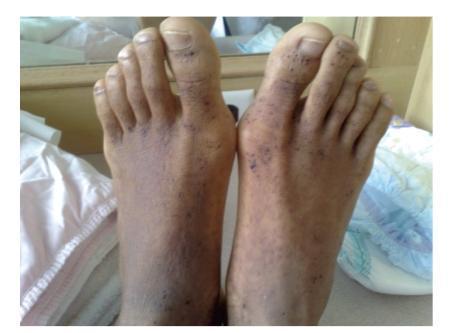
- The dark red-purple spots are purpura.
- They are in a gravity-dependent area: the lower legs and feet.
- “Palpable” means the lesions may be slightly raised, not merely flat color changes.
- The mild puffiness around the feet illustrates possible edema.
Example: rash with abdominal and muscle involvement
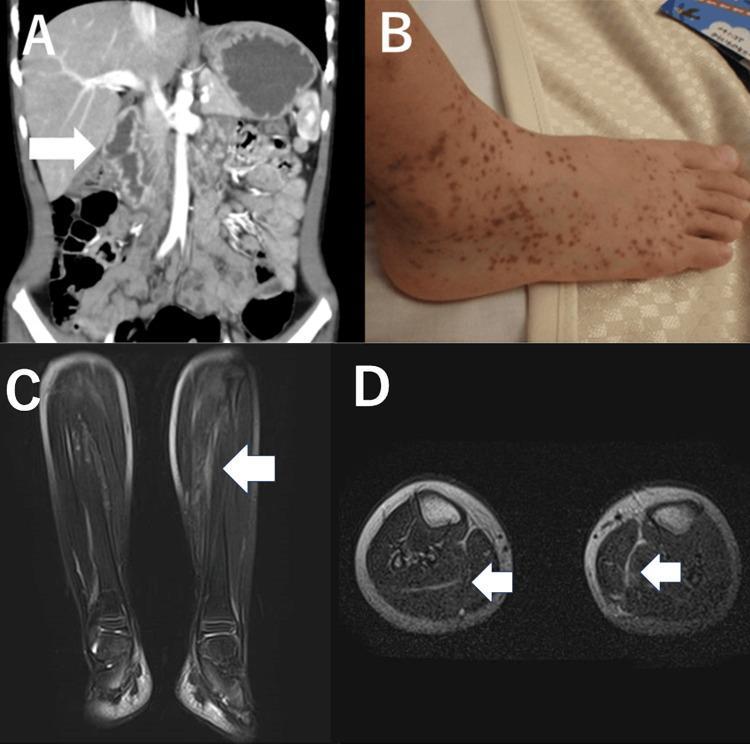
- Palpable purpura
- Abdominal pain due to gastrointestinal involvement
- Musculoskeletal inflammation or swelling

explain all
pediatric acute kidney injury KDIGO
KDIGO acute kidney injury staging children serum creatinine urine output 2025
posterior urethral valves keyhole sign ultrasound illustration
Potter sequence oligohydramnios fetal compression diagram
Explanation of every point in the image
1. “Most common cause of renal mass in children: Multicystic dysplastic kidney (MCDK)”
Terms explained
- Renal: related to the kidney.
- Mass: an abnormal lump, swelling, or enlarged structure detected in the body or on imaging.
- Multicystic: containing many cysts.
- Cyst: a fluid-filled sac.
- Dysplastic: abnormally formed during fetal development.
- Kidney (MCDK): a kidney that developed abnormally and is replaced by multiple cysts and poorly functioning tissue.
Sentence explanation
Overall meaning
2. “Calculating GFR at bedside: Schwartz formula: estimated GFR = K × height in cm / serum creatinine in mg/dL (K = 0.413)”
Terms explained
- GFR: glomerular filtration rate. It estimates how much blood the kidneys filter each minute.
- Estimated GFR or eGFR: a calculated estimate of kidney filtration, not a direct measurement.
- Bedside: calculated quickly in clinical practice from routine information.
- Schwartz formula: a commonly used pediatric equation to estimate kidney function.
- Height in cm: the child’s height in centimeters.
- Serum creatinine: creatinine level in blood.
- Creatinine: a waste product from muscles that is normally filtered by the kidneys. Its level rises in blood when filtration falls.
- mg/dL: milligrams per deciliter, the unit for serum creatinine.
- K = 0.413: the coefficient used in the updated bedside Schwartz formula for children.
Formula
Example
Sentence explanation
Overall meaning
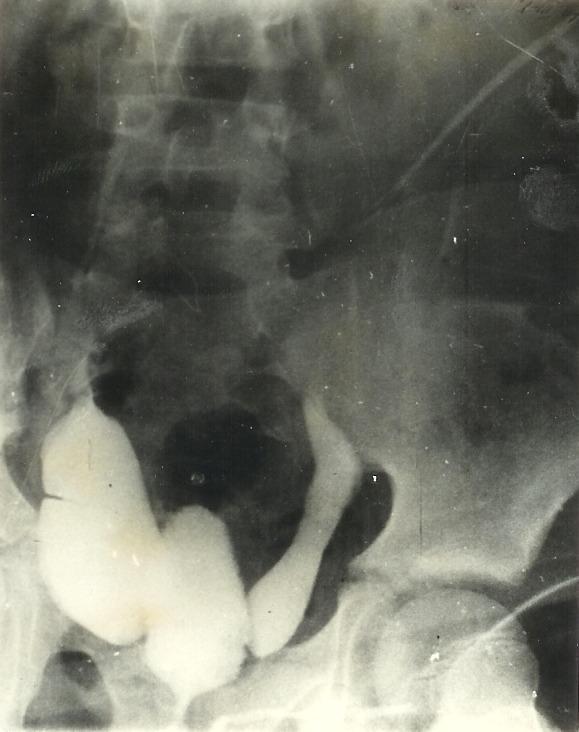
3. “Most common cause of recurrent UTI in children: Vesicoureteric reflux (VUR)”
Terms explained
- Recurrent: occurring repeatedly.
- UTI: urinary tract infection.
- Urinary tract: kidneys, ureters, bladder, and urethra.
- Vesicoureteric reflux (VUR): backward flow of urine from the bladder into one or both ureters, sometimes reaching the kidneys.
- Ureter: tube carrying urine from a kidney to the bladder.
- Reflux: backward flow.
Sentence explanation
Overall meaning
4. “Most common cause of obstructive uropathy in male children: Posterior urethral valves (PUV)”
Terms explained
- Obstructive: causing blockage.
- Uropathy: disease affecting the urinary tract.
- Posterior urethral valves (PUV): abnormal membrane-like folds in the posterior urethra of boys that obstruct urine outflow.
- Posterior urethra: the part of the urethra near the bladder, passing through the prostate region.
- Urethra: the tube that carries urine from the bladder to outside the body.
Sentence explanation
- enlarged bladder
- swelling of ureters and kidneys, called hydroureteronephrosis
- UTIs
- reduced kidney function
- poor urine stream
Overall meaning
4a. “Clinical clues: Male child with poor urinary stream, UTI, palpable bladder”
Terms explained
- Clinical clues: findings from the history or examination that suggest a diagnosis.
- Poor urinary stream: a weak, thin, slow, interrupted, or dribbling urine flow.
- Palpable bladder: a bladder that is so full and enlarged that it can be felt through the lower abdomen.
- UTI: infection involving the bladder, kidneys, or urinary tract.
Sentence explanation
Overall meaning
4b. “Ultrasound: Keyhole sign”
Terms explained
- Ultrasound: imaging using sound waves to view internal organs.
- Keyhole sign: an ultrasound appearance in PUV where the enlarged bladder neck and dilated posterior urethra resemble a keyhole.
Sentence explanation
      Dilated posterior urethra
                |
                v
          narrow “stem”
              ||
       __________________
      /                  \
     |  Distended bladder |
      \__________________/
             “round”
Overall meaning
4c. “Investigation of choice: MCU (shows filling defect)”
Terms explained
- Investigation of choice: the preferred test used to confirm a suspected diagnosis.
- MCU: micturating cystourethrogram. Also called a voiding cystourethrogram, or VCUG.
- Micturating/voiding: passing urine.
- Cystourethrogram: an X-ray test in which contrast dye is put into the bladder and images are taken during filling and urination.
- Filling defect: an area where contrast dye does not fill normally, often because an abnormal structure blocks or occupies that space.
Sentence explanation
- dilated posterior urethra
- abrupt narrowing at the valve
- thick or irregular bladder wall
- VUR in some children
- an abnormal contrast pattern or filling defect at the obstruction
Overall meaning
4d. “Treatment: Surgery”
Terms explained
- Treatment: management of the disease.
- Surgery: a procedure to remove or relieve the obstruction.
Sentence explanation
- stabilizing the child
- treating infection if present
- draining the bladder with a catheter
- monitoring kidney function and electrolytes
Overall meaning
5. “Potter syndrome: Triad of Potter facies, lower limb deformities, and pulmonary hypoplasia”
Terms explained
- Potter syndrome/sequence: fetal abnormalities resulting from severe lack of amniotic fluid.
- Triad: three main groups of findings.
- Potter facies: characteristic facial appearance due to prolonged fetal compression.
- Lower-limb deformities: abnormal position or shape of legs and feet.
- Pulmonary hypoplasia: underdevelopment of the lungs.
Sentence explanation
Overall meaning
5a. “Potter facies: hypertelorism, receding chin, antimongoloid slant, low-set ears”
Terms explained
- Hypertelorism: unusually wide distance between the eyes.
- Receding chin: small, backward-positioned lower jaw. Also called micrognathia or retrognathia, depending on the exact feature.
- Downslanting palpebral fissures: the outer corners of the eye openings slope downward.
- Low-set ears: ears positioned lower on the head than expected.
Sentence explanation
Overall meaning
5b. “Lower limb deformities: clubfoot”
Terms explained
- Clubfoot: a foot that is turned inward and downward. Its formal name is talipes equinovarus.
- Deformity: abnormal shape or position of a body part.
Sentence explanation
Overall meaning
5c. “Pulmonary hypoplasia”
Terms explained
- Pulmonary: related to the lungs.
- Hypoplasia: incomplete or insufficient development.
Sentence explanation
Overall meaning
5d. “Caused by: Bilateral renal agenesis or bilateral multicystic dysplastic kidney → absent fetal urine → oligohydramnios → fetal compression”
Terms explained
- Bilateral: affecting both sides.
- Renal agenesis: failure of a kidney to form during fetal development.
- Bilateral renal agenesis: both kidneys are absent.
- Bilateral MCDK: both kidneys are severely abnormal and cystic. This is rare and generally incompatible with life.
- Fetal urine: urine produced by the fetus.
- Oligohydramnios: too little amniotic fluid.
- Fetal compression: pressure on the fetus due to insufficient surrounding fluid.
Sentence explanation
Both kidneys absent or non-functioning
                 ↓
Little or no fetal urine
                 ↓
Severe oligohydramnios
                 ↓
Fetal compression + inadequate lung growth
                 ↓
Potter facies, limb deformities, pulmonary hypoplasia
Overall meaning
5e. “Treatment: Supportive”
Terms explained
- Supportive treatment: care aimed at comfort, breathing support, family support, and treatment of complications, rather than curing the underlying condition.
Sentence explanation
Overall meaning
6. “Staging of AKI in children”
“Old system: Pediatric RIFLE criteria (no longer used)”
Terms explained
- AKI: acute kidney injury, a sudden decline in kidney function.
- Staging: grading severity into levels.
- Pediatric RIFLE: an older classification system for grading AKI in children.
- RIFLE: Risk, Injury, Failure, Loss, End-stage kidney disease.
Sentence explanation
Overall meaning
“Current system: Kidney Disease: Improving Global Outcomes (KDIGO) criteria”
Terms explained
- KDIGO: Kidney Disease: Improving Global Outcomes, an international organization that develops kidney-disease guidance and definitions.
- Criteria: standardized rules for diagnosing and staging a condition.
Sentence explanation
Overall meaning
“Based on serum creatinine and urine output”
Terms explained
- Serum creatinine: blood creatinine level, used as an indirect marker of kidney filtration.
- Urine output: how much urine is produced over time.
- mL/kg/hour: milliliters of urine per kilogram of body weight per hour.
- Baseline creatinine: the child’s usual stable creatinine level before the acute illness.
Sentence explanation
- Creatinine rises because the kidneys are filtering less effectively.
- Urine output falls because the kidneys are producing too little urine.
Overall meaning
7. “Stage 1: Serum creatinine increase ≥0.3 mg/dL in 48 hours or 1.5 to 2 times baseline; urine output <0.5 mL/kg/hour for ≥6 hours”
Terms explained
- ≥0.3 mg/dL: an increase equal to or greater than 0.3 mg/dL.
- 48 hours: two days.
- 1.5 to 2 times baseline: 1.5 to 2 times the child’s previous normal creatinine.
- <0.5 mL/kg/hour: less than 0.5 mL of urine per kg of body weight each hour.
- ≥6 hours: six or more hours.
Sentence explanation
Overall meaning
8. “Stage 2: Serum creatinine increase 2 to 3 times baseline; urine output <0.5 mL/kg/hour for >12 hours”
Terms explained
- 2 to 3 times baseline: creatinine has doubled or nearly tripled from the normal value.
- >12 hours: longer than 12 hours.
Sentence explanation
Overall meaning
9. “Stage 3: Serum creatinine increase ≥3 times baseline or absolute value >4 mg/dL; urine output <0.3 mL/kg/hour for 24 hours or anuria for >12 hours”
Terms explained
- ≥3 times baseline: at least triple the usual creatinine level.
- Absolute value: the actual measured number, regardless of prior baseline.
- >4 mg/dL: very high creatinine. In formal KDIGO criteria, a creatinine at least 4.0 mg/dL qualifies when there has been an acute rise of at least 0.5 mg/dL.
- <0.3 mL/kg/hour: extremely low urine production.
- Anuria: virtually no urine production.
- 24 hours: one full day.
Sentence explanation
Overall meaning
High-yield final summary
| Topic | Key fact to remember |
|---|---|
| Renal mass in a child | MCDK is a common congenital cystic renal abnormality |
| Pediatric eGFR | Schwartz: (0.413 \times height\text{ (cm)} / creatinine\text{ (mg/dL)}) |
| Recurrent UTI | Think VUR, backward urine flow from bladder toward kidneys |
| Male obstructive uropathy | Think PUV |
| PUV diagnosis | MCU/VCUG, with posterior urethral obstruction and possible keyhole appearance |
| Potter sequence | Absent/nonfunctioning kidneys → absent fetal urine → oligohydramnios → compression + pulmonary hypoplasia |
| AKI staging | KDIGO uses both creatinine rise and reduced urine output |