
Esophageal candidiasis with CKD. Management
Reading File
Now I'll run parallel searches across the library database and PubMed for the most relevant content.
Finding Sources
Finding Sources
Searching PubMed
esophageal candidiasis treatment renal impairment
Good results found. Let me now read the most relevant sections in parallel.
Reading File
Reading File
Reading File
Finding Sources
Searching PubMed
esophageal candidiasis fluconazole treatment
Now let me fetch the pharmacology details on fluconazole renal dosing and echinocandins in renal impairment.
Reading File
Finding Sources
Finding Sources
Loading Image
Now let me get the nephrology textbook section on drug dosing in dialysis patients and the pharmacology of antifungals in renal impairment.
Reading File
Finding Sources
Searching the Web
fluconazole dose adjustment CKD GFR eGFR hemodialysis esophageal candidiasis 2024 guidelines
Excellent - now I have comprehensive information to provide a thorough answer. Let me also quickly get the Tietz reference on fluconazole pharmacokinetics in renal impairment.
Reading File
I now have all the information needed for a comprehensive answer.
Esophageal Candidiasis with CKD: Management
Overview
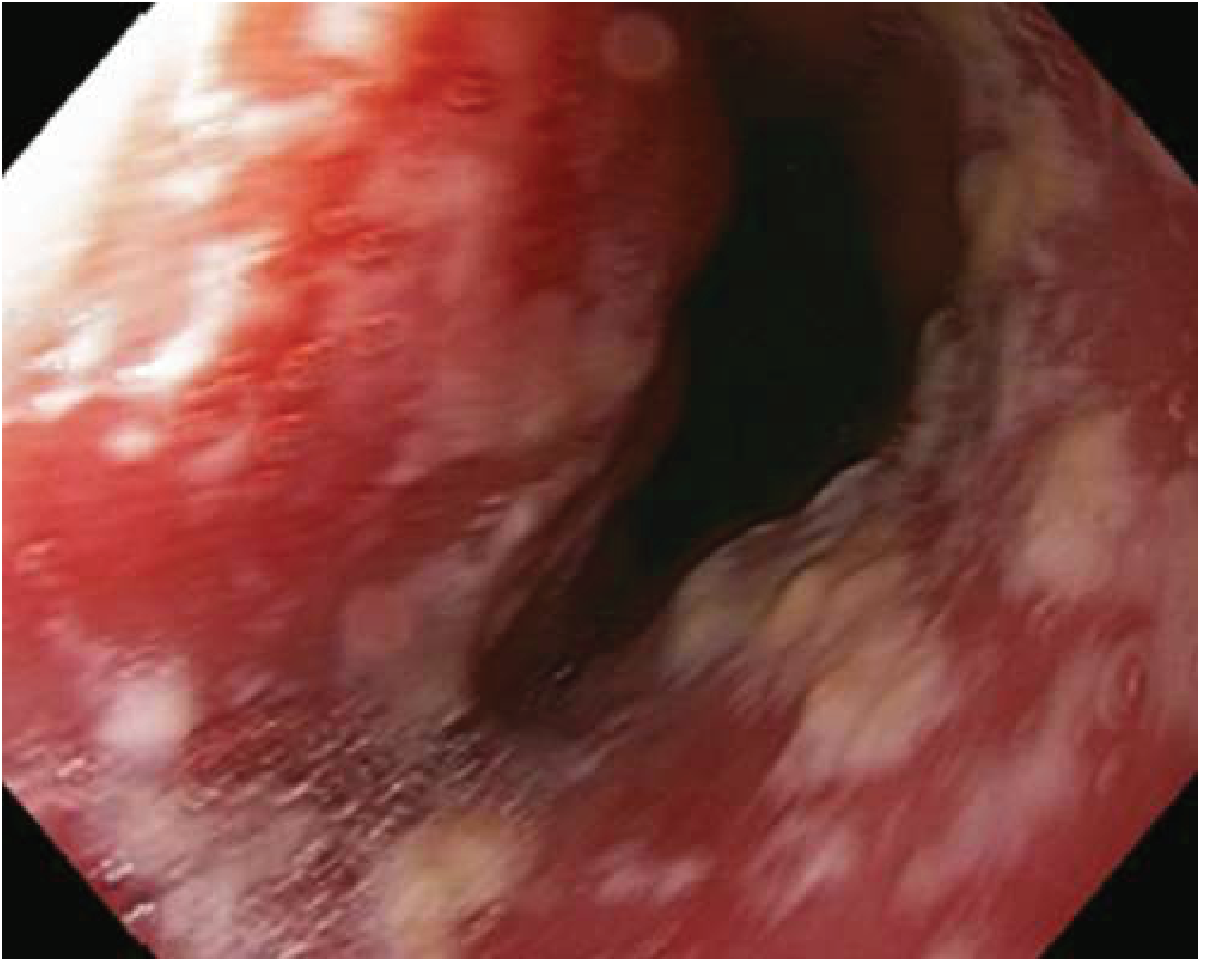
Esophageal candidiasis almost exclusively occurs in immunocompromised patients and almost always requires systemic antifungal therapy - topical agents are insufficient. The combination of CKD with this infection requires careful drug selection and dose adjustment, since fluconazole (first-line) is primarily renally cleared. - Current Surgical Therapy 14e, p. 1540
First-Line Treatment: Oral Fluconazole
Fluconazole is the drug of choice for esophageal candidiasis. Standard doses:
- 200-400 mg/day for 14-21 days (IDSA recommendation)
- Minimum 3 weeks, and at least 2 weeks after symptom resolution
Fluconazole has ~90% oral bioavailability and achieves adequate tissue penetration. Oral route is preferred when tolerated. - Goldman-Cecil Medicine, p. 1439; Washington Manual of Medical Therapeutics, p. 644
Dose Adjustment in CKD (Critical)
Fluconazole is the ONLY azole that requires dose adjustment in renal impairment. It is primarily cleared by the kidney, with a half-life of ~32 hours in normal renal function. - Lippincott Pharmacology, p. 1105; Tietz Textbook, p. 1462
| CrCl (mL/min) | Fluconazole Dose for Esophageal Candidiasis |
|---|---|
| > 50 | Full dose: 200 mg/day |
| 10-50 | 50% of target dose (100 mg/day) |
| < 10 (non-dialysis) | 25% of target dose (50 mg/day) |
| Intermittent hemodialysis (IHD) | 200 mg after each HD session (3x/week) |
| Continuous hemodialysis (CRRT) | 400 mg/day |
| Peritoneal dialysis | 50% of dose q24h |
Fluconazole is significantly cleared by hemodialysis, so dosing must occur post-dialysis on dialysis days. On non-dialysis days, give a reduced dose per CrCl. - Comprehensive Clinical Nephrology 7e (Table 77.7); FDA Fluconazole Label 2024; UCSF IDMP Dosing Guide
Alternatives When Fluconazole Cannot Be Used
If Oral Route Not Tolerated
- IV fluconazole - same dose adjustment as above
- Echinocandins (caspofungin, micafungin, anidulafungin) - no dose adjustment required in renal impairment, making them attractive in severe CKD/dialysis patients
Echinocandins (for refractory/severe/IV-requiring cases)
- Caspofungin: 70 mg loading dose, then 50 mg/day IV - no renal dose adjustment needed
- Micafungin: 150 mg/day IV for esophageal candidiasis - no renal adjustment
- Anidulafungin: 200 mg loading, then 100 mg/day IV - no renal adjustment
- Echinocandins are hepatically metabolized, and are the go-to option when renal concerns make fluid loading or drug accumulation a concern - Medical Microbiology 9e; Goodman & Gilman 13e
Other Azoles - Important Notes
- Voriconazole (IV): IV formulation contains sulfobutyl ether beta-cyclodextrin (SBECD) vehicle that accumulates in CKD (CrCl < 50) and can cause nephrotoxicity and CNS effects. Oral voriconazole is preferred if using this agent in CKD. - Dermatology 5e; Tietz Textbook
- Itraconazole oral suspension (200 mg twice daily): No renal dose adjustment needed; occasionally effective in fluconazole-refractory cases
- Posaconazole oral solution: Generally better tolerated than itraconazole; no renal adjustment for oral form
- Ketoconazole, itraconazole IV: Not preferred in renal impairment; vehicle accumulation concern
Management Algorithm in CKD
Esophageal Candidiasis + CKD
         |
Can tolerate oral therapy?
    YES                    NO
     |                      |
Oral fluconazole        IV echinocandin (preferred in severe CKD)
Dose per CrCl           OR IV fluconazole with dose adjustment
14-21 days              (avoid IV voriconazole if CrCl <50)
         |
Fluconazole-refractory or resistant?
         |
Endoscopy + culture and susceptibility testing
Switch to echinocandin or itraconazole/posaconazole
Special Considerations in CKD
-
Avoid amphotericin B deoxycholate in CKD - significant nephrotoxicity. If absolutely needed (rare refractory cases), use liposomal amphotericin B with careful renal monitoring.
-
Drug interactions: Fluconazole is a potent CYP2C9/CYP3A4 inhibitor - interacts with calcineurin inhibitors (tacrolimus, cyclosporine, commonly used in CKD/transplant), warfarin, statins. Dose reductions of co-medications required.
-
Identify and address underlying immunosuppression: In CKD, candidiasis may reflect uremia-related immune dysfunction, concurrent diabetes, or steroid use. Optimizing glycemic control and reviewing immunosuppressive burden is essential.
-
Fluconazole resistance: Increasing in patients with prolonged prior azole exposure. Resistant or refractory cases should undergo endoscopic sampling for culture and susceptibility testing. Consider echinocandin. - Washington Manual, p. 644
-
Duration: Minimum 14-21 days, or at least 2 weeks after symptom resolution. Do not shorten course just because of CKD.
-
Suppressive therapy is NOT routinely recommended (even in HIV patients with prior esophageal candidiasis) unless there are specific recurrence risk factors. - Current Surgical Therapy 14e, p. 1540
Summary Table
| Drug | Renal Adjustment | Notes |
|---|---|---|
| Fluconazole (oral/IV) | Yes - 50% dose if CrCl ≤50; post-HD dosing | First-line; only azole needing renal adjustment |
| Caspofungin (IV) | No | Preferred IV option in severe CKD |
| Micafungin (IV) | No | Good alternative; no renal concerns |
| Anidulafungin (IV) | No | No renal adjustment |
| Voriconazole oral | No | OK orally; avoid IV form if CrCl < 50 |
| Itraconazole oral | No | Alternative for refractory disease |
| Posaconazole oral | No | Better tolerated than itraconazole |
| Amphotericin B deox. | Avoid | Nephrotoxic; use liposomal form if needed |
This is a shared conversation. Sign in to Orris to start your own chat.