
Postpartum Complications: Sepsis, hematoma, Mastitis, UTI, DVT, Psychological
Reading File
Now let me search the medical library in parallel for all these topics:
Finding Sources
Finding Sources
Finding Sources
Finding Sources
Finding Sources
Finding Sources
Found a great source in Park's Textbook. Let me read that section and search for the other topics in parallel:
Reading File
Finding Sources
Finding Sources
Excellent! Now let me read the key sections on mastitis and postpartum depression/psychosis in parallel:
Reading File
Reading File
Now let me get DVT/thrombophlebitis and UTI postpartum content, and postpartum depression from Rosen's:
Reading File
Finding Sources
Finding Sources
I now have enough information from the medical library to compile a thorough answer. Let me also read the mastitis antibiotic section:
Reading File
Postpartum Complications
The puerperium spans 6 weeks after delivery. Several complications can arise during this period; early recognition and prompt management are the cornerstones of care.
1. Puerperal Sepsis
Definition: Infection of the genital tract within 3 weeks after delivery.
Clinical features:
- Pyrexia (fever) and tachycardia
- Foul-smelling lochia
- Pain and tenderness in the lower abdomen
- The most common organism is Streptococcus pyogenes (Group A beta-hemolytic streptococcus), which can cause endometritis and bacteremia. Staphylococci and anaerobes are also implicated.
Pathophysiology: Streptococci enter the uterus after delivery, infecting the wound (endometritis), and can progress to septicemia.
Prevention: Strict asepsis before, during, and after delivery - especially important in domiciliary (home) midwifery services.
Management:
- Blood cultures + wound swabs
- Broad-spectrum IV antibiotics (e.g., IV amoxicillin-clavulanate ± metronidazole; clindamycin + gentamicin)
- Sepsis bundle: IV fluids, monitoring lactate, organ support as needed
- Source control (e.g., evacuation of retained products if endometritis)
- Park's Textbook of Preventive and Social Medicine
- Jawetz Melnick & Adelberg's Medical Microbiology 28E
2. Postpartum Hematoma
Definition: A collection of blood in the connective tissue spaces of the genital tract following delivery, usually within 24 hours.
Sites:
- Vulval hematoma - most common; below the pelvic floor
- Paravaginal hematoma - above the pelvic floor, extends into the broad ligament
- Broad ligament hematoma - serious; can be life-threatening
Causes:
- Injury to blood vessels during delivery without a corresponding laceration of the overlying mucosa
- Episiotomy or perineal tear with poor hemostasis
- Instrumental delivery (forceps)
- Bleeding diatheses
Clinical features:
- Severe vulval pain and pressure sensation
- Visible or palpable tense, fluctuant swelling
- Bluish discoloration of the perineum/vulva
- Tachycardia and hypotension if large
Management:
- Small hematoma (< 4 cm, stable): Conservative - ice packs, analgesia, observation
- Large/expanding hematoma: Surgical incision, evacuation of clot, suture of bleeding points, vaginal packing
- Blood transfusion if significant blood loss
- Antibiotics to prevent secondary infection
3. Mastitis
Definition: Inflammation of the breast parenchyma, most common in the second postpartum week, due to milk stasis and retrograde bacterial infection.
Epidemiology: Affects ~1/3 of breastfeeding women in the US; progresses to breast abscess in up to 10% of cases. - Red Book 2021
Causative organisms:
- Staphylococcus aureus (40% of cases) - most common
- Escherichia coli
- Streptococcus species
- Community-acquired MRSA must be considered
Clinical features:
- Severe pain, tenderness, swelling, redness of the breast (usually unilateral, one segment)
- Fever, chills, myalgias
- Flu-like systemic symptoms
Differentials: Breast engorgement, plugged duct, inflammatory breast carcinoma (rare but important)
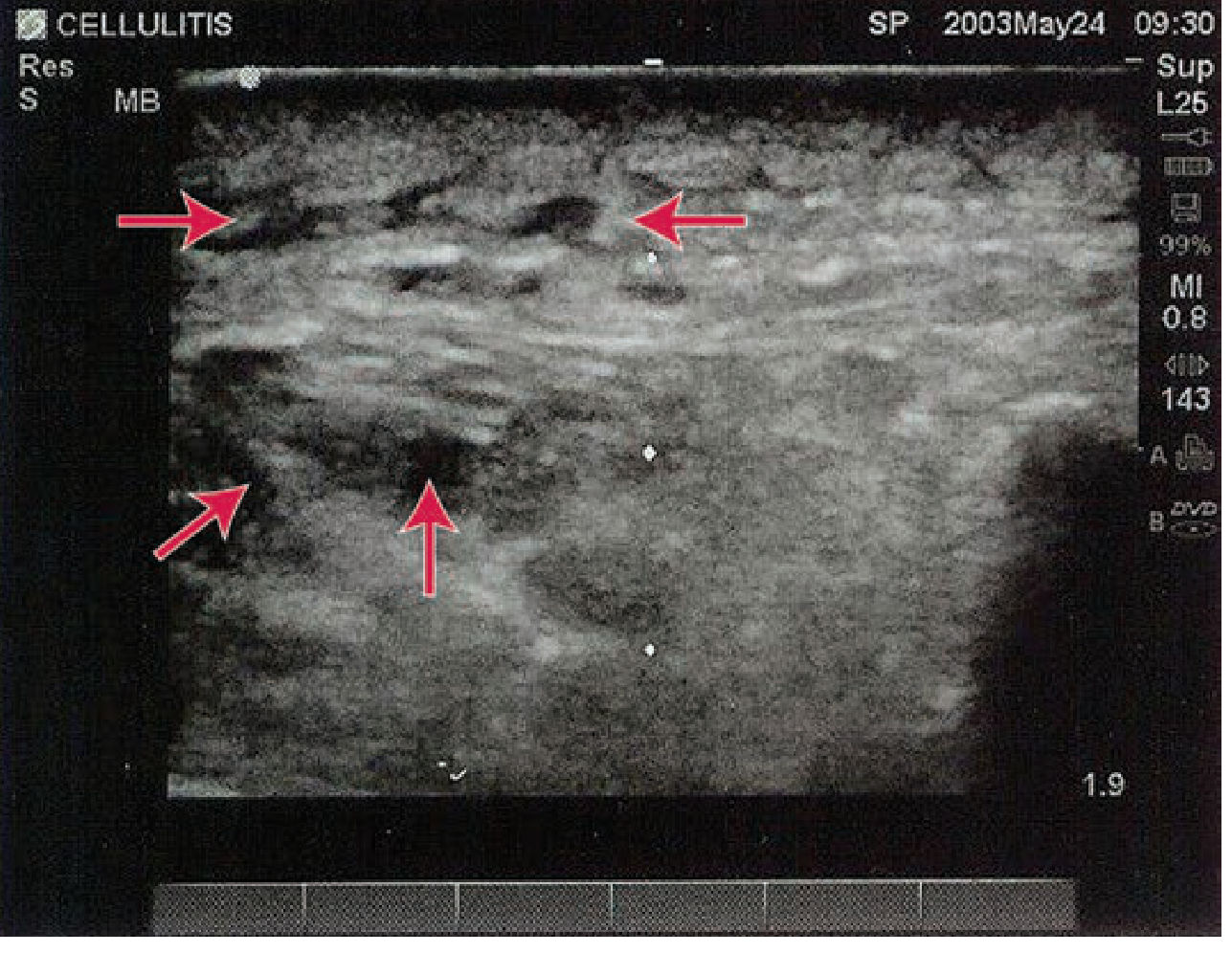
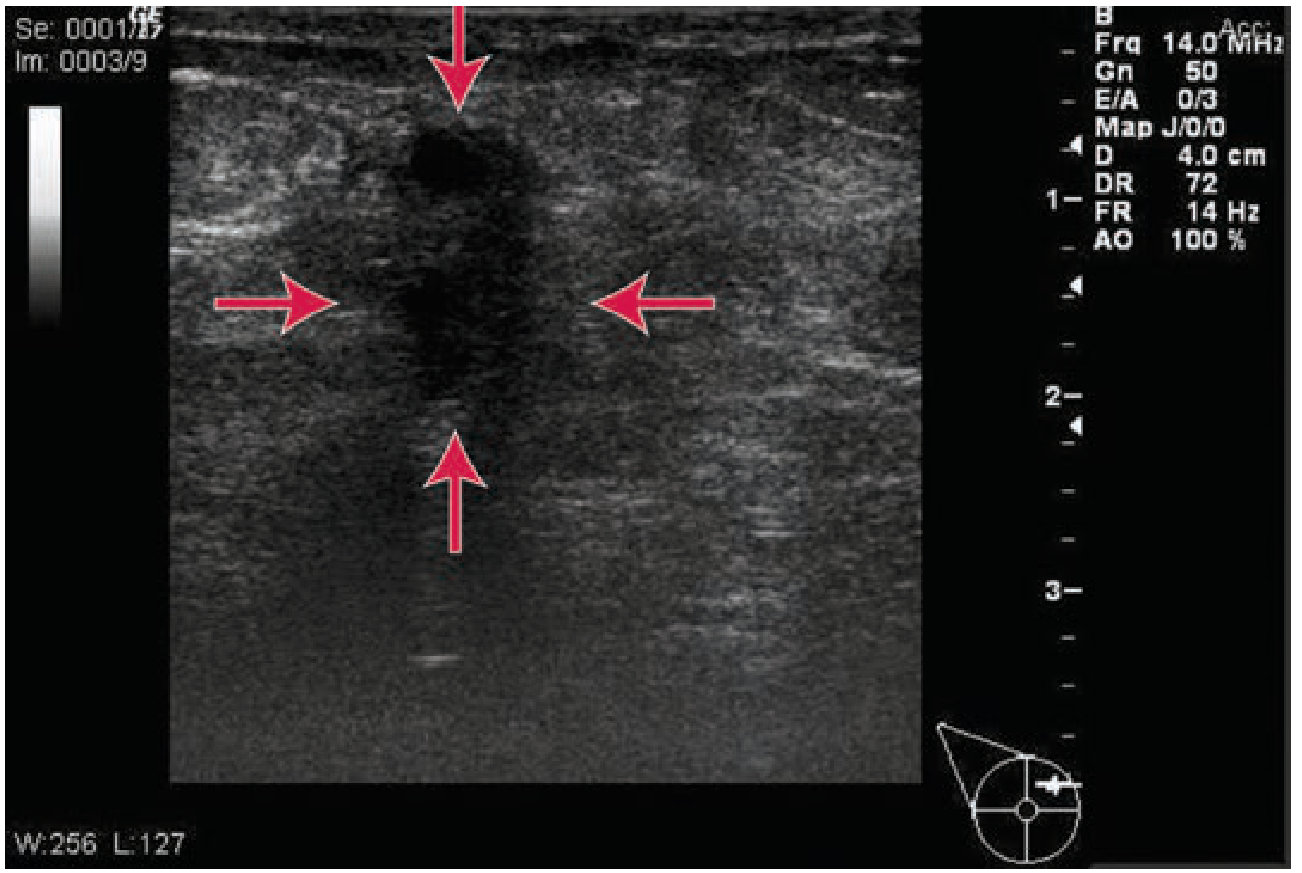
Ultrasound findings:
- Mastitis: hypoechoic fluid surrounding subcutaneous fat lobules, no discrete fluid collection
- Abscess: discrete hypoechoic fluid collection with absent vascular signals
Management:
- Do NOT stop breastfeeding (or pumping) - continued emptying is therapeutic
- Frequent analgesia (NSAIDs/paracetamol)
- Antibiotics: antistaphylococcal penicillins (dicloxacillin/flucloxacillin) or 1st-generation cephalosporins
- Note: Sulfamethoxazole-trimethoprim is contraindicated in lactating mothers with infants < 2 months old
- If no improvement in 48 hours: assess for abscess with ultrasound
- Breast abscess: ultrasound-guided aspiration/drainage preferred; surgical drainage reserved as last resort (risk of milk fistula); IV vancomycin for septic inpatients
- Tintinalli's Emergency Medicine
4. Urinary Tract Infection (UTI)
Context: One of the most common postpartum infections. Predisposing factors are unique to the puerperium.
Risk factors:
- Bladder overdistension and incomplete emptying postpartum
- Urinary catheterization during labor
- Perineal trauma and local contamination
- Epidural analgesia (reduces awareness of bladder fullness)
- Residual urine from uterine pressure
Causative organisms: E. coli (most common), Klebsiella, Enterococcus, Proteus
Clinical features:
- Dysuria, frequency, urgency
- Suprapubic tenderness
- If ascending to kidneys (pyelonephritis): high fever, rigors, flank/loin pain, vomiting
Management:
- Urine culture and sensitivity (midstream clean-catch)
- Encourage high fluid intake
- Uncomplicated cystitis: 3-7 day course of antibiotics - nitrofurantoin (avoid if breastfeeding), trimethoprim, cefalexin (note: TMP-SMX avoided in first 6 weeks if breastfeeding)
- Pyelonephritis: IV cephalosporins or aminoglycosides, then oral step-down
- Remove/change urinary catheter early
- Park's Textbook of Preventive and Social Medicine
5. Deep Vein Thrombosis (DVT) / Thrombophlebitis
Why postpartum women are high risk (Virchow's triad is fully activated):
| Factor | Postpartum Change |
|---|---|
| Stasis | Immobility, bed rest, prolonged labor |
| Hypercoagulability | Elevated clotting factors, decreased protein S, increased fibrinogen |
| Endothelial injury | Pelvic/perineal trauma, C-section |
Peak risk period: First 6 weeks postpartum; risk is highest in the first 2 weeks. Risk is 5-10x higher than in non-pregnant women.
Clinical features (superficial/DVT):
- Leg becomes tender, pale, and swollen ("white leg" or phlegmasia alba dolens if severe)
- Calf tenderness, warmth, erythema
- Positive Homans' sign (limited diagnostic value)
- Frequently associated with varicose veins
Diagnosis:
- Wells score clinical probability assessment
- D-dimer (high sensitivity, low specificity postpartum)
- Compression duplex ultrasonography - first-line imaging
- CT pulmonary angiography if pulmonary embolism suspected
Management:
- Low Molecular Weight Heparin (LMWH) - treatment of choice; safe with breastfeeding
- Warfarin acceptable postpartum (safe in breastfeeding); target INR 2-3
- DOACs (rivaroxaban, apixaban) generally avoided while breastfeeding
- Graduated compression stockings
- Early mobilization - key prevention strategy
- Risk-stratify all postpartum women for VTE prophylaxis
Prevention:
- Early ambulation after delivery
- Hydration
- LMWH thromboprophylaxis in high-risk women (C-section, obesity, prior VTE, thrombophilia)
- Park's Textbook of Preventive and Social Medicine
6. Psychological Complications
Psychological disturbances form a spectrum, from mild and transient to severe and life-threatening.
A. Postpartum Blues ("Baby Blues")
- Affects up to 65% of mothers
- Onset: days 3-5 after delivery
- Features: tearfulness, mood lability, anxiety, irritability
- Self-limiting; resolves within 2 weeks
- Management: reassurance, support, rest
B. Postpartum Depression (PPD)
- Affects 3-6% of women (some estimates up to 10-15% for major depression)
- DSM-5 specifier: "with peripartum onset" - onset during pregnancy or within 4 weeks of delivery (clinically, often recognized up to 12 months)
- Features: persistent low mood, anhedonia, sleep disturbance, guilt, poor bonding with infant, thoughts of self-harm
- 10% of mothers with blues progress to full major depression
Risk factors: Past history of depression or PPD, bipolar disorder, family history, inadequate social support, stressful life events
Management:
- Psychotherapy (CBT, interpersonal therapy) - first-line for mild-moderate
- SSRIs (sertraline, paroxetine) - safe in breastfeeding; first-line pharmacotherapy
- Brexanolone (IV neuroactive steroid) - FDA-approved specifically for PPD
- Screen with Edinburgh Postnatal Depression Scale (EPDS)
C. Postpartum Psychosis (Puerperal Psychosis)
- Rare but psychiatric emergency - ~1-2 per 1000 deliveries
- Onset: 48-72 hours after delivery (can be delayed)
- Often follows a delivery complicated by hemorrhage or infection, but frequently occurs without any obstetric complication
Features (from Adams & Victor's Neurology):
- Alternating between noisy hyperactivity and mutism/inactivity
- Disorientation, thought disorder
- Baby may be rejected as not belonging to the mother
- Can present as:
- ~40% predominantly affective
- ~20% schizophreniform
- Remainder: self-limited confusional psychoses (Boyd's series)
- Infanticide and suicidal ideation are the most dangerous aspects
Differential diagnosis of postpartum psychosis (must exclude):
- Eclampsia
- Sheehan's syndrome (pituitary infarction)
- Cerebral venous sinus thrombosis
- Ergot-induced psychosis
- Hypoxic-ischemic brain injury
Management:
- Urgent psychiatric admission (mother-baby unit if available)
- Mood stabilizers (lithium - caution with breastfeeding), antipsychotics
- ECT in severe refractory cases
- Risk: most closely related to past history of postpartum psychosis, bipolar disorder, or family history of bipolar disorder
- Adams & Victor's Principles of Neurology, 12th Ed
- Rosen's Emergency Medicine
Summary Table
| Complication | Timing | Key Feature | First-line Management |
|---|---|---|---|
| Puerperal Sepsis | Within 3 weeks | Foul lochia, fever, uterine tenderness | IV broad-spectrum antibiotics |
| Hematoma | First 24 hours | Tense painful vulval/perineal swelling | Incision & evacuation if large |
| Mastitis | Week 2 postpartum | Unilateral red, tender breast with fever | Antistaphylococcal antibiotics + continue feeding |
| UTI/Pyelonephritis | Any time | Dysuria/loin pain; predisposed by catheterization | Antibiotics per culture |
| DVT/Thrombophlebitis | First 6 weeks (highest: weeks 1-2) | Swollen, tender, pale leg | LMWH anticoagulation |
| Postpartum Blues | Days 3-5 | Tearfulness, transient | Reassurance and support |
| Postpartum Depression | Within 4 weeks - months | Persistent low mood, poor bonding | SSRI + psychotherapy |
| Postpartum Psychosis | 48-72 hours | Confusion, rejection of infant, infanticidal risk | Emergency psychiatric admission |
More detail onto he case as a medical syudent
Asking for Preferences
Which complications would you like more detail on? (Select all that apply) · What level of detail are you looking for?
Full exam-ready notes across all 6 topics. Let me pull comprehensive textbook content for each.
Finding Sources
Finding Sources
Finding Sources
Reading File
Finding Sources
Finding Sources
Finding Sources
Finding Sources
Finding Sources
Finding Sources
Reading File
Finding Sources
I have comprehensive data. Let me now compile the full exam-ready notes.---
Postpartum Complications: Full Exam-Ready Notes
The puerperium = the period from delivery of the placenta to 6 weeks postpartum. Normal physiological changes (involution, lochia, hormonal shifts) create a backdrop against which complications must be recognized.
1. PUERPERAL SEPSIS
Definition
Infection of the genital tract within 3 weeks after delivery, causing systemic illness. It is one of the leading causes of maternal mortality, responsible for up to 15% of maternal deaths worldwide. - Rosen's Emergency Medicine
Epidemiology
- Affects ~5% of vaginal deliveries and ~10% of cesarean sections
- Highest in low-resource settings with limited aseptic technique
Predisposing / Risk Factors
| Category | Factors |
|---|---|
| Labor-related | Prolonged rupture of membranes (PROM), prolonged Stage 2 labor, frequent vaginal examinations |
| Delivery-related | Operative/instrumental delivery, cesarean section, intrauterine monitoring |
| Patient-related | Poor nutritional status, anemia, lack of prenatal care, immunosuppression, diabetes |
Causative Organisms
- Gram-positive cocci: Streptococcus pyogenes (Group A beta-hemolytic) - classically associated with virulent puerperal fever/septicemia; Staphylococcus aureus
- Gram-negative coliforms: E. coli, Klebsiella, Proteus
- Anaerobes: Bacteroides, Peptostreptococcus (important in polymicrobial endometritis)
- Less common: Chlamydia trachomatis, Mycoplasma spp.
- Note: Group A Strep can cause streptococcal toxic shock syndrome (STSS) - incubation as short as 14 hours after inoculation
Pathophysiology
- Most common form: Endometritis (infection of the uterine lining) - the uterine wound (placental site) provides a portal of entry
- Progression: Endometritis → Parametritis → Peritonitis → Septicemia → Septic shock
- Endometritis typically develops on day 2-3 postpartum
- Group A Strep uniquely causes a "wound" septicemia - organisms enter via the uterus after delivery and rapidly spread hematogenously
Clinical Features: History
- Fever (temperature >38°C on 2 separate occasions after 24 hours)
- Tachycardia - often early sign
- Foul-smelling, purulent lochia
- Lower abdominal/pelvic pain and tenderness
- Malaise, rigors
Clinical Features: Examination
| Finding | Significance |
|---|---|
| Uterine subinvolution | Infected uterus fails to shrink normally |
| Uterine tenderness on palpation | Endometritis |
| Adnexal mass | Parametritis / tubo-ovarian abscess |
| Peritonism (guarding, rigors) | Peritonitis - progression |
| Wound erythema/discharge | Coexistent wound infection (common with C-section) |
Investigations
- FBC: raised WBC (leukocytosis) - note: mild leukocytosis is normal postpartum, so a WBC >20x10⁹/L should raise concern
- CRP, procalcitonin (markers of bacterial infection/sepsis)
- Blood cultures x2 (before antibiotics)
- High vaginal swab (HVS) and endocervical swab for MC&S
- Urine culture (concurrent UTI common)
- Pelvic ultrasound: look for retained products of conception (RPOC), parametric collection, abscess
- Lactate: if >2 mmol/L = sepsis; if >4 mmol/L = septic shock (use Sepsis-3 criteria)
Management
Immediate (Sepsis 6 Bundle - within 1 hour)
- High-flow oxygen
- Blood cultures (before antibiotics)
- IV antibiotics (see below)
- IV fluid resuscitation (30 mL/kg crystalloid if hypotensive)
- Measure serum lactate
- Urine output monitoring (catheterise)
Antibiotic Therapy
Gold standard regimen (Rosen's):
- Clindamycin 900 mg IV Q8H + Gentamicin 5 mg/kg IV Q24H
- This combination covers Gram-positive, Gram-negative, and anaerobic organisms
- Alternative: Co-amoxiclav (Amoxicillin-clavulanate) ± Metronidazole
Source Control
- Retained products of conception (RPOC): surgical evacuation (uterine curettage) under ultrasound guidance
- Pelvic abscess: drainage (surgical or CT/ultrasound-guided)
- Remove intrauterine devices if present
Supportive
- Most patients require inpatient admission
- If Group A Strep STSS suspected: add IV immunoglobulin (IVIG)
Complications if Untreated
- Septic pelvic thrombophlebitis
- Peritonitis
- Tubo-ovarian abscess
- Septic shock and multi-organ failure
- Asherman's syndrome (intrauterine adhesions)
- Infertility
2. POSTPARTUM HEMATOMA
Definition
A collection of blood in the connective tissue spaces of the genital tract following delivery, arising from bleeding into the potential spaces without a visible laceration of overlying skin/mucosa.
Classification by Site
                 PELVIC FLOOR
    ________________|________________
    |                               |
BELOW pelvic floor             ABOVE pelvic floor
Vulval hematoma            Paravaginal hematoma
(most common)              Broad ligament hematoma
                           (most dangerous - can be massive)
| Type | Site | Notes |
|---|---|---|
| Vulval | Below levator ani, in ischioanal fossa | Most common; visible as perineal swelling |
| Paravaginal | Above levator ani, lateral to vaginal wall | May track into retroperitoneum |
| Broad ligament / Retroperitoneal | Above pelvic floor, extends along broad ligament | Potentially life-threatening |
Causes / Risk Factors
- Injury to blood vessels not accompanied by overlying skin/mucosal laceration
- Episiotomy or perineal repair with inadequate hemostasis
- Instrumental delivery (forceps, ventouse) - distortion and tearing of vessels
- Prolonged second stage of labor
- Precipitate (fast) delivery
- Coagulopathy / bleeding disorders
- Varicose veins of the vulva
Pathophysiology
The pudendal vessels, branches of the internal iliac, and the rich anastomotic plexus in the pelvis can bleed into loose areolar tissue. Because there is no overlying wound, bleeding is not immediately visible, and a significant hematoma can form before clinical signs appear.
Clinical Features: History
- Severe, unrelenting perineal or pelvic pain - disproportionate to delivery trauma; the key symptom
- Feeling of intense pressure or "fullness" in the perineum/rectum
- Inability to void (urinary retention from hematoma compressing the urethra)
- Faintness, dizziness (if large - haemodynamic compromise)
Clinical Features: Examination
| Sign | Significance |
|---|---|
| Tense, fluctuant, bluish-purple perineal swelling | Classic vulval hematoma |
| Visible swelling lateral to vaginal wall | Paravaginal hematoma |
| Uterus deviated to one side | Suggests broad ligament hematoma |
| Shock (tachycardia, hypotension) | Large blood loss - internal hemorrhage |
| Falling Hb without visible bleeding | Internal hematoma - always consider this postpartum |
Investigations
- FBC: serial Hb to monitor blood loss
- Coagulation screen (PT, APTT, fibrinogen): exclude DIC or underlying coagulopathy
- Group & Save / Crossmatch: prepare for transfusion
- Pelvic ultrasound: identifies and sizes the hematoma
- CT scan: for broad ligament or retroperitoneal hematomas to define extent and guide management
Management
Conservative (small, stable hematoma < 3-4 cm)
- Ice packs to perineum (reduces swelling and provides analgesia)
- Regular analgesia (NSAIDs, paracetamol, opioids)
- Close observation: vital signs, Hb monitoring, serial size assessment
- Most small hematomas will reabsorb spontaneously over days-weeks
Surgical (large, expanding, or symptomatic)
- Incision and drainage: single linear incision over point of maximum tension
- Evacuation of clot
- Identify and suture bleeding points (figure-of-8 sutures to ligate vessels)
- Dead space obliteration: close in layers or pack with vaginal gauze
- Drain: may be placed if cavity is large
Adjuncts
- Blood transfusion if Hb falls significantly
- Antibiotics: prophylactic to prevent secondary infection of the hematoma cavity
- Interventional radiology (IR): uterine artery embolisation (UAE) for persistent/recurrent broad ligament hematomas where surgery is difficult
3. MASTITIS
Definition
Inflammatory condition of the breast parenchyma, either infectious (most common postpartum) or non-infectious (milk stasis).
Epidemiology
- Affects ~1/3 of breastfeeding women in the US
- Most common in the 2nd postpartum week (range: 1st week to several months)
- Progresses to breast abscess in ~3-10% of cases if untreated
Causative Organisms
| Organism | Notes |
|---|---|
| Staphylococcus aureus | 40% of cases; most common; consider MRSA |
| E. coli | 2nd most common |
| Streptococcus spp. | Groups A, B |
| CA-MRSA | Community-acquired MRSA - increasing; suspect if no response to standard antibiotics |
Pathophysiology - "Milk Stasis + Retrograde Infection"
Milk stasis (poor latch, missed feeds, engorgement)
         ↓
Milk accumulates → creates inflammatory response
         ↓
Skin bacteria (S. aureus) enter via nipple crack/fissure
         ↓
Retrograde infection into lactiferous ducts and parenchyma
         ↓
MASTITIS → (if untreated) → ABSCESS
Clinical Features: History
- Unilateral breast pain, swelling, redness (typically one segment/quadrant)
- Fever, chills, flu-like myalgias and malaise
- Nipple discharge (may be purulent if abscess)
- Onset often sudden; classically in week 2
Clinical Features: Examination
| Finding | Mastitis | Abscess |
|---|---|---|
| Warmth, redness, swelling | Diffuse, one segment | Localised, fluctuant area |
| Tenderness | Generalised in segment | Point tenderness |
| Fluctuance | Absent | Present |
| Fever | Common | High fever |
Investigations
- Usually clinical diagnosis
- Breast milk culture: if recurrent, severe, or hospital-acquired infection (MRSA suspected)
- Ultrasound: key investigation if abscess suspected
- Mastitis: hypoechoic fluid surrounding subcutaneous fat lobules, no discrete collection
- Abscess: discrete hypoechoic fluid collection with absent vascular flow on Doppler
Differentials to Know
- Engorgement - bilateral, no fever, presents earlier (day 3-5)
- Plugged duct - tender lump, no systemic symptoms, no fever
- Inflammatory breast carcinoma - rare but must exclude if fails to respond to antibiotics; refer for mammogram ± biopsy
Management
For Mastitis
| Step | Action |
|---|---|
| 1. Continue breastfeeding | Most important - do NOT stop; continued emptying is therapeutic |
| 2. Breast emptying | Frequent feeds + pumping to clear stasis |
| 3. Analgesia | NSAIDs (ibuprofen - also anti-inflammatory), paracetamol |
| 4. Antibiotics | 10-14 day course |
Antibiotic choices:
- 1st line: Flucloxacillin 500 mg QDS orally (antistaphylococcal penicillin) OR dicloxacillin
- Alternative: Cefalexin (1st-generation cephalosporin) - if penicillin allergic
- If MRSA suspected: Trimethoprim-sulfamethoxazole (TMP-SMX) OR clindamycin (note: TMP-SMX contraindicated in neonates < 2 months old - cannot use if breastfeeding infant is < 2 months)
- Inpatient/septic: IV vancomycin
For Breast Abscess
- Ultrasound-guided needle aspiration - first-line (can repeat if recollects)
- Surgical incision and drainage (I&D) - reserved as last resort; risk of milk fistula formation
- Continue antibiotics with anti-MRSA coverage (cephalosporins oral, or IV vancomycin if septic)
- Continue breastfeeding unless antibiotic contraindicated for neonate
- Recurrent infections in older women → excisional biopsy to exclude inflammatory carcinoma
4. URINARY TRACT INFECTION (UTI)
Why Postpartum Women Are Vulnerable
The puerperium creates a "perfect storm" for UTI:
| Factor | Mechanism |
|---|---|
| Bladder hypotonia/atony | Overdistension during labor; neurological effects of epidural |
| Incomplete bladder emptying | Large residual urine = stagnant culture medium |
| Urethral trauma | Edema, bruising from delivery |
| Urinary catheterization | Introduces organisms directly; catheter-associated UTI (CAUTI) |
| Perineal contamination | Proximity of urethral meatus to perineal wound |
| Urinary stasis | Vesicoureteric reflux worsened; diuresis of pregnancy reverses |
Causative Organisms
- E. coli (~80%) - most common
- Klebsiella pneumoniae
- Staphylococcus saprophyticus (especially young women)
- Enterococcus faecalis
- Proteus mirabilis
Classification and Progression
Asymptomatic Bacteriuria
         ↓ (if untreated, ~30-40% progress)
Cystitis (lower UTI)
         ↓ (ascending infection via ureters)
Pyelonephritis (upper UTI) ← serious; causes ~10-15% of postpartum fever
         ↓ (if severe/untreated)
Urosepsis
Clinical Features
Cystitis
- Dysuria, frequency, urgency
- Suprapubic discomfort/tenderness
- Cloudy, offensive-smelling urine
- Low-grade fever (or no fever)
- Often afebrile with mild systemic symptoms
Pyelonephritis
- High fever (>38.5°C), rigors, sweats
- Loin/flank pain - unilateral or bilateral
- Costovertebral angle (CVA) tenderness on percussion
- Nausea, vomiting
- Systemic illness (may progress to sepsis)
Investigations
| Test | Finding |
|---|---|
| Urinalysis (dipstick) | Nitrites +ve (bacteria), leukocyte esterase +ve (WBCs), blood ± protein |
| Microscopy | WBCs >10/hpf = pyuria; bacteria present |
| Urine culture (MSU) | Gold standard; >10⁵ colony-forming units/mL = significant bacteriuria |
| FBC | Raised WBC (neutrophilia) - more prominent in pyelonephritis |
| Blood cultures | If pyelonephritis/urosepsis - sepsis workup |
| Renal ultrasound | If obstruction suspected or no response to treatment |
Management
Cystitis (uncomplicated)
- Oral antibiotics 5-7 days:
- Nitrofurantoin (1st choice) - caution: avoid if GFR <45; avoid in early infancy (haemolytic risk)
- Cefalexin 500 mg BD - safe in breastfeeding, commonly used postpartum
- Trimethoprim - effective but avoid in first 6 weeks if breastfeeding (folate antagonist)
- Increased oral fluid intake
- Analgesia (phenazopyridine for dysuria if available)
Pyelonephritis
- Hospital admission required
- IV antibiotics:
- IV ceftriaxone 1-2g OD (1st line)
- IV gentamicin + ampicillin (alternative)
- IV co-amoxiclav
- Step-down to oral when afebrile for 24-48 hours
- Total course: 14 days
Prevention
- Early removal of urinary catheter (within 12-24 hours postpartum)
- Bladder assessment post-delivery (check for retention - MUST void within 6 hours of delivery)
- Encourage early mobilization and regular voiding
5. DEEP VEIN THROMBOSIS (DVT) / VENOUS THROMBOEMBOLISM (VTE)
Why This Matters
Pregnancy and the puerperium represent the highest-risk period for VTE in a woman's life. VTE (DVT + pulmonary embolism) is a leading cause of maternal mortality in developed countries.
Virchow's Triad - All Three Are Active Postpartum
| Virchow's Factor | Postpartum Mechanism |
|---|---|
| Stasis | Immobility, bed rest, prolonged labor, compression of pelvic veins by gravid uterus |
| Hypercoagulability | ↑ Clotting factors (I, VII, VIII, X), ↑ fibrinogen, ↓ Protein S, ↓ fibrinolytic activity, resistance to activated Protein C |
| Endothelial injury | Pelvic/perineal trauma, cesarean section, instrumental delivery |
Key statistics:
- VTE risk: 5-10x higher than in non-pregnant women
- Postpartum risk can actually be higher than antepartum
- Highest risk window: first 2-3 weeks postpartum; remains elevated to 6 weeks
Superficial Thrombophlebitis vs DVT
| Feature | Superficial | DVT |
|---|---|---|
| Vessel affected | Superficial veins (varicosities) | Deep veins (femoral, popliteal, iliac) |
| Clinical features | Tender, red, cord-like superficial vein | Swollen, pale, tender, warm leg |
| PE risk | Very low | High |
| Management | NSAIDs, compression, warm compress | Anticoagulation |
| Association | Varicose veins | Any DVT risk factor |
Clinical Features: History
- Unilateral leg swelling, warmth, pain (onset usually gradual)
- Calf ache worsened by walking
- Ask about: prior VTE, thrombophilia, family history, immobility, C-section, obesity
Clinical Features: Examination
- Swollen, erythematous, warm leg
- Calf >3 cm larger than opposite leg (measured 10 cm below tibial tuberosity)
- Pitting oedema
- Tenderness along the deep vein distribution (medial calf, popliteal fossa, femoral triangle)
- Homan's sign (calf pain on dorsiflexion): historically taught but poor sensitivity and specificity - do not rely on it
- If iliac/pelvic DVT: the whole limb may be swollen ("milk leg" / phlegmasia alba dolens) with a pale, cool limb
Clinical Decision Tool: Wells Score for DVT
| Criterion | Points |
|---|---|
| Active malignancy | +1 |
| Paralysis, paresis, or recent plaster immobilization | +1 |
| Recently bedridden >3 days or major surgery within 4 weeks | +1 |
| Localized tenderness along deep vein distribution | +1 |
| Entire lower limb swollen | +1 |
| Calf swelling >3 cm vs. asymptomatic leg | +1 |
| Strong family history of DVT (≥2 first-degree relatives) | +1 |
| Alternative diagnosis at least as likely | -2 |
Scoring: ≥3 = High probability; 1-2 = Moderate; ≤0 = Low
Fuster and Hurst's The Heart, 15th Ed
Investigations
| Test | Notes |
|---|---|
| D-dimer | High sensitivity, low specificity; very high postpartum physiologically - use with caution; adjusted thresholds being studied |
| Compression Duplex Ultrasound | First-line imaging; sensitivity 96.5% for proximal DVT; 71% for distal (calf) DVT; specificity 94% |
| CT Pulmonary Angiogram (CTPA) | Gold standard for PE |
| MR Venography | For pelvic vein DVT (inadequate on US) |
| Catheter venography | Gold standard for direct visualisation; reserved for surgical/interventional cases |
| Thrombophilia screen | After anticoagulation complete (not acute phase) - Protein C, S, antithrombin, Factor V Leiden, antiphospholipid antibodies |
Management
Acute DVT Treatment
| Drug | Details |
|---|---|
| LMWH (e.g., enoxaparin) | Drug of choice in postpartum; therapeutic dose twice daily; safe in breastfeeding |
| Unfractionated heparin (UFH) | Used if rapid reversal needed (renal failure, delivery imminent) |
| Warfarin | Can use postpartum; safe in breastfeeding; target INR 2-3; needs INR monitoring |
| DOACs (rivaroxaban, apixaban) | Generally avoided in breastfeeding (insufficient safety data) |
- Duration: minimum 3-6 months for provoked DVT (postpartum = transient provoking factor)
- Graduated compression stockings (Class II) for DVT
VTE Prophylaxis - Who Needs It?
| Risk Level | Prophylaxis |
|---|---|
| Low risk (vaginal delivery, no risk factors) | Early mobilization, hydration |
| Intermediate (obesity, C-section, ≥2 risk factors) | LMWH for 10 days post-C-section |
| High risk (prior VTE, thrombophilia, antiphospholipid syndrome) | LMWH for 6 weeks postpartum |
Pulmonary Embolism (PE) - Red Flags
- Sudden onset dyspnoea, pleuritic chest pain, haemoptysis
- Tachycardia, hypoxia, hypotension (if massive PE)
- Immediate CTPA + therapeutic anticoagulation
- Thrombolysis if haemodynamically unstable (life-threatening)
6. PSYCHOLOGICAL COMPLICATIONS
Overview - The Spectrum
POSTPARTUM BLUES ←――――――――――――――――――――→ POSTPARTUM PSYCHOSIS
(Mild, transient)        (PPD - moderate)        (Severe, emergency)
65% of mothers           3-6% of mothers          1-2 per 1,000
Days 3-5                 Weeks to months           48-72 hours
Self-limiting            Needs treatment           Psychiatric emergency
A. POSTPARTUM BLUES ("Baby Blues")
Epidemiology
- Affects up to 65% of all mothers (most common)
- Onset: day 3-5 (coincides with hormonal shift: oestrogen/progesterone plummet after placenta delivery)
- Duration: < 2 weeks (self-limiting by definition)
Pathophysiology
The abrupt withdrawal of placental oestrogen and progesterone causes:
- Serotonin dysregulation
- HPA axis reactivity
- Combined with sleep deprivation, pain, and psychological adjustment
Clinical Features
- Tearfulness, weeping without clear reason
- Mood lability (swinging between elation and sadness)
- Irritability and anxiety
- Mild fatigue and emotional fragility
- No impairment of infant care - key distinguishing point
Management
- Reassurance to patient and family (this is normal)
- Rest and sleep support
- Social support
- Monitor: if symptoms persist beyond 2 weeks → screen for PPD
B. POSTPARTUM DEPRESSION (PPD)
Epidemiology
- 3-6% of women develop major depressive disorder (DSM-5 definition)
- Up to 10-15% if broader criteria used
- 10% of women with postpartum blues will progress to full PPD
- Often underdiagnosed
DSM-5 Classification
- Specifier: "With peripartum onset" - onset during pregnancy or within 4 weeks of delivery
- Clinically recognised up to 12 months postpartum in practice
Risk Factors (HIGH-YIELD)
| Category | Specific Risk Factors |
|---|---|
| Strongest predictor | Past history of PPD or depression |
| Psychiatric | Bipolar disorder, anxiety disorders, previous major depression |
| Social | Lack of partner/social support, financial stress, domestic violence |
| Obstetric | Unplanned pregnancy, difficult delivery, NICU admission, poor infant health |
| Physiological | Thyroid dysfunction (check TSH in all cases), sleep deprivation |
| Family history | First-degree relative with PPD or bipolar disorder |
Clinical Features: History
- Persistent low mood (> 2 weeks duration - unlike blues)
- Anhedonia (loss of pleasure in previously enjoyable activities)
- Insomnia (difficulty sleeping even when infant sleeps) or hypersomnia
- Fatigue and loss of energy
- Poor concentration, indecisiveness
- Feelings of worthlessness, guilt ("I'm a bad mother")
- Poor mother-infant bonding - reduced interaction, difficulty responding to infant cues
- Appetite changes (usually reduced)
- Thoughts of self-harm or suicide (must always ask)
Clinical Features: Examination
- Flat affect, tearfulness
- Poor self-care
- Slow speech and psychomotor retardation
- Assess: Are they caring adequately for the infant?
Screening Tool: Edinburgh Postnatal Depression Scale (EPDS)
- 10-item self-report questionnaire
- Score ≥10 = likely PPD (sensitivity ~80%, specificity ~90%)
- Question 10 asks directly about self-harm thoughts - this item alone requires immediate assessment if positive
- Should be administered at the 6-week postnatal check (and ideally at every health contact)
Investigations
- Thyroid function (TSH, free T4) - postpartum thyroiditis can mimic/cause depression
- FBC (anaemia), LFTs, renal function (rule out organic causes)
- Consider: drug and alcohol screen
Management: Stepped Care Approach
| Severity | Treatment |
|---|---|
| Mild | Psychoeducation, peer support, self-help resources, watchful waiting |
| Mild-Moderate | CBT (Cognitive Behavioural Therapy) or Interpersonal Therapy (IPT) - first-line non-pharmacological |
| Moderate-Severe | SSRIs (first-line pharmacotherapy) + psychotherapy |
| Severe/psychotic features | Inpatient psychiatric admission; antipsychotics ± mood stabilisers |
SSRIs in Breastfeeding
| Drug | Breastfeeding Safety |
|---|---|
| Sertraline | Preferred - minimal transfer into breast milk; undetectable in most infant sera |
| Paroxetine | Also low transfer; acceptable |
| Fluoxetine | Higher transfer; active metabolite norfluoxetine accumulates in infants - less preferred |
Brexanolone (Zulresso)
- Neuroactive steroid (synthetic allopregnanolone - a GABA-A positive modulator)
- FDA-approved specifically for PPD (2019)
- Mechanism: replaces the lost allopregnanolone signalling after placental delivery
- Given as a 60-hour IV infusion
- Rapid effect (within 24-48 hours) - faster than traditional antidepressants
- Note: Zuranolone is the oral version (FDA-approved 2023)
C. POSTPARTUM PSYCHOSIS (Puerperal Psychosis)
Epidemiology
- 1-2 per 1,000 deliveries (rare but serious)
- Psychiatric emergency with risk of infanticide and suicide
- Often occurs in women with no prior psychiatric history - can be the first presentation of bipolar disorder
Onset
- Typically within 48-72 hours of delivery
- Can be triggered by a complicated delivery (haemorrhage, infection) or occur without any obstetric precipitant
Pathophysiology
Thought to involve:
- Abrupt fall in oestrogen and progesterone (sensitises dopamine receptors)
- Sleep deprivation amplifying vulnerability
- Strong genetic component (often first presentation of bipolar diathesis)
Clinical Features: History and Presentation
The classic triad: Confusion + Psychosis + Affect instability
| Feature | Detail |
|---|---|
| Alternating hyperactivity and mutism | Patient swings between frantic activity and silence/stupor |
| Disorientation and confusion | Unable to think clearly; disorientation to time and place |
| Delusions | Often about the baby; may believe baby is not hers, is possessed, is in danger |
| Hallucinations | Command hallucinations (auditory) may instruct her to harm the baby |
| Infanticide risk | Baby may be rejected; instances of infanticide documented |
| Suicidal ideation | Most dangerous aspect alongside infanticidal thoughts |
Breakdown of Presentation (Boyd's series):
- ~40% predominantly affective (manic or depressive episode with psychosis)
- ~20% schizophreniform (thought disorder, flat affect)
- Remainder: self-limited confusional psychoses
Differential Diagnosis (MUST EXCLUDE before diagnosing primary postpartum psychosis)
| Differential | Clinical clue |
|---|---|
| Eclampsia | Hypertension, proteinuria, seizures |
| Sheehan's syndrome (pituitary infarction) | PPH, failure to lactate, haemodynamic instability |
| Cerebral venous sinus thrombosis (CVST) | Headache, seizures, focal neurology, papilloedema |
| Ergot-induced psychosis | History of ergot administration |
| Hypoxic-ischemic cerebral injury | Prolonged hypotension/haemorrhage in labor |
| Thyroid storm | Tachycardia, tremor, fever |
Management
| Priority | Action |
|---|---|
| 1. Safety | Immediate psychiatric admission; mother-and-baby unit (MBU) if available - maintain attachment while ensuring safety |
| 2. Risk assessment | Formal assessment of infanticidal and suicidal risk; do NOT leave mother alone with baby until assessed |
| 3. Antipsychotics | Olanzapine, haloperidol, quetiapine - for psychotic symptoms |
| 4. Mood stabilisers | Lithium - highly effective; caution with breastfeeding (monitor infant lithium levels); valproate (avoid if reproductive age) |
| 5. Benzodiazepines | Lorazepam for acute agitation, sleep, and seizure prophylaxis |
| 6. ECT | For severe, refractory cases; effective and safe postpartum |
| 7. Neuro-steroid therapies | Under investigation; unclear role in psychosis vs. depression |
Prognosis and Recurrence
- Most recover with treatment within 2-3 months
- High recurrence risk in subsequent pregnancies: up to 50% with prior episode
- Closely linked to bipolar disorder - many women will go on to be diagnosed with bipolar I
- All women with postpartum psychosis require preconception counselling before future pregnancies
High-Yield Summary for Exams
| Complication | Timing | Pathogen/Cause | Key Sign/Symptom | First-Line Tx |
|---|---|---|---|---|
| Puerperal Sepsis (Endometritis) | Day 2-3 | Group A Strep, E. coli, anaerobes | Foul lochia + uterine tenderness + fever | Clindamycin + Gentamicin IV |
| Hematoma | First 24 hrs | Vessel injury without laceration | Perineal pain + tense bluish swelling | Conservative (small) / Incision & drainage (large) |
| Mastitis | Week 2 | S. aureus (40%); MRSA possible | Unilateral red painful breast + fever | Flucloxacillin/Cefalexin + continue breastfeeding |
| Breast Abscess | Any | S. aureus / MRSA | Fluctuant tender mass + failed mastitis treatment | US-guided aspiration; IV vancomycin if septic |
| UTI/Cystitis | Any | E. coli (80%) | Dysuria, frequency, no fever | Cefalexin or nitrofurantoin orally |
| Pyelonephritis | Any | E. coli, Klebsiella | Fever + loin pain + CVA tenderness | IV ceftriaxone; 14-day total course |
| DVT | Weeks 1-2 (peak) | Virchow's triad | Unilateral swollen tender leg | Therapeutic LMWH (enoxaparin) |
| Pulmonary Embolism | Any | DVT extension | Sudden dyspnoea + tachycardia + hypoxia | CTPA + therapeutic LMWH ± thrombolysis |
| Postpartum Blues | Day 3-5 | Hormonal withdrawal | Tearfulness + mood lability (self-limiting) | Reassurance + support |
| PPD | Weeks to months | Multifactorial | Persistent low mood + poor bonding | Sertraline + CBT; screen with EPDS |
| Postpartum Psychosis | 48-72 hrs | Hormonal/genetic | Confusion + delusions + infanticide risk | Emergency admission + antipsychotics + lithium |
Sources: Rosen's Emergency Medicine; Tintinalli's Emergency Medicine; Adams & Victor's Principles of Neurology 12th Ed; Park's Textbook of Preventive and Social Medicine; Fuster and Hurst's The Heart 15th Ed; Creasy & Resnik's Maternal-Fetal Medicine
Make table diff the 3 psychological problem
Here is a detailed differential table comparing the three postpartum psychological complications:
Differential Diagnosis: Postpartum Psychological Complications
| Feature | 🟡 Postpartum Blues | 🟠 Postpartum Depression (PPD) | 🔴 Postpartum Psychosis |
|---|---|---|---|
| Incidence | 50-65% of mothers | 3-15% of mothers | 1-2 per 1,000 deliveries |
| Onset | Day 3-5 postpartum | 2 weeks to 3 months postpartum (DSM-5: within 4 weeks; clinically up to 12 months) | 48-72 hours postpartum (can be within first 2 weeks) |
| Duration | < 2 weeks (self-limiting) | Weeks to months if untreated | Days to months (requires active treatment) |
| Severity | Mild | Moderate to severe | Severe - psychiatric emergency |
| Mood | Labile - swings between happy and tearful | Persistently low, flat affect | Extremely labile - euphoria/mania OR deep depression |
| Tearfulness | Yes - prominent, episodic | Yes - persistent | May be present |
| Anhedonia | No | Yes - loss of pleasure in all activities | Variable |
| Anxiety | Mild | Often prominent | Present, with agitation |
| Cognitive function | Normal | Poor concentration, indecisiveness | Severely impaired - confusion, disorientation |
| Sleep disturbance | Mild | Insomnia (even when baby sleeps) | Severe - often sleepless, exhausted |
| Contact with reality | Intact | Intact | LOST - delusions, hallucinations |
| Delusions | None | None | Yes - often about the baby (e.g., baby is not hers, baby is evil/possessed) |
| Hallucinations | None | None | Yes - auditory command hallucinations common (may be instructed to harm baby) |
| Thought disorder | None | None | Yes - disorganised, illogical thinking |
| Psychomotor changes | None | Retardation or agitation | Alternating hyperactivity and mutism/stupor |
| Mother-infant bonding | Normal | Impaired - reduced responsiveness, guilt about not feeling love | Severely disrupted - may reject baby, believe baby is not hers |
| Infant care ability | Maintained | Reduced - may neglect feeds/care | Cannot safely care for infant |
| Infanticide risk | None | Very low (passive ideation only) | HIGH - command hallucinations, delusional beliefs about baby |
| Suicide risk | None | Moderate (passive ideation, "they'd be better without me") | HIGH - active suicidal ideation |
| Guilt/worthlessness | Absent | Prominent ("I'm a bad mother") | May be delusional in nature |
| Appetite | Normal | Usually reduced | Variable; self-neglect |
| Physical symptoms | Mild fatigue | Fatigue, somatic complaints | Autonomic instability, agitation |
| Precipitants | Hormonal withdrawal (oestrogen/progesterone drop) | Multifactorial - biological, psychological, social | Genetic/bipolar diathesis + hormonal shift + sleep deprivation |
| Prior psychiatric history | None required | Past depression/anxiety common | Often first presentation of bipolar disorder |
| Family history | Not significant | Depression in family | Bipolar disorder in family (strong association) |
| Recurrence in next pregnancy | Common (blues recur) | ~50% recurrence | Up to 50% recurrence (very high) |
| Screening tool | None needed (universal, self-limiting) | EPDS (Edinburgh Postnatal Depression Scale); score ≥10 = likely PPD | Clinical diagnosis - no scale; urgency over scoring |
| Investigations | None | TSH (thyroid), FBC (anaemia), drug screen | Neurological workup to exclude - eclampsia, CVST, Sheehan's, ergot toxicity |
| Management | Reassurance + support | CBT/IPT (mild-mod) + SSRIs (sertraline - preferred in breastfeeding) + Brexanolone (FDA-approved) | Immediate psychiatric admission + antipsychotics + lithium ± ECT |
| Hospital admission needed? | No | Usually No (unless severe/suicidal) | YES - emergency |
| Mother-baby unit? | No | Only if severe | Yes - maintains infant attachment under supervision |
| Breastfeeding | Can continue | Can continue (sertraline, paroxetine safe) | Case-by-case (lithium requires infant monitoring) |
| Prognosis | Excellent - resolves spontaneously | Good with treatment; risk of recurrence and later depressive episodes | Recovers with treatment; linked to long-term bipolar disorder diagnosis |
Key Differentiating Rules (Exam Mnemonics)
"Blues vs PPD vs Psychosis - ask 3 questions:"
- When did it start? Blues = day 3-5; PPD = weeks later; Psychosis = 48-72 hrs
- Is reality intact? Blues/PPD = YES; Psychosis = NO
- Is the baby safe? Blues = yes; PPD = maybe (neglect risk); Psychosis = immediate danger
| Blues | PPD | Psychosis | |
|---|---|---|---|
| Touch with reality | ✅ Normal | ✅ Normal | ❌ Lost |
| Infant safety concern | ❌ None | ⚠️ Mild-moderate | 🚨 Severe |
| Admission needed | ❌ No | ❌ Usually no | ✅ Emergency |
| Pharmacotherapy | ❌ No | ✅ SSRIs | ✅ Antipsychotics + Lithium |
Definition of psychological type in postpartum
Here are the precise definitions of each postpartum psychological condition:
Definitions: Postpartum Psychological Complications
1. 🟡 Postpartum Blues ("Baby Blues" / "Maternity Blues")
A transient, self-limiting period of emotional lability occurring in the first days after delivery, characterised by tearfulness, mood swings, irritability, and mild anxiety, with no impairment of the mother's ability to care for her infant and no loss of contact with reality.
Key defining features:
- Onset: day 3-5 postpartum
- Duration: less than 2 weeks - if it persists beyond 2 weeks, it is no longer "blues" by definition
- Severity: mild - does not meet criteria for a depressive disorder
- Reality: fully intact
- Cause: directly tied to the abrupt drop in oestrogen and progesterone after placental delivery
"Usually this lasts for only a few days, being quelled by the return home, responsibility for the infant, and nursing." - Adams & Victor's Principles of Neurology, 12th Ed
2. 🟠 Postpartum Depression (PPD)
A major depressive episode with onset during pregnancy or within 4 weeks of delivery (DSM-5 specifier: "with peripartum onset"), characterised by persistent low mood, anhedonia, impaired bonding with the infant, and significant functional impairment, lasting weeks to months if untreated.
DSM-5 Formal Definition:
PPD is not a separate diagnosis in DSM-5. It is Major Depressive Disorder with the specifier:
"With peripartum onset" - applied when onset of a major depressive episode occurs during pregnancy or within 4 weeks following delivery
Core DSM-5 Criteria (must have ≥5 for ≥2 weeks, including at least one of the first two):
- Depressed mood most of the day, nearly every day
- Markedly diminished interest or pleasure (anhedonia)
- Significant weight/appetite change
- Insomnia or hypersomnia
- Psychomotor agitation or retardation
- Fatigue or loss of energy
- Feelings of worthlessness or excessive guilt
- Poor concentration or indecisiveness
- Recurrent thoughts of death or suicidal ideation
Clinically important note:
- While DSM-5 says "within 4 weeks," clinicians and the ICD-11 recognise onset up to 12 months postpartum as PPD
- Affects 3-6% of mothers by strict criteria; up to 15% by broader clinical definition
3. 🔴 Postpartum Psychosis (Puerperal Psychosis)
A severe and acute psychiatric emergency arising within days of delivery, characterised by the abrupt onset of psychotic symptoms - including delusions, hallucinations, disorganised thinking, and gross disorientation - representing a complete break from reality, with significant risk of infanticide and suicide.
Formal Classification:
Postpartum psychosis is not a standalone DSM-5 diagnosis. It is classified as:
- Brief Psychotic Disorder with peripartum onset, OR
- Bipolar I Disorder, manic episode with peripartum onset and psychotic features (most common underlying diagnosis)
- Some cases: Schizophreniform disorder with peripartum onset
Defining characteristics:
- Onset: 48-72 hours after delivery (earliest of the three)
- Severity: severe - complete loss of reality testing
- Three core domains affected:
- Perception - hallucinations (typically auditory command)
- Thinking - delusions (often about the baby), thought disorder
- Consciousness - disorientation, confusion, fluctuating awareness
"The patient alternates between periods of noisy hyperactivity and of mutism and inactivity. She is disoriented and incapable of thinking clearly. The baby is sometimes rejected as not belonging to her." - Adams & Victor's Principles of Neurology, 12th Ed
Side-by-Side: Definitions at a Glance
| Postpartum Blues | Postpartum Depression | Postpartum Psychosis | |
|---|---|---|---|
| DSM-5 category | Not a diagnosis (normal variant) | MDD with peripartum onset specifier | Brief psychotic disorder / Bipolar I with peripartum onset |
| Defining word | Transient emotional lability | Persistent depressive episode | Psychotic break - loss of reality |
| Core requirement | Mood lability + tearfulness | ≥5 depressive symptoms for ≥2 weeks | Delusions/hallucinations + disorganisation |
| Reality testing | Intact | Intact | Absent |
| Onset | Day 3-5 | Weeks to months | 48-72 hours |
| Duration | < 2 weeks | Weeks to months | Days to months |
| Diagnosis requires | Nothing (clinical observation) | ≥5 DSM-5 MDD criteria | Active psychotic symptoms |
| Clinical boundary | Becomes PPD if > 2 weeks | Becomes psychosis if delusions/hallucinations appear | Medical emergency from the outset |
The One-Line Rule for Each:
- Blues = Normal emotional reaction to hormonal crash - not a disorder
- PPD = Clinical depression that happens to start in the postpartum period - meets full MDD criteria
- Psychosis = Medical/psychiatric emergency - the mother has lost touch with reality and the baby is at risk
This is a shared conversation. Sign in to Orris to start your own chat.