I have enough rich source material. Let me now mark tasks complete and write the comprehensive teaching response.---
CNS Pharmacology - Full Teaching Guide
Sources: Katzung's Basic and Clinical Pharmacology 16e, Lippincott Illustrated Reviews: Pharmacology, Stahl's Essential Psychopharmacology, Adams and Victor's Principles of Neurology 12e, Goodman & Gilman's The Pharmacological Basis of Therapeutics
FOUNDATION: Key Neurotransmitters of the CNS
Before drugs make sense, you need a map of what they act on. Every CNS drug manipulates one or more of these systems:
| Transmitter | Key Locations | Primary Function | Drugs Targeting It |
|---|
| GABA | Ubiquitous inhibitory | Neuronal inhibition | Benzodiazepines, barbiturates, valproate |
| Glutamate | Ubiquitous excitatory | Neuronal excitation, memory | Ketamine (NMDA blocker), memantine |
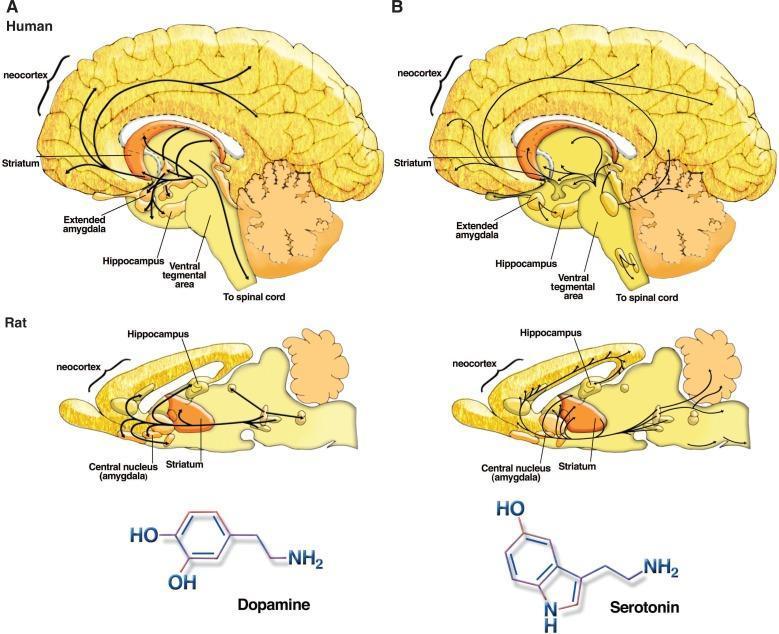
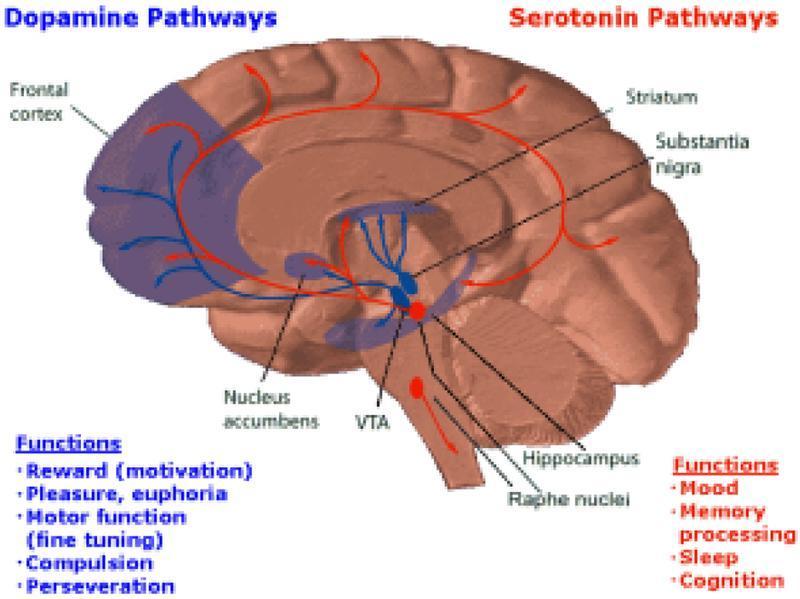
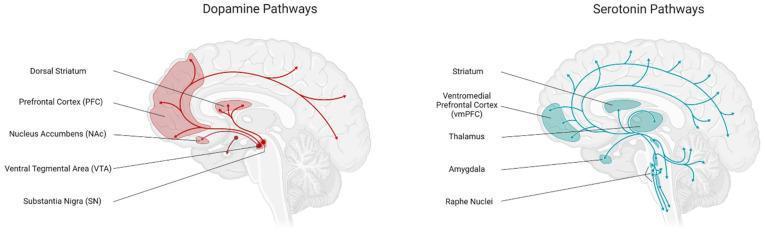
| Dopamine | Substantia nigra → striatum (nigrostriatal); VTA → limbic/cortex (mesolimbic/mesocortical) | Movement, reward, motivation, cognition | Antipsychotics, L-DOPA, stimulants |
| Serotonin (5-HT) | Raphe nuclei → cortex, limbic, spinal cord | Mood, sleep, appetite | SSRIs, SNRIs, MAOIs, antipsychotics |
| Norepinephrine (NE) | Locus coeruleus | Arousal, attention, fight-or-flight | TCAs, SNRIs, clonidine |
| Acetylcholine (ACh) | Basal nucleus of Meynert → cortex | Memory, cognition | AChEIs (donepezil), antimuscarinics |
Mnemonic - "GAGNDS": GABA, Acetylcholine, Glutamate, Norepinephrine, Dopamine, Serotonin = the 6 major CNS neurotransmitter systems.
PART 1: SEDATIVES, HYPNOTICS & ANXIOLYTICS
The GABA-A Receptor - Master Switch
GABA-A is a ligand-gated Cl⁻ channel. When GABA binds, Cl⁻ flows in → hyperpolarization → neuronal inhibition. This is the molecular target for most sedative-hypnotics.
GABA-A receptor subunit complex:
  - Benzodiazepine site (α-subunit): allosteric modulator
  - Barbiturate site (β-subunit): separate binding pocket
  - GABA binding site: direct activation
Benzodiazepines (BZDs)
Mechanism: Bind at the BZD site on GABA-A receptor. They increase the FREQUENCY of Cl⁻ channel opening (they do NOT open channels on their own - they potentiate GABA). This is allosteric positive modulation.
Mnemonic - "BZD = Frequency, Barbiturate = Duration"
- BZD → ↑ Frequency of channel opening
- Barbiturate → ↑ Duration of channel opening
| Drug | T½ | Key Use | Notes |
|---|
| Diazepam | Long (20-100h) | Anxiety, status epilepticus, alcohol withdrawal | Active metabolite (desmethyldiazepam) |
| Lorazepam | Medium (10-20h) | Status epilepticus (IV), perioperative | No active metabolite - safer in liver disease |
| Midazolam | Short (1-4h) | Procedural sedation, anesthesia induction | Highly lipid-soluble, water-soluble at acidic pH |
| Alprazolam | Medium | Panic disorder | High abuse potential |
| Triazolam | Very short | Insomnia | Rebound anxiety on discontinuation |
| Clonazepam | Long | Seizures, panic disorder | Good oral bioavailability |
Clinical Pearls:
- Overdose: Supportive care is key. Flumazenil (BZD antagonist) can reverse but caution - precipitates seizures in chronic BZD users or if co-ingested TCA
- Withdrawal: Life-threatening (like alcohol). Taper slowly or substitute phenobarbital
- Tolerance develops to sedation but less so to anxiolytic effects
Adverse Effects: Sedation, anterograde amnesia, respiratory depression (especially with opioids), paradoxical agitation in elderly ("Ativan Rage"), physical dependence.
Barbiturates
Mechanism: Bind GABA-A at a separate site → increase DURATION of Cl⁻ channel opening. At high doses can directly open channels without GABA (this is why overdose is so dangerous).
| Drug | Duration | Use |
|---|
| Phenobarbital | Long | Seizures, alcohol withdrawal |
| Thiopental | Ultra-short | IV anesthesia induction (historical) |
| Pentobarbital | Short | Sedation, refractory status epilepticus |
Why barbiturates are more dangerous than BZDs: They have a narrow therapeutic index. High doses → respiratory depression and death (no ceiling effect). BZDs cannot open Cl⁻ channels without GABA.
Non-BZD Hypnotics ("Z-drugs")
These also act on GABA-A but are selective for α1-subunits (sedation, amnesia, less anxiolysis).
| Drug | Notes |
|---|
| Zolpidem | Most widely used; can cause sleepwalking, sleep-eating; CYP3A4 substrate |
| Zaleplon | Shortest acting; good for sleep-onset (can take after waking) |
| Eszopiclone | Longer acting; approved for up to 6 months use |
Mnemonic: "Z-Z-Z" for Z-drugs = sleep!
Buspirone - The Odd One Out
- Mechanism: 5-HT1A partial agonist; NO GABA activity
- Anxiolytic (not hypnotic, not anticonvulsant)
- Onset: 1-2 weeks (unlike BZDs which work immediately)
- No sedation, no dependence, no withdrawal - great for GAD in elderly
- Does NOT cross-react with BZDs (cannot treat BZD withdrawal)
PART 2: ANTIDEPRESSANTS
Core concept: Depression involves reduced activity of monoamines (5-HT, NE, DA) in the synaptic cleft. All antidepressants work to increase monoamine activity, but by different mechanisms. Onset is 2-4 weeks for all - tell your patients this!
Class 1: SSRIs (Selective Serotonin Reuptake Inhibitors)
Mechanism: Block the serotonin transporter (SERT) → ↑ serotonin in synapse. No significant action on NE or DA transporters.
"Fluoxetine, Sertraline, Paroxetine, Citalopram, Escitalopram, Fluvoxamine"
Mnemonic: "Five Sexy People Can Experience Fun" (Fluoxetine, Sertraline, Paroxetine, Citalopram, Escitalopram, Fluvoxamine)
| SSRI | Unique Feature | Extra Indications |
|---|
| Fluoxetine | Longest T½ (1-4 days + active metabolite norfluoxetine 4-16 days) - best if concerned about discontinuation syndrome | Bulimia, OCD, premenstrual dysphoric disorder |
| Sertraline | Most commonly used first-line; relatively safe in pregnancy | PTSD, panic disorder, OCD |
| Paroxetine | Most anticholinergic SSRI; most discontinuation syndrome | Panic disorder, GAD, PTSD, OCD; avoid in pregnancy |
| Citalopram | Dose-limited QT prolongation; maximum 40mg/day | |
| Escitalopram | S-enantiomer of citalopram; fewest drug interactions | |
| Fluvoxamine | Strong CYP1A2 inhibitor | OCD, social anxiety |
Adverse effects (all SSRIs): Nausea (take with food), sexual dysfunction (most common), insomnia or hypersomnia, weight gain long-term, serotonin syndrome (with MAOIs, tramadol, linezolid), QT prolongation (citalopram), SSRI discontinuation syndrome (paroxetine worst - "FINISH": Flu-like, Insomnia, Nausea, Imbalance, Sensory disturbances, Hyperarousal).
Serotonin Syndrome triad: Altered mental status + Autonomic instability + Neuromuscular abnormalities (tremor, clonus, hyperreflexia). Treatment: cyproheptadine (5-HT antagonist).
Class 2: SNRIs (Serotonin-Norepinephrine Reuptake Inhibitors)
Block both SERT and NET (norepinephrine transporter).
| Drug | Notes |
|---|
| Venlafaxine | Dose-dependent: low dose = SSRI-like; high dose = adds NE. Can raise BP. Discontinuation syndrome |
| Duloxetine | Also approved for diabetic peripheral neuropathy, fibromyalgia, stress urinary incontinence |
| Desvenlafaxine | Active metabolite of venlafaxine |
| Levomilnacipran | Most NE-selective SNRI |
Class 3: TCAs (Tricyclic Antidepressants)
Mechanism: Block SERT + NET (mainly) + muscarinic + H1 + α1 receptors.
Mnemonic - "TCA blocks 4 things: SHAM": SERT/NET (antidepressant), Histamine H1 (sedation), Alpha-1 (orthostatic hypotension), Muscarinic (anticholinergic effects).
| Drug | Notes |
|---|
| Amitriptyline | Most sedating, most anticholinergic; used for chronic pain, migraine prophylaxis |
| Nortriptyline | Less anticholinergic; preferred in elderly |
| Desipramine | Least anticholinergic |
| Imipramine | Enuresis in children |
| Clomipramine | Most serotonergic TCA; OCD |
Toxicity: Anticholinergic toxidrome (CANT SEE - Constipation, Anhydrosis, Nausea absent, Tachycardia, Sedation, Eyes dilated, Elevated temperature). Cardiotoxicity: QRS widening, arrhythmias (block Na⁺ channels). Treatment of overdose: Sodium bicarbonate (narrows QRS), supportive care.
Contraindication: Acute glaucoma (angle-closure), BPH, post-MI (arrhythmia risk). Avoid in elderly.
Class 4: MAOIs (Monoamine Oxidase Inhibitors)
Mechanism: Inhibit MAO-A (breaks down 5-HT, NE) and/or MAO-B (breaks down DA). → ↑ all monoamines.
| Drug | Selectivity | Notes |
|---|
| Phenelzine | Irreversible, non-selective | Atypical depression, PTSD |
| Tranylcypromine | Irreversible, non-selective | Also inhibits DA reuptake |
| Selegiline | Selective MAO-B at low dose | Parkinson's disease; transdermal patch for depression |
| Moclobemide | Reversible MAO-A (RIMA) | Safer, less dietary restriction |
Hypertensive Crisis ("Cheese Reaction"): MAOIs prevent breakdown of tyramine (found in aged cheese, wine, cured meats). Tyramine → releases NE → severe hypertension. Management: Phentolamine (α-blocker).
Drug-drug interaction: MAOIs + SSRIs/TCAs/meperidine/tramadol → Serotonin Syndrome. Must wash out SSRIs 2 weeks (fluoxetine 5 weeks) before starting MAOI.
Class 5: Atypical Antidepressants
| Drug | Mechanism | Key Feature |
|---|
| Bupropion | NE + DA reuptake inhibitor (no serotonin!) | Smoking cessation, weight-neutral, no sexual dysfunction; lowers seizure threshold |
| Mirtazapine | α2 antagonist + 5-HT2 & 5-HT3 antagonist | ↑ appetite, weight gain, sedating (useful in low-weight depressed patients); least sexual dysfunction |
| Trazodone | 5-HT2 antagonist + weak SERT inhibitor | Mainly used for insomnia; rare priapism |
| Vortioxetine | SERT inhibitor + 5-HT receptor modulator | Cognitive benefits; multimodal |
| Esketamine | NMDA receptor antagonist | Intranasal; rapid-acting for treatment-resistant depression and suicidality |
| Brexanolone | GABA-A modulator (neurosteroid) | IV; postpartum depression only |
PART 3: ANTIPSYCHOTICS
Core concept: Psychosis (positive symptoms - hallucinations, delusions) is driven by mesolimbic hyperdopaminergia. Cognitive/negative symptoms are driven by mesocortical hypodopaminergia. This dual-pathway model explains the limitations of dopamine blockade alone.
4 Dopamine Pathways - MUST KNOW
| Pathway | Origin → Target | Function | If D2 blocked |
|---|
| Mesolimbic | VTA → nucleus accumbens | Reward, psychosis | ↓ Positive symptoms ✓ |
| Mesocortical | VTA → prefrontal cortex | Cognition, negative symptoms | Worsens negative symptoms ✗ |
| Nigrostriatal | Substantia nigra → striatum | Movement | EPS (extrapyramidal symptoms) ✗ |
| Tuberoinfundibular | Hypothalamus → pituitary | Inhibits prolactin | Hyperprolactinemia (galactorrhea, amenorrhea) ✗ |
First-Generation (Typical) Antipsychotics (FGAs)
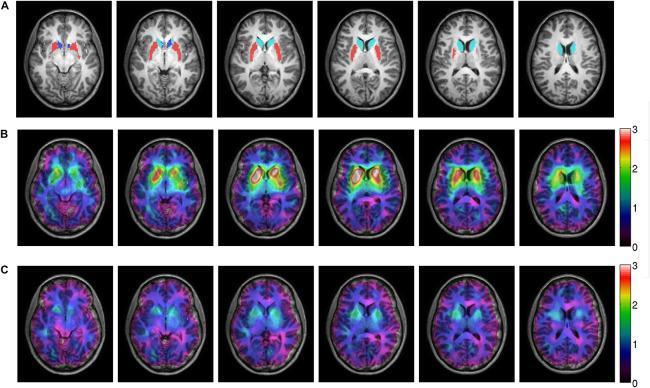
Mechanism: Primarily D2 receptor blockade (high potency blockade).
| Potency | Drug | Adverse Profile |
|---|
| High potency | Haloperidol, Fluphenazine | More EPS, less sedation/anticholinergic |
| Mid potency | Perphenazine | Intermediate |
| Low potency | Chlorpromazine, Thioridazine | More sedation, anticholinergic, orthostasis; less EPS |
Mnemonic - "High potency = High EPS; Low potency = Low EPS but lots of other effects"
EPS (Extrapyramidal Symptoms) and Timing:
| EPS | Timing | Treatment |
|---|
| Acute dystonia | Hours-days | Benztropine (anticholinergic) or diphenhydramine (IV) |
| Akathisia | Days-weeks | β-blockers (propranolol), benzodiazepines |
| Parkinsonism | Weeks | Benztropine, amantadine; reduce dose |
| Tardive dyskinesia (TD) | Months-years | Irreversible (if not caught early); use VMAT2 inhibitors (valbenazine, deutetrabenazine) |
Mnemonic: "4 A's of EPS" (in order of onset): Acute dystonia, Akathisia, Akinesia/Parkinsonism, Abnormal movements (TD).
Neuroleptic Malignant Syndrome (NMS) - Life-threatening:
- "FEVER": Fever, Encephalopathy, Vitals unstable, Elevated CK, Rigidity ("lead pipe")
- Treatment: Stop antipsychotic, dantrolene (muscle relaxant), bromocriptine (DA agonist), ICU
Thioridazine: Highest risk of retinal pigmentation and QT prolongation. Reserved for refractory cases.
Second-Generation (Atypical) Antipsychotics (SGAs)
Mechanism: Block both D2 AND 5-HT2A receptors. 5-HT2A blockade → DA release in nigrostriatal pathway → less EPS. Better for negative symptoms and cognition.
| Drug | Key Feature | Watch For |
|---|
| Clozapine | Most effective (treatment-resistant schizophrenia); lowers suicidality | Agranulocytosis (weekly CBC monitoring), seizures, metabolic syndrome |
| Olanzapine | Highly effective; strong metabolic effects | Weight gain, dyslipidemia, T2DM - most metabolic risk after clozapine |
| Risperidone | Most EPS of the atypicals (dose-dependent); most prolactin elevation | EPS, hyperprolactinemia |
| Quetiapine | Sedating; minimal EPS, minimal prolactin | Sedation, metabolic effects; used as sleep aid off-label |
| Aripiprazole | Partial D2 agonist (stabilizer) - unique mechanism! | Akathisia; weight-neutral; activating |
| Ziprasidone | QT prolongation; must take with food | Take with 500 kcal meal; weight-neutral |
| Lurasidone | Metabolically neutral; approved for bipolar depression | Take with food |
| Paliperidone | Active metabolite of risperidone | Long-acting injection available |
| Pimavanserin | 5-HT2A inverse agonist (NO D2 blockade!) | Specifically for Parkinson's Disease Psychosis |
Metabolic Risk Ranking (highest → lowest): Clozapine > Olanzapine > Quetiapine > Risperidone > Aripiprazole, Ziprasidone, Lurasidone
Clozapine Monitoring: CBC weekly for 6 months, then every 2 weeks for 6 months, then monthly. ANC must be checked before each refill.
PART 4: ANTIEPILEPTIC DRUGS (AEDs)
Core mechanisms that AEDs exploit:
- Na⁺ channel blockade - stabilize inactivated state → limit repetitive firing
- Ca²⁺ channel blockade - especially T-type (absence seizures)
- GABA enhancement - ↑ inhibition
- Glutamate blockade - ↓ excitation
- SV2A binding - reduce vesicle release (levetiracetam)
Drug-by-Drug Breakdown
| Drug | Mechanism | Seizure Types | Key Toxicity |
|---|
| Phenytoin | Na⁺ channel blocker | Partial, generalized tonic-clonic (GTC) | Zero-order kinetics at therapeutic doses, gingival hyperplasia, hirsutism, teratogen (fetal hydantoin syndrome), cerebellar ataxia, nystagmus |
| Carbamazepine | Na⁺ channel blocker | Partial, GTC, trigeminal neuralgia | Agranulocytosis, aplastic anemia, SIADH, teratogen; strong CYP inducer; HLA-B*1502 → Stevens-Johnson in Asian patients |
| Valproate (VPA) | Na⁺ blockade + GABA ↑ + T-Ca²⁺ blockade | Broad spectrum (all types) | Teratogen (neural tube defects, valproate syndrome); hepatotoxicity, pancreatitis, tremor, weight gain, CYP inhibitor |
| Lamotrigine | Na⁺ channel blocker | Partial, GTC, absence, bipolar | Stevens-Johnson syndrome (slow titration prevents this); CYP2 interactions |
| Levetiracetam | SV2A binding (unique!) | Broad spectrum | Behavioral/psychiatric side effects ("Keppra rage"); no drug interactions |
| Ethosuximide | T-type Ca²⁺ channel blocker | Absence seizures ONLY | GI symptoms, Stevens-Johnson |
| Phenobarbital | ↑ GABA-A duration | Broad spectrum | Sedation, tolerance, dependence, strong CYP inducer; safest in pregnancy for seizures |
| Gabapentin | α2δ subunit of Ca²⁺ channels | Partial, neuropathic pain, fibromyalgia | Sedation, dizziness; no drug interactions; renal elimination |
| Pregabalin | α2δ subunit of Ca²⁺ channels | Same as gabapentin | Similar to gabapentin; controlled substance (Schedule V) |
| Topiramate | Na⁺ block + GABA ↑ + Glu block | Partial, GTC, migraine prophylaxis | Cognitive dulling ("Dopamax"), nephrolithiasis, weight loss, metabolic acidosis, angle-closure glaucoma |
| Zonisamide | Na⁺ + T-Ca²⁺ block | Partial, GTC | Nephrolithiasis, sulfonamide allergy |
| Tiagabine | GABA reuptake inhibitor | Partial | Dizziness; non-convulsive SE at high doses |
| Vigabatrin | GABA transaminase inhibitor (irreversible) | Infantile spasms, refractory partial | Irreversible visual field defects |
| Lacosamide | Slow Na⁺ channel inactivation | Partial | PR prolongation |
Seizure type → Drug of choice:
- Absence: Ethosuximide (first-line), valproate
- Juvenile myoclonic epilepsy (JME): Valproate (first-line); levetiracetam
- Infantile spasms: ACTH, vigabatrin
- Partial/focal: Carbamazepine, levetiracetam, lamotrigine
- Status epilepticus: Lorazepam (IV) → fosphenytoin/valproate → phenobarbital → propofol/ketamine (refractory)
Pregnancy: Lamotrigine or levetiracetam preferred. Avoid valproate and phenytoin (teratogens). If must use, give folate supplementation.
CYP inducers (reduce other drugs): Phenytoin, carbamazepine, phenobarbital ("PCB" = destroys your drugs!)
CYP inhibitors: Valproate (inhibits epoxide hydrolase → ↑ phenytoin, carbamazepine)
PART 5: DRUGS FOR MOVEMENT DISORDERS
Parkinson's Disease
Pathophysiology: Loss of dopaminergic neurons in the substantia nigra pars compacta → ↓ DA in striatum → disinhibition of GABAergic output → excessive inhibition of thalamus → reduced motor cortex activation.
Classic triad: TRAP - Tremor (resting), Rigidity (cogwheel), Akinesia/Bradykinesia, Postural instability
Dopaminergic Drugs
| Drug | Mechanism | Notes |
|---|
| Levodopa + Carbidopa | L-DOPA: DA precursor; crosses BBB → converted to DA. Carbidopa: peripheral DOPA decarboxylase inhibitor (prevents peripheral conversion) | Gold standard. Long-term: "wearing off", dyskinesias, on-off fluctuations. Take before meals |
| Pramipexole, Ropinirole | D2/D3 receptor agonists | Used early or as adjunct; compulsive behaviors (gambling, hypersexuality) as side effect |
| Rotigotine | D1/D2/D3 agonist | Transdermal patch |
| Bromocriptine | D2 agonist | Older; also used for hyperprolactinemia, acromegaly |
| Selegiline, Rasagiline | MAO-B inhibitors | Protect DA from breakdown; neuroprotective? Used early |
| Entacapone, Tolcapone | COMT inhibitors | Extend levodopa action; reduce "wearing off". Tolcapone: hepatotoxic (liver monitoring required) |
| Amantadine | Mechanism unclear (anti-NMDA, ↑ DA release) | Treats dyskinesias; mild antiparkinsonian effect; also antiviral |
Anticholinergic Drugs (for tremor)
| Drug | Notes |
|---|
| Benztropine | Block muscarinic receptors in striatum → reduce tremor and rigidity. Avoid in elderly (cognitive side effects) |
| Trihexyphenidyl | Similar to benztropine |
Mnemonic for L-DOPA side effects: "DAWN" - Dyskinesias, Anxiety/agitation, Wearing off, Nausea.
Alzheimer's Disease (Cognitive Enhancers)
Pathophysiology: Loss of cholinergic neurons from basal nucleus of Meynert → ↓ ACh in hippocampus/cortex. Also amyloid plaques (Aβ) and neurofibrillary tangles (tau).
| Drug | Mechanism | Stage | Notes |
|---|
| Donepezil | AChEI (reversible) | Mild-severe | Once daily; GI side effects; bradycardia |
| Rivastigmine | AChEI (pseudo-irreversible) | Mild-moderate | Also for Parkinson's dementia; patch form |
| Galantamine | AChEI + nicotinic receptor allosteric modulator | Mild-moderate | |
| Memantine | NMDA receptor antagonist | Moderate-severe | Blocks excessive glutamate (excitotoxicity); can combine with AChEI |
| Lecanemab | Anti-Aβ monoclonal antibody | Early | 2023 FDA-approved; slows progression; ARIA (amyloid-related imaging abnormalities) risk |
PART 6: OPIOID ANALGESICS
Receptors: Three main types - μ (mu), κ (kappa), δ (delta). All are Gi-coupled (inhibitory) → ↓ cAMP, ↑ K⁺ efflux (hyperpolarization), ↓ Ca²⁺ influx → ↓ neuronal firing + ↓ neurotransmitter release.
| Receptor | Location | Effect when activated |
|---|
| μ (MOR) | Brain, spinal cord, GI | Analgesia, euphoria, respiratory depression, constipation, miosis, physical dependence |
| κ (KOR) | Spinal cord, brain | Analgesia, sedation, dysphoria, miosis, diuresis |
| δ (DOR) | Brain | Analgesia, mood modulation |
Mnemonic - "μ = Most effects" - all the major opioid effects are μ-mediated.
Opioid Drug Classes
| Drug | Type | Notes |
|---|
| Morphine | Full μ agonist | Standard; active metabolite M6G accumulates in renal failure → avoid |
| Codeine | Prodrug → morphine (via CYP2D6) | Ultra-rapid metabolizers (African, Middle Eastern patients) = toxicity risk; can't use in nursing mothers |
| Oxycodone | Full μ agonist | Oral; OxyContin (extended-release) - epicenter of opioid epidemic |
| Hydromorphone | Full μ agonist | More potent than morphine; OK in renal failure |
| Fentanyl | Full μ agonist | Very lipid-soluble; transdermal, IV, intranasal; 100x more potent than morphine; illicit fentanyl in drug supply |
| Meperidine (Pethidine) | Full μ agonist | Metabolite normeperidine → seizures; avoid in renal failure, elderly; serotonin syndrome with MAOIs |
| Methadone | Full μ agonist + NMDA antagonist | Long T½ (24-36h); QT prolongation; used for addiction treatment, chronic pain |
| Tramadol | Weak μ agonist + SNRI | Lowers seizure threshold; serotonin syndrome risk; "mild" opioid |
| Buprenorphine | Partial μ agonist / κ antagonist | Ceiling effect on respiratory depression (safer); used for addiction; available as Suboxone (+ naloxone) |
| Nalbuphine, Butorphanol | κ agonist / μ antagonist | Mixed agonist-antagonist; can precipitate withdrawal |
| Tramadol | Weak μ + NE/5-HT reuptake inhibitor | |
Opioid Antagonists
| Drug | Use |
|---|
| Naloxone | IV/IM/intranasal; reverses overdose; short T½ (re-dose for fentanyl!); can precipitate acute withdrawal |
| Naltrexone | Oral; alcohol use disorder + opioid use disorder (maintenance); no dependence |
| Methylnaltrexone | Peripheral μ antagonist; does NOT cross BBB; treats opioid-induced constipation without reversing analgesia |
Opioid Overdose Triad: "Pinpoint pupils + Coma + Respiratory depression". Treatment: Naloxone (0.4mg IV; repeat every 2-3 min; infusion for long-acting opioids).
Constipation does NOT develop tolerance - always prescribe stool softeners/laxatives with opioids.
PART 7: CNS STIMULANTS
| Drug | Mechanism | Use |
|---|
| Amphetamine | Reverses DAT/NET (efflux of DA, NE) + MAO inhibition | ADHD, narcolepsy |
| Methylphenidate | Blocks DAT/NET (reuptake inhibition) | ADHD, narcolepsy |
| Cocaine | Blocks DAT/NET/SERT | Drug of abuse; also topical anesthetic (vasoconstriction) |
| Modafinil | Unclear; promotes wakefulness via histamine, NE, DA | Narcolepsy, shift work disorder; low abuse potential |
| Caffeine | Adenosine receptor antagonist | Promotes wakefulness |
PART 8: MOOD STABILIZERS
Lithium
Mechanism: Not fully understood. Inhibits inositol monophosphatase → depletes IP3/DAG second messengers; also affects glycogen synthase kinase-3 (GSK-3) → neuroprotective.
Uses: Acute mania (bipolar I), bipolar maintenance (best evidence), reduces suicide risk.
Pharmacokinetics: Renally eliminated. Narrow therapeutic index (0.6-1.2 mEq/L therapeutic; >1.5 = toxicity). Replaces Na⁺ ions in the body.
Drug interactions that RAISE lithium levels (→ toxicity):
- Thiazide diuretics (Na⁺ depletion → kidney compensates by retaining Li⁺)
- NSAIDs (reduce GFR)
- ACE inhibitors
Mnemonic: "TAN makes you TOXIC" - Thiazides, ACE inhibitors, NSAIDs
Toxicity progression:
- Mild (1.5-2): Fine tremor, GI, polyuria, polydipsia
- Moderate (2-2.5): Coarse tremor, ataxia, confusion
- Severe (>2.5): Coma, seizures, arrhythmias, cardiac arrest
Chronic toxicity: Nephrogenic diabetes insipidus (treat with amiloride, not thiazides), hypothyroidism, renal tubular acidosis.
PART 9: ANESTHETICS (CNS Overview)
General Anesthesia Stages (Guedel Classification)
- Analgesia (awake, conscious)
- Excitement (delirium, involuntary movement - dangerous stage)
- Surgical anesthesia
- Medullary depression (respiratory/CV arrest)
IV Anesthetics
| Drug | Mechanism | Notes |
|---|
| Propofol | ↑ GABA-A + ↓ NMDA | Rapid onset/offset; antiemetic; "milk of amnesia"; propofol infusion syndrome (acidosis, rhabdomyolysis) |
| Ketamine | NMDA antagonist | Dissociative anesthesia; bronchodilator; ↑ ICP; emergence reactions (hallucinations); preserves airway reflexes; analgesic |
| Thiopental | Barbiturate (GABA-A) | Ultra-short; ↓ ICP; "fixed dilated pupils" if extravasated |
| Etomidate | ↑ GABA-A | Minimal CV/respiratory depression; adrenal suppression |
| Midazolam | BZD (GABA-A) | Anxiolysis, amnesia; no analgesia |
| Dexmedetomidine | α2 agonist | Sedation without respiratory depression; ICU sedation |
MASTER COMPARISON TABLE: Drug Classes at a Glance
| Drug Class | Core Target | Key Drugs | Major Toxicity |
|---|
| BZDs | GABA-A (↑ Cl⁻ frequency) | Diazepam, lorazepam, midazolam | Sedation, dependence, withdrawal seizures |
| Barbiturates | GABA-A (↑ Cl⁻ duration) | Phenobarbital, thiopental | Respiratory depression, narrow TI |
| SSRIs | SERT | Fluoxetine, sertraline | Serotonin syndrome, sexual dysfunction |
| SNRIs | SERT + NET | Venlafaxine, duloxetine | HTN (venlafaxine) |
| TCAs | SERT + NET + mACh + H1 + α1 | Amitriptyline, nortriptyline | Anticholinergic, cardiotoxic |
| MAOIs | MAO-A/B | Phenelzine, tranylcypromine | Hypertensive crisis ("cheese reaction") |
| Typical APs | D2 blockade | Haloperidol, chlorpromazine | EPS, TD, NMS |
| Atypical APs | D2 + 5-HT2A blockade | Clozapine, olanzapine, aripiprazole | Metabolic syndrome; clozapine → agranulocytosis |
| Phenytoin | Na⁺ channel | Phenytoin | Zero-order kinetics, gingival hyperplasia |
| Valproate | Na⁺, GABA, T-Ca²⁺ | Valproate | Teratogen, hepatotoxicity |
| Levetiracetam | SV2A | Levetiracetam | Behavioral effects |
| Opioids | μ, κ, δ receptors (Gi) | Morphine, fentanyl, oxycodone | Respiratory depression, constipation, addiction |
| Levodopa/Carbidopa | DA precursor | L-DOPA + Carbidopa | Dyskinesias, wearing-off |
| AChEIs | AChE inhibition | Donepezil, rivastigmine | GI, bradycardia |
| Lithium | IP3 depletion, GSK-3 | Lithium | Narrow TI, DI, hypothyroidism |
HIGH-YIELD MNEMONICS SUMMARY
| Mnemonic | What it Recalls |
|---|
| "BZD = Frequency; Barb = Duration" | GABA-A opening pattern |
| "FINISH" | SSRI discontinuation syndrome |
| "Cheese Reaction" | MAOI + tyramine |
| "SHAM" | TCA receptor blockade |
| "TRAP" | Parkinson's features |
| "DAWN" | L-DOPA side effects |
| "Pinpoint pupils + Coma + Respiratory depression" | Opioid overdose triad |
| "TAN" (Thiazides, ACE-I, NSAIDs) | Lithium toxicity triggers |
| "FEVER" | NMS features |
| "4 A's of EPS" | EPS in order of onset |
| "PCB" (Phenytoin, Carbamazepine, Phenobarbital) | CYP inducers |
HOW IT ALL CONNECTS - THE BIG PICTURE
INHIBITORY SIDE                           EXCITATORY SIDE
(GABA, Glycine, Opioids)                 (Glutamate, Catecholamines)
        ↑                                         ↑
BZDs, Barbiturates,                     Stimulants (amphetamine),
Ethanol, Propofol                       Ketamine (disrupts GABA
                                         interneurons → net excitation)
        ↓                                         ↓
Too much inhibition                     Too much excitation
= Sedation, coma,                       = Seizures, psychosis,
  respiratory depression                  anxiety, mania
Every CNS drug tilts this balance in some direction. When you see an unknown drug, ask:
- Does it increase or decrease inhibitory tone (GABA)?
- Does it increase or decrease monoamine activity (DA/5-HT/NE)?
- Which receptor subtypes, which brain circuits?
- What happens when you remove it suddenly? (Withdrawal)
This guide covers the full breadth of CNS pharmacology. Each section can be expanded further. Good next steps would be practicing clinical vignettes for each drug class - let me know if you'd like practice questions, mechanism diagrams, or a deep dive into any specific area!

![This diagnostic image displays two side-by-side transaxial Positron Emission Tomography (PET) brain scans using the radiotracer [11C]raclopride, which targets dopamine D2 receptors. The left image represents the 'Baseline' state, showing high radiotracer binding in the striatum (specifically the putamen and caudate nucleus), indicated by warm yellow and orange hues. The right image depicts the 'Drug challenge' state after the administration of 6 mg of aripiprazole. In this scan, there is a visible reduction in radiotracer uptake within the striatal regions, characterized by a shift toward cooler blue and green colors. This visual decrease represents competitive displacement of the radiotracer by aripiprazole, effectively illustrating dopamine D2 receptor occupancy by the antipsychotic medication. The comparison serves as a clinical demonstration of neuropharmacological activity and receptor binding dynamics in the human brain.](https://cdn.orris.care/cdss_images/pmc_clinical_VQA_9eb61996d0f81bca0843d76edca579a9b49b2d22a82de92e76818db7572aa7f8.jpg)
![This diagnostic comparison image features three transversal [123I]IBZM SPECT slices at the level of the striatum, illustrating dopamine D2/3 receptor (D2/3R) availability across different clinical states. The panels represent a patient with treatment-resistant depression (TRD), a TRD patient receiving antipsychotic medication (TRD AP), and a healthy control (HC) subject. In the TRD and HC images, there is a prominent, bilateral, and symmetric high-intensity signal within the striatal regions (caudate and putamen), appearing as well-defined, bright orange-yellow structures against a darker background. In contrast, the TRD AP image demonstrates a marked reduction in signal intensity and distinctness in the striatum. This visual difference indicates high occupancy of D2/3 receptors by antipsychotic dopamine antagonists, which reduces the binding availability for the radiotracer. The comparison serves to illustrate that while TRD alone does not significantly alter striatal D2/3R availability compared to healthy controls, pharmacological intervention with antipsychotics causes a visible and quantifiable decrease in receptor availability.](https://cdn.orris.care/cdss_images/pmc_clinical_VQA_340836387dce764e67c5251a1d168b40843d648e503bc7baf69e146346e891f8.jpg)