
Epidemiology of acute kidney injury.
Reading File
AKI is common across all healthcare settings - roughly 1-5% of hospital admissions and up to 20-50% in ICU patients. It carries significant mortality (community-acquired AKI ~1%, hospital-acquired up to 20-30%), and survivors face long-term risks of CKD progression and cardiovascular events.
Searching sources...
Finding Sources
Searching PubMed
"acute kidney injury"[MeSH Terms] AND epidemiology[MeSH Terms]
Finding Sources
Searching PubMed
"acute kidney injury" AND incidence AND epidemiology
Good - found the key AKI sections in Brenner & Rector. Let me read the most comprehensive ones in parallel.
Reading File
Reading File
Good - block12 has the epidemiology section. Let me read more of it and also find a dedicated AKI epidemiology chapter.
Reading File
Finding Sources
Reading File
Finding Sources
Now let me get the risk factors section and look for a more dedicated AKI epidemiology chapter:
Reading File
Finding Sources
Excellent. I now have comprehensive data. Let me also fetch the AKI incidence figure (by surgery type) which is directly relevant:
Loading Image
Loading Image
I now have all the information needed for a comprehensive response. Here is the full synthesis:
Epidemiology of Acute Kidney Injury
1. Definitions and Diagnostic Challenges
AKI is defined by a rise in serum creatinine or a fall in urine output over hours to days. The KDIGO 2012 criteria (serum creatinine rise ≥0.3 mg/dL within 48 hours, or ≥1.5x baseline within 7 days, or urine output <0.5 mL/kg/h for ≥6 hours) are now standard. Because AKI is transient by definition - kidney disease lasting >3 months is CKD - it can only be described by incidence, not prevalence.
Epidemiologic estimates are complicated by several methodologic issues:
- Many studies use billing/diagnostic codes (e.g., ICD-9/ICD-10), which have poor sensitivity - one large VA study found only 49% of creatinine-confirmed AKI had an associated AKI billing code.
- Serum creatinine is only measured during health encounters, introducing ascertainment bias.
- The urine output criterion is relatively recent and inconsistently captured.
- There is no uniform definition for the cause of AKI in large databases.
(Brenner and Rector's The Kidney, p. 860)
2. Incidence
Community-Based Incidence
- Northern California: 522.4 cases/100,000 person-years (all AKI); 29.5 cases/100,000 person-years for dialysis-requiring AKI.
- Scotland: 214.7 cases/100,000 patient-years (all AKI); 18.3 cases/100,000 for dialysis-requiring AKI.
- Canadian cohorts: rates varied enormously - 100 to 11,700 cases/100,000 person-years depending on baseline GFR and proteinuria, demonstrating the huge impact of underlying CKD on susceptibility.
- Among Medicare beneficiaries >65 years: 4.0% had an AKI-coded hospitalization in 1 year.
Hospital-Based Incidence
- A worldwide meta-analysis estimated nearly 25% of hospitalized patients had AKI by the KDIGO definition, with approximately 10% requiring kidney replacement therapy (KRT).
- This estimate is echoed in the ISN global initiative, which cites the same ~25% figure as a call to action to eliminate preventable AKI deaths by 2025.
(Brenner and Rector's The Kidney, p. 860)
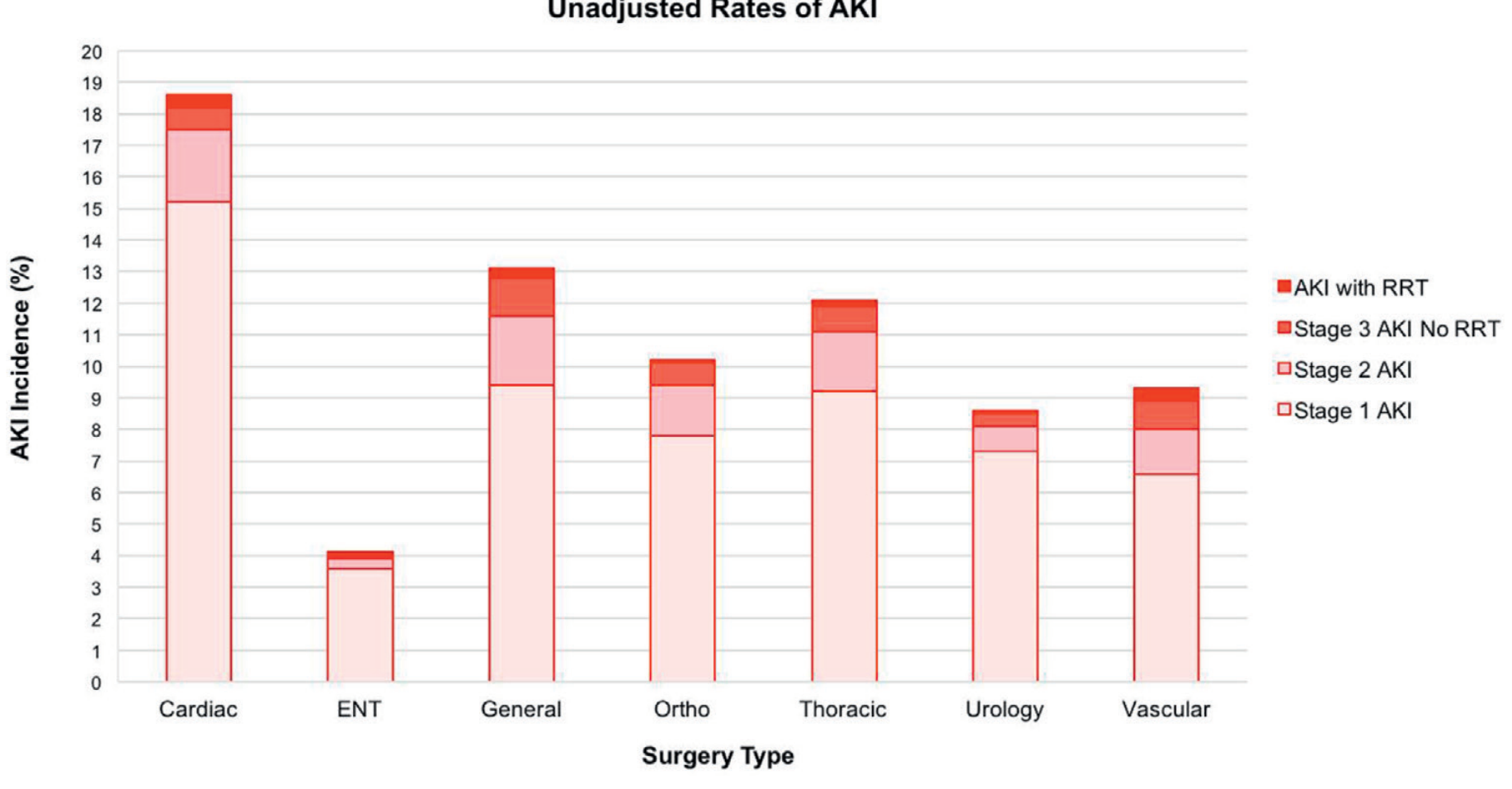
AKI After Major Surgery (7-day incidence)
| Surgery Type | AKI Incidence |
|---|---|
| Cardiac | ~18.7% |
| Thoracic | ~12% |
| General | ~13% |
| Orthopaedic | ~10% |
| Vascular | ~9% |
| Urology | ~8.5% |
| ENT | ~4.1% |
(Fig. 19.20, Brenner and Rector's; Grams et al., Am J Kidney Dis. 2016)
Community-Acquired vs. Hospital-Acquired AKI
Studies in hospitalized patients suggest approximately two-thirds of AKI is community-acquired and one-third is hospital-acquired.
3. Outcomes
AKI is not a self-contained event - it carries major downstream consequences:
- CKD development and progression: The incidence of CKD, eGFR decline, ESKD, and death are all higher after AKI, with risk graded by AKI stage.
- ESKD risk: In one U.S. study, surviving a dialysis-requiring AKI episode was associated with a 2.8x higher risk of progressing to stage G4/G5 CKD.
- Mortality: Even modest creatinine rises confer increased risk. Oliguria alone, even without a rise meeting AKI criteria, may confer higher risk.
- Economic burden: A 2005 study found a serum creatinine rise ≥0.5 mg/dL was associated with 3.5 extra hospital days and $7,500 in excess costs per patient.
- Non-recovery: Many patients with KRT-requiring AKI never recover full kidney function.
- Debate remains over whether adverse outcomes are caused by AKI or simply reflect shared risk factors - no interventional trial has definitively proven causation.
(Brenner and Rector's The Kidney, p. 861)
4. Risk Factors
Patient-Level Risk Factors
- Older age - the single strongest demographic predictor
- Male sex
- Black race - though this may be confounded by socioeconomic disparities; not fully explained by APOL1 risk variants in limited studies
- Diabetes mellitus - 1.5- to 2.5-fold increased odds of AKI
- Pre-existing CKD (lower eGFR) - the strongest modifiable risk factor, in a graded dose-response relationship
- Proteinuria/albuminuria - also confers graded increased risk, independent of eGFR
- Hypertension
The graph below illustrates the strong, graded relationships between lower eGFR, higher albuminuria (ACR), and AKI risk - these associations exist regardless of diabetes status:
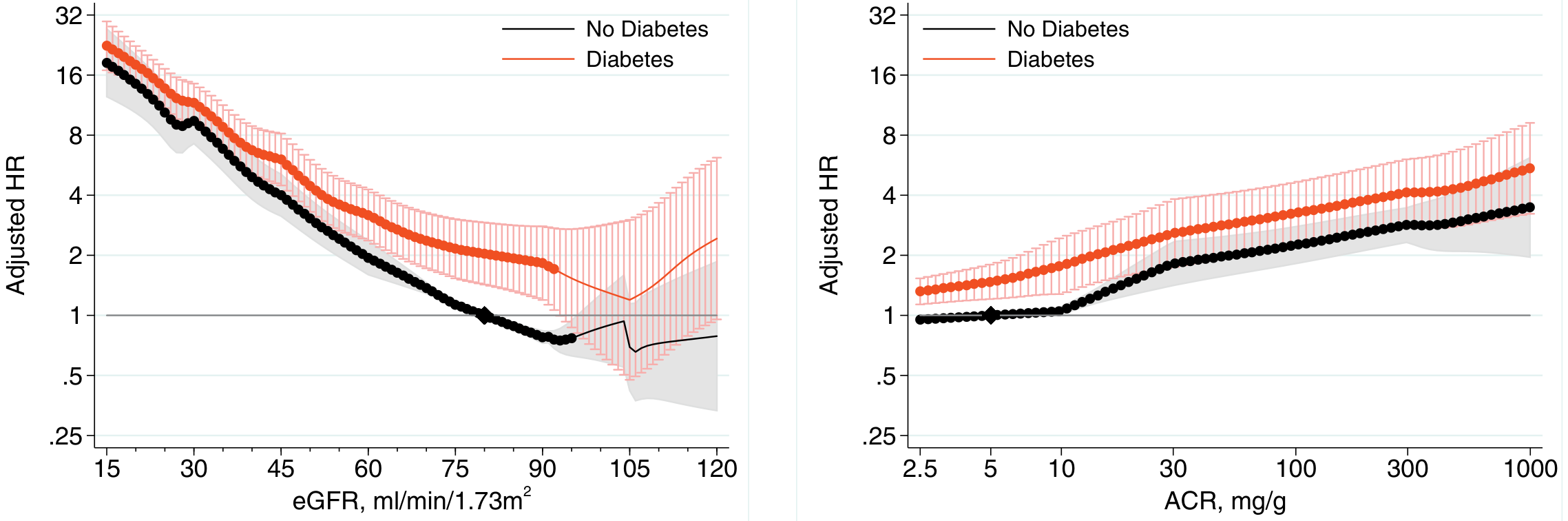
(Fig. 19.21, Brenner and Rector's; James et al., Am J Kidney Dis. 2015)
Setting-Specific and Exposure-Based Risk Factors
- Sepsis - the leading cause of AKI in the ICU; sepsis-associated AKI accounts for the majority of ICU AKI cases (multicenter AKI-EPI data)
- Cardiac surgery / cardiopulmonary bypass
- Major non-cardiac surgery
- Nephrotoxic drugs - aminoglycosides, NSAIDs, contrast media, cisplatin
- Volume depletion / haemorrhage
- Liver failure (hepatorenal syndrome)
- Immune checkpoint inhibitor therapy (emerging cause; ASCO/ASNO position statement 2025)
5. Special Populations
- Neonates: A 2024 meta-analysis in Pediatrics (PMID 38872621) found AKI is common in neonatal ICUs, especially in very preterm infants; incidence varies widely by definition used.
- ICU patients: A multinational ICU study (AKI-EPI) and Finnish FINNAKI study found AKI in 50-60% of ICU patients, with 90-day mortality exceeding 40% in severe stages.
- Cirrhosis: AKI (including hepatorenal syndrome) is extremely common in hospitalised cirrhotic patients, with significantly worse outcomes than AKI in other settings (Patidar et al., J Hepatol 2023).
- Older adults (>65 years): Carry disproportionate burden; incidence of dialysis-requiring ESKD in this group increased from 1,203 to 1,556 cases/million between 1996 and 2014.
6. Global Burden and Disparities
- The ISN Global Snapshot and other global initiatives highlight enormous geographic disparities in AKI detection and treatment access.
- High-income countries have better surveillance and KRT access; many AKI deaths in low- and middle-income countries go unrecorded due to absence of creatinine testing or dialysis services.
- The ISN set a goal to eliminate preventable deaths from AKI by 2025 - largely unmet due to infrastructure gaps in the developing world.
(Brenner and Rector's The Kidney, p. 862)
Summary Table
| Parameter | Estimate |
|---|---|
| Community incidence (general population) | 215-522 cases/100,000 person-years |
| Dialysis-requiring AKI (community) | 18-30 cases/100,000 person-years |
| Hospitalised patients with AKI (global) | ~25% |
| Of those, requiring KRT | ~10% |
| Post-cardiac surgery AKI | ~18.7% |
| AKI in ICU (critically ill) | 40-60% |
| CKD risk after KRT-requiring AKI | 2.8x higher |
| Excess cost per AKI episode (≥0.5 mg/dL rise) | ~$7,500 + 3.5 days LOS |
Source: Brenner and Rector's The Kidney, 2-Volume Set (9780323532655), Chapter 19, pp. 860-862. Recent PubMed evidence (2023-2026) from meta-analyses on neonatal AKI, sepsis-associated AKI in the ICU, and post-cardiac surgery AKI corroborates these figures without contradicting the textbook data.
I want short very short
Epidemiology of AKI
Incidence
- Community: ~215–522 cases/100,000 person-years
- Hospitalized patients: ~25% develop AKI (KDIGO criteria)
- ICU: 40–60%
- ~10% of hospitalized AKI cases require dialysis
Risk Factors
- Older age, male sex, diabetes, pre-existing CKD, albuminuria, sepsis, major surgery, nephrotoxins
Outcomes
- Survivors have 2.8x higher risk of CKD progression
- Even a 0.5 mg/dL creatinine rise = 3.5 extra hospital days + $7,500 excess cost
- Many KRT-requiring AKI patients never fully recover kidney function
Global burden
- Massive treatment gap in low-income countries; ISN goal to eliminate preventable AKI deaths by 2025 largely unmet
What about in context of nepal
Nepal has limited published epidemiologic data on AKI, but the pattern reflects a low-middle income country with distinct causes compared to high-income settings.
Searching sources...
Searching PubMed
"acute kidney injury" AND Nepal
Searching the Web
acute kidney injury epidemiology Nepal incidence causes
Reading Article
PMID: 36800721
Reading Web Page
https://www.sciconx.org/journal-of-nephrology/articles/acute…
AKI Epidemiology in Nepal
Incidence
- Non-ICU hospital admissions: ~15%
- ICU patients: up to 60%
- No national surveillance data exists; true burden is likely underestimated
Key Feature: Community-Acquired AKI Dominates
Unlike high-income countries where hospital-acquired AKI prevails, most AKI in Nepal is community-acquired - affecting younger, previously healthy individuals who present late with already advanced complications.
Main Causes (distinct from HIC pattern)
- Infections and sepsis (including tropical - malaria, dengue, leptospirosis)
- Diarrheal illness and severe dehydration
- Snakebite envenomation - especially in the Terai/southern lowlands; major cause of severe AKI requiring dialysis
- Obstetric complications - eclampsia, septic abortion
- Nephrotoxic traditional/herbal medicines (Ayurvedic preparations, including aristolochic acid)
- Acute post-streptococcal glomerulonephritis (children and adults)
- Chemical poisoning
South Asia Meta-Analysis context (Naqvi & Huma, JPMA 2023): Complete recovery across South Asian AKI studies ranged 40-80%; mortality ranged 2.2-52% - far higher than high-income countries, reflecting late presentation and limited resources.
System Barriers
- Dialysis access mainly in urban Kathmandu; nearly absent in rural areas
- Workforce shortage; patients often travel far to reach tertiary care
- No pharmacovigilance for nephrotoxic herbal remedies
- High out-of-pocket costs limit private care access
Bottom line: Nepal carries a high, largely preventable AKI burden driven by infections, toxins, and obstetric causes - most of which are addressable with basic public health interventions, early recognition, and improved rural access to KRT.
Can u add nepal context in epidemiology
Epidemiology of AKI
Incidence
| Setting | Global | Nepal |
|---|---|---|
| Community | 215–522/100,000 person-years | No national data |
| Hospitalized (non-ICU) | ~25% | ~15% |
| ICU | 40–60% | Up to 60% |
| Requiring dialysis | ~10% of hospital AKI | Limited access; underreported |
Community-Acquired vs. Hospital-Acquired
- Globally: ~2/3 community-acquired, 1/3 hospital-acquired
- Nepal: community-acquired AKI predominates - affects younger, previously healthy individuals who present late with advanced disease
Causes
- Global: sepsis, major surgery, nephrotoxic drugs, contrast, cardiac surgery
- Nepal (distinct pattern): infections/sepsis (malaria, dengue, leptospirosis), severe diarrheal dehydration, snakebite (Terai region), obstetric complications (eclampsia, septic abortion), nephrotoxic herbal/Ayurvedic medicines (aristolochic acid), post-streptococcal GN
Risk Factors
- Global: older age, male sex, diabetes, pre-existing CKD, albuminuria, low eGFR
- Nepal adds: rural residence, delayed presentation, poverty, use of traditional medicine, lack of early diagnostics
Outcomes
| Global | Nepal/South Asia | |
|---|---|---|
| Mortality | Low in HIC; 20–30% in ICU | 2.2–52% (South Asia meta-analysis) |
| Full recovery | Common with early treatment | 40–80% complete recovery |
| CKD progression | 2.8x higher after KRT-AKI | Higher due to late diagnosis |
System-Level Gaps (Nepal-specific)
- No national AKI surveillance - true burden underestimated
- Dialysis facilities concentrated in Kathmandu; nearly absent rurally
- Workforce shortage; long travel to tertiary care
- No pharmacovigilance for nephrotoxic herbal remedies
- High out-of-pocket costs
Bottom line: Nepal's AKI burden is driven largely by preventable, infectious, and environmental causes - a very different profile from high-income countries - compounded by late presentation and limited KRT access.
I liked the short version but i want u to add nepal context too
Epidemiology of AKI
Incidence
- Community: ~215–522 cases/100,000 person-years (Nepal: no national data; true burden underestimated)
- Hospitalized: ~25% globally; ~15% non-ICU in Nepal
- ICU: 40–60% globally and in Nepal
- ~10% require dialysis globally (Nepal: severely limited dialysis access outside Kathmandu)
Risk Factors
- Older age, male sex, diabetes, pre-existing CKD, albuminuria, sepsis, major surgery, nephrotoxins
- Nepal adds: rural residence, delayed presentation, use of nephrotoxic herbal/Ayurvedic medicines, poverty
Causes
- Globally: sepsis, surgery, contrast, drugs
- Nepal: infections (malaria, dengue, leptospirosis), diarrheal dehydration, snakebite (Terai region), obstetric complications (eclampsia, septic abortion), aristolochic acid herbal remedies, post-streptococcal GN
- Most AKI in Nepal is community-acquired (unlike HIC where hospital-acquired dominates)
Outcomes
- Survivors have 2.8x higher CKD progression risk; even small creatinine rises = 3.5 extra days + $7,500 cost
- Nepal/South Asia: mortality ranges 2.2–52% (vs. much lower in HIC); complete recovery only 40–80% — reflecting late presentation and limited KRT access
Global burden
- Massive treatment gap in LMICs; ISN goal to eliminate preventable AKI deaths by 2025 largely unmet
- Nepal: no national surveillance, dialysis concentrated in Kathmandu, high out-of-pocket costs — most preventable cases go unrecognized
This is a shared conversation. Sign in to Orris to start your own chat.