
Flashes of light from periphery
Reading File
Flashes of light from the periphery of vision (photopsia) are a classic symptom pointing to retinal traction or detachment. This is an ophthalmologic emergency that needs same-day evaluation.
Searching sources...
Finding Sources
Finding Sources
Searching PubMed
photopsia peripheral flashes retinal detachment
Reading File
Finding Sources
Finding Sources
Reading File
Reading File
Reading File
Finding Sources
Finding Sources
Reading File
Reading File
Loading Image
Reading File
Here is a thorough clinical breakdown of peripheral flashes of light (photopsia):
Peripheral Flashes of Light (Photopsia)
What Is It?
Photopsia refers to the perception of flashing or flickering lights. When arising from the peripheral visual field, it almost always indicates mechanical stimulation of retinal photoreceptors, which the visual cortex interprets as light. This is a monocular symptom and almost always points to a problem inside the affected eye.
Most Important Causes (Monocular)
1. Posterior Vitreous Detachment (PVD) - Most Common
The vitreous gel fills the back of the eye. With age (typically after 55, but earlier in severe myopia), it shrinks, pulls away from the retina, and tugs on it before separating - generating flashes. Once it fully detaches, a floater called a Weiss ring may be visible.
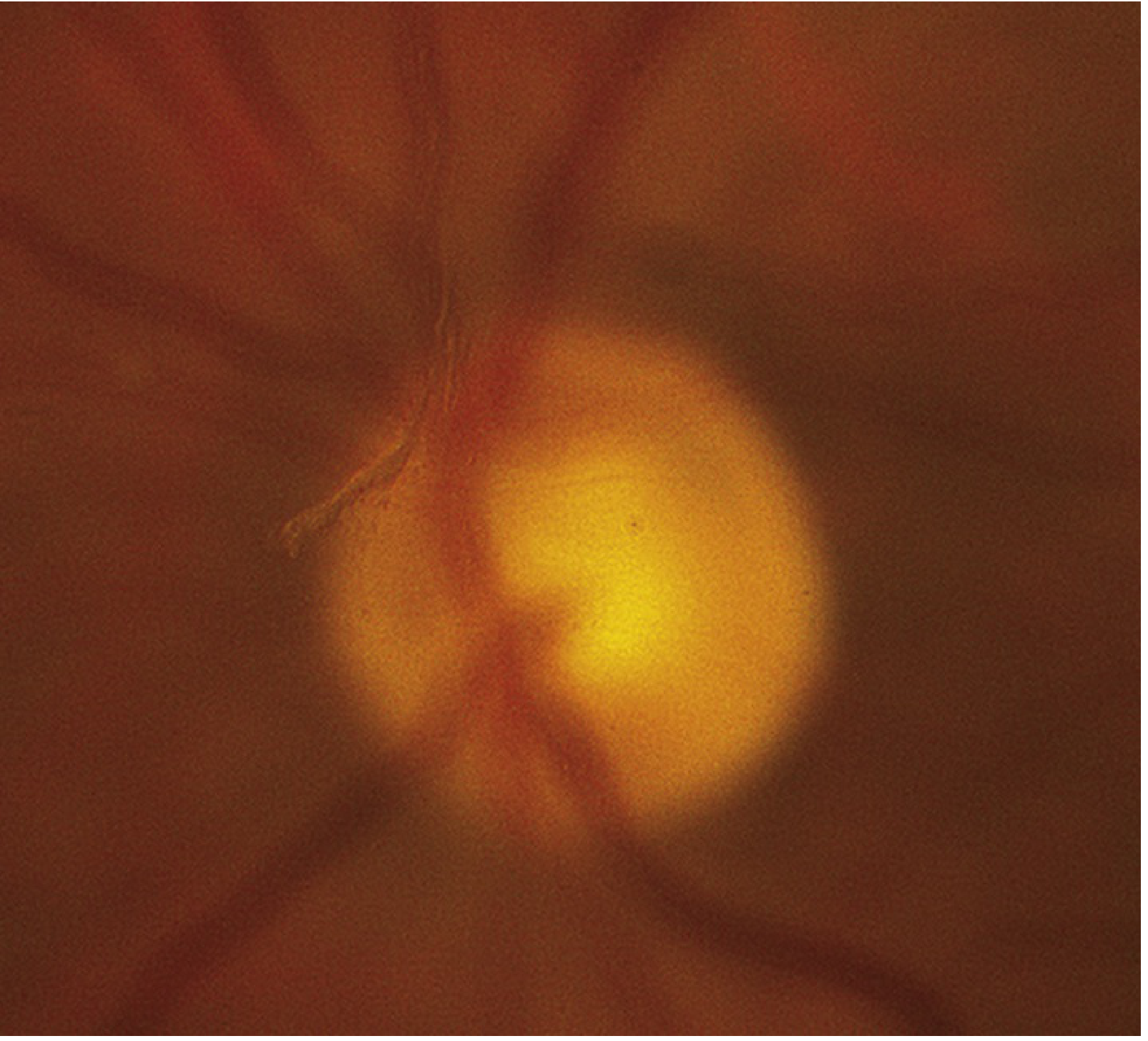
- Flashes are worse in dim light and with rapid eye movement
- 8-26% of symptomatic PVDs have a coexisting retinal break
- If pigmented cells ("tobacco dust" / Shafer sign) are seen in the anterior vitreous, >70% chance of a retinal tear
2. Retinal Tear / Break
- Symptoms: acute flashes + new floaters ("cobwebs," "hair," "film")
- A tear allows vitreous fluid to pass under the retina, leading to detachment
- Most tears are peripheral - not visible with a direct ophthalmoscope
- Requires dilated indirect ophthalmoscopy + scleral depression to detect
3. Retinal Detachment
The classic triad is:
- Flashes of light (vitreous traction)
- Floaters (debris or blood in vitreous)
- Dark curtain or shadow in the visual field
Three types:
| Type | Mechanism | Key Associations |
|---|---|---|
| Rhegmatogenous | Retinal tear - most common | Myopia, age >45, trauma |
| Tractional | Fibrous band contraction | Proliferative diabetic retinopathy |
| Exudative/Serous | Subretinal fluid accumulation | Hypertension, eclampsia, vasculitis, choroidal tumor |
A large detachment appears as a pale billowing parachute on dilated funduscopy. On ultrasound, it shows a hyperechoic membrane tethered at the optic disc.
Binocular Flashes - Think Centrally
If flashes are binocular, the cause is almost always intracranial:
- Migraine (most common): Zig-zag scintillating scotoma that marches across the visual field over ~20 minutes, may be followed by headache, resolves spontaneously
- Visual cortex lesions: seizures, infarcts, tumors
- Peri-chiasmal compression: pituitary adenoma, craniopharyngioma, meningioma
Key Danger Signs - Seek Same-Day Ophthalmology
Any of the following mandate urgent/emergency ophthalmologic evaluation within 24 hours:
- Sudden onset of many new floaters
- Peripheral or central vision loss
- Dark curtain or shadow in the visual field
- Photopsia associated with vitreous hemorrhage (dark floaters progressing to vision loss)
- Tobacco dust (pigmented cells) in the vitreous on slit-lamp exam
Workup
- History: Monocular vs. binocular? Onset, duration, associated floaters, vision loss, curtain/shadow? Risk factors: myopia, prior eye surgery, YAG laser capsulotomy, trauma, family history of retinal detachment?
- Slit-lamp: Evaluate anterior vitreous for pigmented cells (Shafer sign = high risk for retinal break)
- Dilated indirect ophthalmoscopy + scleral depression: Gold standard - required to visualize the peripheral retina where most tears occur
- OCT: Can confirm PVD; "hyperreflective dots" (falling ash sign) correlate with peripheral retinal breaks
- B-scan ultrasound: If vitreous hemorrhage obscures the fundus view
Management Summary
| Finding | Management |
|---|---|
| PVD only, no tear/hemorrhage | Reassure; return precautions; follow up in 4-6 weeks |
| PVD + mild vitreous hemorrhage or peripheral retinal hemorrhages | Repeat exam in 2 weeks |
| PVD + significant VH or anterior pigmented cells | Retina specialist within 24 hours |
| Retinal tear without detachment | Laser photocoagulation or cryotherapy |
| Retinal detachment | Scleral buckle, vitrectomy, or pneumatic retinopexy (gas bubble + laser) |
| Serous detachment | Treat underlying cause (hypertension, etc.) - often resolves |
Bottom Line
Peripheral flashes of light = vitreoretinal traction until proven otherwise. This is an urgent symptom requiring dilated fundus examination by an ophthalmologist, ideally same-day or within 24 hours. Direct ophthalmoscopy in a primary care or ED setting is insufficient because it cannot visualize the peripheral retina where most tears occur.
- Goldman-Cecil Medicine, Sensation of Flashing Lights
- Tintinalli's Emergency Medicine, Retinal Detachment/Flashing Lights and Floaters
- Rosen's Emergency Medicine, Visual Field Disturbances
- Wills Eye Manual, 11.1 Posterior Vitreous Detachment & 11.2 Retinal Break
This is a shared conversation. Sign in to Orris to start your own chat.