
Rapid fluid warmer device
Checking Date & Time
Reading File
Finding Sources
Finding Sources
Finding Sources
Reading File
Reading File
Reading File
Finding Sources
Finding Sources
Reading File
Reading File
Reading File
Searching Images
rapid fluid warmer intravenous infusion device
Here is a comprehensive overview of rapid fluid warmer devices drawn from authoritative clinical textbooks:
Rapid Fluid Warmer Device
What Is It?
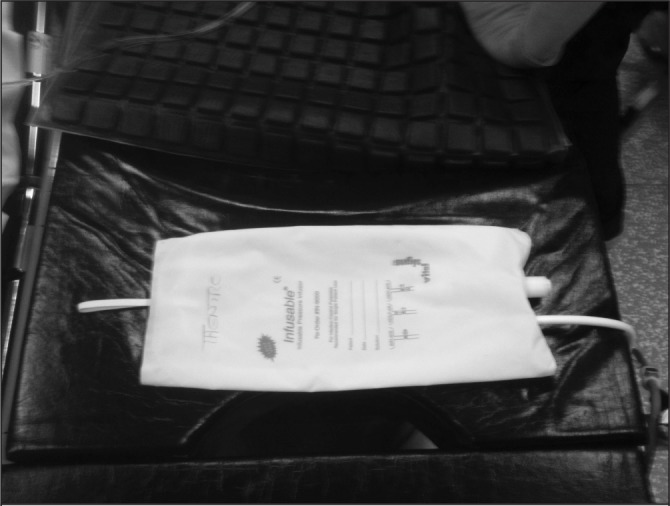
A rapid fluid warmer (also called a thermoregulating high-volume rapid infuser) is a device designed to warm intravenous fluids and blood products to near-physiologic temperatures (37°C) while delivering them at high flow rates. It is a standard-of-care adjunct during massive transfusion and high-volume resuscitation.
Indications
| Clinical Setting | Rationale |
|---|---|
| Massive/rapid transfusion | Cold blood products (stored at 2–6°C) rapidly lower core temperature |
| Hemorrhagic shock | Large-volume resuscitation needed; hypothermia compounds coagulopathy |
| Trauma resuscitation | Prevention of the "lethal triad" (hypothermia + coagulopathy + acidosis) |
| High-rate IV infusion (>15 mL/min) | Routine IV tubing cannot prevent cooling at these rates |
| Major surgery (prostatectomy, cystectomy, nephrectomy) | Prolonged procedures with ongoing heat loss |
| Severe hypothermia | Active core rewarming via warm fluid infusion |
How They Work
Modern rapid infusers integrate two functions:
- Warming element — heats fluid to 37°C before it reaches the patient
- Pressure/pump mechanism — drives fluid at rates far beyond gravity or standard infusion pumps
The available systems can infuse blood warmed to 37°C through an 8.5-Fr introducer sheath 25% faster than through a 14-gauge peripheral IV, and up to 50% faster than through an 18-gauge peripheral IV. — Roberts and Hedges' Clinical Procedures in Emergency Medicine
Key Devices & Flow Rates
| Device | Manufacturer | Max Flow Rate |
|---|---|---|
| Level 1 Rapid Infuser (H-1200) | Smiths Medical | Up to 1,500 mL/min |
| Belmont FMS 2000 | Belmont Instrument Corp. | Up to 1,500 mL/min |
| Hotline Fluid Warmer | Smiths Medical | Lower-flow (used for moderate rates) |
| Thermostat 900 | Arrow International | High-flow warming |
Standard gravity flow and infusion pumps are not adequate for massive resuscitation — they are too slow and do not warm the fluid.
Clinical Importance: Preventing Hypothermia
Hypothermia during massive transfusion is a major concern and initiates a dangerous cascade:
"Coagulation factor activity decreases by 10% for every 1°C decrease in core body temperature. Fluid warmers are standard of care for rapid transfusion; nevertheless, hypothermia is commonly associated with massive transfusion and can result in platelet and coagulation factor dysfunction, arrhythmias, hepatic dysfunction, decreased citrate and drug metabolism, and myocardial depression." — Barash, Cullen, and Stoelting's Clinical Anesthesia, 9e
The Lethal Triad of Trauma
Rapid fluid warmers directly address one leg of the lethal triad:
- ❌ Hypothermia ← fluid warmer targets this
- ❌ Coagulopathy
- ❌ Acidosis
Complications of Massive Transfusion (Warmer-Mitigated)
| Complication | Mechanism | Role of Warmer |
|---|---|---|
| Hypothermia | Cold products lower core temp | Directly prevents it |
| Coagulopathy | Hypothermia impairs clotting factors & platelets | Indirectly reduces risk |
| Hypocalcemia | Citrate chelates calcium (especially >100 mL/min) | No direct effect — monitor ionized Ca²⁺ |
| Hyperkalemia | Aged RBCs leak K⁺ | No direct effect |
Safety Considerations
- Massive air embolism was a concern with early rapid infuser designs, but modern devices have engineered safety precautions to prevent this. — Roberts and Hedges'
- If the catheter is malpositioned, fluid or blood can be rapidly infused into the thorax, mediastinum, or peritoneum with serious consequences — confirming catheter placement before use is critical.
- Warming IV tubing can cause dissolved gases to form microbubbles as temperature rises — a recognized complication of active warming systems.
- Fluid warmers alone may not fully prevent hypothermia in massive transfusion; combine with forced-air warming blankets, warm ambient temperature, and heated humidified inspired gases.
Practical Use Notes
- Prewarmed crystalloids or syringes placed under forced-air warmers are an alternative when a dedicated warmer is unavailable (e.g., neonatal settings).
- Use is typically limited to patients with high fluid requirements (trauma, surgical hemorrhage); in environmental hypothermia without severe trauma, patients typically do not need high-flow resuscitation, so the warming benefit is limited.
- Blood products (except platelets) in damage control surgery must be infused through a fluid warmer capable of delivering large volumes. — Morgan & Mikhail's Clinical Anesthesiology, 7e
- Poiseuille's law governs flow: a short, wide-bore catheter delivers more flow than a long, narrow CVC — large-bore peripheral IV access (14–16 gauge) combined with a rapid infuser is often optimal.
Sources:
- Roberts and Hedges' Clinical Procedures in Emergency Medicine, Chapter on High-Flow Fluid Bolus Delivery
- Barash, Cullen, and Stoelting's Clinical Anesthesia, 9e, Metabolic Derangements
- Morgan & Mikhail's Clinical Anesthesiology, 7e, Damage Control Surgery
- Henry's Clinical Diagnosis and Management by Laboratory Methods, Massive Transfusion
- Tintinalli's Emergency Medicine, Massive Transfusion
This is a shared conversation. Sign in to Orris to start your own chat.