
Cribriform plate short note with image
Reading File
Finding Sources
Searching the Web
cribriform plate anatomy ethmoid bone diagram image
Reading File
Reading File
Loading Image
Loading Image
Reading File
I now have excellent content from both textbooks and high-quality images. Let me compile the full answer.
Cribriform Plate - Short Note
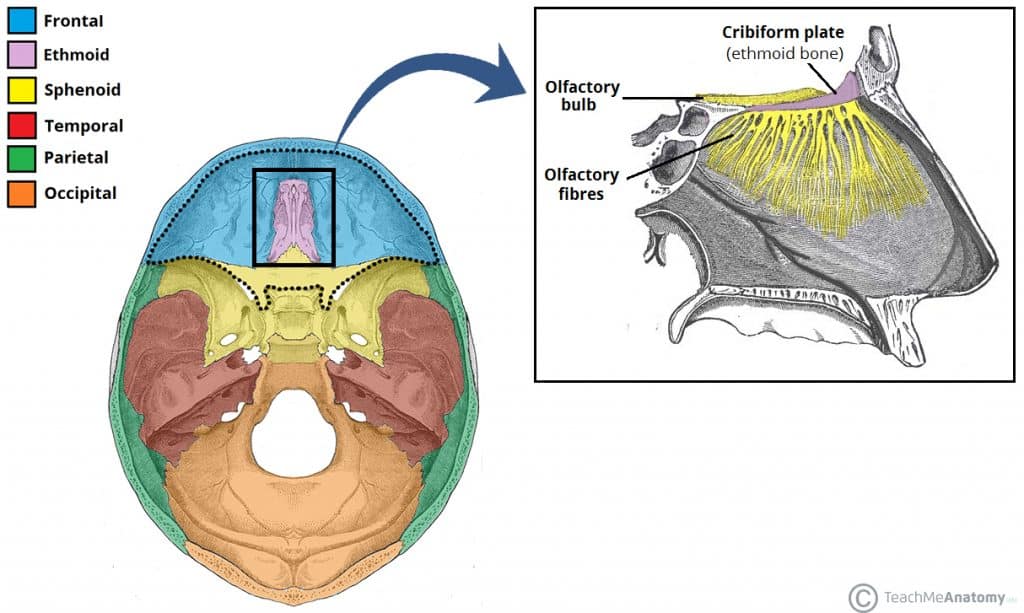
Definition
The cribriform plate (Latin: lamina cribrosa) is a sieve-like, horizontal bony plate that forms part of the ethmoid bone. It lies in the floor of the anterior cranial fossa and forms the roof of the nasal cavity.
Bone & Location
- Part of the ethmoid bone, received into the ethmoidal notch of the frontal bone
- Lies in the midline, flanked on either side by the fovea ethmoidalis (roof of the ethmoid sinuses)
- Slopes slightly downward as it passes posteriorly
- Bounded anteriorly by the crista galli (a midline bony projection that anchors the falx cerebri)
- The lateral lamella of the cribriform plate is the thinnest bone in the skull base
Key Features
| Feature | Detail |
|---|---|
| Perforations | Multiple small foramina (like a sieve) for olfactory nerve fibers |
| Foramen cecum | A midline foramen between crista galli and frontal bone; connects nasal veins to the superior sagittal sinus in some individuals |
| Crista galli | Midline bony crest projecting superiorly; attachment for falx cerebri |
| Lateral lamella | Thinnest part; highly susceptible to fracture |
Structures Passing Through
- Olfactory nerve fibers (CN I) - the fila olfactoria pass upward from the olfactory epithelium of the nasal roof into the cranial cavity to reach the olfactory bulb
- Anterior ethmoidal nerve (branch of ophthalmic nerve, V1) and accompanying anterior ethmoidal vessels - pass from the orbit into the cranial cavity, then descend through the cribriform plate into the nasal cavity
(Gray's Anatomy for Students)
Clinical Anatomy
1. Fractures
- The cribriform plate is commonly fractured in anterior cranial fossa trauma (e.g., frontal head injuries)
- Fractures tear the dural sleeve surrounding olfactory nerve fibers, causing:
- Anosmia (loss of smell) - most common
- CSF rhinorrhoea (CSF leaks through the nose)
- Risk of meningitis via direct nasal-to-intracranial communication
2. Keros Classification (Surgical Relevance)
The Keros classification describes the depth of the olfactory fossa, determined by the vertical height of the lateral lamella:
| Type | Depth | Surgical Risk |
|---|---|---|
| Type I | 1-3 mm | Lowest risk (2nd most common) |
| Type II | 4-7 mm | Moderate risk |
| Type III | 8-16 mm | Highest risk - long, thin lateral lamella prone to fracture |
- Type III carries the greatest risk of inadvertent intracranial penetration and CSF leak during endoscopic sinus surgery (ESS)
- A low-lying or asymmetric skull base must be identified on pre-operative CT imaging before any sinus surgery
(K.J. Lee's Essential Otolaryngology)
3. Infections
- Pathogens (e.g., Naegleria fowleri, Burkholderia pseudomallei) can exploit the cribriform plate as a route of direct CNS access, traveling from the nasal cavity along olfactory nerve fibers to reach the brain
Textbook Diagram (Gateways to the Nasal Cavity)
The image below, from Gray's Anatomy for Students, shows the cribriform plate in its role as one of the major gateways between the nasal cavity and the skull base:
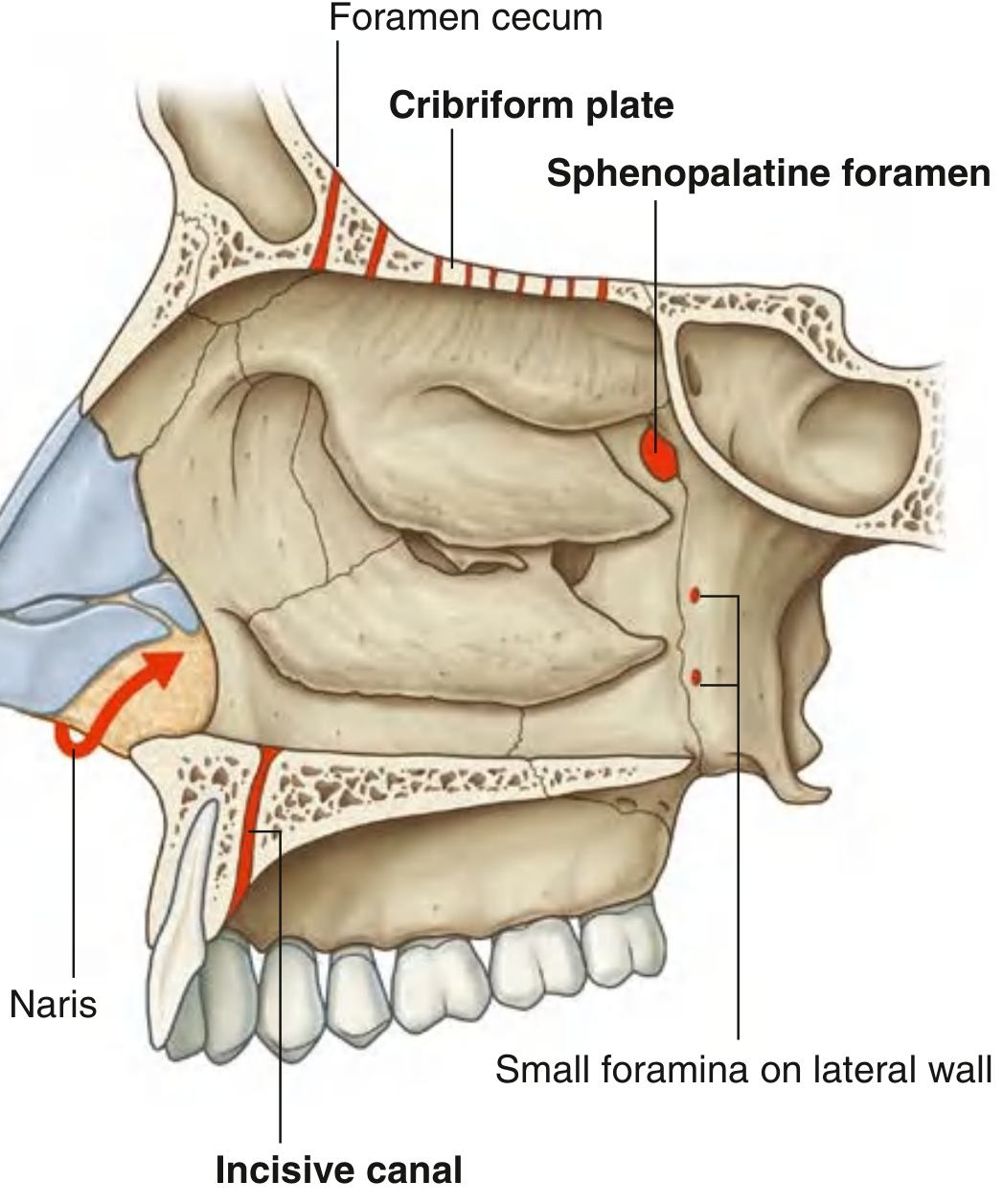
Fig. 8.245 - Gateways to the Nasal Cavities (Gray's Anatomy for Students)
Summary
The cribriform plate is a small but clinically important structure at the cranio-nasal junction. Its perforations transmit olfactory fibers (CN I) and the anterior ethmoidal nerve (V1). Its thin lateral lamella makes it vulnerable to fracture (causing anosmia and CSF leak) and to iatrogenic injury during endoscopic sinus surgery. The Keros classification helps surgeons anticipate this risk pre-operatively.
Sources: Gray's Anatomy for Students | K.J. Lee's Essential Otolaryngology
Please translate this in Bengali
ক্রিব্রিফর্ম প্লেট - সংক্ষিপ্ত নোট
সংজ্ঞা
ক্রিব্রিফর্ম প্লেট (লাতিন: lamina cribrosa) হলো একটি চালুনির মতো, অনুভূমিক হাড়ের পাত যা এথময়েড হাড়ের অংশ। এটি অগ্র ক্র্যানিয়াল ফোসার মেঝেতে অবস্থিত এবং নাসাগহ্বরের ছাদ গঠন করে।
হাড় ও অবস্থান
- এথময়েড হাড়ের অংশ; ফ্রন্টাল হাড়ের এথময়েডাল নচ-এ স্থাপিত
- মধ্যরেখায় অবস্থিত; দুই পাশে ফোভিয়া এথময়েডালিস (এথময়েড সাইনাসের ছাদ) থাকে
- পশ্চাৎ দিকে যাওয়ার সাথে সাথে সামান্য নিচের দিকে ঢালু হয়
- সামনের দিকে ক্রিস্টা গ্যালি (একটি মধ্যরেখার হাড়ের উদ্গম যা ফ্যালক্স সেরেব্রাইকে আটকে রাখে) দ্বারা সীমাবদ্ধ
- ক্রিব্রিফর্ম প্লেটের লেটারাল ল্যামেলা হলো করোটির গোড়ার সবচেয়ে পাতলা হাড়
প্রধান বৈশিষ্ট্যসমূহ
| বৈশিষ্ট্য | বিবরণ |
|---|---|
| ছিদ্রসমূহ | ঘ্রাণতন্ত্রের তন্তুর জন্য একাধিক ক্ষুদ্র ফোরামেন (চালুনির মতো) |
| ফোরামেন সিকাম | ক্রিস্টা গ্যালি ও ফ্রন্টাল হাড়ের মধ্যে মধ্যরেখার ফোরামেন; কিছু ব্যক্তিতে নাসিকার শিরাকে উচ্চতর স্যাজিটাল সাইনাসের সাথে সংযুক্ত করে |
| ক্রিস্টা গ্যালি | উপরের দিকে প্রসারিত মধ্যরেখার হাড়ের ঝুঁটি; ফ্যালক্স সেরেব্রাইয়ের সংযুক্তিস্থল |
| লেটারাল ল্যামেলা | সবচেয়ে পাতলা অংশ; ফ্র্যাকচারের জন্য অত্যন্ত সংবেদনশীল |
এর মধ্য দিয়ে অতিক্রমকারী কাঠামো
১. ঘ্রাণতন্ত্রের তন্তু (ক্র্যানিয়াল নার্ভ I) - ফিলা অলফ্যাক্টোরিয়া নাসাগহ্বরের ঘ্রাণ এপিথেলিয়াম থেকে উপরের দিকে ক্র্যানিয়াল গহ্বরে প্রবেশ করে অলফ্যাক্টরি বাল্বে পৌঁছায়
২. অগ্র এথময়েডাল স্নায়ু (অপথ্যালমিক নার্ভ V1-এর শাখা) এবং সংশ্লিষ্ট অগ্র এথময়েডাল রক্তনালি - অরবিট থেকে ক্র্যানিয়াল গহ্বরে, তারপর ক্রিব্রিফর্ম প্লেটের মধ্য দিয়ে নাসাগহ্বরে নামে
(Gray's Anatomy for Students)
ক্লিনিক্যাল অ্যানাটমি
১. ফ্র্যাকচার
- অগ্র ক্র্যানিয়াল ফোসার আঘাতে (যেমন কপালে আঘাত) ক্রিব্রিফর্ম প্লেট প্রায়ই ভেঙে যায়
- ফ্র্যাকচারে ঘ্রাণতন্ত্রের তন্তু ঘেরা ডুরাল আবরণ ছিঁড়ে যায়, যার ফলে:
- অ্যানোসমিয়া (ঘ্রাণশক্তি হারানো) - সবচেয়ে সাধারণ
- সিএসএফ রাইনোরিয়া (নাক দিয়ে সেরেব্রোস্পাইনাল ফ্লুইড ঝরা)
- সরাসরি নাক থেকে ইন্ট্রাক্র্যানিয়াল যোগাযোগের মাধ্যমে মেনিনজাইটিসের ঝুঁকি
২. কেরোস শ্রেণিবিভাগ (অস্ত্রোপচারের প্রাসঙ্গিকতা)
কেরোস শ্রেণিবিভাগ অলফ্যাক্টরি ফোসার গভীরতা বর্ণনা করে, যা লেটারাল ল্যামেলার উল্লম্ব উচ্চতা দ্বারা নির্ধারিত হয়:
| প্রকার | গভীরতা | অস্ত্রোপচারের ঝুঁকি |
|---|---|---|
| টাইপ I | ১-৩ মিমি | সবচেয়ে কম ঝুঁকি (২য় সাধারণ) |
| টাইপ II | ৪-৭ মিমি | মাঝারি ঝুঁকি |
| টাইপ III | ৮-১৬ মিমি | সর্বোচ্চ ঝুঁকি - লম্বা, পাতলা লেটারাল ল্যামেলা ভাঙার প্রবণ |
- টাইপ III-তে এন্ডোস্কোপিক সাইনাস সার্জারির (ESS) সময় অনিচ্ছাকৃতভাবে ইন্ট্রাক্র্যানিয়ালে প্রবেশ এবং সিএসএফ লিকের ঝুঁকি সবচেয়ে বেশি
- যেকোনো সাইনাস অস্ত্রোপচারের আগে প্রি-অপারেটিভ সিটি ইমেজিংয়ে নিচু বা অসমান স্কাল বেস চিহ্নিত করতে হবে
(K.J. Lee's Essential Otolaryngology)
৩. সংক্রমণ
- কিছু জীবাণু (যেমন Naegleria fowleri, Burkholderia pseudomallei) ক্রিব্রিফর্ম প্লেটকে সরাসরি সিএনএস প্রবেশের পথ হিসেবে ব্যবহার করতে পারে - ঘ্রাণতন্ত্রের তন্তু বেয়ে নাসাগহ্বর থেকে মস্তিষ্কে পৌঁছায়
পাঠ্যপুস্তকের চিত্র (নাসাগহ্বরের প্রবেশপথসমূহ)
নিচের চিত্রটি Gray's Anatomy for Students থেকে নেওয়া, যেখানে ক্রিব্রিফর্ম প্লেটকে নাসাগহ্বর ও করোটির গোড়ার মধ্যে একটি প্রধান প্রবেশপথ হিসেবে দেখানো হয়েছে:
চিত্র ৮.২৪৫ - নাসাগহ্বরের প্রবেশপথসমূহ (Gray's Anatomy for Students)
সারসংক্ষেপ
ক্রিব্রিফর্ম প্লেট ক্র্যানিও-নেজাল সংযোগস্থলে একটি ছোট কিন্তু ক্লিনিক্যালি গুরুত্বপূর্ণ কাঠামো। এর ছিদ্রগুলো ঘ্রাণতন্ত্রের তন্তু (CN I) এবং অগ্র এথময়েডাল স্নায়ু (V1) পরিবহন করে। এর পাতলা লেটারাল ল্যামেলা ফ্র্যাকচারের জন্য (অ্যানোসমিয়া ও সিএসএফ লিক ঘটায়) এবং এন্ডোস্কোপিক সাইনাস সার্জারিতে আঘাতের জন্য সংবেদনশীল। কেরোস শ্রেণিবিভাগ অস্ত্রোপচারের আগে সার্জনদের এই ঝুঁকি অনুমান করতে সাহায্য করে।
সূত্র: Gray's Anatomy for Students | K.J. Lee's Essential Otolaryngology
This is a shared conversation. Sign in to Orris to start your own chat.