
Pap smear
"Cervical Cancer Screening"[MeSH Terms]
CDC cervical cancer screening Pap test recommendations 2025
https://www.cdc.gov/pcd/issues/2025/25_0139.htm
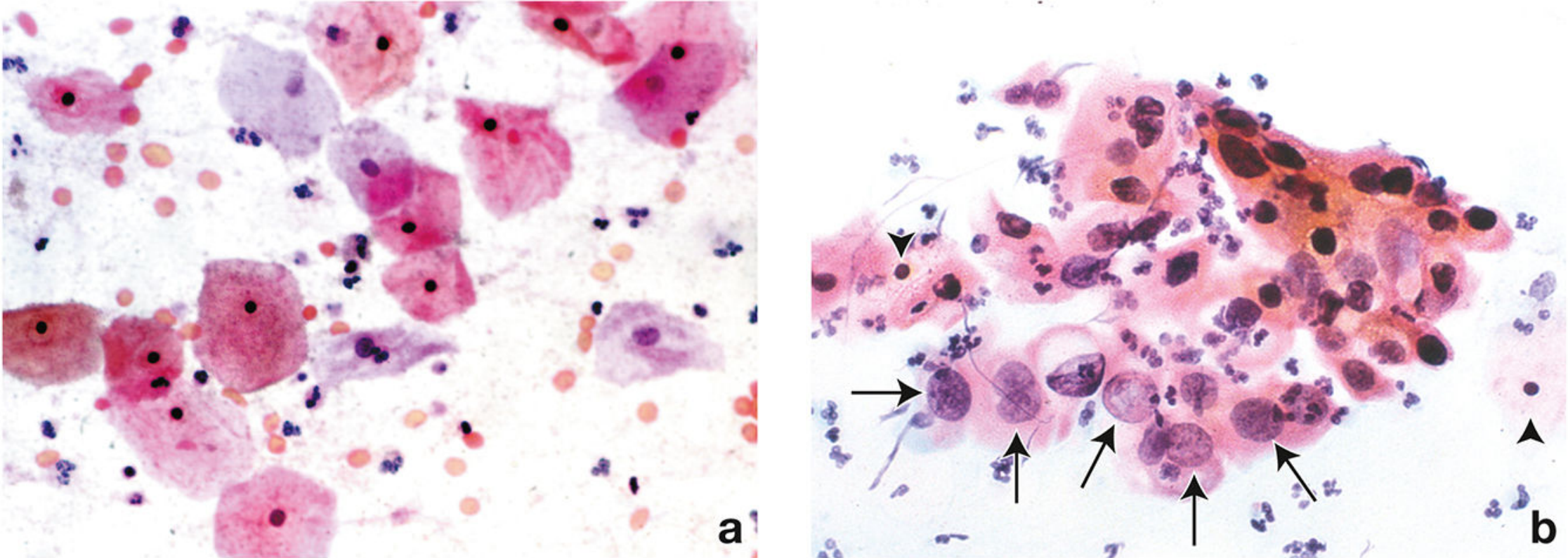
What it detects
- Normal cervical cells
- Cell changes often caused by high-risk human papillomavirus (HPV)
- Precancerous lesions
- Occasionally, cervical cancer
Typical screening schedule in the United States
- Age 21-29: Pap test every 3 years.
- Age 30-65: one of these options:
- Pap test every 3 years
- High-risk HPV test every 5 years
- Pap plus HPV co-testing every 5 years
Preparation
Common report terms
- NILM: Negative for intraepithelial lesion or malignancy, meaning no precancerous or cancerous cells seen.
- ASC-US: Atypical squamous cells of undetermined significance.
- LSIL: Low-grade squamous intraepithelial lesion, commonly HPV-related.
- HSIL: High-grade squamous intraepithelial lesion, with a higher chance of significant precancer.
Can you make short gynaecology and obstruction notes for my exam last moment revise
-
Core gynaecology
- Menstrual disorders and AUB
- Fibroid, endometriosis, adenomyosis
- PID and vaginal discharge
- Infertility and contraception
- Prolapse and urinary incontinence
- Cervical, ovarian, and endometrial cancers
- Gynaecologic emergencies: ectopic pregnancy, ovarian torsion
-
Obstetric obstruction
- Cephalopelvic disproportion (CPD)
- Malpresentation and malposition
- Obstructed labour: diagnosis, complications, and management
- Partograph and referral
-
If you meant intestinal obstruction
- Causes, features, X-ray findings, fluid resuscitation, surgery indications
Overall every single topic
-
General gynaecology
- Puberty and menstrual physiology
- Amenorrhoea, dysmenorrhoea, premenstrual syndrome
- Abnormal uterine bleeding and PALM-COEIN
- Vaginal discharge, PID, genital tuberculosis
- Fibroid, adenomyosis, endometriosis
- Ovarian cysts, PCOS, ovarian tumours
- Infertility and assisted reproduction
- Contraception and medical termination of pregnancy
- Urogynaecology: prolapse, urinary incontinence, fistula
- Benign and malignant disease of vulva, vagina, cervix, uterus, ovary
- Gynaecological emergencies: ectopic pregnancy, torsion, ruptured cyst, acute PID
-
Obstetrics relevant to obstruction
- Normal labour and mechanism of labour
- Pelvis, fetal skull, diameters, engagement
- Partograph
- Malpositions: occipitoposterior, occipitotransverse
- Malpresentations: breech, face, brow, transverse lie, compound presentation
- CPD and contracted pelvis
- Obstructed labour: causes, diagnosis, management, complications
- Instrumental delivery and caesarean section
- Rupture uterus, postpartum haemorrhage, puerperal sepsis
-
General surgery intestinal obstruction, if included in your exam
- Small versus large bowel obstruction
- Adhesions, hernia, volvulus, malignancy, intussusception
- Symptoms, X-ray/CT features, resuscitation, indications for surgery
- Strangulation and perforation
Mbbs
Full revision map
-
Menstruation and abnormal uterine bleeding
- Amenorrhoea, dysmenorrhoea, AUB, PALM-COEIN, puberty and menopause
-
Genital infections and PID
- Vaginal discharge, PID, genital tuberculosis, STI syndromes
-
Benign uterine and ovarian disease
- Fibroid, adenomyosis, endometriosis, ovarian cysts, PCOS
-
Infertility, contraception, MTP
- Evaluation of couple infertility, ART basics, methods of contraception, MTP and complications
-
Urogynaecology
- Uterovaginal prolapse, urinary incontinence, genital fistula
-
Gynaecologic oncology
- Carcinoma cervix, endometrium, ovary, vulva; screening and staging basics
-
Gynaecologic emergencies
- Ectopic pregnancy, torsion, acute PID, ruptured ovarian cyst
-
Normal labour
- Stages, mechanism, fetal skull, pelvis, partograph, conduct of labour
-
Obstructed labour
- CPD, contracted pelvis, causes, clinical diagnosis, management, complications, prevention
-
Malposition and malpresentation
- OP position, breech, face, brow, transverse lie, cord prolapse
- Obstetric emergencies
- PPH, antepartum haemorrhage, eclampsia, sepsis, uterine rupture, shock
- Antenatal and postpartum care
- Routine ANC, anaemia, diabetes/hypertension in pregnancy, puerperium, lactation
Which section should I make first?
What it detects
- Normal cervical cells
- Cell changes often caused by high-risk human papillomavirus (HPV)
- Precancerous lesions
- Occasionally, cervical cancer
Typical screening schedule in the United States
- Age 21-29: Pap test every 3 years.
- Age 30-65: one of these options:
- Pap test every 3 years
- High-risk HPV test every 5 years
- Pap plus HPV co-testing every 5 years
Preparation
Common report terms
- NILM: Negative for intraepithelial lesion or malignancy, meaning no precancerous or cancerous cells seen.
- ASC-US: Atypical squamous cells of undetermined significance.
- LSIL: Low-grade squamous intraepithelial lesion, commonly HPV-related.
- HSIL: High-grade squamous intraepithelial lesion, with a higher chance of significant precancer.
-
Core gynaecology
- Menstrual disorders and AUB
- Fibroid, endometriosis, adenomyosis
- PID and vaginal discharge
- Infertility and contraception
- Prolapse and urinary incontinence
- Cervical, ovarian, and endometrial cancers
- Gynaecologic emergencies: ectopic pregnancy, ovarian torsion
-
Obstetric obstruction
- Cephalopelvic disproportion (CPD)
- Malpresentation and malposition
- Obstructed labour: diagnosis, complications, and management
- Partograph and referral
-
If you meant intestinal obstruction
- Causes, features, X-ray findings, fluid resuscitation, surgery indications
-
General gynaecology
- Puberty and menstrual physiology
- Amenorrhoea, dysmenorrhoea, premenstrual syndrome
- Abnormal uterine bleeding and PALM-COEIN
- Vaginal discharge, PID, genital tuberculosis
- Fibroid, adenomyosis, endometriosis
- Ovarian cysts, PCOS, ovarian tumours
- Infertility and assisted reproduction
- Contraception and medical termination of pregnancy
- Urogynaecology: prolapse, urinary incontinence, fistula
- Benign and malignant disease of vulva, vagina, cervix, uterus, ovary
- Gynaecological emergencies: ectopic pregnancy, torsion, ruptured cyst, acute PID
-
Obstetrics relevant to obstruction
- Normal labour and mechanism of labour
- Pelvis, fetal skull, diameters, engagement
- Partograph
- Malpositions: occipitoposterior, occipitotransverse
- Malpresentations: breech, face, brow, transverse lie, compound presentation
- CPD and contracted pelvis
- Obstructed labour: causes, diagnosis, management, complications
- Instrumental delivery and caesarean section
- Rupture uterus, postpartum haemorrhage, puerperal sepsis
-
General surgery intestinal obstruction, if included in your exam
- Small versus large bowel obstruction
- Adhesions, hernia, volvulus, malignancy, intussusception
- Symptoms, X-ray/CT features, resuscitation, indications for surgery
- Strangulation and perforation
Full revision map
-
Menstruation and abnormal uterine bleeding
- Amenorrhoea, dysmenorrhoea, AUB, PALM-COEIN, puberty and menopause
-
Genital infections and PID
- Vaginal discharge, PID, genital tuberculosis, STI syndromes
-
Benign uterine and ovarian disease
- Fibroid, adenomyosis, endometriosis, ovarian cysts, PCOS
-
Infertility, contraception, MTP
- Evaluation of couple infertility, ART basics, methods of contraception, MTP and complications
-
Urogynaecology
- Uterovaginal prolapse, urinary incontinence, genital fistula
-
Gynaecologic oncology
- Carcinoma cervix, endometrium, ovary, vulva; screening and staging basics
-
Gynaecologic emergencies
- Ectopic pregnancy, torsion, acute PID, ruptured ovarian cyst
-
Normal labour
- Stages, mechanism, fetal skull, pelvis, partograph, conduct of labour
-
Obstructed labour
- CPD, contracted pelvis, causes, clinical diagnosis, management, complications, prevention
-
Malposition and malpresentation
- OP position, breech, face, brow, transverse lie, cord prolapse
- Obstetric emergencies
- PPH, antepartum haemorrhage, eclampsia, sepsis, uterine rupture, shock
- Antenatal and postpartum care
- Routine ANC, anaemia, diabetes/hypertension in pregnancy, puerperium, lactation
Make notes of every topic of gyne and obs
-
Basic gynaecology and reproductive physiology
- Puberty, menstrual cycle, menopause
- Amenorrhoea, dysmenorrhoea, PMS
-
Abnormal uterine bleeding
- AUB evaluation, PALM-COEIN, medical and surgical management
-
Genital tract infection
- Vaginal discharge, STI, PID, genital tuberculosis
-
Benign gynaecological disorders
- Fibroid uterus, adenomyosis, endometriosis
- PCOS, ovarian cysts and benign ovarian tumours
-
Infertility and reproductive medicine
- Evaluation of the infertile couple, ovulation induction, ART basics
-
Contraception and abortion care
- Natural, barrier, hormonal, IUCD, permanent methods
- MTP and post-abortion care
-
Urogynaecology
- Genital prolapse, urinary incontinence, genital fistula
-
Gynaecological malignancies and screening
- Cancer cervix, ovary, endometrium, vulva
- Pap smear, HPV, staging principles
-
Gynaecological emergencies
- Ectopic pregnancy, adnexal torsion, ruptured ovarian cyst, acute PID
-
Antenatal care and medical disorders in pregnancy
- Routine ANC, anaemia, hypertension, diabetes, heart disease, infections
- Normal labour and delivery
- Pelvis, fetal skull, stages and mechanism of labour, partograph, induction
- Abnormal and obstructed labour
- CPD, contracted pelvis, obstructed labour, uterine rupture
- Malposition: OP and OT
- Malpresentations: breech, face, brow, transverse lie, cord prolapse
- Obstetric emergencies
- APH, PPH, eclampsia, sepsis, shock, amniotic-fluid embolism
- Puerperium and newborn care
- Normal puerperium, lactation, puerperal sepsis, postpartum mental health
- Immediate newborn care and resuscitation basics
Which block should I turn into concise exam notes first?
What it detects
- Normal cervical cells
- Cell changes often caused by high-risk human papillomavirus (HPV)
- Precancerous lesions
- Occasionally, cervical cancer
Typical screening schedule in the United States
- Age 21-29: Pap test every 3 years.
- Age 30-65: one of these options:
- Pap test every 3 years
- High-risk HPV test every 5 years
- Pap plus HPV co-testing every 5 years
Preparation
Common report terms
- NILM: Negative for intraepithelial lesion or malignancy, meaning no precancerous or cancerous cells seen.
- ASC-US: Atypical squamous cells of undetermined significance.
- LSIL: Low-grade squamous intraepithelial lesion, commonly HPV-related.
- HSIL: High-grade squamous intraepithelial lesion, with a higher chance of significant precancer.
-
Core gynaecology
- Menstrual disorders and AUB
- Fibroid, endometriosis, adenomyosis
- PID and vaginal discharge
- Infertility and contraception
- Prolapse and urinary incontinence
- Cervical, ovarian, and endometrial cancers
- Gynaecologic emergencies: ectopic pregnancy, ovarian torsion
-
Obstetric obstruction
- Cephalopelvic disproportion (CPD)
- Malpresentation and malposition
- Obstructed labour: diagnosis, complications, and management
- Partograph and referral
-
If you meant intestinal obstruction
- Causes, features, X-ray findings, fluid resuscitation, surgery indications
-
General gynaecology
- Puberty and menstrual physiology
- Amenorrhoea, dysmenorrhoea, premenstrual syndrome
- Abnormal uterine bleeding and PALM-COEIN
- Vaginal discharge, PID, genital tuberculosis
- Fibroid, adenomyosis, endometriosis
- Ovarian cysts, PCOS, ovarian tumours
- Infertility and assisted reproduction
- Contraception and medical termination of pregnancy
- Urogynaecology: prolapse, urinary incontinence, fistula
- Benign and malignant disease of vulva, vagina, cervix, uterus, ovary
- Gynaecological emergencies: ectopic pregnancy, torsion, ruptured cyst, acute PID
-
Obstetrics relevant to obstruction
- Normal labour and mechanism of labour
- Pelvis, fetal skull, diameters, engagement
- Partograph
- Malpositions: occipitoposterior, occipitotransverse
- Malpresentations: breech, face, brow, transverse lie, compound presentation
- CPD and contracted pelvis
- Obstructed labour: causes, diagnosis, management, complications
- Instrumental delivery and caesarean section
- Rupture uterus, postpartum haemorrhage, puerperal sepsis
-
General surgery intestinal obstruction, if included in your exam
- Small versus large bowel obstruction
- Adhesions, hernia, volvulus, malignancy, intussusception
- Symptoms, X-ray/CT features, resuscitation, indications for surgery
- Strangulation and perforation
Full revision map
-
Menstruation and abnormal uterine bleeding
- Amenorrhoea, dysmenorrhoea, AUB, PALM-COEIN, puberty and menopause
-
Genital infections and PID
- Vaginal discharge, PID, genital tuberculosis, STI syndromes
-
Benign uterine and ovarian disease
- Fibroid, adenomyosis, endometriosis, ovarian cysts, PCOS
-
Infertility, contraception, MTP
- Evaluation of couple infertility, ART basics, methods of contraception, MTP and complications
-
Urogynaecology
- Uterovaginal prolapse, urinary incontinence, genital fistula
-
Gynaecologic oncology
- Carcinoma cervix, endometrium, ovary, vulva; screening and staging basics
-
Gynaecologic emergencies
- Ectopic pregnancy, torsion, acute PID, ruptured ovarian cyst
-
Normal labour
- Stages, mechanism, fetal skull, pelvis, partograph, conduct of labour
-
Obstructed labour
- CPD, contracted pelvis, causes, clinical diagnosis, management, complications, prevention
-
Malposition and malpresentation
- OP position, breech, face, brow, transverse lie, cord prolapse
- Obstetric emergencies
- PPH, antepartum haemorrhage, eclampsia, sepsis, uterine rupture, shock
- Antenatal and postpartum care
- Routine ANC, anaemia, diabetes/hypertension in pregnancy, puerperium, lactation
-
Basic gynaecology and reproductive physiology
- Puberty, menstrual cycle, menopause
- Amenorrhoea, dysmenorrhoea, PMS
-
Abnormal uterine bleeding
- AUB evaluation, PALM-COEIN, medical and surgical management
-
Genital tract infection
- Vaginal discharge, STI, PID, genital tuberculosis
-
Benign gynaecological disorders
- Fibroid uterus, adenomyosis, endometriosis
- PCOS, ovarian cysts and benign ovarian tumours
-
Infertility and reproductive medicine
- Evaluation of the infertile couple, ovulation induction, ART basics
-
Contraception and abortion care
- Natural, barrier, hormonal, IUCD, permanent methods
- MTP and post-abortion care
-
Urogynaecology
- Genital prolapse, urinary incontinence, genital fistula
-
Gynaecological malignancies and screening
- Cancer cervix, ovary, endometrium, vulva
- Pap smear, HPV, staging principles
-
Gynaecological emergencies
- Ectopic pregnancy, adnexal torsion, ruptured ovarian cyst, acute PID
-
Antenatal care and medical disorders in pregnancy
- Routine ANC, anaemia, hypertension, diabetes, heart disease, infections
- Normal labour and delivery
- Pelvis, fetal skull, stages and mechanism of labour, partograph, induction
- Abnormal and obstructed labour
- CPD, contracted pelvis, obstructed labour, uterine rupture
- Malposition: OP and OT
- Malpresentations: breech, face, brow, transverse lie, cord prolapse
- Obstetric emergencies
- APH, PPH, eclampsia, sepsis, shock, amniotic-fluid embolism
- Puerperium and newborn care
- Normal puerperium, lactation, puerperal sepsis, postpartum mental health
- Immediate newborn care and resuscitation basics
- Menstrual cycle, puberty, menopause
- Amenorrhoea, dysmenorrhoea, AUB and PALM-COEIN
- Vaginal discharge, STIs, PID, genital TB
- Fibroid, adenomyosis, endometriosis, PCOS, ovarian cysts
- Infertility and ART
- Contraception, MTP, ectopic pregnancy
- Prolapse, incontinence, genital fistula
- Gynaecologic cancers and screening
- Antenatal care and medical disorders in pregnancy
- Normal labour, fetal skull, pelvis, partograph
- Induction, augmentation, instrumental delivery, caesarean section
- Obstructed labour, CPD, rupture uterus
- Malpositions and malpresentations
- APH, PPH, hypertensive emergencies, sepsis, shock
- Puerperium, lactation, newborn care and resuscitation basics
Ok
"Abnormal Uterine Bleeding" AND management
ACOG abnormal uterine bleeding amenorrhea dysmenorrhea guidance
MBBS OBG Last-Minute Notes: Part 1 - Core Gynaecology
1. Menstrual cycle
Normal menstruation
- Cycle interval: usually 21-35 days
- Duration: 2-7 days
- Average blood loss: about 30-40 mL. Heavy menstrual bleeding is suggested by flooding, clots, changing protection very frequently, or anaemia.
- Menarche usually occurs 2-3 years after thelarche.
Phases
| Ovarian cycle | Endometrial cycle | Main hormone/event |
|---|---|---|
| Follicular phase | Proliferative phase | FSH stimulates follicles; estrogen proliferates endometrium |
| Ovulation | Late proliferative | LH surge causes ovulation, about 14 days before next period |
| Luteal phase | Secretory phase | Corpus luteum produces progesterone |
| Luteolysis | Menstruation | Fall in estrogen and progesterone causes shedding |
2. Amenorrhoea
Definitions
- Primary amenorrhoea: no menstruation by 15 years in a girl with normal secondary sexual characteristics, or by 13 years if secondary sexual characteristics are absent.
- Secondary amenorrhoea: absence of menses for 3 months in someone with previously regular cycles, or for 6 months if cycles were irregular. ACOG definition
Primary amenorrhoea: approach
Step 1: Is uterus present? Use USG
- Müllerian agenesis (MRKH): normal breasts, scant/absent pubic hair? Typically normal pubic hair, 46,XX.
- Androgen insensitivity syndrome: normal breasts, absent/scant pubic and axillary hair, 46,XY, undescended testes.
- Outflow obstruction: imperforate hymen, transverse vaginal septum
- Cyclical pelvic pain + primary amenorrhoea + hematocolpos
- Gonadal dysgenesis, e.g. Turner syndrome
- No secondary sexual characters, streak ovaries, raised FSH
- Hypothalamic-pituitary causes
Primary amenorrhoea mnemonic
- Breasts present or absent?
- Uterus present or absent?
- If uterus present, FSH high or low?
Secondary amenorrhoea: causes and evaluation
Most important first step
Common causes
- Pregnancy
- PCOS
- Hyperprolactinaemia
- Hypothalamic amenorrhoea: stress, weight loss, excessive exercise, eating disorder
- Thyroid disease
- Premature ovarian insufficiency
- Uterine adhesions, Asherman syndrome
- Drugs: antipsychotics, opioids, hormonal contraception
Investigation sequence
- Pregnancy test
- TSH and serum prolactin
- FSH, LH, estradiol if ovarian failure suspected
- Androgen profile if hirsutism/virilisation
- Pelvic USG
- MRI pituitary if persistently elevated prolactin or neurological symptoms
Treatment principles
- PCOS: weight management, cycle protection with COC or cyclic progestogen if not seeking pregnancy
- Hyperprolactinaemia: dopamine agonist after excluding drug cause/pituitary lesion
- Hypothyroidism: thyroxine
- Hypothalamic cause: nutrition, reduce exercise/stress, address eating disorder
- Premature ovarian insufficiency: hormone replacement unless contraindicated, bone-health counselling
- Asherman syndrome: hysteroscopic adhesiolysis
3. Dysmenorrhoea
Definition
Primary dysmenorrhoea
- No pelvic pathology
- Starts within 6-12 months after menarche, once ovulatory cycles begin
- Due to excess endometrial prostaglandins causing uterine hypercontractility and ischemia
- Pain begins just before/on day 1 of menses and lasts 1-3 days
- Examination is normal
Secondary dysmenorrhoea
- Due to pelvic pathology
- Begins later, may progressively worsen; pain may occur before and continue after menses
- Causes: endometriosis, adenomyosis, fibroid, PID, ovarian cyst, cervical stenosis, IUCD-related pain
Management
- Reassurance, exercise, heat
- NSAIDs, started at onset or 1-2 days before expected menses
- Combined hormonal contraception if NSAIDs inadequate or contraception desired
- Persistent/refractory symptoms: assess for secondary cause, especially endometriosis
4. Premenstrual syndrome and PMDD
PMS
PMDD
Diagnosis
- Symptom diary for at least 2 cycles
- Symptoms occur in luteal phase and remit shortly after menstruation begins.
Management
- Lifestyle: exercise, sleep, reduce stress
- CBT
- COC, especially selected regimens
- SSRI for severe PMS/PMDD
- Refer when severe mood symptoms or suicidal thoughts occur
5. Abnormal uterine bleeding (AUB)
Definition
First rule
FIGO PALM-COEIN classification
Structural causes: PALM
- P - Polyp
- A - Adenomyosis
- L - Leiomyoma/fibroid
- M - Malignancy and hyperplasia
Non-structural causes: COEIN
- C - Coagulopathy
- O - Ovulatory dysfunction
- E - Endometrial
- I - Iatrogenic
- N - Not yet classified
Important clinical terms
- Heavy menstrual bleeding (HMB): excessive menstrual blood loss that affects physical, emotional, social, or quality-of-life functioning.
- Intermenstrual bleeding: bleeding between expected periods.
- Postcoital bleeding: bleeding after intercourse. Think cervical pathology.
- Postmenopausal bleeding: endometrial cancer must be excluded.
AUB: clinical assessment
History
- LMP, cycle pattern, duration and amount of bleeding
- Pregnancy possibility
- Drugs: anticoagulants, hormones
- Symptoms of anaemia
- PCOS/thyroid symptoms
- Bleeding disorder history: easy bruising, epistaxis, heavy bleeding since menarche
- Cancer risk: obesity, chronic anovulation, diabetes, tamoxifen, family history
Examination
- Assess haemodynamic status if acute heavy bleeding
- Pallor, BMI, hirsutism, thyroid signs
- Abdominal mass
- Speculum examination: vaginal/cervical lesions, bleeding source
- Bimanual examination: uterine size, fibroids, adnexal mass
Investigations
- Urine pregnancy test
- CBC, ferritin if heavy/prolonged bleeding
- TSH only if clinically indicated
- Coagulation testing if bleeding disorder suspected
- Pelvic USG: first-line imaging for structural lesion
- Endometrial biopsy if:
- Age 45 years or more with AUB
- Younger patient with persistent AUB plus risk factors for endometrial hyperplasia/cancer
- Failed medical treatment or persistent bleeding
Acute AUB: management
If haemodynamically unstable
- ABC resuscitation
- Two wide-bore IV lines, blood grouping/cross-match
- CBC/coagulation profile, fluids, blood products as needed
- Urgent senior gynaecology review
- Medical control of bleeding if appropriate, or uterine evacuation/tamponade/surgical intervention depending on cause and stability
If stable
- Tranexamic acid
- NSAID
- Combined oral contraceptive
- Oral progestogen
- LNG-IUS for long-term heavy bleeding where suitable
6. Postmenopausal bleeding (PMB)
Definition
Rule
Causes
- Atrophic endometrium/vaginitis, most common
- Endometrial polyp
- Endometrial hyperplasia/carcinoma
- Cervical malignancy
- Hormone therapy
- Trauma/infection
Evaluation
- Speculum examination
- Transvaginal USG for endometrial thickness
- Endometrial biopsy/hysteroscopy when indicated
- Cervical screening status and cervical assessment
7. Menopause
Definition
Hormonal changes
- Low estrogen and inhibin
- High FSH and LH
Symptoms
Genitourinary syndrome of menopause: vaginal dryness, dyspareunia, urinary urgency/recurrent UTI
Psychological: poor sleep, mood change
Long term: osteoporosis, fracture risk, cardiovascular risk
Management
- Lifestyle: exercise, smoking cessation, calcium/vitamin D adequacy
- Vaginal moisturisers/lubricants for mild urogenital symptoms
- Local vaginal estrogen for genitourinary symptoms when suitable
- Menopausal hormone therapy for troublesome vasomotor symptoms after individual risk assessment
- Uterus present: estrogen plus progestogen
- No uterus: estrogen alone
Important cautions for systemic hormone therapy
One-minute recall
- Amenorrhoea: pregnancy first.
- Primary amenorrhoea: assess breasts, uterus, then FSH.
- Dysmenorrhoea: primary = prostaglandin-mediated; refractory pain = consider endometriosis.
- AUB: pregnancy test → stabilize if heavy → PALM-COEIN → USG ± biopsy.
- AUB biopsy: ≥45 years, or younger with risk factors/persistent bleeding.
- PMB: exclude endometrial cancer.
- Menopause: 12 months amenorrhoea; uterus present means estrogen needs endometrial protection with progestogen.
Ok
endometriosis AND management
CDC pelvic inflammatory disease STI treatment guidelines 2026 bacterial vaginosis trichomoniasis candidiasis
MBBS OBG Last-Minute Notes: Part 2 - Gynaecological Infections and Benign Disorders
1. Vaginal discharge and vaginitis
Normal discharge
- Clear or white
- Non-offensive
- Non-pruritic
- Varies with ovulation, pregnancy, and sexual arousal
Common causes: quick comparison
| Condition | Discharge | pH | Key finding | Treatment principle |
|---|---|---|---|---|
| Candidiasis | Thick, white, curdy | Normal, <4.5 | Intense pruritus, erythema; pseudohyphae on KOH | Azole antifungal |
| Bacterial vaginosis | Thin, homogeneous grey-white, fishy odour | >4.5 | Clue cells, positive whiff test | Metronidazole |
| Trichomoniasis | Frothy yellow-green, offensive | >4.5 | Strawberry cervix, motile trichomonads | Metronidazole, treat partner |
| Gonorrhoea/chlamydia cervicitis | Mucopurulent endocervical discharge | Variable | Friable cervix, contact bleeding | NAAT and organism-directed treatment |
Candidial vulvovaginitis
- Intense vulval itching and soreness
- Dyspareunia, dysuria
- Thick curdy white discharge
- Vulval erythema and excoriation
Bacterial vaginosis: Amsel criteria
- Homogeneous thin white/grey discharge
- Vaginal pH >4.5
- Positive amine or whiff test with KOH
- Clue cells on microscopy
Trichomoniasis
- STI caused by Trichomonas vaginalis
- Frothy yellow-green discharge, odour, itching, dysuria
- Strawberry cervix may occur
- Diagnose using NAAT where available, or wet mount
- Oral metronidazole
- Treat sexual partner(s)
- Avoid intercourse until both have completed treatment
- Test for other STIs
- Retesting in women after treatment is recommended because reinfection is common. CDC trichomoniasis guidance
2. Pelvic inflammatory disease (PID)
Definition
Causative organisms
- Neisseria gonorrhoeae
- Chlamydia trachomatis
- Anaerobes
- Vaginal flora including Gardnerella
- Mycoplasma genitalium in some cases
Risk factors
- Multiple/new sexual partners
- Previous STI or PID
- Unprotected intercourse
- Recent uterine instrumentation
- IUCD insertion, particularly soon after insertion
Clinical features
- Bilateral lower abdominal/pelvic pain
- Fever
- Abnormal vaginal discharge
- Dyspareunia
- Intermenstrual or postcoital bleeding
- Dysuria
- Cervical motion tenderness
- Uterine/adnexal tenderness
Diagnosis
- Pregnancy test, to exclude ectopic pregnancy
- NAAT for gonorrhoea/chlamydia
- CBC, CRP
- HIV and syphilis testing
- USG if tubo-ovarian abscess suspected
Complications: “I-C-C”
- Infertility due to tubal damage
- Chronic pelvic pain
- Conception outside uterus: ectopic pregnancy
Management
- Give broad-spectrum antibiotics covering gonorrhoea, chlamydia, and anaerobes.
- Treat and test sexual partners.
- Abstain from intercourse until treatment is completed and partners are treated.
- Review response within 48-72 hours.
3. Female genital tuberculosis
Site involved
Clinical features
- Infertility, most common presentation
- Menstrual disturbance: oligomenorrhoea, amenorrhoea, AUB
- Chronic pelvic pain
- Constitutional symptoms may be absent
- Adnexal mass or tubo-ovarian mass
- Ascites in some cases
Diagnosis
- Endometrial biopsy for histopathology, AFB studies, culture, and molecular tests
- Hysteroscopy/laparoscopy: adhesions, tubercles, beaded tubes, caseation
- HSG: beaded or rigid “pipe-stem” tubes, cornual block, uterine synechiae
- Chest evaluation and evaluation for TB elsewhere
Management
- Standard anti-tubercular therapy as per national programme
- Surgery only for selected complications, persistent masses, abscess, severe adhesions, or diagnostic uncertainty
- Fertility prognosis may remain poor because of irreversible tubal/endometrial damage
4. Fibroid uterus (leiomyoma)
Definition
Types by location
- Intramural: within myometrium, most common
- Submucosal: projects toward uterine cavity, most associated with heavy bleeding and infertility
- Subserosal: projects outward, may cause pressure symptoms
- Pedunculated variants may undergo torsion
Clinical features: “Bleeding, bulk, baby”
- Bleeding: heavy menstrual bleeding, anaemia
- Bulk symptoms: pelvic pressure, urinary frequency, constipation
- Baby: subfertility, recurrent miscarriage, pregnancy complications
Degenerations
- Hyaline degeneration, most common
- Cystic degeneration
- Red degeneration: often in pregnancy, painful
- Calcification: after menopause
- Sarcomatous change is rare
Diagnosis
- Bimanual examination: enlarged, irregular, firm uterus
- Pelvic ultrasound: first-line
- MRI for mapping before selected procedures or uncertain diagnosis
- CBC for anaemia
Management
- Expectant management if asymptomatic
- Tranexamic acid/NSAIDs for heavy bleeding
- LNG-IUS or hormonal treatment if cavity is suitable
- GnRH analogues as short-term preoperative treatment in selected patients
- Myomectomy: fertility preservation
- Hysterectomy: definitive treatment if family complete and symptoms significant
- Uterine artery embolisation: selected patients, counselling needed regarding fertility
5. Adenomyosis
Definition
Classic triad
- Heavy menstrual bleeding
- Progressive dysmenorrhoea
- Uniformly enlarged, boggy, tender uterus
Diagnosis
- USG may show heterogeneous myometrium, myometrial cysts, globular uterus
- MRI is more accurate if diagnosis remains uncertain
Management
- NSAIDs, tranexamic acid
- LNG-IUS is a useful medical option
- Hormonal suppression in selected cases
- Hysterectomy is definitive once childbearing is complete
Fibroid versus adenomyosis
| Feature | Fibroid | Adenomyosis |
|---|---|---|
| Uterus | Irregular, firm | Uniformly enlarged, boggy |
| Lesion | Well-defined mass | Diffuse myometrial infiltration |
| Common feature | Pressure symptoms, HMB | HMB with severe dysmenorrhoea |
| Definitive surgery | Myomectomy/hysterectomy | Hysterectomy |
6. Endometriosis
Definition
Common sites
- Ovary: endometrioma, “chocolate cyst”
- Pouch of Douglas
- Uterosacral ligaments
- Pelvic peritoneum
- Rectovaginal septum
- Surgical scar, rarely distant sites
Clinical features: “Pain, period, pregnancy problem”
- Progressive secondary dysmenorrhoea
- Deep dyspareunia
- Chronic pelvic pain
- Infertility
- Dyschezia or cyclical bowel/bladder symptoms in deep disease
Diagnosis
- Clinical suspicion is important
- Transvaginal USG for ovarian endometrioma
- MRI for deep infiltrating disease
- Laparoscopy with histology can confirm diagnosis, but treatment may begin based on clinical/imaging findings
Management
- NSAIDs
- Combined hormonal contraception or progestogen
- GnRH agonist/antagonist in selected cases
- Laparoscopic excision/ablation of endometriosis and adhesiolysis when appropriate
- ART/IVF where indicated
7. Polycystic ovary syndrome (PCOS)
Definition
Rotterdam criteria
- Oligo/anovulation
- Clinical or biochemical hyperandrogenism
- Polycystic ovarian morphology on ultrasound
Clinical features
- Oligomenorrhoea/amenorrhoea
- Infertility due to anovulation
- Hirsutism, acne, androgenic alopecia
- Obesity, insulin resistance, acanthosis nigricans
- Increased risk of endometrial hyperplasia from prolonged unopposed estrogen
Investigations
- Pregnancy test
- TSH, prolactin
- Total/free testosterone if hyperandrogenism
- Screen for glucose intolerance/diabetes and dyslipidaemia
- USG when needed
Management
- COC for cycle control and hyperandrogenic symptoms
- Cyclic progestogen or LNG-IUS for endometrial protection when COC unsuitable
- Ovulation induction, commonly letrozole first-line in many current protocols
- Metformin may be useful in selected patients, especially metabolic risk/insulin resistance
8. Ovarian cysts and benign ovarian tumours
Functional cysts
- Follicular cyst: failure of follicle to rupture
- Corpus luteum cyst: may bleed or rupture
- Usually resolve spontaneously within a few menstrual cycles
Important benign tumours
- Serous cystadenoma: common, usually unilocular
- Mucinous cystadenoma: can become very large, multilocular
- Mature cystic teratoma (dermoid): contains ectodermal tissue, hair/teeth/fat; common cause of torsion in young women
- Endometrioma: chocolate cyst
Red flags for malignancy
- Solid areas/papillary projections
- Thick septa
- Bilateral complex mass
- Ascites
- Fixed/nodular pelvic mass
- Postmenopausal adnexal mass
- Raised CA-125 is not diagnostic in premenopausal women because it can rise in endometriosis, fibroids, PID, and pregnancy
Adnexal torsion
- Sudden severe unilateral lower abdominal pain
- Nausea/vomiting
- Tender adnexal mass
- Doppler flow may be present and does not reliably exclude torsion
One-minute recall
- PID: lower abdominal pain + cervical motion tenderness = treat empirically after excluding ectopic pregnancy.
- PID complications: infertility, ectopic pregnancy, chronic pelvic pain.
- Fibroid: irregular firm uterus; submucosal type causes HMB/infertility.
- Adenomyosis: uniformly enlarged boggy tender uterus + menorrhagia + dysmenorrhoea.
- Endometriosis: pelvic pain + deep dyspareunia + infertility; endometrioma = chocolate cyst.
- PCOS: 2 of 3 Rotterdam criteria; protect endometrium in chronic anovulation.
- Ovarian torsion: sudden unilateral pain with vomiting = emergency surgery.
Ok
"Ectopic Pregnancy" AND management
WHO abortion care guideline contraception family planning ectopic pregnancy management guidance
MBBS OBG Last-Minute Notes: Part 3 - Infertility, Contraception, MTP, Ectopic Pregnancy, Prolapse, Incontinence, Fistula
1. Infertility
Definition
- 12 months of regular, unprotected intercourse, or
- 6 months if the woman is aged 35 years or above.
Types
- Primary: no previous pregnancy.
- Secondary: inability to conceive after a previous pregnancy.
Causes: male, female, combined, unexplained
| Factor | Common causes |
|---|---|
| Male | Semen abnormality, varicocele, endocrine disease, infection, erectile/ejaculatory dysfunction |
| Ovulatory | PCOS, hyperprolactinaemia, thyroid disease, premature ovarian insufficiency |
| Tubal/peritoneal | PID, genital TB, previous pelvic surgery, endometriosis |
| Uterine | Fibroid, polyp, adhesions, congenital anomaly |
| Cervical | Rare as an isolated cause |
| Unexplained | Normal standard evaluation but no identified cause |
Evaluation of the couple
- Semen analysis: first-line test
- Repeat if abnormal
- Hormonal profile and scrotal USG when indicated
- Ovulation assessment: menstrual history, mid-luteal progesterone, ovulation kits where relevant
- Ovarian reserve: AMH, antral follicle count, day-2/3 FSH where used
- Tubal patency: HSG, laparoscopy with chromopertubation if indicated
- Uterine cavity: USG, saline sonography, hysteroscopy if needed
Management
- Counsel regarding fertile window, weight, smoking/alcohol, and folic acid.
- Treat cause: ovulation induction for anovulation, surgery for selected uterine/tubal disease, treatment of male factor.
- ART: IUI, IVF, ICSI.
2. Contraception
Ideal contraceptive: “SAFE”
- Safe
- Acceptable
- Feasible/effective
- Easily reversible when desired
Methods
| Category | Examples | Main point |
|---|---|---|
| Natural | Fertility awareness, lactational amenorrhoea, withdrawal | Higher failure rate in typical use |
| Barrier | Male/female condom, diaphragm | Condoms reduce STI transmission |
| Hormonal | COC, progestin-only pill, injectables, implants | Highly effective with correct use |
| IUCD | Copper IUCD, LNG-IUS | Long-acting reversible contraception |
| Permanent | Vasectomy, tubectomy | For completed family |
Combined oral contraceptive pill (COC)
- Suppresses ovulation by inhibiting FSH/LH
- Thickens cervical mucus
- Causes endometrial changes
- Effective, reversible
- Cycle control
- Reduces dysmenorrhoea, heavy bleeding, acne
- Reduces risk of endometrial and ovarian cancer
- Pregnancy
- Current breast cancer
- Smoking age >35 years
- Migraine with aura
- Previous/current VTE or thrombophilia
- Severe hypertension, ischemic heart disease, stroke
- Severe liver disease
Progestin-only methods
- Pill, DMPA injection, implant, LNG-IUS
- Useful when estrogen is contraindicated
- Irregular bleeding is common.
IUCD
Copper IUCD
- Copper is spermicidal and induces sterile inflammatory reaction.
- Long acting, hormone-free, can be used for emergency contraception if inserted within the appropriate time window.
- Adverse effects: heavier/longer menses, dysmenorrhoea, expulsion, rare perforation.
LNG-IUS
- Causes endometrial suppression and thick cervical mucus.
- Reduces heavy menstrual bleeding and dysmenorrhoea.
- Initial irregular spotting is common.
Emergency contraception
- Copper IUCD is the most effective method.
- Oral emergency contraceptive pills are alternatives.
- It does not interrupt an established pregnancy.
Permanent methods
- Vasectomy: safer, simpler, more effective than female sterilisation; requires alternative contraception until azoospermia is confirmed.
- Tubectomy: laparoscopic, mini-laparotomy, interval or postpartum.
3. Medical termination of pregnancy and abortion care
Types
- Spontaneous abortion: miscarriage.
- Induced abortion: termination by medical or surgical method.
Clinical types of spontaneous abortion
| Type | Features | Cervix | Management principle |
|---|---|---|---|
| Threatened | Bleeding, mild pain, viable pregnancy possible | Closed | Observe, USG, supportive care |
| Inevitable | Bleeding/pain, products may be felt | Open | Evacuation or expectant/medical care as appropriate |
| Incomplete | Some products expelled | Open | Stabilise, uterine evacuation/medical management |
| Complete | All products expelled | Closed | Confirm completion |
| Missed | Nonviable pregnancy retained | Closed | Expectant, medical, or surgical evacuation |
| Septic | Fever, foul discharge, uterine tenderness | Variable | Resuscitation + broad antibiotics + evacuation after stabilisation |
Medical abortion: principles
- Uses an anti-progestin with a prostaglandin analogue in standard protocols.
- Confirm intrauterine pregnancy and gestational age as appropriate.
- Suspect ectopic pregnancy in unilateral pain, collapse, prior ectopic/tubal surgery, or pregnancy occurring with an IUCD in situ.
- Counsel about bleeding, pain, follow-up, warning signs, and contraception.
4. Ectopic pregnancy
Definition
Commonest site
Risk factors
- Previous ectopic pregnancy
- PID or tubal surgery
- Infertility treatment/ART
- Endometriosis
- IUCD failure
- Smoking
- Previous sterilisation failure
Classical triad
- Amenorrhoea
- Lower abdominal pain
- Vaginal bleeding
Clinical features
- Unilateral pelvic pain
- Spotting/bleeding
- Adnexal tenderness or mass
- Cervical motion tenderness
- Shoulder-tip pain, syncope, shock in rupture
Diagnosis
- Urine/serum beta-hCG
- Transvaginal USG
- Serial beta-hCG where pregnancy location is uncertain
- CBC, blood group and Rh status, cross-match if bleeding suspected
Management
| Situation | Management |
|---|---|
| Unstable/ruptured/suspected major haemoperitoneum | Immediate resuscitation and surgery |
| Stable, selected unruptured ectopic | Expectant, medical methotrexate, or surgery depending on clinical criteria |
| Surgical treatment | Laparoscopic salpingectomy or salpingostomy in selected cases |
5. Pelvic organ prolapse
Definition
Types
- Cystocele: bladder bulges into anterior vaginal wall
- Urethrocele
- Uterine prolapse
- Enterocele: small bowel herniation into posterior vaginal wall
- Rectocele: rectum bulges into posterior vaginal wall
- Vault prolapse after hysterectomy
Risk factors
- Multiparity, traumatic vaginal delivery
- Prolonged/obstructed labour
- Menopause and estrogen deficiency
- Chronic cough, constipation, heavy lifting
- Obesity
- Previous pelvic surgery
- Connective-tissue weakness
Symptoms
- “Something coming out per vaginum”
- Dragging pelvic pain/backache
- Urinary symptoms: frequency, incomplete emptying, stress incontinence
- Constipation, incomplete rectal emptying
- Dyspareunia, ulceration or discharge
Assessment
- Examine standing/straining if necessary
- Speculum examination to identify compartments
- Assess urinary symptoms, residual urine, ulceration
- Screen cervix as appropriate before surgery
Management
- Weight reduction, avoid constipation/heavy lifting, pelvic-floor exercises
- Vaginal estrogen for atrophy when appropriate
- Pessary: suitable for women unfit for surgery, awaiting surgery, or preferring conservative treatment
- Surgery according to age, sexual activity, fertility wish, and compartment involved:
- Vaginal hysterectomy with pelvic-floor repair
- Uterus-preserving prolapse surgery in selected women
- Colpocleisis in selected women who no longer desire vaginal intercourse
6. Urinary incontinence
Types
| Type | Typical feature | Mechanism |
|---|---|---|
| Stress urinary incontinence | Leakage on cough, laugh, exercise | Urethral hypermobility or sphincter weakness |
| Urgency urinary incontinence | Sudden urge followed by leakage | Detrusor overactivity |
| Mixed | Both stress and urgency features | Both mechanisms |
| Overflow | Continuous dribbling, poor stream, high residual urine | Retention/obstruction or weak detrusor |
| Functional | Cannot reach toilet due to disability/cognition | Non-urological cause |
Evaluation
- History and 3-day bladder diary
- Urinalysis/culture
- Pelvic examination for prolapse/atrophy
- Cough stress test
- Post-void residual if retention suspected
- Urodynamics in selected complicated cases before surgery
Management
- Weight loss if relevant
- Pelvic-floor muscle training: first-line
- Treat cough/constipation
- Mid-urethral sling or other surgery in selected cases
- Bladder training and lifestyle modification
- Treat UTI, reduce caffeine
- Antimuscarinic drug or beta-3 agonist if appropriate
- Refractory cases: specialist options such as botulinum toxin/neuromodulation
7. Genital fistula
Vesicovaginal fistula (VVF)
Causes
- Prolonged obstructed labour, classically in low-resource settings
- Pelvic surgery, especially hysterectomy
- Pelvic malignancy/radiotherapy
- Trauma
Features
- Continuous urinary leakage after difficult labour or pelvic surgery
- Recurrent UTI, excoriation, foul odour, social isolation
Diagnosis
- Speculum examination
- Dye test: methylene blue in bladder
- Cystoscopy, imaging as needed
Management
- Optimise nutrition, treat infection, protect skin
- Small early fistula may close with continuous bladder drainage in selected cases
- Definitive surgical repair after inflammation/edema settle, commonly after about 3 months, unless early repair is clearly appropriate in an expert setting
Rectovaginal fistula
- Passage of flatus/feces through vagina
- Common causes: obstructed labour, severe perineal tear, surgery, Crohn disease, malignancy
- Requires infection control, nutritional optimisation, and planned surgical repair.
One-minute recall
- Infertility: assess both partners together; semen analysis is the first male test.
- PCOS: a common cause of anovulatory infertility.
- Copper IUCD: long-acting, hormone-free, emergency contraception option.
- Ectopic: amenorrhoea + pain + bleeding until proven otherwise.
- Ruptured ectopic: resuscitate and operate.
- Prolapse: cystocele anterior, rectocele posterior, enterocele apical/posterior.
- Stress incontinence: leaks with cough; pelvic-floor exercise first.
- VVF: continuous painless leakage of urine per vagina.
Ok
"Cervical Cancer Screening"[MeSH Terms]
WHO cervical cancer screening and treatment guidelines HPV test 2024 2025 cervical cancer facts
MBBS OBG Last-Minute Notes: Part 4 - Gynaecologic Malignancies and Cervical Screening
1. Carcinoma cervix
Etiology and risk factors
- Early sexual debut
- Multiple sexual partners/partner with multiple partners
- High parity
- Smoking
- Immunosuppression, especially HIV
- Lack of screening
- Persistent high-risk HPV infection
Precancerous lesions
- CIN 1: low-grade lesion, often transient HPV infection
- CIN 2 and CIN 3: high-grade precancerous lesions
- Cytology terms:
- ASC-US: atypical squamous cells of undetermined significance
- LSIL: low-grade squamous intraepithelial lesion
- HSIL: high-grade squamous intraepithelial lesion
Clinical features
- Postcoital bleeding: classic symptom
- Intermenstrual or postmenopausal bleeding
- Foul-smelling watery/blood-stained discharge
- Pelvic pain, dyspareunia
- Advanced disease: backache, leg edema, urinary/bowel symptoms, fistula, weight loss
Diagnosis
- Speculum examination: ulceroproliferative/friable cervical lesion may bleed on touch
- Biopsy confirms diagnosis
- Colposcopy-directed biopsy for abnormal screening
- MRI pelvis is useful for local extent; CT/PET-CT may assess nodal/distant disease depending on local protocol
Spread
- Direct: vagina, uterus, parametrium, bladder, rectum
- Lymphatic: pelvic then para-aortic lymph nodes
- Distant: lung, liver, bone
FIGO staging: very short exam outline
| Stage | Key point |
|---|---|
| I | Confined to cervix |
| II | Beyond cervix, but not pelvic wall/lower third vagina |
| III | Lower third vagina, pelvic wall, hydronephrosis, or regional nodes |
| IV | Bladder/rectal mucosa or distant metastasis |
Management principle
- Early-stage disease: surgery or radiotherapy depending on stage, fertility wishes, and local expertise
- Locally advanced disease: concurrent chemoradiation with brachytherapy
- Metastatic/recurrent disease: systemic therapy and palliation where appropriate
2. Pap smear and cervical cancer screening
Pap smear
Important points
- It is a screening test, not a diagnostic test.
- Abnormal cytology requires triage, usually HPV testing and/or colposcopy.
- HPV testing detects high-risk viral infection; it does not by itself diagnose cancer.
- Screening remains important even after HPV vaccination.
Screening methods
- HPV DNA testing
- Cytology/Pap smear
- Co-testing: HPV plus cytology
- VIA: visual inspection with acetic acid, used in some resource-limited settings
Prevention
- HPV vaccination
- Safer sexual practices and smoking cessation
- Regular screening
- Timely treatment of precancerous lesions
3. Carcinoma endometrium
Types
- Type I: endometrioid, estrogen-related, often associated with hyperplasia and better prognosis
- Type II: non-endometrioid, e.g. serous carcinoma, not estrogen-related and generally more aggressive
Risk factors: “Unopposed estrogen”
- Obesity
- Chronic anovulation/PCOS
- Nulliparity
- Early menarche, late menopause
- Estrogen-only therapy in a woman with uterus
- Tamoxifen
- Diabetes, hypertension
- Lynch syndrome
Protective factors
- Combined oral contraceptive pills
- Pregnancy
- Progesterone exposure
Clinical features
- Postmenopausal bleeding: most important presentation
- AUB in perimenopausal women
- Watery/blood-stained discharge
- Advanced disease: pain, mass, weight loss
Diagnosis
- Transvaginal ultrasound may assess endometrial thickness
- Endometrial biopsy is diagnostic
- Hysteroscopy-directed biopsy if focal lesion suspected or biopsy is inadequate
Management
- Standard definitive treatment: total hysterectomy with bilateral salpingo-oophorectomy, with staging assessment as appropriate
- Radiotherapy/chemotherapy based on stage, histology, grade, and risk factors
- Fertility-sparing progestin therapy may be considered only in carefully selected early low-grade cases under specialist supervision
4. Carcinoma ovary
Important fact
Risk factors
- Increasing age
- BRCA1/BRCA2 mutation
- Lynch syndrome
- Nulliparity/infertility
- Endometriosis: associated with some epithelial subtypes
- Family history of breast/ovarian cancer
Protective factors
- Combined oral contraceptive use
- Pregnancy and breastfeeding
- Risk-reducing salpingo-oophorectomy in selected high-risk mutation carriers
Clinical features: vague but persistent
- Abdominal distension/bloating
- Pelvic or abdominal pain
- Early satiety/loss of appetite
- Urinary frequency/urgency
- Weight loss
- Ascites, pelvic/abdominal mass in advanced disease
Evaluation
- Pelvic examination
- Transvaginal/abdominal USG
- CA-125: useful in evaluation/follow-up but not diagnostic and not a screening test in average-risk women
- CT for extent and surgical planning
- Definitive diagnosis is histopathological
Management principle
- Primary cytoreductive/debulking surgery followed by platinum-based chemotherapy in many cases
- Neoadjuvant chemotherapy followed by interval debulking surgery in selected advanced disease
- Targeted/maintenance therapy in selected molecular subgroups
5. Carcinoma vulva
Types/pathogenesis
- HPV-related, often in younger women, associated with vulval HSIL
- Non-HPV-related, often older women, associated with chronic dermatoses such as lichen sclerosus
Clinical features
- Persistent vulval itching: common presenting complaint
- Vulval lump, ulcer, wart-like lesion, or non-healing sore
- Bleeding, discharge, pain
- Inguinal lymphadenopathy
Diagnosis
Spread
Management
- Wide local excision with assessment/management of groin nodes
- Radiotherapy/chemoradiation for selected advanced or unresectable disease
6. Carcinoma vagina
Key facts
- Rare
- Most are squamous cell carcinomas
- May be secondary extension/metastasis from cervix, vulva, endometrium, or other organs
Features
- Postcoital/postmenopausal bleeding
- Vaginal discharge
- Mass/ulcer
- Pain or urinary symptoms in advanced disease
Management
Fast comparison table
| Cancer | Most important risk factor | Typical presentation | Diagnosis | Main treatment principle |
|---|---|---|---|---|
| Cervix | Persistent high-risk HPV | Postcoital bleeding | Cervical biopsy | Surgery early, chemoradiation advanced |
| Endometrium | Unopposed estrogen/obesity | Postmenopausal bleeding | Endometrial biopsy | TH + BSO with staging |
| Ovary | Age, BRCA, family history | Bloating, mass, ascites | Histopathology | Debulking surgery + chemotherapy |
| Vulva | HPV or lichen sclerosus | Persistent pruritus/ulcer | Vulval biopsy | Wide local excision + node assessment |
One-minute recall
- Cervix: HPV related, postcoital bleeding, biopsy confirms.
- Endometrium: postmenopausal bleeding, endometrial biopsy confirms.
- Ovary: vague symptoms, CA-125 is not a screening/diagnostic test alone.
- Vulva: chronic itching or non-healing lesion needs biopsy.
- Pap smear: screening, not diagnostic.
- Precancer: CIN 2/3 or HSIL require appropriate evaluation and treatment.
Ok
preeclampsia AND management
WHO antenatal care pre-eclampsia gestational diabetes pregnancy guidance
MBBS OBG Last-Minute Notes: Part 5 - Antenatal Care and Medical Disorders in Pregnancy
1. Antenatal care (ANC)
Objectives
- Ensure maternal and fetal wellbeing
- Detect high-risk pregnancy early
- Prevent, diagnose, and treat anaemia, hypertension, diabetes, infection, malpresentation, and fetal growth restriction
- Counsel regarding diet, supplements, danger signs, birth preparedness, breastfeeding, and contraception
At booking visit
- LMP, calculate EDD using Naegele's rule:
EDD = LMP + 9 months + 7 days - Obstetric history: previous CS, PPH, stillbirth, preeclampsia, preterm birth
- Medical and surgical illness
- Drug/allergy history
- Family history: diabetes, hypertension, twins, congenital anomalies
- Personal history: diet, tobacco/alcohol, domestic safety
- Height, weight, BMI, BP
- Pallor, edema, thyroid, breast/systemic examination
- Obstetric examination when appropriate
- Pelvic examination only when indicated
- Hb/CBC, blood group and Rh typing
- Urine routine: protein and sugar
- Blood glucose screening as per local protocol
- HIV, hepatitis B, syphilis screening
- Urine culture where indicated
- First-trimester dating scan and anomaly scan according to local protocol
ANC advice
- Balanced diet and adequate protein
- Iron-folic acid supplementation, calcium, and relevant local supplements
- Tetanus/diphtheria-containing vaccination according to national schedule
- Avoid smoking, alcohol, and non-prescribed drugs
- Folic acid before conception and during early pregnancy helps prevent neural-tube defects
- Counsel on institutional delivery and blood donor/birth preparedness
Danger signs: urgent assessment
- Vaginal bleeding
- Severe headache, visual symptoms, epigastric/right upper abdominal pain
- Convulsions
- Sudden swelling of face/hands
- Fever
- Persistent vomiting
- Leaking per vaginum
- Decreased fetal movements
- Severe abdominal pain, breathlessness, or reduced urine output
2. Anaemia in pregnancy
Definition
Causes
- Iron deficiency
- Folate or vitamin B12 deficiency
- Hemoglobinopathies, e.g. thalassaemia
- Malaria, helminthic infestation in endemic settings
- Chronic disease, renal disease
- Acute blood loss
Effects
| Maternal | Fetal/neonatal |
|---|---|
| Fatigue, reduced work capacity | Fetal growth restriction |
| Heart failure in severe anaemia | Preterm birth |
| Increased risk from PPH/sepsis | Low birth weight |
| Poor puerperal recovery | Perinatal morbidity/mortality |
Diagnosis
- CBC: microcytic hypochromic picture suggests iron deficiency
- Serum ferritin is useful for confirming depleted iron stores
- Peripheral smear
- Hb electrophoresis if hemoglobinopathy suspected
- Stool, malaria, B12/folate testing if indicated
Management
- Identify and treat cause
- Oral iron for mild/moderate iron deficiency, if tolerated
- IV iron when oral iron is ineffective/intolerable, malabsorption exists, or late pregnancy/severe deficiency requires faster replacement
- Blood transfusion only for selected severe/symptomatic cases or acute blood loss, with careful clinical assessment
- Treat helminthic infestation/malaria according to local guidelines
3. Hypertensive disorders of pregnancy
Classification
- Chronic hypertension: present before pregnancy, before 20 weeks, or persists beyond postpartum period.
- Gestational hypertension: hypertension after 20 weeks without proteinuria or end-organ dysfunction.
- Preeclampsia: new hypertension after 20 weeks with proteinuria or maternal organ dysfunction/uteroplacental dysfunction.
- Eclampsia: seizures in a woman with preeclampsia, not explained by another cause.
- Chronic hypertension with superimposed preeclampsia.
Preeclampsia
Definition
Risk factors
- Previous preeclampsia
- First pregnancy
- Multiple gestation
- Chronic hypertension
- Diabetes mellitus
- Chronic kidney disease
- Obesity
- Antiphospholipid syndrome/SLE
- Family history
Severe features
- BP ≥160 systolic or ≥110 diastolic
- Persistent severe headache, visual disturbance
- Epigastric/right upper quadrant pain
- Pulmonary edema
- Thrombocytopenia
- Elevated liver enzymes
- Renal impairment/oliguria
- Fetal growth restriction
Investigations
- CBC and platelet count
- LFT, renal function
- Urine protein assessment
- Coagulation profile when severe disease/abruption/DIC suspected
- Growth ultrasound
- Amniotic fluid assessment
- Doppler studies and CTG as indicated
Management principle
- Mild/stable disease: close maternal and fetal surveillance, antihypertensive therapy when indicated, planned delivery at appropriate gestation
- Severe preeclampsia: admit, stabilise, control severe BP, prevent seizures with magnesium sulfate, assess mother and fetus, then deliver when indicated
- Do not delay delivery in uncontrolled severe hypertension, eclampsia, pulmonary edema, abruption, HELLP syndrome, fetal compromise, or maternal deterioration
Eclampsia: emergency management
Definition
Immediate management: ABC + MgSO₄ + BP control + delivery after stabilisation
- Call for help. Place in left lateral position.
- Maintain airway, give oxygen, protect from injury.
- Secure IV access, send blood tests, catheterise, monitor urine output.
- Magnesium sulfate is the anticonvulsant of choice.
- Treat severe hypertension with appropriate IV/oral rapid-acting antihypertensive according to protocol.
- Assess mother and fetus. Plan delivery after stabilisation. Caesarean is not automatic: route depends on obstetric condition and urgency.
Magnesium sulfate toxicity
- Respiratory rate
- Patellar reflex
- Urine output
4. Gestational diabetes mellitus (GDM)
Definition
Risk factors
- Previous GDM
- Obesity
- Previous macrosomic baby
- PCOS
- Family history of type 2 diabetes
- Previous unexplained stillbirth
- Glycosuria
- Advanced maternal age
Maternal complications
- Preeclampsia
- Polyhydramnios
- Operative delivery
- Future type 2 diabetes
Fetal/neonatal complications
- Macrosomia
- Shoulder dystocia and birth trauma
- Neonatal hypoglycaemia
- Respiratory distress
- Polycythaemia, hyperbilirubinaemia
- Stillbirth in poorly controlled disease
Screening and diagnosis
Management
- Diet counselling and exercise as appropriate
- Self-monitoring of blood glucose
- Fetal growth surveillance
- Insulin if glucose targets are not achieved with lifestyle measures
- Plan timing/mode of birth based on glycaemic control, fetal growth, and obstetric factors
- Reassess glucose postpartum because of future diabetes risk
5. Cardiac disease in pregnancy
Important principle
High-risk lesions
- Pulmonary hypertension/Eisenmenger syndrome
- Severe mitral stenosis
- Mechanical heart valve
- Severe aortic stenosis
- Aortic disease with high dissection risk
- Cardiomyopathy with poor ventricular function
Features of cardiac failure
- Progressive dyspnoea, orthopnoea, PND
- Persistent tachycardia
- Cyanosis
- Raised JVP, basal crepitations
- Edema, hepatomegaly
Management principles
- Multidisciplinary care: obstetrician, cardiologist, anaesthetist, neonatologist
- Avoid anaemia, infection, excessive exertion, and fluid overload
- Treat heart failure promptly
- Vaginal delivery is preferred in many stable cardiac conditions because it avoids surgical stress, but use assisted second stage if needed to reduce maternal pushing
- Caesarean for obstetric indication or selected severe cardiac disease
- Careful monitoring in postpartum period because autotransfusion from the uterus can precipitate failure
6. Thyroid disease in pregnancy
Hypothyroidism
Effects
- Maternal: miscarriage, preeclampsia, anaemia, placental abruption
- Fetal: neurodevelopmental concern if severe untreated maternal hypothyroidism
Management
- Levothyroxine is safe in pregnancy
- Monitor TSH and adjust dose under specialist/local protocol
Hyperthyroidism
Risks
- Miscarriage, preterm birth, fetal growth restriction
- Thyroid storm in uncontrolled disease
- Fetal/neonatal thyrotoxicosis due to maternal antibodies
Management
- Antithyroid medication under specialist supervision
- Avoid radioiodine in pregnancy
- Monitor mother and fetus
7. Infections in pregnancy: fast revision
| Infection | Important fetal/maternal issue | Core exam point |
|---|---|---|
| Rubella | Congenital rubella syndrome: cataract, cardiac defect, deafness | Vaccinate before pregnancy, not during pregnancy |
| Toxoplasmosis | Chorioretinitis, hydrocephalus, intracranial calcification | Avoid undercooked meat/cat litter exposure |
| Syphilis | Stillbirth, congenital syphilis | Screen early; penicillin prevents congenital infection |
| HIV | Vertical transmission | ART, viral-load-based delivery plan, infant prophylaxis |
| Hepatitis B | Perinatal transmission | Neonatal immunoprophylaxis |
| Malaria | Maternal anaemia, miscarriage, stillbirth | Prompt diagnosis/treatment in endemic region |
| UTI/pyelonephritis | Preterm labour, maternal sepsis | Screen/treat bacteriuria as per protocol |
8. Rh-negative pregnancy
Key facts
- Rh-negative mother carrying an Rh-positive fetus may become sensitised after fetomaternal haemorrhage.
- Maternal anti-D antibodies can cause hemolytic disease of fetus/newborn in subsequent Rh-positive pregnancy.
Prevention
- Determine maternal blood group and antibody screen at booking.
- Give anti-D immunoglobulin to unsensitised Rh-negative women according to local schedule and after sensitising events, e.g. miscarriage, ectopic pregnancy, invasive procedures, APH, abdominal trauma, and delivery of an Rh-positive infant.
- Do not give anti-D to a woman already sensitised.
One-minute recall
- ANC: booking history + BP + urine protein/sugar + Hb + blood group/Rh + infection screen + supplements + danger signs.
- Anaemia: iron deficiency commonest; ferritin supports diagnosis.
- Preeclampsia: hypertension after 20 weeks plus proteinuria or organ dysfunction.
- Eclampsia: ABC, magnesium sulfate, control severe BP, deliver after stabilisation.
- GDM: macrosomia, shoulder dystocia, neonatal hypoglycaemia, future maternal type 2 DM.
- Cardiac disease: danger period is late pregnancy, labour, and early puerperium.
- Rh-negative: anti-D for unsensitised mother after sensitising events.
Ok
labor induction AND cesarean delivery
WHO intrapartum care labour induction operative vaginal birth caesarean section recommendations
MBBS OBG Last-Minute Notes: Part 6 - Normal Labour, Induction, Instrumental Delivery, Caesarean Section
1. Labour
Definition
True labour versus false labour
| Feature | True labour | False labour |
|---|---|---|
| Contractions | Regular, increasing frequency/intensity | Irregular, do not progressively increase |
| Pain | Starts in back, radiates to abdomen | Usually lower abdomen |
| Cervix | Progressive effacement and dilatation | No progressive change |
| Sedation/rest | Does not stop labour | Often settles symptoms |
2. Stages of labour
| Stage | Definition | Key events |
|---|---|---|
| First stage | Onset of true labour to full cervical dilatation, 10 cm | Effacement and dilatation |
| Second stage | Full dilatation to delivery of baby | Descent, rotation, expulsion |
| Third stage | Delivery of baby to delivery of placenta and membranes | Placental separation and delivery |
| Fourth stage | First 1-2 hours after placenta | Watch for PPH and maternal stability |
First stage: phases
- Latent phase: cervical dilatation up to about 5 cm.
- Active phase: from about 5 cm to full dilatation, with more rapid dilatation.
3. Powers, passage, passenger and psyche
The 4 Ps
- Powers - uterine contractions and maternal expulsive effort
- Passage - bony pelvis and soft tissues
- Passenger - fetus: size, lie, presentation, position, attitude
- Psyche - maternal fear, anxiety, support and cooperation
4. Fetal skull
Important landmarks
- Sutures: sagittal, coronal, lambdoid, frontal
- Fontanelles:
- Anterior fontanelle: diamond-shaped
- Posterior fontanelle: triangular
- Identification of fontanelles during vaginal examination helps determine position and flexion.
Important diameters
| Diameter | Measurement | Clinical importance |
|---|---|---|
| Suboccipitobregmatic | 9.5 cm | Engaging diameter in well-flexed vertex |
| Occipitofrontal | 11.5 cm | Deflexed vertex |
| Mentovertical | 13.5 cm | Brow presentation, usually cannot deliver vaginally |
| Submentobregmatic | 9.5 cm | Face presentation with mentum anterior |
| Biparietal diameter | 9.5 cm | Largest transverse diameter of head |
5. Fetal lie, presentation, position, attitude
- Lie: relation of long axis of fetus to long axis of mother
- Longitudinal, transverse, oblique
- Presentation: fetal part occupying lower uterine segment
- Cephalic, breech, shoulder
- Position: relation of denominator to maternal pelvis
- Vertex: occiput
- Face: mentum
- Breech: sacrum
- Shoulder: acromion
- Attitude: relation of fetal parts to each other
- Normal: general flexion
6. Pelvis and important diameters
Types of pelvis
- Gynecoid: most favourable for vaginal birth
- Android: heart-shaped inlet, more associated with deep transverse arrest/OP position
- Anthropoid: long AP diameter, may predispose to OP position
- Platypelloid: flattened, wide transverse diameter
Important pelvic diameters
- Obstetric conjugate: approximately 10.5 cm
- Diagonal conjugate: approximately 12.5 cm
- Interspinous diameter: approximately 10.5 cm, narrowest transverse pelvic diameter
- Bituberous diameter: approximately 11 cm
Station
- At ischial spines: station 0
- Above spines: negative stations
- Below spines: positive stations
7. Mechanism of normal labour in vertex presentation
- Engagement
- Descent
- Flexion
- Internal rotation
- Extension: head is delivered
- Restitution
- External rotation
- Expulsion of shoulders and body
Mnemonic
Engagement, Descent, Flexion, Internal rotation, Extension, Restitution, External rotation, Expulsion.
8. Conduct of normal labour
First stage
- Admit, assess risk, confirm labour and fetal presentation.
- Record maternal pulse, BP, temperature, contractions, fetal heart rate, vaginal loss, membrane status.
- Ensure bladder emptying.
- Provide emotional support, hydration, pain relief.
- Perform vaginal examination only when indicated, usually at regular intervals to assess progress.
- Monitor progression with a partograph or locally approved labour chart.
Second stage
- Confirm full dilatation.
- Monitor fetal heart rate and maternal condition.
- Encourage effective pushing when appropriate.
- Prepare neonatal resuscitation equipment.
- Perform episiotomy only when indicated, not routinely.
Third stage
Signs of placental separation
- Gush of blood
- Lengthening of cord
- Uterus becomes firm, globular, and rises in abdomen
Active management of third stage of labour
- Give a uterotonic, usually oxytocin, after birth.
- Controlled cord traction with uterine support.
- Assess uterine tone and inspect placenta/membranes for completeness.
9. Partograph
Purpose
Components
-
Fetal condition
- FHR
- Liquor
- Moulding
-
Progress of labour
- Cervical dilatation
- Descent of head
- Uterine contractions
-
Maternal condition
- Pulse, BP, temperature
- Urine volume, protein, ketones
- Drugs and IV fluids
Alert and action lines
- Alert line: slow progress requiring closer observation/referral.
- Action line: need for assessment and corrective action.
10. Induction of labour (IOL)
Definition
Common indications
- Postdated pregnancy
- Prelabour rupture of membranes
- Hypertensive disorders of pregnancy
- Diabetes with appropriate indication
- Fetal growth restriction/oligohydramnios
- Intrauterine fetal death
- Maternal medical disease where delivery benefits mother/fetus
Contraindications
- Placenta previa or vasa previa
- Transverse lie
- Previous classical uterine incision or major transmural uterine surgery
- Cord prolapse
- Cephalopelvic disproportion
- Active genital herpes
- Any contraindication to vaginal birth
Bishop score
- Dilatation
- Effacement/length
- Station
- Consistency
- Position
Methods
- Membrane sweeping
- Prostaglandin cervical ripening
- Balloon catheter
- Amniotomy
- Oxytocin infusion
Essential safety point
11. Augmentation of labour
Definition
Methods
- Amniotomy
- Oxytocin infusion
Before augmentation
- CPD
- Malpresentation/malposition
- Fetal distress
- Obstructed labour
- Full bladder
- Incorrect diagnosis of active labour
12. Operative vaginal delivery
Types
- Vacuum extraction/ventouse
- Forceps delivery
Indications
- Exhaustion
- Prolonged second stage
- Need to shorten second stage in selected maternal disease, e.g. significant cardiac disease
- Non-reassuring fetal status in second stage when immediate vaginal delivery is feasible
Prerequisites: “FULL”
- Fully dilated cervix
- Unruptured? No, membranes should be ruptured and bladder empty
- Lie/presentation/position accurately known
- Low head: engaged, no CPD, adequate pelvis
Forceps versus ventouse
| Feature | Forceps | Ventouse |
|---|---|---|
| Traction | More controlled/stronger | Less traction force |
| Maternal trauma | Higher | Lower |
| Fetal scalp trauma | Less scalp injury | More scalp bruising/cephalohaematoma |
| Use in face presentation | May be used in selected cases | Contraindicated |
| Preterm fetus | Often preferred over vacuum in selected situations | Generally avoided in very preterm baby |
Complications
- Maternal: vaginal/cervical trauma, perineal tears, PPH
- Fetal: scalp injury, facial injury, cephalohaematoma, rarely intracranial injury
13. Caesarean section (CS)
Definition
Common indications
Maternal/obstetric
- Previous CS in selected situations
- CPD or obstructed labour
- Failed induction
- Placenta previa major
- Placental abruption with fetal/maternal compromise
- Cord prolapse with viable fetus
- Transverse lie
- Certain malpresentations
- Previous uterine rupture/classical CS
Fetal
- Persistent fetal distress
- Some cases of severe fetal growth restriction or abnormal Doppler
- Macrosomia in selected high-risk settings
Complications
| Intraoperative/early | Late |
|---|---|
| Haemorrhage, infection, bladder/bowel injury | Adhesions |
| Anaesthetic complications, thromboembolism | Scar ectopic pregnancy |
| Wound complications | Placenta previa/accreta spectrum in later pregnancy |
| Delayed recovery | Uterine rupture risk in future labour |
Types of uterine incision
- Lower-segment transverse incision: commonest; better healing and lower future rupture risk
- Classical vertical incision: used only in selected situations; higher rupture risk in future pregnancy
One-minute recall
- True labour: regular pains plus progressive cervical change.
- Normal vertex mechanism: engagement → descent → flexion → internal rotation → extension → restitution → external rotation → expulsion.
- Station 0: ischial spines.
- Engagement: biparietal diameter passes pelvic inlet.
- Induction: check indication, Bishop score, presentation, fetal status, and contraindications.
- Augmentation: never start oxytocin before excluding CPD/obstruction.
- Instrumental delivery: full dilatation, ruptured membranes, engaged head, known position, empty bladder, no CPD.
- CS: lower-segment transverse incision is standard; consider future scar risks.
Ok
"Obstructed Labor" AND management
WHO obstructed labour uterine rupture breech cord prolapse clinical guidance
MBBS OBG Last-Minute Notes: Part 7 - Obstructed Labour, Malpositions, Malpresentations and Cord Prolapse
1. Obstructed labour
Definition
Causes
-
Cephalopelvic disproportion (CPD)
- Contracted pelvis
- Large fetus/macrosomia
- Deflexed head
-
Malpresentation
- Transverse lie
- Brow presentation
- Face presentation with mentoposterior position
- Shoulder presentation
-
Malposition
- Persistent occipitoposterior
- Deep transverse arrest
-
Soft-tissue obstruction
- Cervical fibroid
- Ovarian tumour
- Full bladder
- Vaginal septum/scarring
Clinical features
- Prolonged labour with maternal exhaustion, dehydration, tachycardia
- Strong, frequent contractions
- Poor descent despite adequate contractions
- Bandl's ring or pathological retraction ring: sign of impending rupture
- Distended bladder, scanty urine
- Caput succedaneum and marked moulding
- Cervical edema
- Foul-smelling liquor and fever if infection has occurred
- Fetal distress or intrauterine fetal death
Management
- Call for senior help and prepare for urgent delivery.
- ABC assessment, IV access, fluids, blood grouping/cross-match.
- Catheterise bladder and monitor urine output.
- Antibiotics if prolonged labour, infection, or operative intervention.
- Assess fetal status and cause of obstruction.
- Caesarean section is usually required if fetus is alive and obstruction is present.
- If fetus is dead and vaginal destructive procedure is appropriate, it should only be performed by an experienced obstetrician in a suitable setting.
Complications
| Maternal | Fetal |
|---|---|
| Uterine rupture | Hypoxia/asphyxia |
| PPH, shock, sepsis | Birth trauma |
| Bladder injury | Stillbirth/neonatal death |
| Vesicovaginal or rectovaginal fistula | |
| Acute kidney injury | |
| Maternal death |
2. Cephalopelvic disproportion (CPD)
Definition
Causes
- Contracted pelvis: malnutrition, rickets, trauma, pelvic deformity
- Large fetus: diabetes, post-term pregnancy
- Hydrocephalus
- Malposition/malpresentation causing increased presenting diameter
- Inadequate flexion of head
Diagnosis
- Poor progress despite adequate contractions
- Failure of descent
- Increasing caput and moulding
- High, unengaged head at term in a primigravida may raise suspicion
3. Uterine rupture
Definition
Risk factors
- Previous caesarean scar, especially classical incision
- Previous myomectomy entering uterine cavity
- Obstructed labour
- Injudicious oxytocin/prostaglandin use
- Grand multiparity
- Trauma
- Malpresentation
Features
- Sudden severe abdominal pain or pain persisting between contractions
- Maternal tachycardia, hypotension, shock
- Vaginal bleeding may be absent or present
- Loss of uterine contour
- Cessation of contractions
- Easily palpable fetal parts
- Loss of fetal station
- Fetal bradycardia or absent fetal heart sounds
Management
- Immediate resuscitation: ABC, two IV lines, fluids, blood products.
- Urgent laparotomy and delivery.
- Repair uterus if feasible, or hysterectomy if bleeding/extent of rupture demands it.
- Broad-spectrum antibiotics and intensive postoperative care.
4. Occipitoposterior position (OP)
Definition
Why it matters
Features
- Severe backache
- Slow labour/prolonged second stage
- On vaginal examination: posterior fontanelle felt posteriorly; sagittal suture in oblique diameter
- Increased caput and moulding if persistent
Management
- Confirm position clinically and by ultrasound where available.
- Encourage mobility/position changes and provide analgesia.
- Monitor labour and fetal status.
- If full dilatation and head low, skilled manual rotation or operative vaginal birth may be possible.
- Caesarean if arrest of descent, CPD, high head, or fetal compromise.
5. Deep transverse arrest (DTA)
Definition
Causes
- Android pelvis
- Inadequate uterine action
- CPD
- Persistent occipitotransverse position
Management
- Confirm full dilatation, station, position, and absence of CPD.
- If head is low and conditions are suitable: manual rotation followed by forceps/vacuum by an experienced operator.
- Caesarean section when rotation/delivery is unsafe or unsuccessful.
6. Breech presentation
Definition
Types
| Type | Description |
|---|---|
| Frank breech | Hips flexed, knees extended |
| Complete breech | Hips and knees flexed |
| Footling breech | One or both hips and knees extended, foot presents first |
Causes
- Prematurity
- Multiple pregnancy
- Uterine anomaly/fibroid
- Placenta previa
- Polyhydramnios/oligohydramnios
- Fetal anomaly
- Previous breech pregnancy
Diagnosis
- Hard, round ballotable head in fundus
- Soft, irregular breech in lower pole
- Fetal heart usually heard above umbilicus
- Sacrum, anus, ischial tuberosities, genitalia, feet may be felt.
- Do not confuse anus with mouth: anus has sphincter tone; mouth has gums.
Management
- At term, consider external cephalic version (ECV) if no contraindication.
- Planned caesarean is commonly chosen for many term breech pregnancies.
- Planned vaginal breech birth is only for carefully selected cases with informed consent, experienced staff, immediate CS facility, and strict criteria.
Principles of vaginal breech delivery
- “Hands off the breech” until the scapulae are visible.
- Allow spontaneous descent.
- Assist delivery of legs/arms only if required.
- Deliver after-coming head by a recognised manoeuvre such as Mauriceau-Smellie-Veit manoeuvre, by an experienced operator.
Breech complications
- Cord prolapse, especially footling breech
- Head entrapment
- Birth trauma
- Fetal hypoxia/asphyxia
7. Face presentation
Definition
Diagnosis
- Mouth, nose, orbital ridges, malar prominences
- Avoid repeated traumatic examination.
Mechanism and management
- Mentum anterior: vaginal delivery may occur because the submentobregmatic diameter presents.
- Mentum posterior: vaginal delivery is generally not possible in a term fetus because further extension cannot occur. Perform caesarean section.
8. Brow presentation
Definition
Diagnosis
Management
- Usually transient and may convert to face or vertex.
- Persistent brow in a term fetus generally cannot deliver vaginally because the mentovertical diameter is too large.
- Caesarean section is the usual management for persistent brow.
9. Transverse lie and shoulder presentation
Definition
Causes
- Multiparity/lax uterus
- Placenta previa
- Polyhydramnios
- Prematurity
- Uterine anomaly or fibroid
- Multiple pregnancy
- Pelvic tumour/contracted pelvis
Diagnosis
- Abdomen broad transversely
- Head felt in one iliac fossa and breech in the other
- Fetal heart often heard near umbilicus
- Vaginal examination may reveal shoulder, acromion, ribs, axilla, or prolapsed arm
Management
- Before labour: ECV may be considered if suitable.
- In labour with live singleton fetus: caesarean section.
- Neglected transverse lie can become obstructed labour and cause uterine rupture.
10. Compound presentation
Definition
Management
- If hand is beside a well-descending vertex, expectant management may be possible.
- Avoid forceful manipulation.
- Caesarean if cord prolapse, persistent obstruction, or failure to progress.
11. Umbilical cord prolapse
Definition
Types
- Overt prolapse: cord felt/seen below presenting part after membrane rupture.
- Occult prolapse: cord lies alongside presenting part and is not visible/felt.
- Cord presentation: cord lies between presenting part and cervix while membranes are intact.
Risk factors
- Malpresentation: transverse lie, footling breech
- Unengaged/high presenting part
- Prematurity/low birth weight
- Polyhydramnios
- Multiple pregnancy
- Artificial rupture of membranes with high head
- Long cord
- Obstetric manipulations
Diagnosis
- Sudden fetal bradycardia or recurrent variable decelerations after membrane rupture
- Cord seen at introitus or felt on vaginal examination
Management: “Call - Lift - Fill - Deliver”
- Call for help and start continuous fetal monitoring.
- Lift the presenting part manually off the cord during vaginal examination.
- Fill the bladder with saline if this will facilitate transfer/delivery and manual elevation cannot be maintained.
- Position mother knee-chest or steep head-down lateral position.
- Minimise handling of exposed cord. Keep it warm and moist with saline-soaked gauze if outside vagina.
- Give oxygen only if maternal hypoxia, not routinely.
- Immediate caesarean section unless vaginal birth is truly imminent.
One-minute recall
- Obstructed labour: failure of descent despite good contractions because of mechanical block.
- Never use oxytocin in suspected CPD/obstructed labour.
- Bandl's ring: impending uterine rupture.
- Uterine rupture: resuscitate, blood, immediate laparotomy.
- Persistent OP: backache, prolonged labour, deep transverse arrest.
- Breech: term vaginal birth only in carefully selected cases with expertise.
- Face: mentum anterior can deliver; mentum posterior requires CS.
- Brow: persistent brow usually needs CS.
- Transverse lie in labour: CS.
- Cord prolapse: elevate presenting part and expedite delivery, usually CS.
Ok
"Postpartum Hemorrhage" AND management
WHO postpartum haemorrhage prevention treatment antepartum haemorrhage puerperal sepsis newborn resuscitation guidelines
MBBS OBG Last-Minute Notes: Part 8 - APH, PPH, Sepsis, Shock, Puerperium, Lactation and Newborn Care
1. Antepartum haemorrhage (APH)
Definition
Major causes
- Placenta previa
- Placental abruption
- Vasa previa
- Local genital-tract lesions: cervicitis, cervical polyp/cancer, vaginal trauma
- Uterine rupture, rarely before delivery
Placenta previa
Definition
Risk factors
- Previous caesarean section or uterine surgery
- Previous placenta previa
- Multiparity
- Multiple pregnancy
- Advanced maternal age
- Smoking
Classical features
- Painless
- Bright-red
- Recurrent
- Bleeding in late pregnancy
- Uterus is soft and non-tender
- Malpresentation or high/unengaged head may be present
Diagnosis
- Ultrasound, preferably transvaginal ultrasound when appropriate
- Do not perform digital vaginal examination until placenta previa is excluded.
Management principle
- Stabilise mother first: ABC, IV access, blood grouping/cross-match.
- Assess fetal condition and gestation.
- Expectant management may be possible in stable, preterm cases with minor bleeding.
- Major placenta previa, persistent bleeding, fetal compromise, or labour usually requires caesarean delivery.
Placental abruption
Definition
Risk factors
- Hypertension/preeclampsia
- Previous abruption
- Trauma
- Smoking/cocaine use
- PROM
- Multiple pregnancy with sudden uterine decompression
Clinical features
- Painful vaginal bleeding
- Abdominal pain and uterine tenderness
- Tense, “board-like” uterus
- Frequent contractions
- Fetal distress or death
- Bleeding may be concealed, so visible loss can underestimate severity
Complications
- Maternal shock
- DIC
- Acute kidney injury
- PPH
- Fetal hypoxia, prematurity, stillbirth
Management
- Resuscitate, send CBC, coagulation profile, renal function, group/cross-match.
- Continuous fetal monitoring if viable fetus.
- Expedite delivery if maternal instability, fetal compromise, or severe abruption.
- Vaginal delivery may be preferred if fetus has died and maternal condition allows; otherwise CS when indicated.
Placenta previa versus abruption
| Feature | Placenta previa | Placental abruption |
|---|---|---|
| Bleeding | Bright red, visible | Dark blood, may be concealed |
| Pain | Painless | Painful |
| Uterus | Soft, non-tender | Tender, tense/woody |
| Fetal status | Often initially reassuring | Frequently compromised |
| Presentation | Malpresentation/high head common | Usually cephalic unless another issue |
| PV examination | Digital PV contraindicated until excluded | May be done only after previa excluded |
2. Postpartum haemorrhage (PPH)
Definition
- Blood loss ≥500 mL after vaginal birth, or
- ≥1000 mL after caesarean birth.
Types
- Primary PPH: within 24 hours of birth
- Secondary PPH: 24 hours to 6 weeks postpartum
Causes: the 4 Ts
| Cause | Examples |
|---|---|
| Tone | Uterine atony, most common cause |
| Trauma | Cervical/vaginal/perineal tears, uterine rupture, inversion |
| Tissue | Retained placenta, retained products, placenta accreta spectrum |
| Thrombin | DIC, thrombocytopenia, coagulation disorders |
Uterine atony
Risk factors
- Overdistended uterus: multiple pregnancy, polyhydramnios, macrosomia
- Prolonged labour or precipitate labour
- Oxytocin augmentation
- Chorioamnionitis
- Grand multiparity
- Uterine relaxants/anaesthesia
- Previous PPH
Features
- Heavy vaginal bleeding
- Uterus is enlarged, soft, and boggy
PPH management: “Call, Resuscitate, Find cause, Treat”
Immediate actions
- Call for help: obstetrician, anaesthetist, blood bank, theatre team.
- ABC assessment, high-flow oxygen if hypoxaemic.
- Two large-bore IV cannulas.
- Send blood: CBC, group and cross-match, coagulation profile, fibrinogen.
- Warm IV fluids and initiate blood-product replacement as needed.
- Monitor pulse, BP, urine output, and blood loss.
- Uterine massage and empty the bladder.
Specific treatment
- Uterine massage
- Uterotonics according to institutional protocol
- Tranexamic acid early in clinically diagnosed PPH
- Bimanual uterine compression
- Balloon tamponade if medical treatment fails
- Compression sutures, uterine/iliac artery ligation or embolisation where available
- Hysterectomy if life-threatening bleeding persists
- Inspect cervix, vagina, perineum; repair tears.
- Suspect rupture/inversion if uterus is abnormal or bleeding continues despite a well-contracted uterus.
- Manual removal of retained placenta or evacuation of retained products, with adequate anaesthesia/antibiotics as indicated.
- Correct coagulopathy with appropriate blood components.
WHO’s updated PPH guidance emphasises early diagnosis, rapid treatment, correction of anaemia, and team-based response. WHO PPH update
Secondary PPH
Causes
- Retained products of conception
- Endometritis
- Subinvolution of placental site
- Bleeding disorder
Management
- Assess haemodynamic stability.
- USG if retained products are suspected.
- Antibiotics if infection is suspected.
- Uterotonics and evacuation when indicated.
3. Uterine inversion
Definition
Risk factors
- Excessive cord traction before placental separation
- Fundal placenta
- Uterine atony
- Fundal pressure
Clinical features
- Sudden PPH and shock, often disproportionate to visible blood loss
- Severe pain
- Fundus not palpable abdominally
- Mass seen/felt through cervix or vagina
Management
- Resuscitate.
- Immediate manual replacement of uterus.
- Give uterotonics after replacement to maintain contraction.
- If unsuccessful, use hydrostatic or surgical correction.
4. Obstetric sepsis and puerperal sepsis
Definition
Risk factors
- Prolonged labour
- Prolonged rupture of membranes
- Multiple vaginal examinations
- Retained products
- Caesarean delivery
- PPH, anaemia, poor asepsis
Features
- Fever, chills, tachycardia
- Uterine tenderness
- Foul-smelling lochia
- Lower abdominal/pelvic pain
- Wound infection
- Hypotension, altered sensorium, oliguria in severe sepsis
Management: do not delay
- ABC resuscitation, oxygen if needed, IV fluids.
- Take cultures if this does not delay treatment.
- Start broad-spectrum IV antibiotics promptly.
- Identify and control source: retained products, infected wound, abscess, septic pelvic thrombophlebitis.
- Monitor urine output, lactate where available, and organ dysfunction.
- Escalate to critical care if shock or organ failure.
5. Obstetric shock
Types
- Hypovolaemic: haemorrhage, commonest
- Septic: puerperal sepsis, septic abortion
- Cardiogenic: heart disease, peripartum cardiomyopathy
- Anaphylactic
- Obstructive: pulmonary embolism, amniotic-fluid embolism
Features
- Tachycardia
- Hypotension, narrow pulse pressure
- Cold clammy skin in hypovolaemic shock
- Oliguria
- Altered mental state
- Delayed capillary refill
Management
- Airway, breathing, circulation
- Two wide-bore IV lines
- Blood samples and cross-match
- Rapid blood-component replacement when haemorrhage is present
- Urinary catheter, strict fluid balance
- Treat cause urgently
6. Amniotic-fluid embolism (AFE)
Definition
Classical presentation
- Sudden hypoxia/respiratory distress
- Hypotension or cardiac collapse
- DIC with severe bleeding
Management
- Immediate multidisciplinary resuscitation
- Oxygenation/ventilation, CPR if required
- Correct DIC with massive transfusion support
- Deliver fetus if indicated during maternal resuscitation
- Critical-care management
7. Puerperium
Definition
Normal changes
Uterine involution
- Immediately after delivery: fundus near the umbilicus
- Descends about 1 cm/day
- Usually no longer palpable abdominally by about 2 weeks
- Returns close to pre-pregnant size by 6 weeks
Lochia
| Type | Duration | Appearance |
|---|---|---|
| Lochia rubra | First 3-4 days | Red, blood-stained |
| Lochia serosa | About day 4-10 | Pink/brown |
| Lochia alba | Up to 4-6 weeks | Yellowish-white |
Postnatal care
- Monitor uterine involution, lochia, BP, wound, bowel/bladder function.
- Encourage early ambulation, nutrition, hygiene, breastfeeding, and contraception counselling.
- Screen for mood symptoms and domestic/social support.
8. Lactation
Physiology
- Prolactin: milk production
- Oxytocin: milk ejection or let-down reflex
- Suckling increases prolactin and oxytocin release.
Colostrum
- Present in first few days
- Yellow, thick, protein-rich
- Rich in immunoglobulins, particularly IgA
- Acts as the infant’s first immunological protection
Breastfeeding advice
- Initiate early, ideally within 1 hour after birth if mother and newborn are stable.
- Exclusive breastfeeding for the first 6 months is generally recommended.
- Correct attachment: mouth wide open, chin touching breast, more areola visible above than below, no painful nipple compression.
- Feed on demand.
Common problems
- Engorgement: frequent effective feeding, correct attachment.
- Cracked nipple: improve latch and positioning.
- Mastitis: continue milk drainage/breastfeeding if possible, analgesia and antibiotics when bacterial infection suspected.
- Breast abscess: drainage plus antibiotics.
9. Postpartum mental-health conditions
| Condition | Onset/features | Management principle |
|---|---|---|
| Postpartum blues | First week, tearfulness, mild mood lability; resolves within 2 weeks | Reassurance, support |
| Postpartum depression | Persistent low mood, loss of interest, impaired function | Mental-health assessment, psychotherapy ± medication |
| Postpartum psychosis | Delusions, hallucinations, severe agitation/confusion; emergency | Urgent psychiatric and obstetric care, protect mother and infant |
10. Essential newborn care
Immediately after birth
- Dry thoroughly and provide warmth.
- Assess breathing, tone, and heart rate.
- Delayed cord clamping where appropriate and when resuscitation is not urgently required.
- Skin-to-skin contact.
- Start breastfeeding early.
- Identify baby, examine for congenital anomalies, provide routine prophylaxis and immunisation according to local policy.
11. Basic newborn resuscitation
Initial assessment
- Is the baby term?
- Is there good tone?
- Is the baby breathing or crying?
If not breathing/gasping
- Warm, position airway, dry, stimulate.
- Clear secretions only if airway obstruction is suspected.
- Start positive-pressure ventilation if apnoeic/gasping or heart rate remains low.
- Reassess heart rate and breathing.
- If heart rate remains very low despite effective ventilation, begin chest compressions and escalate to advanced resuscitation.
One-minute emergency recall
- APH: placenta previa = painless; abruption = painful + tender tense uterus.
- Never do a digital PV examination in APH until placenta previa is excluded.
- PPH causes: 4 Ts = Tone, Trauma, Tissue, Thrombin.
- PPH first steps: call help, resuscitate, uterine massage, uterotonics, find cause, blood products early.
- Uterine inversion: PPH + shock + absent fundus.
- Sepsis: early IV antibiotics plus source control.
- Puerperium: 6 weeks; lochia rubra → serosa → alba.
- Lactation: prolactin makes milk; oxytocin ejects milk.
- Newborn resuscitation: warmth, airway positioning, stimulation, then effective ventilation.
Can you please help me out about the OB-D case? Uh, a woman from marriage since two year came to my OB-D. Uh, she wants to conceive, and she has past history of, uh, PCOS, and, uh, she had a treatment for that before the marriage. After the marriage, she say about-- she says, according to her, her periods was normal, uh, at, uh, first two to three months. After that, she had again, uh, issues in her cycles, uh, and now she wants to conceive. Now, kindly can you, uh... Tell me, uh, how to take history? Uh, what, what should I, workups I do, uh, test and all that, and what treatment should I suggest that patient?
"Polycystic Ovary Syndrome" AND infertility
2023 international evidence based guideline PCOS infertility assessment letrozole first line ovulation induction
How to present the case
A woman married for 2 years presents with inability to conceive despite regular unprotected intercourse. She has a past history of PCOS and currently has irregular menstrual cycles, suggesting ovulatory dysfunction. I would take a detailed infertility history, examine both partners where possible, exclude pregnancy and other endocrine causes of irregular cycles, and assess the three basic fertility factors: ovulation, semen parameters, and tubal patency.
1. History taking
A. Present complaint
- Duration of marriage and duration of trying to conceive
- Are they having regular unprotected intercourse? Frequency, ideally every 2-3 days through the cycle
- Any contraception used after marriage and when stopped?
- Previous infertility treatment, ovulation-induction drugs, injections, response, and any records
- Has a pregnancy test been done recently?
B. Menstrual history
- Age at menarche
- LMP
- Cycle interval: every how many days?
- Regular or irregular? Amenorrhoea for how long?
- Duration and amount of flow
- Dysmenorrhoea, intermenstrual bleeding, postcoital bleeding
- Past regularity: when did cycles become irregular?
- Cyclical breast pain, premenstrual symptoms
C. Symptoms of PCOS and other endocrine disease
- Weight gain, obesity
- Hirsutism, acne, scalp hair thinning
- Acanthosis nigricans
- Galactorrhoea, headache, visual symptoms: hyperprolactinaemia/pituitary lesion
- Heat/cold intolerance, altered bowel habits, tremor: thyroid disease
- Rapid virilisation, deep voice, marked temporal balding: consider androgen-secreting tumour, not ordinary PCOS
- Stress, excessive exercise, eating disorder, major weight loss
D. Obstetric and gynaecological history
- Any previous pregnancy, miscarriage, ectopic, MTP, or live birth
- History of PID, STI, genital tuberculosis, chronic pelvic pain, endometriosis
- Previous pelvic/abdominal surgery, appendicitis, ectopic surgery
- Past ovarian cyst/torsion
- Past uterine curettage: consider intrauterine adhesions if amenorrhoea developed afterwards
- Cervical procedures or genital TB exposure
E. Past, drug, and family history
- Diabetes, hypertension, thyroid disease, epilepsy, renal/liver disease
- Current and past medications, especially antipsychotics, steroids, hormonal drugs
- Prior PCOS treatment: metformin, COC, clomiphene, letrozole, gonadotropins
- Family history of diabetes, PCOS, premature menopause, infertility, congenital anomalies
F. Lifestyle history
- Weight, diet, exercise
- Smoking, alcohol, drugs
- Sexual history: dyspareunia, vaginismus, sexual dysfunction
- Psychological stress
G. Husband's history
- Age, occupation and heat/toxin exposure
- Children from previous relationship
- Puberty and sexual function: libido, erection, ejaculation
- Mumps orchitis, undescended testis, varicocele, STI, TB
- Diabetes, surgery, trauma, chemotherapy/radiation
- Smoking, alcohol, anabolic steroids, medications
- Semen analysis should be done early, not after months of treating the woman.
2. Examination
General examination
- Height, weight, BMI, waist circumference
- BP
- Pallor, thyroid enlargement
- Hirsutism score, acne, androgenic alopecia
- Acanthosis nigricans: insulin resistance
- Galactorrhoea
- Signs of virilisation
Systemic examination
- Thyroid
- Breast examination if galactorrhoea
- Cardiovascular and abdominal examination
Gynaecological examination
- External genitalia and secondary sexual characters
- Speculum examination: discharge, cervix, infection
- Bimanual examination:
- Uterine size/position
- Adnexal mass
- Tenderness
- Endometriosis signs
- Pelvic mobility/fixed uterus, suggesting adhesions
3. Investigations
First: exclude pregnancy
- Urine pregnancy test or serum beta-hCG
A. Tests for ovulatory dysfunction and PCOS
- TSH
- Serum prolactin
- Total testosterone or free androgen index if hirsutism/biochemical hyperandrogenism
- Consider 17-hydroxyprogesterone if non-classic congenital adrenal hyperplasia is suspected
- FSH, LH, estradiol if ovarian insufficiency/hypothalamic cause is suspected
- Mid-luteal serum progesterone only if cycles are reasonably predictable and you need to confirm ovulation
- Transvaginal pelvic ultrasound:
- Ovarian morphology
- Endometrial thickness
- Fibroid, polyp, endometrioma, adnexal mass
B. Metabolic evaluation in PCOS
- Fasting glucose or preferably 75-g OGTT, depending on local protocol
- HbA1c where appropriate
- Lipid profile
- BP and BMI
C. Couple infertility evaluation
| Factor | Test |
|---|---|
| Male factor | Semen analysis |
| Ovulation | Menstrual history, progesterone if needed, follicular monitoring |
| Uterus/ovaries | Transvaginal USG |
| Tubes | HSG, or laparoscopy with chromopertubation when indicated |
Tubal patency
- History of PID/STI
- Genital TB risk/history
- Previous ectopic pregnancy
- Previous pelvic surgery
- Endometriosis symptoms
- Abnormal semen analysis may change the treatment pathway
4. Management plan
Step 1: Preconception counselling
- Explain that PCOS commonly causes infertility by anovulation, but treatment can be effective.
- Aim for intercourse every 2-3 days, or around the fertile period if cycles/ovulation are monitored.
- Start folic acid before conception.
- Stop smoking/alcohol and review unsafe medications.
- Optimise diabetes, hypertension, thyroid disease, and weight.
Step 2: Lifestyle management
- Healthy calorie deficit, dietitian support if available
- Regular exercise
- A modest weight reduction can improve cycles, ovulation, and pregnancy outcomes.
Step 3: Protect the endometrium if she is not menstruating
Step 4: Ovulation induction, only after basic assessment
First-line: letrozole
- Given early in the cycle, commonly from day 2 or 3 for 5 days
- Starting dose and escalation depend on local protocol and prior response
- Monitor ovulation with follicular ultrasound where available, particularly during initial cycles
- Timed intercourse or IUI depending on the couple's evaluation
Alternatives/adjuncts
- Clomiphene citrate: alternative if letrozole is unavailable/contraindicated by local protocol.
- Metformin: helpful particularly with insulin resistance, impaired glucose tolerance, or metabolic indications. It is not usually the most effective sole ovulation-induction agent.
- Gonadotropins: second-line, specialist-supervised because of multiple pregnancy and ovarian hyperstimulation risks.
- Laparoscopic ovarian drilling: selected resistant cases.
- IVF/ICSI: third-line after failed ovulation-induction treatment, or earlier if severe male factor, bilateral tubal block, or another clear indication exists.
5. Follow-up during treatment
- Menstrual calendar and pregnancy test if menses delayed
- Follicular monitoring if on ovulation induction
- Confirm ovulation when needed
- Monitor BP, weight, glucose/metabolic health
- Refer to infertility specialist if:
- No ovulation or no pregnancy after several appropriately monitored cycles
- Abnormal semen analysis
- Tubal block
- Significant endometriosis
- Age 35 or older, especially if delay is likely
- Severe obesity/metabolic disease or suspected alternative endocrine cause
Short viva answer
In this woman, I would diagnose primary infertility with suspected anovulatory infertility due to PCOS. I will first confirm that she is not pregnant, take a complete menstrual, PCOS, sexual, medical, and past-treatment history, and evaluate the husband simultaneously. Examination will include BMI, BP, signs of hyperandrogenism and insulin resistance, thyroid and pelvic examination. Investigations include TSH, prolactin, androgen testing when indicated, glucose assessment, pelvic USG, semen analysis, assessment of ovulation, and tubal patency testing as indicated. After lifestyle and preconception counselling, I would use supervised letrozole ovulation induction if anovulation from PCOS is confirmed and male/tubal factors have been excluded.
If I receive a patient married since two to three year or maybe five to six years, and now she wants to conceive, uh, what should be the history asked and the, the treatment, the follow-ups, and, uh, workup? Well done. Can you please make a list and...
"Infertility" AND evaluation
ASRM fertility evaluation infertile women committee opinion semen analysis tubal patency ovulation 2025
Infertility Case: History, Work-up, Treatment and Follow-up Checklist
A. First visit: how to take history
1. Basic infertility history
- Woman’s age and husband’s age
- Duration of marriage
- Duration of unprotected intercourse
- Frequency and timing of intercourse
- Ask sensitively: “How often do you have intercourse in a typical week?”
- Any contraception used previously and when it was stopped
- Primary or secondary infertility
- Primary: never conceived
- Secondary: conceived previously but cannot conceive now
- Previous fertility consultations, reports, medicines, injections, surgeries, IUI, IVF, and outcomes
2. Menstrual history
- Age at menarche
- LMP
- Cycle interval, duration, amount of bleeding
- Regular or irregular cycle?
- Oligomenorrhoea, amenorrhoea, AUB
- Dysmenorrhoea, deep dyspareunia, chronic pelvic pain
- These suggest possible endometriosis.
- Intermenstrual/postcoital bleeding
- Premenstrual symptoms
3. Past obstetric history
- Previous pregnancies, miscarriages, MTPs, ectopic pregnancy
- Previous live births, stillbirths, preterm birth
- PPH, postpartum sepsis
- Any Rh-related issue
- Details of previous ectopic pregnancy or tubal surgery
4. Gynaecological history
- PID/STI, genital TB exposure or treatment
- Previous pelvic/abdominal surgery: appendicitis, ovarian cystectomy, myomectomy, ectopic surgery
- Endometriosis or chronic pelvic pain
- Fibroid, ovarian cyst, congenital uterine anomaly
- Previous D&C/curettage, particularly if amenorrhoea followed it: consider Asherman syndrome
- Cervical procedures
5. Endocrine and PCOS history
- Weight gain or obesity
- Hirsutism, acne, scalp hair loss
- Galactorrhoea
- Headache or visual disturbance
- Symptoms of thyroid disease
- Excessive exercise, stress, eating disorder, major weight loss
- Diabetes, hypertension, dyslipidaemia
- Previous diagnosis/treatment of PCOS, thyroid disease, hyperprolactinaemia
6. Medical, surgical and drug history
- Diabetes, hypertension, thyroid disease
- Epilepsy, renal/liver disease, autoimmune disease
- Tuberculosis, malaria in endemic regions
- Chemotherapy/radiotherapy
- Current drugs:
- Antipsychotics can increase prolactin
- Hormones, steroids, antiepileptics
- Any medication potentially unsafe in pregnancy
7. Lifestyle and sexual history
- Smoking, alcohol, recreational drugs
- Diet, weight, physical activity
- Occupational heat/toxin exposure
- Dyspareunia, vaginismus, low libido
- Erectile dysfunction, ejaculation difficulty
- Psychological stress, relationship concerns, domestic safety
B. Husband’s history
- Previous paternity
- Mumps orchitis, undescended testes, testicular trauma/torsion
- Varicocele, hernia/testicular surgery
- STI, TB, diabetes
- Erectile/ejaculatory dysfunction
- Smoking, alcohol, anabolic steroids, recreational drugs
- Heat exposure, pesticides, solvents, radiation
- Chemotherapy, radiotherapy, medications
C. Examination
General examination
- Height, weight, BMI, waist circumference
- BP
- Pallor
- Thyroid enlargement
- Hirsutism, acne, alopecia
- Acanthosis nigricans: insulin resistance
- Galactorrhoea
- Signs of virilisation: deep voice, clitoromegaly, marked temporal baldness. If present, evaluate urgently for causes other than routine PCOS.
Abdominal and pelvic examination
- Abdominal scar, mass, tenderness
- External genitalia and secondary sexual characters
- Speculum: cervicitis, discharge, cervical lesion
- Bimanual examination:
- Uterine size, position, mobility
- Fibroid
- Adnexal mass/tenderness
- Endometriosis signs: fixed retroverted uterus, uterosacral nodularity, tenderness
Husband
- General examination and secondary sexual characters
- Testicular size/consistency
- Epididymis/vas deferens
- Varicocele
- Refer for detailed male-factor examination if semen analysis is abnormal.
D. Investigations
1. Essential initial tests
| Fertility factor | Investigation |
|---|---|
| Pregnancy | Urine pregnancy test or serum beta-hCG before fertility treatment |
| Male factor | Semen analysis |
| Ovulation | Menstrual history, ovulation tracking, mid-luteal progesterone when indicated |
| Uterus/ovaries | Transvaginal pelvic ultrasound |
| Tubal patency | HSG or HyCoSy; laparoscopy only when indicated |
2. Female hormonal tests: only when indicated
- TSH: irregular cycles or symptoms of thyroid disease
- Serum prolactin: amenorrhoea, oligomenorrhoea, galactorrhoea
- Total/free testosterone: hirsutism, acne, suspected hyperandrogenism
- 17-hydroxyprogesterone: if non-classic CAH suspected
- FSH, estradiol: concern for ovarian insufficiency
- AMH and antral follicle count: ovarian reserve assessment, especially if older age, prior ovarian surgery, chemotherapy, or suspected diminished reserve
3. Metabolic assessment for PCOS
- BMI and BP
- 75-g OGTT or glycaemic evaluation as per local protocol
- Lipid profile
- HbA1c where appropriate
4. Tubal patency tests
- HSG: first-line in many settings
- HyCoSy: alternative in some centres
- Laparoscopy with dye test: if severe dysmenorrhoea/endometriosis, prior PID, suspected adhesions, pelvic mass, or if another pelvic procedure is indicated
5. Tests not done routinely
- Diagnostic laparoscopy for every patient
- Postcoital test
- Endometrial biopsy
- Sperm DNA fragmentation tests
- Immunological or thrombophilia tests
- Karyotyping
E. Treatment plan by cause
1. General treatment for every couple
- Explain fertility and the fertile window.
- Advise intercourse every 2-3 days throughout the cycle, or more frequently around ovulation.
- Start preconception folic acid.
- Stop smoking, alcohol, and recreational drugs.
- Optimise weight, diabetes, thyroid disease, hypertension, and anaemia.
- Check/review immunisation and medicines before pregnancy.
- Provide supportive counselling. Infertility can cause substantial emotional distress.
2. Anovulation, such as PCOS
- Lifestyle intervention and weight management if overweight.
- Treat endocrine causes, e.g. hypothyroidism or hyperprolactinaemia.
- If PCOS with anovulatory infertility and no male or tubal factor:
- Letrozole is first-line ovulation induction under supervision.
- Clomiphene citrate is an alternative in suitable settings.
- Metformin may be useful where metabolic indications or insulin resistance are present, but it is not usually the most effective sole ovulation-induction drug.
- Second-line: gonadotropins or laparoscopic ovarian drilling in selected cases.
- Third-line: IVF, or earlier when there is an independent indication.
3. Male-factor infertility
- Repeat semen analysis if abnormal.
- Refer to andrologist/urologist.
- Treat reversible cause where possible.
- Consider IUI for selected mild abnormalities.
- IVF/ICSI for significant male factor.
4. Tubal factor
- Treat active infection first.
- Consider tubal surgery in selected cases.
- IVF is often appropriate for bilateral severe tubal disease or hydrosalpinx after appropriate management.
5. Endometriosis
- Analgesia/medical therapy if pain is the main problem and immediate conception is not desired.
- Fertility-focused management may involve laparoscopic treatment in selected disease or ART/IVF depending on age, duration, severity, and partner factors.
6. Uterine factor
- Hysteroscopic removal of polyp/submucosal fibroid
- Hysteroscopic adhesiolysis for intrauterine adhesions
- Myomectomy for appropriately selected fibroids
7. Unexplained infertility
- Counsel about age-related prognosis
- Expectant management may be reasonable in selected younger couples with shorter duration
- IUI with ovarian stimulation may be offered
- IVF depending on age, duration of infertility, and prior treatment failure
F. Follow-up plan
At first follow-up
- Semen analysis
- Pelvic ultrasound
- Ovulatory and endocrine results
- Metabolic results
- Need for HSG/HyCoSy
- Whether both partners understand timing of intercourse and treatment options
During ovulation induction
- Confirm she is not pregnant before starting a cycle.
- Record menstrual dates.
- Monitor follicular development by ultrasound when indicated.
- Give timed-intercourse or IUI advice.
- Check for ovulation and adverse effects.
- Counsel about multiple pregnancy and ovarian hyperstimulation risk, especially with gonadotropins.
At each follow-up
- Menstrual pattern and ovulation
- Weight, BP, glucose control in PCOS
- Treatment adherence/adverse effects
- Pregnancy test if period is delayed
- Emotional wellbeing
- Need to advance to IUI/IVF or refer to a fertility specialist
Refer early to infertility specialist if
- Woman is 35 years or older, especially if duration is prolonged
- Woman is over 40
- Severe male-factor abnormality
- Bilateral tubal block/hydrosalpinx
- Suspected diminished ovarian reserve or premature ovarian insufficiency
- Severe endometriosis
- Repeated treatment failure
- Complex endocrine disease or major medical illness
One-page viva summary
In a couple with infertility, I will assess both partners simultaneously. I will confirm the duration of regular unprotected intercourse, take a detailed menstrual, obstetric, sexual, medical, gynaecological, lifestyle, and male-partner history, and perform general and pelvic examination. Initial tests are pregnancy testing, semen analysis, assessment of ovulation, pelvic ultrasound, and assessment of tubal patency where indicated. Treatment is cause-specific, with preconception counselling and lifestyle optimisation for all couples. In anovulatory PCOS without male or tubal factor, supervised letrozole is first-line ovulation induction. Follow-up includes monitoring ovulation, pregnancy testing, metabolic risk control, and timely escalation to IUI, IVF, or specialist referral.