
I am a first-year medical resident in MD Medicine. I daily get many cases of hepatitis B and hepatitis C. I want to get beautiful notes and handouts for the screening, treatment, and prevention of hepatitis B and C so that I can effectively treat my patients on a daily wards and OPD basis and for surveillance. You give me notes and specially give me mnemonics for different types of treatments or etiology basis or wherever needed. Answer according to the latest guidelines and clinical evidences , textbooks
"hepatitis B" AND "treatment guidelines"
"hepatitis C" AND "direct acting antiviral" AND treatment
"hepatitis B" AND screening AND prevention
"hepatitis C" AND "elimination" AND screening
PMID: 40348683
HEPATITIS B & C: COMPLETE CLINICAL NOTES FOR WARD & OPD
PART 1 - HEPATITIS B VIRUS (HBV)
1.1 VIROLOGY AT A GLANCE
- Family: Hepadnaviridae - partial double-stranded DNA virus
- Replication: Uses reverse transcriptase (RNA-dependent DNA polymerase) - hence susceptible to NRTIs/NtRTIs
- Reservoir for persistence: Covalently Closed Circular DNA (cccDNA) - stays in hepatocyte nucleus indefinitely; this is why cure is rare
- 8 genotypes (A-H), 4 serotypes (adw, adr, ayw, ayr)
- Genotype C carries ~2x higher HCC risk vs genotype B
- Key genes: C (core), S (surface/HBsAg - 3 forms: small, medium, large), P (polymerase/reverse transcriptase), X (unknown, possibly oncogenic)
1.2 EPIDEMIOLOGY & TRANSMISSION
- Perinatal (vertical) - most important in endemic Asia/Africa (horizontal child-to-child in <4 years also common)
- Sexual contact
- Percutaneous: needlestick, IVDU, tattooing, acupuncture
- Blood products/medical equipment
Infectivity: Up to 10^10 particles/mL at peak - more infectious than HIV
1.3 SEROLOGY MADE EASY
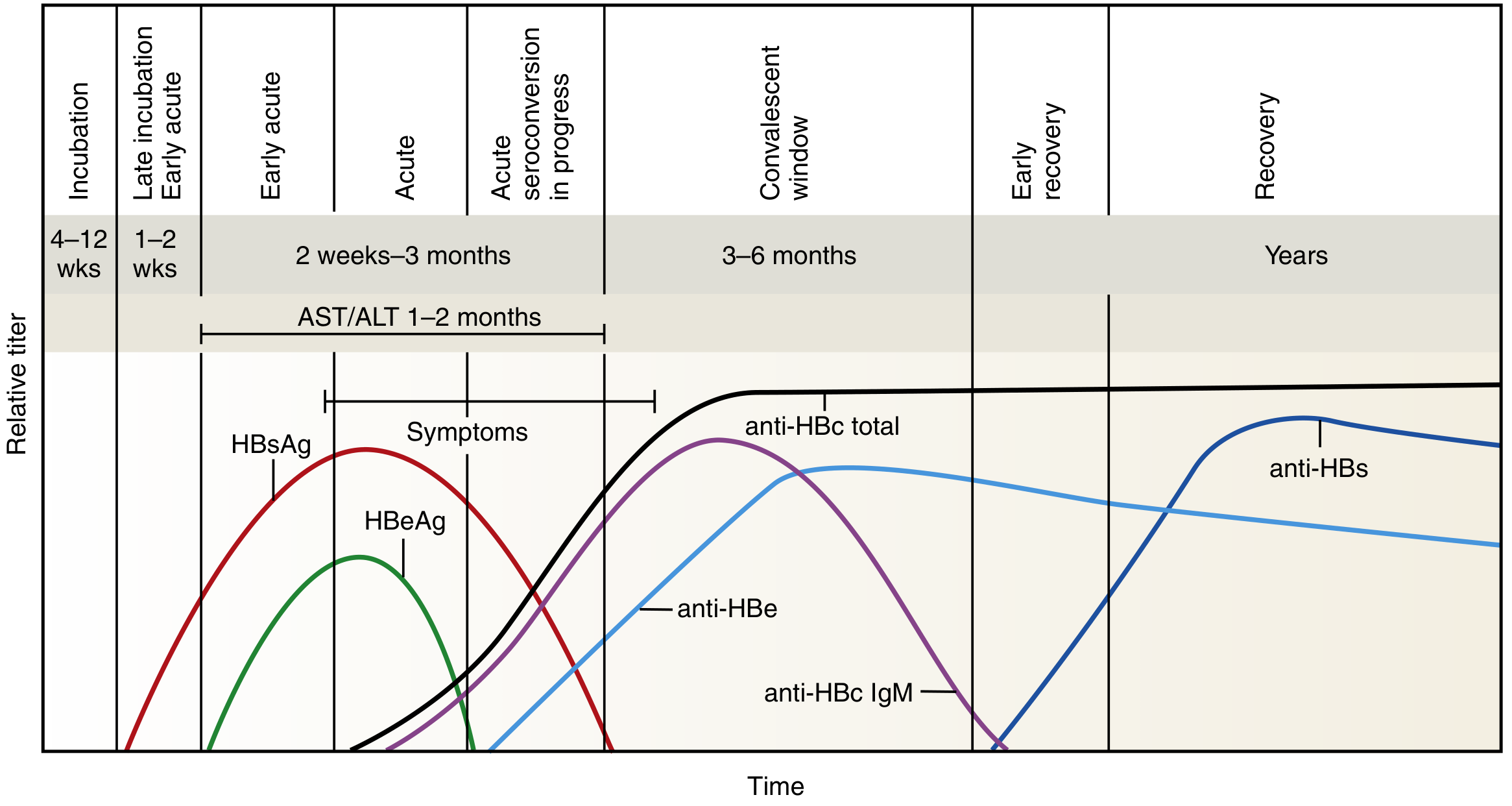
| Marker | Positive Means | Clinical Use |
|---|---|---|
| HBsAg | Active infection (acute or chronic) | First to appear (2-6 wks before symptoms), persists >6 months = chronic |
| HBeAg | Active viral replication, high infectivity | Wild-type virus; its persistence = worse prognosis |
| Anti-HBs | Immunity (post-infection OR vaccination) | Only marker after vaccination |
| Anti-HBe | Declining replication / seroconversion | Good sign in wild-type; BUT precore mutants = HBeAg neg with active disease |
| IgM anti-HBc | Acute infection (also flares in chronic) | The "WINDOW PERIOD" marker |
| IgG anti-HBc | Past exposure (acute or chronic) | Marker of previous exposure; present in OBI |
| HBV DNA | Viral load - replication level | Most sensitive marker; guides treatment |
- Vaccination: Vaccine = only anti-Bs = Vaccine
- Natural immunity post-recovery: anti-HBs + anti-HBc total (IgG)
- Occult HBV infection (OBI): HBsAg negative, but anti-HBc positive + HBV DNA detectable
1.4 PHASES OF CHRONIC HBV
| Phase | HBsAg | HBeAg | HBV DNA | ALT | Histology |
|---|---|---|---|---|---|
| Immune Tolerant | + | + | >10^6 IU/mL | Normal | Minimal |
| Clearing (Immune Active, HBeAg+) | + | + | >10^6 IU/mL | Elevated +++ | Active inflammation |
| Inactive Carrier | + | - | <2000 IU/mL | Normal | Mild |
| Chronically Active (HBeAg-) | + | - | >2000 IU/mL | Elevated ++ | Active (pre-core mutant) |
| Functional Cure | - (HBsAg lost) | - | Undetectable | Normal | - |
- Pre-core mutant (HBeAg-negative chronic hepatitis): Stop codon mutation at nucleotide 1896 → no HBeAg produced, but virus still replicates actively. Common in Mediterranean, Middle East, Asia. More difficult to treat.
1.5 EXTRAHEPATIC MANIFESTATIONS
- Polyarteritis nodosa
- Lupus-like / serum sickness-like illness (urticaria, arthralgias in prodrome)
- Acral papular dermatitis (Gianotti-Crosti - in children)
- Cryoglobulinemia
- Essential mixed cryoglobulinemia, glomerulonephritis (membranous/MPGN)
1.6 SCREENING
CDC 2023: Universal screening of ALL adults ≥18 years (replaced risk-based screening because most acute HBV cases occurred in persons NOT in traditional high-risk groups)
- Born in countries with HBV prevalence ≥2% (intermediate/high endemic)
- Household/sexual contacts of HBsAg+ persons
- Neonates of HBsAg+ mothers
- IVDU
- Multiple sexual partners / STI history
- MSM
- Incarcerated persons
- Elevated ALT/AST of unknown cause
- HCV or HIV co-infection
- Hemodialysis patients
- Healthcare workers with blood exposure
- Persons requiring immunosuppressive/cytotoxic therapy (AASLD/AGA 2025: mandatory screening before starting B-cell depleting agents, anti-TNF, anthracyclines, high-dose steroids)
- HBsAg+: Confirm with HBV DNA, HBeAg, Anti-HBe, LFTs → assess for treatment
- Anti-HBs+ only: Vaccinated or resolved - no further action
- Anti-HBc+ only (isolated): Possible OBI or false positive - check HBV DNA
- All negative: Vaccinate
1.7 TREATMENT: WHO TO TREAT
- Treat if: ALT >2× ULN AND HBV DNA >20,000 IU/mL
- Monitor if: ALT normal (immune tolerant phase) - check every 3 months × 1 year, then every 6 months
- Treat if: ALT >2× ULN AND HBV DNA >2000 IU/mL
- Consider treatment if: ALT 1-2× ULN + HBV DNA >2000 IU/mL + fibrosis ≥F2, or inflammation ≥A3, or age >40 years
- Always treat if: cirrhosis (any level of HBV DNA)
- Cirrhosis (compensated or decompensated)
- HCC
- Prior to immunosuppression/chemotherapy (preemptive)
- HBV-HIV co-infection
- Pregnancy with viral load >200,000 IU/mL (start antiviral in 3rd trimester)
- Suppress HBV DNA to undetectable
- HBeAg seroconversion (HBeAg → Anti-HBe)
- ALT normalization
- Improve liver histology
- Prevent cirrhosis and HCC
- (Ideal): HBsAg loss ("functional cure") - occurs in <1% annually spontaneously
1.8 TREATMENT DRUGS
E - Entecavir (ETV)         ← PREFERRED (first-line)
N - (Not lamivudine/adefovir first line)
T - Tenofovir TDF            ← PREFERRED (first-line)
E - tEnofovir TAF            ← PREFERRED (renal/bone disease)
L - Lamivudine               ← No longer recommended (high resistance)
A - Adefovir                 ← No longer recommended (nephrotoxic, low efficacy)
PEG - PEG-IFN α2a            ← Finite duration option
| Drug | Class | Dose | Advantages | Cautions |
|---|---|---|---|---|
| Entecavir (ETV) | Guanosine nucleoside analog | 0.5 mg/day (naïve); 1 mg/day (LAM-resistant) | High potency, very low resistance (1.2% in naïve over years), excellent tolerability | Resistance up to 40% if prior lamivudine-resistant; dose adjust in renal impairment; Pregnancy Category C |
| Tenofovir Disoproxil Fumarate (TDF) | Acyclic nucleotide analog | 300 mg/day | High potency, NO clinical resistance identified; Pregnancy Category B | Nephrotoxicity (Fanconi syndrome), decreased bone density; caution if GFR <60 |
| Tenofovir Alafenamide (TAF) | Prodrug of tenofovir | 25 mg/day | Better renal and bone safety vs TDF; equivalent efficacy | Use when GFR <60, osteoporosis, chronic steroid use, fragility fractures; more expensive |
| PEG-IFN α2a | Immunomodulatory + antiviral | 180 µg SC weekly × 48 weeks | Finite duration; no resistance; immune-mediated, potential for HBsAg loss | Parenteral, poor tolerability (flu-like, depression, cytopenias, thyroiditis); contraindicated in decompensated cirrhosis, autoimmune disease, psychiatric disorders, pregnancy |
- Bone disease (osteoporosis/fragility fractures)
- Renal impairment (GFR <60)
- Old age on steroids (chronic steroid use)
- Fanconi syndrome risk
- Switching from lamivudine-resistant (prefer TAF over ETV)
1.9 SPECIAL SCENARIOS
- Treat BOTH regardless of HIV stage
- Use tenofovir (TDF or TAF) + emtricitabine as the backbone of ART (dual activity against HBV and HIV)
- Compensated: ETV or TDF/TAF preferred; PEG-IFN CONTRAINDICATED
- Decompensated: ETV or TDF/TAF; consider liver transplant evaluation
- Highest risk: B-cell depleting agents (rituximab), anthracyclines, high-dose corticosteroids ≥4 weeks
- Moderate risk: Anti-TNF agents, cytokine/integrin inhibitors, tyrosine kinase inhibitors
- Low risk: Methotrexate, azathioprine
- AASLD/AGA 2025: Screen ALL patients (HBsAg + Anti-HBc) before immunosuppression; prophylax with ETV or TDF/TAF if HBsAg+; also consider prophylaxis if anti-HBc+ (resolved HBV) receiving high-risk agents
- Screen all pregnant women for HBsAg
- If HBV DNA >200,000 IU/mL: Start TDF in 3rd trimester (Pregnancy Category B) to reduce vertical transmission
- Neonate of HBsAg+ mother: HBV vaccine + HBIG 0.5 mL within 12 hours of birth → test at 12 months (HBsAg, anti-HBs, anti-HBc)
- HBIG (IV × 5-7 days) + lifelong ETV or TDF/TAF to prevent graft reinfection
- Anti-HBc+ donor liver recipients: lifelong oral antiviral (no HBIG needed)
1.10 PREVENTION
- Schedule: 0, 1, 6 months IM (deltoid) - 3 doses
- Accelerated schedule: 0, 1, 2 months + booster at 12 months
- Response: >90% achieve protective anti-HBs (≥10 mIU/mL) after 3rd dose
- Non-responders: Repeat 3-dose series; if still non-responsive, check for OBI
- Universal infant vaccination recommended worldwide
- HBIG 0.04-0.07 mL/kg + HBV vaccine dose 1 at different sites
- Do within 48 hours (max 7 days for needlestick; max 14 days for sexual exposure)
- HBIG second dose at 30 days post-exposure
- Complete 3-dose vaccine series
- No treatment needed
- Give HBIG + vaccine booster; test anti-HBs; if inadequate, second HBIG dose at 1 month
- Recombinant HBsAg vaccines (Engerix-B, Recombivax-HB)
- Heplisav-B: 2-dose schedule (0 and 1 month) with novel CpG adjuvant - approved for adults
- PreHevbrio: 3-dose, CpG adjuvanted, higher efficacy in immunocompromised
- Twinrix: Combined HAV/HBV vaccine
1.11 HCC SURVEILLANCE
| Recommend Surveillance | Uncertain Benefit |
|---|---|
| Asian males with HBV >40 years | HBV carriers <40 males, <50 females |
| Asian females with HBV >50 years | HBV acquired via IVDU/sexual (no cirrhosis) |
| African HBV patients (any age) | HCV without cirrhosis |
| HBV with family history of HCC | NAFLD without cirrhosis |
| Cirrhosis from ANY cause (HBV, HCV, etc.) | |
| HBV with cirrhosis |
HBV carriers without cirrhosis: ~0.5% annual HCC incidence (rises to 1% in elderly). Risk ↑ with: genotype C, HBeAg positivity, HBV DNA >10^5 copies/mL, co-infection (HCV/HIV), family history of HCC.
- African: any age
- Family history of HCC: any age
- Risk cirrhosis: any age
- Inactive BUT Asian male: ≥40
- Carrier Asian female: ≥50
- Any cirrhosis: always
PART 2 - HEPATITIS C VIRUS (HCV)
2.1 VIROLOGY AT A GLANCE
- Family: Flaviviridae - single-stranded positive-sense RNA virus
- No reverse transcriptase, no DNA intermediate → cure possible (unlike HBV)
- High mutation rate (no proofreading by NS5B RNA polymerase) → quasispecies, 6 major genotypes
- Key proteins:
- NS3/NS4A - serine protease (processes polyprotein)
- NS5A - replication complex scaffold, interferon resistance
- NS5B - RNA-dependent RNA polymerase (sole RNA polymerase)
- 3 = NS3/NS4A protease (protease inhibitors: "-previr" suffix)
- 5A = NS5A protein (NS5A inhibitors: "-asvir" suffix)
- 5B = NS5B polymerase (polymerase inhibitors: sofosbuvir "-buvir" suffix)
2.2 GENOTYPES & GEOGRAPHIC DISTRIBUTION
| Genotype | Geographic Distribution | Notes |
|---|---|---|
| 1a | North America (predominant) | Most resistant to old IFN therapy |
| 1b | Europe | Most common globally; 1b = bad prognosis pre-DAA |
| 2 | Japan, North America | Easier to treat with older regimens |
| 3 | South Asia (India, Pakistan) | Harder to treat (steatogenic; lower SVR rates); NS5A resistance common |
| 4 | Africa, Middle East | Common in Egypt (highest prevalence globally) |
| 5 | South Africa | |
| 6 | Southeast Asia |
2.3 NATURAL HISTORY
- Acute HCV: 20-30% jaundiced; 10-20% nonspecific symptoms; most asymptomatic
- Spontaneous clearance: only 20-35% clear without treatment
- Chronic HCV: 70-80% of exposed → chronic infection
- Chronic → Cirrhosis: ~20% over 20 years
- Cirrhosis → HCC: 1-4% per year
- Unlike HBV: DAAs achieve ~97-99% cure (SVR = sustained virologic response)
- 20% clear spontaneously
- 80% go chronic
- 20% of chronic → cirrhosis (over 20 years)
- 4%/year of cirrhotics → HCC
2.4 SEROLOGY & DIAGNOSIS
- Positive = current or past exposure (cannot distinguish)
- If RNA positive: Active infection → genotype, assess for treatment
- If RNA negative: Resolved/false-positive serology
- Anti-HCV appears 1-3 months after exposure (window period possible)
- Anti-HCV persists lifelong (even after SVR = "cure") - cannot use it to confirm current active infection in previously treated patients; use HCV RNA
- Acute vs chronic: RNA detectable 1-2 weeks post-exposure; ALT elevation occurs later; no IgM test to distinguish acute vs chronic (unlike HBV)
2.5 SCREENING
- All adults aged 18-79 years - once in lifetime (universal one-time screen)
- All pregnant women during each pregnancy
- Persons born 1945-1965 (baby boomer cohort) - 3.2% prevalence; HCV mortality exceeds all other reportable infectious diseases combined in this age group
- IVDU (each year or more frequently)
- HIV-positive persons
- Hemodialysis patients (annually)
- Incarcerated persons
- Healthcare workers with HCV needlestick exposure
- Sexual partners of HCV+ persons (especially MSM with multiple partners)
- Persons with unexplained elevated ALT
- Neonates of HCV-RNA+ mothers (test at 18 months or HCV RNA at 2-6 months)
- Persons who inject drugs
- Repeated high-risk sexual activity (MSM)
- Incarcerated individuals
- Steal (sharing of needles/equipment)
- Ongoing HIV infection
- Neonates of HCV+ mothers
- Hemodialysis patients
- Infected source of needlestick
- Viral load elevated ALT unexplained
- Dialysis
- Antiretroviral therapy patients (HIV)
- Liver disease of unclear etiology
2.6 TREATMENT: GOALS & PRINCIPLES
- SVR12 = Undetectable HCV RNA 12 weeks post-treatment completion
- Represents 97-100% chance of remaining HCV RNA negative long-term
- Associated with: histologic improvement, ↓ cirrhosis risk, ↓ HCC risk (though HCC surveillance continues in established cirrhosis), ↓ all-cause mortality
- ALL patients with chronic HCV and detectable HCV RNA regardless of ALT level or fibrosis stage - with rare exception of very short life expectancy
- Acute HCV: Treat (do not delay for spontaneous clearance - no longer recommended per Harrison's 22E/2025)
2.7 DAA DRUG CLASSES & MECHANISM
- Mechanism: Inhibit viral serine protease that cleaves HCV polyprotein into individual active proteins
- Lower barrier to resistance than sofosbuvir
- Contraindicated in decompensated cirrhosis (Child-Pugh B/C) - drug accumulates, risk of liver decompensation
- Drug interactions: CYP3A substrates - check carefully
- Agents: Grazoprevir, Voxilaprevir, Glecaprevir
- Mechanism: Inhibit NS5A protein involved in replication complex assembly and virion secretion
- Pangenotypic (velpatasvir, pibrentasvir) or genotype-specific (ledipasvir, elbasvir)
- Agents: Ledipasvir, Velpatasvir, Pibrentasvir, Elbasvir
- Nucleotide (NI) inhibitors: Sofosbuvir - HIGH barrier to resistance; backbone of most regimens
- Mechanism: Sofosbuvir is a uridine nucleotide prodrug; incorporated into viral RNA → chain termination
- Agents: Sofosbuvir ("-buvir")
2.8 CURRENT DAA REGIMENS
Exclusions: prior DAA failure, cirrhosis, HBsAg positive, pregnancy, HCC, liver transplant
- Sofosbuvir/Velpatasvir (SOF/VEL) × 12 weeks - OR -
- Glecaprevir/Pibrentasvir (GLE/PIB) × 8 weeks
| Regimen (Brand) | Components | Genotypes | Duration | Notes |
|---|---|---|---|---|
| Sofosbuvir/Velpatasvir (Epclusa) | NS5B + NS5A | ALL (1-6) - PANGENOTYPIC | 12 wks | First-choice pangenotypic; add ribavirin for GT3 with cirrhosis |
| Glecaprevir/Pibrentasvir (Mavyret) | NS3/4A + NS5A | ALL (1-6) - PANGENOTYPIC | 8 wks (naïve, no cirrhosis); 12 wks (compensated cirrhosis) | Preferred for renal impairment; contraindicated in decompensated cirrhosis |
| Sofosbuvir/Velpatasvir/Voxilaprevir (Vosevi) | NS5B + NS5A + NS3/4A | ALL (1-6) | 12 wks | For DAA-experienced patients (prior SOF failure); "salvage" regimen |
| Sofosbuvir/Ledipasvir (Harvoni) | NS5B + NS5A | 1a, 1b, 4, 5, 6 | 12 wks | Genotype-specific; not for GT2/3 |
| Elbasvir/Grazoprevir (Zepatier) | NS5A + NS3/4A | 1a, 1b, 4 | 12 wks (GT1b, 4); 16 wks + RBV if NS5A RAS present (GT1a) | Check NS5A baseline RAS for GT1a before prescribing; safe in renal failure/hemodialysis |
- SOF/VEL = pangenotypic, use for all
- GLE/PIB = pangenotypic, especially for renal disease
- VOSEVI = salvage for prior DAA failure
2.9 SPECIAL POPULATIONS
- Compensated (Child-Pugh A): Most regimens acceptable; extend duration if needed
- Decompensated (Child-Pugh B/C): SOF/VEL ± ribavirin (protease inhibitors CONTRAINDICATED); priority for liver transplant
- GFR <30 or hemodialysis: Prefer GLE/PIB (no dose adjustment needed); EBR/GZR (GT1,4)
- Sofosbuvir-containing regimens: Now approved for severe renal failure (safety established)
- Same regimens as mono-infection; check for drug-drug interactions with ART
- Screen for HBV (risk of HBV reactivation when treating HCV with DAAs - especially if HBsAg+ or anti-HBc+; AGA 2025 CPG, PMID 39863345)
- HBV reactivation can occur during/after DAA therapy for HCV
- AASLD/EASL: Screen HBsAg + anti-HBc before starting DAAs; prophylax if HBsAg+
- SOF-based or GLE/PIB regimens highly effective
- Check calcineurin inhibitor (tacrolimus, cyclosporine) interactions - especially with NS3/4A inhibitors
- DAAs: Limited safety data; not currently recommended
- Defer treatment until after delivery
- SOF/VEL/VOX (Vosevi) × 12 weeks OR GLE/PIB × 16 weeks
- Consider resistance-associated substitution (RAS) testing
- Refer to expert center
2.10 IMPORTANT DRUG INTERACTIONS
- Amiodarone + Sofosbuvir (+ beta blockers) → Severe bradycardia/cardiac arrest - CONTRAINDICATED
- CYP3A inducers (rifampin, carbamazepine, phenytoin, St John's Wort) → reduce protease inhibitor levels
- Antiretrovirals (ritonavir-boosted): major interactions with PIs and NS5A inhibitors
- Ribavirin: Hemolytic anemia; teratogenic - use contraception × 6 months after
- Immunosuppressants (tacrolimus, cyclosporine): levels altered by NS3/4A inhibitors
2.11 PREVENTION OF HCV
- Safe injection practices (needle exchange programs, harm reduction)
- Single-use, sterile medical equipment
- Blood product screening
- Safe sex practices (condoms); post-exposure prophylaxis NOT recommended for HCV
- Healthcare worker precautions (standard/universal precautions)
- Universal screening of adults 18-79
- "Treat all" policy - SVR = microbiological cure = breaks transmission chain
- WHO target: Eliminate HCV as a public health threat by 2030 (90% reduction in incidence, 65% reduction in mortality)
- No vaccine, no HCVIG, no PEP medication available
- Baseline anti-HCV + HCV RNA → recheck at 6 weeks (HCV RNA) and 4-6 months (anti-HCV)
- If acute HCV detected: Treat promptly (same DAA regimen as chronic)
PART 3 - QUICK COMPARISON TABLE: HBV vs HCV
| Feature | HBV | HCV |
|---|---|---|
| Virus type | DNA (partial dsDNA) | RNA (ssRNA positive) |
| Family | Hepadnaviridae | Flaviviridae |
| Replication | Reverse transcriptase + cccDNA | NS5B RNA polymerase |
| Vaccine available | YES (highly effective) | NO |
| Acute infection → Chronic | 5-10% adults; 90% neonates | 70-80% |
| Cure possible | Rare (functional cure = HBsAg loss ~1%/year) | YES (SVR ~97-99%) |
| Treatment duration | Lifelong in most (NAs); 48 weeks PEG-IFN | 8-12 weeks (DAAs) |
| Key resistance concern | cccDNA persists; NA resistance (lamivudine worst) | NS5A/NS3 RAS; SOF high barrier |
| First-line treatment | Entecavir OR Tenofovir (TDF/TAF) | SOF/VEL or GLE/PIB (pangenotypic) |
| HCC risk | HIGH (even without cirrhosis in endemic populations) | High (mainly cirrhosis-related) |
| Transmission | Blood, sexual, perinatal | Primarily blood/parenteral; less sexual |
PART 4 - WARD MNEMONICS SUMMARY CARD
"VITAL Signs of HBV" (Initial Workup)
- Viral load (HBV DNA)
- Immune markers (HBeAg, Anti-HBe, Anti-HBs)
- Transaminases (ALT, AST)
- Antigen (HBsAg, Anti-HBc)
- Liver staging (ultrasound, fibroscan, biopsy if needed)
"CURE Is Possible with HCV" (Why Treat HCV)
- Cirrhosis prevented
- Undetectable RNA = SVR = cure
- Reduced HCC risk
- Extrahepatic manifestations improve (cryoglobulinemia, GN)
"3-5A-5B = DAA targets"
- 3 = "-previr" (protease)
- 5A = "-asvir" (NS5A)
- 5B = "-buvir" (NS5B / sofosbuvir)
"BITES" - Contraindications to Protease Inhibitors in HCV
- Both decompensated cirrhosis (Child-Pugh B and C)
- Inducers of CYP3A (rifampin, etc.) - reduce levels
- Transplant post-liver (interactions with CNI)
- Elevated drug levels (hepatic metabolism - accumulates in liver failure)
- Severe drug interactions (anticonvulsants, amiodarone)
"PELTS" - Side effects of PEG-IFN (HBV/HCV)
- Psychiatric (depression, suicide risk)
- Elevated autoantibodies (thyroiditis, autoimmune disease)
- Leucopenia + thrombocytopenia (bone marrow suppression)
- Thermo-dysregulation (flu-like: fever, chills, myalgia)
- Seizures/neurotoxicity (somnolence, confusion)
PART 5 - OPD/WARD FLOWCHART SUMMARIES
HBV OPD Decision Tree
Patient with ↑LFT or jaundice or risk factors
          ↓
SCREEN: HBsAg + Anti-HBs + Anti-HBc total
          ↓
HBsAg POSITIVE
          ↓
Check: HBeAg, Anti-HBe, HBV DNA, ALT, CBC, LFTs, Creatinine, Coagulation
     + Abdominal US for cirrhosis/HCC + Fibroscan
          ↓
HBeAg+ + DNA >20,000 + ALT >2×ULN → TREAT (ETV or TDF/TAF)
HBeAg- + DNA >2000 + ALT >2×ULN → TREAT (ETV or TDF/TAF)
Any cirrhosis → TREAT (ETV or TDF/TAF preferred)
Immune tolerant / Inactive carrier → MONITOR
          ↓
On treatment: Check HBV DNA at 3 months, 6 months, then every 6 months
           Check ALT, creatinine, phosphorus (TDF) every 3-6 months
HCV OPD Decision Tree
Patient with risk factors or Universal Screen (18-79 yrs)
          ↓
Anti-HCV antibody
          ↓
Positive → HCV RNA (quantitative PCR)
          ↓
RNA POSITIVE (active infection)
          ↓
HCV Genotype (if needed) + ALT, CBC, Cr, Bilirubin
Assess for cirrhosis (Fibroscan, FIB-4 score)
Check: HBsAg + HIV (co-infection screen)
          ↓
TREAT ALL with detectable HCV RNA
     ↓
Simplified algorithm (no cirrhosis, no prior DAA failure, no HBsAg+):
  → SOF/VEL (Epclusa) × 12 weeks  OR
  → GLE/PIB (Mavyret) × 8 weeks
     ↓
Check HCV RNA at 12 weeks post-treatment (SVR12)
SVR12 = CURE
If cirrhosis: Continue HCC surveillance 6-monthly ultrasound ± AFP
PART 6 - KEY NUMBERS TO MEMORIZE
| Parameter | Value |
|---|---|
| HBV incubation period | 4-12 weeks (up to 6 months) |
| HBsAg detectable before symptoms | 2-6 weeks |
| Chronic HBV defined as | HBsAg+ >6 months |
| % neonates who become chronic | 90% |
| % adults who become chronic | 5-10% |
| Protective anti-HBs level | ≥10 mIU/mL |
| HBV vaccine efficacy (3 doses) | >90% |
| PEP window: needlestick | Within 48 hours (max 7 days) |
| HCV spontaneous clearance | 20-35% |
| HCV DAA cure rate (SVR12) | 97-99% |
| HCV RNA detectable post-exposure | 1-2 weeks |
| Anti-HCV appears | 1-3 months post-exposure |
| HCV treatment duration (DAA) | 8-12 weeks |
| HCC surveillance interval | Every 6 months (US ± AFP) |
| Annual HCC risk in HBV without cirrhosis | ~0.5% |
| Annual HCC risk in HBV cirrhosis | 2-5% |
| Annual HCC risk in HCV cirrhosis | 1-4% |
| HBV DNA threshold for treat (HBeAg+) | >20,000 IU/mL + ALT >2×ULN |
| HBV DNA threshold for treat (HBeAg-) | >2,000 IU/mL + ALT >2×ULN |
PART 7 - SURVEILLANCE CALENDAR FOR YOUR WARD
| Visit | HBV (on treatment) | HCV (on treatment) | HBV (monitor, no treatment) | Post-SVR HCV |
|---|---|---|---|---|
| Baseline | HBV DNA, HBeAg, LFT, Cr, U/S, Fibroscan | HCV RNA, Genotype, LFT, Cr, U/S, Fibroscan, HBsAg, HIV | HBV DNA, LFT | HCV RNA (SVR12), LFT, U/S |
| 4 weeks | LFT | LFT | - | - |
| 12 weeks | HBV DNA (early), LFT, Cr | HCV RNA (on-treatment optional), LFT | - | HCV RNA = SVR12 |
| 6 months | HBV DNA, LFT, Cr | - | HBV DNA, LFT | U/S ± AFP (if cirrhosis) |
| Annually | HBsAg (hope for loss!), U/S ± AFP | - | HBsAg, U/S ± AFP | Annual U/S ± AFP (cirrhosis) |
REFERENCES (Textbooks and Guidelines)
- Harrison's Principles of Internal Medicine, 22nd Ed. (2025) - Chapters 350, 351, 352 - Primary source for screening, DAA algorithms, epidemiology
- Washington Manual of Medical Therapeutics - AASLD treatment criteria, HBV phases
- Katzung's Basic & Clinical Pharmacology, 16th Ed. - Drug mechanisms and tables
- Lippincott Illustrated Reviews: Pharmacology - Drug class summaries
- Yamada's Textbook of Gastroenterology, 7th Ed. - HCC surveillance criteria
- Goldman-Cecil Medicine - TAF/TDF, pangenotypic regimens
- Henry's Clinical Diagnosis & Management by Lab Methods - Serology interpretation
- EASL Clinical Practice Guidelines on HBV Management, 2025 (PMID: 40348683, J Hepatol 2025) - latest comprehensive guidelines
- AGA Clinical Practice Guideline: Prevention and Treatment of HBV Reactivation, 2025 (PMID: 39863345, Gastroenterology 2025)
- ACOG Clinical Practice Guideline No. 6: Viral Hepatitis in Pregnancy, 2023 (PMID: 37590986)
- www.hcvguidelines.org (AASLD-IDSA, continuously updated)
- EASL HBV Guidelines 2025 (PMID 40348683)
- AGA HBV Reactivation CPG 2025 (PMID 39863345)
- Harrison's 22E (2025) - simplified DAA algorithm
- USPSTF/AASLD-IDSA universal HCV screening (all adults 18-79)
- CDC 2023 universal HBV screening recommendation
How to approach a TB patient? How to clinically assess it? Diagnose which stage or which system of TB is involved? How to proceed with clinically with history, examination and investigations on a ward, emergency, and OPD basis for every TB patient? How to give individualized treatment to each TB patient? What are the different treatment options according to the core morbidity of different types?. Give mnemonics where possible
"tuberculosis" AND "guidelines" AND treatment
PMID: 40693952