
provide me the detailed summarization of cell junction from robbin and cortan pathology 11 th edition
cell junction types tight adherens desmosome gap junction diagram
Cell Junctions — Robbins, Cotran & Kumar: Pathologic Basis of Disease (11th Edition)
Overview
- Occluding junctions (tight junctions)
- Anchoring junctions (adherens junctions and desmosomes)
- Communicating junctions (gap junctions)
1. Occluding Junctions (Tight Junctions)
Structure
- Form a tight meshlike network of macromolecular contacts between neighboring cells (visible en face by freeze-fracture electron microscopy).
- The transmembrane proteins involved belong to two families:
- Claudins — the principal structural proteins of the tight junction strand
- Tight junction-associated MARVEL proteins (TAMPs) — a tetraspan protein family that includes occludin and tricellulin
Intracellular Scaffolding
- ZO-1, ZO-2, ZO-3 (zonula occludens protein family)
- Cingulin
Key Functions
| Function | Detail |
|---|---|
| Barrier formation | Creates a selectively permeable seal in the paracellular space |
| Cell polarity | Acts as a boundary separating apical from basolateral membrane domains |
| Dynamic regulation | Can be modified to facilitate epithelial healing and inflammatory cell migration across mucosal surfaces |
Tight junctions are dynamic structures — not static walls. They open during inflammation to permit leukocyte migration.
2. Anchoring Junctions
2a. Adherens Junctions
- Often located just below tight junctions (apically placed in the junctional complex).
- The transmembrane adhesion molecules (cadherins) are linked to intracellular actin microfilaments.
- Through this actin linkage, they can influence cell shape and motility.
Loss of the epithelial adherens junction protein E-cadherin (encoded by CDH1) explains the discohesive invasion pattern seen in:
- Diffuse-type gastric carcinoma (~50% harbor loss-of-function CDH1 mutations or E-cadherin silencing by promoter hypermethylation)
- Lobular carcinoma of the breast
2b. Desmosomes
- Located more basally than adherens junctions.
- Cadherins here are linked to intracellular intermediate filaments (e.g., keratin in epithelial cells).
- This linkage allows extracellular forces to be mechanically communicated and dissipated across multiple cells — giving epithelial sheets their tensile strength.
Pemphigus vulgaris — autoimmune disease caused by IgG autoantibodies against desmogleins (desmoglein-1 and desmoglein-3) that disrupt desmosome integrity, resulting in intraepidermal blister formation.
Arrhythmogenic right ventricular cardiomyopathy (ARVC) — caused by mutations in genes encoding desmosomal junctional proteins at the intercalated disk (e.g., plakoglobin) or proteins interacting with the desmosome.
2c. Hemidesmosomes
- A half-desmosome that connects cells to the ECM (not cell-to-cell).
- The transmembrane connector proteins are integrins (not cadherins), which attach to intermediate filaments and link the cytoskeleton to the ECM.
- Focal adhesion complexes — composed of >100 proteins — localize at hemidesmosomes.
- Their component proteins can generate intracellular signals when cells are subjected to shear stress (e.g., endothelium in the bloodstream, cardiac myocytes in a failing heart).
3. Communicating Junctions (Gap Junctions)
Structure
- Consist of a dense planar array of 1.5–2 nm pores called connexons.
- Each connexon is formed by a pair of hexamers (one hexamer contributed by each adjacent cell) of transmembrane connexin proteins.
- These pores permit passage of:
- Ions (e.g., Ca²⁺)
- Nucleotides
- Sugars
- Amino acids
- Vitamins
- Other small molecules (<1,000 Da)
Regulation of Permeability
| Stimulus | Effect on Gap Junction |
|---|---|
| Decreased intracellular pH | Rapid closure (reduced permeability) |
| Increased intracellular Ca²⁺ | Rapid closure (reduced permeability) |
Key Physiological Role — Cardiac Syncytium
Gap junctions in cardiac myocytes allow cell-to-cell calcium fluxes that permit the many cells of the myocardium to behave as a functional syncytium with coordinated waves of contraction.
Pathological Relevance
Charcot-Marie-Tooth disease (X-linked form) — linked to mutations in the GJB1 gene (encoding connexin 32 / gap junction protein beta-1), expressed in Schwann cells. Males are typically more severely affected, though female carriers can also be symptomatic.
Summary Comparison Table
| Feature | Tight Junctions | Adherens Junctions | Desmosomes | Hemidesmosomes | Gap Junctions |
|---|---|---|---|---|---|
| Also called | Occluding junctions | Zonula adherens | Macula adherens | — | Communicating junctions |
| Main proteins | Claudins, TAMPs | E-cadherin | Desmogleins, desmoplakin | Integrins | Connexins (connexons) |
| Cytoskeletal link | ZO-1/2/3, cingulin | Actin microfilaments | Intermediate filaments | Intermediate filaments | None (pore-forming) |
| Partner | Cell–cell | Cell–cell | Cell–cell | Cell–ECM | Cell–cell |
| Primary function | Paracellular barrier; cell polarity | Mechanical adhesion + motility | Tensile strength | ECM anchoring + signaling | Intercellular communication |
| Disease example | Barrier loss in colitis | Gastric cancer, lobular breast ca. | Pemphigus, ARVC | Epidermolysis bullosa | Charcot-Marie-Tooth (X-linked) |
Clinical Pearls from Robbins & Cotran
- E-cadherin (CDH1) loss is a hallmark of diffuse gastric carcinoma and lobular breast carcinoma — tumors show a "single-file" or non-cohesive invasive pattern.
- Desmoglein autoantibodies in pemphigus cause the epidermis to fall apart (acantholysis); the level of the split depends on which desmoglein isoform is targeted.
- Connexin 32 mutations (GJB1) cause X-linked Charcot-Marie-Tooth disease by disrupting gap junction–mediated communication in Schwann cells.
- Desmosomal protein mutations underlie ARVC, a cardiomyopathy prone to sudden cardiac death and fibro-fatty replacement of the right ventricle.
also provide pictures of different types of cell junctions
types of cell junctions tight junction adherens junction desmosome gap junction diagram labeled
gap junction connexon connexin structure pore channel diagram
desmosome hemidesmosome intermediate filament keratin epithelial cell
Visual Guide to Cell Junctions
Fig. 1.9 — Robbins & Cotran (Official Textbook Diagram)
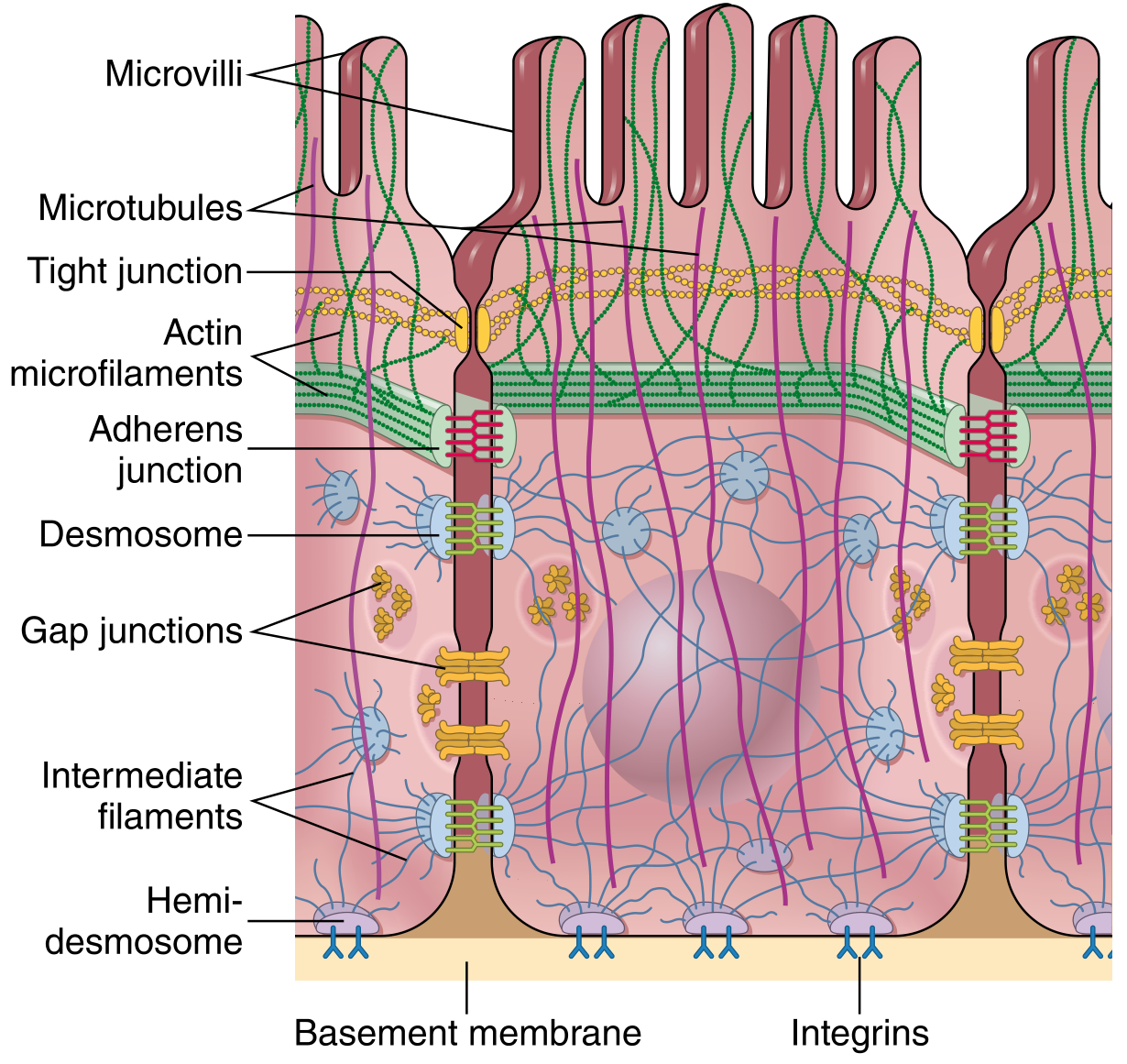
This is the actual Fig. 1.9 from the textbook. It shows, from apical to basal:
- Tight junction (yellow, just below the microvilli) — sealed by claudins/TAMPs
- Adherens junction (red, linked to actin microfilaments — green)
- Desmosome (green, linked to intermediate filaments — purple/magenta)
- Gap junctions (gold/orange, lateral, scattered)
- Hemidesmosome (basal, with blue integrin anchors into the basement membrane)
Junction Proteins in Endothelial Cells (Blood-Brain Barrier)
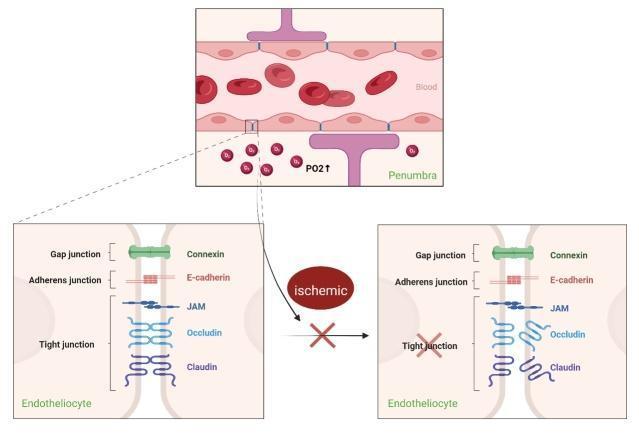
Clearly labels the three junction types stacked on the lateral membrane of endothelial cells: Connexin (gap junction) at the top, E-cadherin (adherens junction) in the middle, and JAM/Occludin/Claudin (tight junction) at the bottom. The right panel shows how ischemia fragments tight junction proteins, increasing permeability.
Claudin Family — Functions of Tight Junction Proteins
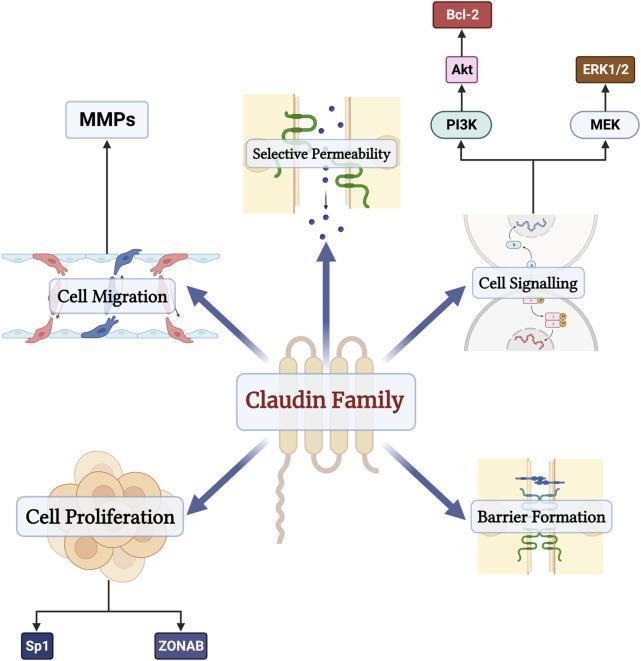
Illustrates how claudins — the key transmembrane proteins of tight junctions — go beyond forming a simple barrier. They regulate selective permeability, barrier formation, cell migration (via MMPs), cell proliferation (via Sp1/ZONAB), and intracellular signaling (PI3K/Akt/Bcl-2 and MEK/ERK1/2 pathways).
Gap Junction / Connexin — Therapeutic & Structural Overview
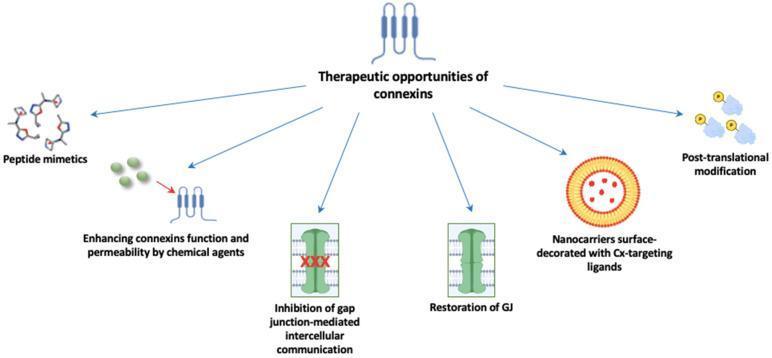
Shows the connexin protein structure (four transmembrane domains, central pore) and multiple strategies to modulate gap junction function, illustrating how connexons work as the molecular machinery of gap junctions.
Quick Visual Reference: Junction Location in the Cell
| Junction | Location on Cell | Cytoskeletal Link | Key Proteins |
|---|---|---|---|
| Tight junction | Apical (most superficial) | ZO-1/2/3, cingulin | Claudin, occludin, JAM |
| Adherens junction | Just below tight junction | Actin microfilaments | E-cadherin |
| Desmosome | Mid-lateral | Intermediate filaments (keratin) | Desmoglein, desmoplakin |
| Gap junction | Lateral (scattered) | None (pore-forming) | Connexins |
| Hemidesmosome | Basal | Intermediate filaments | Integrins |
create a pdf file for above all information
Generate a PDF with all cell junction content and images
Morphology and Physiology of Bacteria and General Bacteriology: Laboratory Diagnosis of Bacterial Infections are the two topics from apoorva s shastry and sanghya baht essentials of medical microbilogy so provide me a detailed summary from these topic
Note: The specific book Essentials of Medical Microbiology by Apoorva S Shastry & Sanghavi Bhat is not available in the medical library. The summary below is drawn from Medical Microbiology 9e (Murray, Rosenthal & Pfaller) and Sherris & Ryan's Medical Microbiology 8th Ed, which cover the identical core content in the same depth and sequence as Shastry & Bhat's text.
TOPIC 1: Morphology and Physiology of Bacteria — General Bacteriology
1. Size of Bacteria
- Most bacteria: ~1 μm in diameter — visible under a light microscope (resolution 0.2 μm)
- Smallest: Chlamydia and Rickettsia — 0.1–0.2 μm (intracellular obligate parasites)
- For comparison: RBCs = 7 μm; eukaryotic cells range up to several feet (nerve cells)
2. Prokaryote vs. Eukaryote Differences
| Characteristic | Prokaryote (Bacteria) | Eukaryote |
|---|---|---|
| Nuclear membrane | Absent (nucleoid) | Present |
| Chromosome | Single, circular, haploid DNA | Multiple, linear, diploid |
| Ribosome | 70S (50S + 30S) | 80S (60S + 40S) |
| Mitochondria | Absent | Present |
| Golgi / ER | Absent | Present |
| Cell wall | Peptidoglycan-containing | Fungi: present; animals: absent |
| Sterols in membrane | Absent (except Mycoplasma) | Present (cholesterol) |
| Reproduction | Binary fission (asexual) | Sexual and asexual |
| Flagellum | Simple | Complex |
| ATP production | Cytoplasmic membrane | Mitochondria |
3. Bacterial Classification
- Macroscopic & microscopic appearance
- Metabolic/growth properties
- Antigenicity
- Genotype (molecular taxonomy)
A. Shape (Morphology)
| Shape | Name | Examples |
|---|---|---|
| Spherical | Coccus | Staphylococcus, Streptococcus |
| Rod | Bacillus | E. coli, Bacillus anthracis |
| Curved rod | Vibrio | Vibrio cholerae |
| Spiral | Spirochete/Spirillum | Treponema, Leptospira |
| Comma-shaped | Vibrio | V. cholerae |
| S-shaped | Campylobacter |
B. Arrangement
- Cocci: Diplococci (pairs), Tetrads (4), Sarcinae (8 cubes), Staphylococci (grape-like clusters), Streptococci (chains)
- Bacilli: Single, chains (streptobacilli), palisades (Corynebacterium), Chinese-letter arrangement
C. Gram Staining
- Apply crystal violet → precipitate with iodine → decolorize with acetone → counterstain with safranin
| Result | Gram-Positive | Gram-Negative |
|---|---|---|
| Color | Purple | Red/pink |
| Cell wall | Thick peptidoglycan | Thin peptidoglycan + outer membrane |
| Decolorization | Stain trapped in thick wall | Stain washed out |
| Mnemonic | "P-PURPLE-POSITIVE" |
Gram staining loses reliability for starved/old cultures or organisms treated with antibiotics.
4. Bacterial Structure (From Outside to Inside)
A. Capsule
- Polysaccharide (most bacteria) or polypeptide (B. anthracis)
- Functions:
- Anti-phagocytic (virulence factor)
- Resistance to complement-mediated lysis
- Adhesion to surfaces (biofilm formation)
- Detection: India ink staining (negative stain — capsule appears as clear halo around bacteria)
- Clinically important in S. pneumoniae, H. influenzae, N. meningitidis, K. pneumoniae, Cryptococcus neoformans
B. Cell Wall
Gram-Positive Cell Wall
- Thick peptidoglycan layer (20–80 nm) — meshlike structure of NAM-NAG (N-acetylmuramic acid + N-acetylglucosamine) cross-linked by tetrapeptide chains
- Teichoic acids — anionic polymers anchored to peptidoglycan; contribute to:
- Cell wall integrity
- Regulation of cation concentration
- Adherence to host cells (virulence)
- Lipoteichoic acid (LTA): anchored in the cytoplasmic membrane; acts as PAMP
- No outer membrane
Gram-Negative Cell Wall
- Thin peptidoglycan layer (2–7 nm) in the periplasmic space
- Outer membrane (OM):
- Asymmetric lipid bilayer — inner leaflet: phospholipids; outer leaflet: LPS (lipopolysaccharide = endotoxin)
- Acts as permeability barrier to large and hydrophobic molecules
- Held together by Mg²⁺ and Ca²⁺ linkages
- Porins: transmembrane proteins forming hydrophilic channels (<700 Da molecules pass through)
- LPS (Endotoxin): Lipid A (toxic component) + core polysaccharide + O-antigen (variable side chain)
- Activates B cells, macrophages, dendritic cells → releases IL-1, IL-6, TNF
- Causes fever, shock, Schwartzman reaction (DIC)
- Neisseria sheds lipooligosaccharide (LOS) → severe symptoms
- Lipoprotein (Braun's lipoprotein): covalently links OM to peptidoglycan
- Periplasmic space: contains hydrolytic enzymes (β-lactamases), binding proteins, transport systems
Peptidoglycan
- Basic unit: NAM-NAG disaccharide
- Cross-linked by tetrapeptide side chains via transpeptidase (target of β-lactam antibiotics and glycopeptides)
- Targeted by lysozyme (cleaves NAM-NAG bond) and β-lactams/glycopeptides (block cross-linking)
C. Cytoplasmic Membrane
- Phospholipid bilayer — no sterols (except Mycoplasma, which lacks a cell wall)
- Functions:
- Selective permeability
- Active transport (nutrient uptake)
- Electron transport and ATP production (equivalent to mitochondria)
- Secretion of enzymes
- Site of DNA replication (attachment point)
- Contains mesosome (infolding that aids in cell division)
D. Cytoplasm
- Nucleoid: single circular double-stranded DNA (no nuclear membrane, no histones)
- Plasmids: extrachromosomal circular DNA — confer antibiotic resistance, virulence genes
- Ribosomes (70S = 50S + 30S):
- 50S subunit: target of macrolides, chloramphenicol, linezolid, clindamycin
- 30S subunit: target of aminoglycosides, tetracyclines
- Cytoplasm also contains mRNA, proteins, metabolites, and inclusion bodies (storage granules — volutin/metachromatic granules in Corynebacterium)
5. Surface Structures
A. Flagella
- Protein appendages providing motility (composed of flagellin)
- Types based on arrangement:
- Monotrichous: one flagellum at one pole (Vibrio cholerae)
- Amphitrichous: one at each pole
- Lophotrichous: tuft at one pole (Helicobacter)
- Peritrichous: flagella all around (Salmonella, E. coli)
- Atrichous: no flagellum (Shigella, Klebsiella)
- Basis of H antigen (flagellar antigen)
- Flagella are important in bacterial motility and adherence to host cells
B. Pili (Fimbriae)
- Common pili (fimbriae): short, rigid, protein tubes for adherence to host mucosal cells
- Type I pili: mannose-sensitive hemagglutination
- P pili: mannose-resistant; critical in uropathogenic E. coli (UPEC)
- Sex pili: longer, flexible — mediate conjugation (DNA transfer between bacteria)
- Encoded by F (fertility) plasmid
- Basis of virulence — strains with pili colonize better and resist host defenses
C. Spores (Endospores)
- Dormant, resistant forms — not true reproductive structures
- Produced only by: Gram-positive bacteria (Bacillus, Clostridium)
- Components: cortex, inner membrane, spore coat, exosporium
- Resistant to: heat, desiccation, chemicals, UV radiation, disinfectants
- Germination: triggered by nutrient availability, heat shock
- Destroyed by: autoclaving (121°C, 15 psi, 15 min) — the only reliable method
6. Bacterial Physiology
A. Bacterial Growth
- Binary fission — each cell divides into two identical daughter cells
- Generation time (doubling time): time required for one division
- E. coli: ~20 minutes under optimal conditions
- M. tuberculosis: ~18–24 hours (explains slow clinical course)
B. Growth Curve (Phases)
| Phase | Description |
|---|---|
| Lag phase | Adaptation; no increase in cell numbers; synthesis of enzymes |
| Log (exponential) phase | Rapid doubling; most metabolically active; most susceptible to antibiotics |
| Stationary phase | Nutrients depleted; death rate = growth rate; sporulation begins |
| Death (decline) phase | Death exceeds growth; lysis of cells |
C. Bacterial Metabolism
Oxygen Requirements
| Type | Oxygen need | Examples |
|---|---|---|
| Obligate aerobe | Requires O₂ | M. tuberculosis, Pseudomonas |
| Obligate anaerobe | Killed by O₂ | Clostridium, Bacteroides |
| Facultative anaerobe | Grows with or without O₂ | E. coli, Staphylococcus |
| Microaerophile | Requires reduced O₂ (5%) | Campylobacter, H. pylori |
| Aerotolerant anaerobe | Tolerates O₂ but doesn't use it | Lactobacilli |
Temperature Requirements
| Type | Optimal temperature | Examples |
|---|---|---|
| Mesophile | 37°C | Most pathogens |
| Thermophile | >45°C | Environmental bacteria |
| Psychrophile | <20°C | Environmental bacteria |
D. Genetic Exchange in Bacteria
| Mechanism | Description | Example |
|---|---|---|
| Transformation | Uptake of naked DNA from environment | Streptococcus pneumoniae |
| Transduction | DNA transferred by bacteriophage | Phage-mediated toxin genes in S. aureus, V. cholerae |
| Conjugation | Direct cell-to-cell transfer via sex pilus (F plasmid) | Antibiotic resistance transfer in Enterobacteriaceae |
7. Special Bacteria — Unique Features
| Organism | Special Feature |
|---|---|
| Mycobacteria | Acid-fast (waxy mycolic acid cell wall); not truly gram-positive or negative |
| Mycoplasma | No cell wall; contains cholesterol in membrane; resistant to penicillin |
| Chlamydia | Obligate intracellular parasite; elementary body (infectious) → reticulate body (replicating) |
| Rickettsia | Obligate intracellular; transmitted by arthropod vectors |
| Spirochetes | Flexible helical cells; axial filaments for motility (periplasmic flagella) |
TOPIC 2: Laboratory Diagnosis of Bacterial Infections
Overview
- Collection of the appropriate specimen
- Rapid transport to the laboratory
- Processing to maximize pathogen detection
- Physician → selects specimen, provides clinical diagnosis
- Microbiologist → selects transport system, chooses detection method
1. Specimen Collection and Transport
General Principles
- Collect before antibiotic therapy whenever possible
- Use aseptic technique to avoid contamination
- Transport promptly — some organisms (e.g., N. meningitidis, S. pneumoniae) are labile
- Use appropriate transport media (Stuart's, Amies, thioglycollate for anaerobes)
- Quantity matters — larger volumes increase sensitivity
A. Blood
- Most important culture in any septic patient
- Volume is the most critical determinant of success:
- Adults: 20 ml per culture (into two bottles — 10 ml each)
- Children: 5–10 ml; neonates: proportionally less
- Collect 2–3 sets of blood cultures
- Skin disinfection: 70% alcohol → 0.5% chlorhexidine (or povidone iodine)
- Inoculate directly into enriched nutrient broth bottles → automated incubation at 37°C
- Most significant isolates detected within 1–2 days; incubate minimum 5–7 days
- Continuous bacteremia → endocarditis, intravascular catheters
- Intermittent bacteremia → localized infections (lung, UTI, soft tissue)
B. Cerebrospinal Fluid (CSF)
- Collected by lumbar puncture
- Must be processed immediately — labile organisms die rapidly
- Not refrigerated; kept at room temperature or 37°C
- Bacterial meningitis is high-morbidity emergency — rapid diagnosis is critical
C. Respiratory Specimens
| Type | Collection | Key Points |
|---|---|---|
| Throat swab | Swab area of inflammation/exudate | Avoid saliva contamination |
| Sputum | Deep cough specimen (early morning) | ≥25 PMNs and <10 epithelial cells/LPF = adequate |
| BAL / bronchoscopy | Sterile anaerobic container | For lower respiratory infections |
| Nasopharyngeal swab | Flexible swab via nose | For Bordetella pertussis, respiratory viruses |
| Epiglottis | Blood cultures preferred over swab | Risk of swab-triggered airway obstruction |
| Sinuses | Needle aspiration required | Swabs from nasal passages unreliable |
D. Urine
- Clean-catch midstream urine most common
- Significance: ≥10⁵ CFU/mL (colony-forming units per mL) = significant bacteriuria
- Lower counts significant in: symptomatic patients, catheter specimens, suprapubic aspirates
- Suprapubic aspiration → any count is significant
- Transport: refrigerate at 4°C if delayed (up to 24 hours)
E. Wound and Pus
- Aspirated pus preferred over swabs
- Anaerobic culture essential for deep wounds, abscesses, bite wounds
- Transport in anaerobic vial or tube (no air)
F. Stool (Feces)
- Collected in clean wide-mouthed containers
- Fresh specimen preferred; rectal swab acceptable
- Special transport (Cary-Blair medium) for Campylobacter, Shigella, Vibrio
- Do not refrigerate specimens for Campylobacter and Shigella
G. Other Sterile Fluids
- Pleural, peritoneal, synovial, pericardial fluids
- Collected by needle and syringe — swabs are inadequate
- Large volume maximizes yield
- Both aerobic and anaerobic cultures should be performed
2. Microscopy (Direct Examination)
A. Gram Stain
- Most important rapid diagnostic test
- Steps: Crystal violet → Gram iodine (mordant) → Acetone decolorizer → Safranin counterstain
- Provides: morphology (cocci/rods/filamentous), arrangement, Gram reaction, PMN count
- Result in <10 minutes
- Limitations: Cannot identify organism to species; organisms <0.2 μm not visible; acid-fast bacteria stain poorly
B. Acid-Fast Stain (Ziehl-Neelsen / Kinyoun)
- For Mycobacterium and Nocardia
- Ziehl-Neelsen (hot method): carbol fuchsin heated → decolorize with acid-alcohol → methylene blue counterstain
- Kinyoun (cold method): no heat required
- Result: Acid-fast bacilli = red against blue background
- Fluorescent variant: Auramine-rhodamine stain — more sensitive, used for screening
C. India Ink / Nigrosin Stain
- Negative stain — reveals capsules as clear halos
- Used for Cryptococcus neoformans in CSF
- Also used for Klebsiella pneumoniae, Streptococcus pneumoniae
D. Albert's Stain / Methylene Blue
- Demonstrates metachromatic granules (volutin) in Corynebacterium diphtheriae
- Albert's stain: granules appear green-black against green-blue cell
E. Dark-Field Microscopy
- For spirochetes (Treponema pallidum) — cannot be stained by standard methods
- Organisms appear as bright, motile helices against dark background
F. Fluorescent Microscopy
- Antibody-coated fluorescent dyes (direct/indirect immunofluorescence)
- Used for: Bordetella pertussis, Legionella pneumophila, Treponema pallidum
3. Culture Methods
A. Types of Culture Media
| Type | Purpose | Examples |
|---|---|---|
| Simple/Nutrient media | General growth | Nutrient agar, peptone water |
| Enriched media | Fastidious organisms | Blood agar, chocolate agar |
| Selective media | Suppress commensals; select pathogens | MacConkey agar, TCBS, Hektoen |
| Differential media | Distinguish organisms by reactions | MacConkey agar (lactose fermentation), Blood agar (hemolysis) |
| Transport media | Preserve viability during transport | Stuart's, Amies, Cary-Blair |
| Enrichment media (broth) | Increase yield of pathogens in mixed flora | Selenite F broth, alkaline peptone water |
B. Incubation Conditions
- 37°C, aerobic — routine
- CO₂ (5–10%) — N. gonorrhoeae, S. pneumoniae, H. influenzae
- Anaerobic jar/chamber — Clostridium, Bacteroides
- Microaerophilic — Campylobacter, H. pylori (5% O₂, 10% CO₂)
C. Colony Characteristics (Macroscopic)
- Size, shape, color, hemolysis, smell, texture
- Examples:
- S. aureus: golden/yellow, β-hemolytic, large
- P. aeruginosa: spreading, fluorescent green, fruity/grape odor, β-hemolytic
- Streptococcus pyogenes: small, large zone of β-hemolysis
- Klebsiella: large, mucoid, pink colonies on MacConkey (lactose fermenter)
4. Biochemical Identification
Key Tests
| Test | Principle | Use |
|---|---|---|
| Catalase | H₂O₂ → H₂O + O₂ (bubbles) | Differentiates Staphylococcus (+) from Streptococcus (−) |
| Coagulase | Fibrinogen → fibrin clot | S. aureus (+) vs. coagulase-negative Staphylococci (−) |
| Oxidase | Oxidizes TMPD reagent (purple) | Pseudomonas (+), Neisseria (+); Enterobacteriaceae (−) |
| Urease | Urea → NH₃ + CO₂ (pink) | H. pylori (+), Proteus (+) |
| Indole | Tryptophan → indole (Kovac's reagent) | E. coli (+) |
| TSI (Triple Sugar Iron) | Fermentation of glucose, lactose, sucrose + H₂S | Enterobacteriaceae differentiation |
| PYR test | Hydrolyzes pyrrolidonyl β-naphthylamide | S. pyogenes (+), Enterococcus (+) |
| Bile solubility | Deoxycholate lyses S. pneumoniae | Differentiates S. pneumoniae (+) from other viridans strep (−) |
| CAMP test | Enhanced hemolysis with S. aureus | Streptococcus agalactiae (Group B) |
| Optochin sensitivity | Inhibits S. pneumoniae | Differentiates from viridans streptococci |
Preliminary Identification of Key Organisms
| Organism | Key Properties |
|---|---|
| S. aureus | GP cocci in clusters; β-hemolytic; catalase +, coagulase + |
| S. pyogenes | GP cocci in chains; large β-hemolysis; catalase −, PYR + |
| S. pneumoniae | GP cocci in pairs/short chains; α-hemolytic; bile soluble, optochin sensitive |
| E. coli | GN rods; oxidase −; large colonies on MacConkey (lactose fermenter) |
| P. aeruginosa | GN rods; oxidase +; green fluorescent; non-fermenter; fruity odor |
| M. tuberculosis | Strongly acid-fast rods; slow growth; non-pigmented colonies |
| Campylobacter | Thin curved GN rods; S-shaped pairs; selective media only; microaerophilic |
5. Susceptibility Testing (Antibiotic Sensitivity)
A. Broth Dilution (MIC)
- Serial dilutions of antibiotic in nutrient broth + standard bacterial inoculum
- MIC (Minimum Inhibitory Concentration): lowest antibiotic concentration that inhibits visible growth after overnight incubation
- Gold standard for determining susceptibility
B. Disk Diffusion (Kirby-Bauer Method)
- Standard bacterial inoculum spread on Mueller-Hinton agar
- Antibiotic-impregnated paper disks placed on surface
- After overnight incubation → zone of inhibition measured
- Larger zone = more susceptible
- Zones compared to CLSI/EUCAST breakpoints → Susceptible (S), Intermediate (I), Resistant (R)
C. E-test (Epsilometer Test)
- Plastic strip with antibiotic gradient + MIC scale
- Zone of inhibition intersects strip → direct MIC reading
- More accurate than disk diffusion for some organisms
D. Automated Systems
- VITEK, MicroScan, BD Phoenix — automated identification + susceptibility
- Fluorometric detection of growth; results in 4–8 hours
6. Immunological/Serological Tests
A. Antigen Detection
- Detects bacterial antigens directly in specimens (no culture needed)
- Latex agglutination: S. pneumoniae, H. influenzae, N. meningitidis, Cryptococcus (CSF)
- ELISA (Enzyme-Linked Immunosorbent Assay): Legionella urinary antigen, H. pylori stool antigen
- Immunofluorescence: B. pertussis, Legionella
- Lateral flow / Rapid Immunochromatographic tests: Group A Streptococcus, S. pneumoniae (point-of-care)
B. Antibody Detection (Serology)
- Detects host antibodies (rising titers = active/recent infection)
- Widal test: Salmonella typhi antibodies (O and H antigens)
- VDRL/RPR: Treponema pallidum (syphilis screening; non-treponemal)
- TPHA/FTA-ABS: specific treponemal tests for syphilis confirmation
- Weil-Felix reaction: cross-reacting antibodies in Rickettsial infections (uses Proteus OX antigens)
- Paul-Bunnell test: heterophile antibodies in EBV (not bacterial, for comparison)
7. Molecular/Nucleic Acid-Based Tests
A. PCR (Polymerase Chain Reaction)
- Amplifies specific bacterial DNA/RNA sequences
- Highly sensitive and specific; results in hours
- Used for: M. tuberculosis (GeneXpert/CBNAAT), C. difficile, Bordetella pertussis, MRSA, gonorrhea/chlamydia (NAAT)
B. Multiplex PCR / Film Array
- Detects multiple pathogens simultaneously from one specimen
- BioFire FilmArray: meningitis/encephalitis panel, respiratory panel, blood culture ID panel
C. Nucleic Acid Hybridization
- Labeled DNA/RNA probe binds complementary target sequence
- Used for confirmation of Mycobacterium species
D. Gene Sequencing
- 16S rRNA gene sequencing — universal bacterial identification from culture or directly from specimens
- Gold standard for identifying unusual or non-cultivable organisms
E. MALDI-TOF MS (Matrix-Assisted Laser Desorption Ionization — Time of Flight Mass Spectrometry)
- Identifies bacterial species in minutes based on protein mass spectrum
- Has largely replaced traditional biochemical identification in modern labs
- Highly accurate, cost-effective, rapid
8. Summary Comparison: Lab Methods
| Method | Speed | Sensitivity | Identifies to Species | Cost |
|---|---|---|---|---|
| Gram stain | Minutes | Moderate | No (morphology only) | Very low |
| Culture + biochemicals | 1–3 days | High | Yes | Low |
| MALDI-TOF | Minutes | High | Yes | Medium |
| PCR/NAAT | Hours | Very high | Yes (gene-specific) | Medium-high |
| Serology (antibody) | Hours–days | Variable | Indirect | Low-medium |
| Antigen detection | Minutes–hours | Moderate | Yes | Low-medium |
What's Covered in This Summary
Topic 1: Morphology & Physiology of Bacteria (General Bacteriology)
- Size of bacteria — from 0.1 μm (Chlamydia) to several microns
- Prokaryote vs. eukaryote differences — full comparison table (ribosome, nucleus, wall, etc.)
- Bacterial classification — by shape, arrangement, Gram staining
- Bacterial structure (outside-in):
- Capsule → Cell wall (GP vs. GN) → Peptidoglycan → Cytoplasmic membrane → Cytoplasm
- Special features: LPS/endotoxin, teichoic acids, porins, plasmids, 70S ribosomes
- Surface structures — Flagella (types, H antigen), Pili/fimbriae (adherence, sex pili), Endospores (resistance, destruction by autoclave)
- Bacterial physiology — Binary fission, growth curve (4 phases), oxygen requirements, temperature, genetic exchange (transformation/transduction/conjugation)
- Special bacteria — Mycobacteria, Mycoplasma, Chlamydia, Rickettsia, Spirochetes
Topic 2: Laboratory Diagnosis of Bacterial Infections
- Specimen collection — Blood, CSF, urine, respiratory, wound/pus, stool, sterile fluids (volumes, techniques, transport media)
- Microscopy — Gram stain, Acid-fast stain (ZN/Kinyoun), India ink, Albert's stain, Dark-field, Fluorescent microscopy
- Culture methods — Types of media (simple, enriched, selective, differential, transport), incubation conditions, colony characteristics
- Biochemical tests — Catalase, coagulase, oxidase, urease, indole, TSI, CAMP, bile solubility, PYR
- Antibiotic susceptibility — MIC (broth dilution), Disk diffusion (Kirby-Bauer), E-test, automated systems
- Immunological tests — Latex agglutination, ELISA, immunofluorescence, Widal, VDRL/TPHA
- Molecular tests — PCR/NAAT, MALDI-TOF MS, 16S rRNA sequencing, FilmArray
- Summary comparison table of all methods by speed, sensitivity, cost