
Acc to sastry marks
cd /home/daytona/workspace/attachments/88d1cf83-5982-4eba-8c71-04e22563f7cf/ && base64 -d capture_temp > capture_image.png && echo "Done" && file capture_image.png
python3 -c " import base64 with open('/home/daytona/workspace/attachments/88d1cf83-5982-4eba-8c71-04e22563f7cf/capture_temp', 'r') as f: data = f.read().strip() with open('/home/daytona/workspace/attachments/88d1cf83-5982-4eba-8c71-04e22563f7cf/capture_image.png', 'wb') as f: f.write(base64.b64decode(data)) print('Done') import subprocess result = subprocess.run(['file', '/home/daytona/workspace/attachments/88d1cf83-5982-4eba-8c71-04e22563f7cf/capture_image.png'], capture_output=True, text=True) print(result.stdout) "
iVBORw0KGgo which is the base64 signature of a PNG). Let me decode it properly.python3 -c " import base64, re # Read as binary first to check with open('/home/daytona/workspace/attachments/88d1cf83-5982-4eba-8c71-04e22563f7cf/capture_temp', 'rb') as f: raw = f.read() print('First 20 bytes:', raw[:20]) print('Is PNG header:', raw[:8] == b'\x89PNG\r\n\x1a\n') print('File size:', len(raw)) "
cp /home/daytona/workspace/attachments/88d1cf83-5982-4eba-8c71-04e22563f7cf/capture_temp /home/daytona/workspace/attachments/88d1cf83-5982-4eba-8c71-04e22563f7cf/capture_image.png && echo "Copied"
- 3 marks: Component of gram-negative cell wall (LPS structure)
- 2 marks: How it triggers the response
- 5 marks: Mechanism of endotoxic shock
Mechanism of Endotoxic Shock - Component of Gram-Negative Cell Wall
PART 1 (3 marks): Component of Gram-Negative Cell Wall - Lipopolysaccharide (LPS/Endotoxin)
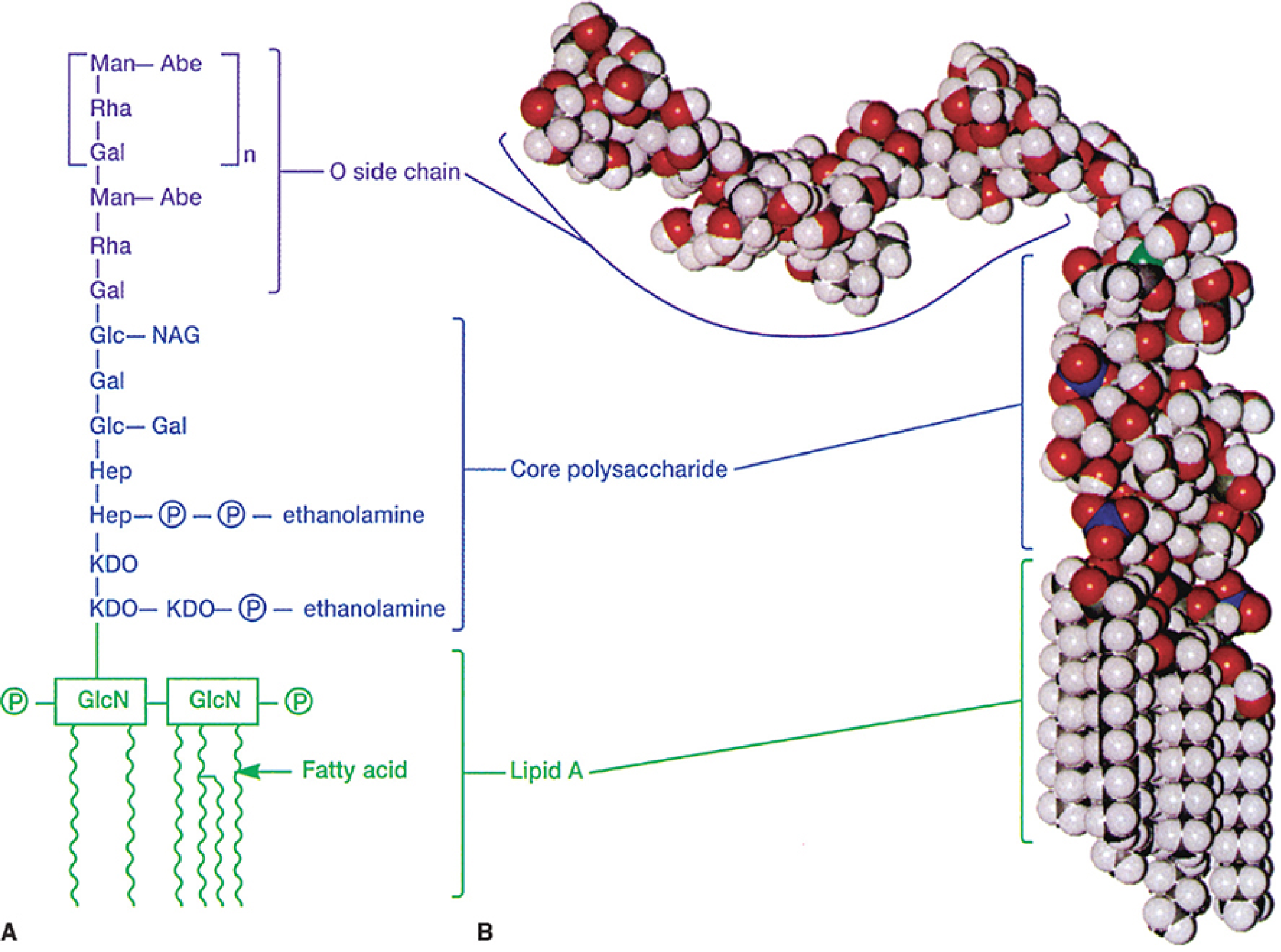
| Component | Details |
|---|---|
| O-antigen polysaccharide (outermost) | Repeating sugar side chains; major surface antigen of gram-negative bacteria; varies between species/strains |
| Core polysaccharide (middle) | Contains unusual sugars (KDO - keto-deoxycholate, Hep - heptose); fairly constant among related species |
| Lipid A (innermost, buried in outer membrane) | A phospholipid containing glucosamine (instead of glycerol); the toxic moiety of LPS |
PART 2 (2 marks): How LPS Triggers the Response
- LPS binds to pattern recognition receptors (TLR-4/CD14 on macrophages and dendritic cells)
- This activates B cells, macrophages, and dendritic cells to release massive amounts of pro-inflammatory cytokines:
- IL-1 (Interleukin-1)
- IL-6 (Interleukin-6)
- TNF-alpha (Cachectin) - the principal mediator of endotoxic shock
PART 3 (5 marks): Mechanism of Endotoxic Shock (Full Cascade)
- LPS activates macrophages and leukocytes → massive release of TNF-alpha (cachectin), IL-1, IL-6
- TNF-alpha is the central mediator; it drives the entire downstream cascade
- Production of cachectin from activated macrophages plays a major role in causing profound shock and multiple-organ injury
- Cytokines → peripheral vasodilation and pooling of blood in peripheral vessels
- Increased vascular permeability → plasma leaks out of vessels
- Initially: ↓ systemic vascular resistance (distributive shock pattern)
- Subsequently: ↓ cardiac output due to diminished venous return
- LPS activates both classical and alternate complement pathways
- Products like C3a and C5a (anaphylatoxins) → further vasodilation, increased permeability, neutrophil activation
- Endotoxin activates platelets and Hageman factor (Factor XII)
- Triggers disseminated intravascular coagulation (DIC - also called the Schwartzman reaction)
- Large amounts of endotoxin in bloodstream → thrombocytopenia, DIC, microthrombi in capillaries
- Activated macrophages and leukocytes release proteolytic enzymes and vasoactive substances (kinins, prostaglandins)
- These cause direct cell membrane injury and endothelial injury
- Pooling of blood + vasoconstriction in peripheral tissues + ↓ cardiac output
- Tissue hypoxia, metabolic acidosis
- Multi-organ failure (kidneys, lungs - ARDS, liver)
- Fever (IL-1, IL-6, TNF act on hypothalamus - pyrogens)
- Hypotension, granulocytosis, thrombocytopenia
Summary Flowchart:
Gram-negative bacteremia
        ↓
LPS (Lipid A) released into bloodstream
        ↓
Binds TLR-4 on macrophages/dendritic cells
        ↓
TNF-α, IL-1, IL-6 released (Cytokine Storm)
        ↓
↓Vascular resistance + ↑Permeability + DIC + Complement activation
        ↓
Pooling of blood → ↓ Cardiac output → Tissue hypoxia
        ↓
ENDOTOXIC SHOCK → Multi-organ failure → Death