
Guidelines for chemotherapy for Spinal TB in india
spinal tuberculosis chemotherapy treatment regimen India guidelines
Treatment of Drug-Susceptible Tuberculosis
Page 31
Pott's disease antitubercular therapy duration drugs RNTCP
Digestive Tract Tuberculosis
Page 26
tuberculosis treatment regimen 2HRZE 4HR India NTEP national program
extrapulmonary tuberculosis osteoarticular treatment duration rifampicin isoniazid pyrazinamide ethambutol
Chemotherapy for Spinal Tuberculosis — Indian Guidelines (NTEP/RNTCP)
Background
Standard Treatment Regimen
Phase 1: Intensive Phase
| Duration | Drugs | Abbreviation |
|---|---|---|
| 2 months | Isoniazid (H) + Rifampicin (R) + Pyrazinamide (Z) + Ethambutol (E) | 2HRZE |
Phase 2: Continuation Phase
| Duration | Drugs | Abbreviation |
|---|---|---|
| 4–7 months | Isoniazid (H) + Rifampicin (R) | 4–7HR |
Total Duration: 6–9 months for drug-susceptible spinal TB.
Duration Considerations
| Clinical Scenario | Recommended Duration |
|---|---|
| Uncomplicated spinal TB (no neurological deficit, no extensive bony destruction) | 6 months (2HRZE + 4HR) |
| Complicated disease / neurological involvement / slow responder | 9 months (2HRZE + 7HR) |
| Spinal TB with meningeal involvement | 9–12 months (managed as TBM) |
| Extensive orthopedic hardware in situ | Up to 12 months |
| MDR-TB | Longer individualized regimens per DST |
Drug Doses (Weight-Based, NTEP)
| Drug | Daily Dose |
|---|---|
| Isoniazid (H) | 5 mg/kg (max 300 mg/day) |
| Rifampicin (R) | 10 mg/kg (max 600 mg/day) |
| Pyrazinamide (Z) | 25–30 mg/kg (max 2 g/day) |
| Ethambutol (E) | 15–20 mg/kg (max 1.6 g/day) |
Delivery Under NTEP
- Daily therapy is the standard (replacing the older thrice-weekly DOT regimen since the 2019 NTEP revision).
- All drugs are provided free of charge through government DOTS centers.
- Treatment is monitored under Directly Observed Treatment, Short-course (DOTS).
- Patients must be notified on Nikshay (India's TB notification portal) — mandatory since 2018 for both public and private sectors.
- Nikshay Poshan Yojana: nutritional support of ₹500/month provided to patients.
Role of Surgery
- Poor response to chemotherapy with evidence of ongoing infection or deterioration
- Cord compression with persistent or worsening neurological deficits
- Spinal instability requiring fixation
- Large paraspinal abscesses that fail to resolve
Chemotherapy alone is adequate for uncomplicated spinal TB. Multiple trials have shown no additional benefit of surgical debridement over chemotherapy alone (Treatment of Drug-Susceptible Tuberculosis, p. 31).
Adjunctive Corticosteroids
- Indicated when spinal TB is complicated by meningitis (treated as TBM).
- Standard regimen: Dexamethasone 0.4 mg/kg/day tapering over 6–8 weeks.
- Not routinely used for isolated spinal TB without CNS involvement.
Drug-Resistant Spinal TB
| Resistance Pattern | Regimen |
|---|---|
| MDR-TB (resistant to H + R) | Individualized regimen per DST; typically 18–20 months using Group A drugs (Bedaquiline, Levofloxacin, Linezolid) |
| XDR-TB | Further individualized; longer duration |
| INH-mono-resistance | 6 months of RZES or 9 months of RZE |
Monitoring During Treatment
- Clinical: Pain, neurological status, weight, functional recovery
- Imaging: MRI spine at baseline and ~3–6 months (resolution of abscess, bony fusion)
- Biochemistry: LFTs at baseline and at 2, 4 weeks (hepatotoxicity monitoring — especially with H, R, Z)
- Ophthalmology: Baseline visual acuity and color vision before Ethambutol; monitor monthly
Special Considerations
- Hepatotoxicity: The combination of H + R + Z carries significant hepatotoxic risk. LFTs must be monitored, and a hepatitis protocol (stopping Z first, then H, then R) is followed if drug-induced liver injury occurs.
- HIV co-infection: Antiretroviral therapy (ART) should be started within 2–8 weeks of ATT initiation; Rifampicin interactions with certain ARVs (especially PIs) must be managed.
- Diabetes: Poorer treatment outcomes; strict glycemic control is essential.
- Pregnancy: H, R, E are considered safe; Z is used with caution.
Summary
| Parameter | Recommendation |
|---|---|
| First-line regimen | 2HRZE + 4HR (total 6 months) |
| Complicated/slow response | 2HRZE + 7HR (total 9 months) |
| Drug delivery | Daily FDCs under DOTS |
| Program | NTEP (free drugs via government) |
| Surgery | Only for specific indications |
| MDR-TB | DST-guided individualized regimen |
what are the guidelines for chemotherapy in other osteoarticular TB
osteoarticular tuberculosis chemotherapy treatment guidelines peripheral joint bone
Treatment of Drug-Susceptible Tuberculosis
Page 31
tuberculous arthritis hip knee treatment regimen duration antitubercular
Treatment of Drug-Susceptible Tuberculosis
Page 30
Chemotherapy Guidelines for Osteoarticular TB (Non-Spinal)
Overview of Sites
- Peripheral joints: Hip, knee, shoulder, elbow, ankle, wrist (tuberculous arthritis)
- Long bones: Dactylitis (TB of short bones of hands/feet — common in children), TB osteomyelitis
- Flat bones: Ribs, sternum, skull, pelvis
- Bursae and tendon sheaths: Tuberculous tenosynovitis, bursitis
- Trochanteric TB, TB of the greater trochanter
Standard Chemotherapy Regimen
| Phase | Regimen | Duration |
|---|---|---|
| Intensive phase | Isoniazid (H) + Rifampicin (R) + Pyrazinamide (Z) + Ethambutol (E) | 2 months |
| Continuation phase | Isoniazid (H) + Rifampicin (R) | 4–7 months |
| Total | 6–9 months |
According to Treatment of Drug-Susceptible Tuberculosis (p. 31): "Six- to 9-month regimens containing Rifampicin for treatment of bone, joint, and spinal tuberculosis are at least as effective as 18-month regimens that do not contain Rifampicin."
Duration by Site and Complexity
| Site / Scenario | Recommended Total Duration |
|---|---|
| Peripheral joint TB (hip, knee, etc.) — uncomplicated | 6 months |
| Peripheral joint TB with extensive destruction or slow response | 9 months |
| TB dactylitis (children) | 6 months |
| TB osteomyelitis of long/flat bones | 6–9 months |
| Osteoarticular TB in children (AAP/expert opinion) | Extend continuation phase → up to 9–12 months total |
| Extensive hardware/prosthesis in situ | Up to 12 months |
| MDR osteoarticular TB | DST-guided; typically 18–20 months |
NTEP (India) Guidance
- Category I treatment applies to all new cases of osteoarticular TB:
- 2HRZE (intensive) + 4HR (continuation) = 6 months total
- Extension to 9 months is permitted at the treating physician's discretion for:
- Large joint involvement (hip, knee) with bony destruction
- Slow clinical/radiological response
- Concurrent immunosuppression (HIV, diabetes, steroids)
- All drugs are given daily as FDCs in weight-based bands
- Treatment is free via DOTS centers and notified on Nikshay
Site-Specific Considerations
TB of the Hip
- Most common and most destructive peripheral joint TB
- 9 months preferred by most Indian orthopedic and ID specialists
- Synovectomy or debridement may be needed for advanced disease (Stage III/IV)
- Total hip arthroplasty (THA) can be done after confirmed disease quiescence (typically 2 years disease-free)
TB of the Knee
- 6–9 months of chemotherapy; synovectomy for refractory synovitis
- Arthroscopic debridement increasingly used alongside chemotherapy
TB Dactylitis (Spina Ventosa)
- Predominantly in children under 5 years
- Responds well to 6 months of standard chemotherapy
- Surgery rarely needed
TB Osteomyelitis (Flat/Long Bones)
- Rib TB, sternal TB, pelvic TB: 6–9 months
- Calvarial TB: 9 months (proximity to CNS)
- Abscess drainage may be required if large or under tension
TB Tenosynovitis / Bursitis
- 6 months of standard chemotherapy
- Surgical drainage/debridement for non-resolving cases
Role of Surgery in Non-Spinal Osteoarticular TB
| Indication | Procedure |
|---|---|
| Non-resolving abscess | Aspiration or open drainage |
| Destroyed joint with severe dysfunction | Arthrodesis or arthroplasty (after disease quiescence) |
| Failure of medical therapy / diagnostic uncertainty | Biopsy + debridement |
| TB tenosynovitis with nerve compression (e.g., carpal tunnel) | Decompression + synovectomy |
Monitoring
| Parameter | Timing |
|---|---|
| Clinical assessment (pain, swelling, function) | Monthly |
| X-ray of affected joint | Baseline, 3 months, end of treatment |
| MRI | Baseline for complex cases; repeat if poor response |
| LFTs | Baseline, 2 weeks, 4 weeks, then as indicated |
| Visual acuity/color vision (Ethambutol) | Baseline, then monthly |
| ESR / CRP | Baseline and periodically (supports response assessment) |
Key Takeaway
| Feature | Guideline |
|---|---|
| Regimen | 2HRZE + 4HR (standard) |
| Total duration | 6 months (uncomplicated); 9 months (complex/children) |
| Program (India) | NTEP — daily FDCs, free, under DOTS |
| Surgery | Reserved; not routine |
| Children | Extend continuation phase; prefer 9 months total |
| MDR disease | DST-guided individualized regimen |
degas osteotomy
Degas osteotomy technique indications hip tuberculosis
Bailey and Love's Short Practice of Surgery 28th Edition
Page 576
Degas osteotomy hip surgery diagram
Degas osteotomy displacement hip intertrochanteric femoral head avascular necrosis
Bailey and Love's Short Practice of Surgery 28th Edition
Page 572
intertrochanteric osteotomy hip TB destroyed joint ankylosis surgical treatment
Degas Osteotomy
What Is It?
Historical Context
- THA may be deferred due to active/recent TB
- Young, high-demand patients need a functional, pain-free hip
Principle
The goal is a pain-free, stable, mobile pseudarthrosis or fibrous ankylosis at a functional position.
Indications
| Indication | Detail |
|---|---|
| Hip TB with destroyed joint | Stage IV TB hip (advanced destruction of femoral head and acetabulum) |
| Young patients (<40–45 years) in whom THA is not yet appropriate | Avoids prosthesis in a young, active individual |
| Failed conservative ATT with persistent pain and disability | After adequate chemotherapy (typically ≥6 months ATT) |
| Pathological dislocation of the hip secondary to TB | To restore limb length and stability |
| Fibrous or bony ankylosis in a bad position | To reposition the limb in a better functional alignment |
Contraindications
- Active, uncontrolled TB (surgery should only follow adequate ATT — minimum 6 weeks to 3 months pre-op chemotherapy)
- Severe acetabular bone loss that makes fixation impossible
- Poor general condition / systemic disease
- Patient preference for THA (if age/activity level appropriate)
Surgical Technique (Overview)
- Pre-operative ATT: Patient must be on adequate antitubercular chemotherapy for at least 6–12 weeks before surgery, with evidence of disease quiescence (falling ESR, improving general condition).
- Approach: Lateral or anterolateral approach to the proximal femur.
- Osteotomy level: Performed at the subtrochanteric or intertrochanteric level of the femur.
- Displacement:
- The distal femoral shaft is shifted medially (medial displacement) beneath the proximal fragment.
- This displaces the femoral head laterally and superiorly, out of the acetabular cavity.
- The shaft now bears weight through a new contact point against the lateral ilium/acetabular rim.
- Fixation: The osteotomy is fixed with a blade plate, dynamic hip screw (DHS), or similar device to hold the displacement.
- Abductor mechanism: Preserved as much as possible; the medialization effectively reduces the abductor lever arm demand and improves muscle efficiency.
Biomechanical Effect
- Medial displacement of the shaft reduces the bending moment at the osteotomy site.
- The body weight is transmitted through the lateral cortex of the femoral shaft against the lateral iliac wall, encouraging fibrous union in a pain-free position.
- The resultant limb shortening (typically 2–3 cm) is acceptable and can be managed with a shoe raise.
Outcomes
| Outcome Measure | Expected Result |
|---|---|
| Pain relief | Good to excellent in 70–85% of cases |
| Mobility | Functional range of motion (especially abduction/flexion for sitting cross-legged — important for Indian patients) |
| Stability | Satisfactory weight-bearing in most patients |
| Limb shortening | 2–3 cm (correctable with shoe raise) |
| Conversion to THA | Can be performed later once TB is fully quiescent (≥2 years) |
Comparison with Other Options for Destroyed TB Hip
| Procedure | Age Group | Advantages | Disadvantages |
|---|---|---|---|
| Degas osteotomy | Young (<45 yrs) | Biologic, no implant in infected field, preserves bone for future THA | Limb shortening, Trendelenburg gait |
| Girldlestone's excision arthroplasty | Any | Simple, removes infected tissue | Flail hip, significant shortening, poor function |
| Arthrodesis (fusion) | Young active | Stable, pain-free | Loss of mobility, stress on adjacent joints |
| Total hip arthroplasty | Older (>50 yrs) / quiescent TB | Best functional outcome | Risk of reactivation, high revision rate in young patients |
Post-operative Management
- Continue ATT for full course (minimum 9 months total for hip TB)
- Non-weight bearing for 6–8 weeks post-op, then gradual mobilization
- Physiotherapy for hip and quadriceps strengthening
- Monitor ESR, CRP for disease reactivation
- Long-term follow-up for potential conversion to THA
Key Points
- The Degas osteotomy is a salvage procedure for the young patient with a TB-destroyed hip who is not yet a THA candidate.
- It works by displacing the femoral head out of the acetabulum, trading a painful, destroyed joint for a functional fibrous pseudarthrosis.
- It requires adequate pre- and post-operative ATT.
- It remains in use particularly in India and other TB-endemic countries as a bridge to eventual THA or as a definitive procedure in resource-limited settings.
degas osteotomy of peivis
Degas osteotomy pelvis pelvic tuberculosis surgical technique
Degas osteotomy pelvis diagram illustration
Hugging Face pmc clinical VQA raw
Page 0
innominate osteotomy acetabular dysplasia Salter Chiari pelvic osteotomy types
Bailey and Love's Short Practice of Surgery 28th Edition
Page 576
pelvic osteotomy acetabular redirection coverage femoral head hip dysplasia
Degas Osteotomy of the Pelvis — Clarification & Detail
Important Distinction
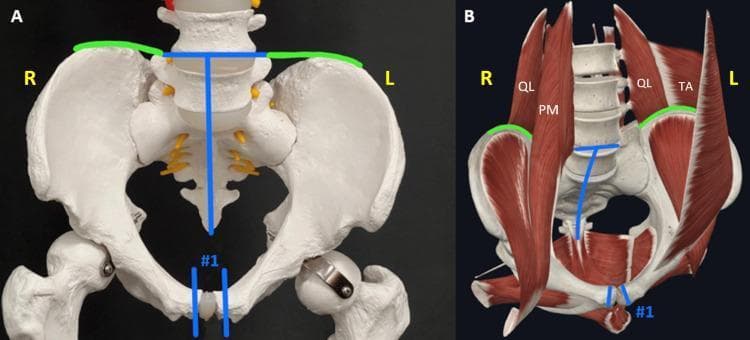
1. Degas' Original Pelvic Component in Hip TB Surgery
- A cut is made through the ilium (pelvic bone) just above the acetabulum — this is the pelvic (innominate) component
- Combined with the subtrochanteric femoral osteotomy
- Together, these two cuts allow the entire hip joint complex to be displaced/repositioned
The Pelvic Cut (Iliac/Innominate Component):
- Made through the body of the ilium, typically in a curved or oblique direction above and parallel to the acetabulum
- This frees the acetabular segment, allowing it (along with the femoral head) to be repositioned
- The acetabular fragment can be tilted, redirected, or displaced to improve coverage or to move the destroyed joint out of the weight-bearing zone
2. As a Pelvic Displacement/Shelf Procedure
- An iliac osteotomy above the acetabulum that creates a shelf or buttress of bone
- This redirects or contains the femoral head when the acetabulum has been eroded by TB
- The displaced iliac fragment acts as a biological roof — essentially a shelf acetabuloplasty
Anatomy of the Pelvic Cut
Iliac crest
     |
     |  ← Osteotomy line runs here (oblique/curved)
     |     through the body of the ilium
  Acetabulum (diseased/destroyed in TB)
     |
  Femoral head
- Starting point: Just above the anterior superior iliac spine (ASIS) or along the sciatic notch
- Direction: Curves downward and posteriorly, following the contour of the iliac wing
- Exit point: Near the greater sciatic notch
How the Two Cuts Work Together (Combined Degas Procedure)
| Component | Location | Purpose |
|---|---|---|
| Pelvic (iliac) osteotomy | Through ilium above acetabulum | Frees acetabular segment; allows repositioning |
| Femoral (subtrochanteric) osteotomy | Below lesser trochanter | Displaces femoral shaft medially |
| Net result | Hip joint complex repositioned | Destroyed joint displaced; new weight-bearing surface created |
- The femoral head to be moved out of the destroyed acetabulum
- The acetabular fragment to be tilted to cover or redirect the femoral head remnant
- A functional fibrous ankylosis or pseudarthrosis to form in a better position
Indications for the Pelvic Component Specifically
| Indication | Rationale |
|---|---|
| Severe acetabular destruction by TB | The pelvic cut allows the acetabular rim to be repositioned |
| Pathological dislocation of the hip | Relocating the femoral head requires freeing both sides of the joint |
| Lateral uncoverage of femoral head | Pelvic cut redirects acetabulum to improve coverage |
| Combined femoral head + acetabular TB destruction | Both cuts needed for full repositioning |
Comparison with Other Pelvic Osteotomies
| Procedure | Age Group | Mechanism | TB Application |
|---|---|---|---|
| Degas (pelvic component) | Any (mainly young adults/children) | Displacement + redirection of acetabular fragment | TB-destroyed hip with acetabular involvement |
| Salter innominate osteotomy | Children <8 yrs | Rotates entire acetabulum anterolaterally | Hip dysplasia; occasionally post-TB dysplasia |
| Chiari osteotomy | Older children/adults | Medial displacement of ilium; creates bony shelf | Salvage for dysplasia; also used in TB sequelae |
| Triple osteotomy (Steel/Tönnis) | Adolescents/young adults | Three cuts around acetabulum for full redirection | Hip dysplasia |
| Periacetabular osteotomy (PAO/Ganz) | Adults | Maximum acetabular redirection with preserved blood supply | Hip dysplasia |
Post-operative Management
- Continue full ATT course (total 9 months minimum for hip TB)
- Non-weight bearing for 8–12 weeks post-operatively
- Gradual mobilization with physiotherapy
- Monitor union at osteotomy site radiologically at 6 weeks, 3 months, 6 months
- Watch for reactivation of TB (ESR, CRP, clinical symptoms)
- Long-term: consider THA once TB has been quiescent for ≥2 years and patient is of appropriate age
Key Points
- The pelvic component of the Degas osteotomy is an iliac/innominate osteotomy above the acetabulum that frees the acetabular segment for repositioning
- It is almost always performed in combination with the femoral subtrochanteric osteotomy — the two together constitute the full "Degas procedure"
- The procedure is a salvage operation for severe TB destruction of the hip in young patients
- It is predominantly described in Indian and French orthopedic literature dealing with TB sequelae
- It requires adequate pre-operative ATT and careful post-operative monitoring
radiating pain vs reffred pain
radiating pain versus referred pain difference mechanism pathophysiology
Chronic Pelvic Pain
Page 20
referred pain convergence theory dermatome visceral somatic examples
Chronic Pelvic Pain
Page 20
Radiating Pain vs. Referred Pain
Core Definitions
| Feature | Radiating Pain | Referred Pain |
|---|---|---|
| Definition | Pain that travels/spreads along the course of a nerve from its origin | Pain perceived at a site distant from the actual source, without traveling along an obvious nerve path |
| Mechanism | Direct nerve irritation or compression — pain follows the anatomical distribution of that nerve | Convergence-projection — afferent fibers from two different sites converge on the same second-order spinal neuron; the brain misidentifies the source |
| Path | Follows a predictable dermatomal or nerve distribution | Does not follow a nerve distribution; location is anatomically unrelated to the source |
| Quality | Often sharp, shooting, electric, lancinating | Often dull, aching, poorly localized |
| Neurological signs | May be accompanied by paresthesia, numbness, weakness in the nerve distribution | Usually no neurological deficits |
| Source | Nervous tissue itself is irritated (nerve root, peripheral nerve) | Visceral or deep somatic structure is the source |
Mechanism in Detail
Radiating Pain
- Occurs due to direct mechanical or chemical irritation of a nerve or nerve root
- The pain impulse travels antidromically along the nerve, producing pain perceived along the entire nerve pathway
- Example: A herniated lumbar disc compresses the L5 nerve root → pain travels from the lower back, down the buttock, lateral thigh, and into the dorsum of the foot (sciatica)
- The brain correctly identifies the general region (the nerve's territory) but the pain is felt along the whole distribution, not just at the source
Referred Pain
- Based on the convergence-projection theory (Chronic Pelvic Pain, p. 20): afferent fibers from visceral organs and somatic sites share the same second-order projection neurons in the dorsal horn of the spinal cord
- The higher cortical centers cannot distinguish which of the two inputs generated the signal, so pain is mislocalized to the somatic (surface) site
- Referral can be:
- Visceral → Somatic (most common): e.g., cardiac pain felt in the left arm
- Somatic → Somatic: e.g., hip pathology felt in the knee
- Visceral → Visceral: e.g., ureteric colic felt in the testis
Classic Clinical Examples
Radiating Pain
| Source | Nerve/Root | Distribution of Radiation |
|---|---|---|
| L4–L5 disc herniation | L5 root | Back → buttock → lateral leg → dorsum of foot |
| L5–S1 disc herniation | S1 root | Back → buttock → posterior thigh → sole of foot |
| Carpal tunnel syndrome | Median nerve | Wrist → thumb, index, middle fingers |
| Cervical spondylosis (C6) | C6 root | Neck → shoulder → lateral forearm → thumb |
| Brachial neuritis | Brachial plexus | Shoulder → arm → hand |
Referred Pain
| Actual Source | Site of Perceived Pain | Shared Spinal Level |
|---|---|---|
| Myocardial ischemia | Left arm, jaw, epigastrium | T1–T4 |
| Diaphragm irritation (blood/pus) | Tip of shoulder (C4 dermatome) | C3–C5 |
| Ureteric stone | Groin, ipsilateral testis/labia | T10–L1 |
| Appendicitis (early) | Periumbilical region | T10 |
| Hip joint pathology | Knee pain | L3 (obturator nerve) |
| Cholecystitis | Right shoulder tip, right scapula | C3–C5, T5–T9 |
| Peptic ulcer | Epigastrium radiating to back | T6–T10 |
| Pancreatitis | Band-like pain to back | T6–T10 |
Key Distinguishing Features at the Bedside
| Clinical Clue | Radiating Pain | Referred Pain |
|---|---|---|
| Distribution | Dermatomal / nerve territory | Non-dermatomal, segmental but diffuse |
| Neurological exam | Positive — sensory loss, weakness, reflex change | Negative — no neurological deficit |
| Straight leg raise / nerve tension tests | Often positive | Negative |
| Palpation at referred site | Not tender (pain not reproduced locally) | Mild tenderness possible (secondary hyperalgesia) |
| Paresthesia | Common (pins and needles, numbness) | Absent |
| Character | Sharp, electric, shooting | Dull, deep, aching |
| Aggravated by movement | Yes (nerve stretch) | Not consistently |
The Hip–Knee Example (Clinically Important)
- Hip joint disease (TB hip, AVN, OA) is frequently perceived as knee pain — a form of referred pain via the obturator nerve (L2–L3)
- The patient may present complaining only of knee pain, with a normal knee examination
- Always examine the hip in any patient presenting with knee pain, especially children (Perthes disease, SUFE)
Why the Distinction Matters Clinically
- Diagnostic accuracy: Treating referred knee pain with knee injections without addressing hip pathology will fail
- Neurological workup: Radiating pain demands nerve imaging (MRI spine, nerve conduction studies); referred pain demands organ/visceral workup
- Emergency recognition: Referred shoulder tip pain from diaphragmatic irritation signals a surgical emergency (ectopic pregnancy, splenic rupture, subphrenic abscess)
- Surgical planning: Nerve decompression addresses radiating pain; visceral pathology treatment abolishes referred pain
Summary
Radiating pain = the nerve itself is the problem; pain travels along the nerve path with neurological signs.
Referred pain = the brain is misled by convergent neural inputs; pain appears at a distant site with no neurological deficit and no direct neural pathway connecting the two sites.