
23 yr male have very dark underarms and neck and pimples on back and pigmentation of pimples
Reading File
This presentation - dark underarms, dark neck, back acne, and post-acne pigmentation in a 23-year-old male - is a classic pattern that strongly suggests an underlying metabolic condition. Let me search the medical library for this.
Searching sources...
Finding Sources
Finding Sources
Finding Sources
Reading File
Finding Sources
Finding Sources
Reading File
Finding Sources
Reading File
Finding Sources
Reading File
Finding Sources
Loading Image
Loading Image
Finding Sources
Now I have comprehensive information to give you a thorough, clinically accurate answer.
What's Happening With Your Skin
Your combination of symptoms - dark underarms + dark neck + back pimples + post-acne dark spots - in a 23-year-old male is a classic, recognizable pattern. Here is a breakdown:
1. Dark Underarms & Dark Neck - Acanthosis Nigricans (AN)
The dark, velvety discoloration of your underarms and neck is almost certainly Acanthosis Nigricans (AN).
What it looks like - exactly what you describe: brown to gray-black, velvety, thickened skin in the armpits and the back of the neck. It has a "dirty" look that does not wash off.
Here is how it appears in the neck and axilla:
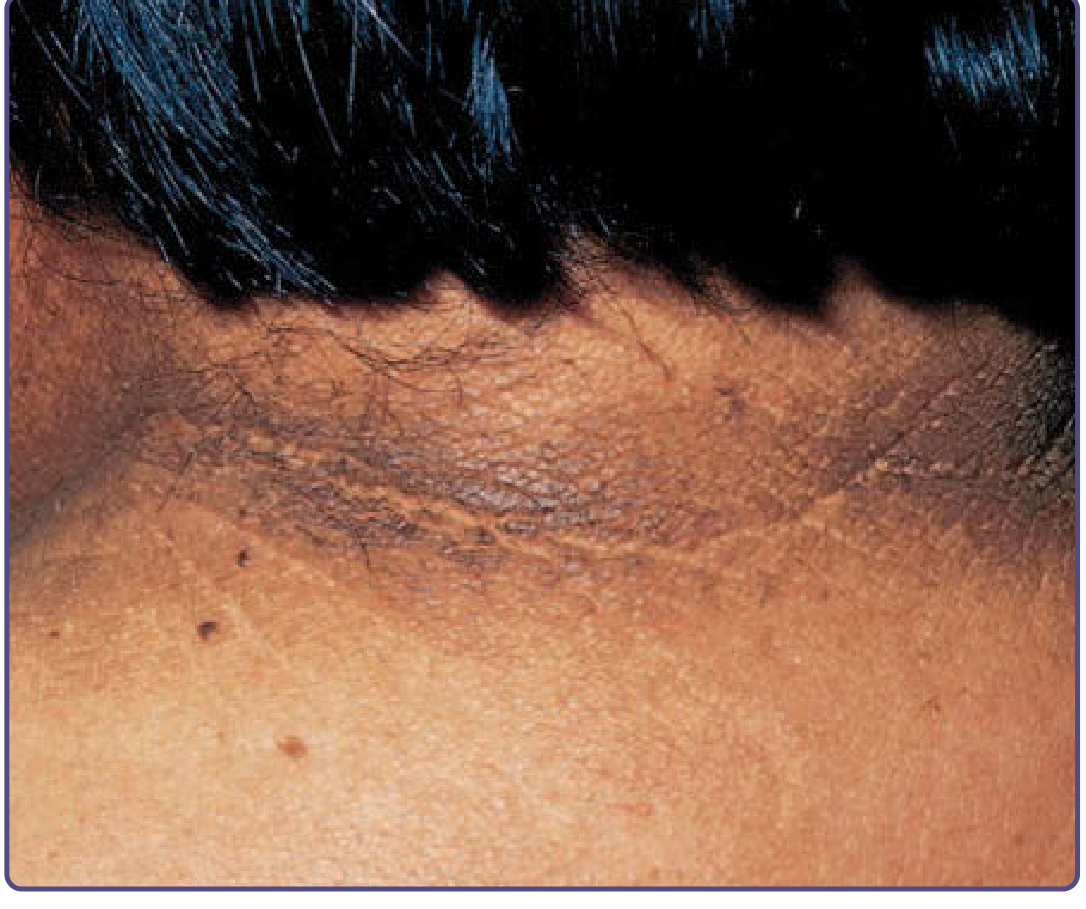
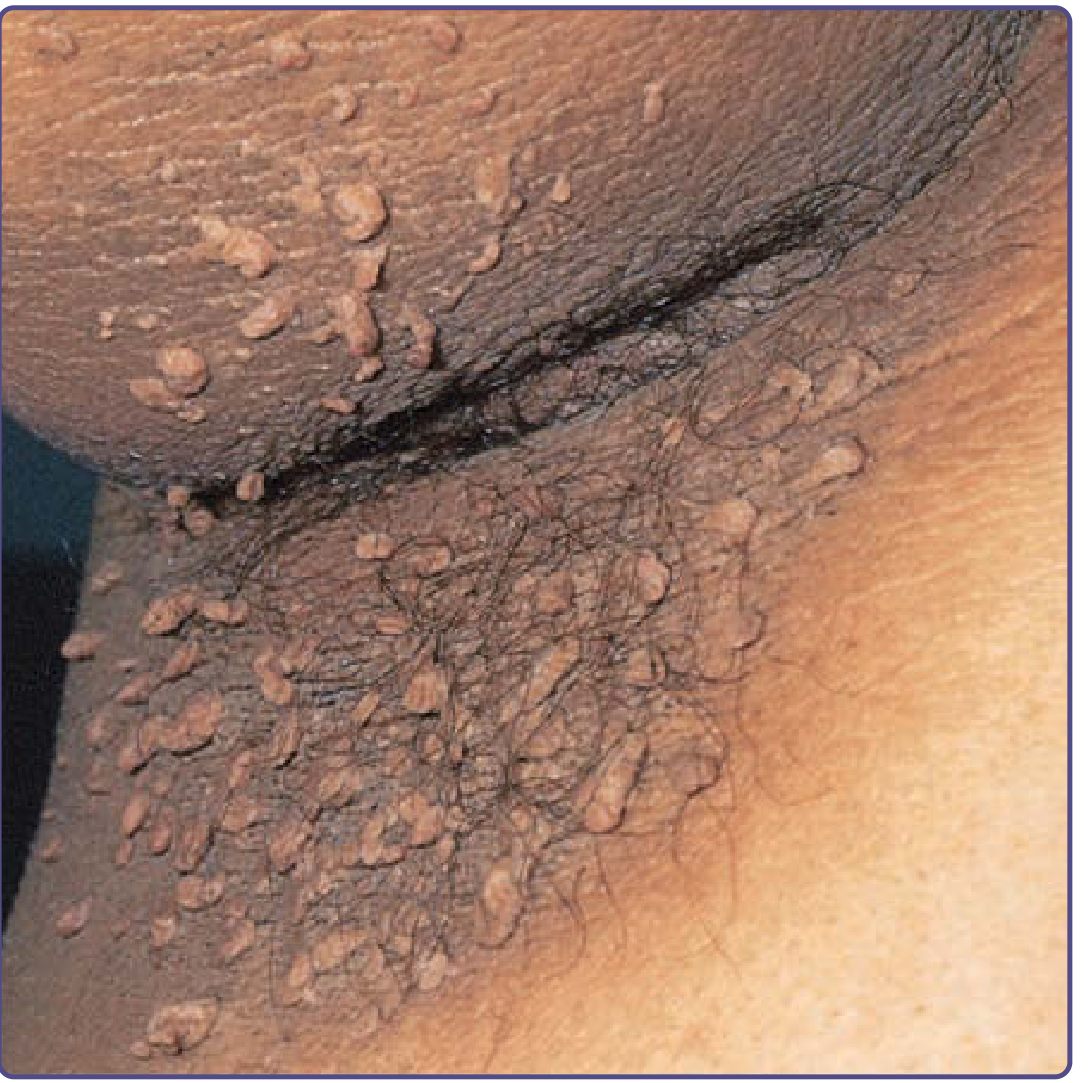
Why it happens: The most common cause by far is insulin resistance - your body produces too much insulin, which binds to growth factor receptors (IGF-1, EGF receptors) on skin cells (keratinocytes), causing them to overgrow and hyperpigment. This is closely linked to:
- Overweight/obesity
- Pre-diabetes or Type 2 diabetes risk
- Metabolic syndrome
- In young males, sometimes excess androgens
"Acanthosis nigricans is probably the most readily recognized skin manifestation of diabetes... most cases are linked to obesity and insulin resistance." - Fitzpatrick's Dermatology
This is NOT just a cosmetic problem - it is your body telling you something metabolic needs attention.
2. Back Pimples - Truncal Acne Vulgaris
Back acne ("bacne") is common truncal acne vulgaris driven by:
- Excess sebum production (sebaceous glands are dense on the back)
- Propionibacterium acnes (now called Cutibacterium acnes) overgrowth
- Abnormal follicular keratinization
The same elevated insulin and androgen levels that cause AN also stimulate sebaceous glands and worsen acne - so all three of your skin issues share the same hormonal/metabolic root.
Treatment algorithm for back acne (from Fitzpatrick's Dermatology):
| Severity | First Line | Second Line |
|---|---|---|
| Mild | Topical retinoid (tretinoin/adapalene) | Topical azelaic acid or salicylic acid |
| Moderate | Topical retinoid + topical antibiotic (clindamycin) ± benzoyl peroxide | Oral antibiotic + topical retinoid ± BPO |
| Severe | Oral antibiotic + topical retinoid ± benzoyl peroxide | Oral isotretinoin |
For back acne specifically, benzoyl peroxide wash (2.5-5%) used daily is very effective as it is hard to apply creams to the back.
3. Post-Acne Dark Spots - Post-Inflammatory Hyperpigmentation (PIH)
The dark spots left after pimples heal are post-inflammatory hyperpigmentation (PIH). This is extremely common in darker skin types (South Asian, African, etc.) and results from excess melanin deposited during the healing process.
How to treat PIH:
- Sunscreen (SPF 30+) daily - the most important step; UV makes PIH much worse
- Topical retinoids (tretinoin, adapalene) - speed up cell turnover and fade spots
- Azelaic acid (15-20%) - reduces pigmentation and treats acne simultaneously
- Niacinamide (4-10%) - reduces melanin transfer
- Hydroquinone (2-4%) - a potent bleaching agent (short-term use, under doctor supervision)
- Kojic acid / vitamin C serums - mild over-the-counter options
- Chemical peels (glycolic acid) can help for stubborn PIH
What You Should Do - Priority Order
Step 1: See a doctor and get blood work (most important)
Because AN is a skin marker for insulin resistance, you need:
- Fasting blood glucose
- HbA1c
- Fasting insulin + HOMA-IR (insulin resistance index)
- Lipid profile (cholesterol, triglycerides)
- BMI check and waist circumference
If insulin resistance is confirmed, treating it is the most effective way to improve the AN. Metformin (an insulin sensitizer) has been shown to improve acanthosis nigricans in insulin-resistant patients.
Step 2: Lifestyle changes (most powerful treatment for AN)
- Weight loss - even 5-10% body weight reduction can cause noticeable improvement in AN
- Low-sugar, low-refined-carb diet
- Regular aerobic exercise
Step 3: Topical treatments for AN (limited but helpful)
Per Fitzpatrick's Dermatology: "Topical treatment with calcipotriol, salicylic acid, glycolic acid peels, urea, and topical retinoids have all been used with anecdotal success." These reduce the texture/thickness somewhat but will not fully clear AN unless the underlying cause is addressed.
Step 4: For back acne - see a dermatologist
A dermatologist can prescribe:
- Topical clindamycin + benzoyl peroxide gel for the back
- Oral doxycycline or minocycline (6-12 weeks) for moderate-severe back acne
- Oral isotretinoin for severe or recurrent cases
Step 5: For PIH (dark acne marks)
- Use sunscreen on your back (yes, even when indoors near windows)
- Start a niacinamide serum (10%) or azelaic acid cream (available OTC)
- Ask your dermatologist for tretinoin 0.025-0.05% cream
Summary
| Skin Finding | Diagnosis | Root Cause | Key Treatment |
|---|---|---|---|
| Dark underarms & neck | Acanthosis Nigricans | Insulin resistance | Weight loss, metformin, treat metabolic cause |
| Back pimples | Acne vulgaris (truncal) | Androgens, sebum, bacteria | Topical/oral antibiotics, retinoids, BPO |
| Dark acne spots | Post-inflammatory hyperpigmentation | Melanin overproduction post-acne | Sunscreen, retinoids, niacinamide, azelaic acid |
The most important next step is a fasting glucose and insulin blood test. At 23 years old, catching insulin resistance early and reversing it through diet and exercise can clear your skin and protect you from Type 2 diabetes later in life.
Disclaimer: This is educational information based on medical textbooks. Please consult a dermatologist and/or endocrinologist for a proper diagnosis and personalized treatment plan.
Sources: Fitzpatrick's Dermatology (8th Ed.), Andrews' Diseases of the Skin (Clinical Dermatology)
This is a shared conversation. Sign in to Orris to start your own chat.