
Inflammation of urethra near urethral Orifice in females with white colored discharge and itching or burning sensation when drinking less water
Reading File
Researching urethral inflammation near the urethral orifice in females with white discharge, itching/burning, and low fluid intake — covering etiology, diagnosis, and management.
search_medical_text
urethritis female urethral orifice inflammation white discharge itching burning
Urological Infections
Page 39
search_medical_text
female urethral caruncle urethral syndrome vulvovaginitis diagnosis treatment
GradeResponse
GradeResponse
search_medical_text
female urethral syndrome candida vulvovaginal dehydration low water intake dysuria
search_medical_image
female urethral orifice inflammation urethritis anatomy
Hugging Face pmc clinical VQA raw
Page 0
GradeResponse
Female Urethritis Near the Urethral Orifice (External Urethral Meatus)
Based on the clinical picture — inflammation near the urethral orifice, white discharge, itching/burning, and worsening with low fluid intake — here is a comprehensive breakdown:
Most Likely Diagnoses
1. Urethral Syndrome / Non-infectious Urethritis
The most fitting diagnosis given the low water intake trigger. Concentrated, infrequent urination irritates the urethral mucosa near the external meatus.
- Cause: Chemical/mechanical irritation from concentrated urine, insufficient flushing
- Key feature: Symptoms worsen when drinking less water (concentrated urine = more mucosal irritation)
- Discharge: May be scant white/cloudy mucoid discharge from periurethral glands
2. Infectious Urethritis (Urological Infections Guidelines, p. 39)
Inflammation of the urethra presenting with:
- Dysuria, alguria (pain on urination)
- Burning and itching around the distal urethra and external urethral meatus
- Urethral discharge (white/purulent)
- Erythema around the external urethral meatus
| Pathogen | Discharge Type | Notes |
|---|---|---|
| Chlamydia trachomatis | White/cloudy, scant | Most common STI-related cause in females |
| Neisseria gonorrhoeae | Thick, purulent, yellow-white | Often co-infects with Chlamydia |
| Trichomonas vaginalis | Frothy, white-yellow | Itching prominent |
| Candida albicans | Thick, cottage-cheese white | Intense itching, erythema |
| E. coli / coliform bacteria | Cloudy | Low fluid intake a major risk factor |
3. Vulvovaginal Candidiasis extending to Urethra
- White, thick, curdy discharge
- Intense itching and burning at the introitus and urethral orifice
- Erythematous, edematous mucosa
- Worsened by concentrated urine contact
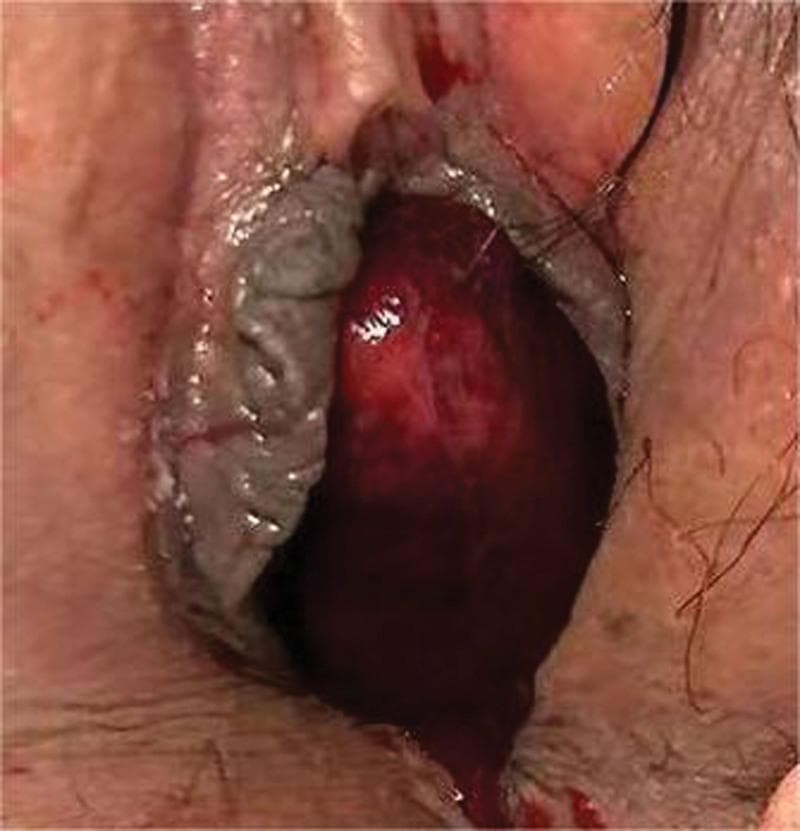
4. Urethral Caruncle (structural, not infectious)
- Tender, red pedunculated mass at the posterior lip of the urethral meatus
- More common in postmenopausal women (estrogen deficiency)
- Causes burning, spotting, discharge
Pathophysiology: Why Less Water Worsens Symptoms
| Mechanism | Effect |
|---|---|
| Concentrated urine (high osmolality, low pH) | Directly irritates inflamed urethral mucosa |
| Infrequent urination | Allows bacteria/irritants to remain in urethra longer |
| Reduced urinary flushing | Less mechanical clearance of pathogens |
| Hyperosmolar urine | Intensifies burning sensation on inflamed tissue |
Diagnostic Approach
- Urinalysis + urine culture — midstream clean catch; look for pyuria, bacteriuria
- Urethral/vaginal swab — for Gonorrhea, Chlamydia (NAAT), Candida, Trichomonas
- Wet mount microscopy — Candida hyphae, clue cells (BV), motile trichomonads
- Physical examination — inspect external urethral meatus for erythema, discharge, caruncle, prolapse
- STI screening if sexually active
Management
Non-infectious / Irritative Urethritis
- Increase fluid intake to ≥2–2.5 L/day — the single most effective measure
- Urinate after intercourse
- Avoid irritants: perfumed soaps, tight synthetic underwear
- Urinary alkalinizers (e.g., potassium citrate) can relieve burning
Infectious Urethritis
| Cause | First-line Treatment |
|---|---|
| Chlamydia | Azithromycin 1g single dose OR Doxycycline 100 mg BD × 7 days |
| Gonorrhea | Ceftriaxone 500 mg IM single dose |
| Trichomonas | Metronidazole 2g single dose OR 400 mg BD × 5–7 days |
| Candida | Fluconazole 150 mg single dose OR Clotrimazole topical cream |
| Bacterial (E. coli) | Nitrofurantoin / Trimethoprim-sulfamethoxazole × 3–7 days |
Topical Symptomatic Relief
- Low-potency topical corticosteroids (e.g., hydrocortisone 1%) for itching
- Topical antifungals if Candida suspected
- Topical estrogen cream in postmenopausal women with atrophic changes
Red Flags — Refer/Investigate Further
- Visible mass at the urethral orifice (rule out caruncle, prolapse, or malignancy)
- Blood in urine (hematuria)
- Fever, flank pain (ascending infection / pyelonephritis)
- Symptoms not resolving after empirical treatment
- Recurrent episodes
Bottom line: The combination of urethral orifice inflammation, white discharge, itching/burning, and worsening with low water intake most strongly points to urethral syndrome or lower urinary tract infection with Candida or bacterial urethritis — with dehydration/concentrated urine as a key aggravating factor. Increasing fluid intake, along with targeted antimicrobial/antifungal therapy based on swab results, is the cornerstone of management.
Clinical guidance based on Urological Infections Guidelines (p. 39) and general urological/gynecological principles.
This is a shared conversation. Sign in to Orris to start your own chat.