
Make me a good difference between table between autosomal recessive disorder and autosomal dominant disorder
Tell the best differences between autosomal recessive disorder and autosomal dominant disorder as well as between monozygotic and dizygotic twins. The differences should be the best not random and tell me only the important points i can remember i need to write it tommorow for my mbbs sessional exams
Reading File
Finding Sources
Finding Sources
Finding Sources
Finding Sources
Reading File
Finding Sources
Finding Sources
Finding Sources
Reading File
Reading File
Reading File
Reading File
Finding Sources
Finding Sources
Reading File
Reading File
I now have all the information I need from the textbooks. Let me compile this into a clean, exam-ready comparison table.
Loading Image
Here are your exam-ready comparison tables, sourced directly from Dermatology 5e, Bradley & Daroff's Neurology, Thompson & Thompson Genetics, Robbins Pathology, and Emery's Medical Genetics.
TABLE 1 - Autosomal Dominant vs. Autosomal Recessive Disorders
| Feature | Autosomal Dominant | Autosomal Recessive |
|---|---|---|
| Alleles required | Only 1 mutant allele is sufficient to cause disease | Both alleles must be mutated (biallelic mutation) |
| Genotype of affected | Heterozygous (one normal + one mutant allele) | Homozygous or compound heterozygous |
| Parent status | At least one parent is usually affected | Parents are typically unaffected carriers (heterozygous) |
| Transmission pattern | Vertical - disease appears in every generation | Horizontal - disease appears in siblings of same generation, skips generations |
| Recurrence risk | 50% in each offspring of an affected parent | 25% if both parents are carriers |
| Sex predilection | Both sexes equally affected | Both sexes equally affected |
| Consanguinity | Not a significant factor | Common and increases risk significantly |
| Penetrance/Expressivity | Often shows incomplete penetrance and variable expressivity | Usually shows more consistent expression |
| Mechanism | Haploinsufficiency, dominant negative effect, or toxic gain-of-function | Loss of function (enzymes most commonly) |
| Carrier state | No silent carriers (one copy is affected) | Carriers are phenotypically normal |
| Pedigree pattern | Every generation affected ("vertical line" on pedigree) | Affects siblings in one generation; parents normal |
| Examples | Marfan syndrome, Huntington disease, achondroplasia, neurofibromatosis | Cystic fibrosis, PKU, sickle cell disease, albinism |
Pedigree Diagram (from Fitzpatrick's Dermatology):
- Panel A = Autosomal Dominant (affected in multiple generations)
- Panel B = Autosomal Recessive (siblings affected, parents unaffected, consanguinity shown)
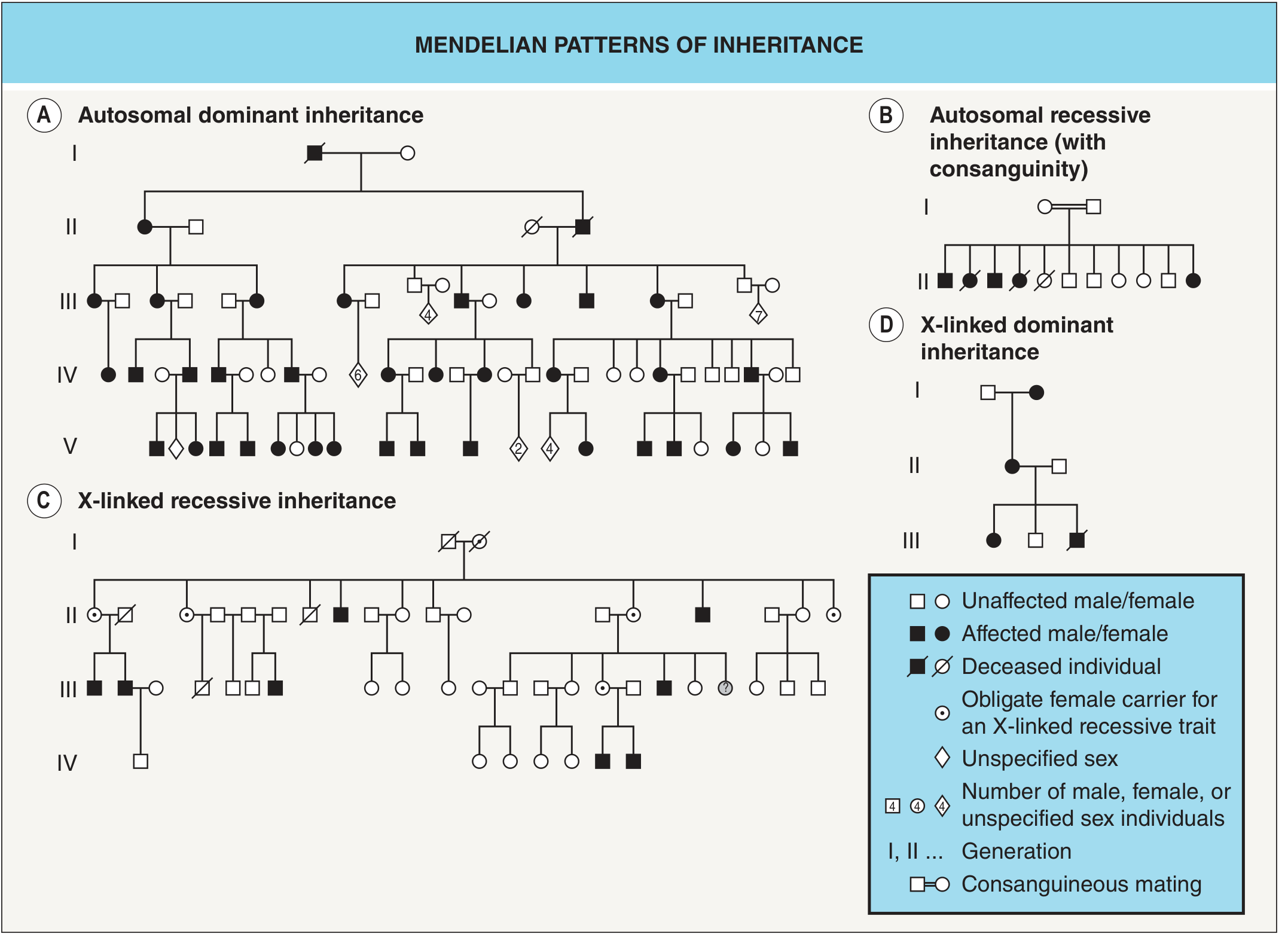
TABLE 2 - Monozygotic (MZ) vs. Dizygotic (DZ) Twins
| Feature | Monozygotic (Identical) Twins | Dizygotic (Fraternal) Twins |
|---|---|---|
| Origin | Single zygote that divides into two during the first 2 weeks after conception | Two separate zygotes (two eggs fertilized by two sperm simultaneously) |
| Genetic similarity | Genetically identical - share ~100% of genes | Share approximately 50% of genes (same as non-twin siblings) |
| Common name | Identical twins | Fraternal twins |
| Proportion of all twins | ~30% of all twins | ~70% of all twins |
| Sex | Always the same sex (extremely rare exceptions) | Can be same or different sex |
| Chorionicity | Monochorionic (one chorion - if division before day 4) OR dichorionic (if division after day 4) | Always dichorionic (two separate placentas) |
| Concordance rates | Higher concordance for genetic diseases (e.g. schizophrenia ~47-56%) | Lower concordance (e.g. schizophrenia ~12-16%) |
| Fingerprints | Different (influenced by environment in utero) | Different |
| Heritability use | Used to distinguish genetic vs. environmental contribution to disease | Comparison group in twin studies |
| Genetic relationship | No more related to other siblings than to each other | Same genetic relationship as any two siblings |
Quick Memory Hooks for Your Exam
AD vs AR - think "DOMINANT = ONE is enough, RECESSIVE = TWO are needed"
- AD: 1 bad copy → sick | parent affected | 50% risk | vertical pedigree
- AR: 2 bad copies → sick | parents are carriers | 25% risk | horizontal pedigree | consanguinity
MZ vs DZ - think "MONO = ONE egg, DI = TWO eggs"
- MZ: 1 zygote splits → identical → 100% genes shared → same sex always
- DZ: 2 zygotes → fraternal → 50% genes shared → can be different sex → more common (70%)
Good luck in your sessional tomorrow!
This is a shared conversation. Sign in to Orris to start your own chat.