
Black stools for week with motion flows like liquid
Reading File
Black stools (melena) with watery/liquid consistency for a week is a potentially serious symptom that could indicate upper gastrointestinal bleeding. This needs urgent medical attention.
Searching sources...
Finding Sources
Finding Sources
Searching PubMed
melena upper gastrointestinal bleeding management
Reading File
Reading File
Finding Sources
Reading File
Reading File
Finding Sources
Reading File
I now have enough from the textbooks to give a thorough, well-sourced answer. Let me fetch the melena image to include visually.
Loading Image
⚠️ This Requires Urgent Medical Attention
Black, tarry, liquid stools for a week is a medical emergency until proven otherwise. Please go to an emergency department or call for emergency help now if you have not already.
What This Symptom Is Called: Melena
What you are describing is almost certainly melena - black, tarry, foul-smelling stool that flows as liquid. This is a well-recognized medical sign.
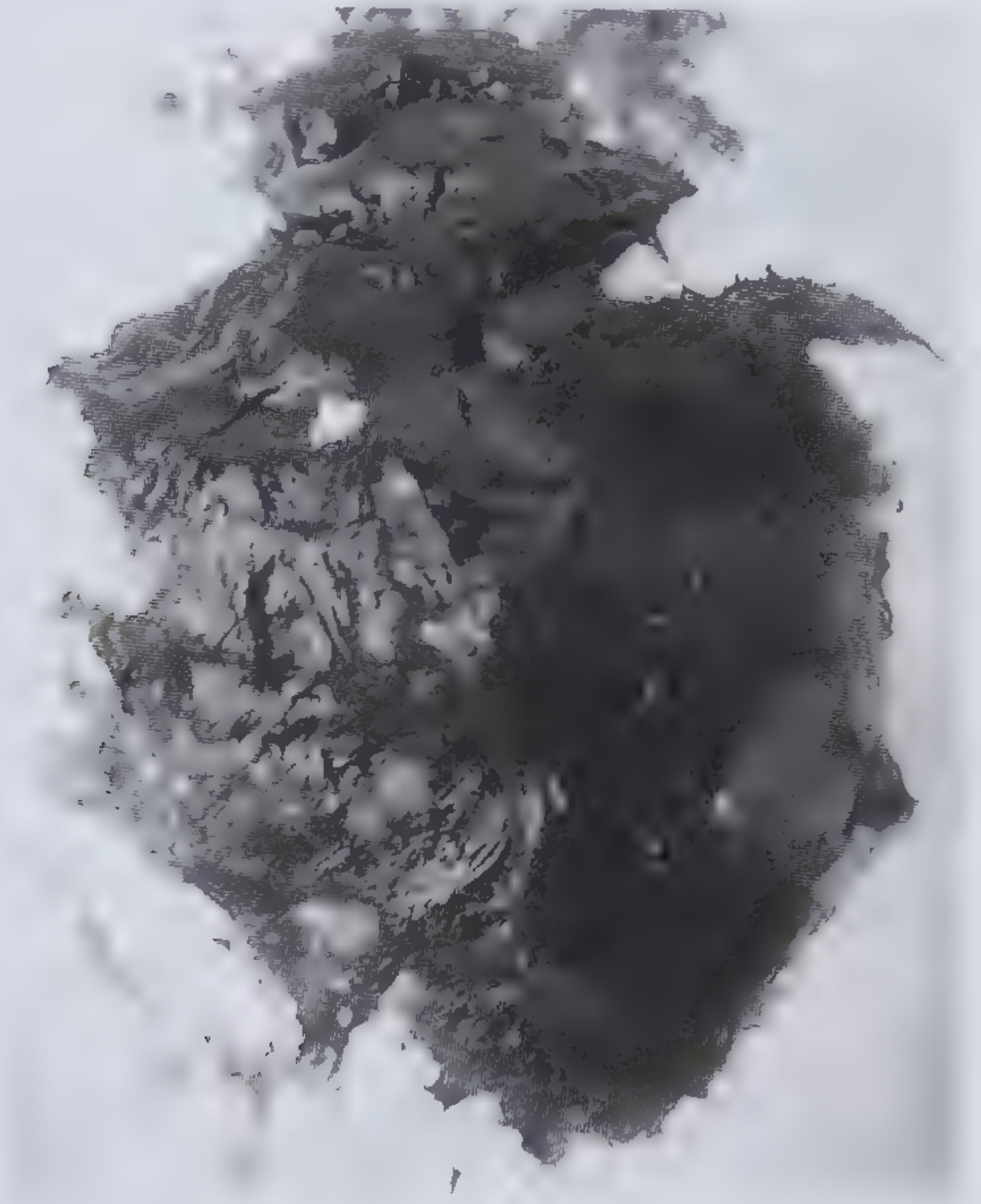
Characteristic appearance of melena - black tarry stool (Frameworks for Internal Medicine)
Why it looks black and liquid: Blood from the upper digestive tract is broken down by digestive enzymes and intestinal bacteria. This converts hemoglobin into hematin and other dark compounds, producing the characteristic black tarry appearance. A week of this means blood has been entering your digestive tract repeatedly over this time. - Sleisenger and Fordtran's Gastrointestinal and Liver Disease
What Is Likely Causing It
Melena almost always means Upper GI Bleeding (UGIB) - bleeding from somewhere above the ligament of Treitz (the stomach, esophagus, or duodenum). The leading causes, in order of frequency, are:
| Cause | % of cases |
|---|---|
| Peptic ulcer (gastric or duodenal) | 38% |
| Gastric or esophageal varices | 16% |
| Erosive esophagitis | 13% |
| Upper GI tumors | 7% |
| Angiodysplasia / vascular malformations | 6% |
| Mallory-Weiss tear (esophageal lining tear) | 4% |
| Gastric or duodenal erosions | 4% |
| Dieulafoy lesion | 2% |
- Goldman-Cecil Medicine
Key risk factors to mention to your doctor:
- Are you taking aspirin, ibuprofen, naproxen, or other NSAIDs? These are a top cause of peptic ulcer bleeding.
- Do you have liver disease or heavy alcohol use? This raises risk of varices.
- Have you had severe vomiting or retching? This suggests a Mallory-Weiss tear.
- Any history of acid reflux or ulcers?
Warning Signs That Mean Go to Emergency NOW
Call emergency services or go to the ER immediately if you have any of these:
- Dizziness, lightheadedness, or fainting - signs of significant blood loss
- Rapid heart rate (feeling your heart racing or pounding)
- Weakness or cold/clammy skin
- Vomiting blood (red, or coffee-ground colored)
- Severe abdominal pain
- Confusion or difficulty staying awake
Even without these, a full week of ongoing melena means this has been going on long enough that you need evaluation and likely an urgent upper endoscopy (gastroscopy) to find and stop the bleeding source. - Frameworks for Internal Medicine
What Doctors Will Do
- Stabilization first - IV fluids, blood tests (hemoglobin, coagulation), blood transfusion if hemoglobin falls below 7 g/dL
- Upper endoscopy (gastroscopy) - the primary diagnostic and treatment tool; can find and treat the bleeding source directly
- Further imaging (CT angiography, catheter angiography) if endoscopy doesn't find the source
- Medications - proton pump inhibitors (PPIs) to reduce acid; other treatments depend on the cause found
- Yamada's Textbook of Gastroenterology; Goldman-Cecil Medicine
One Important Note
Not all black stools are melena. Iron supplements and bismuth medications (e.g. Pepto-Bismol) can also turn stools black but are harmless. However, a guaiac (stool occult blood) test will be positive in true melena and negative with iron/bismuth. Given the liquid consistency and one week duration, this is almost certainly not a medication effect and needs proper investigation.
Please do not wait on this. A week of black liquid stools indicates ongoing GI blood loss, and the source needs to be identified and treated. If you are already in a hospital or under care, please share this information with your treating team.
This is a shared conversation. Sign in to Orris to start your own chat.