
Reversible Cirhhosis
I'll start by reading the medical library skill, then search for content on reversible cirrhosis simultaneously.
Reading File
Now let me search the medical library and PubMed in parallel.
Finding Sources
Finding Sources
Searching PubMed
"cirrhosis" AND "regression" AND "reversible"
Good results. Now let me read the key textbook sections in parallel.
Reading File
Reading File
Reading File
Reading File
Excellent content retrieved. Let me now fetch the key images and read the Tietz section on reversal rates in parallel.
Reading File
Loading Image
Finding Sources
I now have comprehensive material. Let me get the Yamada table content and search for the mechanism image.
Reading File
Finding Sources
I now have everything needed for a comprehensive answer. Let me compile it.
Reversible Cirrhosis
For decades, cirrhosis was considered the irreversible "end-stage" of chronic liver disease. This dogma has been fundamentally overturned - we now know that fibrosis, and even fully established cirrhosis, can regress when the underlying cause is effectively eliminated or suppressed.
1. The Concept
"Regression of fibrosis and even of fully established cirrhosis may follow disease remission or cure. Scars become thinner and more densely compacted, and eventually start to fragment. As fibrous septa break apart, adjacent nodules of regenerating parenchyma coalesce into larger islands. All cirrhotic livers show elements of both progression and regression, with the balance being dictated by the severity and persistence of the underlying disease."
- Robbins & Kumar Basic Pathology, p. 598
The key insight is that the liver is not passively scarred - it is constantly remodeling. Fibrosis is a dynamic equilibrium between matrix deposition (fibrogenesis) and matrix degradation (fibrolysis).
2. Mechanism of Fibrosis Regression
The cellular machinery behind regression centers on hepatic stellate cells (HSCs):
| Process | What Happens |
|---|---|
| HSC activation | TGF-β, PDGF, IL-6 activate quiescent HSCs into myofibroblasts that produce collagen (types I, III, IV), laminin, elastin, fibronectin |
| MMP/TIMP balance | Matrix metalloproteinases (MMPs) degrade collagen; tissue inhibitors of MMPs (TIMPs) block this degradation. Fibrosis occurs when TIMPs dominate |
| Regression trigger | Remove the injurious stimulus → HSCs undergo apoptosis or revert to quiescence → TIMP levels fall → MMP activity rises → collagen is degraded |
| Structural remodeling | Fibrous septa thin and fragment; parenchymal nodules coalesce |
- Tietz Textbook of Laboratory Medicine, 7th Ed. notes: "The principal component of hepatic scars is type III collagen; other components include type I and type IV collagen, laminin, elastin, and fibronectin. HSCs produce both MMP and TIMP, as well as collagen and other matrix materials."
3. Which Diseases Show Reversal?
The following table (from Yamada's Textbook of Gastroenterology) summarizes conditions where reversal of advanced fibrosis/cirrhosis has been documented:
| Disease | Therapy | Reversal of Cirrhosis? |
|---|---|---|
| Hepatitis B | Antiviral agents (tenofovir, entecavir) | Yes |
| Hepatitis C | Viral eradication (DAAs) | Yes |
| Bile duct obstruction | Surgical decompression | Yes |
| Hemochromatosis | Iron depletion (phlebotomy) | Yes |
| Autoimmune hepatitis | Corticosteroids | Yes |
| Alcoholic liver disease | Alcohol cessation ± corticosteroids | Yes |
| NASH/NAFLD | Weight loss, bariatric surgery | Yes |
| Primary biliary cirrhosis | Obeticholic acid | Possibly |
| Wilson disease | Copper chelation | Yes (implied) |
4. Clinical Evidence
Hepatitis C (DAA era)
The chart below, from a landmark study cited in Sleisenger & Fordtran, shows regression of fibrosis in 38 patients who achieved sustained virologic response (SVR) to HCV antiviral therapy. Before therapy, all 38 patients had F4 (cirrhosis). After SVR, only 15 remained at F4 - the rest regressed to F1-F3:
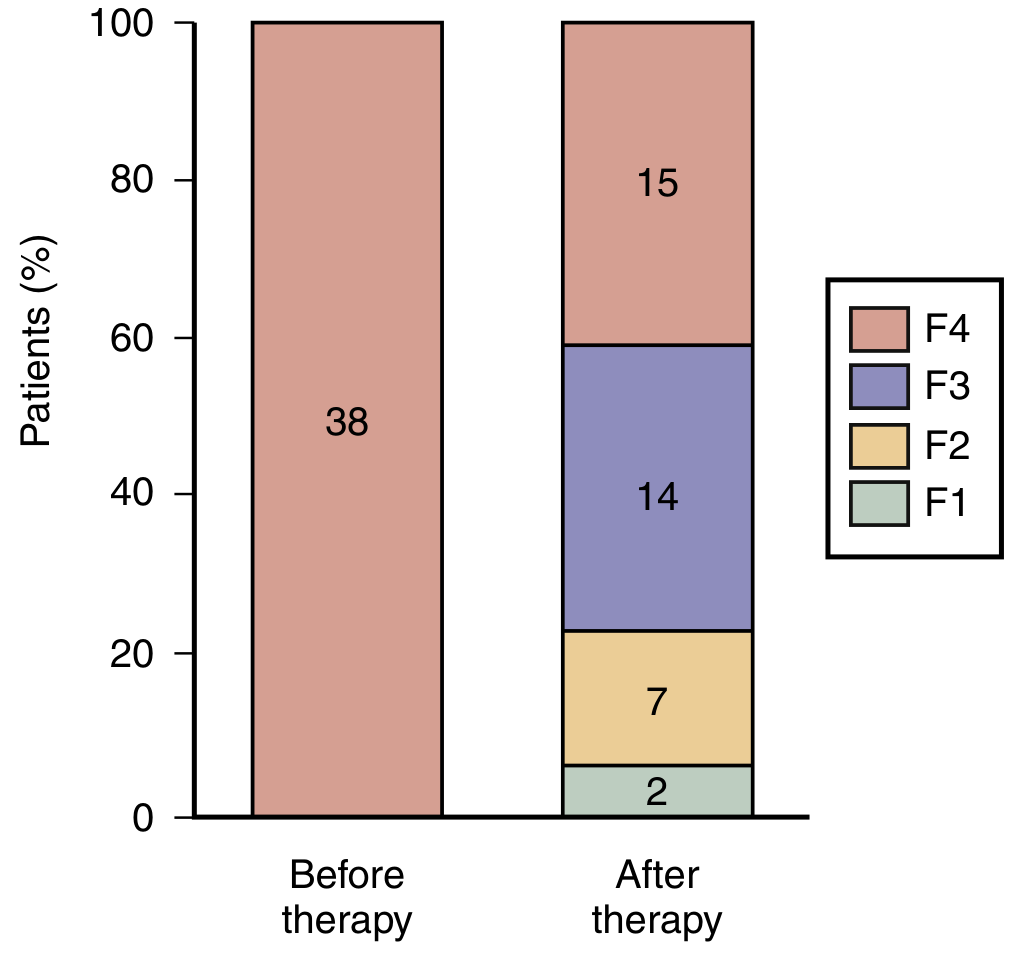
Fig. 80.6 - Sleisenger & Fordtran's Gastrointestinal and Liver Disease
- SVR with DAAs leads to >60% regression from cirrhosis in long-term follow-up
- Long-term HCV negativity (HCV RNA negative at 12 weeks after DAA therapy) is sustained in >99% of cases
Hepatitis B
- In a landmark RCT of 651 patients with HBV cirrhosis: lamivudine treatment reduced hard endpoints (HCC, SBP, variceal bleeding, death) from 18% to 8% (p=0.001) vs. placebo
- Child-Pugh score worsened in only 3.4% on lamivudine vs. 8.8% on placebo
Key statistics
The Tietz Textbook states: "Two studies found that successful treatment of HBV and HCV was associated with reversal of cirrhosis in 50 to 75% of cases."
5. Clinical Implications
- Treat the underlying cause aggressively - this is the single most effective "antifibrotic" therapy. Direct antifibrotic drugs have largely failed in clinical trials.
- Portal hypertension can improve as fibrosis regresses - this has been documented with HCV eradication.
- HCC risk persists even after cirrhosis reversal - patients must continue surveillance. As Yamada's notes for hemochromatosis: "HCC can occur in HH even after reversal of cirrhosis with therapy, suggesting a direct effect of iron on carcinogenesis."
- Not all patients respond - clinical variables predicting who will regress are not fully established.
- Decompensated cirrhosis (ascites, variceal bleeding, hepatic encephalopathy) can also improve with successful treatment but is less reliably reversible than compensated cirrhosis.
6. Antifibrotic Agents Tested in Humans (Selected)
From Yamada's Table 97.8 - most specific antifibrotic agents have not shown benefit in clinical trials:
- Colchicine, Vitamin E, Interferon-γ, Pirfenidone, Silymarin - minimal or no effect, not recommended
- UDCA - modest effect, acceptable in PBC
- Pentoxifylline - minimally effective in alcoholic hepatitis
- Anti-TNF-α - increased mortality in alcoholic hepatitis, likely dangerous
The take-home: treat the cause, not the scar.
Sources: Robbins & Kumar Basic Pathology (p.598) | Sleisenger & Fordtran's Gastrointestinal and Liver Disease (Ch. 80, 97) | Yamada's Textbook of Gastroenterology, 7th ed. (Ch. 97) | Tietz Textbook of Laboratory Medicine, 7th Ed. | Elsharkawy et al., 2022 - Fibrosis regression following HCV antiviral therapy (PMID 35978676)
This is a shared conversation. Sign in to Orris to start your own chat.