
Treatment for stye
A stye (hordeolum) is a bacterial infection of an eyelid gland. The mainstay of treatment is warm compresses applied for 10-15 minutes, 3-4 times daily, which helps the stye drain naturally. Most resolve within 1-2 weeks without further intervention. Topical antibiotics are sometimes used, and oral antibiotics are reserved for spreading infection. Surgical drainage is done if it doesn't resolve.
Searching sources...
Reading File
Searching the Web
stye hordeolum treatment 2025 guidelines
Finding Sources
Searching PubMed
hordeolum stye treatment
Reading File
Reading File
Here is a complete overview of stye treatment based on authoritative medical textbooks:
Stye (Hordeolum) - Treatment
What is it?
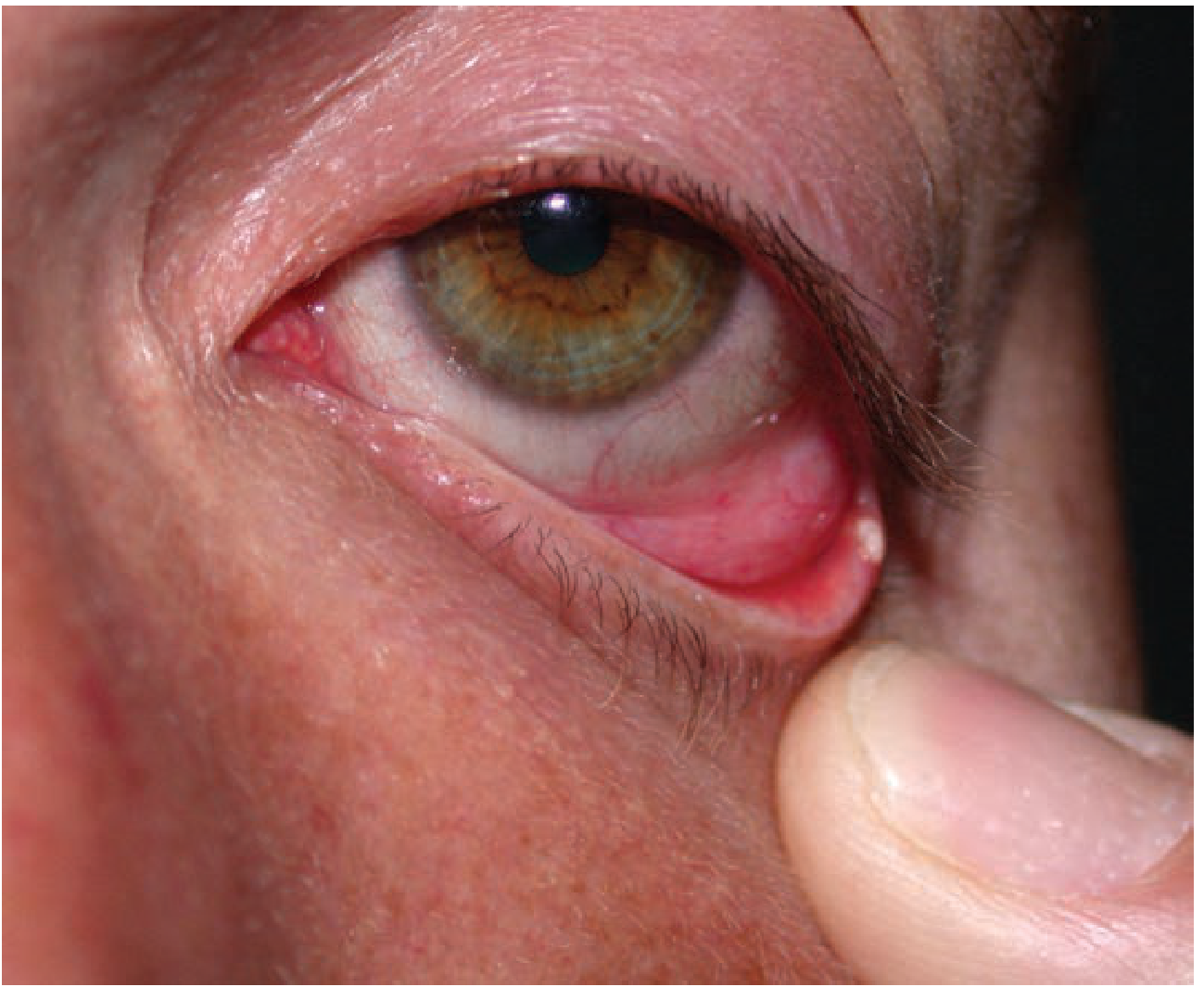
A stye is a painful abscess of an eyelash follicle or sebaceous gland, most commonly caused by Staphylococcus aureus. There are two types:
- External hordeolum - infection of the follicle of an eyelash and adjacent glands of Zeis (sebaceous) or Moll (sweat). Appears as a pustule at the eyelid margin.
- Internal hordeolum - infection of the meibomian glands; the pustule forms on the inner surface of the tarsal plate.
Treatment
1. First-Line: Warm Compresses
- Apply for 5-15 minutes, 3-5 times per day
- Helps soften the stye and encourage spontaneous drainage
- This alone resolves most styes within 1-2 weeks
2. Topical Antibiotics
- Erythromycin ophthalmic ointment twice daily for 7-10 days is the most commonly recommended option
- Alternatives: bacitracin ointment, or antibiotic drops such as moxifloxacin or gatifloxacin
- Topical antibiotics help treat the infection and prevent spread
3. Eyelid Hygiene
- Gentle cleansing of the eyelid margin daily
- Removal of the offending eyelash can be considered in some cases
4. Systemic (Oral) Antibiotics
- Reserved for cases with significant surrounding cellulitis or spread beyond the eyelid
- Low-dose doxycycline (20-40 mg/day) may be considered for recurrent or refractory cases, particularly if meibomian gland dysfunction is a contributing factor
5. Incision and Drainage (I&D)
- Performed by an ophthalmologist if the stye does not improve within 48-72 hours (some guidelines say 1-2 weeks for milder cases)
- Should not be attempted outside an ophthalmology setting - refer if needed
Key Points
| Situation | Action |
|---|---|
| Early/mild stye | Warm compresses + topical antibiotics |
| No improvement in 1-2 weeks | Refer to ophthalmologist |
| Surrounding cellulitis | Add oral antibiotics |
| Persistent/recurrent stye | Consider oral doxycycline or surgical drainage |
| Suspected internal hordeolum | Same treatment; I&D by ophthalmologist if needed |
Do NOT squeeze or puncture a stye - this can spread the infection.
Contact lenses should be avoided until the stye resolves.
Sources: Goldman-Cecil Medicine (International Ed.), p. 307; Tintinalli's Emergency Medicine (Comprehensive Study), p. 1581
This is a shared conversation. Sign in to Orris to start your own chat.