
romberg test steps, positive and negative all imp in viva points
Reading File
The Romberg test assesses proprioception and cerebellar function. Let me get the authoritative details.
Searching sources...
Finding Sources
Finding Sources
Good - found multiple relevant sources. Let me read the key sections now in parallel.
Reading File
Reading File
Reading File
Now let me fetch the Romberg test image and get more details from Scott-Brown's and KJ Lee's books for additional viva points:
Loading Image
Reading File
Reading File
I now have comprehensive information from multiple authoritative textbooks. Here is the complete viva-ready answer:
Romberg Test - Complete Viva Points
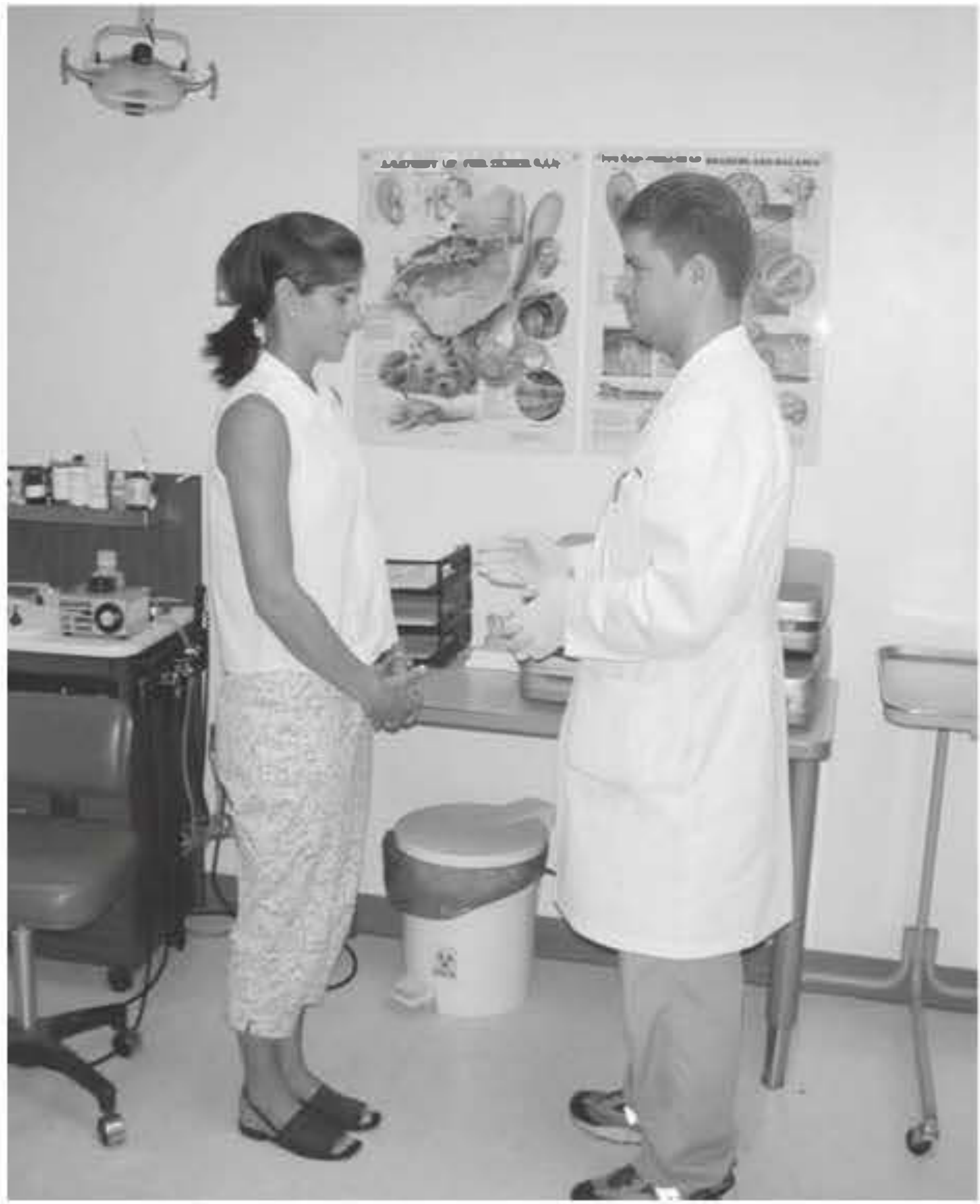
Figure - Romberg's test: patient stands erect with feet together (Shambaugh Surgery of the Ear)
Who Described It?
- Moritz Heinrich Romberg (German neurologist, 19th century)
- Originally described for tabes dorsalis (neurosyphilis with posterior column degeneration)
What Does It Test?
The Romberg test is primarily a test of proprioception / dorsal column (posterior column) function and vestibulospinal tract integrity. It is NOT a test of cerebellar function.
The three sensory inputs for balance are:
- Proprioception (dorsal columns)
- Vision
- Vestibular system
When two of three systems are intact, balance is maintained. The Romberg test removes vision - so if proprioception is deficient, the patient falls.
Steps / How to Perform
- Ask the patient to stand erect with feet together (heels touching)
- Ask the patient to keep arms by the sides (or outstretched in front)
- Eyes OPEN first - observe for unsteadiness (baseline)
- Ask the patient to close the eyes
- Observe for 20-30 seconds - stand close by, ready to prevent a fall
- Note: direction of sway or fall, degree of unsteadiness
Romberg Test - POSITIVE
Definition: The patient is able to stand with eyes open but sways or FALLS when eyes are closed.
- Key point: The patient MUST be able to stand with eyes open. If they cannot stand with eyes open, the test is not interpretable (it's not a Romberg positive - it's a cerebellar/motor problem).
- A positive Romberg means the patient actually tends to fall, not just mild sway (normal subjects show minor increase in sway on eye closure).
Causes of Positive Romberg (Sensory Ataxia)
| System | Conditions |
|---|---|
| Dorsal column lesions | Tabes dorsalis, Subacute combined degeneration of cord (Vit B12 deficiency), Multiple sclerosis, Friedreich's ataxia |
| Peripheral sensory neuropathy | Diabetic neuropathy, severe afferent polyneuropathy |
| Vestibular dysfunction | Vestibular neuritis (acute phase, falls to ipsilesional side), uncompensated unilateral vestibular lesion |
Direction of Fall in Positive Romberg:
- In vestibular lesions: falls toward the side of the lesion (ipsilesional)
- In dorsal column disease: fall is variable/unpredictable (patient cannot compensate at all)
Romberg Test - NEGATIVE
Definition: The patient shows little or no change in steadiness when eyes are closed.
- Suggests MOTOR ataxia - problem localizes to the cerebellum
- The patient is unsteady with BOTH eyes open and closed
- Closing the eyes does not significantly worsen their unsteadiness
Key teaching point:
- Cerebellar ataxia = Romberg NEGATIVE (unsteady even with eyes open; visual compensation does not help much)
- Sensory/proprioceptive ataxia = Romberg POSITIVE (steady with eyes open, falls with eyes closed - because they rely on vision to compensate for lost proprioception)
Important Viva Distinctions
| Feature | Sensory Ataxia (Romberg +ve) | Cerebellar Ataxia (Romberg -ve) |
|---|---|---|
| Eyes open | Steady (or near steady) | Unsteady |
| Eyes closed | FALLS | Unsteady (little change) |
| Romberg sign | Positive | Negative |
| Gait | Wide-based, looks at ground | Wide-based, lurching/staggering |
| Finger-nose test | Normal | Dysmetria/intention tremor |
| Deep tendon reflexes | Often absent/reduced | Normal or reduced |
Sharpened (Tandem) Romberg Test
- More sensitive variant
- Patient stands heel-to-toe (tandem stance) with arms folded across chest
- Eyes open then closed
- Removes the wider base of support, more challenging
- Picks up milder proprioceptive deficits
Why Cerebellar Disease Does NOT Give Romberg Positive?
- The cerebellum integrates motor coordination - this function is lost regardless of whether eyes are open or closed
- Vision cannot compensate for cerebellar dysfunction
- Therefore, closing the eyes does NOT make unsteadiness worse
Classic Historical Context (Important for Viva!)
- Originally described in tabes dorsalis - posterior columns and posterior spinal roots degenerate in lumbosacral region
- Patient walks slowly, wide gait, stares at the ground (using vision to compensate)
- In the dark or with eyes closed - patient unable to walk
Pitfalls / Viva Traps
- Romberg test does NOT test cerebellar function - this is a very common wrong answer
- Not interpretable if the patient cannot stand with eyes open (motor weakness, severe cerebellar ataxia)
- Normal individuals may show a small increase in sway on eye closure - this is NOT a positive Romberg
- Vestibular disease can give a positive Romberg - only in the acute phase of peripheral vestibular disorder; compensated vestibular lesions are often Romberg negative
- Does not distinguish central from peripheral lesions on its own
Sources: Tintinalli's Emergency Medicine; Shambaugh Surgery of the Ear; KJ Lee's Essential Otolaryngology; Scott-Brown's Otorhinolaryngology Head & Neck Surgery Vol 2
confused in negative romberg like i thought negative is for normal how its for cerebrlla ehen it trst proprio , and vestibular
This is a really common confusion! Let me clear it up completely.
The Core Logic of Romberg Test
The Romberg test has TWO possible outcomes, and you need to understand what each means:
| Result | Meaning |
|---|---|
| Positive | ABNORMAL - sensory/vestibular problem |
| Negative | Can mean NORMAL OR cerebellar problem |
Why "Negative" Has Two Meanings
Romberg Negative = "closing eyes did NOT make things worse"
This happens in TWO completely different situations:
Situation 1 - Truly Normal Person
- Eyes open → Steady ✅
- Eyes close → Still steady ✅
- No change → Negative → NORMAL
Situation 2 - Cerebellar Patient
- Eyes open → ALREADY unsteady ❌
- Eyes close → Still unsteady (same amount) ❌
- No change → Negative → Cerebellar ataxia
The KEY Insight
Romberg only tells you whether CLOSING THE EYES made things WORSE.
It does NOT directly tell you whether the patient is steady or unsteady to begin with. That is why you MUST look at the eyes-open phase first.
- If steady with eyes open + falls with eyes closed = Positive = sensory/vestibular problem
- If UNsteady with eyes open + stays same with eyes closed = Negative = cerebellar problem
- If steady with eyes open + stays steady with eyes closed = Negative = NORMAL
Why Cerebellar Gives Negative Romberg
The cerebellum coordinates movement independently of sensory input or vision. When it is damaged:
- The patient is already unsteady because coordination is broken at the motor level
- Closing the eyes cannot make it worse - vision was never compensating for this problem
- So the test is "negative" (no change on eye closure)
Contrast this with proprioception loss:
- With eyes open, the patient uses vision to compensate for lost proprioception → looks steady
- Close the eyes, that compensation disappears → falls
- So the test is "positive" (dramatically worse on eye closure)
Simple Memory Aid
"Romberg tests whether VISION is saving you"
- If vision was saving you (proprioception/vestibular problem) → remove it → you fall → POSITIVE
- If vision was NOT saving you (cerebellar problem, or normal) → remove it → no change → NEGATIVE
So How Do You Distinguish Normal from Cerebellar When Both Are Negative?
Watch the eyes-OPEN phase!
- Negative + steady with eyes open = Normal ✅
- Negative + unsteady with eyes open = Cerebellar ataxia ❌
This is why the full interpretation is:
| Eyes Open | Eyes Closed | Romberg | Interpretation |
|---|---|---|---|
| Steady | Steady | Negative | Normal |
| Steady | Falls | Positive | Sensory / Vestibular |
| Unsteady | Unsteady (same) | Negative | Cerebellar |
| Unsteady | Falls more | Positive | Mixed (sensory + cerebellar) |
The test is named for what happens to the sign (change on eye closure), not for whether the patient is sick or well. Positive and negative here do NOT mean sick and healthy - they mean whether the eye-closure challenge changed anything.
whats past pointing
Past-pointing (also called dysmetria) is when a patient misses a target - their finger overshoots or undershoots when trying to point to something.
Searching sources...
Finding Sources
Found the Guyton definition. Let me read the full passage plus search for the vestibular past-pointing (Barany's test):
Reading File
Finding Sources
Finding Sources
Reading File
Now I have everything needed. Here's the clear explanation:
Past-Pointing - Complete Explanation
Basic Definition
Past-pointing = the patient misses a target when pointing - their finger goes past (overshoots) the intended point.
It is a manifestation of dysmetria - the inability to accurately judge the distance or force needed to reach a target.
Two Types - This is Where the Confusion Often Is
Past-pointing occurs in two completely different contexts with different mechanisms and directions:
Type 1 - Cerebellar Past-Pointing (Dysmetria)
Mechanism:
- Normally, the cerebellum initiates the "stop signal" that turns off a movement once it begins
- Without cerebellar control, the movement goes beyond the intended point
- The cerebellum is like the brakes of a moving limb - no brakes = overshoots
How to test (Finger-Nose Test):
- Ask patient to touch their nose with index finger
- Then touch your (examiner's) finger held at arm's length
- Repeat back and forth, with eyes open first then closed
- Cerebellar damage → finger overshoots (past-points) the target
Direction: Overshoots to the same side as the cerebellar lesion (ipsilateral)
Key point: Present with eyes open AND closed - vision does not help because the problem is in the motor control system itself
Type 2 - Vestibular Past-Pointing (Barany's Past-Pointing Test)
Mechanism:
- A unilateral vestibular lesion creates an imbalance in vestibulospinal tone
- The arms drift toward the side of the lesion due to this tonal imbalance
- It is the upper limb equivalent of the Romberg fall direction
How to test:
- Patient sits with eyes open and raises both arms to horizontal
- Patient touches examiner's index fingers with both index fingers
- Patient now closes eyes and lowers arms, then tries to raise them back to the same position
- In vestibular lesion: both arms deviate / past-point toward the side of the lesion
Direction: Past-points toward the side of the lesion (ipsilesional) - same direction as Romberg fall, same direction as slow phase of nystagmus
Key point: Present only (or worsens) with eyes closed - vision corrects it when open
Side-by-Side Comparison
| Feature | Cerebellar | Vestibular |
|---|---|---|
| Mechanism | No motor "stop signal" | Tonal imbalance in vestibulospinal system |
| Eyes open | Past-points | Normal (vision corrects) |
| Eyes closed | Still past-points | NOW past-points (gets worse) |
| Direction | Ipsilateral to cerebellar lesion | Ipsilateral to vestibular lesion |
| Associated signs | Dysdiadochokinesia, intention tremor, nystagmus | Nystagmus, Romberg fall same side, Unterberger deviation same side |
| Test used | Finger-nose test | Barany's past-pointing test |
Viva Trap
"Does past-pointing indicate cerebellar or vestibular disease?"
Answer: Both can cause it - context matters.
- Cerebellar: present even with eyes open, inconsistent direction possible
- Vestibular: corrected by vision (eyes open = normal), consistent direction toward lesion side
- The Barany test specifically tests vestibular past-pointing
Connection to Romberg
In vestibular disease, all three signs point to the same side (side of lesion):
- Romberg - falls toward lesion side
- Past-pointing - deviates toward lesion side
- Nystagmus slow phase - toward lesion side
- Unterberger/Fukuda stepping test - rotates toward lesion side
This consistency of all signs toward one side is a hallmark of peripheral vestibular lesion.
Sources: Guyton & Hall Medical Physiology; Shambaugh Surgery of the Ear; Adams & Victor's Principles of Neurology
This is a shared conversation. Sign in to Orris to start your own chat.