
№15. Physiology of HNA (higher nervous activity) I. Unconditional and conditional reflexes. Alarm systems. Practical lesson plan 1. Concept of higher nervous activity. 2. Unconditional reflexes: characteristics and classification. 3. Conditional reflexes: formation and mechanisms. 4. Inhibition of conditioned reflexes. 5. Signal systems (first and second). Control questions 1. What is higher nervous activity? 2. What are unconditional reflexes? 3. How are reflexes classified? 4. What are conditional reflexes? 5. How are conditioned reflexes formed? 6. What is reinforcement? 7. What types of inhibition exist? 8. What is extinction? 9. What are signal systems? 10. What is the role of speech in HNA?Answer this questions in detail of physiology in easy words for viva it should be little short because i have 2 topics for 1 viva and easy to understand too take the reference from Guyton Hall Sembulingam also
№ 15 — Physiology of Higher Nervous Activity (HNA)
Unconditional & Conditional Reflexes | Signal Systems
References: Guyton & Hall (Medical Physiology), Sembulingam (Essentials of Medical Physiology), Ganong's Review of Medical Physiology
Q1. What is Higher Nervous Activity (HNA)?
- The term was coined by Ivan Pavlov.
- It is based on reflex activity — both unconditioned and conditioned reflexes.
- It distinguishes higher animals from lower ones and in humans is further enriched by speech and abstract thinking.
- Lower nervous activity = regulation of internal organs (vegetative functions).
- Higher nervous activity = behavioral adaptation to the environment.
Q2. What are Unconditioned Reflexes?
| Feature | Description |
|---|---|
| Inborn | Present from birth |
| Permanent | Never disappear |
| Species-specific | Same in all members of the species |
| No learning required | Happen automatically |
| Arc is fixed | Reflex arc is fixed at birth |
| Center | Subcortical (spinal cord, brainstem) |
Q3. How are Reflexes Classified?
- Unconditioned (inborn) — e.g., knee jerk
- Conditioned (acquired) — e.g., salivating at food smell
- Food reflexes — salivation, swallowing
- Defensive reflexes — withdrawal, blinking
- Sexual reflexes — reproductive behavior
- Orientating reflexes — turning toward a new stimulus ("What is it?" reflex)
- Postural/locomotor reflexes — maintaining balance
- Exteroceptive (skin, eyes, ears)
- Interoceptive (visceral organs)
- Proprioceptive (muscles, joints)
- Spinal reflexes (spinal cord)
- Bulbar reflexes (medulla)
- Cerebellar
- Cortical
Q4. What are Conditioned Reflexes?
- First described by Pavlov (Nobel Prize 1904).
- Classic experiment: Bell (neutral/conditioned stimulus) + Meat (unconditioned stimulus) → Dog salivates. After repeated pairing → Bell alone causes salivation.
- They are individual (not species-wide), temporary, and can be extinguished.
Unconditioned Stimulus (US) = meat
Unconditioned Response (UR) = salivation to meat
Conditioned Response (CR) = salivation to bell alone
Q5. How are Conditioned Reflexes Formed?
- Neutral stimulus must precede the unconditioned stimulus by a short interval (0.5 sec is ideal).
- Repetition — the two stimuli must be paired multiple times.
- The animal must be alert — drowsiness prevents formation.
- No strong competing stimuli — silence and calm are needed.
- Intact cerebral cortex — cortex is essential for formation.
- A new temporary connection (nervous pathway) is formed in the cerebral cortex between the area that receives the CS and the area that controls the UR.
- Modern view: involves long-term potentiation (LTP) at synapses, NMDA receptor activation, and Ca²⁺-dependent plasticity in the cortex.
- Simultaneous — CS and US applied at same time
- Delayed — CS starts before US, both end together
- Trace — CS ends, then US begins after a gap
- Second-order — a new stimulus is linked to an already established CS (no US needed)
Q6. What is Reinforcement?
- Positive reinforcement — pairing with a pleasant US (food)
- Negative reinforcement — pairing with a painful US (electric shock)
- Without reinforcement, the conditioned reflex weakens and disappears (extinction).
- Reinforcement keeps the conditioned reflex alive and strong.
Q7. What Types of Inhibition Exist?
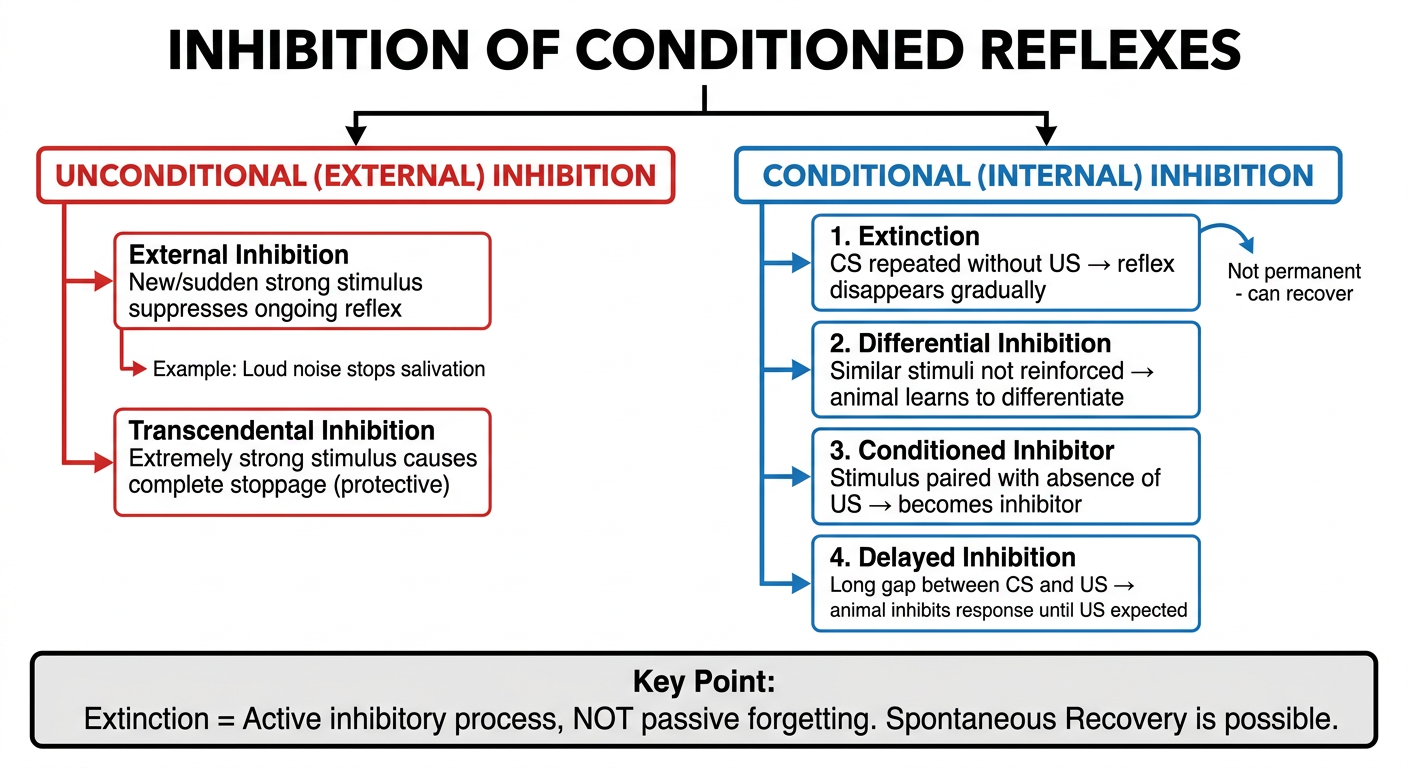
A. Unconditional (External) Inhibition
- Innate, no training required.
- Caused by a strong or novel external stimulus that suppresses the ongoing reflex.
- Types:
- External inhibition — a sudden new stimulus (noise) stops the reflex
- Beyond/Transcendental inhibition — extremely strong stimulus causes complete stoppage (protective)
B. Conditional (Internal) Inhibition
- Acquired, develops with training.
- Types:
| Type | Mechanism |
|---|---|
| Extinction | CS is repeated without US → reflex gradually disappears |
| Differential inhibition | Similar stimuli are NOT reinforced → animal learns to distinguish them |
| Conditioned inhibitor | A stimulus paired with absence of US becomes an inhibitor |
| Delayed inhibition | Long delay between CS and US → animal inhibits response until US is expected |
Q8. What is Extinction?
- It is not permanent loss — the reflex can be restored by re-pairing (spontaneous recovery).
- It is an active inhibitory process, not passive forgetting.
- Example: Ring the bell repeatedly without giving food → dog stops salivating to the bell.
Q9. What are Signal Systems?
First Signal System
- Present in all animals and humans.
- Uses real, concrete stimuli (light, sound, smell, touch) as signals for conditioned reflexes.
- Example: Salivating at the smell of food.
Second Signal System
- Present only in humans.
- Uses words, speech, symbols, and language as signals — signals of signals.
- A word can substitute for a real stimulus and produce the same reflex response.
- Example: Just reading or hearing the word "lemon" makes you salivate.
- It is the basis of abstract thinking, communication, and social behavior.
Q10. What is the Role of Speech in HNA?
- Abstract thinking — humans can think beyond immediate sensory experience.
- Communication — exchange of experience and knowledge between individuals.
- Learning — education is entirely based on the second signal system.
- Regulation of behavior — verbal commands (self-instruction) control voluntary actions.
- Social adaptation — language enables complex social interaction.
- Generalization — words represent categories, not just individual objects (e.g., "dog" means all dogs, not just one).
Quick Viva Summary Table
| Feature | Unconditioned Reflex | Conditioned Reflex |
|---|---|---|
| Inborn/Acquired | Inborn | Acquired |
| Permanent/Temporary | Permanent | Temporary |
| Center | Subcortex | Cortex |
| Reinforcement needed? | No | Yes |
| Species-specific? | Yes | No (individual) |
| Examples | Knee jerk, sucking | Salivation to bell |
- Pavlov — Father of HNA, conditioned reflex, signal systems, types of inhibition
- Guyton & Hall — Reflex arcs, cortical control
- Sembulingam — Classification of reflexes, biological types
Is there any diagram of flow chart related to this topic
conditioned reflex higher nervous activity flowchart diagram
Pavlov conditioned unconditioned reflex signal system diagram
A clean educational flowchart diagram titled "Higher Nervous Activity (HNA) - Overview" showing: 1. At top: "HNA = Activity of Cerebral Cortex + Subcortical Structures" 2. Two branches: "Unconditioned Reflexes (Inborn, Permanent)" and "Conditioned Reflexes (Acquired, Temporary)" 3. Under Unconditioned: Features listed: Inborn, Species-specific, Subcortical center, Never disappear. Examples: Knee jerk, Sucking, Pupillary reflex 4. Under Conditioned: Features listed: Acquired, Individual, Cortex needed, Temporary. Formation requires: CS + US repeated pairing 5. At bottom: Two signal systems box showing "1st Signal System (Animals + Humans): Real stimuli - sounds, smells, lights" and "2nd Signal System (Humans only): Words, Speech, Symbols = Abstract thinking" White background, clear arrows, color-coded boxes (blue for unconditioned, green for conditioned, orange for signal systems), medical education style
A clean educational flowchart diagram titled "Formation of Conditioned Reflex (Pavlov's Experiment)" showing step by step: Step 1: "Before Conditioning" - Bell (Neutral Stimulus) → No Salivation; Meat (Unconditioned Stimulus US) → Salivation (Unconditioned Response UR) Step 2: "During Conditioning (Repeated Pairing)" - Bell (CS) + Meat (US) together → Salivation. Arrow showing "Repeated many times" Step 3: "After Conditioning" - Bell alone (Conditioned Stimulus CS) → Salivation (Conditioned Response CR). Label: "Temporary nervous connection formed in cortex" Below: Requirements box listing: 1. CS must precede US, 2. Repetition needed, 3. Animal must be alert, 4. Intact cerebral cortex, 5. No distractions White background, simple clear arrows, color-coded: red for US/UR, blue for CS/CR, yellow for requirements box, medical physiology textbook style
A clean educational flowchart diagram titled "Inhibition of Conditioned Reflexes" for medical students showing two main branches: LEFT BRANCH - "Unconditional (External) Inhibition" in red box: - External Inhibition: "New/sudden strong stimulus suppresses ongoing reflex" with example "Loud noise stops salivation" - Transcendental Inhibition: "Extremely strong stimulus causes complete stoppage (protective)" RIGHT BRANCH - "Conditional (Internal) Inhibition" in blue box, with 4 types: 1. Extinction: "CS repeated without US → reflex disappears gradually" - arrow showing "Not permanent - can recover" 2. Differential Inhibition: "Similar stimuli not reinforced → animal learns to differentiate" 3. Conditioned Inhibitor: "Stimulus paired with absence of US → becomes inhibitor" 4. Delayed Inhibition: "Long gap between CS and US → animal inhibits response until US expected" Bottom box: "Key Point: Extinction = Active inhibitory process, NOT passive forgetting. Spontaneous Recovery is possible." White background, clear color coding, arrows, medical physiology education style
Diagram 1 — HNA Overview Flowchart
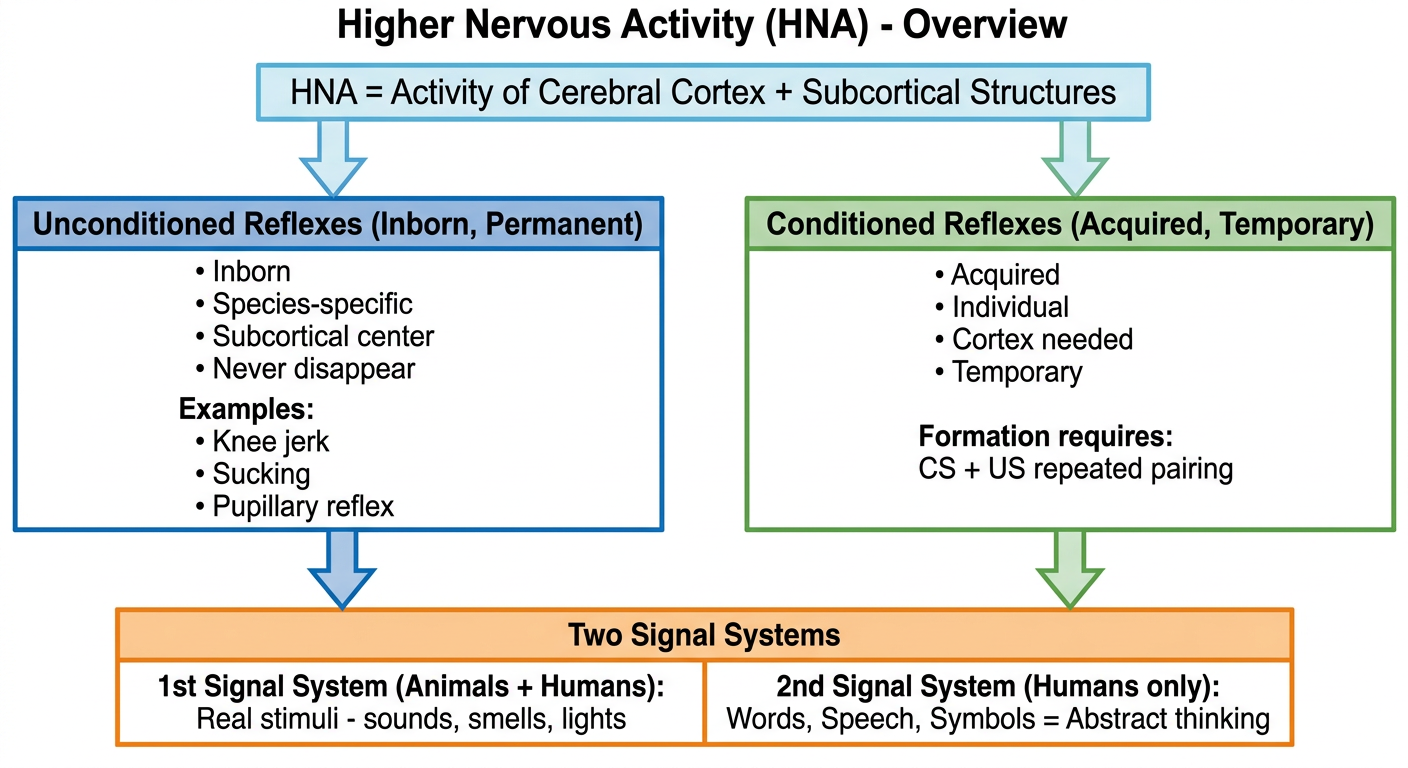
Diagram 2 — Formation of Conditioned Reflex (Pavlov's Experiment)
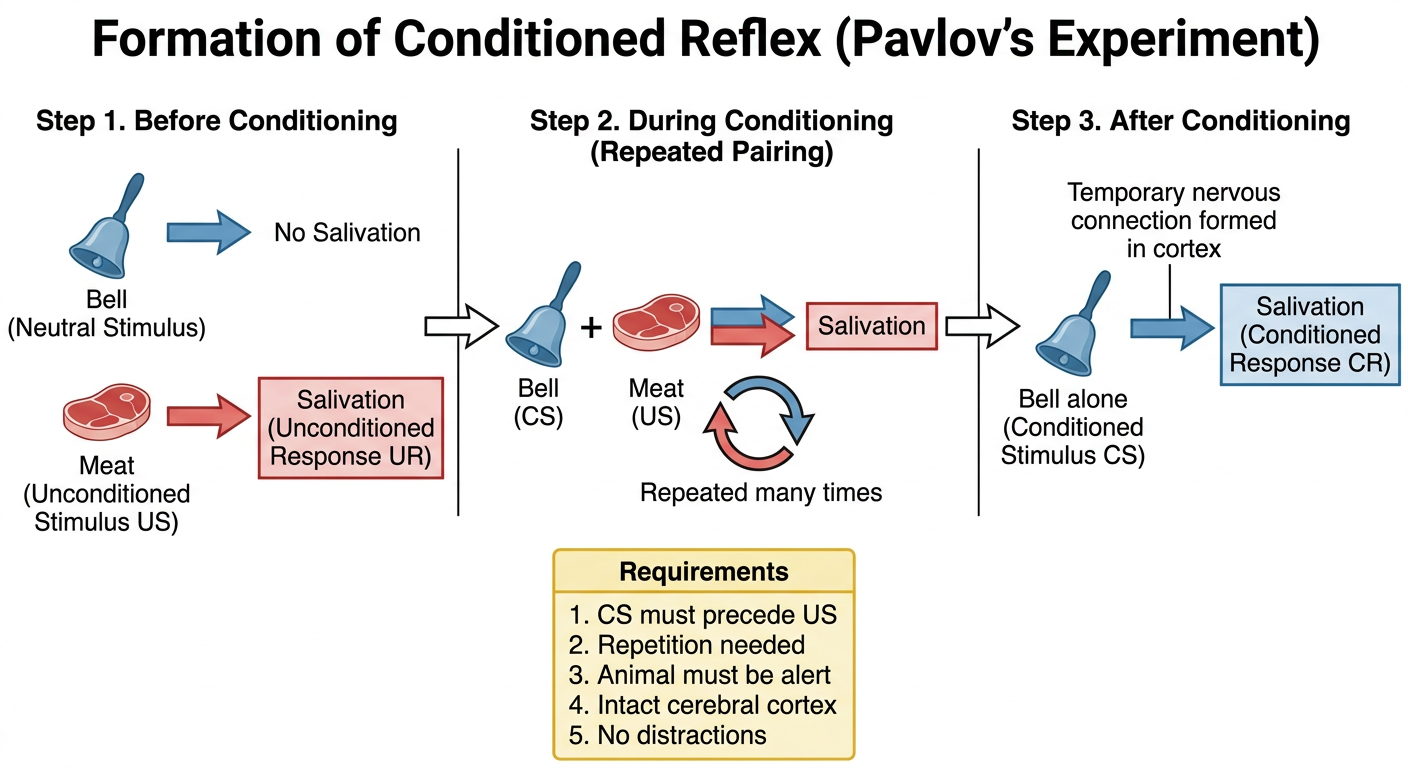
Diagram 3 — Types of Inhibition of Conditioned Reflexes
- Diagram 1 = Big picture of HNA + Signal Systems
- Diagram 2 = Step-by-step conditioned reflex formation (most common viva question)
- Diagram 3 = All types of inhibition with examples