
X-ray Kaisay Read Keray
Reading File
Finding Sources
Searching the Web
X-ray kaise read karte hain Urdu Hindi radiology basics
Finding Sources
Finding Sources
Finding Sources
Finding Sources
Finding Sources
Reading File
Reading File
Ab main aapko X-ray padhne ka mukammal tarika Urdu/Roman Urdu mein samjhata hun, jo Grainger & Allison's Diagnostic Radiology aur doosri textbooks se liya gaya hai.
X-Ray Kaisay Read Keray - Mukammal Guide
Pehle Yeh Samjhain: X-Ray Mein Rang Kya Batate Hain?
X-ray mein 4 basic densities (rangat) hoti hain:
| Rangat | Matlab | Misal |
|---|---|---|
| Safed (White) | Dense cheez, X-ray ruk gayi | Haddi, dil, pani/effusion |
| Gray | Darmiyan density | Muscles, organs |
| Kala (Black) | Hawa, X-ray nikal gayi | Phephra (lungs), maida mein gas |
| Bilkul kala | Metal ya imajer artifact | Surgical clips, pacemaker |
CHEST X-RAY Padhne Ka Systematic Tarika (Step by Step)
Step 1 - Patient ki Details Check Karo (RIPE)
- R - Right/Left side sahi hai?
- I - Inspiration kaafi hai? (6-7 anterior ribs dekhne chahiyein)
- P - Position - PA (Posteroanterior) hai ya AP?
- E - Exposure sahi hai? (Vertebrae thoracic spine ke through dikh rahi hoon)
Step 2 - Airways (Hawa ki Naali)
- Trachea seedhi hai ya kisi taraf muri hui hai?
- Trachea mediastinum shift ki nishani deta hai
- Trachea shift TOWARD lesion = collapse
- Trachea shift AWAY = effusion ya tension pneumothorax
Step 3 - Bones (Haddiyan)
- Ribs - fracture, tumor, erosion?
- Clavicles - sahi hain?
- Spine - scoliosis, lesion?
- Scapulae - normal hain?
Step 4 - Cardiac (Dil)
- Cardiothoracic ratio - dil ki width chest ki total width se kam ya barabar 50% honi chahiye
- Zyada = Cardiomegaly (dil bara hai)
- Dil ki borders:
- Right side: Right atrium
- Left side (upar): Aortic knuckle + Pulmonary artery
- Left side (neeche): Left ventricle
Step 5 - Diaphragm
- Right diaphragm normally Left se thodi upar hoti hai (~15mm farq)
- Normal level: 5th-6th anterior rib interspace
- Diaphragm under neeche ki side angle (costophrenic angle) sharp hona chahiye
- Blunted/Obliterated angle = Pleural Effusion (paani)
- Flat diaphragm = Emphysema
Step 6 - Lungs (Phephra)
Lungs ko 5 zones mein dekho:
| Zone | Kahan |
|---|---|
| Upper zone | Upar - clavicle tak |
| Mid zone | Middle |
| Lower zone | Neeche - diaphragm tak |
Kya dhundhna hai lungs mein:
- Opacification (safed patch):
- Consolidation (pneumonia) - borders irregular
- Effusion (paani) - meniscus sign, concave border
- Collapse - volume loss ke saath
- Kala area zyada ho:
- Pneumothorax (hawa phephra ke bahar)
- Emphysema
Step 7 - Mediastinum
- Superior mediastinum - aortic knuckle visible?
- Hilar shadows - equal hain? Enlarged lymph nodes?
Aam Chest X-Ray Findings Yaad Karo
Pneumonia (Niwas / Phephron ki Surjan)
- Lung field mein safed patchy area
- Air bronchogram sign (airways hawa se bhari bronchi dikh rahi houn safed background mein)
- Borders thori irregular
Pleural Effusion (Paani phephron ke bahar)
- Costophrenic angle blunt ho jata hai
- Meniscus sign (upar ki side curved border)
- 200-500 mL se angle blunt hota hai
- 1000 mL tak 4th anterior rib tak pahunch jata hai
- Massive effusion = pura side safed + mediastinum dusri taraf shift
Pneumothorax (Hawa phephron ke bahar)
- Lung edge dikh rahi hai (visceral pleura ki line)
- Lung edge ke bahar koi lung markings nahi
- Tension pneumothorax mein trachea away shift
Cardiomegaly (Bada Dil)
- CTR (Cardiothoracic Ratio) > 50%
Abdominal X-Ray Padhne Ka Tarika
Step 1 - Bowel Gas Pattern
- Small bowel: Central position, valvulae conniventes (puri width par lines)
- Large bowel: Periphery mein, haustra (sirf ek taraf lines)
Step 2 - Free Air Dhundhna
- Diaphragm ke neeche hawa (free air) = Perforation ki nishani
- Erect chest X-ray pe best dikh'ta hai
Step 3 - Solid Organs
- Liver, spleen, kidneys ka shadow
Step 4 - Calcifications
- Gallstones, kidney stones
Yaad Rakhne Wala Short Formula: ABCDE
| Harf | Matlab |
|---|---|
| A | Airways - trachea, bronchi |
| B | Bones - ribs, spine, clavicle |
| C | Cardiac - dil ka size aur borders |
| D | Diaphragm - level, angle |
| E | Everything else - lungs, mediastinum, hila, soft tissues |
Yeh approach Grainger & Allison's Diagnostic Radiology (world ki leading radiology textbook) ki principles par based hai. Agar aap kisi specific finding (jaise pneumonia, effusion, fracture) ke bare mein aur detail chahte hain, to bataein - main us cheez ko aur detail mein samjha sakta hun!
Inn Tamam Ki X-ray Pics Banaye
Pehle textbook se real X-ray images dhundhta hun, phir jo available nahi hain unke liye generate karta hun.
Finding Sources
Finding Sources
Finding Sources
Reading File
Reading File
Textbook se real X-ray images mil gayi hain. Ab inhe fetch karta hun aur baaki conditions ke liye bhi images dhundhta hun.
Loading Image
Loading Image
Finding Sources
Finding Sources
Reading File
Reading File
Reading File
Bahat saari real images mil gayi hain. Ab in sab ko fetch karta hun parallel mein.
Loading Image
Loading Image
Loading Image
Finding Sources
Loading Image
Loading Image
Reading File
Reading File
Loading Image
Ab tamam real textbook images ikattha kar li hain. Yahan sab ek saath pesh karta hun:
X-Ray Images - Har Condition Ki Real Tasveerein
1. Normal Chest X-Ray (PA View)
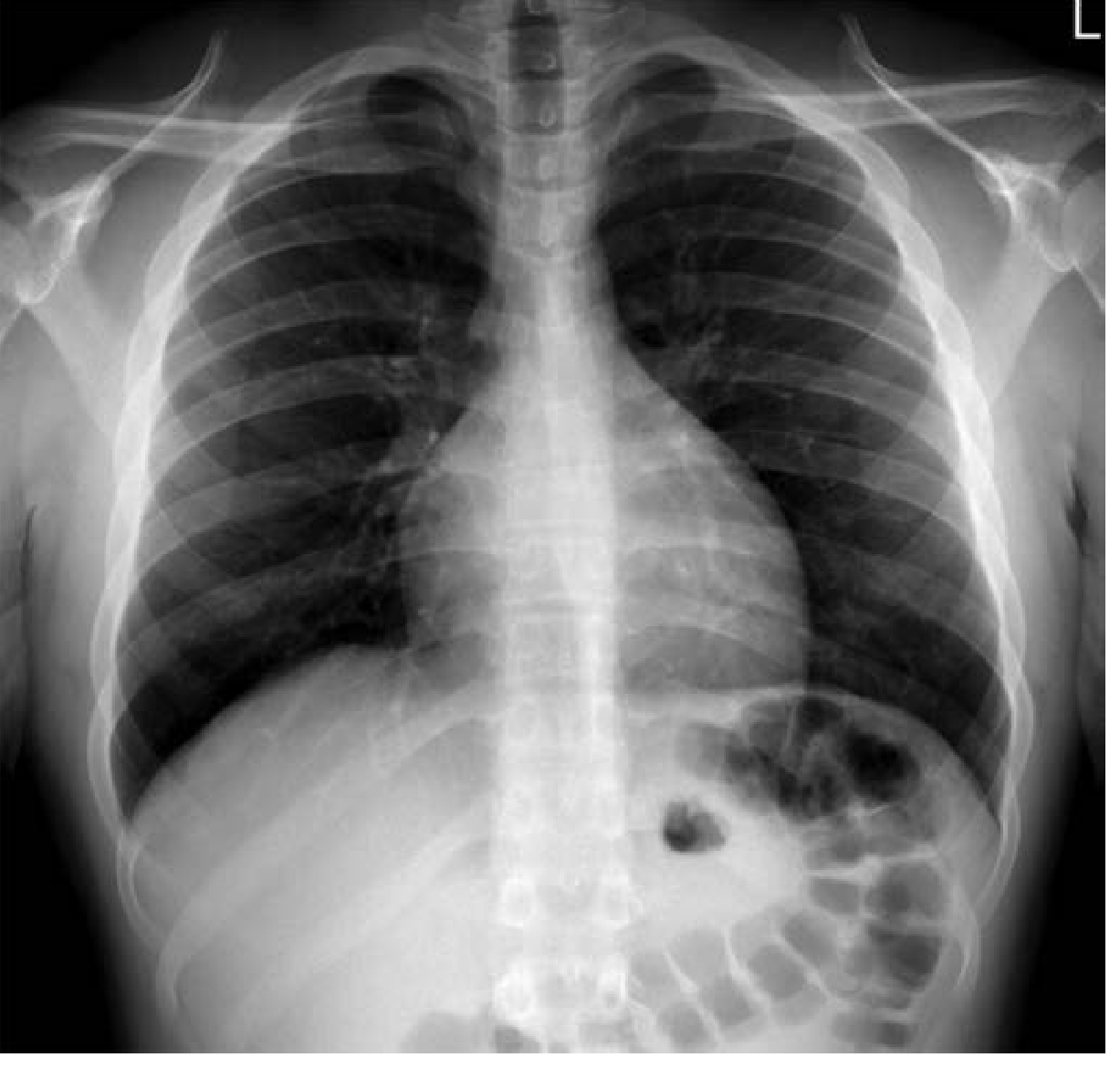
Kya dekhein: Dono phephray kaale (hawa se bhari), trachea seedhi beech mein, diaphragm ke upar sharp angle, dil ka size normal (CTR < 50%)
Source: Fishman's Pulmonary Diseases - Fig. 28-1 Normal PA Radiograph
2. Pneumonia (Nimoniya - Consolidation)
COVID-19 Pneumonia - Bilateral Consolidation
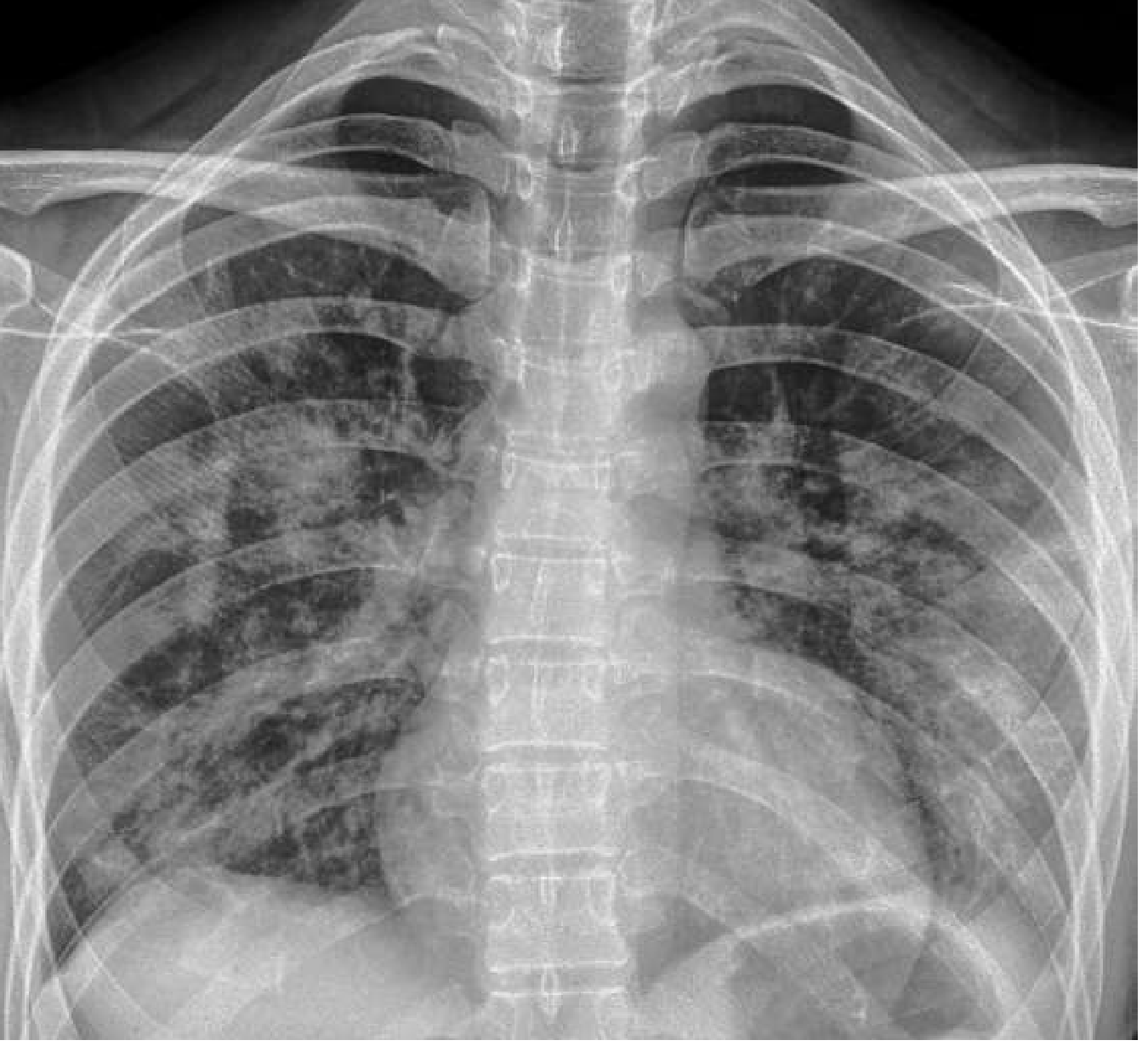
Kya dekhein: Dono phephron mein safed patchy areas (consolidation), irregular borders, bilateral opacities
Source: Goldman-Cecil Medicine - COVID-19 Pneumonia Chest Radiograph
Extensive Confluent Pneumonia
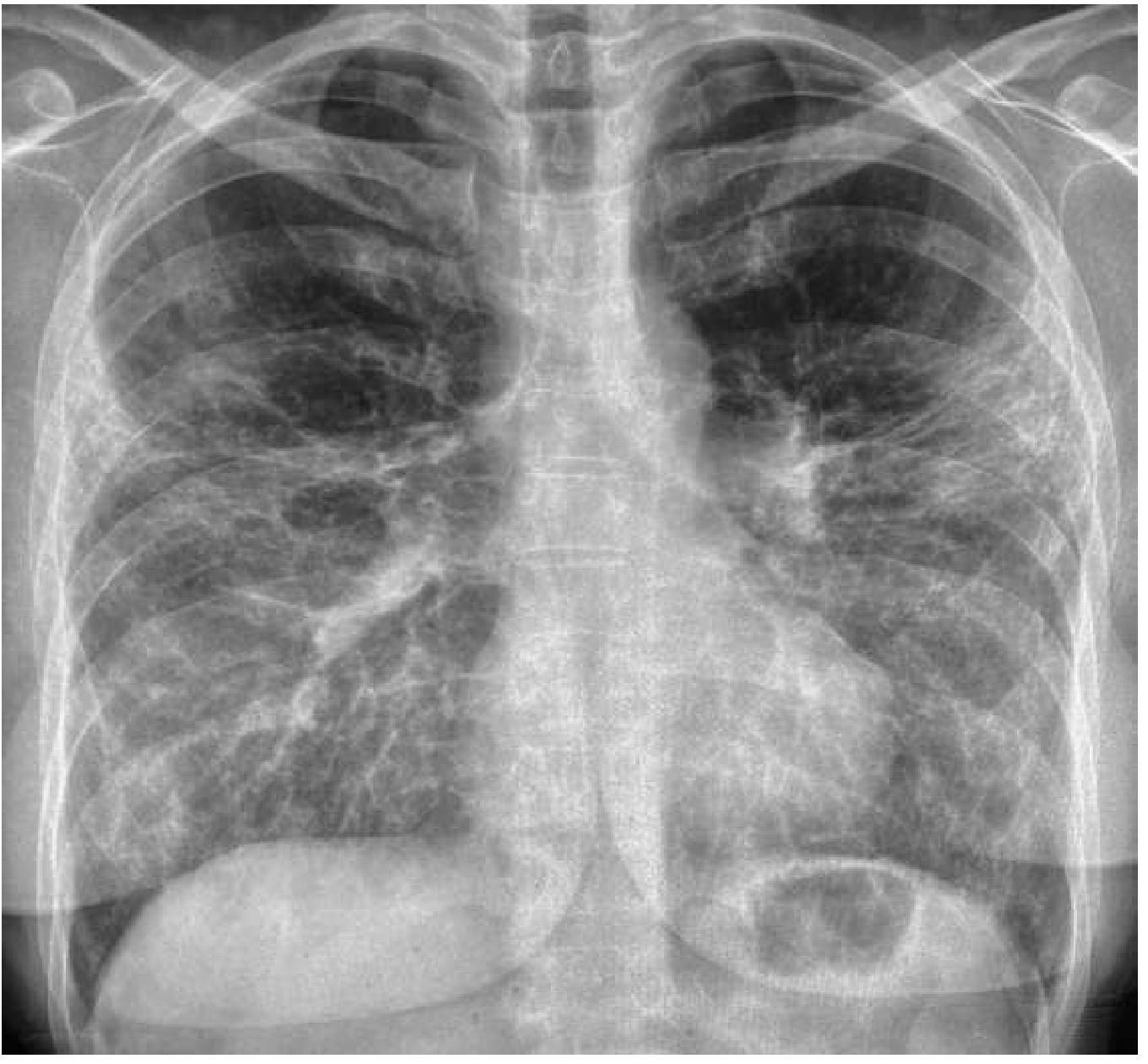
Kya dekhein: Bilateral extensive confluent ground-glass opacities aur heterogeneous consolidation - organizing phase pneumonia
Source: Goldman-Cecil Medicine - Fig. E-72-5
3. Pleural Effusion (Phephron ke bahar paani)
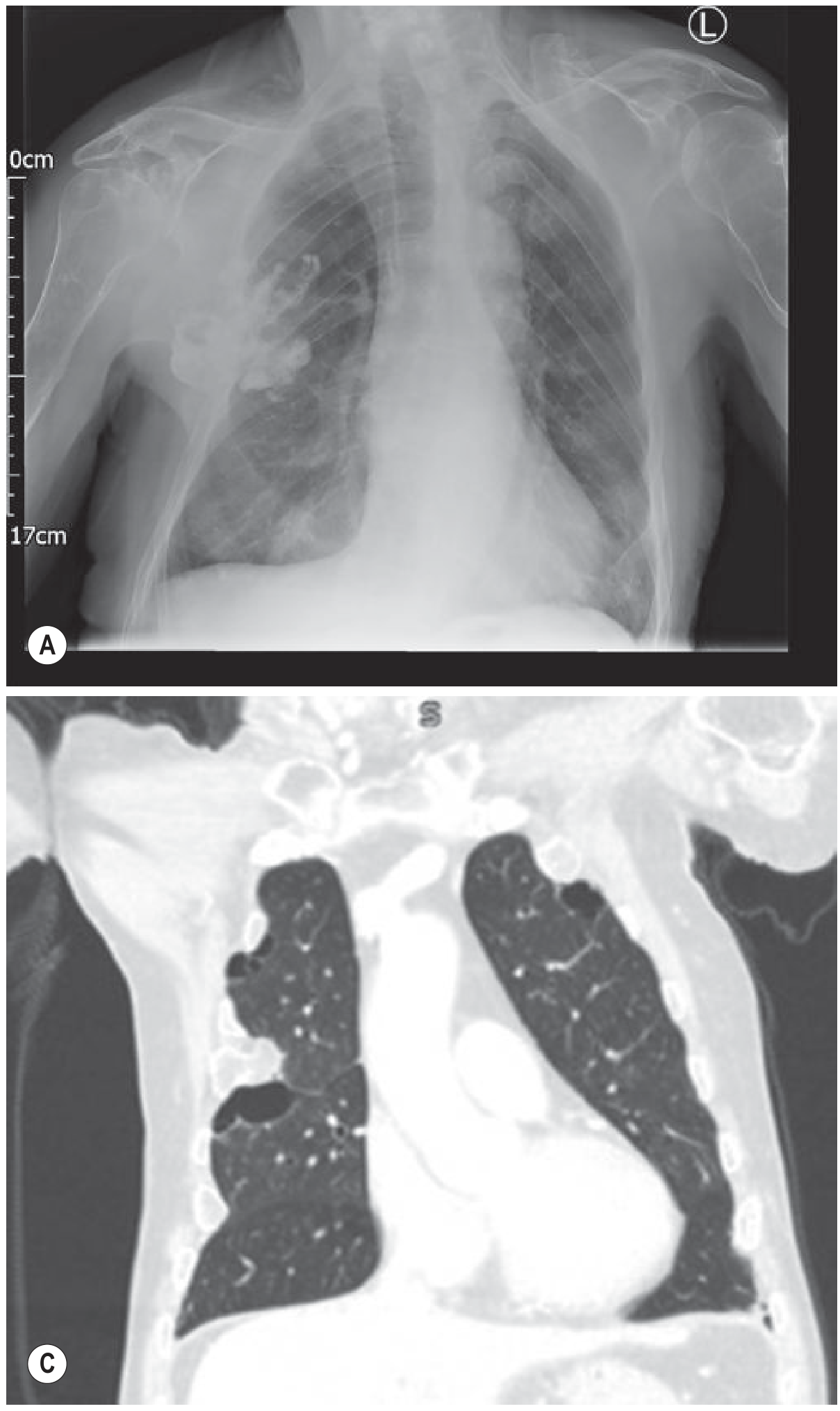
Kya dekhein:
- Neeche ki side safed opacification (paani)
- Costophrenic angle blunt ho gaya
- Upar ki taraf curved meniscus sign
- Right side pe bada effusion visible hai
Source: Grainger & Allison's Diagnostic Radiology - Pleural Effusion
4. Cardiomegaly (Bada Dil)
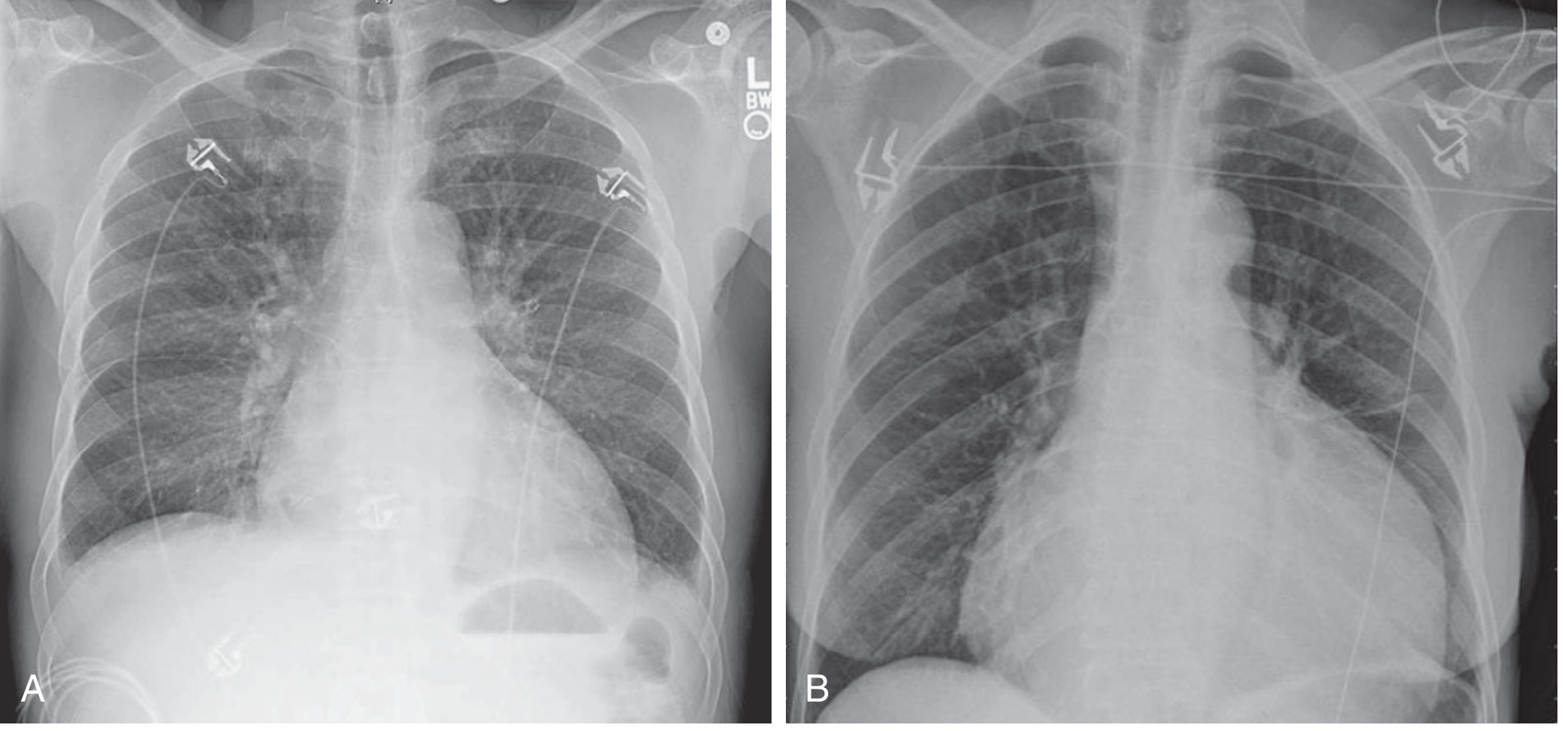
Kya dekhein:
- Image A (left): Dilated cardiomyopathy - dil bahut bara, chaaron chambers enlarged
- Image B (right): Pericardial effusion - dil ke gird paani, "flask/water bottle" shape
- Dono mein CTR > 50%
Source: Textbook of Clinical Echocardiography - Fig. 5.7 Enlarged Heart
5. Cardiogenic Pulmonary Edema (Dil ki wajah se phephron mein paani)
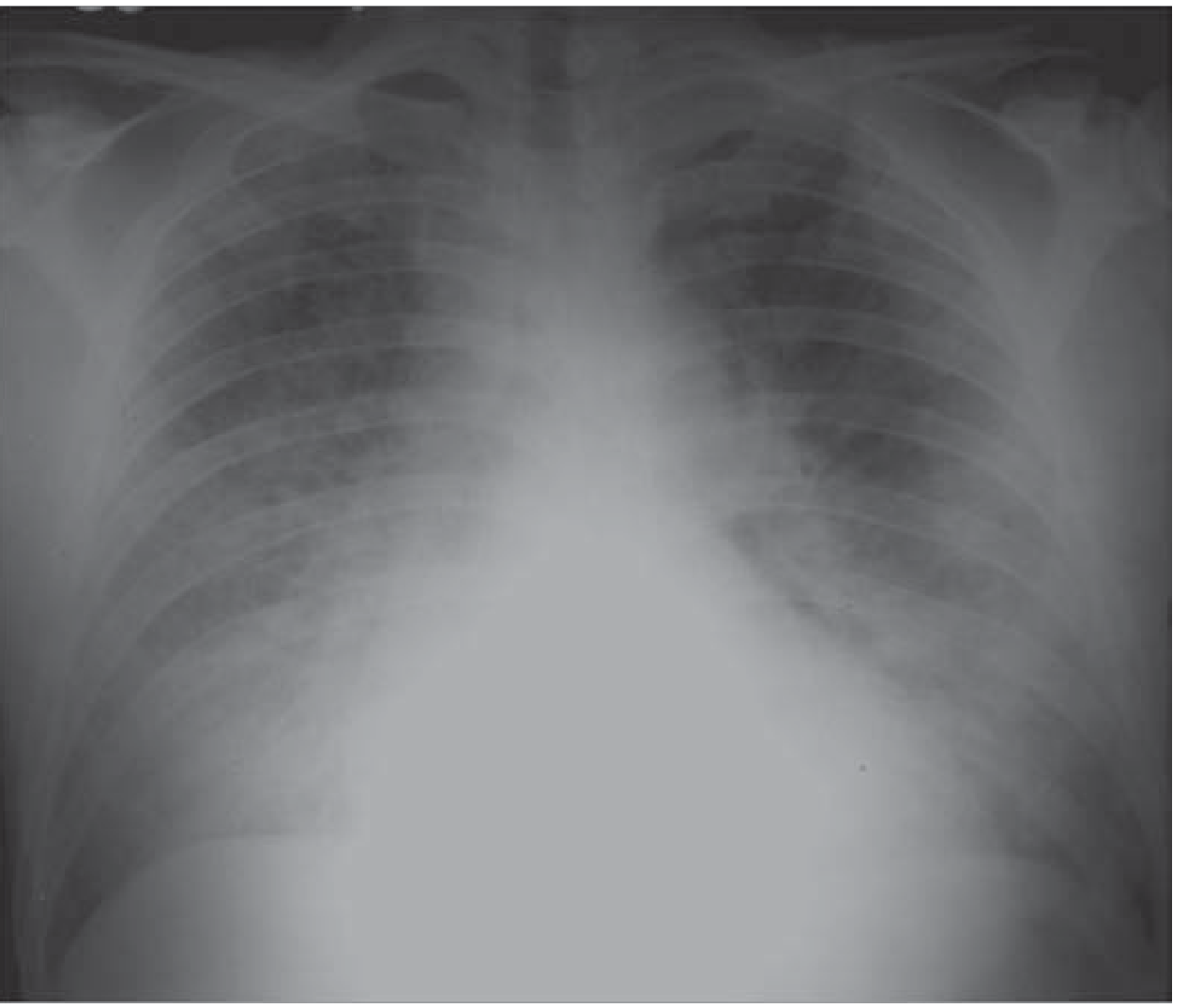
Kya dekhein:
- Bilateral basal (neeche) airspace opacities
- Cardiomegaly bhi present
- Symmetric aur diffuse safed patches
- Pleural effusion bhi ho sakta hai
Source: Fishman's Pulmonary Diseases - Cardiogenic Edema Pattern
6. Pneumothorax (Hawa phephre ke bahar)
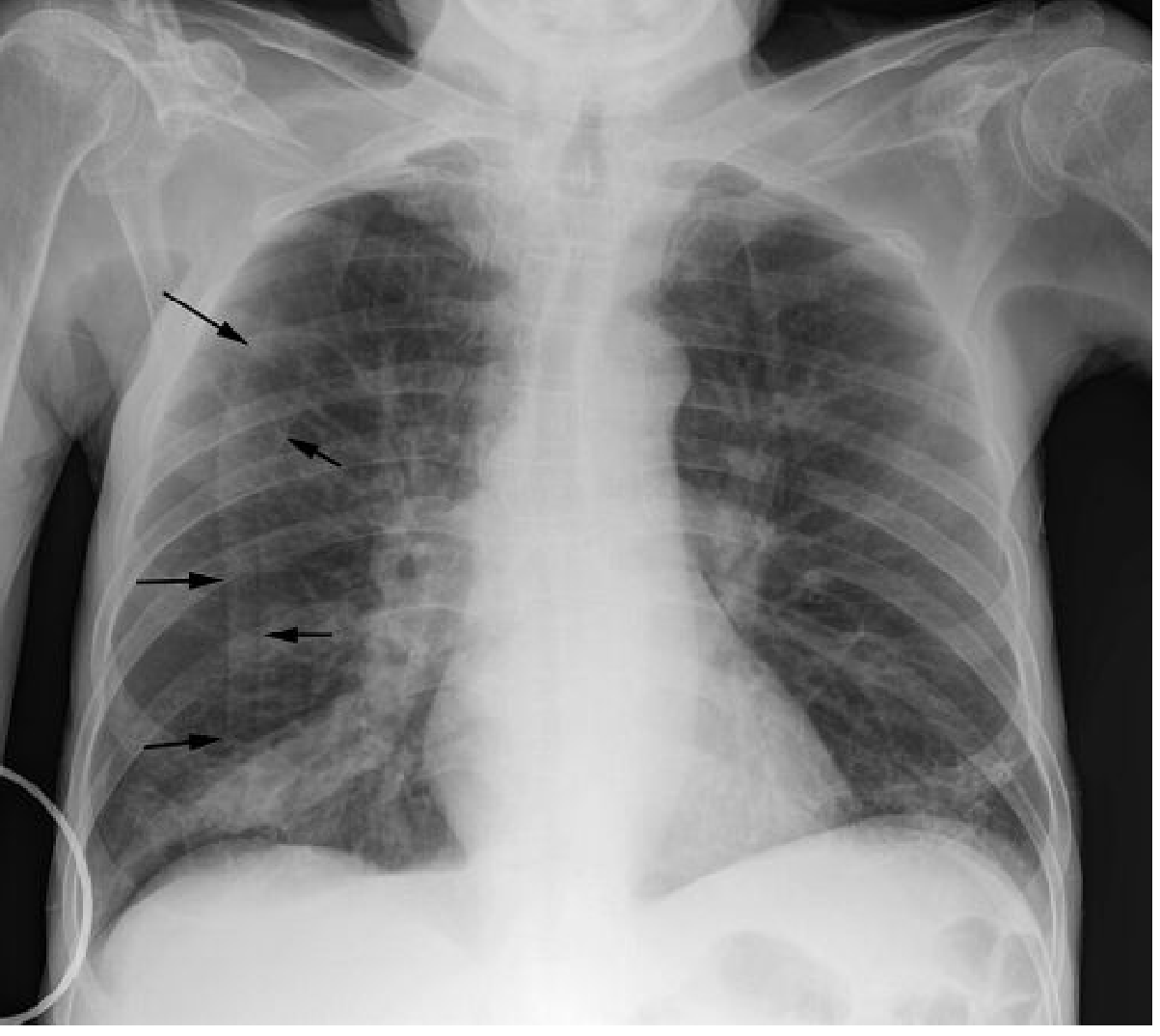
Kya dekhein (Right side pe arrows dikha rahe hain):
- Right side pe lung edge se bahar koi lung markings nahi (bilkul kala area)
- Visceral pleura ki thin line visible
- Arrows lung edge ko indicate kar rahe hain
- Left side normal hai comparison ke liye
Source: Grainger & Allison's Diagnostic Radiology - Fig. 3.18 Pneumothorax Signs
Quick Summary Table
| Condition | X-Ray Mein Kya Dikh'ta Hai |
|---|---|
| Normal | Kaale phephray, sharp angles, normal dil |
| Pneumonia | Safed patchy opacities, air bronchogram |
| Pleural Effusion | Neeche safed, blunt angle, meniscus |
| Cardiomegaly | Bada dil, CTR > 50% |
| Pulmonary Edema | Bilateral basal opacities + bada dil |
| Pneumothorax | Lung edge visible, bahar koi markings nahi |
Yeh tamam images real medical textbooks (Grainger & Allison's Radiology, Goldman-Cecil Medicine, Fishman's Pulmonary Diseases) se li gayi hain - yeh actual patient X-rays hain, illustrations nahi!
This is a shared conversation. Sign in to Orris to start your own chat.