
1) Cholera. Etiology, epidemiology. Features of pathogenesis. Cholera. Clinical presentation. Degrees of dehydration. Emergency therapy for dehydratic shock. Cholera. Diagnosis and differential diagnosis of cholera. Principles of treatment.
Cholera: Complete Review
PART 1: Etiology, Epidemiology, and Features of Pathogenesis
Etiology
- Serotypes (based on somatic O-antigens): Inaba, Ogawa, and Hikojima
- Biotypes: Classic and El Tor
- The Classic biotype caused the first six pandemics; it is now essentially extinct (confined to southern Bangladesh)
- The El Tor biotype causes the current (seventh) pandemic; it produces more asymptomatic infections than the classic biotype, but variants of El Tor ("hybrid") may cause more severe disease
- O139 serogroup: emerged in 1992, genetically close to El Tor O1; also has epidemic potential
Epidemiology
- Ingestion of water contaminated by human feces (most common)
- Contaminated food: leftover rice, raw fish, cooked crabs, seafood, raw oysters, fresh vegetables
- Person-to-person transmission is uncommon (large inoculum required), though household attack rates ~50% in endemic areas
- No animal reservoir
- Blood group O - highest risk of severe disease (especially with El Tor biotype)
- Achlorhydria (from H. pylori gastritis, PPI/H2-blocker use)
- Malnutrition, young children, migrants
- Source: Patients with cholera (especially mild/asymptomatic) contaminate water
- Cholera phages modulate the abundance of V. cholerae in the environment and may determine the beginning and end of epidemics
- Factors promoting spread: flooding, population displacement, disrupted water/sanitation systems
Pathogenesis
-
Ingestion and colonization: After surviving gastric acid, V. cholerae reaches the small intestine. TCP (toxin-coregulated pilus) is essential for intestinal colonization. TCP synthesis and CT production are co-regulated by ToxR, a membrane-spanning transcriptional activator that responds to environmental signals via a regulatory cascade. Quorum sensing (density-dependent bacterial signaling) also modulates virulence.
-
Cholera toxin structure: CT consists of:
- One A subunit (enzymatic moiety) - specifically the A1 peptide
- Five B subunits (pentameric binding moiety)
-
B subunit binding: The B pentamer binds with high affinity to GM1 ganglioside on the surface of intestinal epithelial cells - this is the toxin receptor. This binding delivers the A subunit into the cytosol.
-
A subunit action: The activated A1 subunit ADP-ribosylates the GTP-binding regulatory (Gs-alpha) protein of adenylate cyclase. This renders adenylate cyclase constitutively active, leading to massive intracellular accumulation of cyclic AMP (cAMP).
-
cAMP effects on epithelium:
- Inhibits absorptive Na⁺ transport in villus cells
- Activates secretory Cl⁻ transport in crypt cells
- Net result: accumulation of NaCl in the intestinal lumen; water follows passively to maintain osmolality → isotonic fluid floods the lumen
- When volume exceeds the colon's resorptive capacity, profuse watery diarrhea results
-
Additional mechanisms: CT also enhances secretion via prostaglandins and neural histamine receptors.
-
Consequences of fluid loss: Profound loss of isotonic fluid (up to 250 mL/kg/24h in severe cases) leads to:
- Hypovolemic shock (the primary cause of death)
- Metabolic acidosis (loss of bicarbonate in stool; cholera stool contains 44 mEq/L HCO₃⁻)
- Hypokalemia (stool K⁺ ~20 mEq/L)
- Prerenal azotemia, acute tubular necrosis
PART 2: Clinical Presentation, Degrees of Dehydration, Emergency Therapy for Dehydration Shock
Clinical Presentation
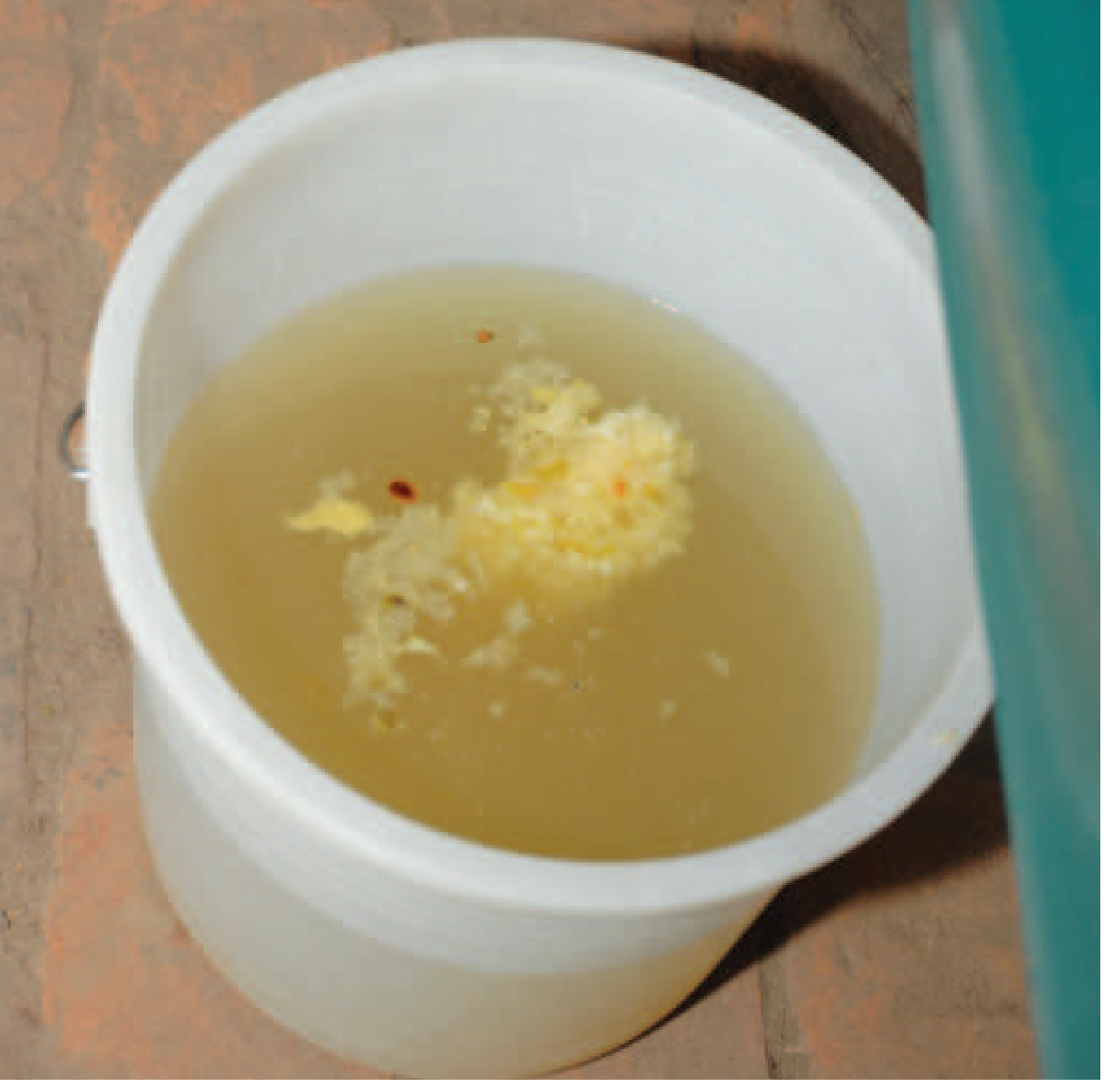
- Elevated hematocrit (hemoconcentration)
- Mild neutrophilic leukocytosis
- Elevated BUN and creatinine (prerenal azotemia)
- Normal Na⁺, K⁺, Cl⁻ initially (isotonic loss), but progressive hypokalemia
- Markedly reduced bicarbonate (<15 mmol/L)
- Elevated anion gap (from increased lactate, protein, phosphate)
- Arterial pH ~7.2 (metabolic acidosis)
Degrees of Dehydration
| Degree of Dehydration | Clinical Findings |
|---|---|
| None or Mild | Thirst in some cases; <5% loss of body weight |
| Moderate | Thirst, postural hypotension, weakness, tachycardia, decreased skin turgor, dry mouth/tongue, no tears; 5-10% loss of body weight |
| Severe | Unconsciousness, lethargy, or "floppiness"; weak or absent pulses; inability to drink; sunken eyes (sunken fontanelles in infants); wrinkled "washerwoman" skin; somnolence, coma; >10% loss of body weight |
- <5% loss: Thirst only
- 5-10%: Postural hypotension, weakness, tachycardia, decreased skin turgor
-
10%: Oliguria, weak/absent pulses, sunken eyes, wrinkled skin, somnolence, coma
Emergency Therapy for Dehydration (Hypovolemic) Shock
- Its electrolyte composition closely mirrors cholera stool: Na⁺ 130 mEq/L, Cl⁻ 109 mEq/L, K⁺ 4 mEq/L, lactate (bicarbonate equivalent) 28 mEq/L
| Solution | Na⁺ | Cl⁻ | K⁺ | HCO₃⁻ | Osmolarity |
|---|---|---|---|---|---|
| Cholera stool (adult, severe) | 130 | 100 | 20 | 44 | - |
| Lactated Ringer (IV) | 130 | 109 | 4 | 28* | 271 |
| Normal saline (IV) | 154 | 154 | 0 | 0 | 308 |
| WHO standard ORS | 90 | 80 | 20 | 10* | 311 |
| WHO reduced-osmolarity ORS | 75 | 65 | 20 | 10* | 245 |
- For severe dehydration/shock: IV fluids at 100 mL/kg total during the first 3-4 hours
- Infuse as rapidly as possible initially to restore intravascular volume
- Lactated Ringer preferred; normal saline acceptable if Ringer unavailable (but adds no bicarbonate/potassium)
- Add KCl supplementation separately (cholera stool loses ~20 mEq/L K⁺)
- Correct metabolic acidosis - usually corrects as volume is restored
- Replace ongoing stool losses volume-for-volume
- Transition to ORS (oral) as soon as patient can drink and is no longer in shock
- WHO reduced-osmolarity ORS (245 mOsm/L: Na 75, Cl 65, K 20, citrate 10, glucose 75 mmol/L) is the current standard - lower osmolarity reduces stool output and vomiting compared to earlier formulations
- Patients who cannot tolerate oral fluids
- Patients vomiting >10-20 mL/kg/hour
- All patients with severe dehydration/shock
PART 3: Diagnosis, Differential Diagnosis, and Principles of Treatment
Diagnosis
- Any patient ≥5 years presenting with acute watery diarrhea in a cholera-endemic or epidemic area
- Any patient with severe dehydration from acute watery diarrhea
- Any acute watery diarrhea death, even where cholera is not known
| Method | Details |
|---|---|
| Dark-field microscopy | Wet mount of fresh stool shows large numbers of bacteria with characteristic "darting" or "shooting-star" motility; specific antisera immobilize vibrios to confirm serotype |
| Culture | Selective media required: TCBS (thiosulfate-citrate-bile salts-sucrose) agar or TTG agar; V. cholerae grows as yellow colonies on TCBS (sucrose fermenter). Alkaline peptone water (pH 8.6) as enrichment medium. Cary-Blair transport medium for delayed processing |
| Biochemical | All vibrios are oxidase-positive; standard Enterobacteriaceae tests also work |
| PCR | Definitive; detects V. cholerae in stool and environmental samples; most sensitive |
| Rapid dipstick | Point-of-care antigen detection assays; useful in field settings; must be followed by confirmatory testing |
Differential Diagnosis
| Condition | Distinguishing Features |
|---|---|
| ETEC (enterotoxigenic E. coli) | Most common cause of traveler's diarrhea; similar mechanism (heat-labile toxin activates cAMP); usually milder; culture/PCR differentiates |
| Rotavirus | Primarily children; vomiting prominent; often low-grade fever; seasonal (winter in temperate climates) |
| Norovirus | Short incubation (12-48h); prominent vomiting; community outbreaks; self-limited |
| Cryptosporidiosis | Profuse watery diarrhea; immunocompromised (especially HIV); oocysts on stool microscopy |
| Other Vibrio spp. | V. parahaemolyticus: associated with raw seafood; watery or dysenteric; non-O1/O139 non-cholera vibrios don't produce CT, cause milder disease |
| Salmonella typhi | Systemic features (fever, rose spots, bradycardia); blood culture positive; different pattern |
| Shigella/EIEC | Dysentery (blood and mucus), fever, tenesmus - distinct from cholera's painless watery diarrhea |
| Acute intestinal obstruction | Surgical emergency; different presentation |
| Non-infectious causes | VIPoma, Zollinger-Ellison syndrome can produce profuse secretory diarrhea - but no epidemic context, no fever, no infective source |
Principles of Treatment
1. Rehydration (Primary and Non-Negotiable)
- Mild/no dehydration: ORS at 50-100 mL/kg over 4 hours + replace ongoing losses
- Moderate dehydration: ORS at 75-100 mL/kg over 4 hours orally
- Severe dehydration: IV Lactated Ringer at 100 mL/kg over 3-4 hours, then transition to ORS
2. Antimicrobials
- Shorten illness duration (from ~4-5 days to ~2 days)
- Reduce stool output (decreasing rehydration needs)
- Reduce vomiting
- Eradicate the organism from stool (decreasing transmission)
| Drug | Dose (Adult) | Notes |
|---|---|---|
| Doxycycline (1st choice) | 300 mg single dose | Drug of choice; single dose effective |
| Azithromycin | 1 g single dose | Preferred in pregnancy and children |
| Tetracycline | 500 mg QID × 3 days | Alternative |
| Erythromycin | Alternative | Used in pregnancy if azithromycin not available |
| Ciprofloxacin | 1 g single dose | Resistance increasing in some regions; use with caution |
3. Supportive Care
- Correct hypokalemia (add KCl to IV fluids or supplement ORS)
- Correct metabolic acidosis (restored with adequate fluid resuscitation)
- Monitor urine output (target >0.5 mL/kg/hr)
- Avoid anti-motility agents (they impede toxin clearance)
- Zinc supplementation in children
- Continue feeding as soon as patient tolerates it (rice-based ORS or food-based ORS may be beneficial)
4. Prevention and Control
- Safe water supply and sanitation (primary)
- Oral cholera vaccines (OCV): Two WHO-prequalified killed whole-cell oral vaccines (Shanchol, Euvichol-Plus) - recommended in endemic settings and outbreaks; 2-dose schedule; protective for ~3 years
- Boiling water, chlorination
- Food hygiene
- Surveillance and outbreak reporting
- Isolation of patients with standard enteric precautions
- Cholera is caused by V. cholerae O1 (El Tor biotype) or O139, producing cholera toxin that cAMP-mediated secretory diarrhea
- Pathogenesis: CT B-subunit binds GM1 ganglioside → A1 subunit ADP-ribosylates Gs-alpha → constitutive adenylate cyclase → high cAMP → inhibit villus absorption + stimulate crypt secretion → massive isotonic fluid loss
- Clinical hallmark: sudden-onset painless, profuse, rice-water diarrhea without fever
- Death is from hypovolemic shock - prompt rehydration reduces mortality from >50% to <1%
- Emergency treatment: IV Lactated Ringer 100 mL/kg over 3-4 hours for severe cases
- Antibiotics (doxycycline/azithromycin) shorten illness but rehydration is primary
- Diagnosis: dark-field microscopy, TCBS culture, PCR, or rapid dipstick
Malaria. Etiology. Epidemiology. Risk groups.Malaria. Life cycle of the malaria parasite. Features of the asexual phase of development of the causative agents of different forms of malaria. Origin of febrile paroxysm. Malaria. Prevention. Pathogenesis of relapses in malaria. Complications of malaria. Malaria. Diagnosis of malaria. Treatment of different forms of malaria (indicate drug groups and main representatives).
Malaria: Complete Review
PART 1: Etiology, Epidemiology, Risk Groups, Life Cycle, Asexual Phase Features, and Febrile Paroxysm
Etiology
| Species | Disease | RBC Preference | Cycle | Features |
|---|---|---|---|---|
| P. falciparum | Malignant tertian malaria | All ages (no preference) | 48 h | Most dangerous; cytoadherence; no hypnozoites |
| P. vivax | Benign tertian malaria | Young RBCs (reticulocytes) | 48 h | Hypnozoites → relapses; Duffy antigen required |
| P. ovale | Benign tertian malaria | Young RBCs | 48 h | Hypnozoites → relapses; two species: curtisi and wallikeri |
| P. malariae | Quartan malaria | Old RBCs | 72 h | No hypnozoites; long-term recrudescence; nephrotic syndrome |
| P. knowlesi | Quotidian malaria | All ages | 24 h | Monkey parasite; Southeast Asia; can cause severe disease |
| P. simium / P. cynomolgi | Rare | - | - | Zoonotic; South America and Southeast Asia respectively |
Epidemiology
- P. falciparum predominates in: sub-Saharan Africa, New Guinea, Hispaniola (Haiti/Dominican Republic)
- P. vivax is more common in: Central and South America, most of Asia, Horn of Africa
- P. malariae: found in most endemic areas, especially sub-Saharan Africa
- P. ovale: mainly Africa, uncommon elsewhere
- P. knowlesi: Southeast Asia only (Malaysia, Indonesia, Philippines)
- Peak transmission during the rainy season and in warm months
- Mosquito breeding requires stagnant water and temperatures 20-30°C
- Altitude limits transmission (>2000 m is generally malaria-free)
- Submicroscopic asymptomatic infections can reach 10-15% of the population in endemic areas
Risk Groups
- Children <5 years in endemic areas (most deaths occur in this group - ~80% of fatalities)
- Pregnant women (especially primigravidae): severe anemia, low birth weight, fetal loss, pulmonary edema
- Non-immune travelers from non-endemic countries visiting endemic regions
- People with HIV/AIDS and malnourished individuals: more severe disease
- Asplenic patients: extremely high risk of severe, rapidly fatal malaria
- Persons with sickle-cell disease or thalassemia: partial protection (heterozygotes) but still susceptible
- Persons lacking Duffy antigen (common in West Africans): naturally resistant to P. vivax (Duffy antigen is its RBC receptor)
- Blood group O: paradoxically, at greater risk of severe P. falciparum disease (El Tor effect also seen here)
- Immunocompromised patients (transplant recipients, on steroids)
- People with iron deficiency: some protection (iron-restricted RBCs are less hospitable to parasites)
Life Cycle of the Malaria Parasite
A. In the Human Host (Asexual Phase)
- A female Anopheles mosquito injects sporozoites from her salivary glands during a blood meal
- Sporozoites travel via the bloodstream to the liver within minutes
- They invade hepatic parenchymal cells and undergo intrahepatic (pre-erythrocytic) schizogony
- A single sporozoite produces 10,000 to >30,000 daughter merozoites (massive amplification)
- The infected hepatocytes swell into hepatic schizonts, then burst, releasing merozoites into the bloodstream
- Duration: ~5-7 days (P. falciparum); ~8 days (P. vivax); ~9 days (P. ovale); ~13-16 days (P. malariae)
- A proportion of intrahepatic forms do not divide immediately but enter a dormant state as hypnozoites
- They remain inert in hepatocytes for weeks to months to >1 year before reactivating
- This is the cause of relapse in vivax and ovale malaria (see Part 2)
- Merozoites invade red blood cells (RBCs) and become ring-form trophozoites
- Trophozoites enlarge, consuming ~2/3 of the hemoglobin; hemozoin (malaria pigment) forms as toxic heme is detoxified by crystallization
- The parasite grows to occupy most of the RBC and becomes a schizont (multiple nuclear divisions = schizogony/merogony)
- The infected RBC ruptures, releasing 6-30 daughter merozoites per schizont, each capable of invading new RBCs
- Each erythrocytic cycle multiplies parasites 6- to 20-fold
- Some blood-stage parasites develop into sexual forms: gametocytes (female > male, ratio ~4:1)
- In P. falciparum, several asexual cycles precede the switch to gametocytes
- Immature P. falciparum gametocytes (stage I-IV) are sequestered in bone marrow, spleen, and brain; only stage V gametocytes circulate
B. In the Mosquito (Sexual Phase - Sporogony)
- A female Anopheles ingests gametocytes during a blood meal
- The male gametocyte exflagellates → 8 motile male gametes
- Male gamete fuses with female gametocyte → zygote (sexual division/meiosis) in the midgut
- Zygote matures into an ookinete, which penetrates the mosquito gut wall
- Ookinete forms an oocyst, which expands by asexual division → releases thousands of sporozoites
- Sporozoites migrate via hemolymph to the salivary glands, ready for injection
- Duration (extrinsic incubation period): 8-30 days depending on temperature and species
Features of the Asexual Phase in Different Forms of Malaria
| Feature | P. falciparum | P. vivax | P. ovale | P. malariae | P. knowlesi |
|---|---|---|---|---|---|
| Fever cycle | Irregular → tertian (48h) | Tertian (48h) | Tertian (48h) | Quartan (72h) | Quotidian (24h) |
| RBC preference | All ages | Young (reticulocytes) | Young (reticulocytes) | Old RBCs | All ages |
| RBC enlargement | No (normal/shrinks) | Yes (Schüffner's dots) | Yes, oval shape (Schüffner's dots) | No | No |
| Max parasitemia | Very high (>5-10%) | <2% | <2% | <2% | Can be very high |
| Merozoites per schizont | 8-24 | 12-24 | 4-16 | 6-12 | 10-16 |
| Hypnozoites | No | Yes | Yes | No | No |
| Sequestration | Yes (cytoadherence via PfEMP1) | No | No | No | No (but can sequester in lungs) |
| Distinctive morphology | Ring forms only in peripheral blood; banana-shaped gametocytes | Ameboid trophozoites; Schüffner's dots; large infected RBCs | Oval/fimbriated RBCs; Schüffner's dots | "Band form" trophozoites; Ziemann's stippling | Similar to P. vivax but smaller RBCs |
- Cytoadherence: Parasitized RBCs express PfEMP1 (P. falciparum erythrocyte membrane protein 1) via "knobs" on the RBC surface 12-15h after invasion
- PfEMP1 mediates adherence to vascular endothelium (ICAM-1 and endothelial protein C receptor in the brain; CD36 in most other organs; chondroitin sulfate A via VAR2CSA in the placenta)
- This causes sequestration of infected RBCs in capillaries and venules of vital organs, particularly the brain, leading to microcirculatory obstruction
- Sequestration keeps mature-stage parasites out of the spleen (evading immune clearance), so only young ring forms appear in peripheral blood - peripheral parasitemia underestimates true parasite burden
- Rosetting (infected RBCs adhering to uninfected RBCs) and agglutination (infected RBCs adhering to each other) worsen microvascular obstruction
Origin of the Febrile Paroxysm
- Schizont-infected RBCs rupture synchronously at the end of each erythrocytic cycle
- Rupture releases merozoites, hemozoin (malaria pigment), parasitic metabolic products, and remnants of the destroyed RBCs into the bloodstream
- These materials activate monocytes/macrophages, triggering release of proinflammatory cytokines: TNF-α, IL-1, IL-6, IL-8, and others
- These cytokines act on the hypothalamic thermoregulatory center, causing fever
- Temperatures ≥40°C (≥104°F) damage mature parasites, further synchronizing the parasitic cycle, producing the characteristic regular fever pattern
- Cold stage (rigor/shaking chill): Sudden onset, intense shivering, temperature rising rapidly; lasts 15-60 minutes
- Hot stage: Intense fever (40-41°C or higher), headache, nausea, vomiting, delirium; lasts 2-6 hours
- Sweating stage: Profuse diaphoresis, rapid defervescence, exhaustion, patient feels temporarily better
- Tertian (every 48h, i.e., on days 1, 3, 5...): P. falciparum, P. vivax, P. ovale
- Quartan (every 72h, i.e., days 1, 4, 7...): P. malariae
- Quotidian (daily): P. knowlesi
- P. falciparum is often irregular initially, before synchronization is established
PART 2: Prevention, Pathogenesis of Relapses, and Complications
Prevention
Personal Protection Measures
- Insect repellents: DEET (diethyltoluamide)-containing repellents applied to exposed skin
- Permethrin-impregnated bed nets (LLINs): Long-lasting insecticidal nets - most effective and cost-effective intervention for endemic areas
- Protective clothing: Long sleeves and trousers at dusk/dawn when mosquitoes are most active
- Screened windows and air conditioning
- Indoor residual spraying (IRS) with insecticides
Chemoprophylaxis
| Drug | Indication/Region | Dosing |
|---|---|---|
| Atovaquone-proguanil (Malarone) | All regions including chloroquine-resistant areas | 1 tablet daily, start 1-2 days before, continue 7 days after return |
| Mefloquine | Chloroquine-resistant areas | Weekly; start 2-3 weeks before, continue 4 weeks after |
| Doxycycline | High-resistance areas (SE Asia) | Daily; start 1-2 days before, continue 4 weeks after |
| Chloroquine | Chloroquine-sensitive areas only (limited regions) | Weekly; start 1-2 weeks before, continue 4 weeks after |
| Primaquine | Terminal prophylaxis for P. vivax/P. ovale (eradicates hypnozoites); also causal prophylaxis | Requires G6PD testing first |
| Tafenoquine | Prevention of relapse (P. vivax) | Single dose; requires G6PD testing |
- RTS,S/AS01 (Mosquirix): First licensed malaria vaccine; targets P. falciparum circumsporozoite protein; recommended by WHO for children in sub-Saharan Africa; ~36-56% efficacy at 4 doses
- R21/Matrix-M: Newer, higher-efficacy (~77%) recombinant vaccine approved in several countries
Community-Level Prevention
- Environmental management: draining stagnant water, larviciding
- Surveillance, early diagnosis and treatment
- Intermittent preventive treatment in pregnancy (IPTp) with sulfadoxine-pyrimethamine
Pathogenesis of Relapses in Malaria
| Term | Mechanism | Species |
|---|---|---|
| Relapse | Reactivation of dormant hypnozoites in the liver | P. vivax, P. ovale only |
| Recrudescence | Re-emergence of blood-stage parasites after inadequate treatment | All species, especially P. malariae |
| Reinfection | New infection by mosquito bite | All species in endemic areas |
Relapse (Vivax/Ovale Malaria)
- During the initial infection, some sporozoites in the liver do not proceed to immediate schizogony but instead enter a dormant state as hypnozoites (Greek: hypnos = sleep)
- Hypnozoites may persist for months to years in hepatocytes
- Triggers for reactivation are incompletely understood but include fever from intercurrent infection, immunosuppression, and physiological stress
- Upon reactivation, hypnozoites resume development → hepatic schizogony → merozoite release → new blood-stage infection → clinical relapse
- Relapse intervals:
- P. vivax (temperate strains): long incubation variant - initial attack may be delayed up to 6-12 months, then relapse
- P. vivax (tropical strains): relapses every 3-4 weeks
- P. ovale: usually 1-4 months, up to 4 years reported
- Blood-stage antimalarials (e.g., chloroquine) treat the erythrocytic phase but do not eliminate hypnozoites - hence relapse still occurs after chloroquine monotherapy
- Only 8-aminoquinolines (primaquine, tafenoquine) kill hypnozoites ("radical cure")
Complications of Malaria
WHO Criteria for Severe P. falciparum Malaria:
| Complication | Criteria/Features |
|---|---|
| Cerebral malaria | Unarousable coma (GCS <11; Blantyre <3 in children); diffuse symmetric encephalopathy; no focal signs; convulsions (10% of adults, up to 50% of children); retinal hemorrhages (30-40% with indirect ophthalmoscopy); mortality 15-20% even with treatment |
| Severe normochromic normocytic anemia | Hematocrit <15%; multiple mechanisms: RBC destruction, dyserythropoiesis, immune-mediated hemolysis |
| Renal failure | Serum creatinine >265 μmol/L or urine output <0.4 mL/kg/h; "blackwater fever" (massive hemoglobinuria) is a rare severe form |
| Pulmonary edema / ARDS | Respiratory distress with pulmonary infiltrates; may develop even after treatment begins; high mortality |
| Hypoglycemia | Blood glucose <2.2 mmol/L; from increased glucose consumption by parasites, impaired gluconeogenesis, and quinine/quinidine-stimulated insulin release; especially common in pregnant women and children |
| Metabolic acidosis | Arterial pH <7.25; bicarbonate <15 mmol/L; lactate ≥5 mmol/L; manifests as labored deep breathing ("Kussmaul respiration"); major cause of death |
| Circulatory collapse/shock | Systolic BP <70 mmHg; "algid malaria"; may have concurrent Gram-negative bacteremia (Salmonella spp. associated with P. falciparum) |
| Abnormal bleeding / DIC | Significant bleeding from gums, nose, GI tract; rarely DIC; thrombocytopenia universal |
| Hyperparasitemia | >5% infected RBCs (some define severe as >2%); mortality rises steeply |
| Hyperpyrexia | Core temperature >40°C (>104°F) |
| Impaired consciousness | Obtundation, delirium, prostration, inability to sit unsupported |
- Anemia: most common in children; also in pregnant women
- Convulsions: very frequent in children
- Hypoglycemia: very frequent in pregnant women and children
- Jaundice + renal failure: very frequent in adults
- Pulmonary edema: frequent in adults and pregnant women
- ~10% have residual deficits: hemiplegia, cerebral palsy, cortical blindness, deafness, cognitive impairment
- Most improve within 6 months, but language deficits, epilepsy, and learning difficulties may persist
- Splenomegaly (progressive in chronic malaria → hypersplenism; "tropical splenomegaly syndrome")
- Blackwater fever (P. falciparum): massive intravascular hemolysis with hemoglobinuria (dark red-black urine) and acute renal failure; associated with quinine use
- Malaria nephropathy (P. malariae): immune-complex-mediated nephrotic syndrome (quartan nephropathy) - deposition of parasite antigens in glomeruli
- Placental malaria: sequestration of parasitized RBCs in placenta → low birth weight, premature delivery
- Congenital malaria (<5% of neonates of infected mothers)
- Rupture of spleen (rare, but catastrophic)
- Malarial hepatopathy
- Aspiration pneumonia (from seizures in comatose patients)
PART 3: Diagnosis and Treatment
Diagnosis of Malaria
1. Microscopy (Gold Standard)
- More sensitive - concentrates parasites; used to detect infection and quantify parasitemia
- Dehaemoglobinized - allows visualization of parasites free of RBC stroma
- Can detect as few as 5-10 parasites/μL
- Less species-specific than thin film
- Better for species identification - RBC morphology preserved, allowing identification of inclusions (Schüffner's dots, Maurer's clefts, size changes)
- Useful for estimating % parasitemia
| Feature | P. falciparum | P. vivax | P. ovale | P. malariae |
|---|---|---|---|---|
| RBC size | Normal or small | Enlarged | Enlarged, oval | Normal |
| Inclusions | Maurer's clefts | Schüffner's dots | Schüffner's dots | Ziemann's stippling |
| Trophozoite | Delicate ring; double chromatin dots; multiple rings/cell; appliqué position | Ameboid, irregular | Compact, rounded | Band form (across RBC) |
| Gametocyte | Banana/crescent shaped | Round/oval | Round/oval | Round |
| Stages in peripheral blood | Ring forms only (mature forms sequestered) | All stages | All stages | All stages |
| Multiple infections/cell | Common | Rare | Rare | Rare |
2. Rapid Diagnostic Tests (RDTs)
- Detect parasite antigens in blood: HRP2 (P. falciparum-specific), pLDH (pan-specific), aldolase
- Results in 15-20 minutes
- Sensitivity ~95% for P. falciparum at clinically significant parasitemia levels; lower for non-falciparum species
- Can be false negative at very low parasitemia and false positive (HRP2-based) if antigen persists after treatment
- WHO recommends RDTs where microscopy unavailable; should not replace microscopy for species ID and parasitemia quantification when possible
3. PCR (Molecular Diagnosis)
- Most sensitive (~1000x more sensitive than microscopy)
- Useful for: low-density infections, mixed infections, species confirmation, antimalarial resistance genotyping
- Too slow and technically demanding for routine acute care; used in reference labs and epidemiological surveys
4. Serologic Methods
- Indirect fluorescent antibody (IFA) and ELISA
- Useful for blood donor screening and epidemiologic studies
- No role in acute illness (detects past exposure, not current infection)
5. Laboratory Findings in Acute Malaria
- Thrombocytopenia (platelet count ~10⁵/μL): almost universal in malaria; a normal platelet count makes malaria unlikely
- Normochromic normocytic anemia; elevated reticulocyte count
- Leukocyte count generally normal (leukocytosis in very severe disease)
- Monocytosis, lymphopenia, eosinopenia
- Elevated ESR, CRP, acute phase proteins
- Severe malaria: metabolic acidosis (low glucose, Na, HCO₃, PO₄, albumin), elevated lactate, BUN, creatinine, urate, LFTs, unconjugated bilirubin
- CSF in cerebral malaria: opening pressure ~160 mmH₂O; usually normal or slight elevation of protein (<1.0 g/L) and cells (<20/μL) - helps differentiate from meningitis
Treatment of Different Forms of Malaria
Principle: Treatment must be urgent - malaria can be rapidly fatal.
I. Uncomplicated P. falciparum Malaria (or Unknown Species in Endemic Areas)
| ACT Regimen | Notes |
|---|---|
| Artemether-lumefantrine (Coartem) | Most widely used; preferred in first trimester pregnancy |
| Artesunate-mefloquine | SE Asia; GI tolerability issues |
| Dihydroartemisinin-piperaquine (DHA-PPQ) | Once daily; good tolerability |
| Artesunate-amodiaquine | Africa; watch for CNS effects |
| Artesunate-sulfadoxine-pyrimethamine | Africa where SP still effective |
| Artesunate-pyronaridine | Newer combination |
- Atovaquone-proguanil (20/8 mg/kg/day × 3 days): highly effective everywhere; expensive; not for prophylaxis of same patient
- Characterized by slow parasite clearance (half-life >5h, clearance time >3 days)
- Pfkelch13 mutations are molecular marker
- Triple combinations under evaluation
II. Severe P. falciparum Malaria (Medical Emergency)
- Artesunate: 12.4 mg/kg IV stat, then 2.4 mg/kg at 12h and 24h, then daily if needed
- For children <20 kg: 3 mg/kg per dose
- Transition to oral ACT as soon as patient can swallow
- Artemether: 3.2 mg/kg IM stat, then 1.6 mg/kg/day (erratic IM absorption - less preferred)
- Quinine dihydrochloride: 20 mg salt/kg IV over 4h, then 10 mg salt/kg over 2-8h every 8h (requires cardiac monitoring - QT prolongation; hypoglycemia from insulin stimulation)
- In artemisinin-resistance areas: give artesunate + quinine together at full doses
- Antipyretics (paracetamol/acetaminophen) - do NOT use aspirin/NSAIDs (platelet dysfunction, GI bleeding)
- Management of hypoglycemia (IV glucose)
- Seizure management (benzodiazepines)
- Careful fluid balance (risk of ARDS from aggressive fluids)
- Renal replacement therapy for acute kidney injury
- No corticosteroids in cerebral malaria (shown to be harmful)
- Transfusion for severe anemia (Hct <15-20%)
- Treat concurrent bacterial infection empirically
III. Uncomplicated P. vivax and P. ovale Malaria
- Chloroquine: 25 mg base/kg total (10 mg/kg day 1, 10 mg/kg day 2, 5 mg/kg day 3) - still effective for vivax in most areas, EXCEPT chloroquine-resistant P. vivax (Papua New Guinea, Indonesia, parts of South America and SE Asia → use ACT instead)
- Or: any ACT regimen (effective for vivax/ovale)
- Primaquine: 0.25-0.5 mg base/kg/day × 14 days
- Must test for G6PD deficiency first
- G6PD-deficient patients: may use 0.75 mg/kg once weekly × 8 weeks (lower hemolytic risk)
- Contraindicated in pregnancy (use weekly chloroquine throughout pregnancy, then primaquine postpartum)
- Tafenoquine: Single dose 300 mg (adults); requires G6PD testing; not for children <16 years
IV. P. malariae Malaria
- Chloroquine alone (25 mg base/kg total); no hypnozoites, so no primaquine needed
- No radical cure required; but long-term low-level recrudescence can occur
V. P. knowlesi Malaria
- Treat as P. falciparum (same potential for severe disease and rapidly increasing parasitemia due to 24-h cycle)
- ACT or chloroquine (if mild, as knowlesi remains chloroquine-sensitive) - use ACT to be safe
VI. Drug Groups Summary
| Drug Group | Main Drugs | Mechanism | Use |
|---|---|---|---|
| Artemisinins | Artesunate, artemether, dihydroartemisinin | Free radical generation from endoperoxide bridge; broad-stage schizontocidal | First-line (uncomplicated + severe); fastest parasite clearance |
| Aminoquinolines | Chloroquine, amodiaquine, piperaquine | Inhibit heme detoxification → hemozoin block → toxic heme accumulates | Blood-stage schizontocides; chloroquine resistance widespread in P. falciparum |
| Quinoline-methanols | Quinine, quinidine, mefloquine | Similar to chloroquine; also inhibit parasite protein synthesis | Quinine for severe malaria backup; mefloquine in ACT |
| 8-Aminoquinolines | Primaquine, tafenoquine | Oxidative stress; active against hypnozoites and gametocytes | Radical cure (P. vivax/ovale); gametocytocide; causal prophylaxis |
| Antifolates | Sulfadoxine-pyrimethamine, proguanil | Inhibit dihydropteroate synthase and dihydrofolate reductase (sequential block) | Proguanil in atovaquone combination; SP in ACT (Africa); IPTp in pregnancy |
| Hydroxynaphthoquinone | Atovaquone | Inhibits mitochondrial electron transport (cytochrome bc1 complex) | In combination with proguanil (Malarone) for prophylaxis and treatment |
| Tetracyclines | Doxycycline, tetracycline | Inhibit apicoplast translation | Second-line in combination; not in pregnancy or children <8 years |
| Lincosamides | Clindamycin | Inhibit apicoplast translation | Used with quinine in pregnancy/children |
- 6 species cause human malaria; P. falciparum is most lethal; P. vivax/ovale have hypnozoites causing relapse
- Febrile paroxysm: synchronous schizont rupture → cytokine storm (TNF-α, IL-1, IL-6) → hypothalamic fever response
- Relapse (P. vivax/ovale): reactivation of dormant hepatic hypnozoites; treated with primaquine/tafenoquine (radical cure)
- Severity of P. falciparum: cytoadherence via PfEMP1 → sequestration in brain, placenta, other organs → cerebral malaria, ARDS, renal failure
- Diagnosis: thick + thin blood films remain gold standard; RDTs for field use; PCR most sensitive
- Thrombocytopenia is near-universal in malaria
- First-line treatment: ACT for uncomplicated falciparum; IV artesunate for severe malaria; chloroquine + primaquine for sensitive vivax/ovale
Viral hepatitis A and E. Etiology, epidemiology. Clinical classification. Clinical presentation of various forms. Diagnosis. Treatment