
pharangitis
Reading File
Now let me search the medical library and PubMed in parallel.
Finding Sources
Searching PubMed
pharyngitis diagnosis treatment
Good results. Now let me read the most comprehensive sources in parallel - Goldman-Cecil and Tintinalli's.
Reading File
Reading File
Let me read more from Tintinalli's (management section) and Goldman-Cecil (treatment section).
Reading File
Reading File
Let me also get the Tintinalli treatment section and fetch the throat image.
Reading File
Loading Image
I now have comprehensive information to provide a thorough answer on pharyngitis.
Pharyngitis
Pharyngitis is inflammation of the pharynx and/or tonsils. It is one of the most common reasons for primary care visits, accounting for more than 7 million pediatric office visits annually in the United States alone.
Clinical Image
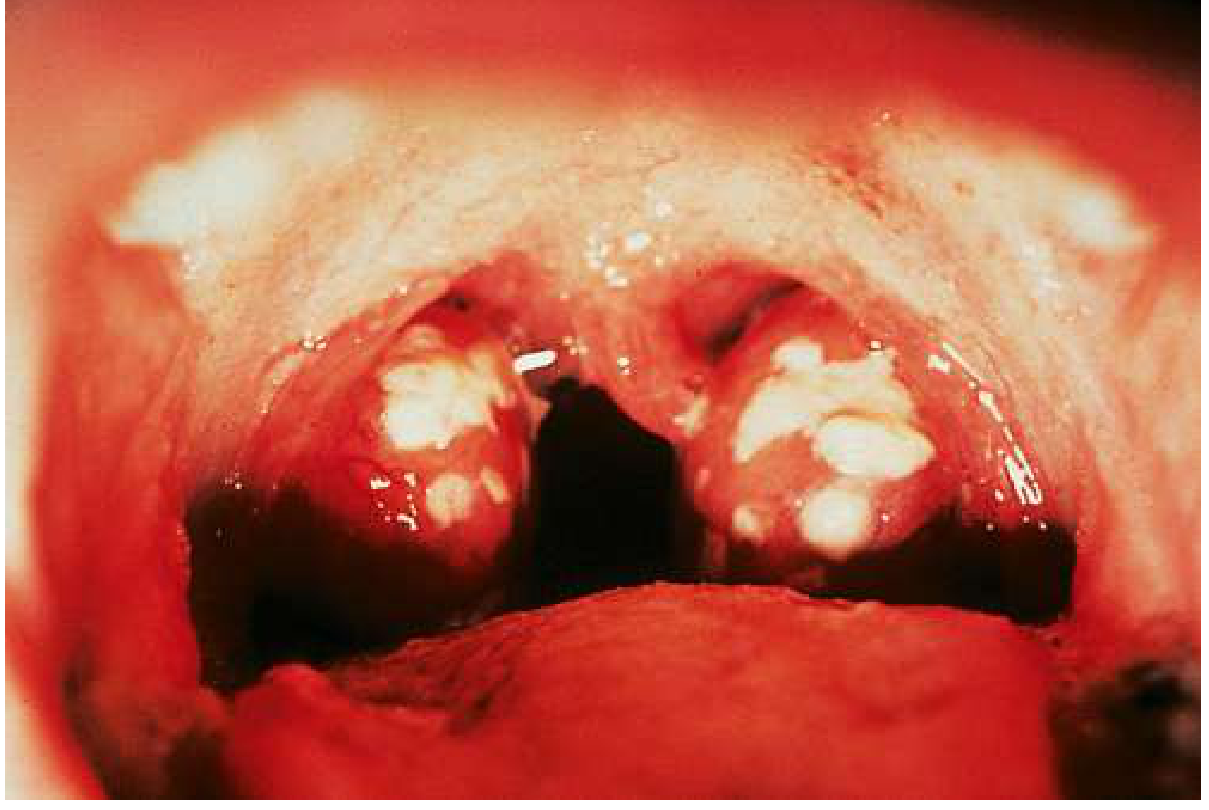
Bilateral tonsillar exudates with pharyngeal erythema - classic appearance of streptococcal pharyngitis
Etiology
Viral (most common) - 50-80% of cases:
| Virus | Notes |
|---|---|
| Adenovirus | Very common |
| Epstein-Barr virus (EBV) | Infectious mononucleosis |
| Rhinovirus | Common cold |
| Enterovirus (Coxsackievirus) | Hand-foot-mouth, herpangina |
| Influenza A & B | Seasonal |
| Parainfluenza | |
| HIV (acute retroviral syndrome) | 50-70% present with pharyngitis |
| CMV | Mimics EBV mono |
| RSV, Measles, Coronavirus |
Bacterial:
- Group A beta-hemolytic Streptococcus (GABHS / S. pyogenes) - the most important bacterial cause; 20-40% of pediatric cases, 5-15% of adult cases
- Group C and G streptococci
- Fusobacterium necrophorum (Lemierre's syndrome precursor)
- Neisseria gonorrhoeae (sexually transmitted)
- Mycoplasma pneumoniae
- Diphtheria (rare in vaccinated populations)
- Haemophilus influenzae type b (uvulitis, unimmunized patients)
Symptoms
- Sore throat, odynophagia
- Fever, chills
- Submandibular or anterior cervical lymphadenopathy
- Headache
- Abdominal pain, nausea/vomiting (especially in children)
- Absence of cough in bacterial pharyngitis (cough and hoarseness favor viral etiology)
Physical exam findings: tonsillopharyngeal erythema, tonsillar hypertrophy, exudates (does NOT reliably distinguish viral from bacterial), soft palate petechiae, edematous uvula.
Diagnosis - The Modified Centor Score
This scoring system helps decide who to test and treat for GABHS:
| Criterion | Points |
|---|---|
| Tonsillar exudates | +1 |
| Tender anterior cervical lymphadenopathy | +1 |
| Absence of cough | +1 |
| Fever (history of or >38°C) | +1 |
| Age 3-14 years | +1 |
| Age 15-44 years | 0 |
| Age ≥45 years | -1 |
- Score 0-1: GABHS unlikely - no testing or antibiotics
- Score 2+: Test with rapid antigen detection test (RADT) and/or culture
- Overt viral features (cough, rhinorrhea, oral ulcers, conjunctivitis): skip testing entirely
Testing approach:
- Rapid antigen detection test (RADT): sensitivity 80-90%, highly specific
- Rapid nucleic acid testing: sensitivity 97.5%, specificity 95% - preferred over RADT
- Throat culture: gold standard, sensitivity 90-95%, but requires 18-48 hours
- In children/adolescents: if RADT is negative, send backup culture
- In adults: backup culture usually not needed (low GABHS incidence + low rheumatic fever risk)
Treatment
Viral pharyngitis:
- Supportive care: analgesics (NSAIDs, acetaminophen), lozenges, salt-water gargles
- 85% of patients resolve spontaneously within 1 week
- EBV: avoid contact sports until splenomegaly resolves; avoid ampicillin/amoxicillin (causes maculopapular rash)
- A single dose of corticosteroid can be considered for severe tonsillar enlargement threatening the airway
GABHS pharyngitis - antibiotic therapy:
| Medication | Dose | Route | Duration |
|---|---|---|---|
| Penicillin V (first line) | Adult: 500 mg twice daily; Child: 250 mg twice daily | PO | 10 days |
| Amoxicillin (first line) | 50 mg/kg once daily (max 1000 mg) | PO | 10 days |
| Benzathine penicillin G | <27 kg: 600,000 units; ≥27 kg: 1.2 million units | IM | Single dose |
| Cephalexin (penicillin allergy w/o anaphylaxis) | 500 mg twice daily | PO | 5-10 days |
| Clindamycin (penicillin allergy) | 300 mg three times daily | PO | 10 days |
| Azithromycin (penicillin allergy) | 500 mg day 1, then 250 mg days 2-5 | PO | 5 days |
| Clarithromycin | 250 mg twice daily | PO | 10 days |
Key treatment notes:
- GABHS remains 100% susceptible to penicillin (no resistance documented)
- Clindamycin resistance in the US is up to 15%; macrolide resistance is also rising
- Antibiotics reduce the duration of symptoms modestly but, more importantly, prevent rheumatic fever and reduce spread
- Antibiotics do not prevent post-streptococcal glomerulonephritis
- Delaying treatment by a few days to await culture results is acceptable - still prevents rheumatic fever
Complications
Suppurative (local):
- Peritonsillar abscess (quinsy)
- Retropharyngeal/parapharyngeal abscess
- Lemierre's syndrome (Fusobacterium - septic thrombophlebitis of the internal jugular vein)
- Sinusitis, otitis media
Non-suppurative (immune-mediated):
- Acute rheumatic fever - prevented by antibiotic treatment
- Post-streptococcal glomerulonephritis - NOT prevented by antibiotics
- Streptococcal toxic shock syndrome (uncommon)
- Scarlet fever (from pyrogenic exotoxin-producing strains)
Special Situations
Infectious Mononucleosis (EBV):
- Posterior cervical lymphadenopathy + exudative pharyngitis + splenomegaly
- Monospot test: insensitive in children <2 years; may be negative in first week
- Treatment: supportive; avoid contact sports; do NOT use ampicillin/amoxicillin
Acute HIV:
- Presents similarly to EBV pharyngitis in 50-70% of cases
- Distinguish by: high-risk behaviors, absence of exudate, prominent rash, mucocutaneous ulceration
Peritonsillar Abscess:
- Presents with severe unilateral throat pain, trismus, muffled "hot potato" voice, uvular deviation to contralateral side
- Requires needle aspiration or incision and drainage plus antibiotics
Sources: Goldman-Cecil Medicine International Edition; Tintinalli's Emergency Medicine: A Comprehensive Study Guide
This is a shared conversation. Sign in to Orris to start your own chat.