
Give images of alopecia areata.
Reading File
Searching Images
alopecia areata clinical presentation scalp hair loss patches
Finding Sources
Loading Image
Loading Image
Loading Image
Loading Image
Loading Image
Reading File
Loading Image
Searching Images
alopecia areata exclamation mark hairs dermoscopy nail pitting
Loading Image
Loading Image
Here is a comprehensive visual gallery of alopecia areata (AA) across its clinical presentations and diagnostic features:
Alopecia Areata — Clinical Images
1. Ophiasis Pattern (Band-like Hair Loss)
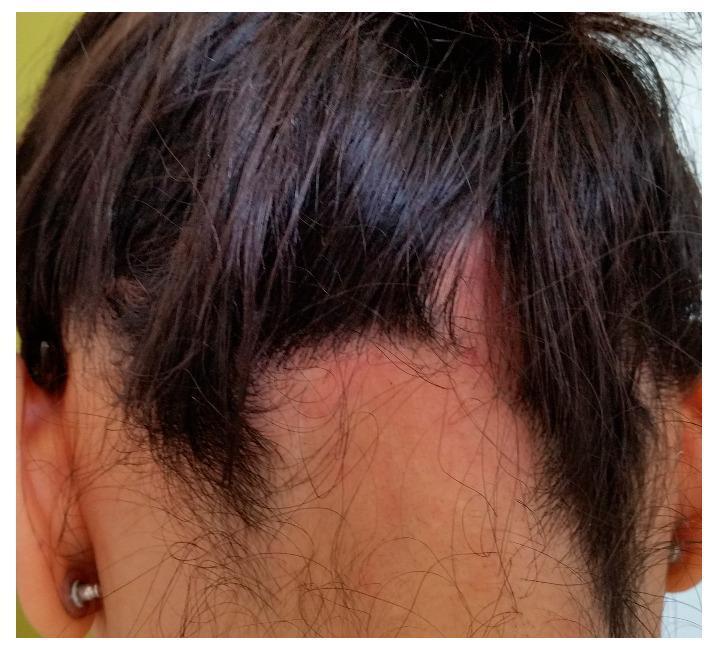
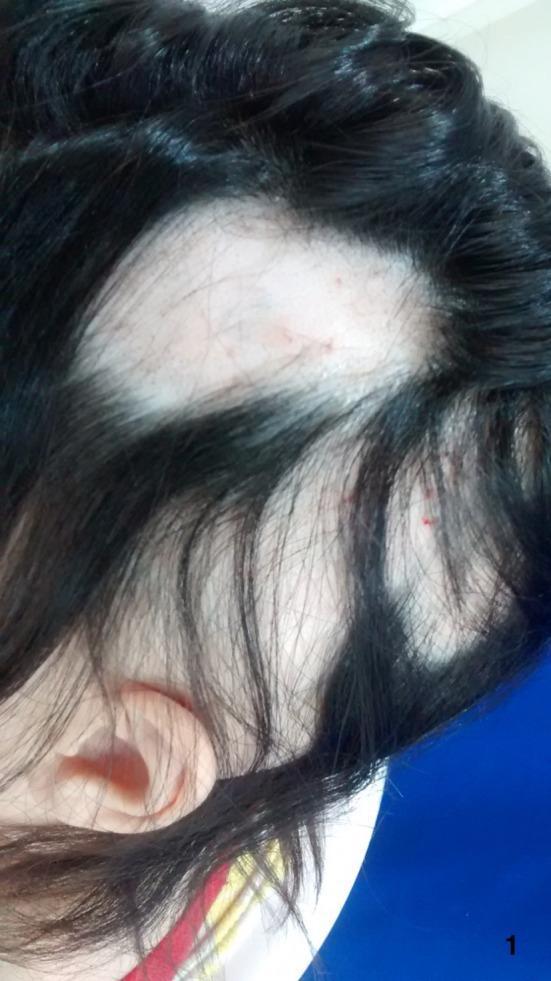
2. Extensive Patchy Alopecia Areata
3. Disease Progression & Regrowth Timeline
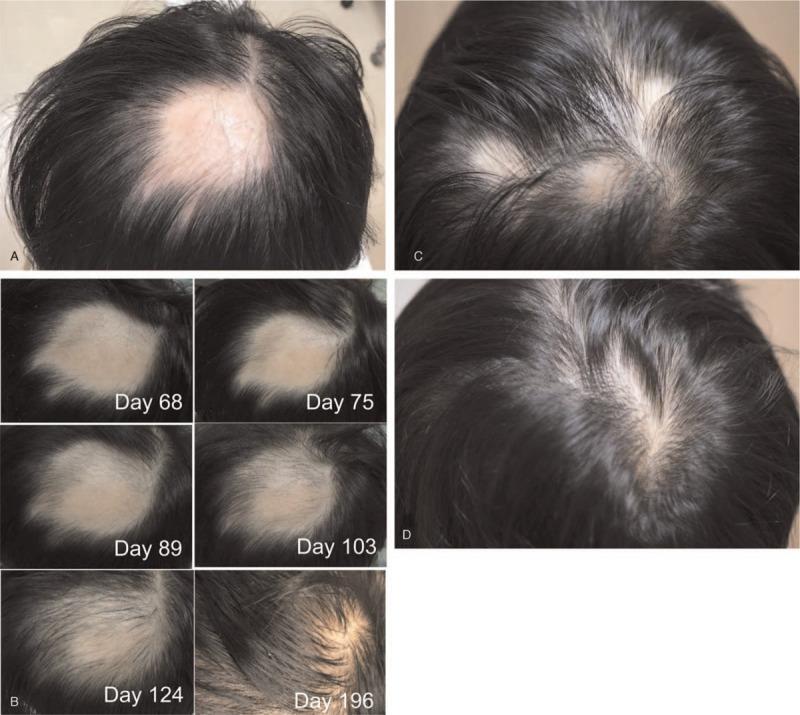
- Panel A: Single circumscribed vertex patch (~5×6 cm) with exclamation-mark hairs
- Panel B (Days 68–196): Progressive regrowth from vellus to terminal hair
- Panel C: Disease relapse (Day 337) — multiple smaller patches
- Panel D: Complete regrowth — illustrates the fluctuating, relapsing-remitting nature of AA
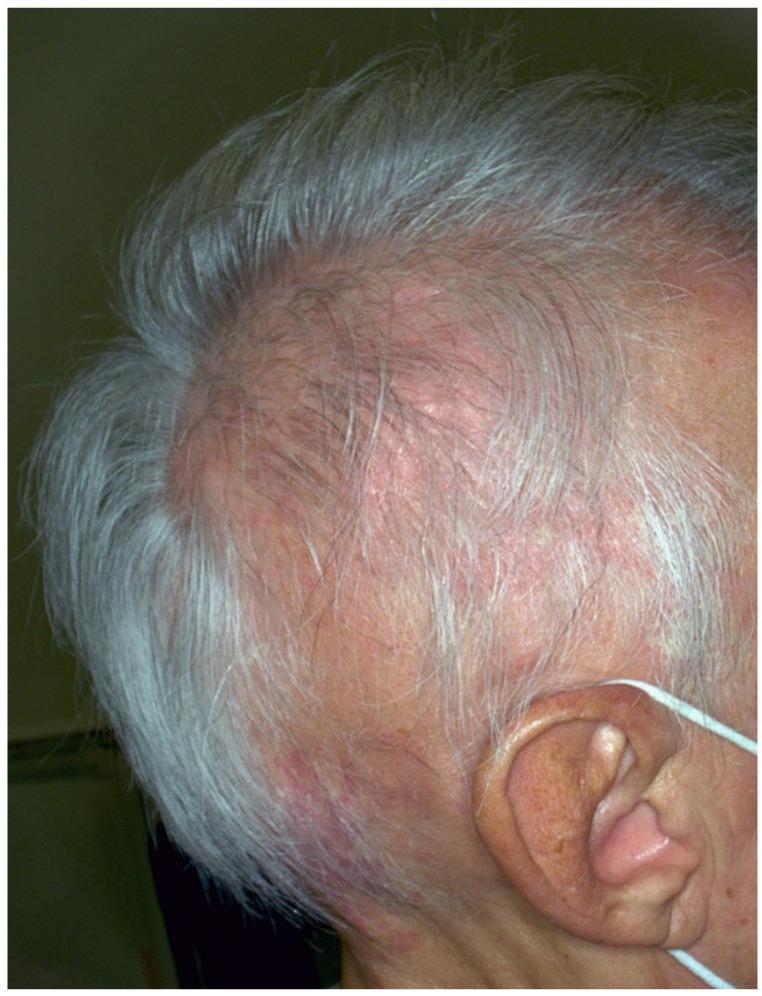
4. Diffuse/Patchy Pattern (Immune Checkpoint Inhibitor-associated)
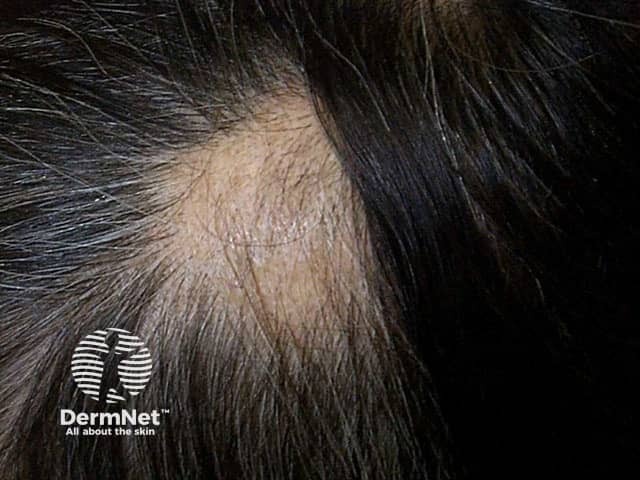
5. Classic Focal Patch — DermNet
6. Dermoscopy — Exclamation-Mark Hairs (Active Disease)
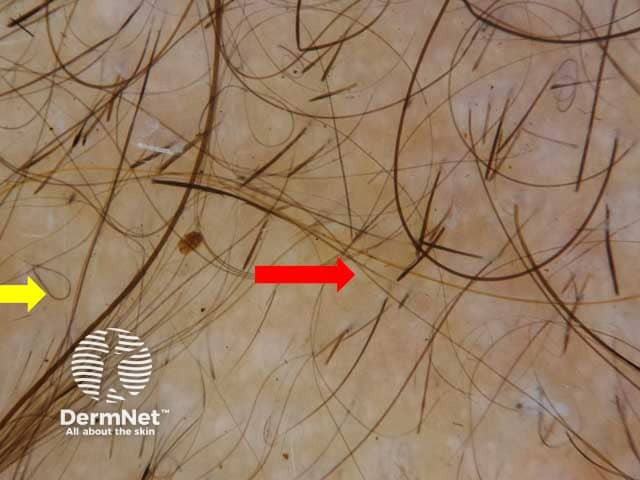
- Red arrow: Exclamation-mark hairs — tapered proximally, thicker distally — pathognomonic of active AA
- Yellow arrow: Regrowing hairs — thicker, pigmented shafts indicating follicular recovery
7. Dermoscopy — Before & After Treatment
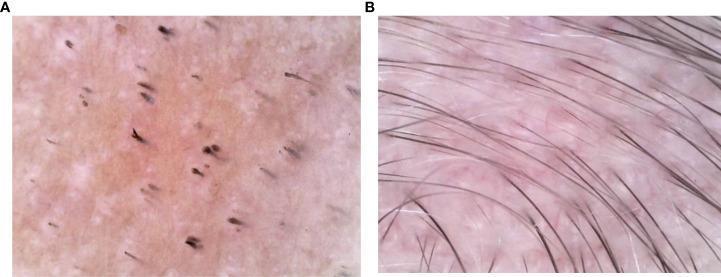
- Panel A (Baseline): Yellow dots (keratin-filled follicular ostia), black dots (broken hairs at scalp surface), exclamation-mark hairs — markers of active disease
- Panel B (Post-treatment): Normal hair density restored with 1–2 terminal hairs per follicle; pathological markers resolved
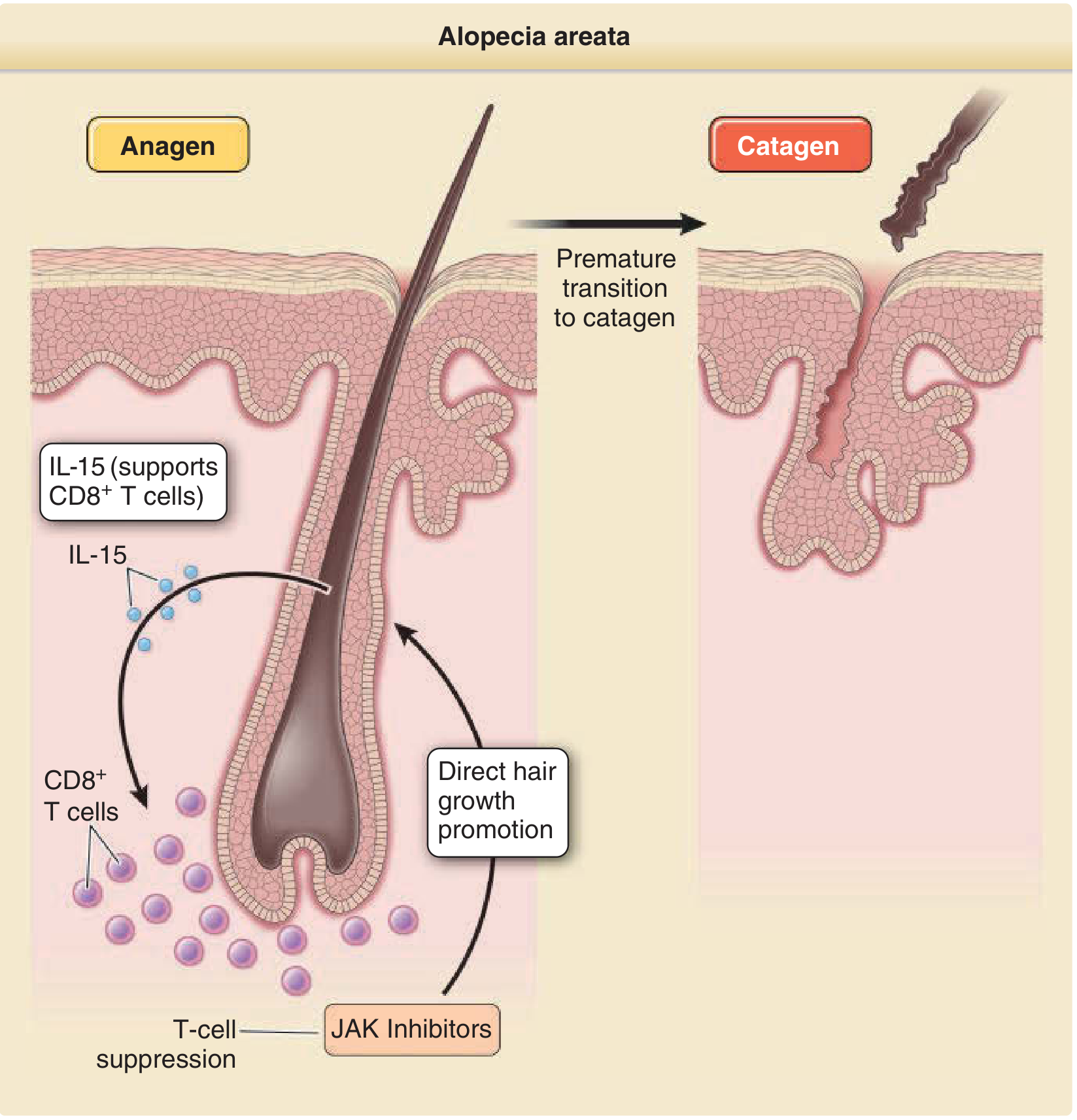
8. Pathogenesis Diagram — Fitzpatrick's Dermatology
Key clinical features visible across these images:
| Feature | Significance |
|---|---|
| Round/oval smooth bald patches | Classic AA presentation |
| Non-scarring scalp surface | Differentiates from cicatricial alopecias |
| Exclamation-mark hairs (dermoscopy) | Pathognomonic of active disease |
| Yellow dots (dermoscopy) | Follicular ostia — preserved follicles |
| Black dots (dermoscopy) | Broken hairs at scalp surface |
| Ophiasis pattern | Poor prognosis variant |
| Hair regrowth (often white initially) | Spontaneous remission possible |
This is a shared conversation. Sign in to Orris to start your own chat.