
Turp in detail
I'll start by reading the medical library skill, then search for detailed TURP content in parallel.
Reading File
Now let me search the library and PubMed in parallel for comprehensive TURP coverage.
Finding Sources
Searching PubMed
"transurethral resection of the prostate" AND outcomes
Good. Now let me read the textbook block on TURP and also search for more specific sections (indications, complications, TUR syndrome).
Reading File
Finding Sources
Finding Sources
Now let me read the key sections from multiple textbooks in parallel.
Reading File
Reading File
Reading File
Reading File
Excellent content gathered. Let me read a bit more to get the TURP syndrome management details, technique, and anesthesia considerations.
Reading File
Reading File
Reading File
Let me also fetch the TURP syndrome flowchart image and read the final portion of the surgical technique.
Loading Image
Reading File
Reading File
I now have comprehensive content from multiple authoritative textbooks. Let me compile the full detailed response.
Transurethral Resection of the Prostate (TURP)
1. Overview and Historical Significance
TURP has been called the most important urologic surgical procedure of the 20th century. It remains the gold standard for treating bladder outlet obstruction (BOO) caused by benign prostatic hyperplasia (BPH), the benchmark against which all other therapies are compared. No other therapy produces a larger decrease in urinary symptoms, a larger increase in urinary flow rate, or a larger decrease in voiding pressure. Although the number of procedures has declined with medical therapy and minimally invasive options, TURP retains its central role in urology. - Hinman's Atlas of Urologic Surgery
2. Anatomy Relevant to TURP
The prostate surrounds the urethra just below the bladder neck. It contains:
- Lateral lobes - the most common site of BPH growth
- Median (middle) lobe - when enlarged, it is highly obstructive and prollapses into the bladder trigone
- Verumontanum - a key landmark on the posterior urethral wall; marks the distal limit of safe resection (resection beyond it risks urethral sphincter damage and incontinence)
- Venous plexus (Santorini's plexus) - opening of these sinuses during resection allows fluid absorption
3. Indications
- Bladder outlet obstruction due to BPH (primary indication)
- Recurrent episodes of acute urinary retention
- Recurrent urinary tract infections secondary to BOO
- Bladder calculi secondary to BOO
- Persistent or significant hematuria from BPH
- Renal insufficiency secondary to BOO
- Prostate cancer patients not suitable for radical prostatectomy, where TURP relieves urinary obstruction
- Morgan & Mikhail's Clinical Anesthesiology, 7e
Contraindications / alternatives: TURP is not ideal when the prostate is very large (>80-100 g) - open simple prostatectomy may be preferred. For smaller glands (<30 g) without significant lateral lobe hypertrophy, Transurethral Incision of the Prostate (TUIP) is a lesser invasive alternative. - Hinman's Atlas
4. Preoperative Preparation
- Antibiotics: A single dose of perioperative IV antibiotics is given before starting resection. Broader and longer coverage is warranted for patients in total urinary retention with a likely colonized urinary tract.
- 5-alpha reductase inhibitors: Preoperative use has been studied but not found significantly helpful; most surgeons do not use it routinely.
- Blood type and screen: Adequate for most patients. Crossmatched blood should be available for anemic patients or those with large prostates requiring extensive resection.
- Anesthesia choice: TURP can be performed under spinal or general anesthesia. Regional (spinal) anesthesia was historically preferred because an awake patient can report early symptoms of TUR syndrome (headache, confusion, visual disturbance). With modern bipolar resection and normal saline irrigation, this advantage is less critical.
5. Patient Positioning
Dorsal lithotomy position, with the perineum at the bottom edge of the table. This allows the resectoscope to be angled upward for access to anterior prostatic tissue. - Hinman's Atlas
6. Instrumentation and Equipment
Resectoscope
A specialized endoscopy instrument inserted via the urethra into the bladder. It contains:
- A working channel for the cutting/coagulating electrode
- Continuous irrigation in/out ports
- Telescopic lens for visualization
Cutting Elements
- Thin loops - higher current density, clean cut, but less hemostasis
- Thick loops - more coagulation, useful for larger vessels
- Rollers/roller balls/buttons - tissue desiccation via coagulation; useful where hemostasis is more important than excision speed
- Typical power settings: 70 cut / 70 coagulation for thin loops, increased for thick loops
Monopolar vs. Bipolar
| Feature | Monopolar | Bipolar |
|---|---|---|
| Current path | Through patient's body | Between two electrodes in resectoscope |
| Irrigant required | Non-conductive (glycine, sorbitol, mannitol) | Normal saline (0.9% NaCl) |
| Risk of TUR syndrome | Yes (hypo-osmolar irrigant absorbed) | Greatly reduced (isotonic saline) |
| Hemostasis | Good | Good |
Bipolar TURP has essentially eliminated the risk of hypo-osmolar TUR syndrome because isotonic saline is used.
7. Surgical Technique
Step-by-Step Procedure
- Diagnostic cystourethroscopy - performed first to visualize the entire prostatic and bladder urothelium; exclusion of bladder tumors, calculi, and strictures.
- Urethral dilation if needed - sequential dilation from 18 Fr to 2 Fr larger than the resectoscope sheath; prevents postoperative urethral stricture.
- Resectoscope insertion - using a blunt-tip or visualizing obturator; never blindly without an obturator.
- Median lobe resection first - if a median lobe is present, it must be resected early to allow chips to flush out of the field. Resection is carried down until circular bladder neck fibers are encountered. Over-resection here undermines the bladder neck.
- Lateral lobe resection - begins at 6 o'clock or 12 o'clock position, from bladder neck, one loop length at a time. The resectionist rotates slightly between passes without advancing/withdrawing.
- Distal limit - the verumontanum must NOT be resected; it marks the distal edge of safe resection. Injury here damages the external urethral sphincter.
- Hemostasis - achieved throughout with coagulation current.
- Chip evacuation - resected chips are irrigated out of the operative field.
- Catheter placement - a Foley (usually 3-way irrigation) catheter is placed at the end; continuous bladder irrigation continues postoperatively until haematuria clears.
- Hinman's Atlas of Urologic Surgery
Endoscopic images of the procedure:
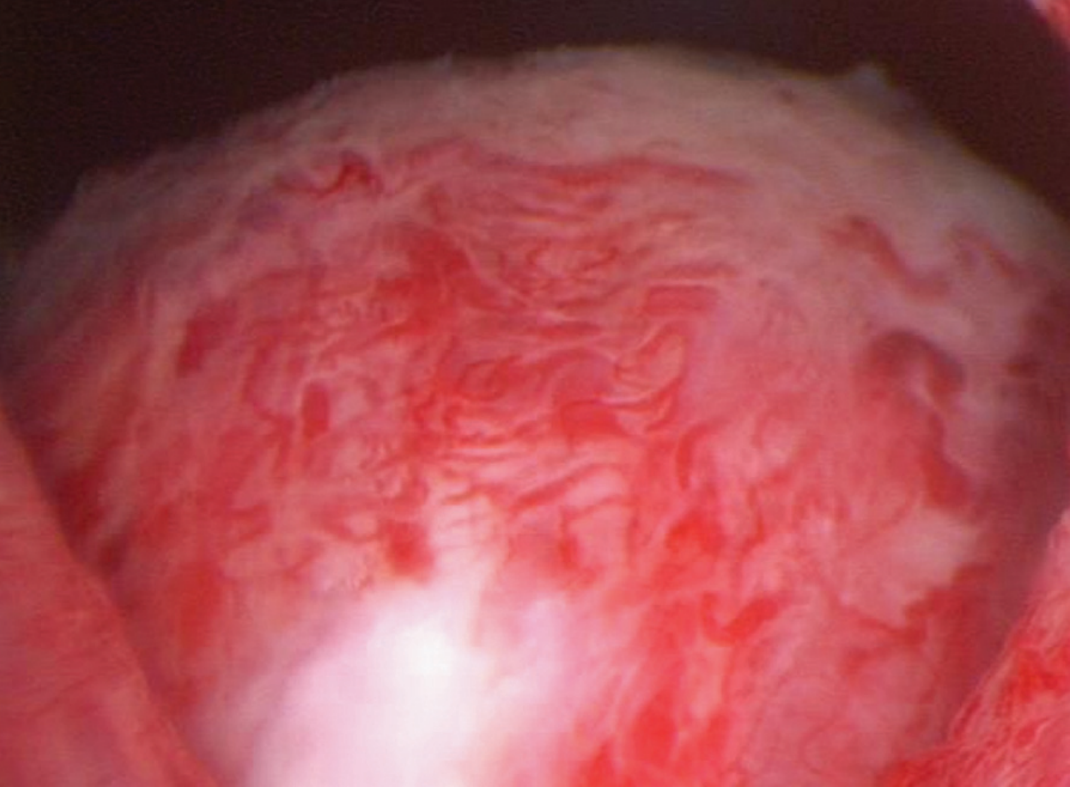
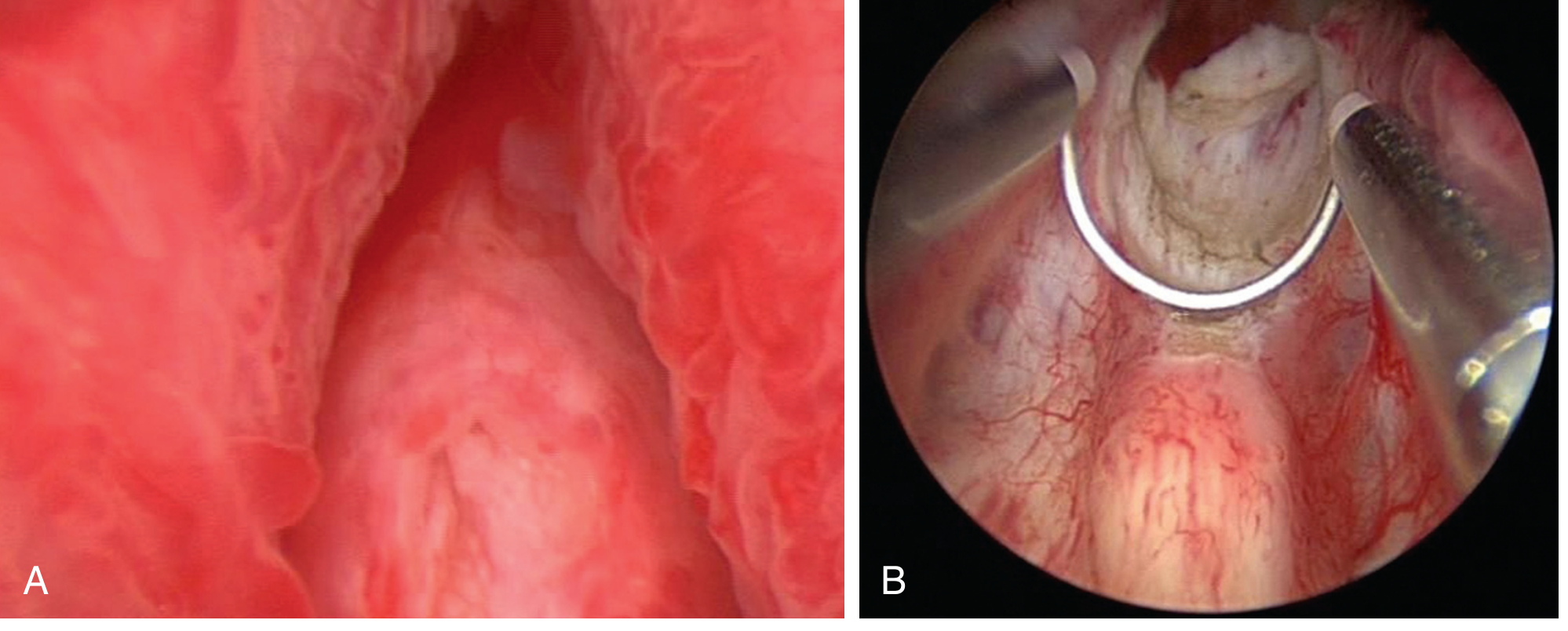
8. Irrigating Solutions
A visually clear irrigating solution is essential for endoscopic visualization. With monopolar electrocautery, the irrigant must be non-conductive (electrolyte-free) to prevent dispersion of the electrical current.
| Solution | Osmolality (mOsm/L) | Advantages | Disadvantages |
|---|---|---|---|
| Distilled water | 0 | Best visibility | Hemolysis, hemoglobinemia, hemoglobinuria, severe hyponatremia |
| Glycine 1.5% | 200 | Less TUR syndrome than water | Hyperammonemia (glycine → ammonia), transient blindness, hyperoxaluria |
| Sorbitol 3.3% | 165 | Widely available | Hyperglycemia, possible lactic acidosis, osmotic diuresis |
| Mannitol 5% | 275 | Near-isosmolar, not metabolized | Osmotic diuresis, acute intravascular volume expansion |
| Normal saline 0.9% | 308 | Isosmolar, safe for bipolar/laser | Cannot be used with monopolar diathermy |
- Barash's Clinical Anesthesia, 9e; Morgan & Mikhail, 7e
Key point: Fluid absorption rate is strongly influenced by irrigation pressure. Higher bottle/bag height = higher intravesical pressure = more fluid absorption. Keep intravesical pressure <15-25 mmHg. - Miller's Anesthesia, 10e
9. TUR (TURP) Syndrome
This is the most feared specific complication of TURP.
Definition
A constellation of symptoms resulting from systemic absorption of hypotonic irrigating fluid through opened venous sinuses or prostatic capsule perforations. It produces: (a) volume overload, (b) hyponatremia ± hypoosmolality, and (c) solute-specific toxicity. - Miller's Anesthesia, 10e
Incidence
- Historically up to 10-15% of TURP procedures (Miller's) or up to 1.4% symptomatic (Barash's)
- Less than 1% with modern technique and bipolar resection (Morgan & Mikhail)
- Onset: 15 minutes to 24 hours after start of resection
Risk Factors
- Large prostate with prolonged resection time
- High intravesical irrigation pressure
- Use of hypotonic irrigants
- Extensive opening of venous sinuses
- Large volume irrigation fluid used
Pathophysiology
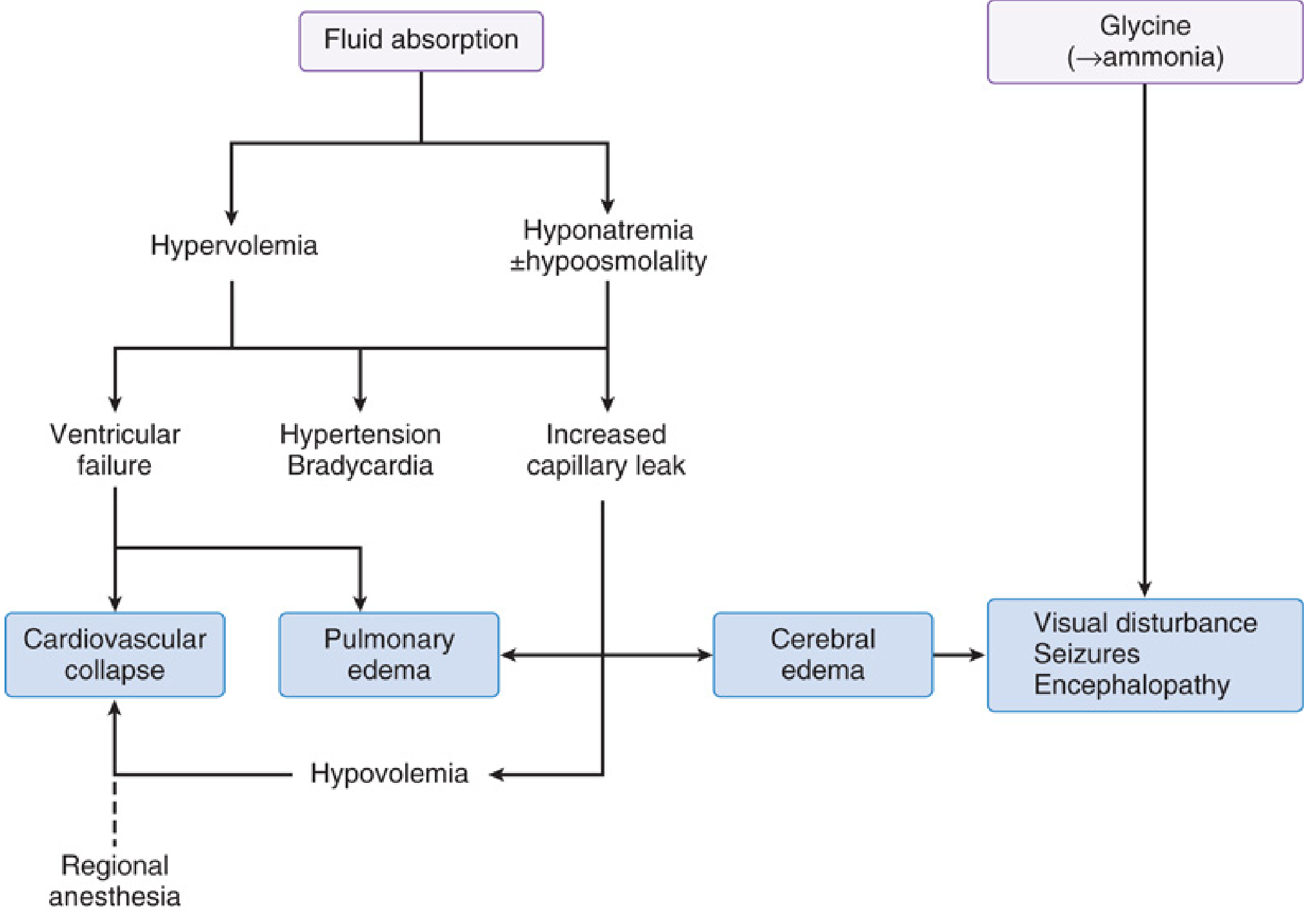
The cascade (from Miller's Anesthesia, 10e):
- Fluid absorption → hypervolemia + hyponatremia
- Hypervolemia → ventricular failure, hypertension, bradycardia → cardiovascular collapse and pulmonary edema
- Hyponatremia/hypoosmolality → increased capillary leak → cerebral edema → encephalopathy, seizures
- Glycine (hepatically deaminated → ammonia) → visual disturbance (transient blindness), seizures, encephalopathy via NMDA receptor activation
- Note: regional anesthesia exacerbates hypotension via sympathetic blockade
Clinical Features
| System | Manifestations |
|---|---|
| CNS | Headache, restlessness, confusion, nausea/vomiting, visual disturbances (blurred or loss of vision), seizures, coma |
| Cardiovascular | Hypertension initially, then hypotension, bradycardia, arrhythmias, cardiovascular collapse |
| Respiratory | Dyspnea, pulmonary edema, cyanosis |
| Metabolic | Hyponatremia (<120 mEq/L symptomatic), hypoosmolality, hemolysis (if water used) |
| Solute-specific | Hyperammonemia/blindness (glycine), hyperglycemia/lactic acidosis (sorbitol), volume overload (mannitol) |
Prevention
- Use bipolar resection with normal saline (eliminates hypo-osmolar TUR syndrome)
- Monitor fluid balance: halt surgery if >750 mL absorbed (female) or >1000 mL (male); stop if >1000-1500 mL (female) or >2000 mL (male)
- Limit intravesical pressure to <15-25 mmHg
- Limit resection time - reassess carefully after 1 hour of irrigation
- Use regional anesthesia where possible to monitor neurological status of the awake patient
- Perform surgery with laser techniques where available (use saline, less absorption)
Treatment
- Stop surgery and irrigation immediately
- Fluid restriction
- IV loop diuretic (furosemide) to promote free water excretion if volume-overloaded
- Symptomatic hyponatremia with seizures/coma: hypertonic saline (3% or 5%) - correct slowly to prevent osmotic demyelination
- Seizures: midazolam 2-4 mg; Mg²⁺ can also be given (counteracts glycine's NMDA effects)
- Endotracheal intubation if mental status impaired (aspiration risk)
- When osmolality is normal (not hypo-osmolar): hemodialysis preferred over hypertonic saline
- Treat underlying cardiac failure (ACE inhibitors, optimize cardiac output)
- Miller's Anesthesia, 10e; Morgan & Mikhail, 7e
10. Complications (Complete List)
Common (Most Frequent)
- Retrograde ejaculation - 75%; results from disruption of internal urethral sphincter / bladder neck
- Clot retention - postoperative; managed with 3-way catheter and continuous irrigation
- Failure to void postoperatively
- Urinary tract infection
- Chronic hematuria
Less Common
- Impotence (erectile dysfunction) - 5-10%
- Urinary incontinence - >1% (resection past verumontanum)
- TURP syndrome (see above)
- Bladder neck contracture / urethral stricture - from inadequate urethral dilation preoperatively or thermal injury
- Bladder perforation - intraperitoneal or extraperitoneal; recognized by sudden drop in irrigant return and patient pain
- Hypothermia (from large volumes of room-temperature irrigant)
- Sepsis (especially if colonized urine)
- Disseminated intravascular coagulation (DIC)
- Morgan & Mikhail, 7e; Smith & Tanagho's General Urology, 19e
11. Anesthesia Considerations
- Perioperative mortality <1%, medical morbidity <1% (despite elderly comorbid population)
- Choice: spinal vs. general anesthesia
- Spinal (T10 level) historically preferred: awake patient reports early TUR syndrome symptoms; sympathetic block reduces bleeding
- General anesthesia: preferred when spinal is contraindicated; requires vigilance for TUR syndrome signs
- Blood: type and screen adequate for most; crossmatch for anemic patients / large prostates
- Watch for hypothermia from large volumes of irrigant (warm irrigant where possible)
- Watch for bacteremia/sepsis from prostatic venous absorption
- Positioning complications from prolonged lithotomy: nerve injury (common peroneal, femoral)
12. Outcomes
- IPSS improvement and flow rate improvement with TURP are superior and more durable than any minimally invasive therapy
- Hospitalization is longer than for office-based procedures
- Re-intervention rates: TURP has a ~5-10% retreatment rate over 5-10 years
- Modern alternatives (HoLEP, bipolar TURP, laser vaporization) are increasingly used; a 2024 meta-analysis (PMID 39547977) reviewing 20 years of RCTs confirmed TURP remains a reliable gold standard but newer techniques (HoLEP, endoscopic enucleation) show lower re-intervention rates per a 2024 network meta-analysis (PMID 38600763)
13. Comparison: TURP vs. Alternatives
| Therapy | Prostate size | Efficacy | Key advantage | Key disadvantage |
|---|---|---|---|---|
| Monopolar TURP | Any | Gold standard | Proven long-term data | TUR syndrome risk, non-saline irrigant |
| Bipolar TURP | Any | Equivalent | Saline irrigant, no hypo-osmolar TUR syndrome | Similar technique |
| HoLEP | Any, including large | Superior for large glands | Complete enucleation, durable | Steep learning curve |
| GreenLight laser PVP | <80 g | Near-equivalent | Day surgery, minimal blood loss | Less tissue for histology |
| TUIP | <30 g, no median lobe | Good for small glands | Preserves ejaculation better | Not for large glands |
| Open prostatectomy | >80-100 g | Excellent | Suitable for very large glands | Invasive, longer recovery |
Summary Table
| Parameter | Details |
|---|---|
| Gold standard for | BPH with BOO |
| Instrument | Resectoscope (monopolar or bipolar) |
| Distal landmark | Verumontanum (must not be resected) |
| Classic irrigant (monopolar) | Glycine 1.5% or sorbitol/mannitol mixture |
| Modern irrigant (bipolar) | Normal saline 0.9% |
| Most feared complication | TUR syndrome |
| Most common complication | Retrograde ejaculation (75%) |
| Perioperative mortality | <1% |
| Anesthesia | Spinal preferred; general acceptable |
Sources:
- Hinman's Atlas of Urologic Surgery, E-Book - TURP technique and indications chapter
- Smith & Tanagho's General Urology, 19e - Surgical therapy for BPH
- Morgan & Mikhail's Clinical Anesthesiology, 7e - Preoperative considerations and TURP syndrome management
- Miller's Anesthesia, 10e - TURP syndrome pathophysiology and treatment
- Barash, Cullen & Stoelting's Clinical Anesthesia, 9e - Irrigating solutions and TUR syndrome
Anaesthetic management of TURP in detail
Reading File
Now let me search the library comprehensively across multiple textbooks in parallel.
Finding Sources
Finding Sources
Finding Sources
Finding Sources
Finding Sources
Excellent - found the key sections. Now read all relevant blocks in parallel.
Reading File
Reading File
Reading File
Excellent content. Now let me read more of Miller's block for details on morbidity/mortality, monitoring, and blood loss, plus Morgan & Mikhail for the treatment of TURP syndrome and F. Choice of Anesthesia section.
Reading File
Reading File
Reading File
Let me read the remaining important sections - the complications section in Miller's and Morgan & Mikhail's section on choice of anesthesia and septicemia.
Reading File
Reading File
Let me now read the remaining Miller's section on glycine toxicity and treatment, plus Barash's TUR syndrome section and the TURP syndrome treatment details.
Reading File
Reading File
I now have comprehensive, authoritative content from four major anesthesia textbooks. Let me also fetch the TURP syndrome flowchart image to include in the response.
Loading Image
I now have everything needed for a comprehensive, fully-sourced answer. Here it is:
Anaesthetic Management of TURP - In Detail
1. Patient Profile and Preoperative Assessment
Patients presenting for TURP are typically elderly men with significant comorbidities. BPH predominantly affects men over 60, and this population frequently carries cardiovascular disease, hypertension, diabetes mellitus, renal impairment, and chronic respiratory conditions. Perioperative mortality is 0.2-0.8%, with the main causes of death being pulmonary oedema, renal failure, and myocardial infarction. - Miller's Anesthesia, 10e
Preoperative Evaluation
Cardiovascular:
- Careful assessment of cardiac reserve is essential - patients must tolerate potentially large intravascular volume swings (both overload from irrigant absorption and blood loss)
- Assess for uncontrolled hypertension, heart failure, aortic stenosis, ischaemic heart disease
- ECG mandatory (detect conduction defects, LV hypertrophy, ischaemic changes)
- Echocardiography for patients with clinical signs of impaired cardiac function
Respiratory:
- Pulmonary function if symptomatic COPD
- Lithotomy position reduces FRC, tidal volume, and pulmonary compliance - relevant in obese or respiratory-compromised patients
Renal:
- Obstructive uropathy from BPH can cause chronic renal impairment - U&E mandatory
- Renal impairment affects fluid handling and drug elimination (e.g., spinal opioids, NMBAs)
Neurological:
- Screen for cognitive impairment - relevant for choice between spinal + sedation vs. general anaesthesia
- Postoperative cognitive dysfunction (POCD) occurs similarly with both spinal and general anaesthesia; there is no difference in perioperative mental function between techniques at 6 hours or 30 days post-op. - Miller's Anesthesia, 10e
Haematological / Coagulation:
- Anticoagulants: patients on warfarin, DOACs, clopidogrel must be reviewed
- Anticoagulation must often be reversed/bridged before spinal anaesthesia
- Decision made in conjunction with surgeon (post-TURP bleeding risk dictates timing of resumption)
- Blood type and screen is adequate for most; crossmatched blood should be available for anaemic patients or large prostates requiring extensive resection. - Morgan & Mikhail, 7e
- If on antiplatelet therapy, weigh the risk of stopping vs. neuraxial haematoma
Medications:
- Alpha-blockers (tamsulosin, alfuzosin): continue; these cause vasodilation - anticipate hypotension on induction/spinal
- 5-alpha reductase inhibitors: continue
- Metformin: withhold per local protocol if renal impairment
- ACE inhibitors / ARBs: consider withholding morning of surgery
Investigations:
- Urine culture (treat UTI before surgery to reduce bacteraemia risk)
- FBC, U&E, serum glucose
- Coagulation screen if on anticoagulants or clinical suspicion of coagulopathy
- Chest X-ray if indicated
Antibiotics:
- A single dose of perioperative IV antibiotics is given before starting resection
- Broader and longer coverage for patients in total urinary retention (likely colonized urinary tract)
- Common regimens: gentamicin, levofloxacin, or cefazolin - Morgan & Mikhail, 7e
Informed Consent:
- Discuss anaesthetic options (spinal vs. general) and their relative merits
- Specific risks: TURP syndrome, hypothermia, positioning injuries, blood transfusion, bacteraemia, DVT/PE
2. Choice of Anaesthetic Technique
Spinal Anaesthesia - Technique of Choice
Spinal anaesthesia is considered the preferred technique for TURP, particularly monopolar (M-TURP). - Miller's Anesthesia, 10e
Why spinal is preferred:
-
Awake patient = early detection of TURP syndrome - the most important advantage. Restlessness, confusion, and visual changes in an awake patient are early warning signs; in a general anaesthetic patient these are masked and TURP syndrome may only manifest as unexplained cardiovascular instability. "The continued administration of sedatives or the induction of general anesthesia might mask severe complications of TURP syndrome and even lead to death." - Miller's, 10e
-
Early detection of bladder/capsule perforation - awake patients report abdominal pain, nausea, shoulder pain (intraperitoneal perforation)
-
Pelvic floor and perineal relaxation - facilitates surgical access
-
Reduced postoperative venous thrombosis compared with general anaesthesia - Morgan & Mikhail, 7e
-
Avoids airway manipulation - relevant in elderly patients with difficult airways or at risk of aspiration
-
Possible reduction in blood loss - by reducing venous pressure; though evidence is conflicting
-
Lower 30-day mortality - a large NSQIP database analysis (28,486 patients, 2010-2016) showed neuraxial anaesthesia was associated with lower 30-day mortality, lower risk of sepsis, and lower re-operation rates than general anaesthesia - Miller's, 10e
Required sensory level: T10
- Interrupts sensory transmission from the prostate, bladder neck, and urethra
- Also eliminates uncomfortable bladder distension sensation
- Caution: higher levels (above T10) should be avoided - they would mask abdominal/shoulder pain that signals bladder or capsule perforation - Miller's, 10e
Spinal drug options:
- Hyperbaric bupivacaine 0.5% - 2-2.5 mL (10-12.5 mg) is the standard agent; achieves reliable T10 block
- Isobaric bupivacaine - predictable but slightly less controllable spread
- Lidocaine (lignocaine) - faster offset, useful for shorter procedures; caution regarding transient neurological symptoms (TNS), especially in lithotomy position
- Low-dose spinal with intrathecal fentanyl - can reduce total local anaesthetic dose and limit hypotension while achieving adequate block; useful in ambulatory settings
- Combined spinal-epidural (CSE) - if duration of surgery is unpredictable; allows top-up via epidural catheter; particularly useful for larger resections
Sedation with spinal:
- Moderate IV sedation (e.g., propofol infusion 0.5-1 mg/kg/h, or midazolam 1-2 mg) can improve patient comfort
- Key warning: avoid deep sedation as this defeats the purpose of using spinal - mental status monitoring is critical for TURP syndrome detection. "Restlessness and confusion are early signs of hyponatremia/hyposmolality and generally not signs of inadequate anaesthesia." - Miller's, 10e
Spinal vs. Epidural - Which Regional Technique?
Spinal has several advantages over epidural for TURP specifically:
- Technically easier in elderly patients with calcified vertebrae
- Incomplete sacral block (which provides innervation to prostate, bladder neck, and penis) occurs more often with epidural anaesthesia than spinal - Miller's, 10e
- More predictable onset and quality of block for shorter procedure
Epidural is preferred when:
- Surgery duration is expected to be long or unpredictable (catheter allows top-up)
- Patient has platelet count or coagulation status that allows epidural but where benefit of catheter justifies the larger-bore needle
General Anaesthesia - When Used
General anaesthesia is acceptable and produces equivalent operating conditions, but has disadvantages outlined above. It is indicated when:
- Patient refuses spinal
- Technical failure or contraindication to neuraxial technique (coagulopathy, patient refusal, spinal deformity, local sepsis at insertion site, raised ICP)
- Incomplete sacral block coverage concerns
- Anticipated prolonged surgery
- Patient is on therapeutic anticoagulation that cannot safely be stopped
If general anaesthesia is used:
- LMA is acceptable for straightforward cases in lithotomy position
- ETT preferred if there are aspiration concerns (GORD, full stomach), obese patient, or prolonged surgery
- IMPORTANT: Maintain high vigilance for TURP syndrome - monitor electrolytes and fluid balance closely, as mental status monitoring is lost. Acute hyponatremia from TURP syndrome can delay or prevent emergence from general anaesthesia - Morgan & Mikhail, 7e
- Use isotonic IV fluids only; avoid hypotonic solutions (D5W, 0.45% saline)
- Muscle relaxation: if needed, use standard agents; short-acting NMBAs (atracurium, mivacurium) preferred to allow rapid assessment at end
3. Positioning - Dorsal Lithotomy
TURP is performed in the dorsal lithotomy position with a slight Trendelenburg tilt.
Physiological effects of lithotomy:
- Decrease in pulmonary compliance
- Cephalad diaphragm shift
- Decrease in lung volumes: FRC, RV, tidal volume, VC
- Increase in cardiac preload (venous return from legs) - important in patients with compromised cardiac function
- At conclusion of surgery, lowering legs from lithotomy returns blood to systemic circulation, potentially causing hypotension - lower legs slowly and in stages
Nerve injury risks - must be documented preoperatively:
- Common peroneal nerve - pressure at fibular head from stirrups (most common)
- Sciatic nerve - excessive hip flexion
- Femoral nerve - excessive hip flexion and external rotation
- Obturator nerve - pressure at medial thigh
Prevention: Adequate padding, correct positioning, avoid extreme hip flexion, limit lithotomy time where possible. - Miller's, 10e
4. Intraoperative Monitoring
Standard AAGBI/ASA monitoring:
- Pulse oximetry
- ECG (5-lead if cardiac history)
- Non-invasive blood pressure (NIBP) - every 3-5 minutes minimum
- Capnography (if general anaesthesia)
- Temperature monitoring - mandatory (see hypothermia below)
Additional / special monitoring:
- Mental status (MOST IMPORTANT for regional): Talking to the awake patient is the most sensitive monitor for early TURP syndrome. Restlessness, confusion, visual complaints, or slurred speech should prompt immediate concern.
- Fluid balance: Weigh input vs. output; irrigant in vs. irrigant out. This is imprecise but essential. Some centres use 1% ethanol added to irrigant fluid as a volatile marker measured in breath (ethanol breath test) - allows real-time estimation of fluid absorption intraoperatively.
- Blood loss: Difficult to quantify (blood mixes with irrigation fluid). Assess via vital signs, haemodynamic trends, and serial haematocrit measurements in longer cases. Average blood loss 2-5 mL/min of resection time; total usually 200-300 mL.
- Serum electrolytes: Intraoperative or immediate postoperative Na⁺ - strongly recommended in monopolar TURP, particularly if resection exceeds 60 minutes or large fluid discrepancies are noted.
- Urine output: Via catheter drainage, factoring out irrigant volume.
- Temperature: Continuous; irrigant absorption and exposure cause hypothermia.
5. Irrigating Fluid Considerations for the Anaesthetist
The choice of irrigant is driven by the resection technique. Anaesthetists must know which fluid is in use because the toxicity profile differs.
| Solution | Osmolality | Key anaesthetic concern |
|---|---|---|
| Glycine 1.5% | 200 mOsm/L | Hyperammonemia (encephalopathy/coma), transient blindness, NMDA activation (seizures) |
| Sorbitol 3.3% | 165 mOsm/L | Hyperglycaemia, lactic acidosis (metabolised to fructose/lactate) |
| Mannitol 5% | 275 mOsm/L | Near-isosmolar; rapid intravascular volume expansion - pulmonary oedema risk |
| Normal saline 0.9% | 308 mOsm/L | Only for bipolar/laser TURP; eliminates hypo-osmolar syndrome but volume overload risk remains |
| Distilled water | 0 | Haemolysis, haemoglobinaemia, severe hyponatraemia - rarely used today |
- Barash's Clinical Anesthesia, 9e
Fluid absorption rate: Average 10-30 mL/min of resection time; up to 6-8 L may be absorbed in a 2-hour procedure. - Miller's, 10e
Factors increasing absorption:
- Height of irrigant bag above table (hydrostatic pressure) - limit to 30 cm above table at start, 15 cm in final stages
- Degree of bladder distension
- Number and size of open venous sinuses (correlates with blood loss)
- Duration of resection
- Prostatic capsule disruption
- Lower venous pressure (paradoxically, regional anaesthesia lowers CVP and may increase absorption vs. general)
6. TUR (TURP) Syndrome - Recognition and Management
This is the most critical anaesthetic challenge in TURP.
Pathophysiology
Three arms of the syndrome:
- Hypervolaemia - ventricular failure, hypertension + bradycardia initially, then cardiovascular collapse and pulmonary oedema
- Hyponatraemia ± hypoosmolality - increased capillary leak, cerebral oedema, encephalopathy, seizures
- Solute toxicity (glycine → ammonia; sorbitol → hyperglycaemia; etc.)
Regional anaesthesia itself (by reducing SVR and CVP) can worsen hypotension - see dashed line in diagram.
Na⁺ Level Correlates with Severity
| Serum Na⁺ (mEq/L) | CNS Changes | ECG Changes |
|---|---|---|
| 120 | Confusion, restlessness | Possible widening of QRS |
| 115 | Somnolence, nausea | Widened QRS, elevated ST segment |
| 110 | Seizures, coma | VT or VF |
| ~100 | Respiratory and cardiac arrest | Terminal |
- Barash's Clinical Anesthesia, 9e (adapted from Jensen V., Can J Anaesth 1991)
Mortality of severe TURP syndrome (Na⁺ <120 mEq/L) is as high as 25%. - Miller's, 10e
Prevention of TURP Syndrome
- Prefer bipolar TURP with normal saline irrigant (eliminates hypo-osmolar component)
- Limit irrigant bag height: ≤30 cm above table (start); ≤15 cm (end of resection)
- Limit resection time to <60 minutes - after 1 hour, pause and reassess
- Monitor fluid balance throughout; alert surgeon when significant discrepancy noted
- Avoid hypotonic IV fluids (use Hartmann's or 0.9% saline for IV maintenance)
- Treat spinal-induced hypotension with vasopressors (e.g., ephedrine, phenylephrine) rather than IV fluid boluses
- Use regional anaesthesia to preserve awake mental status monitoring
- Consider intraoperative Na⁺ monitoring during long cases
Stop surgery thresholds (monopolar TURP):
- Pause and check electrolytes/neurological status: >750 mL absorbed (female) or >1000 mL absorbed (male)
- Terminate surgery: >1000-1500 mL (female) or >2000 mL (male)
- Bipolar TURP with saline: terminate after >2500 mL absorbed (volume overload still possible)
- - Miller's Anesthesia, 10e
Treatment of Established TURP Syndrome
Step 1 - Immediate:
- Stop surgery and irrigation immediately
- Call for help; alert surgical team
- Secure airway if conscious level is deteriorating
Step 2 - Assess and stratify:
- Check serum Na⁺, osmolality, and blood glucose urgently
- Assess volume status: look for signs of pulmonary oedema vs. hypovolaemia
- ECG for QRS widening, arrhythmias
Step 3 - Treatment based on severity and Na⁺:
| Scenario | Treatment |
|---|---|
| Mild (Na⁺ 125-130, asymptomatic) | Fluid restriction, observe; furosemide 20-40 mg IV if signs of volume overload |
| Moderate (Na⁺ 120-125, confusion/headache) | Furosemide IV; fluid restriction; monitor closely |
| Severe (Na⁺ <120, seizures/coma) | Hypertonic saline (3% or 5%) IV - correct Na⁺ by 1-2 mEq/L/h; target Na⁺ 125-130 mEq/L (not full correction - risk of osmotic demyelination syndrome) |
| Normal osmolality with hypervolaemia | Haemodialysis preferred over hypertonic saline |
| Seizures | Midazolam 2-4 mg IV; Mg²⁺ can also be used (counteracts glycine's NMDA excitatory effect and corrects dilutional hypomagnesaemia) |
| Airway compromise | Endotracheal intubation to protect airway until mental status recovers |
- Miller's, 10e; Morgan & Mikhail, 7e
Glycine-specific:
- Transient blindness: reassure, usually resolves within 24 hours; caused by neurotransmitter-mediated brainstem/cranial nerve inhibition, not cerebral oedema
- Hyperammonaemia: nausea/vomiting within 1 hour; coma if NH₃ >100 μmol/L; may last 10-12 hours until levels fall below 150 μmol/L
7. Intraoperative Complications - Anaesthetic Recognition and Management
a) Bladder / Prostatic Capsule Perforation
- Incidence: ~1-2% (mostly extraperitoneal)
- Recognition under regional anaesthesia: Patient complains of sudden lower abdominal/back pain; nausea and vomiting; decreased irrigant return. Intraperitoneal perforation causes severe abdominal pain + shoulder pain (diaphragmatic irritation)
- Recognition under general anaesthesia: Sudden unexplained hypotension or hypertension; bradycardia (vagal); decreasing irrigant return; difficult to diagnose - high suspicion required
- Management: Inform surgeon; stop resection; extraperitoneal - usually managed conservatively with catheter drainage; large extraperitoneal or any intraperitoneal - surgical/percutaneous drainage
b) Hypothermia
- Irrigant absorption at room temperature is a major heat sink; body temperature falls ~1°C/hour
- Shivering occurs in 16% of patients receiving room-temperature irrigation; shivering is harmful - it increases O₂ consumption, increases cardiac work, and can dislodge clots causing post-TURP haemorrhage
- Prevention: Warm irrigation fluids to body temperature; forced-air warming blanket; warm IV fluids
- Concerns about warmed irrigant causing vasodilation and increased bleeding have not been shown to be clinically significant - Morgan & Mikhail, 7e; Miller's, 10e
c) Bacteraemia / Septicaemia
- Prostate regularly harbours bacteria; opened venous sinuses during TURP allow direct entry into bloodstream
- Indwelling catheter further increases risk
- 6-7% of TURP patients develop septicaemia (transient bacteraemia is far more common)
- Prevention: Prophylactic antibiotics before incision
- Recognition intraoperatively: Unexplained fever, rigors, hypotension, tachycardia (may mimic TUR syndrome haemodynamic changes)
- Treatment: Broad-spectrum IV antibiotics, fluid resuscitation, supportive care; obtain blood cultures before antibiotics if possible
d) Haemorrhage and Coagulopathy
- Average blood loss 2-5 mL/min; usually 200-300 mL total but difficult to assess due to mixing with irrigation fluid
- 2-3% of patients require perioperative transfusion
- Assessment: Vital signs (HR, BP) as guides; serial haematocrit in prolonged cases
- Primary fibrinolysis: Prostate releases plasminogen activators → plasmin → fibrinolysis. Treat with epsilon-aminocaproic acid (Amicar) 4-5 g IV over first hour then 1 g/h, or tranexamic acid
- DIC: From release of thromboplastin-rich prostate tissue (especially prostate cancer). Treat with FFP, platelets, cryoprecipitate; haematology consult
- Dilutional coagulopathy: From large-volume irrigant absorption; replace clotting factors and platelets as guided by TEG/ROTEM or conventional coagulation tests
e) DVT / Pulmonary Embolism
- Lithotomy position + elderly population = elevated risk
- Risk of DVT/PE increases significantly with operative time >120 minutes - Miller's, 10e
- DVT prophylaxis: TED stockings intraoperatively; early mobilisation postoperatively; LMWH timing discussed with surgeon (postoperative bleeding risk must be balanced)
8. Postoperative Management
Recovery:
- Nurse in high-dependency or level 1 monitored area for at least 1-2 hours
- Continuous SpO₂, NIBP, ECG monitoring
- A 3-way Foley catheter is left in situ for continuous bladder irrigation; nurse must ensure it is draining freely to prevent clot retention
Pain management:
- TURP is generally not very painful postoperatively
- Bladder spasms are common - anticholinergics (e.g., oxybutynin) may help
- Paracetamol + NSAIDs (if no renal concern) provide adequate analgesia
- Opioids if required but use with caution in elderly (risk of POCD, urinary retention, constipation)
Fluid management:
- Continue IV fluids until patient is drinking adequately
- Use isotonic solutions only (Hartmann's or 0.9% NaCl)
- Monitor electrolytes - TURP syndrome can present up to 24 hours post-procedure
- Avoid hypotonic solutions (dextrose-containing bags) as they worsen hyponatraemia
Monitoring for late TUR syndrome:
- Any postoperative confusion, seizure, visual disturbance, or respiratory distress should prompt immediate serum Na⁺ check and ECG
- Onset can be delayed up to 24 hours
Haemodynamic:
- Watch for hypotension when legs lowered from lithotomy (venous pooling) - treat with IV fluid bolus or vasopressor
- Post-spinal sympathectomy can persist 2-4 hours
Temperature:
- Active rewarming if hypothermic (forced-air warming blanket, warm IV fluids)
- Note: shivering increases O₂ consumption; give low-dose tramadol 0.5 mg/kg IV or meperidine 25 mg IV if shivering is distressing
Catheter care:
- Ensure free drainage; if catheter blocks, perform manual bladder washout
- Continuous bladder irrigation usually stopped when urine is clear, typically by 24-48 hours
VTE prophylaxis:
- Compression devices until ambulation
- Pharmacological VTE prophylaxis timing - surgical team decision based on haemostasis
Discharge criteria (ambulatory/day case TURP):
- Full return of motor and sensory block from spinal
- Voiding urine satisfactorily
- Haemodynamically stable
- Adequate oral intake, controlled pain
- Normal or near-normal Na⁺
9. Summary Table - Key Anaesthetic Decision Points
| Parameter | Recommendation |
|---|---|
| Preferred anaesthetic | Spinal (T10 level) - allows mental status monitoring |
| Sensory level required | T10 (prostate + bladder neck innervation) |
| Sedation with spinal | Moderate only - avoid deep sedation |
| General anaesthesia indication | Patient refusal, failed/contraindicated spinal, coagulopathy |
| Irrigant for monopolar TURP | Glycine 1.5% or sorbitol/mannitol mixture |
| Irrigant for bipolar TURP | 0.9% normal saline |
| IV fluids intraoperatively | Isotonic only (Hartmann's / 0.9% NaCl) |
| Irrigant bag height | ≤30 cm at start; ≤15 cm at end |
| Max safe resection time | <60-90 minutes; reassess carefully after 1 hour |
| Hypothermia prevention | Warm irrigant to body temperature; forced-air warming |
| TURP syndrome Na⁺ threshold for IV hypertonic saline | <120 mEq/L with neurological symptoms |
| TURP syndrome with normal osmolality | Haemodialysis preferred |
| Seizures | Midazolam 2-4 mg IV; consider Mg²⁺ |
| Postoperative monitoring | Watch for delayed TUR syndrome up to 24 hours |
| Blood transfusion | G&S standard; crossmatch for large prostates / anaemia |
| Antibiotics | Single IV dose pre-incision (gentamicin/cefazolin/levofloxacin) |
| Lithotomy nerve injury | Common peroneal, sciatic, femoral - pad and document |
Sources:
- Miller's Anesthesia, 10e - Anesthetic Considerations for TURP; Morbidity and Mortality after TURP; Complications of TURP
- Morgan & Mikhail's Clinical Anesthesiology, 7e - Preoperative Considerations, TURP Syndrome, Choice of Anaesthesia, Monitoring (Ch. 32)
- Barash, Cullen & Stoelting's Clinical Anesthesia, 9e - Intraoperative Considerations, TUR Syndrome, Irrigating Solutions
- Hinman's Atlas of Urologic Surgery - Preoperative Management of TURP and TUIP
This is a shared conversation. Sign in to Orris to start your own chat.