
Write me about rectus sheath for mbbs exam long answer and also give diagrams if possible.
Rectus Sheath
Introduction
Formation of the Rectus Sheath
- External oblique
- Internal oblique (splits into anterior and posterior lamellae at the lateral edge of rectus abdominis)
- Transversus abdominis
Above the Arcuate Line (Upper 3/4)
| Wall | Composition |
|---|---|
| Anterior wall | Aponeurosis of external oblique + anterior lamella of internal oblique aponeurosis |
| Posterior wall | Posterior lamella of internal oblique aponeurosis + aponeurosis of transversus abdominis |
Below the Arcuate Line (Lower 1/4)
| Wall | Composition |
|---|---|
| Anterior wall | Aponeuroses of all three muscles (external oblique + internal oblique + transversus abdominis) |
| Posterior wall | Absent - rectus abdominis lies directly on transversalis fascia |
Key point: The aponeuroses of the three lateral abdominal muscles contribute equally to the anterior and posterior layers of the sheath above the umbilicus. The two layers blend together approximately 3-5 cm below the umbilicus (at the arcuate line) to form a single, more stable anterior sheet.
Diagram 1 - Cross-sections of the Rectus Sheath (Gray's Anatomy for Students, Fig. 4.33)
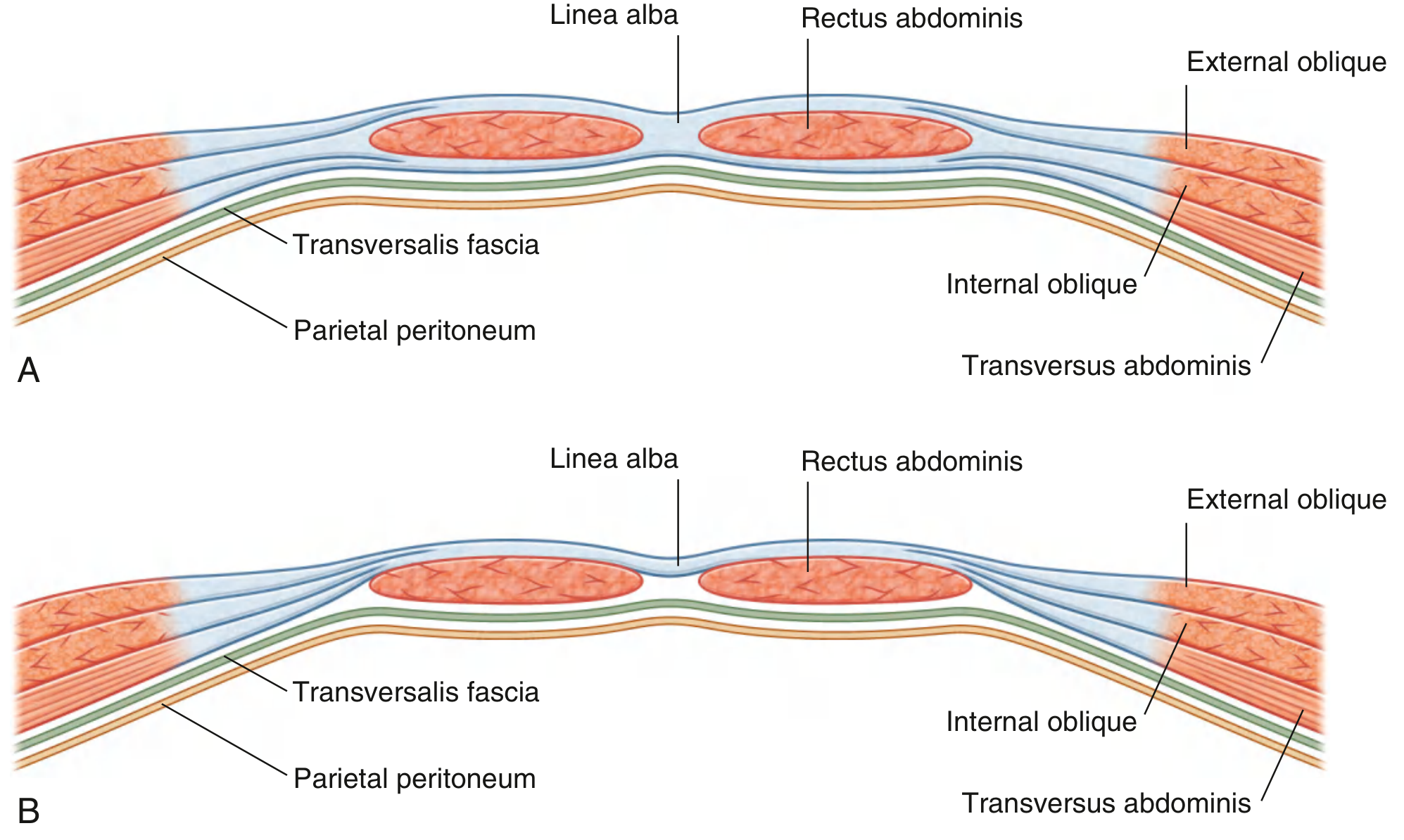
Diagram 2 - Thieme Atlas Cross-Section (showing all named layers)
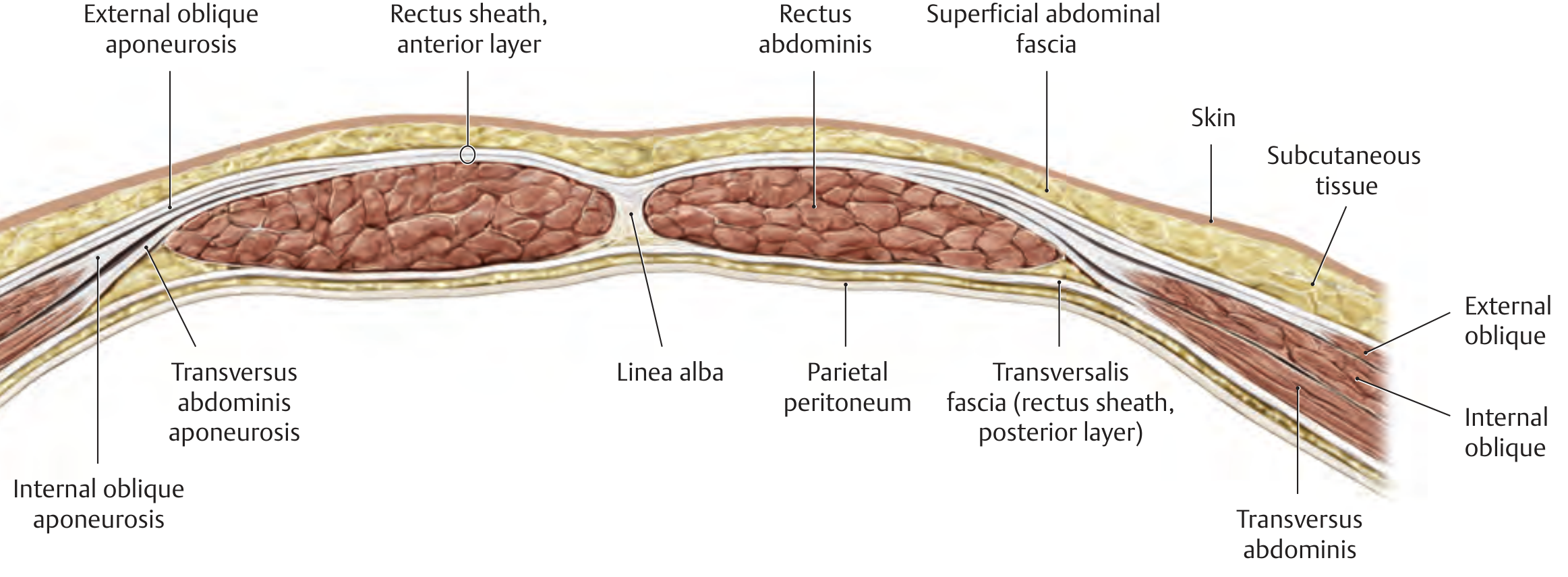
Diagram 3 - Anterior Abdominal Wall with Anterior Layer of Rectus Sheath (Fischer's Mastery of Surgery)
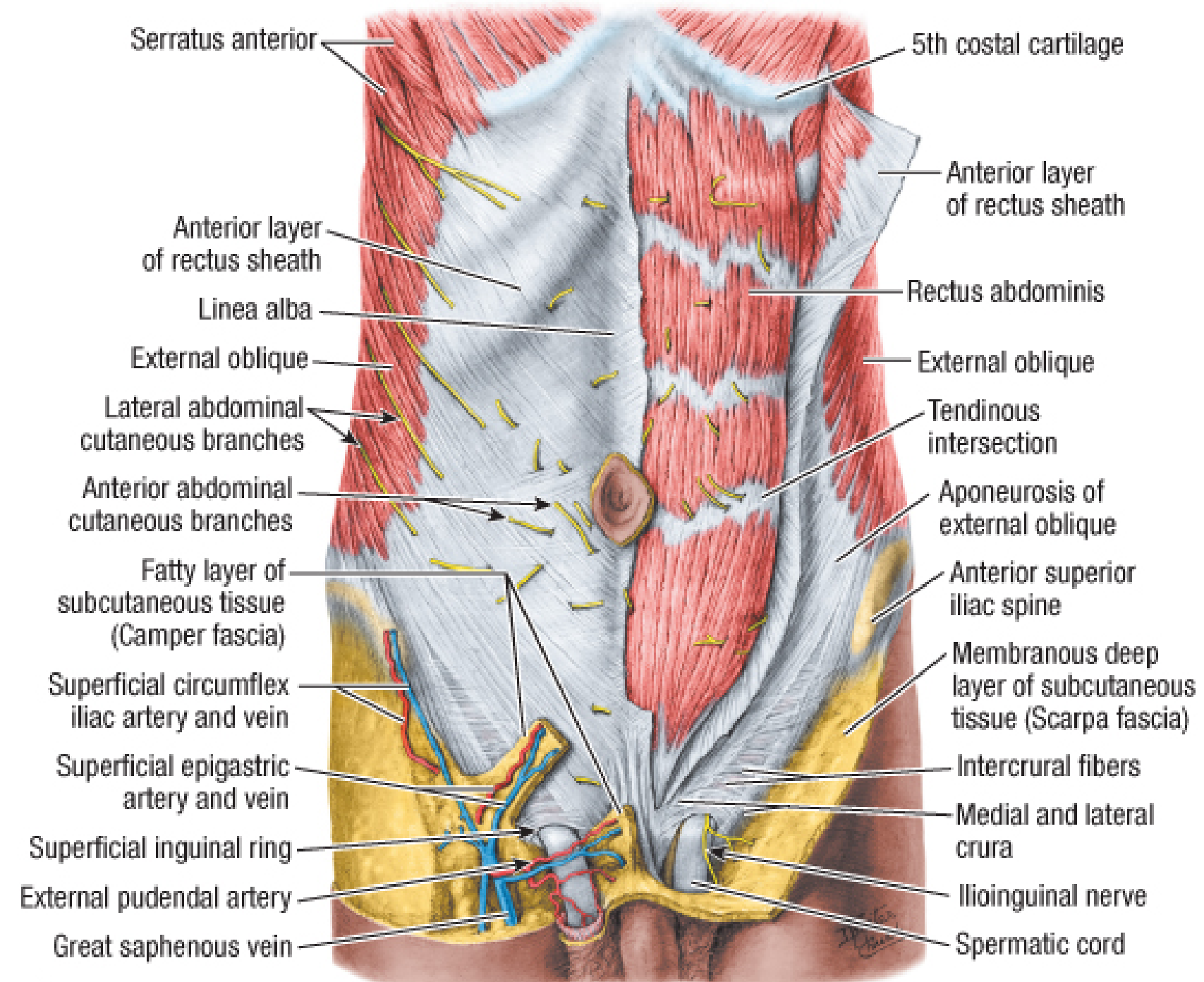
The Arcuate Line (Linea Semicircularis / Line of Douglas)
- Lies midway between the umbilicus and pubic symphysis
- Marks the lower free border of the posterior rectus sheath
- Below this line, the posterior sheath is absent
- The inferior epigastric vessels and their branches are relatively fixed at this level, making them vulnerable to shearing forces
- It is the site of Spigelian hernia when combined with the linea semilunaris
The Linea Semilunaris
- The lateral edge of the rectus sheath
- Visible on the anterior abdominal wall as a curved linear depression lateral to each rectus abdominis
- Formed by the fusion of the aponeuroses at the lateral border of the rectus abdominis muscle
- Clinically important as the site of Spigelian hernia (hernia through the aponeurosis lateral to the rectus at the level of the arcuate line)
Contents of the Rectus Sheath
- Rectus abdominis muscle (paired, longitudinal)
- Pyramidalis muscle (small triangular muscle, may be absent; anterior to rectus abdominis, base on pubis, apex attached to linea alba)
- Superior epigastric artery and veins - terminal branch of internal thoracic artery; enters the sheath below the costal margin
- Inferior epigastric artery and veins - branch of external iliac artery; enters the sheath below the arcuate line
- Anastomosis between superior and inferior epigastric vessels within the sheath
- Lymphatic vessels
- Thoracoabdominal and subcostal nerves - anterior rami of spinal nerves T7 to T12 (lower intercostal nerves enter the sheath laterally and supply segmental innervation)
Blood Supply of Rectus Abdominis (Within the Sheath)
- Superior epigastric artery: terminal branch of internal thoracic artery; enters sheath by passing posterior to the 7th costal cartilage
- Inferior epigastric artery: branch of external iliac artery; enters the sheath below the arcuate line from laterally
- The two arteries anastomose within the substance of the rectus abdominis, providing a rich blood supply
- This anastomosis is used in the TRAM (Transverse Rectus Abdominis Myocutaneous) flap for breast reconstruction
Nerve Supply (Within the Sheath)
- Anterior rami of T7-T12 (thoracoabdominal nerves) and the subcostal nerve (T12)
- They enter the lateral aspect of the sheath by piercing the posterior layer and run between the rectus abdominis and the posterior wall of the sheath
- They supply motor innervation to the rectus and pyramidalis and provide segmental cutaneous supply to the overlying skin
Related Structures
| Structure | Relation |
|---|---|
| Linea alba | Medial fusion of the two sheaths at the midline |
| Transversalis fascia | Forms the posterior "wall" below the arcuate line |
| Preperitoneal fat | Between transversalis fascia and parietal peritoneum |
| Parietal peritoneum | Deep to preperitoneal fat |
Clinical Significance
1. Rectus Sheath Hematoma
- Caused by disruption of branches of the inferior epigastric artery
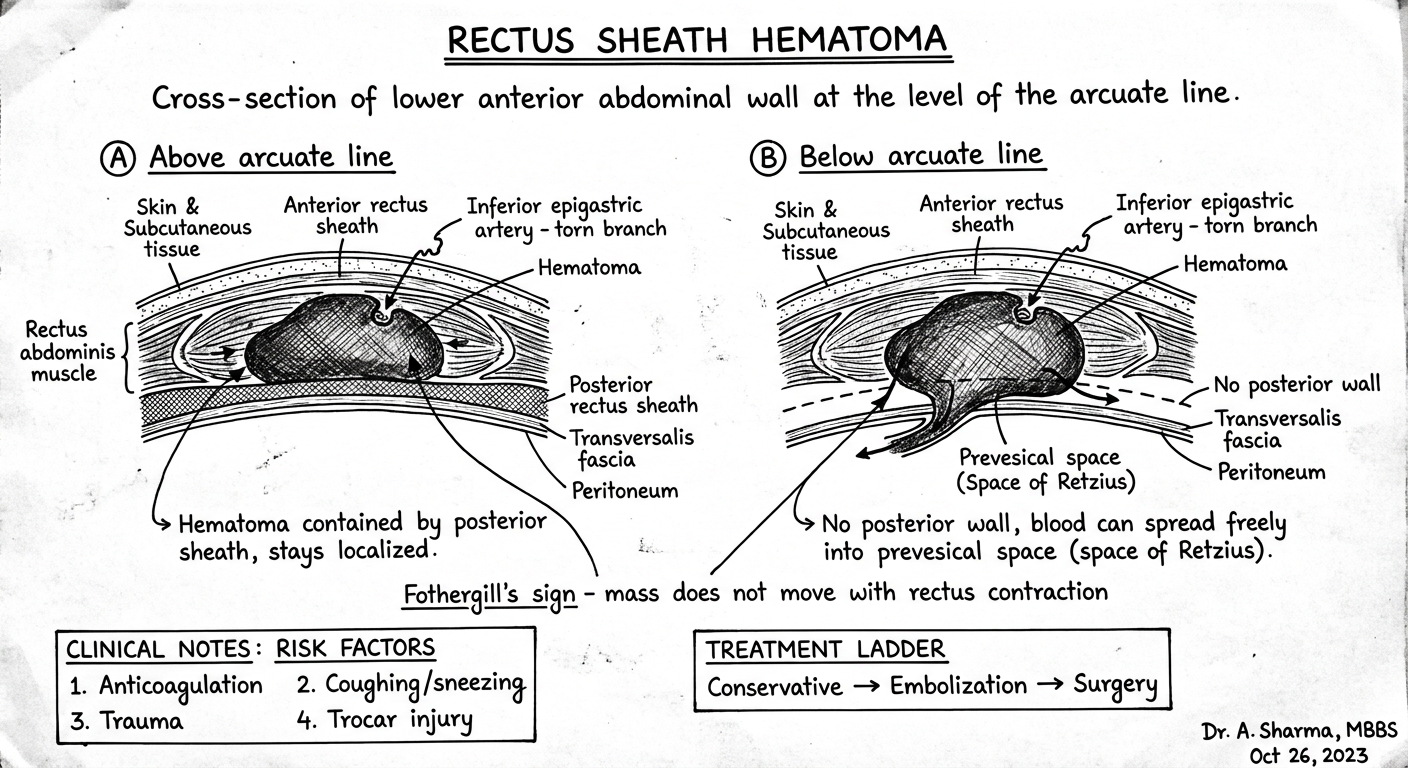
- Most common around the arcuate line, where the artery and its branches are relatively fixed and vulnerable to shearing forces
- Risk factors: Trauma, vigorous coughing/sneezing, exercise, anticoagulation therapy, chronic pulmonary disease (coughing fits), laparoscopic trocar injury
- Presentation: Acute abdominal pain + palpable abdominal wall mass
- May mimic intraperitoneal pathology (e.g., appendicitis on the right)
- Fothergill's sign: A mass that does not change in position with contraction of the rectus muscle (distinguishes from intraperitoneal masses)
- Diagnosis: Ultrasound or CT scan with IV contrast
- Management:
- Small/stable hematoma: conservative (bed rest, compression, reverse anticoagulation)
- Expanding or large hematoma: hospitalization, serial Hb/Hct
- Hemodynamic instability: aggressive resuscitation + angiographic embolization
- Surgical evacuation + vessel ligation if angiography fails
2. Spigelian Hernia
- Hernia through the Spigelian fascia at the junction of the arcuate line and linea semilunaris
- Typically presents as an intermittent lateral abdominal mass
- Diagnosis by USS or CT; treated surgically
3. Rectus Abdominis Diastasis (Diastasis Recti)
- Abnormal separation of the rectus muscles with laxity of the linea alba (>2 cm is abnormal)
- Not a true hernia (fascia is intact; no strangulation risk)
- Risk factors: obesity, pregnancy, connective tissue disorders
- Presents as a fusiform midline bulge that worsens with Valsalva maneuver
- Management: weight loss, exercise; surgery (plication of sheath) for symptomatic cases
4. Surgical Access
- The rectus sheath is opened in paramedian incisions and Pfannenstiel incisions
- Knowledge of the sheath's layers guides safe entry into the peritoneal cavity and avoids injury to the epigastric vessels
5. TRAM Flap and DIEP Flap
- The superior epigastric artery pedicle within the sheath is used for the TRAM flap in breast reconstruction
- The DIEP (Deep Inferior Epigastric Perforator) flap preserves the rectus muscle by using perforators of the inferior epigastric artery
6. Rectus Sheath Block (Regional Anaesthesia)
- Local anaesthetic is deposited between the rectus abdominis and the posterior rectus sheath under ultrasound guidance
- Provides analgesia for midline abdominal incisions by blocking the anterior rami of T7-T12
Summary Table
| Feature | Above Arcuate Line | Below Arcuate Line |
|---|---|---|
| Anterior wall | External oblique + ant. lamella of internal oblique | All three aponeuroses |
| Posterior wall | Post. lamella of internal oblique + transversus abdominis | Absent |
| Posterior covering | Posterior rectus sheath | Transversalis fascia only |
| Location | Upper 3/4 of rectus | Lower 1/4 of rectus |
Exam Tip
Can you give some handwritten diagrams for better representation in exam.
Handwritten-style anatomical diagram for MBBS exam showing cross-section of rectus sheath ABOVE the arcuate line. Sketch style with pencil/pen look on white paper. Show a horizontal cross-section with two oval shapes representing the left and right rectus abdominis muscles in the center. Label all layers from outside to inside: Skin, Subcutaneous tissue (Camper's fascia + Scarpa's fascia), then the rectus sheath layers. On the anterior side label: "Anterior wall = Aponeurosis of External Oblique + Anterior lamella of Internal Oblique". On the posterior side label: "Posterior wall = Posterior lamella of Internal Oblique + Aponeurosis of Transversus Abdominis". In the center between the two rectus muscles label "Linea Alba". On the outside lateral label the three flat muscles: External Oblique, Internal Oblique, Transversus Abdominis. Deep to posterior wall label: Transversalis fascia, Extraperitoneal fat, Parietal Peritoneum. Title at top: "RECTUS SHEATH - Above Arcuate Line (Upper 3/4)". Use neat handwriting style labels with leader lines and arrows. Black ink on white background, educational diagram style.
Handwritten-style anatomical diagram for MBBS exam showing cross-section of rectus sheath BELOW the arcuate line. Sketch style with pencil/pen look on white paper. Show a horizontal cross-section with two oval shapes representing rectus abdominis muscles. On the anterior side label: "Anterior wall = ALL THREE aponeuroses (External Oblique + Internal Oblique + Transversus Abdominis)". On the posterior side write in bold: "POSTERIOR WALL ABSENT". Deep to the muscle draw a thin line and label: "Transversalis fascia (only posterior covering)". Then: Extraperitoneal fat, Parietal Peritoneum. In center label "Linea Alba". Title at top: "RECTUS SHEATH - Below Arcuate Line (Lower 1/4)". Add a note box: "All aponeuroses pass ANTERIORLY below arcuate line". Use neat handwriting style with leader lines. Black ink on white background, educational sketch style.
Handwritten-style anatomical diagram for MBBS exam showing a front view (anterior view) of the anterior abdominal wall highlighting the rectus sheath. Sketch/pen style on white paper. Draw the outline of the anterior abdomen. In the center show the Linea Alba as a vertical midline band. On each side draw the Rectus Abdominis muscle as a vertical strap with 3 horizontal Tendinous Intersections marked. Show the lateral border as a curved line labeled "Linea Semilunaris". Above the midpoint mark a crescent-shaped line labeled "Arcuate Line (Line of Douglas) - midway between umbilicus and pubic symphysis". Draw the Umbilicus as a small circle. Label arrows showing: Anterior layer of rectus sheath (medial), External oblique, Internal oblique, Transversus abdominis (lateral). On the right side show the contents: Superior epigastric vessels (entering from above), Inferior epigastric vessels (entering below arcuate line from lateral), T7-T12 nerves entering from the side. Title: "ANTERIOR VIEW - Rectus Sheath and Related Structures". Clean handwritten educational style, black ink on white.
Handwritten-style anatomical diagram for MBBS exam showing a side-by-side comparison of rectus sheath composition above vs below arcuate line. Pen-on-paper sketch style. Draw two columns side by side separated by a vertical line. Left column title: "ABOVE ARCUATE LINE". Right column title: "BELOW ARCUATE LINE". In each column draw a small cross-section oval (rectus abdominis). For left column show layers: ANTERIOR = Ext. Oblique aponeurosis + Ant. lamella Int. Oblique; POSTERIOR = Post. lamella Int. Oblique + Trans. Abdominis aponeurosis. For right column: ANTERIOR = Ext. Oblique + Int. Oblique + Trans. Abdominis (ALL THREE); POSTERIOR = ABSENT (write in red/bold). Below each column add a small reminder box. At the bottom draw a simple stick diagram of the abdomen showing arcuate line position: "Arcuate line = midpoint between umbilicus and pubic symphysis". Add a memory aid box: "Mnemonic: Below arcuate line - all go FRONT, nothing at BACK". Title at top: "RECTUS SHEATH - Comparison Table Diagram". Handwritten educational style, black ink on white paper with some red highlight markings.
Handwritten-style anatomical diagram for MBBS exam showing rectus sheath hematoma. Pen-on-paper educational sketch style. Draw a cross-section of the lower anterior abdominal wall at the level of the arcuate line. Show the rectus abdominis muscle with a dark shaded area (hematoma) within it. Label: "Inferior epigastric artery - torn branch". Show blood spreading within the sheath. Draw two scenarios side by side: (A) Above arcuate line - hematoma contained by posterior sheath, stays localized. (B) Below arcuate line - no posterior wall, blood can spread freely into prevesical space (space of Retzius). Label: "Fothergill's sign - mass does not move with rectus contraction". Add a clinical notes box listing risk factors: "1. Anticoagulation, 2. Coughing/sneezing, 3. Trauma, 4. Trocar injury". Add treatment ladder: "Conservative → Embolization → Surgery". Title: "RECTUS SHEATH HEMATOMA". Handwritten educational MBBS exam diagram style, black ink on white paper with some shading.
Diagram 1 - Cross-section: Above the Arcuate Line
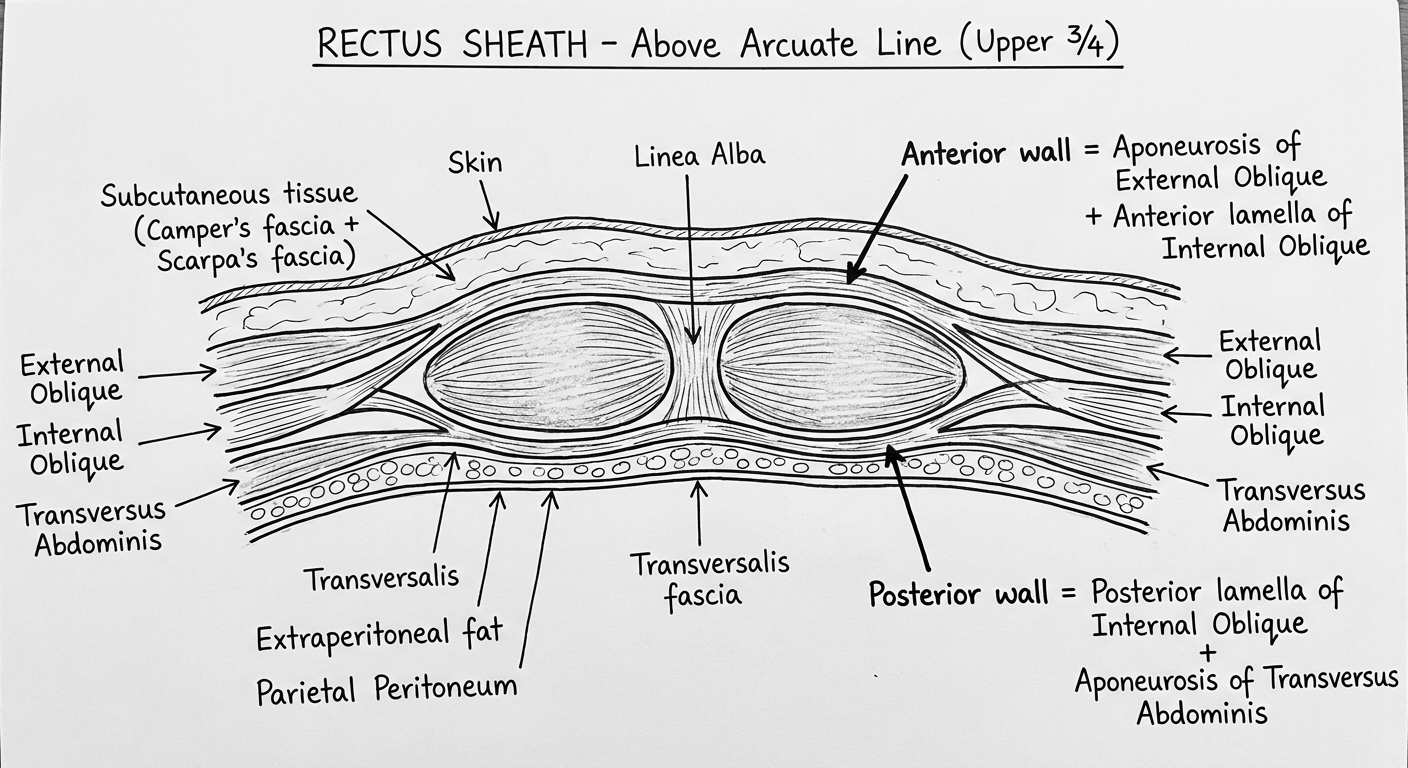
Diagram 2 - Cross-section: Below the Arcuate Line
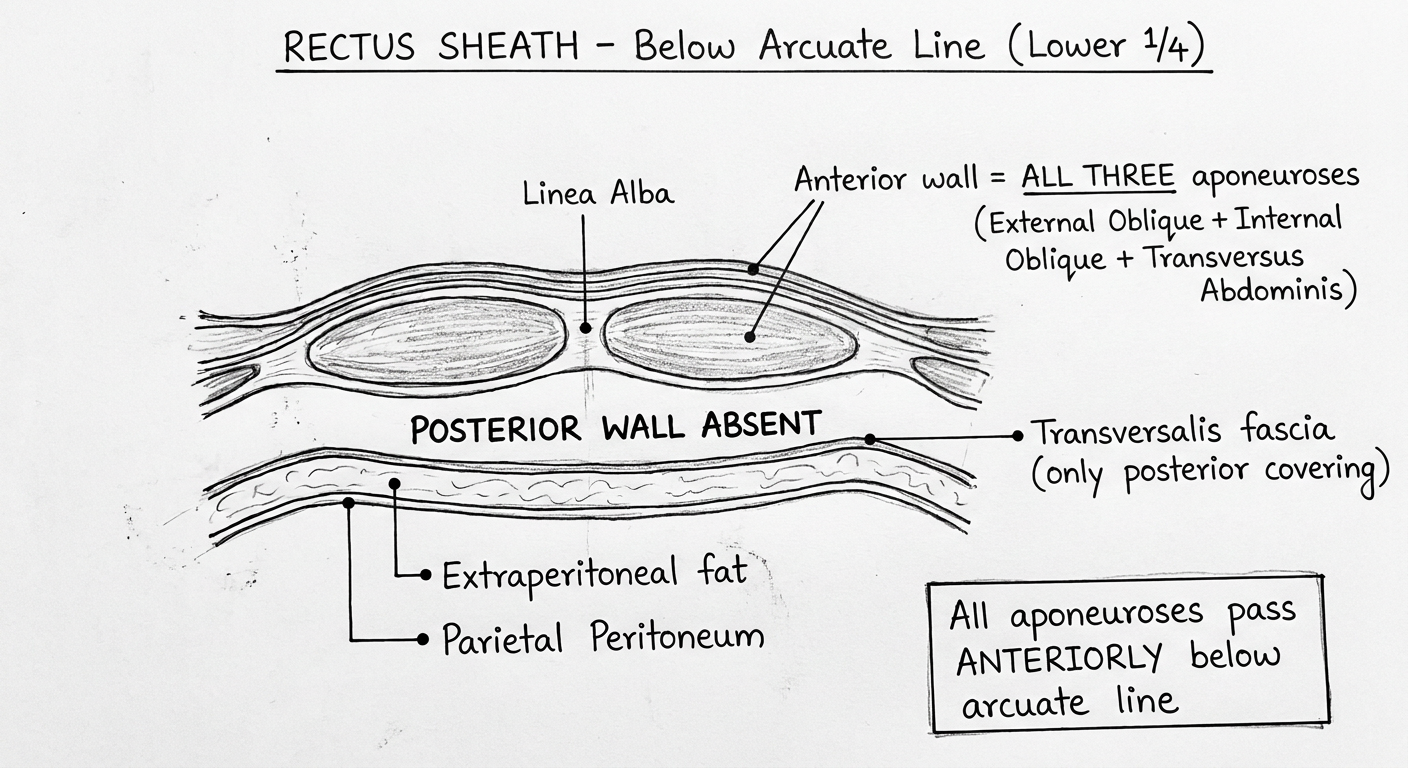
Diagram 3 - Anterior View: Rectus Sheath & Related Structures
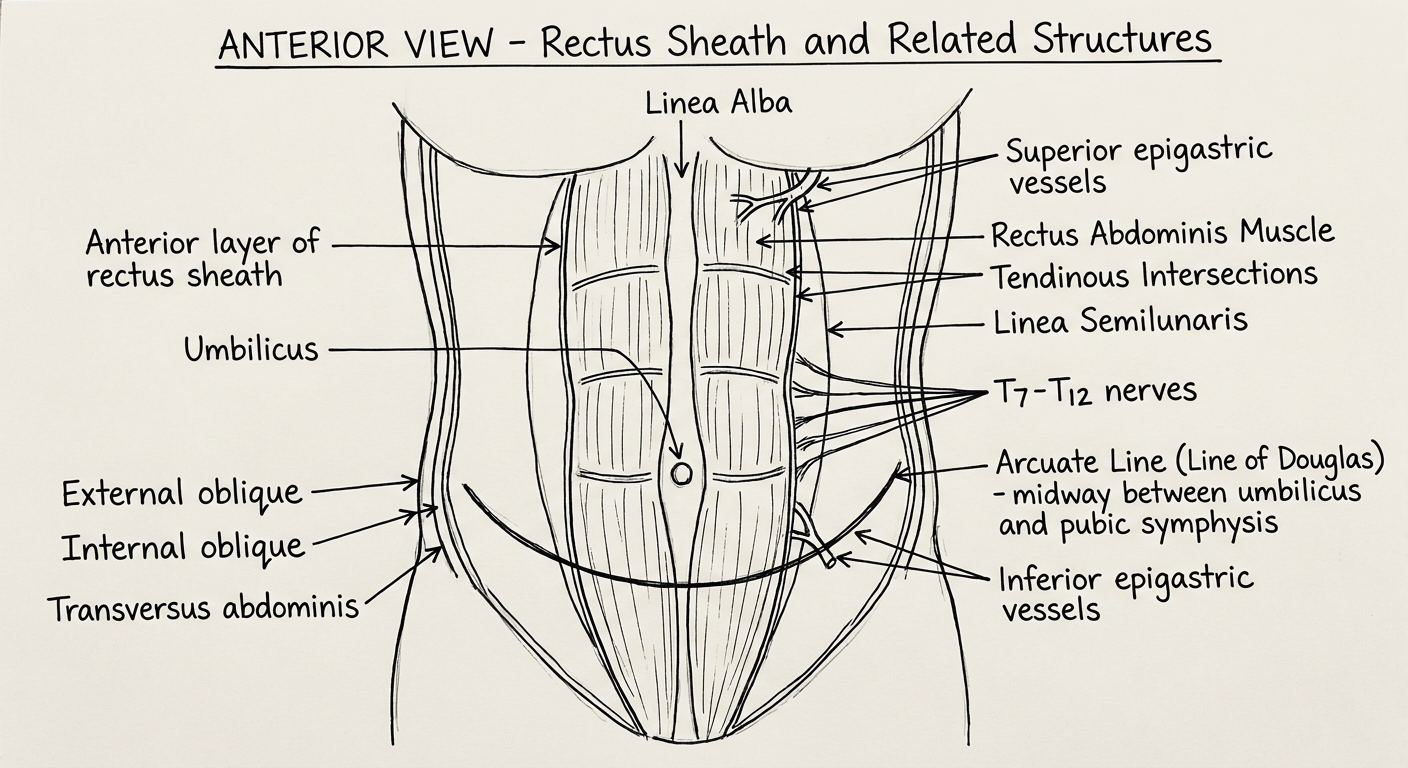
Diagram 4 - Comparison Table: Above vs Below Arcuate Line
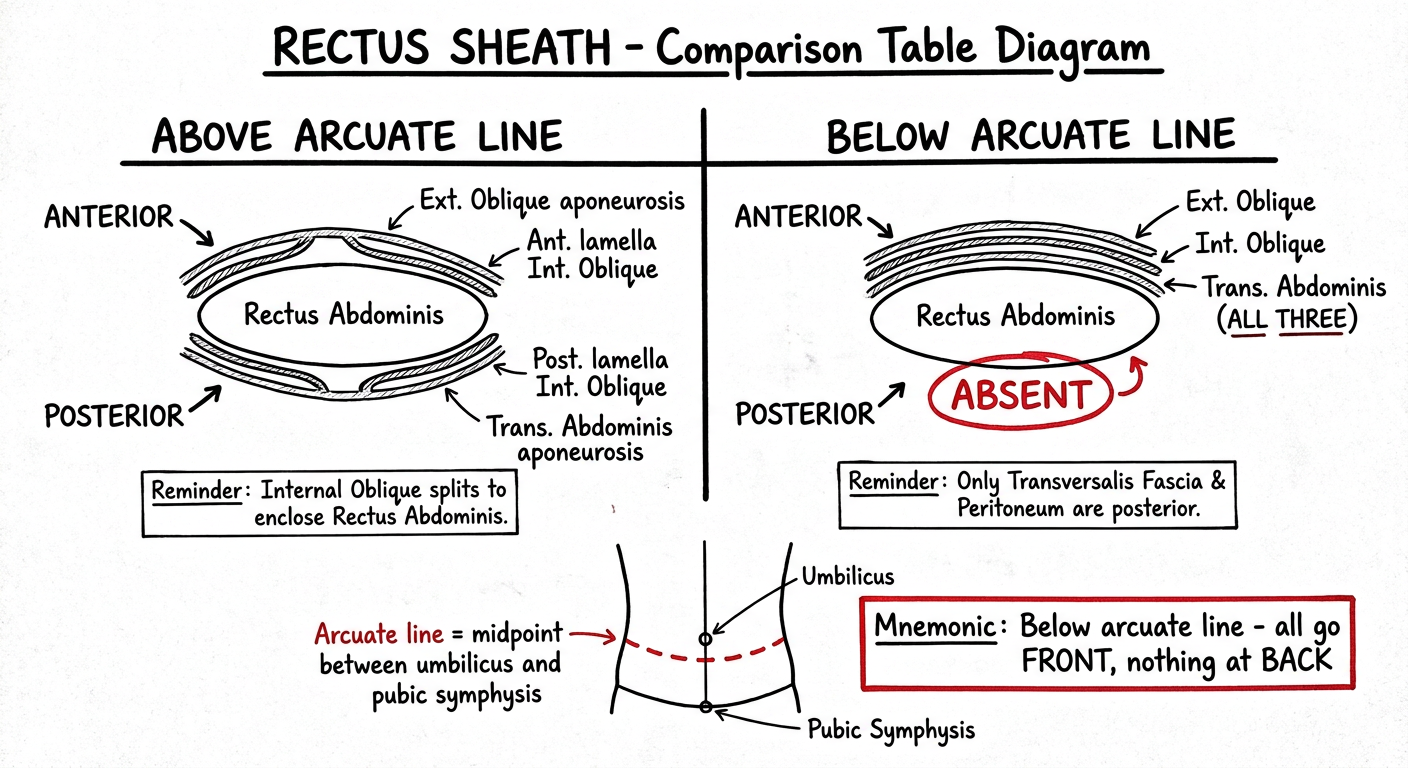
Diagram 5 - Clinical: Rectus Sheath Hematoma
How to Use These in Exams
| Diagram | When to Draw |
|---|---|
| Diagrams 1 & 2 | For any question on formation/composition of sheath |
| Diagram 3 | For questions on contents, arcuate line, linea semilunaris |
| Diagram 4 | Quick reference table within the answer |
| Diagram 5 | If the question asks clinical importance or applied anatomy |