
What is given to a9 year old boy after hypospadias operation for sleep and dosing schedule
Reading File
Now let me search the medical library and web in parallel for post-hypospadias sedation/sleep medications in pediatric patients.
Finding Sources
Finding Sources
Searching the Web
hypospadias repair postoperative sedation sleep medication 9 year old child dosing
Finding Sources
Finding Sources
Finding Sources
I now have enough information to give a thorough, well-sourced answer. Let me clarify the question's intent - "for sleep" likely refers either to postoperative sedation/sleep disruption management, or possibly melatonin given for sleep disturbance after surgery.
Post-Hypospadias Repair Medications for a 9-Year-Old Boy
After hypospadias surgery in a school-age child, several medications are typically prescribed. Here is a breakdown covering pain control, bladder spasms, antibiotics, and sleep:
1. Pain Management
Acetaminophen (Paracetamol / Tylenol)
- First-line analgesic post-hypospadias repair
- Dose: 10-15 mg/kg every 4-6 hours orally, max 5 doses in 24 hours (max 75 mg/kg/day, not exceeding 4 g/day)
- For a 9-year-old (~28-32 kg): approximately 320-480 mg per dose
- Given around-the-clock for the first 48-72 hours, not just when pain occurs
Ibuprofen (Motrin/Advil)
- Often added alongside acetaminophen (multimodal analgesia)
- Dose: 5-10 mg/kg every 6-8 hours orally with food
- For a 9-year-old: approximately 200-300 mg per dose
- Avoid if there are concerns about bleeding or renal function
Narcotics: Generally NOT prescribed for standard hypospadias repair. As the Children's Hospital of Philadelphia guidelines state, narcotics are typically not needed. Older protocols sometimes used codeine (Tylenol with codeine), but codeine is now largely avoided in children due to unpredictable metabolism (CYP2D6 variability) and FDA warnings.
2. Bladder Spasm Medication
If a urethral catheter or stent is in place (very common in hypospadias repairs), it can cause painful bladder spasms - especially at night.
Oxybutynin (Ditropan)
- Anticholinergic that relaxes the bladder muscle
- Dose for children: 0.2 mg/kg/day divided 2-3 times daily (typical child dose: 2.5-5 mg two to three times daily)
- Given while the catheter is in place; discontinued the night before catheter removal
- Side effects: dry mouth, facial flushing, constipation - encourage fluids
- UCSF Benioff Children's Hospitals specifically lists Ditropan for bladder spasms during the catheter-in period
3. Antibiotics
- A prophylactic oral antibiotic (commonly trimethoprim-sulfamethoxazole or amoxicillin-clavulanate) is typically given while the urethral catheter/stent is in place to prevent UTI
- Continued for several days after stent removal
4. Sleep - What is Given?
The question about "sleep" can mean two things in this context:
a) Sleep Disruption After Surgery (Common and Expected)
After anesthesia and surgery, children frequently develop temporary sleep pattern disruption - sleeping during the day and restless at night. This is normal and self-resolving. No specific medication is needed; reassurance is appropriate.
The bladder spasms mentioned above are a major cause of nighttime waking. Oxybutynin given at bedtime specifically helps reduce spasm-related sleep disturbance.
b) Melatonin (if prescribed for sleep)
Some centers prescribe melatonin to help children settle and sleep post-operatively, particularly for anxious children or those with preoperative sleep issues:
- Dose: 0.5-3 mg orally, 30-60 minutes before bedtime
- Well tolerated, no significant side effects at these doses
- Reduces sleep onset latency and can increase total sleep duration in pediatric patients (Kaplan & Sadock's Comprehensive Textbook of Psychiatry)
c) Midazolam (Perioperative Only)
Midazolam is sometimes given before surgery (premedication) for anxiolysis and amnesia - not for postoperative home use. Dose used perioperatively: ~0.5 mg/kg oral/nasal (max 10-15 mg).
Summary Table
| Medication | Purpose | Dose (9-year-old) | Frequency |
|---|---|---|---|
| Acetaminophen | Pain | 10-15 mg/kg (~325-480 mg) | Every 4-6 hrs |
| Ibuprofen | Pain + inflammation | 5-10 mg/kg (~200-300 mg) | Every 6-8 hrs with food |
| Oxybutynin (Ditropan) | Bladder spasms / nighttime waking | 2.5-5 mg | 2-3x/day while catheter in |
| Antibiotic (TMP-SMX or amox-clav) | UTI prevention | Weight-based | Daily or twice daily while catheter in |
| Melatonin (if prescribed) | Sleep onset | 0.5-3 mg | Once, 30-60 min before bed |
Important: These are general guidelines. The actual medications and doses are determined by the treating surgical and anesthesia team based on the child's exact weight, health status, type of repair, and whether a catheter was placed. Always follow the discharge prescription given by the operating surgeon.
What if the 9 year old boy is scd patient too what is given to make him sleep
A 9-year-old with sickle cell disease (SCD) undergoing hypospadias repair is a high-risk anesthetic case. For sleep/sedation, opioids become more acceptable here since SCD patients have higher pain thresholds and opioid tolerance, but there are important considerations around triggering a vaso-occlusive crisis. Let me search the library for specifics.
Searching sources...
Finding Sources
Finding Sources
Searching the Web
sickle cell disease child hypospadias surgery sedation sleep medication perioperative management
Finding Sources
Reading Web Page
https://pmc.ncbi.nlm.nih.gov/articles/PMC7807928
Reading File
Reading Web Page
https://pmc.ncbi.nlm.nih.gov/articles/PMC5937979
I now have solid sourced information to give a thorough answer. Here it is:
Post-Hypospadias Medications for a 9-Year-Old With Sickle Cell Disease (SCD)
SCD changes the entire perioperative picture significantly. This child is now high-risk, and the approach to sleep/sedation and pain is fundamentally different from a healthy child.
Why SCD Changes Everything
SCD patients face unique postoperative dangers triggered by the wrong medications or conditions:
- Acute Chest Syndrome (ACS) - the leading cause of perioperative death in SCD; occurs in ~10% of pediatric SCD surgical patients
- Vaso-occlusive crisis (VOC) - triggered by hypoxia, hypothermia, dehydration, acidosis, pain, or excessive sedation causing shallow breathing
- Respiratory depression from sedatives/opioids directly precipitates ACS by causing hypoventilation and hypoxia
This means: sedation for sleep must be used with extreme caution in an SCD child post-surgery.
What IS Given for Sleep/Sedation
1. Opioids (for Pain AND Sleep Comfort) - WITH Caution
Unlike healthy children where narcotics are avoided after hypospadias repair, SCD patients often require opioids because:
- They have a proinflammatory baseline state that amplifies postoperative pain
- They often have chronic pain and opioid tolerance from repeated vaso-occlusive crises
- Undertreated pain itself triggers sickling
The anaesthetic management guidelines for SCD children (PMC7807928) and the perioperative SCD management review (PMC5937979) both confirm:
| Opioid | Route | Notes |
|---|---|---|
| Morphine sulfate | IV or oral | First-line; no ceiling effect; typical IV dose 0.05-0.1 mg/kg every 3-4 hrs; must monitor RR |
| Hydromorphone | IV | Alternative to morphine; 0.01-0.02 mg/kg IV every 3-4 hrs |
| Oxycodone | Oral | For step-down from IV morphine; 0.1 mg/kg every 4-6 hrs |
Critical safety rule: Opioids must be reduced or held if:
- Respiratory rate < 10/min
- Oxygen saturation < 94%
- Severe sedation is present
2. Multimodal Non-Opioid Foundation (Still Used)
| Drug | Dose | Caution in SCD |
|---|---|---|
| Acetaminophen | 10-15 mg/kg every 4-6 hrs | Safe; use routinely |
| Ibuprofen / NSAIDs | 5-10 mg/kg every 6-8 hrs | Use with caution - SCD causes renal dysfunction; NSAIDs can worsen kidney function, especially in CKD stages 3-4. Avoid if renal impairment present. (Campbell Walsh Wein Urology) |
| Oxybutynin (Ditropan) | 2.5-5 mg 2-3x/day | Safe; still used for bladder spasms from catheter |
3. Preoperative Sedation (Oral)
The Society for Pediatric Urology guidelines specifically caution:
"Excessive preoperative sedation is a concern in the SCA patient as it will predispose to respiratory depression and decreased arterial oxygen saturation. If in doubt, it is best omitted."
If any preoperative sedative is given, a low-dose oral agent is preferred (e.g., oral midazolam 0.3-0.5 mg/kg, max 10 mg) with continuous SpO2 monitoring. The classic choice for a "pill rather than a shot" for older children is noted in the SPU resource.
4. Melatonin (Safe Option for Sleep Onset)
Melatonin is the safest agent for postoperative sleep in an SCD child because it:
- Has no respiratory depressant effect
- Does not cause hypoxia or trigger sickling
- Helps normalize disrupted sleep-wake cycles post-anesthesia
Dose: 1-3 mg orally, 30-60 minutes before desired sleep time
What Must Be Maintained Alongside Any Sedation/Sleep Aid
Per Campbell Walsh Wein Urology and the PMC anaesthesia review, ALL of the following are mandatory:
| Measure | Goal |
|---|---|
| Supplemental oxygen | SpO2 > 94% at all times |
| IV fluids | Hydration until oral intake resumes; max 1.5x maintenance |
| Temperature control | Normothermia - hypothermia worsens sickling |
| Incentive spirometry | Every 2 hours while awake |
| Antibiotic prophylaxis | For catheter; SCD patients are also functionally asplenic - penicillin prophylaxis if not already on it |
| Avoid | Dehydration, acidosis, pain under-treatment, excessive sedation |
What to Absolutely AVOID in SCD
- Excessive sedatives that cause respiratory depression - directly precipitates ACS
- Meperidine (pethidine) - its metabolite normeperidine accumulates and causes seizures, especially with renal dysfunction (common in SCD)
- Codeine - already banned in pediatrics; even worse in SCD
- Tourniquets - contraindicated in SCD
- Hypothermia - increases blood viscosity and sickling risk
Summary
For sleep in this specific patient, the safest first choice is melatonin (no respiratory risk). For pain-related sleep disruption (the more common issue), a carefully titrated oral opioid (oxycodone or morphine) with concurrent acetaminophen and SpO2 monitoring overnight is the standard approach. The hematology team should always be involved in planning, and this child should not be managed as a day-case - an inpatient admission for at least 24-48 hours with monitoring is appropriate.
Apthos ulcer treatment
Aphthous ulcers (canker sores) are treated with topical corticosteroids, analgesics, and antiseptic mouthwashes as first-line. Systemic agents are reserved for severe/recurrent cases. Let me pull the full details from the medical library.
Searching sources...
Finding Sources
Finding Sources
Good hits. Let me read the most relevant sections from Cummings Otolaryngology and Scott-Brown's, plus Andrews' Diseases of the Skin.
Reading File
Reading File
Reading File
Reading File
Reading File
Excellent - I now have comprehensive, well-sourced information from multiple authoritative textbooks. Here is the full treatment guide:
Aphthous Ulcer (Canker Sore) Treatment
Types - Quick Reference
| Type | Size | Duration | Healing | Key Feature |
|---|---|---|---|---|
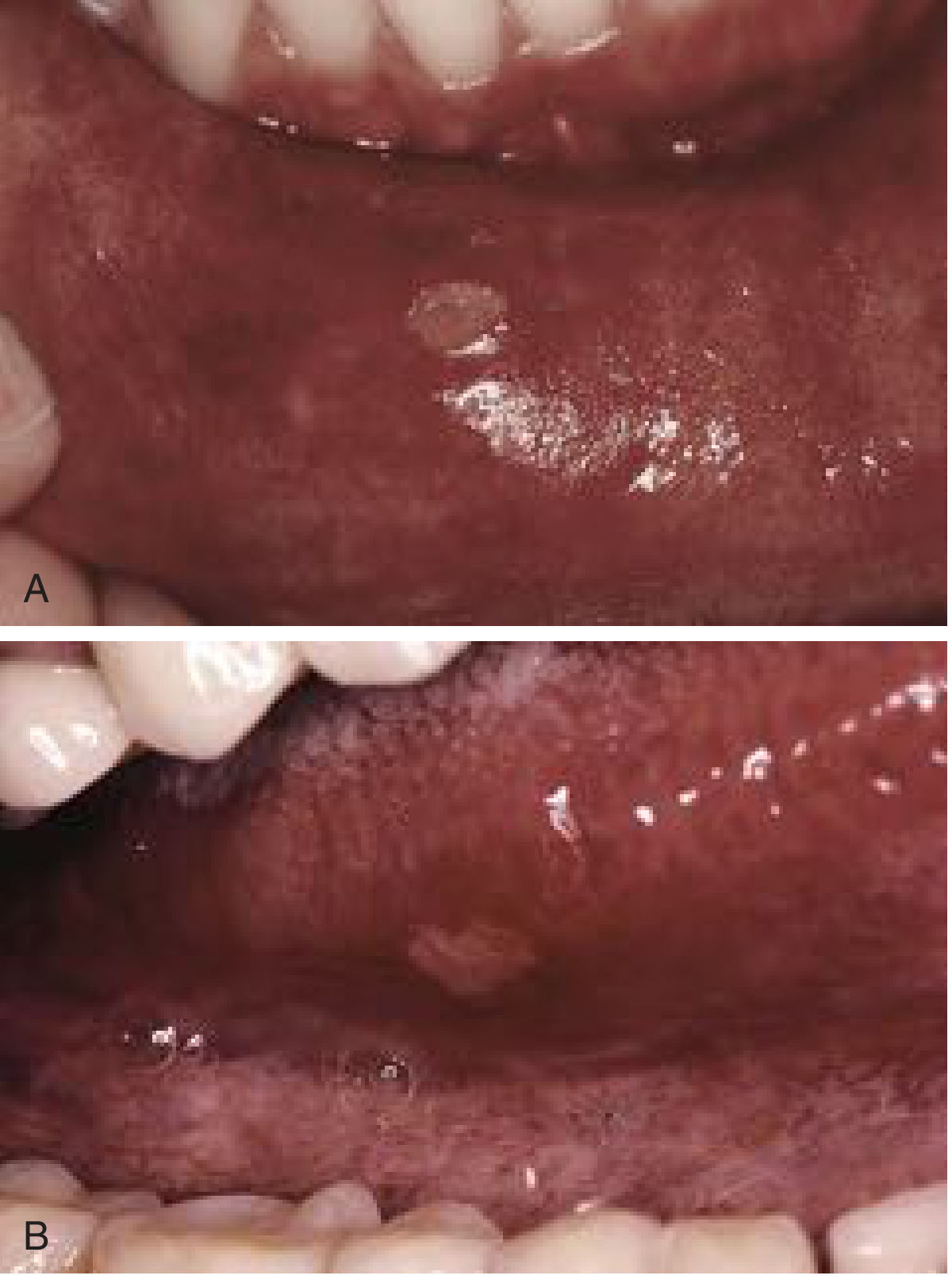
| Minor (85%) | < 10 mm | 7-10 days | Without scarring | Anterior oral cavity, non-keratinized mucosa |
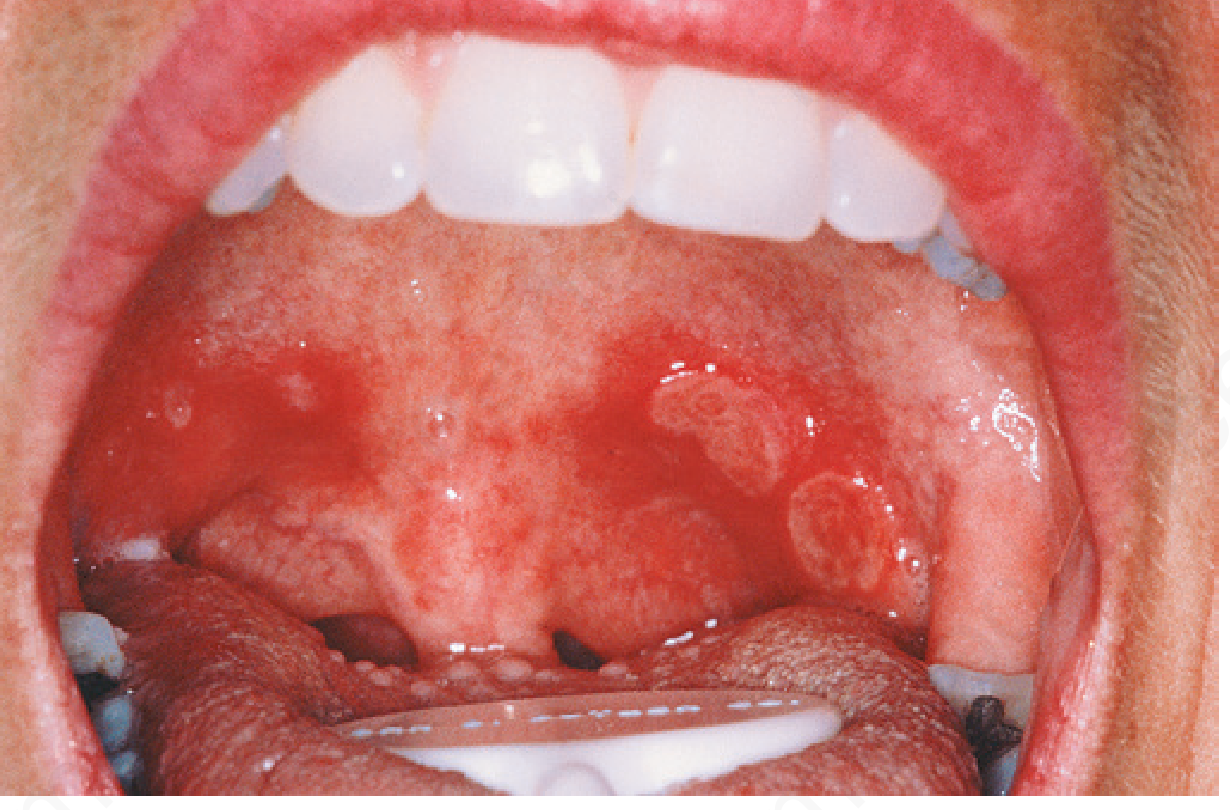
| Major (Sutton disease) (10%) | > 10 mm | Up to 3 months | May scar | Posterior mouth/oropharynx, deeply cratered |
| Herpetiform (5%) | < 5 mm | Up to 2 weeks | Without scarring | Up to 100 tiny ulcers, coalesce; not viral |
Key Principle: Timing Matters
"As the immunological damage happens some days before the ulcer appears, it is critical that treatment is started as soon as the patient becomes aware of the lesion. By the time the ulcer appears, it is too late for an immunomodulatory drug to be effective."
- Scott-Brown's Otorhinolaryngology
Once the ulcer has fully formed, only symptomatic/analgesic agents help with pain. Immunomodulatory topicals are effective only in the prodromal phase (burning/tingling before visible ulceration).
Treatment by Severity
Step 1: Symptomatic (Pain Relief) - For All Types
| Agent | How to Use |
|---|---|
| Benzydamine (Difflam) mouthwash/spray | Spray onto ulcer or rinse for 1 minute before meals to reduce sensitivity |
| Lidocaine (lignocaine) gel | Apply to ulcer before eating to relieve discomfort |
| Orabase (carmellose paste) | Occlusive paste; covers the ulcer surface and protects it from trauma |
| Chlorhexidine gluconate mouthwash | Antiseptic; reduces secondary infection and aids healing in mild/infrequent minor aphthae |
Step 2: Topical Corticosteroids - Episodic Treatment (Start in Prodrome)
These are the mainstay of treatment per Cummings Otolaryngology and Scott-Brown's:
| Agent | Dose/Instructions |
|---|---|
| Betamethasone mouthwash | 1 mg dissolved in 10 mL water; rinse for 2 minutes twice daily from onset of symptoms until healed |
| Triamcinolone acetonide in Orabase | Apply thin film directly to ulcer 2-4x daily; first-line topical in many guidelines |
| Beclomethasone inhaler (off-label) | 2 puffs (50-200 mcg/puff) three times daily directly onto the affected area from symptom onset until healed |
| Fluocinonide gel 0.05% | Apply to lesion 4x daily |
Step 3: Topical Preventive (Recurrent Cases)
For patients with frequent recurrences, used daily rather than episodically:
| Agent | Dose |
|---|---|
| Betamethasone mouthwash | 1 mg in 10 mL water, once daily every day |
| Doxycycline mouthwash | 100 mg soluble tablet in 10 mL water; rinse for 2 minutes twice daily |
These two can be combined into a single mouthrinse for convenience.
Step 4: Intralesional Corticosteroids
For large major aphthae or lesions not responding to topical treatment:
- Intralesional triamcinolone acetonide injection directly into the ulcer base
- Effective for individual large/persistent lesions
Step 5: Systemic Corticosteroids
For severe or continuous outbreaks:
- Short courses of oral prednisolone (40-60 mg/day tapered over 5-7 days)
- Effective but not suitable for long-term or repeated use
Step 6: Systemic Immunosuppressants (Specialist Only)
Reserved for severe recurrent aphthous stomatitis (RAS) unresponsive to all above, managed by a specialist:
| Drug | Notes |
|---|---|
| Colchicine | 0.5-1.5 mg/day; well-tolerated first-line systemic |
| Dapsone | Anti-inflammatory; useful in refractory cases |
| Azathioprine | Immunosuppressant; for severe/persistent disease |
| Mycophenolate mofetil | Alternative immunosuppressant |
| Thalidomide | Most effective systemic agent for major/complex aphthosis, including HIV-related; significant teratogenicity limits use |
| Pentoxifylline | TNF-alpha inhibitor; modest benefit |
| TNF-alpha antagonists (e.g., etanercept) | For refractory cases or when associated with Behcet disease |
(Andrews' Diseases of the Skin; Cummings Otolaryngology)
Correctable Triggers to Address First
Before escalating treatment, screen for and correct:
- Haematinic deficiencies: Iron (ferritin), folate, vitamin B12 - deficiency can cause RAS even with a normal blood count
- Coeliac disease: Screen with anti-tissue transglutaminase (anti-tTG); undiagnosed coeliac is a common correctable cause
- Sodium lauryl sulphate (SLS) in toothpaste: Switch to SLS-free toothpaste
- Dietary triggers: Benzoates, chocolate, cinnamon, hard/sharp foods
- Drugs: NSAIDs, beta-blockers, potassium-channel blockers can all cause aphthous-type ulcers - withdraw if possible
- Stress and hormonal factors
(Scott-Brown's Otorhinolaryngology)
Minor Aphthae (Clinical photo):
When to Biopsy
Biopsy the edge of an ulcer that is:
- Persisting > 3 weeks without healing
- Large, indurated, or painless
- In a high-risk site (tongue, floor of mouth)
- In a patient with risk factors for oral SCC or lymphoma
(Cummings Otolaryngology; Andrews' Diseases of the Skin)
This is a shared conversation. Sign in to Orris to start your own chat.