
Oral fibrosis bcz chewing guthaka
Reading File
Finding Sources
Finding Sources
Searching PubMed
"oral submucous fibrosis" AND "areca nut"
Reading File
Reading File
Finding Sources
Reading File
Finding Sources
Loading Image
Reading File
Reading File
Reading File
I now have comprehensive textbook content. Here is a detailed, well-organized answer on Oral Submucous Fibrosis (OSMF) from gutka/areca nut use:
Oral Submucous Fibrosis (OSMF) - Gutka/Areca Nut Chewing
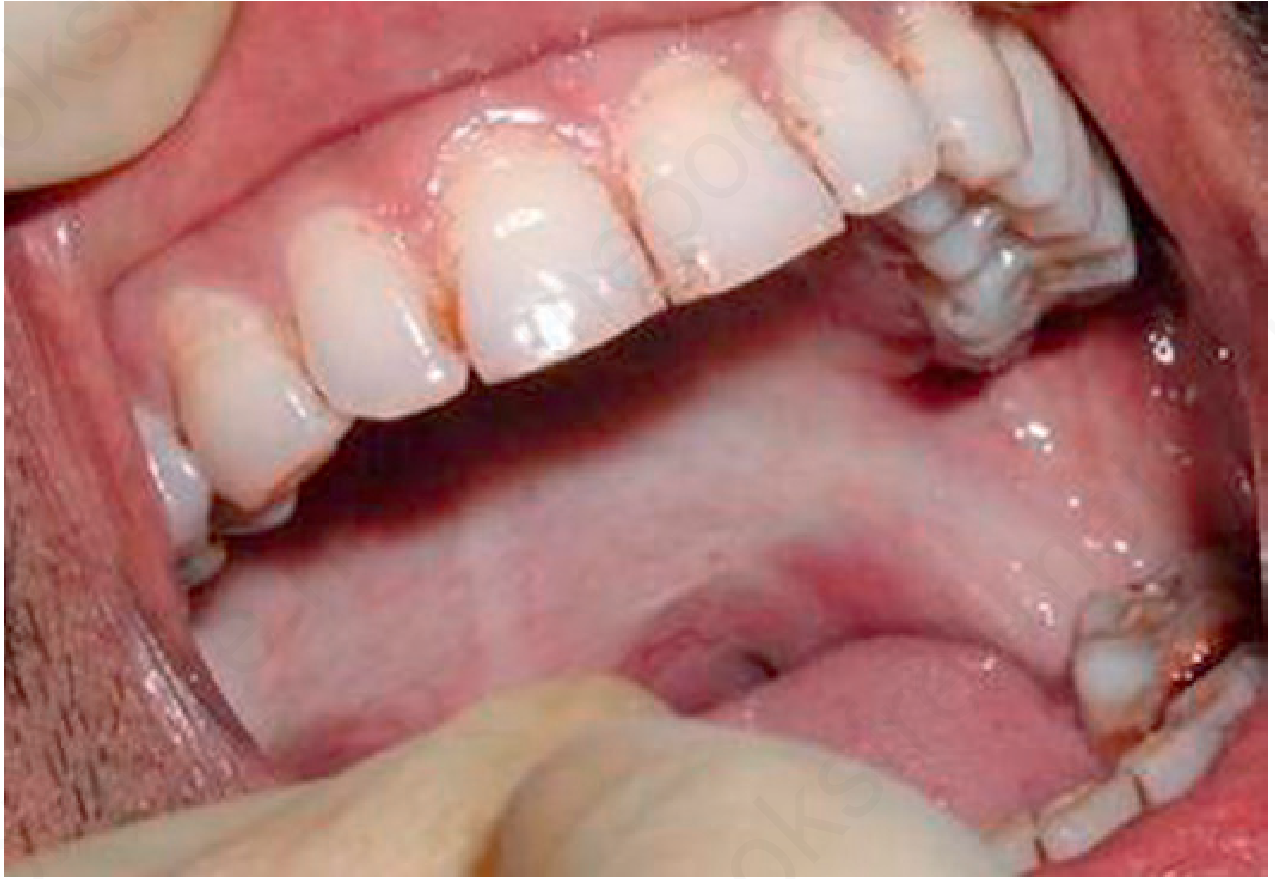
Definition
OSMF is a chronic, progressive, potentially malignant disorder of the oral mucosa. It results from habitual use of areca (betel) nut - the chief component in gutka - whether chewed, placed as a quid (paan masala) in the buccal/labial sulcus, or used in powdered packaged forms over many years. It is most prevalent in India and South/Southeast Asia.
Etiology - Why Gutka Causes This
Gutka = areca nut + tobacco + lime + other ingredients. The areca nut is the primary offender. The proposed mechanisms are:
- Failure of collagen remodeling - altered epithelial-mesenchymal interactions cause collagenous bands and aggregates to form in the submucosa and lamina propria
- Diminished functional collagenase - less collagen breakdown leads to pathological collagen accumulation
- Upregulation of inducible nitric oxide synthetase - drives early erythema phase
- Chili/irritants in the compound add to mucosal insult
Clinical Features (Progression)
| Stage | Features |
|---|---|
| Early | Erythema with or without vesiculation of the buccal mucosa |
| Intermediate | Progressive pallor (loss of normal pink color), fibrous bands palpable in cheeks, reduced mouth opening, reduced tongue mobility |
| Advanced | Marked trismus (inability to open mouth), dysphagia, dysarthria (speech impairment) |
| Late/Malignant | Ulceration, leukoplakic areas, potential transformation to squamous cell carcinoma (SCC) |
The irritation causes thickening of the palate, tonsillar pillars, and fauces secondary to dermal and muscular fibrosis.
Histopathology
The hallmark is a juxtaposition of atrophic epithelium overlying subjacent fibrosis:
- Early: delicate, loosely arranged collagen fibers
- Progressive: hyalinization of connective tissue
- Late: complete hyalinization of supporting connective tissue
- Variable chronic inflammation (lymphocytes, plasma cells)
- Dysplasia: mild in ~46%, moderate in ~52%, severe in ~2% of cases
Malignant Transformation Risk
This is the most important clinical implication. OSMF is classified as an oral potentially malignant disorder (OPMD):
- Risk of transformation to oral squamous cell carcinoma (SCC): 7% to 30% depending on the series
- One major Indian study over 17 years reported 7.6% transformation
- The areca nut in gutka is directly linked to the high incidence of oral SCC in India and neighboring countries
"The role of areca (betel) nut in the pathogenesis of oral submucous fibrosis in India and many other countries forms the basis for the high rate of oral squamous cell carcinoma reported in those locations." - Cummings Otolaryngology
Treatment
Management is problematic, especially in advanced cases:
Conservative (First-line)
- Cessation of gutka/areca use - mandatory and essential
- Intralesional injections: triamcinolone or dexamethasone, alone or combined with hyaluronidase
- Antioxidant therapy: spirulina (shown benefit in trials)
- Pentoxifylline - proposed in recent studies for its collagen-modifying effects
- Collagenase injections - proposed to improve mouth opening
- Physical therapy / jaw-opening exercises
Surgical (Advanced cases)
- Surgical scar band release - only modestly successful
- Surgical excision with grafting
- Laser ablation
Summary Points
- Gutka is the most common cause of OSMF in India
- The areca nut alkaloids (arecoline) are the primary carcinogens
- OSMF is irreversible once fibrosis is established; only cessation prevents progression
- Regular long-term follow-up is mandatory given malignant potential
- Survival for oral SCC remains around 50% because it is often detected late
Sources:
- Cummings Otolaryngology Head and Neck Surgery, Chapter 87 (Oral Submucous Fibrosis, pp. 1583-1585)
- Andrews' Diseases of the Skin - Clinical Dermatology, p. 709
- K.J. Lee's Essential Otolaryngology
Recent evidence (2024-2025): A systematic review on mast cells in OSMF pathogenesis (PMID 39402549, BMC Oral Health 2024) and a meta-analysis on prevalence of OPMDs in smokeless tobacco/areca nut users (PMID 40891099, J Oral Pathol Med 2025) confirm current understanding and emphasize the high burden in areca nut users - no major change from established teaching.
This is a shared conversation. Sign in to Orris to start your own chat.