
Hi orris,i have gallbladder stone, i haven't operated on because of another operation but sometimes i get intense pain in upper abdomen accompanied by vomiting and pain spreading to back, what triggers this
"biliary colic" AND triggers
"biliary colic" AND "cholelithiasis" AND symptoms
gallstone biliary colic triggers fatty food pain mechanism
What Triggers Your Gallstone Pain (Biliary Colic)
The Core Mechanism
What Specifically Triggers an Episode
| Trigger | Why it causes pain |
|---|---|
| Fatty / fried foods (fries, chips, full-fat dairy, red meat) | Strongest trigger - fat causes the biggest gallbladder contraction |
| Large, heavy meals | Any large meal increases gallbladder contraction force |
| Eating after a long fast | The gallbladder overfills with bile during fasting, then contracts powerfully when you finally eat |
| Spicy foods | Can irritate the biliary tract and trigger contraction |
| Rapid eating | Drives faster gastric emptying and a sharper hormonal response |
| Evening / night meals | Many people notice attacks at night, a few hours after a large dinner |
Why Your Pain Spreads to the Back
Why Vomiting Happens
Ultrasound Appearance
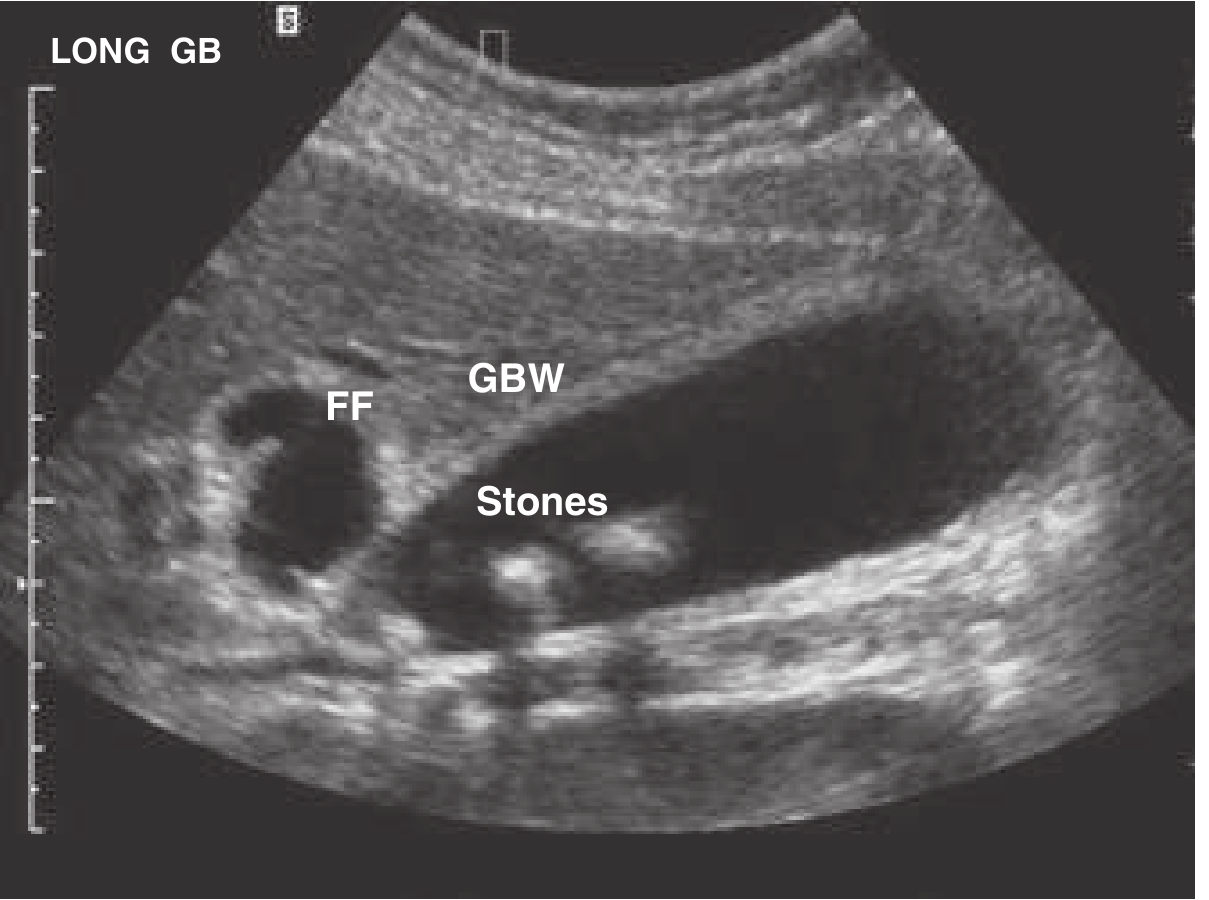
What You Can Do Right Now (Before Your Operation)
- Avoid fatty, fried, and greasy foods - this is the single most effective way to reduce attack frequency
- Eat smaller, more frequent meals rather than large ones
- Do not skip meals - long fasting followed by eating is a common trigger
- Avoid alcohol - it can stimulate gallbladder contraction
- For pain during an attack - NSAIDs (like ibuprofen or diclofenac) and antiemetics for vomiting are standard emergency management. Your doctor can prescribe these
Important: Pain radiating to the back with vomiting can also be a sign of gallstone pancreatitis (a stone blocking the pancreatic duct) or common bile duct obstruction. If the pain is extremely severe, prolonged (more than 6 hours), accompanied by fever, yellowing of skin/eyes (jaundice), or dark urine - go to the emergency room promptly. These are signs of a complication that needs urgent care, not just a dietary trigger episode.
- Rosen's Emergency Medicine, p. 1255-1256
- Sabiston Textbook of Surgery, p. 124-133
Make a quick reference guide for managing biliary colic pain at home
What format would you like the quick reference guide in?
ls -la /home/daytona/workspace/
mkdir -p /home/daytona/workspace/biliary-colic-guide
~/biliary-colic-guide/create_guide.py
from reportlab.lib.pagesizes import A4
from reportlab.lib import colors
from reportlab.lib.units import mm, cm
from reportlab.lib.styles import getSampleStyleSheet, ParagraphStyle
from reportlab.lib.enums import TA_LEFT, TA_CENTER, TA_JUSTIFY
from reportlab.platypus import (
    SimpleDocTemplate, Paragraph, Spacer, Table, TableStyle,
    HRFlowable, KeepTogether
)
from reportlab.platypus import Flowable
from reportlab.graphics.shapes import Drawing, Rect, String, Circle
from reportlab.pdfbase import pdfmetrics

# ── Color Palette ─────────────────────────────────────────────────────────────
TEAL       = colors.HexColor("#1B7A8C")
TEAL_LIGHT = colors.HexColor("#E8F6F8")
AMBER      = colors.HexColor("#E07B00")
AMBER_LIGHT= colors.HexColor("#FFF3E0")
RED        = colors.HexColor("#C0392B")
RED_LIGHT  = colors.HexColor("#FDECEA")
GREEN      = colors.HexColor("#27AE60")
GREEN_LIGHT= colors.HexColor("#E9F7EF")
GREY       = colors.HexColor("#5D6D7E")
GREY_LIGHT = colors.HexColor("#F2F3F4")
WHITE      = colors.white
BLACK      = colors.HexColor("#1C2833")

W, H = A4  # 595.27 x 841.89 pts

# ── Document Setup ─────────────────────────────────────────────────────────────
OUTPUT = "/home/daytona/workspace/biliary-colic-guide/Biliary_Colic_Home_Guide.pdf"
doc = SimpleDocTemplate(
    OUTPUT, pagesize=A4,
    leftMargin=18*mm, rightMargin=18*mm,
    topMargin=20*mm, bottomMargin=18*mm
)

# ── Styles ─────────────────────────────────────────────────────────────────────
base = getSampleStyleSheet()

def style(name, parent="Normal", **kw):
    s = ParagraphStyle(name, parent=base[parent], **kw)
    return s

S_TITLE  = style("S_TITLE",  fontSize=22, leading=26, textColor=WHITE,
                  fontName="Helvetica-Bold", alignment=TA_CENTER, spaceAfter=0)
S_SUB    = style("S_SUB",    fontSize=10, leading=13, textColor=colors.HexColor("#B2EBF2"),
                  fontName="Helvetica", alignment=TA_CENTER, spaceAfter=0)
S_H2     = style("S_H2",     fontSize=12, leading=14, textColor=WHITE,
                  fontName="Helvetica-Bold", alignment=TA_LEFT, spaceBefore=0, spaceAfter=0)
S_BODY   = style("S_BODY",   fontSize=9,  leading=13, textColor=BLACK,
                  fontName="Helvetica",   alignment=TA_JUSTIFY, spaceAfter=3)
S_BULLET = style("S_BULLET", fontSize=9,  leading=13, textColor=BLACK,
                  fontName="Helvetica",   leftIndent=10, spaceAfter=2)
S_BOLD   = style("S_BOLD",   fontSize=9,  leading=13, textColor=BLACK,
                  fontName="Helvetica-Bold", spaceAfter=2)
S_WARN   = style("S_WARN",   fontSize=9.5,leading=13, textColor=RED,
                  fontName="Helvetica-Bold", alignment=TA_LEFT, spaceAfter=2)
S_NOTE   = style("S_NOTE",   fontSize=8,  leading=11, textColor=GREY,
                  fontName="Helvetica-Oblique", alignment=TA_CENTER, spaceAfter=0)
S_STEP_N = style("S_STEP_N", fontSize=16, leading=16, textColor=WHITE,
                  fontName="Helvetica-Bold", alignment=TA_CENTER)
S_STEP_T = style("S_STEP_T", fontSize=9.5,leading=13, textColor=BLACK,
                  fontName="Helvetica-Bold", spaceAfter=1)
S_STEP_B = style("S_STEP_B", fontSize=9,  leading=12, textColor=BLACK,
                  fontName="Helvetica",   spaceAfter=2)
S_TBL_H  = style("S_TBL_H", fontSize=9,  leading=12, textColor=WHITE,
                  fontName="Helvetica-Bold", alignment=TA_CENTER)
S_TBL_B  = style("S_TBL_B", fontSize=8.5,leading=12, textColor=BLACK,
                  fontName="Helvetica")
S_TBL_RED= style("S_TBL_RED",fontSize=8.5,leading=12, textColor=RED,
                  fontName="Helvetica-Bold")

# ── Helper: section header banner ──────────────────────────────────────────────
def section_header(title, color=TEAL):
    tbl = Table([[Paragraph(title, S_H2)]], colWidths=[W - 36*mm])
    tbl.setStyle(TableStyle([
        ("BACKGROUND", (0,0), (-1,-1), color),
        ("TOPPADDING",   (0,0), (-1,-1), 5),
        ("BOTTOMPADDING",(0,0), (-1,-1), 5),
        ("LEFTPADDING",  (0,0), (-1,-1), 8),
        ("RIGHTPADDING", (0,0), (-1,-1), 8),
        ("ROUNDEDCORNERS", [4]),
    ]))
    return tbl

# ── Helper: colored box ────────────────────────────────────────────────────────
def box(content_rows, bg=TEAL_LIGHT, border=TEAL):
    tbl = Table(content_rows, colWidths=[W - 36*mm])
    tbl.setStyle(TableStyle([
        ("BACKGROUND",   (0,0), (-1,-1), bg),
        ("BOX",          (0,0), (-1,-1), 1, border),
        ("TOPPADDING",   (0,0), (-1,-1), 6),
        ("BOTTOMPADDING",(0,0), (-1,-1), 6),
        ("LEFTPADDING",  (0,0), (-1,-1), 10),
        ("RIGHTPADDING", (0,0), (-1,-1), 10),
    ]))
    return tbl

# ── Helper: two-column row ─────────────────────────────────────────────────────
def two_col(left_content, right_content, left_w=None):
    total = W - 36*mm
    lw = left_w or total * 0.5
    rw = total - lw
    tbl = Table([[left_content, right_content]], colWidths=[lw, rw])
    tbl.setStyle(TableStyle([
        ("VALIGN", (0,0), (-1,-1), "TOP"),
        ("LEFTPADDING",  (0,0), (-1,-1), 0),
        ("RIGHTPADDING", (0,0), (-1,-1), 0),
        ("TOPPADDING",   (0,0), (-1,-1), 0),
        ("BOTTOMPADDING",(0,0), (-1,-1), 0),
    ]))
    return tbl

# ── Helper: step circle ────────────────────────────────────────────────────────
def step_circle(num, color=TEAL):
    d = Drawing(28, 28)
    d.add(Circle(14, 14, 13, fillColor=color, strokeColor=None))
    d.add(String(14, 8, str(num), fontSize=14, fillColor=WHITE,
                 fontName="Helvetica-Bold", textAnchor="middle"))
    return d

# ══════════════════════════════════════════════════════════════════════════════
# BUILD STORY
# ══════════════════════════════════════════════════════════════════════════════
story = []

# ── HEADER BANNER ─────────────────────────────────────────────────────────────
header_bg = Table(
    [[Paragraph("BILIARY COLIC", S_TITLE)],
     [Paragraph("Home Management Quick Reference Guide", S_SUB)],
     [Paragraph("For patients with known gallstones awaiting surgery", S_NOTE)]],
    colWidths=[W - 36*mm]
)
header_bg.setStyle(TableStyle([
    ("BACKGROUND",    (0,0), (-1,-1), TEAL),
    ("TOPPADDING",    (0,0), (-1,-1), 10),
    ("BOTTOMPADDING", (0,0), (-1,-1), 10),
    ("LEFTPADDING",   (0,0), (-1,-1), 10),
    ("RIGHTPADDING",  (0,0), (-1,-1), 10),
]))
story.append(header_bg)
story.append(Spacer(1, 6*mm))

# ── WHAT IS HAPPENING  ─────────────────────────────────────────────────────────
story.append(section_header("⚡  WHAT IS HAPPENING DURING AN ATTACK"))
story.append(Spacer(1, 2*mm))
story.append(Paragraph(
    "When you eat (especially fatty foods), your gallbladder contracts to release bile. "
    "The stone gets pushed against the cystic duct opening — pressure builds inside the "
    "gallbladder wall, causing intense upper-abdominal pain, nausea/vomiting, and referred "
    "pain to the right shoulder blade or mid-back. Episodes typically last <b>30 minutes to "
    "6 hours</b> and resolve when the stone shifts back.",
    S_BODY
))
story.append(Spacer(1, 4*mm))

# ── STEP-BY-STEP DURING ATTACK ────────────────────────────────────────────────
story.append(section_header("🏠  STEP-BY-STEP: WHAT TO DO DURING AN ATTACK", color=AMBER))
story.append(Spacer(1, 3*mm))

steps = [
    ("STOP eating and drinking",
     "Do not eat or drink anything. Fasting stops gallbladder contractions and removes the stimulus for further squeezing."),
    ("Take pain relief",
     "Ibuprofen 400–600 mg (with water, then stop eating) or diclofenac 50–75 mg if prescribed. NSAIDs reduce the prostaglandin-mediated spasm. Use only as directed by your doctor."),
    ("Take anti-nausea medicine",
     "Metoclopramide (Maxolon) or ondansetron if prescribed. Do not force yourself to eat or drink while nauseated."),
    ("Apply warmth",
     "A warm (not hot) heating pad or warm water bottle on the upper abdomen or right side can ease muscle tension and provide comfort."),
    ("Rest in a comfortable position",
     "Lie on your left side with knees drawn up (fetal position) or sit upright — find whichever relieves pressure. Avoid lying flat on your back."),
    ("Time the attack",
     "Note when it started. If pain is not improving after 4–6 hours, or is getting worse, seek medical care immediately."),
]

col_total = W - 36*mm
for i, (title, body) in enumerate(steps):
    circle = step_circle(i+1, AMBER)
    text_col = Table(
        [[Paragraph(title, S_STEP_T)],
         [Paragraph(body,  S_STEP_B)]],
        colWidths=[col_total - 36]
    )
    text_col.setStyle(TableStyle([
        ("TOPPADDING",   (0,0),(-1,-1), 0),
        ("BOTTOMPADDING",(0,0),(-1,-1), 0),
        ("LEFTPADDING",  (0,0),(-1,-1), 0),
        ("RIGHTPADDING", (0,0),(-1,-1), 0),
    ]))
    row_bg = colors.HexColor("#FFFBF2") if i % 2 == 0 else WHITE
    step_row = Table([[circle, text_col]], colWidths=[32, col_total - 32])
    step_row.setStyle(TableStyle([
        ("BACKGROUND",   (0,0), (-1,-1), row_bg),
        ("VALIGN",       (0,0), (-1,-1), "MIDDLE"),
        ("TOPPADDING",   (0,0), (-1,-1), 5),
        ("BOTTOMPADDING",(0,0), (-1,-1), 5),
        ("LEFTPADDING",  (0,0), (-1,-1), 6),
        ("RIGHTPADDING", (0,0), (-1,-1), 6),
        ("BOX",          (0,0), (-1,-1), 0.5, colors.HexColor("#F0D8B0")),
    ]))
    story.append(step_row)
    story.append(Spacer(1, 1.5*mm))

story.append(Spacer(1, 3*mm))

# ── FOODS TABLE  ──────────────────────────────────────────────────────────────
story.append(section_header("🍽  FOOD: AVOID vs. SAFE", color=GREEN))
story.append(Spacer(1, 2*mm))

food_data = [
    [Paragraph("❌  AVOID — Common Triggers", S_TBL_H),
     Paragraph("✅  SAFER CHOICES", S_TBL_H)],
    [Paragraph("Fried & deep-fried foods (chips, pakoras, samosas)", S_TBL_B),
     Paragraph("Steamed, boiled, or baked dishes", S_TBL_B)],
    [Paragraph("Full-fat dairy (butter, ghee, cream, cheese)", S_TBL_B),
     Paragraph("Low-fat yoghurt, skimmed milk", S_TBL_B)],
    [Paragraph("Fatty/red meats (beef, lamb, processed meats)", S_TBL_B),
     Paragraph("Grilled chicken breast, fish, lentils, eggs (boiled)", S_TBL_B)],
    [Paragraph("Fast food and takeaways", S_TBL_B),
     Paragraph("Home-cooked meals with minimal oil", S_TBL_B)],
    [Paragraph("Spicy curries with heavy oil base", S_TBL_B),
     Paragraph("Mild spices, stir-fried with minimal oil", S_TBL_B)],
    [Paragraph("Very large meals (especially at night)", S_TBL_B),
     Paragraph("Small portions, 4–5 times a day", S_TBL_B)],
    [Paragraph("Long fasting then eating a big meal", S_TBL_B),
     Paragraph("Regular eating schedule — do not skip meals", S_TBL_B)],
    [Paragraph("Alcohol", S_TBL_B),
     Paragraph("Water, herbal teas, diluted juices", S_TBL_B)],
    [Paragraph("Carbonated sugary drinks", S_TBL_B),
     Paragraph("Plain water (aim 6–8 glasses/day)", S_TBL_B)],
]
fw = W - 36*mm
food_tbl = Table(food_data, colWidths=[fw*0.5, fw*0.5])
food_tbl.setStyle(TableStyle([
    ("BACKGROUND",   (0,0), (0,0), RED),
    ("BACKGROUND",   (1,0), (1,0), GREEN),
    ("BACKGROUND",   (0,1), (0,-1), colors.HexColor("#FEF0EE")),
    ("BACKGROUND",   (1,1), (1,-1), colors.HexColor("#EAF7EE")),
    ("ROWBACKGROUNDS",(0,1),(-1,-1),[colors.HexColor("#FEF0EE"), colors.HexColor("#FDD9D7"),
                                      colors.HexColor("#FEF0EE"), colors.HexColor("#FDD9D7"),
                                      colors.HexColor("#FEF0EE"), colors.HexColor("#FDD9D7"),
                                      colors.HexColor("#FEF0EE"), colors.HexColor("#FDD9D7"),
                                      colors.HexColor("#FEF0EE")]),
    ("BACKGROUND",   (1,1), (1,-1), colors.HexColor("#EAF7EE")),
    ("GRID",         (0,0), (-1,-1), 0.5, colors.HexColor("#CCCCCC")),
    ("TOPPADDING",   (0,0), (-1,-1), 4),
    ("BOTTOMPADDING",(0,0), (-1,-1), 4),
    ("LEFTPADDING",  (0,0), (-1,-1), 7),
    ("RIGHTPADDING", (0,0), (-1,-1), 7),
    ("VALIGN",       (0,0), (-1,-1), "MIDDLE"),
]))
story.append(food_tbl)
story.append(Spacer(1, 4*mm))

# ── WARNING SIGNS  ────────────────────────────────────────────────────────────
story.append(section_header("🚨  GO TO EMERGENCY — WARNING SIGNS", color=RED))
story.append(Spacer(1, 2*mm))

warn_data = [
    [Paragraph("⚠  Pain lasting more than 6 hours without improvement", S_WARN),
     Paragraph("⚠  Fever or chills with abdominal pain", S_WARN)],
    [Paragraph("⚠  Yellow skin or yellow eyes (jaundice)", S_WARN),
     Paragraph("⚠  Dark tea-coloured urine or pale/clay stools", S_WARN)],
    [Paragraph("⚠  Severe vomiting — unable to keep any fluid down", S_WARN),
     Paragraph("⚠  Pain spreading to whole abdomen (rigid / board-like)", S_WARN)],
    [Paragraph("⚠  Rapid heart rate, dizziness, confusion", S_WARN),
     Paragraph("⚠  Pain that is the worst you have ever felt", S_WARN)],
]
fw2 = W - 36*mm
warn_tbl = Table(warn_data, colWidths=[fw2*0.5, fw2*0.5])
warn_tbl.setStyle(TableStyle([
    ("BACKGROUND",   (0,0), (-1,-1), RED_LIGHT),
    ("BOX",          (0,0), (-1,-1), 1.5, RED),
    ("INNERGRID",    (0,0), (-1,-1), 0.5, colors.HexColor("#F5B7B1")),
    ("TOPPADDING",   (0,0), (-1,-1), 5),
    ("BOTTOMPADDING",(0,0), (-1,-1), 5),
    ("LEFTPADDING",  (0,0), (-1,-1), 8),
    ("RIGHTPADDING", (0,0), (-1,-1), 8),
    ("VALIGN",       (0,0), (-1,-1), "MIDDLE"),
]))
story.append(warn_tbl)
story.append(Spacer(1, 4*mm))

# ── MEDICATIONS QUICK REF  ────────────────────────────────────────────────────
story.append(section_header("💊  MEDICATIONS AT A GLANCE", color=GREY))
story.append(Spacer(1, 2*mm))

med_data = [
    [Paragraph("Medication", S_TBL_H),
     Paragraph("Common Dose", S_TBL_H),
     Paragraph("Purpose", S_TBL_H),
     Paragraph("Note", S_TBL_H)],
    [Paragraph("Ibuprofen", S_TBL_B),
     Paragraph("400–600 mg", S_TBL_B),
     Paragraph("Pain relief (NSAID)", S_TBL_B),
     Paragraph("Take with small sip of water; avoid on empty stomach", S_TBL_B)],
    [Paragraph("Diclofenac", S_TBL_B),
     Paragraph("50–75 mg oral\nor 75 mg IM", S_TBL_B),
     Paragraph("Pain relief (NSAID)", S_TBL_B),
     Paragraph("Prescription only; injection used in ER", S_TBL_B)],
    [Paragraph("Metoclopramide\n(Maxolon)", S_TBL_B),
     Paragraph("10 mg", S_TBL_B),
     Paragraph("Anti-nausea / anti-vomiting", S_TBL_B),
     Paragraph("May cause drowsiness", S_TBL_B)],
    [Paragraph("Ondansetron\n(Zofran)", S_TBL_B),
     Paragraph("4–8 mg", S_TBL_B),
     Paragraph("Anti-nausea / anti-vomiting", S_TBL_B),
     Paragraph("Dissolves under tongue (ODT form)", S_TBL_B)],
    [Paragraph("Buscopan\n(hyoscine)", S_TBL_B),
     Paragraph("20 mg", S_TBL_B),
     Paragraph("Antispasmodic", S_TBL_B),
     Paragraph("Helps relax biliary spasm", S_TBL_B)],
]
mw = W - 36*mm
med_tbl = Table(med_data, colWidths=[mw*0.2, mw*0.15, mw*0.28, mw*0.37])
med_tbl.setStyle(TableStyle([
    ("BACKGROUND",    (0,0), (-1,0), GREY),
    ("ROWBACKGROUNDS",(0,1),(-1,-1),[GREY_LIGHT, WHITE]*10),
    ("GRID",          (0,0), (-1,-1), 0.5, colors.HexColor("#CCCCCC")),
    ("TOPPADDING",    (0,0), (-1,-1), 4),
    ("BOTTOMPADDING", (0,0), (-1,-1), 4),
    ("LEFTPADDING",   (0,0), (-1,-1), 5),
    ("RIGHTPADDING",  (0,0), (-1,-1), 5),
    ("VALIGN",        (0,0), (-1,-1), "MIDDLE"),
]))
story.append(med_tbl)
story.append(Spacer(1, 2*mm))
story.append(Paragraph(
    "⚠ Always use medications only as prescribed by your doctor. "
    "Do not take NSAIDs if you have kidney problems, peptic ulcer disease, or are on blood thinners.",
    S_NOTE
))
story.append(Spacer(1, 4*mm))

# ── DAILY PREVENTION  ─────────────────────────────────────────────────────────
story.append(section_header("🌿  DAILY PREVENTION TIPS", color=TEAL))
story.append(Spacer(1, 2*mm))

tips = [
    ("Eat small, regular meals", "Aim for 4–5 small meals a day. Never skip breakfast. Regular eating prevents the gallbladder from overfilling during fasting."),
    ("Keep fat content low", "Choose cooking methods that use minimal oil — steam, boil, grill, or bake instead of fry."),
    ("Stay well hydrated", "Drink 6–8 glasses of water daily. Good hydration helps bile flow smoothly."),
    ("Achieve/maintain healthy weight", "Obesity is a strong risk factor. Even modest weight loss (5–10%) reduces gallbladder stress — but avoid crash diets, which can trigger attacks."),
    ("Move your body", "Light walking 20–30 min daily improves bile emptying and gut motility."),
    ("Keep a food diary", "Track what you ate before each attack to identify your personal trigger foods."),
]
for heading, detail in tips:
    row_inner = Table(
        [[Paragraph(f"<b>{heading}</b>", S_STEP_T)],
         [Paragraph(detail, S_STEP_B)]],
        colWidths=[W - 36*mm - 18]
    )
    row_inner.setStyle(TableStyle([
        ("TOPPADDING",(0,0),(-1,-1),0), ("BOTTOMPADDING",(0,0),(-1,-1),0),
        ("LEFTPADDING",(0,0),(-1,-1),0),("RIGHTPADDING",(0,0),(-1,-1),0)
    ]))
    bullet_tbl = Table([["•", row_inner]], colWidths=[12, W - 36*mm - 12])
    bullet_tbl.setStyle(TableStyle([
        ("VALIGN",(0,0),(-1,-1),"TOP"),
        ("TOPPADDING",(0,0),(-1,-1),3), ("BOTTOMPADDING",(0,0),(-1,-1),3),
        ("LEFTPADDING",(0,0),(-1,-1),6),("RIGHTPADDING",(0,0),(-1,-1),6),
        ("TEXTCOLOR",(0,0),(0,0), TEAL),
        ("FONTSIZE",(0,0),(0,0),14),
    ]))
    story.append(bullet_tbl)

story.append(Spacer(1, 4*mm))

# ── FOOTER  ───────────────────────────────────────────────────────────────────
HRFlowable(width="100%", thickness=1, color=TEAL, spaceAfter=4)
footer_tbl = Table(
    [[Paragraph(
        "This guide is for informational purposes only and does not replace professional medical advice. "
        "Always consult your doctor before changing medications or if your symptoms change. "
        "The definitive treatment for symptomatic gallstones is cholecystectomy (gallbladder removal).",
        S_NOTE
    )]],
    colWidths=[W - 36*mm]
)
footer_tbl.setStyle(TableStyle([
    ("BACKGROUND",   (0,0),(-1,-1), TEAL_LIGHT),
    ("BOX",          (0,0),(-1,-1), 1, TEAL),
    ("TOPPADDING",   (0,0),(-1,-1), 6),
    ("BOTTOMPADDING",(0,0),(-1,-1), 6),
    ("LEFTPADDING",  (0,0),(-1,-1), 10),
    ("RIGHTPADDING", (0,0),(-1,-1), 10),
]))
story.append(footer_tbl)

# ── BUILD ──────────────────────────────────────────────────────────────────────
doc.build(story)
print(f"PDF created: {OUTPUT}")
cd /home/daytona/workspace/biliary-colic-guide && python create_guide.py 2>&1
Biliary Colic Home Guide
PDF Document · PDF
Can't download give it to me here
🫁 BILIARY COLIC — HOME MANAGEMENT QUICK REFERENCE GUIDE
⚡ WHAT IS HAPPENING DURING AN ATTACK
🏠 STEP-BY-STEP: WHAT TO DO DURING AN ATTACK
🍽️ FOOD: AVOID vs. SAFER CHOICES
| ❌ AVOID — Common Triggers | ✅ SAFER CHOICES |
|---|---|
| Fried & deep-fried foods (chips, pakoras, samosas) | Steamed, boiled, or baked dishes |
| Full-fat dairy (butter, ghee, cream, cheese) | Low-fat yoghurt, skimmed milk |
| Fatty/red meats (beef, lamb, processed meats) | Grilled chicken breast, fish, lentils, boiled eggs |
| Fast food and takeaways | Home-cooked meals with minimal oil |
| Spicy curries with heavy oil base | Mild spices, stir-fried with minimal oil |
| Very large meals (especially at night) | Small portions, 4–5 times a day |
| Long fast then a big meal | Regular eating schedule — do NOT skip meals |
| Alcohol | Water, herbal teas, diluted juices |
| Carbonated sugary drinks | Plain water (aim 6–8 glasses/day) |
🚨 GO TO EMERGENCY — WARNING SIGNS
- ⚠️ Pain lasting more than 6 hours without improvement
- ⚠️ Fever or chills with abdominal pain (sign of cholecystitis or cholangitis)
- ⚠️ Yellow skin or yellow eyes (jaundice — stone blocking the bile duct)
- ⚠️ Dark tea-coloured urine or pale/clay-coloured stools
- ⚠️ Severe vomiting — unable to keep any fluid down
- ⚠️ Pain spreading to the whole abdomen (rigid, board-like belly)
- ⚠️ Rapid heart rate, dizziness, or confusion
- ⚠️ Pain that is the worst you have ever felt
💊 MEDICATIONS AT A GLANCE
| Medication | Common Dose | Purpose | Note |
|---|---|---|---|
| Ibuprofen | 400–600 mg | Pain relief (NSAID) | Take with small sip of water |
| Diclofenac | 50–75 mg oral / 75 mg injection | Pain relief (NSAID) | Injection used in ER; prescription only |
| Metoclopramide (Maxolon) | 10 mg | Anti-nausea/vomiting | May cause drowsiness |
| Ondansetron (Zofran) | 4–8 mg | Anti-nausea/vomiting | Dissolves under tongue (ODT form) |
| Buscopan (hyoscine) | 20 mg | Antispasmodic | Helps relax biliary spasm |
⚠️ Use medications only as prescribed by your doctor. Avoid NSAIDs if you have kidney problems, peptic ulcer, or are on blood thinners.
🌿 DAILY PREVENTION TIPS
- Eat small, regular meals — 4–5 small meals a day. Never skip breakfast. Regular eating prevents the gallbladder from overfilling.
- Keep fat content low — steam, boil, grill, or bake instead of frying.
- Stay well hydrated — 6–8 glasses of water daily helps bile flow smoothly.
- Avoid crash dieting — rapid weight loss can actually trigger attacks by changing bile composition.
- Light daily exercise — 20–30 min of walking improves bile emptying and gut motility.
- Keep a food diary — write down what you ate before each attack to find your personal triggers.
📋 QUICK REMINDER CARD (pin this up)
ATTACK STARTING?
1. Stop eating/drinking
2. Pain tablet (ibuprofen/diclofenac)
3. Anti-nausea tablet
4. Warm pad on abdomen
5. Rest — knees drawn up
6. Time it — >6 hrs? → GO TO ER

RED FLAGS → ER NOW:
Fever • Jaundice • Dark urine
Pain >6 hrs • Rigid abdomen
Worst pain ever
Will i have any problem after gallbladder removal,i mean it will have some function in my body?
"postcholecystectomy" AND symptoms AND diarrhea
PMID: 38111762
What Happens to Your Body After Gallbladder Removal
First - What Does the Gallbladder Actually Do?
After Removal - What Changes?
The Good News - Most People Are Completely Fine
Possible Problems in a Minority of People
1. Post-Cholecystectomy Diarrhea (most common issue)
- Who gets it: 5–20% of patients
- Why it happens: Without the gallbladder as a reservoir, bile acids constantly trickle into the colon. Bile acids in the colon stimulate the colon lining to secrete water and speed up transit, causing loose stools or diarrhea - especially after eating.
- When: Usually starts shortly after surgery; can be delayed in some
- How bad: Ranges from slightly softer stools to 3+ watery movements a day (true postcholecystectomy diarrhea)
- Treatment: Usually resolves on its own in weeks. If persistent, bile acid-binding medicines like cholestyramine or colestipol taken at bedtime are very effective. (Harrison's Principles of Internal Medicine, 22e)
2. Bloating and Indigestion (Dyspepsia)
- Some people notice bloating, gas, or mild indigestion after fatty meals in the first few months
- This is because the timed bile release mechanism is gone - the gut needs time to adjust
- Usually settles within 3–6 months as the body adapts
3. Postcholecystectomy Syndrome (less common)
- A small number of people continue to have biliary-type pain even after the gallbladder is removed
- This can be caused by:
- Sphincter of Oddi dysfunction - spasm of the small valve where bile enters the intestine
- A retained stone left in the bile duct
- A long cystic duct stump (rare)
- Needs investigation by a gastroenterologist if symptoms persist
4. Bile Reflux Gastritis (uncommon)
- Bile dripping into the intestine may occasionally reflux back into the stomach, causing nausea and upper stomach irritation
- Usually manageable with medication
Summary Table
| Issue | How Common | Usually Resolves? |
|---|---|---|
| No problems at all | ~85–90% | - |
| Loose stools / diarrhea | 5–20% | Yes, within weeks-months |
| Bloating / indigestion | Common early | Yes, within 3–6 months |
| Persistent biliary pain (SOD) | Small minority | Needs treatment |
| Retained bile duct stone | Rare | Needs endoscopic removal |