Retrieved key references from Harrison's. Now synthesizing all 50+ topics into a comprehensive answer from clinical knowledge, supplemented by the retrieved sources.
Comprehensive Neurology & Neurosurgery Review
1. Cranial Nerve V (Trigeminal Nerve) Examination
(Harrison's Principles of Internal Medicine, 21st Ed., p. 11929)
The trigeminal nerve has three branches — ophthalmic (V1), maxillary (V2), and mandibular (V3) — and has both sensory and motor components.
A. Sensory Examination
Test two modalities from different anatomical pathways across all three divisions on each side of the face:
| Branch | Area Tested |
|---|
| V1 (Ophthalmic) | Forehead, scalp, upper eyelid, cornea, tip of nose |
| V2 (Maxillary) | Cheek, lower eyelid, upper lip, upper teeth/gums |
| V3 (Mandibular) | Lower jaw, chin, lower lip, lower teeth, anterior 2/3 of tongue (general sensation only) |
Modalities tested:
- Light touch — use cotton wisp; ask patient to indicate when and where felt
- Pain/pinprick — use a pin; compare sides
- Temperature — warm and cold test tubes applied to face
- Compare both sides symmetrically; note any areas of reduced/absent sensation
B. Motor Examination (V3 — Mandibular Branch Only)
- Muscles: Masseter, temporalis, pterygoids (medial and lateral)
- Inspection: Look for wasting of masseter and temporalis
- Jaw opening: Ask patient to open the mouth — jaw deviates to the side of the lesion (weak pterygoid)
- Jaw closure: Ask patient to clench teeth; palpate masseter and temporalis for bulk and strength
- Jaw jerk reflex: Tap the chin with mouth slightly open — brisk jaw jerk suggests upper motor neuron lesion above the pons
C. Corneal Reflex (Afferent: V1; Efferent: VII)
- Gently touch the cornea (not conjunctiva) with a fine wisp of cotton from the side
- Normal: Bilateral blink (direct + consensual)
- Absent direct, present consensual: V1 lesion on that side
- Absent consensual, present direct: CN VII lesion on that side
D. Summary of Abnormalities
| Finding | Implication |
|---|
| Unilateral facial sensory loss | Trigeminal lesion (nuclear, nerve, or branch) |
| Jaw deviation on opening | Ipsilateral V3 motor lesion |
| Absent corneal reflex | V1 or CN VII lesion |
| Brisk jaw jerk | UMN lesion (bilateral corticobulbar) |
2. CN VII (Facial Nerve) Assessment
(Harrison's Principles of Internal Medicine, 21st Ed., p. 12499)
The facial nerve (CN VII) supplies all muscles of facial expression, stapedius, stylohyoid, and posterior belly of digastric. Its sensory component (nervus intermedius) conveys taste from the anterior two-thirds of the tongue and provides parasympathetic supply to lacrimal and salivary glands.
A. Motor Assessment
Inspection at rest:
- Observe for facial asymmetry, drooping of one side, loss of nasolabial fold, widened palpebral fissure
Voluntary movements — ask patient to:
| Action | Muscle Tested |
|---|
| Raise eyebrows | Frontalis |
| Tightly close eyes (resist opening) | Orbicularis oculi |
| Show teeth / smile | Zygomaticus / buccinator |
| Puff out cheeks | Buccinator |
| Whistle | Orbicularis oris |
| Tightly close mouth | Orbicularis oris |
B. UMN vs. LMN Facial Palsy
| Feature | UMN Lesion (Central — e.g., stroke) | LMN Lesion (Peripheral — e.g., Bell's palsy) |
|---|
| Forehead sparing | YES — upper face spared | NO — entire face affected including forehead |
| Eye closure | Preserved or mildly weak | Weak/absent (Bell's phenomenon present) |
| Emotional movements | May be dissociated (volitional > emotional) | Both equally affected |
| Site of lesion | Above facial nucleus (contralateral cortex/internal capsule) | Facial nucleus or nerve itself |
C. Taste Testing
- Apply sweet, salty, sour, or bitter solutions to the anterior 2/3 of the tongue on one side
- Patient identifies taste without retracting tongue
- Loss of taste (ageusia) on anterior 2/3 suggests lesion proximal to chorda tympani
D. Other Tests
- Schirmer's test: Reduced lacrimation on affected side (lesion above greater petrosal nerve)
- Stapedial reflex: Absent in lesions above the nerve to stapedius → hyperacusis
- Audiometry: To detect associated CN VIII involvement
3. Tests for Visual Acuity and Visual Field
A. Visual Acuity
Snellen Chart:
- Patient stands 6 metres from chart (or 20 feet)
- Tested one eye at a time (cover the other)
- Patient reads smallest line possible
- Recorded as: 6/6 (normal) = at 6m, sees what normal eye sees at 6m
- 6/60 = at 6m, sees only what normal eye sees at 60m (severe reduction)
- If patient wears glasses, test with glasses on ("best corrected visual acuity")
Near Vision:
- Jaeger chart — held at 33 cm; tests near vision (J1 = normal)
Counting fingers, hand movements, perception of light — for severely reduced vision
Pinhole test:
- If acuity improves with pinhole → refractive error (not neurological/retinal)
- If no improvement → suggests organic pathology (optic nerve, retina, media opacity)
B. Visual Field Testing
1. Confrontation Method (Clinical bedside test):
- Examiner sits 1 metre facing patient, both at same eye level
- Cover one eye (examiner covers opposite eye — mirror image)
- Patient fixes gaze on examiner's nose
- Examiner brings a moving finger/target from periphery into the field
- Test all four quadrants (upper/lower, nasal/temporal)
- Patient indicates when target is first seen
2. Formal Perimetry:
- Goldmann perimetry — manual kinetic perimetry; maps isopters
- Humphrey visual field analyser — automated static perimetry; most commonly used clinically
- Amsler grid — central 10° field; detects macular/central scotomas
C. Common Visual Field Defects and Their Localisation
| Defect | Site of Lesion |
|---|
| Monocular blindness | Ipsilateral optic nerve |
| Bitemporal hemianopia | Optic chiasm (e.g., pituitary adenoma) |
| Homonymous hemianopia | Contralateral optic tract or occipital cortex |
| Upper quadrantanopia | Temporal lobe (Meyer's loop) |
| Lower quadrantanopia | Parietal lobe |
| Central scotoma | Macula or optic nerve |
4. Glasgow Coma Scale (GCS)
The GCS is a standardized neurological tool used to assess the level of consciousness following brain injury.
Scoring Table
| Component | Response | Score |
|---|
| Eye Opening (E) | Spontaneous | 4 |
| To voice/verbal command | 3 |
| To pain | 2 |
| None | 1 |
| Verbal Response (V) | Oriented | 5 |
| Confused | 4 |
| Inappropriate words | 3 |
| Incomprehensible sounds | 2 |
| None | 1 |
| Motor Response (M) | Obeys commands | 6 |
| Localises pain | 5 |
| Withdrawal from pain | 4 |
| Abnormal flexion (decorticate) | 3 |
| Extension (decerebrate) | 2 |
| None | 1 |
Interpretation
| Score | Severity |
|---|
| 15 | Normal |
| 13–15 | Mild brain injury |
| 9–12 | Moderate brain injury |
| ≤ 8 | Severe brain injury / Coma — intubation indicated |
| 3 | Lowest possible score; deep coma or brain death |
- Minimum score: 3 (not 0)
- Coma: GCS ≤ 8 with no eye opening, no verbal response, no motor command following
5. Three Higher Mental Functions
Higher mental (cortical) functions are complex cognitive abilities dependent on intact cerebral cortex.
1. Orientation
- Time: Day, date, month, year, season
- Place: Where the patient is (hospital, city, country)
- Person: Awareness of own identity and recognition of familiar people
- Tests: "What is today's date? What place are we in?"
- Disorientation (especially to time first) is an early sign of cognitive impairment
2. Memory
- Immediate memory (registration): Repeat 3 words immediately after saying them
- Short-term (recent) memory: Recall those 3 words after 3–5 minutes
- Long-term (remote) memory: Ask about past events (date of birth, historical events)
- Tests: Digit span, name-and-address recall
- Early Alzheimer's: Short-term memory affected first
3. Attention and Concentration
- Serial 7s: Count backwards from 100 in steps of 7 (100, 93, 86...)
- Spell "WORLD" backwards: D-L-R-O-W
- Digit span: Repeat strings of numbers forwards (normal ≥ 6) and backwards (normal ≥ 4)
- Impaired in delirium, frontal lobe lesions, metabolic encephalopathy
Other higher mental functions include: language (aphasia assessment), praxis (apraxia), gnosis (agnosia), executive function, calculation, and visuospatial ability.
6. Three Uses of Lumbar Puncture
- Diagnosis of meningitis and encephalitis — CSF analysis for cells, glucose, protein, organisms (bacterial, viral, fungal); India ink stain for cryptococcal meningitis; PCR for HSV encephalitis
- Diagnosis of subarachnoid haemorrhage (SAH) — when CT head is normal but clinical suspicion high; xanthochromia (yellow discolouration of CSF) from haemoglobin breakdown confirms SAH
- Measurement of intracranial pressure / therapeutic drainage — in idiopathic intracranial hypertension (pseudotumour cerebri); also diagnostic in normal pressure hydrocephalus (gait improvement after LP)
7. Three Complications of Lumbar Puncture
- Post-LP headache (post-dural puncture headache) — most common complication; positional headache (worse upright, relieved lying flat); due to CSF leak through dural puncture; treated with bed rest, analgesia, IV fluids, or blood patch
- Herniation (transtentorial or tonsillar) — most dangerous complication; occurs if LP performed in the presence of raised ICP with space-occupying lesion; brainstem compressed downward; prevented by CT head before LP if any signs of raised ICP
- Spinal haematoma or infection — epidural/subdural haematoma (especially in coagulopathy); or introduced infection causing meningitis/epidural abscess
8. Internuclear Ophthalmoplegia (INO)
Definition: A disorder of conjugate horizontal gaze caused by a lesion of the medial longitudinal fasciculus (MLF).
Anatomy
The MLF connects the contralateral CN VI nucleus (abducens) to the ipsilateral CN III nucleus (oculomotor), coordinating conjugate lateral gaze.
Clinical Features
When the patient looks to one side:
- Ipsilateral eye (side of MLF lesion): Fails to adduct (turn inward) — the medial rectus appears paralysed
- Contralateral eye (side of gaze): Abducts normally but shows nystagmus
- Convergence: Usually preserved (distinguishes from CN III palsy)
| Looking Direction | Affected Eye | Fellow Eye |
|---|
| Toward affected side | Normal abduction | Absent adduction |
| Away from affected side | Absent adduction | Normal abduction + nystagmus |
Causes
- Bilateral INO in young patients → Multiple sclerosis (most common)
- Unilateral INO in older patients → Brainstem infarction (pontine stroke)
- Also: brainstem tumour, Wernicke's encephalopathy
9. Three Causes of Ptosis
Ptosis = drooping of the upper eyelid (levator palpebrae superioris weakness or sympathetic paralysis).
- CN III (Oculomotor) Palsy — complete ptosis; associated with "down and out" eye position, dilated pupil (pupil-involving); causes: posterior communicating artery aneurysm, uncal herniation, diabetic mononeuropathy (pupil-sparing)
- Horner's Syndrome — partial ptosis + miosis + anhidrosis (partial ptosis as Müller's muscle is sympathetically innervated); causes: Pancoast tumour, carotid artery dissection, brainstem stroke
- Myasthenia Gravis — fatigable ptosis that worsens with sustained upgaze; bilateral but often asymmetric; associated with fatigable diplopia; improves with rest or ice pack test
10. Three Causes of Papilloedema
Papilloedema = bilateral optic disc swelling due to raised intracranial pressure (ICP).
- Space-occupying lesion (SOL) — brain tumour (primary or metastatic), abscess, or haematoma raises ICP by mass effect; most common cause
- Idiopathic Intracranial Hypertension (Pseudotumour Cerebri) — raised ICP with no structural lesion; common in obese young women; associated with vitamin A toxicity, tetracyclines, OCP use
- Venous sinus thrombosis (Cerebral venous thrombosis) — occlusion of dural venous sinuses impairs CSF reabsorption → raised ICP; associated with hypercoagulable states, OCP, dehydration, pregnancy
11. Three Differences: UMN vs. LMN Lesion
| Feature | UMN Lesion | LMN Lesion |
|---|
| Tone | Increased (spasticity — clasp-knife) | Decreased (flaccidity, hypotonia) |
| Reflexes | Hyperreflexia + Babinski sign (extensor plantar) | Hyporeflexia / areflexia |
| Wasting | Absent (or minimal, disuse only) | Prominent muscle wasting and fasciculations |
12. Three Causes of Bell's Palsy
Bell's palsy = idiopathic acute LMN facial (CN VII) palsy, but various causes underlie facial nerve palsy:
- Herpes Simplex Virus (HSV-1) reactivation — most accepted cause of "idiopathic" Bell's palsy; viral reactivation in the geniculate ganglion causes inflammation and oedema of the facial nerve in its bony canal
- Ramsay Hunt Syndrome — Herpes Zoster (VZV) reactivation in the geniculate ganglion; presents with facial palsy + painful vesicles in the ear (auricle/external auditory canal) + sensorineural hearing loss
- Lyme disease (Borrelia burgdorferi) — can cause unilateral or bilateral facial nerve palsy; should be considered in endemic areas with tick exposure history
13. Trigeminal Neuralgia
Definition: Trigeminal neuralgia (tic douloureux) is a chronic pain condition characterised by sudden, severe, electric shock-like or stabbing unilateral facial pain in the distribution of one or more branches of the trigeminal nerve (CN V).
Clinical Features
- Pain quality: Sudden, lancinating, electric shock-like; extremely severe
- Duration: Seconds to 2 minutes per episode
- Distribution: Usually V2 (maxillary) or V3 (mandibular), rarely V1 alone
- Unilateral: Right > left; bilateral in <5%
- Trigger zones: Light touch to specific areas — chewing, speaking, brushing teeth, cold wind, washing face
- Pain-free intervals between attacks
- No neurological deficit in classical form
- Age: Usually > 50 years; women > men
Classification
| Type | Cause |
|---|
| Classical (Primary) | Vascular compression of CN V root at pons (usually by superior cerebellar artery) |
| Secondary (Symptomatic) | Multiple sclerosis (demyelination of trigeminal root), tumour, AVM, brainstem infarct |
Management
- First-line drug: Carbamazepine (most effective; sodium channel blocker)
- Second-line: Oxcarbazepine, lamotrigine, baclofen, gabapentin
- Surgical: Microvascular decompression (MVD) — separates offending vessel from trigeminal root; most durable cure; Gamma Knife radiosurgery; percutaneous rhizotomy
14. Dysphagia
Definition: Dysphagia is difficulty in swallowing. It can involve solids, liquids, or both, depending on the underlying cause.
Types
| Type | Description | Causes |
|---|
| Oropharyngeal (Transfer) Dysphagia | Difficulty initiating swallow; food sticks in throat; nasal regurgitation | Stroke, motor neuron disease, myasthenia gravis, Parkinson's disease, bulbar palsy |
| Oesophageal Dysphagia | Food sticks in chest after swallowing | Oesophageal stricture, carcinoma, achalasia, GORD |
Neurological Causes
- Stroke (corticobulbar or brainstem)
- Bulbar/pseudobulbar palsy
- Motor neuron disease
- Myasthenia gravis
- Parkinson's disease
- Guillain-Barré syndrome
15. Three Symptoms of Ischaemic Stroke
- Sudden unilateral weakness or paralysis — contralateral hemiplegia/hemiparesis (face, arm, leg); most common and dramatic feature due to involvement of motor pathways
- Sudden speech disturbance — aphasia (dominant hemisphere lesion: Broca's = expressive, Wernicke's = receptive) or dysarthria (slurred speech from motor pathway involvement)
- Sudden sensory loss — contralateral hemisensory loss (numbness, tingling) from thalamic or parietal cortex involvement; often accompanies motor deficit
16. Autonomic Dysreflexia
Definition: Autonomic dysreflexia (AD) is a potentially life-threatening syndrome of sudden, massive, uncontrolled sympathetic discharge occurring in patients with spinal cord injury at or above T6 level.
Pathophysiology
- A noxious stimulus below the level of injury (e.g., full bladder, bowel impaction) triggers a massive sympathetic reflex
- Ascending inhibitory signals from higher centres cannot pass the lesion (blocked at T6 or above)
- Result: severe hypertension below the level of lesion
- Baroreceptors detect hypertension → parasympathetic response (bradycardia, vasodilation, flushing) above the lesion — but cannot control the hypertension below
Clinical Features
| Below Lesion | Above Lesion |
|---|
| Pallor, pilomotor erection (goosebumps), cool skin | Flushing, sweating, throbbing headache |
| Vasoconstriction | Bradycardia |
| — | Severe hypertension (systolic can exceed 200 mmHg) |
Common Triggers
- Bladder — urinary retention, kinked catheter, UTI (most common)
- Bowel — constipation, faecal impaction, rectal examination
- Skin — pressure sores, tight clothing, ingrown toenail, wound
- Uterine contractions (labour in pregnant paraplegics)
Management
- Sit patient upright (orthostatic drop in BP)
- Identify and remove the trigger (empty bladder, relieve bowel impaction)
- Antihypertensives if BP remains high: sublingual nifedipine or GTN, IV labetalol
- Never leave patient unattended
17. Risk Factors of Stroke
Non-Modifiable
- Age (risk doubles each decade after 55)
- Male sex
- Race/ethnicity (African-American > Caucasian)
- Family history / genetic predisposition
- Previous stroke or TIA
Modifiable (Major)
- Hypertension — single most important modifiable risk factor
- Atrial fibrillation — 5x risk of embolic stroke
- Diabetes mellitus
- Dyslipidaemia (high LDL, low HDL)
- Cigarette smoking
- Carotid artery stenosis
Other Modifiable
- Obesity and physical inactivity
- Alcohol excess
- Oral contraceptive pill (especially with migraine with aura)
- Obstructive sleep apnoea
- Hypercoagulable states (antiphospholipid syndrome, Factor V Leiden)
- Valvular heart disease, cardiomyopathy
18. Three Causes of Stroke in Young Population (< 45 years)
- Cardiac embolism — patent foramen ovale (PFO) with paradoxical embolism, atrial septal defect, infective endocarditis, cardiomyopathy; most common identifiable cause in young adults
- Cervical artery dissection — carotid or vertebral artery dissection following neck trauma, chiropractic manipulation, or spontaneously; blood clots in false lumen and embolises; presents with neck pain, Horner's syndrome, then stroke
- Hypercoagulable / thrombophilic states — antiphospholipid syndrome, protein C/S deficiency, Factor V Leiden mutation, sickle cell disease; cause arterial or venous thrombosis
19. Define Cerebrovascular Accident (CVA)
A cerebrovascular accident (CVA), or stroke, is defined as a sudden onset focal neurological deficit lasting more than 24 hours (or leading to death), caused by a disruption in the blood supply to the brain — either from:
- Ischaemic stroke (~85%): Occlusion of a cerebral artery (thrombotic or embolic) → infarction of brain tissue
- Haemorrhagic stroke (~15%): Rupture of a blood vessel → intracerebral haemorrhage or subarachnoid haemorrhage
TIA (Transient Ischaemic Attack): Same mechanism but symptoms resolve within 24 hours (typically < 1 hour); no permanent infarction on imaging.
20. Three Complications of Head Injury
- Intracranial haematoma — extradural (arterial — middle meningeal artery), subdural (venous — bridging veins), or intracerebral; presents with lucid interval then deterioration (EDH), or gradual onset (SDH); requires urgent surgical evacuation
- Post-traumatic epilepsy — early (<1 week) or late (>1 week); cortical scarring acts as epileptic focus; risk higher with penetrating injury, depressed skull fracture, intracerebral haematoma
- Post-traumatic cognitive and personality changes / diffuse axonal injury — widespread shearing of axons at grey-white matter junctions; leads to persistent vegetative state, cognitive impairment, behavioural changes, depression
21. Postural (Orthostatic) Hypotension
Definition: A fall in systolic BP ≥ 20 mmHg or diastolic BP ≥ 10 mmHg within 3 minutes of standing from a supine or sitting position.
Mechanism
Normally, standing causes venous pooling → baroreceptor reflex → sympathetic discharge → vasoconstriction + tachycardia. When this reflex fails, BP drops.
Causes
- Neurogenic: Autonomic neuropathy (diabetes), Parkinson's disease, multiple system atrophy, pure autonomic failure
- Hypovolaemia: Dehydration, blood loss, Addison's disease
- Drugs: Antihypertensives, diuretics, alpha-blockers, tricyclic antidepressants, levodopa
Symptoms
- Dizziness, lightheadedness, pre-syncope/syncope on standing
- Visual blurring, weakness, falls in elderly
22. Three Causes of Dementia
- Alzheimer's Disease — most common (~60–70%); progressive loss of short-term memory first; amyloid plaques and neurofibrillary tangles; cholinergic deficit; gradual global cognitive decline
- Vascular Dementia — second most common; stepwise deterioration; history of stroke/TIAs; risk factors overlap with cardiovascular disease; subcortical ischaemic changes on MRI
- Lewy Body Dementia (DLB) — fluctuating cognition, visual hallucinations, Parkinsonism (rigidity, bradykinesia); REM sleep behaviour disorder; extreme sensitivity to antipsychotics
23. Causes of Coma
Coma = sustained unresponsiveness (GCS ≤ 8); eyes closed, no purposeful response.
Structural (Focal)
- Massive hemispheric infarction or haemorrhage
- Brainstem infarction
- Subdural/extradural haematoma
- Brain tumour with herniation
- Traumatic brain injury
Metabolic / Diffuse (Non-focal)
| Category | Examples |
|---|
| Toxic | Opiates, sedatives, alcohol, carbon monoxide |
| Metabolic | Hypoglycaemia, hepatic encephalopathy, uraemia, hyponatraemia |
| Endocrine | Myxoedema coma, Addisonian crisis |
| Hypoxic/Ischaemic | Cardiac arrest, respiratory failure |
| Infectious | Meningitis, encephalitis, septic encephalopathy |
| Epileptic | Post-ictal state, non-convulsive status epilepticus |
| Temperature | Hypothermia, hyperthermia |
24. Three Types of Epilepsy
- Generalised Tonic-Clonic Seizures (Grand Mal) — sudden loss of consciousness, tonic phase (rigid stiffening) then clonic phase (rhythmic jerking); tongue bite, incontinence, post-ictal confusion; both hemispheres involved from onset
- Absence Seizures (Petit Mal) — brief (5–30 sec) sudden staring episodes with cessation of activity; no post-ictal state; 3 Hz spike-and-wave on EEG; common in children (childhood absence epilepsy)
- Focal (Partial) Seizures — arise from one hemisphere/region; simple (preserved consciousness) or complex (impaired consciousness); can secondarily generalise; may have aura; temporal lobe is most common origin
25. Three Common Causes of Seizures in Elderly
- Stroke / Cerebrovascular disease — most common cause of new-onset seizures in elderly; cortical infarcts or haemorrhages act as epileptic foci; both acute symptomatic (within 1 week of stroke) and remote symptomatic (post-stroke epilepsy)
- Brain tumours — primary (glioblastoma) or metastatic; cortical irritation from tumour mass or surrounding oedema; seizure may be presenting feature of an occult tumour
- Metabolic disturbances — hyponatraemia, hypoglycaemia, hypocalcaemia, uraemia, hepatic encephalopathy, alcohol withdrawal; all lower seizure threshold in elderly who have less physiological reserve
26. Three Perceptual Disorders
-
Agnosia — inability to recognise objects, people, sounds, or shapes despite intact sensory function and intelligence. Types include:
- Visual agnosia: Cannot recognise objects by sight (but can by touch)
- Prosopagnosia: Cannot recognise familiar faces
- Astereognosis: Cannot recognise objects by touch
- Caused by association cortex lesions (occipital, parietal, temporal)
-
Apraxia — inability to perform learned, purposeful motor tasks despite intact motor function, sensory function, and comprehension. Types include:
- Ideomotor apraxia: Cannot mimic gestures (e.g., wave goodbye) on command
- Constructional apraxia: Cannot copy drawings (e.g., clock face, cube)
- Dressing apraxia: Cannot dress correctly
- Caused by dominant parietal lobe lesions
-
Neglect (Hemi-inattention) — failure to attend to stimuli on one side of the body or space, without primary sensory or motor loss. Types:
- Sensory neglect: Ignores sensory stimuli from contralateral side
- Motor neglect: Fails to use contralateral limb spontaneously
- Spatial neglect: Ignores one side of space (e.g., only eats from one side of plate)
- Caused by right parietal lobe lesions (left-sided neglect most common)
27. Three Drugs Used in Generalised Seizures
- Sodium Valproate (Valproic acid) — broad-spectrum antiepileptic; first-line for generalised seizures including tonic-clonic and absence; mechanism: enhances GABA, blocks sodium channels; avoid in women of childbearing age (teratogenic)
- Lamotrigine — effective for generalised tonic-clonic and absence seizures; sodium channel blocker; first-line alternative especially in women; slow titration required to avoid Stevens-Johnson syndrome
- Levetiracetam — broad-spectrum; binds SV2A (synaptic vesicle protein); effective for generalised seizures; IV form available for status epilepticus; well tolerated; may cause behavioural side effects
28. Three Classical Signs of Parkinson's Disease
The classic TRAP triad:
- Tremor — resting tremor; "pill-rolling" character (4–6 Hz); present at rest, diminishes with intentional movement; begins unilaterally; hands > legs > jaw
- Rigidity — increased muscle tone throughout range of movement ("lead-pipe"); "cogwheeling" when combined with tremor; tested by passive limb movement
- Bradykinesia — slowness of movement; hypokinesia (reduced amplitude); difficulty initiating movement; micrographia (small handwriting); hypomimia (mask-like face); shuffling gait; loss of arm swing
Postural instability is the fourth cardinal sign (TRAP).
29. Three Drugs Used in Parkinson's Disease
- Levodopa + Carbidopa (Co-careldopa / Sinemet) — gold standard; levodopa is dopamine precursor that crosses BBB; carbidopa is peripheral dopa-decarboxylase inhibitor (prevents peripheral conversion, reduces side effects); most effective symptomatic treatment; long-term complications: motor fluctuations ("on-off"), dyskinesias
- Dopamine Agonists (Pramipexole, Ropinirole, Rotigotine) — directly stimulate dopamine receptors; used as monotherapy in early disease or adjunct to levodopa; lower risk of dyskinesias; side effects: impulse control disorders, hallucinations, orthostatic hypotension
- MAO-B Inhibitors (Selegiline, Rasagiline) — inhibit monoamine oxidase B → prevent dopamine breakdown; used in early disease or as adjunct; neuroprotective properties debated; well tolerated
30. Describe and Define Chorea
Definition: Chorea is a movement disorder characterised by involuntary, irregular, non-repetitive, non-rhythmic, rapid, flowing, dance-like movements that move unpredictably from one body part to another. The word comes from the Greek choreia (dance).
Description:
- Movements are brief (< 1 second), purposeless, and random
- Appear to flow from one muscle group to another
- Patient may attempt to incorporate them into semi-purposeful gestures ("parakinesia")
- Often associated with hypotonia
- Gait may be irregular and unsteady
- Movements increase with anxiety and decrease with sleep
- In severe cases, can impair speech (dysarthria), swallowing (dysphagia), and ambulation
Causes:
- Huntington's disease (autosomal dominant, CAG repeat in HTT gene)
- Sydenham's chorea (post-streptococcal, rheumatic fever — especially children)
- Systemic lupus erythematosus (chorea gravidarum in pregnancy)
- Hyperthyroidism
- Drug-induced (levodopa, antipsychotics — tardive dyskinesia)
- Polycythaemia vera, Wilson's disease
31. Define Ballismus
Ballismus (or hemiballismus when unilateral) is a hyperkinetic movement disorder characterised by violent, large-amplitude, flinging, involuntary movements of the proximal limbs (shoulder and hip girdle). The movements are wild and flail-like.
- Typically unilateral (hemiballismus) — contralateral to lesion
- Most common cause: infarction of the subthalamic nucleus (STN) of the basal ganglia
- The STN normally inhibits the globus pallidus; its loss leads to disinhibited thalamic excitation of the motor cortex
- Other causes: hyperglycaemic state (non-ketotic hyperglycaemia), MS, tumour, HIV
- Can be severe enough to cause exhaustion and injury
- Treatment: dopamine-depleting agents (tetrabenazine), antipsychotics (haloperidol), or deep brain stimulation in refractory cases
32. Three Causes of Ataxia
Ataxia = incoordination of voluntary movements, not due to weakness; caused by cerebellar or sensory pathway dysfunction.
- Multiple Sclerosis — demyelinating plaques in the cerebellum or cerebellar connections; cerebellar ataxia is a common presenting or evolving feature; typically young adults
- Spinocerebellar Ataxia (SCA) / Friedreich's Ataxia — Friedreich's ataxia: autosomal recessive, GAA repeat expansion in frataxin gene; onset in teens; progressive gait and limb ataxia, dysarthria, sensory loss, cardiomyopathy, diabetes
- Cerebellar infarction or haemorrhage — sudden onset ataxia; posterior circulation stroke (PICA, AICA, SCA territory); presents with sudden vertigo, gait ataxia, headache, nausea; risk of brainstem compression
33. Ataxia Telangiectasia (AT)
Ataxia Telangiectasia is a rare autosomal recessive multisystem disorder caused by mutations in the ATM gene (Ataxia Telangiectasia Mutated — chromosome 11q22–23), a DNA damage response kinase.
Key Features
| System | Features |
|---|
| Neurological | Progressive cerebellar ataxia beginning in infancy/early childhood; oculomotor apraxia; choreoathetosis; dysarthria |
| Ocular | Telangiectasias (dilated blood vessels) on bulbar conjunctiva and skin (face, ears, neck) — appearing by age 5–8 |
| Immunological | Combined B and T cell immunodeficiency; low/absent IgA, IgE; recurrent sinopulmonary infections |
| Oncological | 100x increased risk of malignancy — especially lymphoma and leukaemia (ALL) |
| Radiosensitivity | DNA double-strand break repair defect → extreme sensitivity to ionising radiation and chemotherapy |
Diagnosis
- Elevated serum alpha-fetoprotein (AFP) — hallmark finding
- Low serum immunoglobulins (IgA, IgE)
- ATM gene mutation analysis
- Chromosomal instability on karyotype
Prognosis
- Most patients become wheelchair-bound by teenage years
- Death usually from recurrent chest infections or malignancy; life expectancy 25–50 years
34. Three Diseases Affecting the Posterior Column of the Spinal Cord
The posterior (dorsal) columns carry proprioception, vibration, fine touch (gracile and cuneate fasciculi) and are critical for coordinated movement.
- Subacute Combined Degeneration of the Cord (SCDC) — due to Vitamin B12 (cobalamin) deficiency; demyelination of posterior columns AND lateral corticospinal tracts; features: loss of vibration/proprioception, positive Romberg's sign, spastic paraparesis, peripheral neuropathy; causes: pernicious anaemia, veganism, gastrectomy
- Tabes Dorsalis — tertiary neurosyphilis; inflammatory degeneration of posterior columns and dorsal nerve roots; features: lightning pains, loss of proprioception, sensory ataxia, Argyll Robertson pupils, Charcot joints, loss of deep tendon reflexes
- Friedreich's Ataxia — spinocerebellar degeneration affecting posterior columns and spinocerebellar tracts; loss of proprioception and vibration, sensory ataxia, absent ankle reflexes, pes cavus, scoliosis, cardiomyopathy
35. Types of Multiple Sclerosis
| Type | Description |
|---|
| Relapsing-Remitting MS (RRMS) | Most common (~85% at diagnosis); discrete relapses with full or partial recovery; no progression between attacks |
| Secondary Progressive MS (SPMS) | Initially RRMS that transitions to gradual progression with or without superimposed relapses; ~65% of RRMS convert within 15 years |
| Primary Progressive MS (PPMS) | ~10–15%; steady neurological decline from onset without relapses; harder to treat |
| Progressive Relapsing MS (PRMS) | Rare; progressive from onset with clear acute relapses |
36. Three Clinical Features of Multiple Sclerosis
- Optic Neuritis — unilateral painful loss of vision; reduced colour vision (especially red desaturation); afferent pupillary defect (Marcus Gunn pupil); most common presenting feature in young women; typically recovers but leaves Uhthoff's phenomenon (worsening with heat)
- Internuclear Ophthalmoplegia (INO) — bilateral INO in a young adult is virtually pathognomonic of MS; due to demyelination of the MLF in the pons; impaired adduction ipsilateral to lesion with abducting nystagmus
- Spastic Paraparesis — progressive bilateral leg weakness with spasticity, hyperreflexia, Babinski signs; from demyelinating plaques in the corticospinal tracts of the spinal cord; associated with bladder dysfunction (urgency, incontinence)
37. Three Clinical Features of Axillary Nerve Palsy
The axillary nerve (C5, C6) arises from the posterior cord of the brachial plexus and supplies the deltoid, teres minor, and the skin over the deltoid ("regimental badge area").
- Weakness of shoulder abduction — deltoid weakness; inability to abduct the arm from 0–90° (initial 15° of abduction by supraspinatus is preserved); patient cannot raise arm to the side
- Wasting of the deltoid muscle — visible and palpable flattening of the shoulder contour; loss of the normal rounded shoulder appearance
- Sensory loss over the "regimental badge" area — patch of numbness over the upper outer arm/deltoid region; supplied by the superior lateral cutaneous nerve of the arm (branch of axillary nerve)
Common causes: Anterior shoulder dislocation (most common), proximal humeral fracture, iatrogenic (post-op), prolonged pressure on the shoulder.
38. Three Causes of Wasting of Small Muscles of the Hand
Wasting of intrinsic hand muscles (interossei, lumbricals, thenar, hypothenar) indicates lower motor neuron pathology at C8–T1 level.
- Ulnar nerve palsy — wasting of hypothenar muscles, interossei, and medial two lumbricals; "claw hand" deformity (ring and little fingers); causes: cubital tunnel syndrome, elbow fracture, leprosy
- Motor Neuron Disease (Amyotrophic Lateral Sclerosis) — combination of UMN and LMN signs; wasting and fasciculations in hand muscles with hyperreflexia elsewhere; progressive and bilateral; no sensory loss
- Cervical spondylotic myelopathy / C8–T1 radiculopathy — compression of C8 or T1 nerve roots by cervical disc prolapse or osteophytes; wasting of intrinsic hand muscles with sensory changes in medial forearm and hand
39. Three Symptoms of Radial Nerve Palsy
The radial nerve (C5–C8, T1) is the largest branch of the posterior cord; it supplies the extensor muscles of the arm.
- Wrist drop — inability to extend the wrist; most characteristic sign; radial nerve supplies all wrist extensors (extensor carpi radialis longus, brevis, extensor carpi ulnaris); the wrist hangs in flexion
- Finger drop — inability to extend the fingers at the metacarpophalangeal joints; loss of extensor digitorum function; grip is also weakened (inability to stabilise wrist in extension)
- Sensory loss over the dorsum of the hand — anaesthesia/paraesthesia on the dorsal (posterior) surface of the hand, particularly over the first dorsal web space; supplied by the superficial radial nerve
Common causes: "Saturday night palsy" (prolonged compression against humerus), midshaft humeral fracture (spiral groove), posterior interosseous nerve compression (radial tunnel syndrome — no sensory loss).
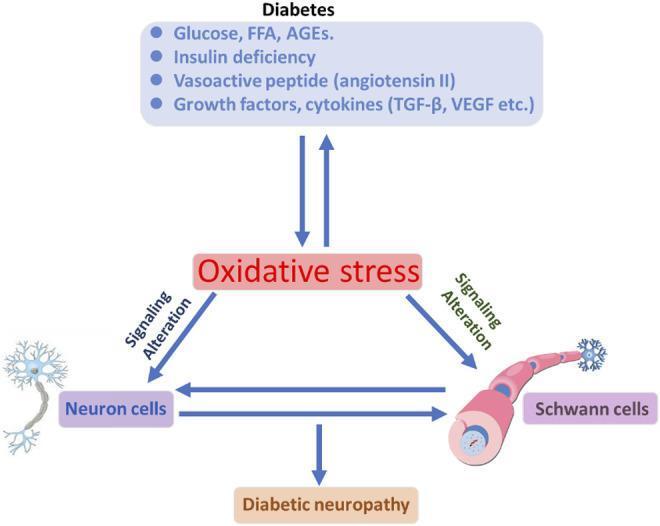
40. Three Complications of Diabetic Autonomic Neuropathy
- Gastroparesis — vagal denervation of the stomach causes delayed gastric emptying; presents with early satiety, nausea, vomiting, bloating, postprandial fullness; can lead to unpredictable glycaemic control; diagnosed with gastric emptying scintigraphy
- Cardiovascular Autonomic Neuropathy (CAN) — resting tachycardia, reduced heart rate variability, orthostatic hypotension, silent myocardial ischaemia; associated with 2–5-fold increased mortality; risk of sudden cardiac death
- Erectile Dysfunction / Genitourinary Dysfunction — affects 30–75% of diabetic males; neurogenic erectile dysfunction (parasympathetic denervation); also neurogenic bladder (incomplete emptying, overflow incontinence, recurrent UTIs) and retrograde ejaculation
41. Three Clinical Features of Brain Tumours
- Raised Intracranial Pressure (ICP) — headache (worse in the morning, on bending/coughing/sneezing), nausea and vomiting, papilloedema on fundoscopy, visual obscurations; caused by tumour bulk, cerebral oedema, or hydrocephalus
- Focal neurological deficits — dependent on tumour location: hemiparesis (motor cortex), aphasia (dominant frontal/temporal), visual field defects (occipital/temporal), ataxia (cerebellum), personality change (frontal lobe), memory loss (temporal lobe)
- Seizures — new-onset seizures in adults always warrant investigation; cortical irritation by tumour; can be focal or generalised; often the presenting feature of slow-growing tumours (e.g., low-grade glioma, meningioma)
42. Three Motor Neuron Diseases + Note on Neuromyotonia
Three Motor Neuron Diseases
- Amyotrophic Lateral Sclerosis (ALS) — most common MND; affects both UMN and LMN; progressive limb weakness, wasting, fasciculations with hyperreflexia and Babinski; spares cognition and eye movements until late; fatal within 3–5 years (respiratory failure)
- Progressive Muscular Atrophy (PMA) — LMN only; progressive wasting and weakness without upper motor neuron signs; presents with hand and limb wasting; slower progression than ALS
- Primary Lateral Sclerosis (PLS) — UMN only; progressive spastic paraparesis with hyperreflexia and Babinski; no wasting or fasciculations; slowest progression; better prognosis
Neuromyotonia (Isaacs' Syndrome)
Neuromyotonia is a peripheral nerve hyperexcitability syndrome characterised by:
- Continuous muscle fibre activity — spontaneous, irregular muscle contractions even at rest
- Myokymia — rippling or undulating movements visible under the skin
- Cramps, stiffness, hyperhidrosis (excessive sweating)
- Pseudomyotonia — delayed relaxation of grip (but unlike true myotonia, not worsened by cold)
- Cause: Autoantibodies against voltage-gated potassium channels (VGKC/CASPR2) → reduced K+ channel function → prolonged axonal depolarisation
- Associated with thymoma, lung cancer, or autoimmune conditions
- Treatment: Carbamazepine or phenytoin (membrane stabilisers); immunotherapy (plasma exchange, IVIG, steroids)
43. Myasthenia Gravis — Etiology and Pathophysiology
Etiology
- Autoimmune disorder — most common cause of defective neuromuscular transmission
- Anti-acetylcholine receptor (AChR) antibodies — present in ~85% of generalised MG; IgG antibodies
- Anti-MuSK antibodies — present in ~5–10% of AChR-antibody negative patients; muscle-specific kinase
- Anti-LRP4 antibodies — rare; another postsynaptic target
- Associated with thymoma (15%) and thymic hyperplasia (65%) — thymus plays a key role in generating autoreactive T cells
- Associations: Other autoimmune diseases (rheumatoid arthritis, SLE, thyroid disease)
Pathophysiology
- Autoreactive CD4+ T cells (sensitised in the thymus) stimulate B cells to produce IgG anti-AChR antibodies
- These antibodies:
- Block the AChR directly (competitive inhibition of ACh binding)
- Accelerate degradation of AChRs (cross-linking and internalisation)
- Activate complement → destruction of postsynaptic membrane (simplification of junctional folds)
- Reduced functional AChRs → reduced end-plate potential → reduced chance of generating muscle action potential
- Fatigable weakness: With repeated activity, ACh release decreases (normal phenomenon) but now insufficient to overcome reduced AChRs → progressive weakness with use, recovery with rest
Clinical Features
- Fatigable, painless weakness — hallmark
- Ocular: Ptosis, diplopia — most common presenting feature
- Bulbar: Dysarthria, dysphagia, dysphonia — worsen through the day
- Limb weakness: Proximal > distal; arms > legs
- Respiratory crisis (myasthenic crisis) — life-threatening respiratory failure; triggers: infection, surgery, drugs (aminoglycosides, beta-blockers)
- Symptoms worse toward evening, better after sleep
44. Clinical Features of Radial Nerve Palsy
(See also Q.39 — expanded here)
| Site of Lesion | Features |
|---|
| Axilla (high lesion) | Wrist drop + finger drop + elbow extension weakness (triceps) + sensory loss dorsum of hand and forearm + absent triceps jerk |
| Spiral groove of humerus (most common — "Saturday night palsy") | Wrist drop + finger drop + sensory loss dorsum of hand; triceps and elbow extension preserved; triceps jerk intact |
| Posterior interosseous nerve (forearm) | Finger drop only; NO wrist drop (ECRL preserved); NO sensory loss |
Summary of findings in spiral groove lesion:
- Wrist drop (cannot extend wrist)
- Finger drop (cannot extend fingers at MCP joints)
- Weakened grip (secondary to inability to stabilise wrist)
- Sensory loss: dorsum of hand and first dorsal web space
- Preserved: elbow extension (triceps), elbow flexion (brachioradialis weak but present), triceps jerk
45. Encephalitis
Definition: Encephalitis is inflammation of the brain parenchyma, most commonly caused by viral infection, resulting in neurological dysfunction.
Causes
| Category | Examples |
|---|
| Viral (most common) | Herpes Simplex Virus (HSV-1) — most common cause in immunocompetent adults; Varicella Zoster Virus; Epstein-Barr Virus; Cytomegalovirus; Enteroviruses; Rabies; Japanese encephalitis |
| Autoimmune | Anti-NMDAR encephalitis (most common autoimmune); Anti-LGI1, CASPR2, GABA-B |
| Bacterial | Listeria (brainstem encephalitis); TB |
| Other | Toxoplasma (immunocompromised); Prion diseases |
Clinical Features
- Fever + headache (as in meningitis)
- Altered consciousness — confusion, drowsiness, behavioural change
- Seizures — focal or generalised
- Focal neurological deficits — aphasia, hemiparesis
- HSV encephalitis specifically: temporal lobe involvement → personality change, memory loss, olfactory hallucinations, temporal lobe seizures
Diagnosis
- MRI brain — temporal lobe signal change (T2/FLAIR hyperintensity) in HSV encephalitis
- CSF analysis: Lymphocytic pleocytosis, elevated protein, normal/mildly low glucose
- CSF PCR for HSV — gold standard diagnosis
- EEG: Temporal lobe discharges; periodic lateralised epileptiform discharges (PLEDs)
Treatment
- HSV encephalitis: IV Aciclovir 10 mg/kg 8-hourly for 14–21 days (start empirically without waiting for results)
- Autoimmune encephalitis: High-dose steroids, IVIG, plasma exchange; rituximab/cyclophosphamide for refractory cases
- Seizure management, supportive ICU care
46. Transverse Myelitis
Definition: Transverse myelitis is an acute inflammatory demyelinating or necrotising disorder of the spinal cord that affects both motor and sensory functions below the level of the lesion, as well as autonomic function.
Causes
- Idiopathic (most common)
- Multiple sclerosis (partial/incomplete transverse myelitis, typically unilateral)
- Neuromyelitis Optica Spectrum Disorder (NMOSD) — anti-AQP4 antibodies; longitudinally extensive transverse myelitis (LETM — ≥3 vertebral segments)
- Post-infectious / Para-infectious (VZV, EBV, Mycoplasma, COVID-19)
- Autoimmune: SLE, Sjogren's syndrome
- Sarcoidosis
Clinical Features (Triad)
- Motor: Bilateral limb weakness (paraplegia or tetraplegia depending on level); initially flaccid (spinal shock), then spastic
- Sensory: Sensory level — a band-like sensation at the level of the lesion; loss of all sensory modalities below the level
- Autonomic: Bladder (urinary retention → overflow incontinence), bowel dysfunction, sexual dysfunction; autonomic dysreflexia in high lesions
Diagnosis
- MRI spine: Gadolinium-enhancing lesion(s) in the cord; LETM (>3 segments) suggests NMOSD
- CSF: Inflammatory pleocytosis, elevated protein
- AQP4-IgG antibody (NMO-IgG) — test for NMOSD
- Anti-MOG antibodies — MOG-associated disease
Treatment
- Acute: High-dose IV methylprednisolone (1g/day × 3–5 days)
- Severe/refractory: Plasma exchange
- NMOSD: Long-term immunosuppression (azathioprine, mycophenolate, rituximab)
- Rehabilitation, bladder/bowel management
47. Cerebral Palsy — Definition and Types
Definition: Cerebral palsy (CP) is a permanent, non-progressive disorder of movement, posture, and motor function caused by damage to the developing fetal or infant brain, occurring before, during, or shortly after birth (up to age 2 years).
CP itself is non-progressive but its clinical manifestations may change over time.
Causes
- Hypoxic-ischaemic encephalopathy (perinatal asphyxia)
- Prematurity and periventricular leukomalacia
- Intrauterine infection (TORCH)
- Metabolic (kernicterus — bilirubin encephalopathy)
- Stroke, trauma
Types of Cerebral Palsy
| Type | Features |
|---|
| Spastic CP (~70–80%) | Most common; UMN pattern — increased tone, hyperreflexia, Babinski; subtypes: hemiplegia, diplegia, quadriplegia |
| Dyskinetic/Athetoid CP (~10–15%) | Basal ganglia damage; involuntary writhing (athetosis), dystonic posturing; associated with kernicterus |
| Ataxic CP (~5–10%) | Cerebellar damage; hypotonia, incoordination, intention tremor, unsteady gait |
| Mixed CP | Combination of above; most commonly spastic + dyskinetic |
| Hypotonic CP | Generalised hypotonia ("floppy infant"); often evolves into another subtype |
48. Three Clinical Features of Muscular Dystrophy
(Duchenne Muscular Dystrophy as prototype — X-linked recessive, dystrophin gene mutation)
- Progressive proximal muscle weakness — difficulty rising from the floor, climbing stairs, raising arms above head; typically presents in boys aged 3–5 years; Gowers' sign: child uses arms to "walk up" legs to stand from the floor due to proximal lower limb weakness
- Pseudohypertrophy of calves — enlarged but weak calf muscles; due to replacement of muscle fibres with fat and connective tissue; pathognomonic appearance
- Cardiac and respiratory involvement — dilated cardiomyopathy (invariable by late teens); respiratory failure from diaphragmatic weakness; commonest cause of death; ECG shows tall R waves in V1 and deep Q waves in lateral leads
49. Hydrocephalus — Definition and Types
Definition: Hydrocephalus is abnormal accumulation of cerebrospinal fluid (CSF) within the ventricular system of the brain, leading to enlargement of the ventricles and raised intracranial pressure.
Types
| Classification | Type | Description |
|---|
| By CSF flow | Obstructive (Non-communicating) | Blockage within the ventricular system (e.g., aqueduct of Sylvius stenosis, posterior fossa tumour); CSF cannot flow from ventricles to subarachnoid space |
| Communicating | Obstruction outside the ventricular system (e.g., impaired CSF reabsorption at arachnoid granulations); CSF communicates freely between ventricles |
| By pressure | High-pressure hydrocephalus | Raised ICP; headache, papilloedema, vomiting |
| Normal Pressure Hydrocephalus (NPH) | Dilated ventricles with normal CSF pressure; classic triad: gait apraxia ("magnetic gait"), urinary incontinence, dementia (Hakim's triad) |
| By onset | Congenital | Aqueduct stenosis, spina bifida, Chiari malformation |
| Acquired | Post-haemorrhagic, post-meningitic, tumour-related |
| By age | Infantile | Before sutures fuse → enlarged head circumference, bulging fontanelle, "setting sun" sign |
| Adult | After suture fusion → raised ICP symptoms |
50. Three Complications of Craniotomy
- Intracranial haemorrhage — extradural, subdural, or intracerebral haematoma; may occur during or after surgery; presents with deteriorating consciousness, new focal deficits; requires urgent re-exploration
- Brain oedema and raised ICP — post-operative cerebral swelling; managed with head elevation, osmotic agents (mannitol, hypertonic saline), corticosteroids (for vasogenic oedema around tumours), and sometimes decompressive measures
- Infection — meningitis, cerebral abscess, wound infection, osteomyelitis of bone flap; risk of subdural empyema; treated with prolonged IV antibiotics; infected bone flap may require removal
51. Three Indications for Craniotomy
- Intracranial space-occupying lesion — surgical resection of brain tumours (primary glioma, meningioma, metastases); craniotomy allows tumour debulking, biopsy, or complete excision
- Intracranial haemorrhage — evacuation of large intracerebral haematoma, subdural empyema, or chronic subdural haematoma causing significant mass effect or neurological deterioration
- Aneurysm clipping / AVM resection — surgical treatment of cerebral aneurysm (clip placed at aneurysm neck to prevent re-bleeding in SAH) or arteriovenous malformation excision
52. Three Complications of Shunting
- Shunt obstruction/blockage — most common complication; proximal (ventricular catheter tip blocked by choroid plexus) or distal obstruction; presents with return of raised ICP symptoms; requires shunt revision
- Shunt infection — Staphylococcus epidermidis most common organism; presents with fever, meningism, peritonitis (ventriculoperitoneal shunt); treated with IV antibiotics + shunt externalisation or replacement
- Over-drainage — excessive CSF drainage → low-pressure headache (worse upright), subdural haematoma/hygroma from bridging vein tearing; managed with programmable valve adjustment
53. Three Complications of Laminectomy
- Epidural haematoma — bleeding into the epidural space post-operatively; can compress the spinal cord or cauda equina; presents with sudden back pain and progressive neurological deficit; requires emergency re-exploration and haematoma evacuation
- Infection — wound infection, epidural abscess, discitis, osteomyelitis; presents with wound erythema, fever, back pain; treated with antibiotics; abscess requires surgical drainage
- Neurological deficit / Dural tear — inadvertent CSF leak from dural tear during surgery causes positional headache (post-dural puncture headache); nerve root injury during dissection can cause radiculopathy or permanent neurological deficit; CSF fistula may require re-exploration
54. Complications of Stereotactic Surgery
Stereotactic surgery uses three-dimensional coordinate-guided systems for precise brain target localisation (used in DBS, radiosurgery, biopsy, ablation).
| Complication | Details |
|---|
| Intracranial haemorrhage | Haemorrhage along electrode/probe trajectory; ~1–3% risk; can be asymptomatic or cause permanent deficit |
| Infection | Hardware infection (electrode, pulse generator); may require device removal |
| Seizures | Cortical irritation from electrode placement or haemorrhage |
| Stimulation-related side effects (DBS) | Dysarthria, dyskinesias, mood changes, paraesthesias from current spread; managed by parameter adjustment |
| Lead migration / breakage | DBS electrode displacement or fracture; loss of therapeutic benefit |
| Neurological deficit | From haemorrhage or direct tissue injury; depends on target (e.g., internal capsule involvement) |
55. What is Shunting?
Shunting is a surgical procedure that diverts excess cerebrospinal fluid (CSF) from the ventricular system of the brain to another body cavity for reabsorption, thereby relieving raised intracranial pressure in hydrocephalus.
Types of Shunts
| Type | Route | Details |
|---|
| Ventriculoperitoneal (VP) Shunt | Lateral ventricle → peritoneal cavity | Most common; peritoneum absorbs CSF |
| Ventriculoatrial (VA) Shunt | Lateral ventricle → right atrium | Used when peritoneal absorption inadequate |
| Ventriculopleural Shunt | Lateral ventricle → pleural cavity | Less common alternative |
| Lumboperitoneal Shunt | Lumbar subarachnoid space → peritoneal cavity | For communicating hydrocephalus and IIH |
Components of a Shunt
- Ventricular catheter (proximal) — placed in lateral ventricle
- Valve — one-way pressure-regulated valve to prevent over/under-drainage
- Distal catheter — tunnelled subcutaneously to the destination cavity
Programmable Valves
- Pressure settings can be adjusted non-invasively using a magnet
- Allows fine-tuning to prevent over- or under-drainage
56. Three Indications for Shunting
- Obstructive hydrocephalus — blockage of CSF flow within the ventricular system (e.g., aqueduct stenosis, posterior fossa tumour); shunting bypasses the obstruction and prevents raised ICP
- Communicating hydrocephalus — impaired CSF reabsorption (post-meningitic, post-haemorrhagic, congenital); shunting provides an alternative drainage route
- Normal Pressure Hydrocephalus (NPH) — classic triad of gait apraxia, dementia, and urinary incontinence; LP trial showing gait improvement confirms shunt responsiveness; VP shunting improves or reverses the triad in suitable patients
---All 56 topics have been comprehensively covered above. Here is a quick index for easy navigation:
Quick Index
| # | Topic |
|---|
| 1 | CN V (Trigeminal) Examination |
| 2 | CN VII (Facial) Assessment |
| 3 | Visual Acuity & Visual Field Tests |
| 4 | Glasgow Coma Scale (GCS) |
| 5 | Three Higher Mental Functions |
| 6 | Three Uses of Lumbar Puncture |
| 7 | Three Complications of Lumbar Puncture |
| 8 | Internuclear Ophthalmoplegia (INO) |
| 9 | Three Causes of Ptosis |
| 10 | Three Causes of Papilloedema |
| 11 | UMN vs. LMN — Three Differences |
| 12 | Three Causes of Bell's Palsy |
| 13 | Trigeminal Neuralgia |
| 14 | Dysphagia |
| 15 | Three Symptoms of Ischaemic Stroke |
| 16 | Autonomic Dysreflexia |
| 17 | Risk Factors of Stroke |
| 18 | Three Causes of Stroke in Young |
| 19 | Define CVA |
| 20 | Three Complications of Head Injury |
| 21 | Postural Hypotension |
| 22 | Three Causes of Dementia |
| 23 | Causes of Coma |
| 24 | Three Types of Epilepsy |
| 25 | Three Causes of Seizures in Elderly |
| 26 | Three Perceptual Disorders |
| 27 | Three Drugs for Generalised Seizures |
| 28 | Three Classical Signs of Parkinson's |
| 29 | Three Drugs for Parkinson's Disease |
| 30 | Describe & Define Chorea |
| 31 | Define Ballismus |
| 32 | Three Causes of Ataxia |
| 33 | Ataxia Telangiectasia |
| 34 | Three Diseases of Posterior Column |
| 35 | Types of Multiple Sclerosis |
| 36 | Three Features of MS |
| 37 | Three Features of Axillary Nerve Palsy |
| 38 | Three Causes of Small Muscle Wasting |
| 39 | Three Symptoms of Radial Nerve Palsy |
| 40 | Three Complications of Diabetic Autonomic Neuropathy |
| 41 | Three Features of Brain Tumours |
| 42 | Three MNDs + Neuromyotonia |
| 43 | Myasthenia Gravis — Etiology & Pathophysiology |
| 44 | Radial Nerve Palsy — Clinical Features |
| 45 | Encephalitis |
| 46 | Transverse Myelitis |
| 47 | Cerebral Palsy — Definition & Types |
| 48 | Three Features of Muscular Dystrophy |
| 49 | Hydrocephalus — Definition & Types |
| 50 | Three Complications of Craniotomy |
| 51 | Three Indications for Craniotomy |
| 52 | Three Complications of Shunting |
| 53 | Three Complications of Laminectomy |
| 54 | Complications of Stereotactic Surgery |
| 55 | What is Shunting? |
| 56 | Three Indications for Shunting |