
Leutal phase timing
The luteal phase is the second half of the menstrual cycle, beginning after ovulation and ending with the start of menstruation.
Key timing facts (from general knowledge):
- Starts: Day 14 of a 28-day cycle (day after ovulation)
- Duration: 12-16 days (average 14 days) - this is the most consistent part of the cycle
- Ends: Day 1 of next menstruation
- The follicular phase varies in length; the luteal phase is relatively fixed
Searching sources...
Reading File
Finding Sources
Finding Sources
Reading File
Reading File
Reading File
Let me also fetch the menstrual cycle diagram for a visual summary.
Loading Image
Here is a complete breakdown of luteal phase timing, drawn from multiple authoritative textbooks:
Luteal Phase Timing
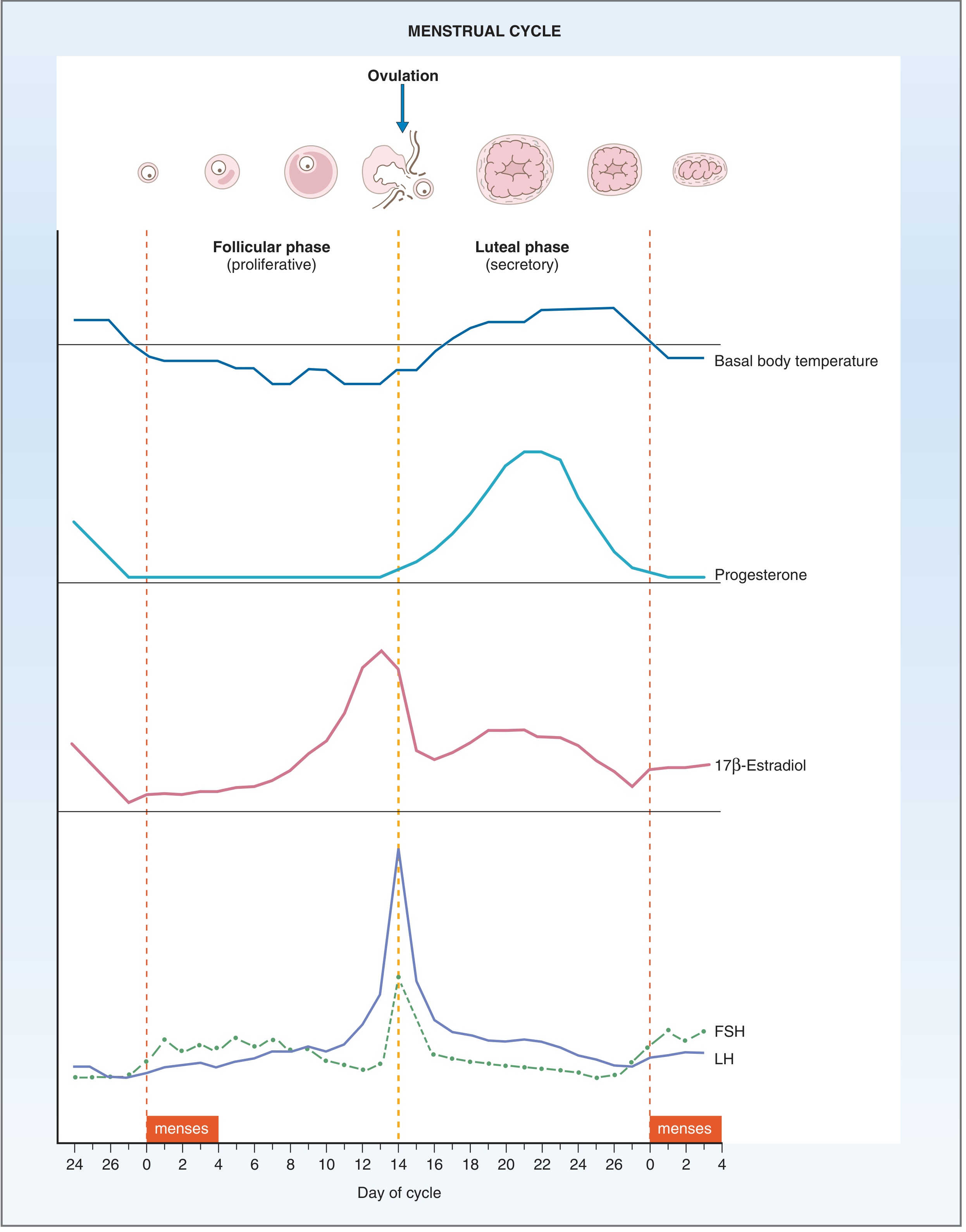
Fig. 10.10 - Costanzo Physiology 7th Edition
When Does It Start?
The luteal phase begins immediately after ovulation. In a standard 28-day cycle, this is day 14. However, the key rule is: ovulation occurs 14 days before the next menses, regardless of total cycle length.
| Cycle Length | Ovulation Day | Luteal Phase Starts |
|---|---|---|
| 24-day cycle | Day 10 | Day 10 |
| 28-day cycle | Day 14 | Day 14 |
| 35-day cycle | Day 21 | Day 21 |
- Costanzo Physiology, p. 479
How Long Does It Last?
The luteal phase spans days 14-28 in a standard cycle (14 days). Its length is relatively fixed compared to the follicular phase, which is the variable portion of the cycle.
- Duration: approximately 12-14 days
- The corpus luteum grows for ~7-8 days post-ovulation (peaks at day 21), then begins to involute
- It loses secretory function approximately 12 days after ovulation, becoming the corpus albicans
- Guyton & Hall Medical Physiology
What Happens During This Phase?
Hormonal sequence:
- LH surge triggers ovulation and initiates luteinization of granulosa/theca cells
- The corpus luteum forms and secretes progesterone (dominant hormone) and estradiol
- Progesterone peaks around ~day 21 (7 days post-ovulation - the "midluteal peak")
- Basal body temperature (BBT) rises due to progesterone's thermogenic effect on the hypothalamic set point
- FSH and LH are suppressed by estrogen/progesterone feedback and inhibin
Endometrial effect:
- The endometrium enters its secretory phase - progesterone stimulates glandular secretion and increases vascularity to prepare for implantation
End of the luteal phase (if no pregnancy):
- Without hCG from a fertilized embryo, the corpus luteum regresses
- Progesterone and estradiol fall abruptly
- This withdrawal triggers endometrial breakdown - menses begins
If pregnancy occurs:
- hCG from syncytiotrophoblasts rescues the corpus luteum, maintaining progesterone production until approximately week 9 of gestation when the placenta takes over
- Medical Physiology (Boron & Boulpaep), p. 1135
Luteal Phase Defect (LPD)
A shortened or inadequate luteal phase is called luteal phase defect. Diagnostic criteria include:
- Low midluteal progesterone level
- BBT rise lasting < 11 days
- Shortened luteal phase on endometrial biopsy
LPD is associated with infertility and early pregnancy loss, and has been treated with progesterone supplementation (though evidence for routine supplementation remains debated).
- Berek & Novak's Gynecology; Tietz Textbook of Laboratory Medicine
Summary Table
| Feature | Detail |
|---|---|
| Phase | Days 14-28 (standard 28-day cycle) |
| Duration | ~14 days (range 12-16 days) |
| Dominant hormone | Progesterone |
| Corpus luteum peak | ~7-8 days post-ovulation |
| Corpus luteum involution | ~12 days post-ovulation |
| BBT | Elevated throughout |
| Ends with | Menses (if no conception) |
| Rescued by | hCG in pregnancy |
This is a shared conversation. Sign in to Orris to start your own chat.