
Nematodes , classification and characteristics
Nematodes are roundworms - unsegmented, bilaterally symmetrical pseudocoelomates found in virtually every habitat on Earth. They are one of the most abundant animals by number, with over 20,000 described species (estimates suggest up to 1 million total).
Searching sources...
Reading File
Searching the Web
nematodes classification characteristics biology
Now let me search the medical library for parasitology content on nematodes:
Finding Sources
Reading File
Reading File
Finding Sources
Loading Image
I now have comprehensive information to give a thorough, well-structured answer.
Phylum Nematoda - Classification and Characteristics
What Are Nematodes?
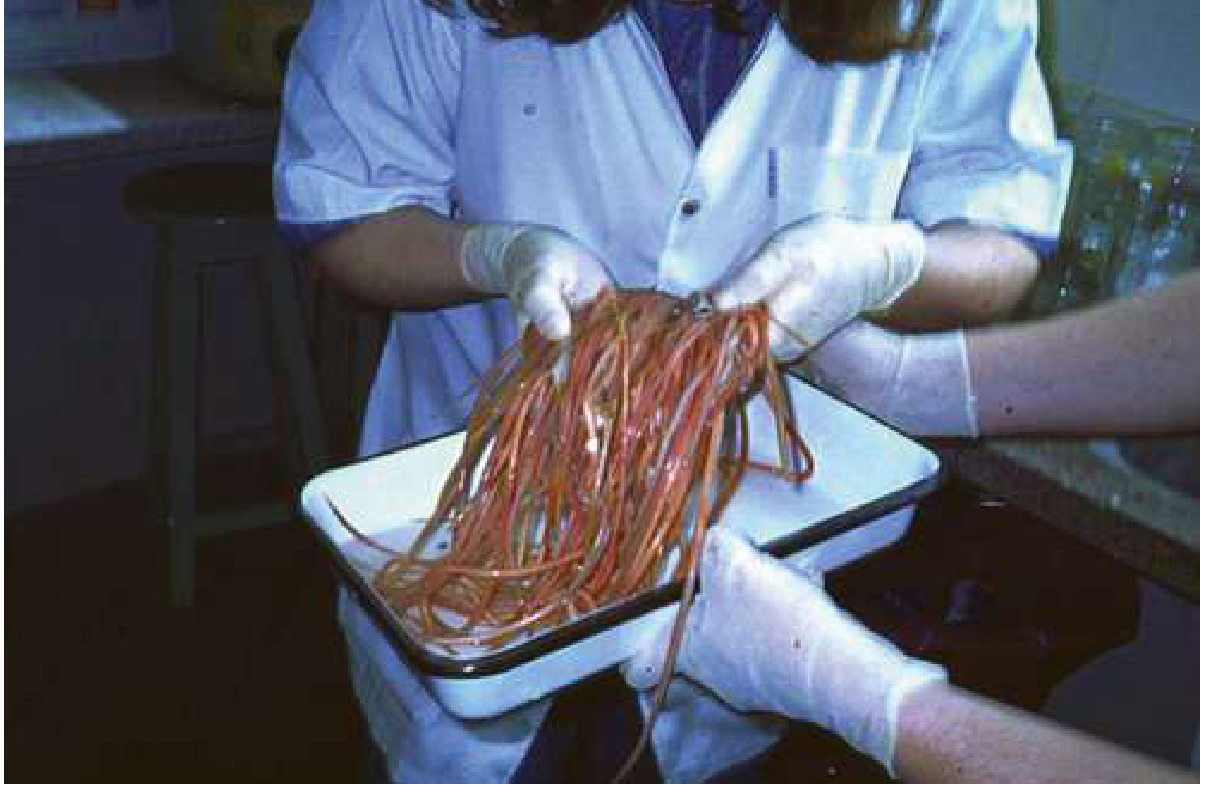
Nematodes (from Greek nema = thread) are commonly called roundworms or eelworms. They constitute the phylum Nematoda, one of the most species-rich and numerically abundant animal phyla on Earth. About 15,000-20,000 species are formally described, with estimates of true diversity reaching 500,000 to 1 million species.
Taxonomic Position
| Rank | Name |
|---|---|
| Kingdom | Animalia |
| Subkingdom | Eumetazoa |
| Clade | Bilateria, Protostomia |
| Superphylum | Ecdysozoa (moulting animals - with arthropods, tardigrades) |
| Clade | Nematoida |
| Phylum | Nematoda (Diesing, 1861) |
General Characteristics
Body Plan
- Unsegmented, elongated, cylindrical worms tapering at both ends
- Bilaterally symmetrical and triploblastic (three germ layers)
- Pseudocoelomate - body cavity (pseudocoelom) is present but not lined by mesoderm on all sides; it serves as a hydrostatic skeleton
Size
- Range from microscopic (0.1 mm) to over 1 meter in length; parasitic forms are generally larger than free-living species
Integument (Cuticle)
- Body covered by a thick, flexible, multi-layered collagenous cuticle
- May bear setae (hairs), spines, or annulations
- Moulted periodically - this is the basis for their placement in Ecdysozoa
- Cuticle is non-cellular, secreted by the hypodermis (syncytial epidermis)
Musculature
- Only longitudinal muscle fibers are present (no circular muscles)
- This is why nematodes move in a characteristic thrashing/sinusoidal pattern, not like earthworms
Digestive System
- Complete tubular gut with both mouth and anus - a key advance over flatworms (Platyhelminthes)
- Mouth often with lips, papillae, or teeth (useful for species ID)
- Pharynx (esophagus) is muscular; its shape (cylindrical, bulbed, or filariform) is diagnostically important
Nervous System
- Nerve ring around pharynx = "brain"
- Dorsal and ventral longitudinal nerve cords extend the length of the body
- Sensory organs include amphids (anterior chemosensory organs) and phasmids (posterior sensory organs - present in some classes)
Excretory System
- Varies: renette cells (single glandular cells) in some; paired lateral canals in others
- No flame cells (unlike flatworms)
- No true kidneys; excrete ammonia
Circulatory / Respiratory System
- Absent - no circulatory or respiratory system
- Gas exchange occurs by diffusion through the body wall
- Oxygen is carried by pseudocoelomic fluid
Reproductive System
- Sexually dimorphic - males are usually smaller than females
- Males have copulatory spicules (1 or 2) used in mating; some have a bursa
- Females may have one or two ovaries
- Fertilization is internal
- Reproduction is primarily sexual; some species (e.g., Strongyloides) reproduce parthenogenetically
- Most are oviparous; some are viviparous (Trichinella, filariae) or ovoviviparous (Strongyloides)
Life Cycle
- Undergo 4 larval moults (L1 → L2 → L3 → L4 → adult)
- Most cannot complete their entire life cycle within a single human host (exceptions: Strongyloides stercoralis, Capillaria philippinensis)
- Many require an intermediate host or period of development in soil/environment
Classification
Traditional System (Chitwood, 1933 - revised)
Based on presence/absence of phasmids (posterior paired sensory organs):
Class 1: Aphasmidia (= Adenophorea)
| Feature | Detail |
|---|---|
| Phasmids | Absent |
| Amphids | Various shapes - pore, spiral, circular, cup-shaped |
| Excretory system | Absent or poorly developed |
| Caudal adhesive glands | Present |
| Mesenchyme | Well-developed |
| Lifestyle | Mostly free-living (marine, freshwater, soil); some parasitic |
Key Orders:
- Enoplida - marine/terrestrial free-living forms
- Dorylaimida - soil nematodes; some plant parasites
- Chromadorida - mostly marine
- Mermithida - parasites of insects
- Desmoscolecida - marine, ringed cuticle with sensory bristles
Class 2: Phasmidia (= Secernentea)
| Feature | Detail |
|---|---|
| Phasmids | Present (paired posterior chemosensory organs) |
| Amphids | Pore-like only |
| Excretory system | Well-developed (paired lateral canals) |
| Caudal adhesive glands | Absent |
| Mesenchyme | Weakly developed |
| Lifestyle | Mostly parasitic of plants and animals |
Key Orders and Medically Important Examples:
| Order | Key Features | Examples |
|---|---|---|
| Rhabditida | Free-living + parasitic; pharynx with posterior bulb | Strongyloides stercoralis |
| Ascaridida | Large worms; lips usually 3; long cylindrical esophagus | Ascaris lumbricoides, Toxocara |
| Oxyurida | Posterior bulb on pharynx; pinworms; 1 spicule in males | Enterobius vermicularis |
| Strongylida | Mouth with cutting plates; bursate males | Ancylostoma, Necator, Wuchereria, Brugia |
| Spirurida | Require arthropod intermediate host; filariae | Loa loa, Onchocerca, Dracunculus |
| Trichuroidea | Filiform anterior; slender pharynx | Trichuris trichiura, Trichinella spiralis |
| Dioctophymida | Large worms; parasites of mammals | Dioctophyma renale |
Modern Molecular Classification (5 Clades)
Molecular phylogenetics (DNA analysis) has revised the traditional two-class system into 5 major clades:
| Clade | Notes |
|---|---|
| Clade I (Dorylaimia) | Corresponds largely to Adenophorea |
| Clade II (Enoplia) | Marine enoplids |
| Clade III | Includes Trichinella, Trichuris |
| Clade IV | Includes Strongyloides, Ascaris, Toxocara |
| Clade V | Includes Caenorhabditis elegans, hookworms, filariae |
Classification of Medically Important Nematodes by Location in Host
A. Intestinal Nematodes
- Small intestine: Ascaris lumbricoides, Ancylostoma duodenale, Necator americanus, Strongyloides stercoralis, Trichinella spiralis
- Large intestine: Enterobius vermicularis, Trichuris trichiura
B. Tissue Nematodes
- Lymphatics: Wuchereria bancrofti, Brugia malayi, B. timori
- Subcutaneous: Loa loa, Onchocerca volvulus, Dracunculus medinensis
- Muscle: Trichinella spiralis
- Mesentery: Mansonella spp.
Classification by Mode of Infection
| Route | Nematodes |
|---|---|
| Ingestion of eggs | Ascaris, Enterobius, Trichuris |
| Skin penetration (soil) | Ancylostoma, Necator, Strongyloides |
| Arthropod bite (vector) | Filariae (Wuchereria, Brugia, Loa, Onchocerca) |
| Ingestion of larvae in flesh | Trichinella (undercooked meat), Dracunculus (infected copepods in water) |
Classification by Reproductive Strategy
| Type | Description | Examples |
|---|---|---|
| Oviparous | Lay eggs (unsegmented) | Ascaris, Trichuris |
| Oviparous | Lay eggs (segmented/embryonated) | Ancylostoma, Enterobius |
| Viviparous | Produce live larvae | Trichinella, Wuchereria, Dracunculus |
| Ovoviviparous | Eggs hatch immediately on laying | Strongyloides |
Key Diagnostic Features Summary
| Feature | Significance |
|---|---|
| Cuticle structure | Species ID, drug target (mebendazole disrupts tubulin) |
| Esophagus/pharynx shape | Order-level identification |
| Amphids | Class-level differentiation |
| Phasmids | Phasmidia vs Aphasmidia |
| Copulatory spicules | Male identification |
| Egg morphology | Lab diagnosis |
| Larval stages (L1-L4) | Life cycle staging, drug targets |
Sources: Goldman-Cecil Medicine, 26th ed. (Chapter 327 - Nematode Infections); Jawetz, Melnick & Adelberg's Medical Microbiology, 28th ed.; microbenotes.com; Wikipedia - Nematoda
Classification of nematodes 1. based on habitat 2. Based on egg laying or larva laying Morphology of nematodes Ascaris Wuchereria
Nematodes split into free-living vs. parasitic by habitat, and oviparous/viviparous/ovoviviparous by reproductive strategy. Ascaris is the giant intestinal roundworm; Wuchereria bancrofti causes lymphatic filariasis.
Searching sources...
Finding Sources
Finding Sources
Searching the Web
Ascaris lumbricoides morphology structure anatomy nematode
Finding Sources
Finding Sources
Searching the Web
Wuchereria bancrofti morphology microfilaria adult worm structure
Reading File
Reading File
Reading File
Loading Image
Loading Image
Reading File
I now have everything needed for a detailed, well-illustrated answer. Let me compile it.
Classification of Nematodes
1. Classification Based on Habitat
A. Free-Living Nematodes
- Found in soil, freshwater, and marine environments
- Feed on bacteria, fungi, algae, or other nematodes
- Examples: Caenorhabditis elegans (the classic laboratory model), Turbatrix aceti (vinegar eelworm), Monhystera, Rhabditis
- Constitute the vast majority of nematode species
B. Plant-Parasitic Nematodes
- Infect roots, stems, leaves of crop plants
- Cause enormous agricultural losses
- Examples: Meloidogyne (root-knot nematode), Heterodera (cyst nematode), Pratylenchus (lesion nematode)
C. Animal/Human-Parasitic Nematodes
Further subdivided by site of parasitism in the human body:
| Location | Nematode | Disease |
|---|---|---|
| Small intestine | Ascaris lumbricoides | Ascariasis |
| Small intestine | Ancylostoma duodenale, Necator americanus | Hookworm disease |
| Small intestine | Strongyloides stercoralis | Strongyloidiasis |
| Small intestine | Trichinella spiralis | Trichinellosis |
| Large intestine | Enterobius vermicularis | Pinworm/Oxyuriasis |
| Large intestine | Trichuris trichiura | Whipworm/Trichuriasis |
| Lymphatics | Wuchereria bancrofti, Brugia malayi | Lymphatic filariasis / Elephantiasis |
| Subcutaneous tissue | Loa loa, Onchocerca volvulus | Loiasis, River blindness |
| Subcutaneous tissue | Dracunculus medinensis | Guinea worm disease |
| Skeletal muscle | Trichinella spiralis | Trichinellosis |
| Eye/Conjunctiva | Loa loa | Ocular loiasis |
2. Classification Based on Egg-Laying vs. Larva-Laying
A. Oviparous (Egg-Laying)
Females lay eggs that are passed from the host. These are further divided:
| Sub-type | Description | Examples |
|---|---|---|
| Unsegmented eggs | Eggs shed unfertilized / single-celled at oviposition | Ascaris lumbricoides, Trichuris trichiura |
| Segmented eggs | Eggs shed with early cell divisions underway | Ancylostoma duodenale, Necator americanus |
| Embryonated eggs (containing larvae) | Fully formed L1 larva inside egg at time of laying | Enterobius vermicularis |
B. Viviparous (Larva-Laying)
Females give birth to live larvae directly.
| Example | Notes |
|---|---|
| Trichinella spiralis | Newborn larvae penetrate intestinal wall directly |
| Wuchereria bancrofti | Produces microfilariae (L1 larvae) in blood |
| Brugia malayi, Loa loa | Produce sheathed microfilariae |
| Dracunculus medinensis | Female extrudes L1 larvae into water |
C. Ovoviviparous (Eggs Hatch Immediately on Laying)
Eggs hatch inside or just outside the uterus; larvae released.
| Example | Notes |
|---|---|
| Strongyloides stercoralis | Eggs hatch rapidly; rhabditiform larvae released in stool |
Morphology of Nematodes
General Morphological Plan
Anterior (mouth/lips)
    |
    v
[Cuticle] - [Hypodermis] - [Longitudinal muscles]
    |
[Pseudocoelom with fluid]
    |
[Complete gut: mouth → pharynx → intestine → rectum → anus]
[Excretory pore (ventral, near anterior)]
[Reproductive organs (run length of body)]
    |
    v
Posterior (anus/cloaca in males)
Ascaris lumbricoides - Detailed Morphology
The largest intestinal roundworm of humans. Affects ~730 million people worldwide.
Taxonomic Position
- Phylum: Nematoda
- Class: Phasmidia (Secernentea)
- Order: Ascaridida
- Family: Ascarididae
A. Adult Worm
| Feature | Male | Female |
|---|---|---|
| Length | 15-30 cm | 20-49 cm |
| Diameter | 3-4 mm | 3-6 mm |
| Color | Yellowish-pink to creamy white | Same |
| Tail | Curved ventrally (key ID feature) | Straight, tapers to a point |
| Reproductive opening | Cloaca (combined digestive + reproductive) | Separate vulva (anterior 1/3 of body) + separate anus |
External surface:
- Four longitudinal lines run along the body (two lateral lines carry excretory canals; dorsal and ventral lines carry nerve cords)
- Cuticle is thick, smooth, and flexible
Anterior end:
- Mouth with 3 prominent lips - one dorsal, two ventrolateral (the most characteristic feature of Ascaris)
- Each lip has sensory papillae and teeth-like denticles on inner edges
- No buccal capsule (distinguishes from hookworms)
Body wall (3 layers from outside in):
- Cuticle - multilayered collagen; smooth, resistant to digestive enzymes and host immune response
- Hypodermis (epidermis) - syncytial (nuclei not separated by membranes); forms 4 longitudinal ridges (chords)
- Longitudinal muscle layer - only longitudinal fibers; arranged in 4 quadrants; explains sinusoidal movement
Internal anatomy:
- Pharynx (esophagus): Muscular, cylindrical, without a posterior bulb (unlike Enterobius)
- Intestine: Single long tube, thin-walled; extends from pharynx to rectum
- Pseudocoelom: Fluid-filled cavity containing internal organs; acts as hydrostatic skeleton
- Nerve ring: Surrounds pharynx; extends as dorsal and ventral nerve cords
- Excretory system: Two lateral canals (H-shaped system) opening via single ventral pore near anterior end
- Reproductive system (female): Two ovaries → oviducts → uteri → vagina → vulva. Uteri may contain up to 27 million eggs at a time; 200,000 eggs laid per day
- Reproductive system (male): Single testis → vas deferens → seminal vesicle → ejaculatory duct → cloaca + 2 copulatory spicules (equal size, ~2 mm)
B. Eggs of Ascaris - The Diagnostic Stage
| Type | Size | Shape | Shell | Contents |
|---|---|---|---|---|
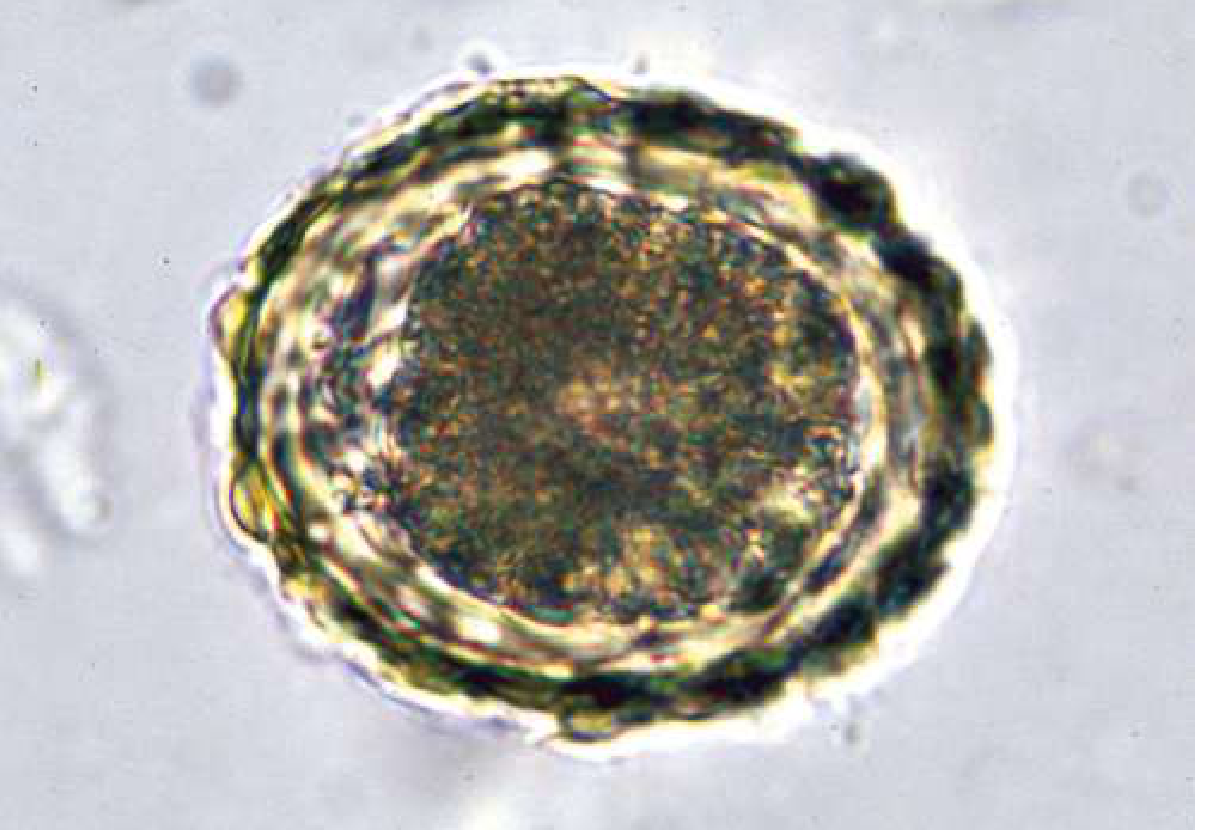
| Fertilized (infective) | 50-70 × 35-50 µm | Oval/round | Thick outer albuminous mammillated (bumpy) coat; golden-brown; inner lipid layer | Single unsegmented cell (not yet embryonated when passed) |
| Unfertilized | 88-94 × 44 µm | More elongated, irregular | Mammillated but thinner; more disorganized | Granular mass of cells, no embryo |
| Decorticated | Fertilized egg that has lost outer coat | Smooth-shelled | May be confused with hookworm eggs | Single cell |
Key: Eggs become infective only after embryonation in warm, moist soil (requires 2-8 weeks, ~25°C). Eggs survive up to 15 years in soil. Resistant to most chemicals (thick lipid layer).
Wuchereria bancrofti - Detailed Morphology
Causes lymphatic filariasis (elephantiasis). Affects ~120 million people in tropics/subtropics.
Taxonomic Position
- Phylum: Nematoda
- Class: Phasmidia (Secernentea)
- Order: Spirurida / Filaroidea
- Family: Filariidae
A. Adult Worm
| Feature | Male | Female |
|---|---|---|
| Length | 40 mm | 80-100 mm |
| Width | ~100 µm | ~240-300 µm |
| Color | White, translucent | Same |
| Tail | Curved ventrally; 15 pairs caudal papillae | Gradually tapers, rounded tip |
| Body surface | Smooth cuticle, tapering ends | Same |
Key morphological features of adult:
- Long, slender, thread-like (filar = thread) - hence "filariae"
- Slightly swollen head (cephalic region) connected to body by a narrow neck
- Small mouth without a buccal capsule or lips (unlike Ascaris)
- Two circular rows of well-defined papillae around the head
- Males and females are almost always found coiled together in lymphatic vessels
- Adults live in abdominal and inguinal lymphatics; also testicular lymphatics in males
- Lifespan: 10-15 years in host
B. Microfilariae - The Diagnostic Stage (Found in Blood)
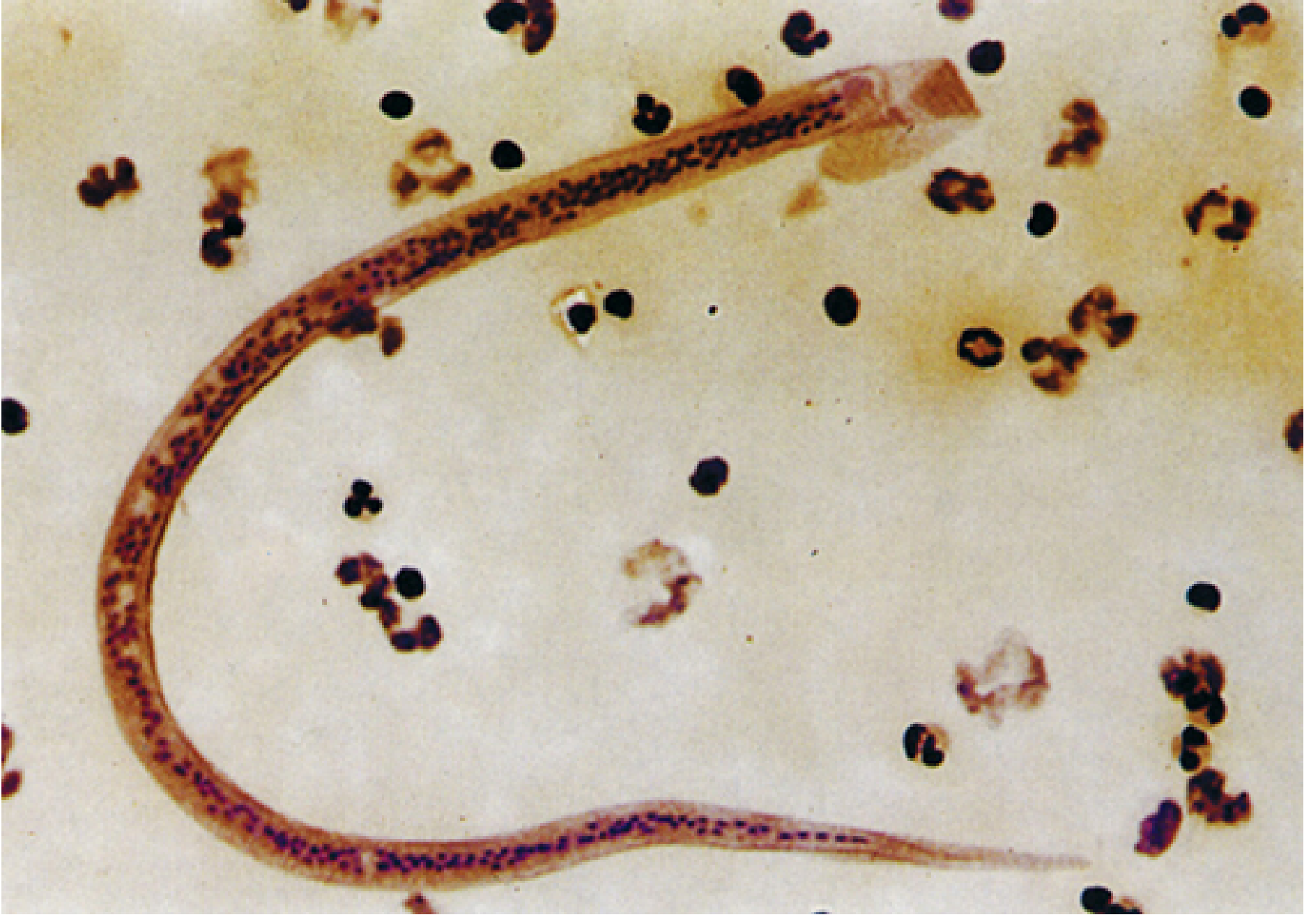
Microfilariae are juvenile (L1) larvae - essentially embryos retained within the stretched egg shell (sheath).
| Feature | W. bancrofti |
|---|---|
| Length | 244-296 µm (stained smear); 275-320 µm (in formalin) |
| Width | 7-10 µm |
| Sheath | Present - pale, unstained (does NOT stain pink with Giemsa - key differentiator) |
| Tail nuclei | Absent from tail tip - nuclei stop before the tip (key differentiator) |
| Body | Gently curved; loosely packed nuclear column |
| Periodicity | Nocturnal (mostly) - peak in peripheral blood 9 PM - 2 AM |
| Location in host | Peripheral blood (nocturnal); pulmonary capillaries (during day) |
Comparison of Filarial Microfilariae (from Sherris & Ryan's Medical Microbiology)
| Parasite | Location | Sheath | Size | Tail Nuclei | Periodicity |
|---|---|---|---|---|---|
| W. bancrofti | Blood | Yes (unstained) | 244-296 µm | None | Nocturnal |
| Brugia malayi | Blood | Yes (bright pink) | 220 µm | Two discrete nuclei | Nocturnal |
| Loa loa | Blood | Yes | 275 µm | Continuous to tip | Diurnal |
| Onchocerca volvulus | Skin | No | 300 µm | None | None |
C. Third-Stage Larva (L3) - The Infective Form
- L3 larvae develop inside the mosquito (Culex, Aedes, Anopheles, or Mansonia spp.)
- ~1.5 mm long; escape from mosquito's proboscis during blood meal
- Penetrate skin through the bite wound
- This is the form that infects humans
D. Periodicity - A Unique Feature
Microfilariae show nocturnal periodicity: they accumulate in pulmonary capillaries during the day but flood the peripheral circulation at night (peak: 9 PM - 2 AM). This synchronizes with the biting behavior of Culex quinquefasciatus (the primary vector), which feeds nocturnally. A Pacific strain (W. bancrofti var. pacifica) shows subperiodic behavior with peaks in the afternoon.
Summary Comparison: Ascaris vs. Wuchereria
| Feature | Ascaris lumbricoides | Wuchereria bancrofti |
|---|---|---|
| Class | Phasmidia | Phasmidia |
| Order | Ascaridida | Spirurida/Filaroidea |
| Size (female) | 20-49 cm | 80-100 mm |
| Habitat in host | Small intestine | Lymphatics |
| Mouth | 3 prominent lips | Small; no lips or buccal capsule |
| Reproductive strategy | Oviparous | Viviparous (microfilariae) |
| Diagnostic stage | Eggs in stool | Microfilariae in blood |
| Egg characteristics | Thick mammillated shell | N/A - produces larvae |
| Sheath on offspring | N/A | Microfilariae are sheathed |
| Vector needed | No (soil-transmitted) | Yes - mosquito |
| Intermediate host | None (monoxenous) | Mosquito (Culex spp.) |
| Treatment | Albendazole/Mebendazole | Diethylcarbamazine (DEC) + Albendazole |
Sources: Goldman-Cecil Medicine 26th ed. (Ch. 327); Sherris & Ryan's Medical Microbiology 8th ed. (Ch. 54-55); Medical Microbiology 9e; CDC DPDx - Lymphatic Filariasis
This is a shared conversation. Sign in to Orris to start your own chat.