
Acute supportive otitis media
I'll start by reading the medical library skill, then search for content on acute suppurative otitis media.
Searching sources...
Reading File
Now let me run parallel searches for comprehensive coverage.
Finding Sources
Finding Sources
Searching Images
acute suppurative otitis media ear drum tympanic membrane
Good results. Now let me read the dedicated ENT textbook sections and the AAP treatment guidelines in parallel.
Finding Sources
Reading File
Reading File
Excellent content found. Now let me read the dedicated Scott-Brown and Cummings ENT sections, and the Family Medicine textbook's full otitis media section.
Reading File
Reading File
Reading File
I now have rich, comprehensive content from multiple textbooks. Let me get the full Family Medicine treatment section and the Red Book antibiotic section, plus search for complications.
I have comprehensive information from multiple authoritative textbooks. Let me now compile the full answer.
Acute Suppurative Otitis Media (ASOM)
Acute suppurative otitis media (ASOM), also called acute otitis media (AOM), is a bacterial infection of the middle ear cleft characterized by the presence of purulent middle ear fluid with signs and symptoms of acute inflammation.
Otoscopic Appearance
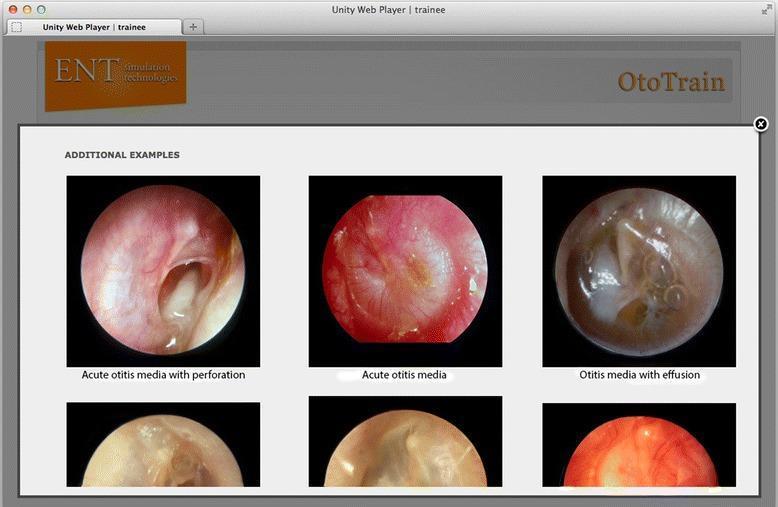
Epidemiology
- The most common infection for which children visit a physician's office
- Annual cost in the US: ~$2.88 billion
- By age 7 years, 93% of children have had at least one episode; 75% have had recurrent infections
- Highest incidence: 6-24 months of age
- Can affect adults, often secondary to concurrent viral upper respiratory infection
Pathophysiology
The primary mechanism is eustachian tube dysfunction. Abnormal tubal compliance plus delayed innervation of the tensor veli palatini muscle leads to tube collapse, creating negative middle ear pressure. This allows nasopharyngeal organisms to ascend and colonize the middle ear space. A viral upper respiratory infection almost always precedes an episode.
Microbiology
The three most common bacterial pathogens are:
| Organism | Frequency |
|---|---|
| Streptococcus pneumoniae | 25-40% |
| Haemophilus influenzae | 10-30% |
| Moraxella catarrhalis | 2-15% |
Viruses and anaerobes can also contribute. Post-PCV vaccination, the relative contribution of H. influenzae (especially non-typeable) has increased.
Risk Factors
- Male gender
- Bottle feeding (especially supine)
- Daycare attendance / exposure to URTIs
- Parental smoking
- Use of a pacifier
- Genetic and ethnic factors (Inuit, Native American)
- Craniofacial abnormalities (e.g., cleft palate)
- Allergy
- Previous episode of AOM within the preceding 3 months
Clinical Features
Symptoms:
- Acute onset otalgia (or ear tugging/rubbing in a nonverbal child)
- Fever
- Hearing loss (conductive)
- Irritability, poor feeding in infants
Signs (otoscopic):
- Moderate to severe bulging of the tympanic membrane (TM) - the hallmark
- Intense erythema of the TM
- Middle ear effusion (air-fluid levels, absent TM mobility on pneumatic otoscopy)
- Flat tympanogram (no TM movement)
- Spontaneous perforation with otorrhea (purulent discharge) if severe
- Bullous myringitis - bullae on the TM in some AOM cases; treatment does not differ
Erythema of TM without middle ear effusion = myringitis (separate diagnosis). Ear pain with a normal, flaccid TM = cause other than AOM.
Diagnosis requires ALL of:
- Acute onset of symptoms
- Middle ear effusion (MEE) - must be present
- Signs/symptoms of middle ear inflammation
Management
Analgesia (All Patients - Immediate)
Antibiotics alone do not provide pain relief in the first 24 hours. Pain must be treated separately with acetaminophen or ibuprofen.
Watchful Waiting vs. Immediate Antibiotics
Per AAP/AAFP guidelines, a watch-and-wait option (48-72 hours observation) is acceptable for selected patients:
| Group | Approach |
|---|---|
| Infants < 6 months | Immediate antibiotics |
| 6-23 months with bilateral disease | Immediate antibiotics |
| Any age with severe signs/symptoms | Immediate antibiotics |
| Older children, nonsevere, unilateral | Observation acceptable |
First-Line Antibiotic Therapy
Amoxicillin at 80-90 mg/kg/day is the drug of choice (per AAP, AAFP, Red Book guidelines).
Duration:
- Children < 6 years or severe disease: 10-day course
- Children ≥ 6 years with mild-moderate disease: 5-7 days
Treatment Failure (reassess at 48-72 hours)
If the patient fails initial amoxicillin, switch to an agent active against:
- Penicillin-nonsusceptible S. pneumoniae
- Beta-lactamase-producing H. influenzae and M. catarrhalis
Second-line options:
- High-dose amoxicillin-clavulanate (oral)
- Cefdinir, cefpodoxime, cefuroxime (oral)
- Ceftriaxone IM once daily x 3 days
Macrolides (azithromycin, clarithromycin) are NOT appropriate alternatives due to high S. pneumoniae resistance.
Severe penicillin allergy (type I / anaphylactic):
- Clindamycin (if susceptibility known) or levofloxacin
Non-type I penicillin allergy:
- Cefdinir, cefuroxime, or cefpodoxime (oral)
Myringotomy / Tympanocentesis
Indications:
- Failure to respond to second-line therapy
- Severe cases - to obtain cultures to guide therapy
- Patients with invasive pneumococcal infection
- Multi-drug resistant strains (consult ID specialist)
Tympanostomy Tubes
Indicated for recurrent AOM (3+ episodes in 6 months, or 4+ in 1 year) or persistent middle ear effusion.
Complications
Intratemporal:
- Acute mastoiditis - most common suppurative complication (though rare in the modern era); characterized by post-auricular erythema/tenderness, and displacement of the auricle
- Facial nerve palsy
- Labyrinthitis
- Petrositis
Intracranial:
- Meningitis
- Intracranial abscess (extradural, subdural, brain)
- Lateral sinus thrombosis
- Otitic hydrocephalus
Mastoiditis presents with otalgia, aural discharge, and fever typically 2-3 weeks after an episode of ASOM.
AOM with Perforation
Otitis media with otorrhea from an acute TM perforation is treated in the same manner as AOM without perforation. These perforations are typically small and resolve spontaneously.
Special Situations
- Patients with tympanostomy tubes presenting with acute otorrhea: treat with ototopical fluoroquinolone drops (e.g., ciprofloxacin/dexamethasone)
- Adults: observation strategies are not validated in adult patients; treat with antibiotics when bacterial AOM is confirmed
Prevention
- PCV13 (pneumococcal conjugate vaccine) - licensed from 6 weeks of age; significantly reduces AOM burden by covering 13 serotypes including the most virulent
- PCV23 (polysaccharide) - children ≥ 2 years and adults
- Breastfeeding, smoking cessation, avoiding pacifier use after 6 months
Sources:
- Textbook of Family Medicine, 9e, pp. 407-410
- Rosen's Emergency Medicine, Vol. 10, pp. 516-532
- Red Book 2021 (AAP Committee on Infectious Diseases), pp. 1115-1117
- Berek & Novak's Gynecology, p. 1049
- Swanson's Family Medicine Review, block 3
This is a shared conversation. Sign in to Orris to start your own chat.