I now have comprehensive data from textbooks and supplementary sources. Let me compile the full structured answer.---
Parkinsonism: Types, Clinical Diagnosis & Management
PART 1 - TYPES IN DETAIL
Parkinsonism is divided into Primary (PD), Atypical Neurodegenerative (Parkinson-Plus), and Secondary causes. Here is each type covered in full.
TYPE 1: Idiopathic Parkinson's Disease (Primary PD)
Overview
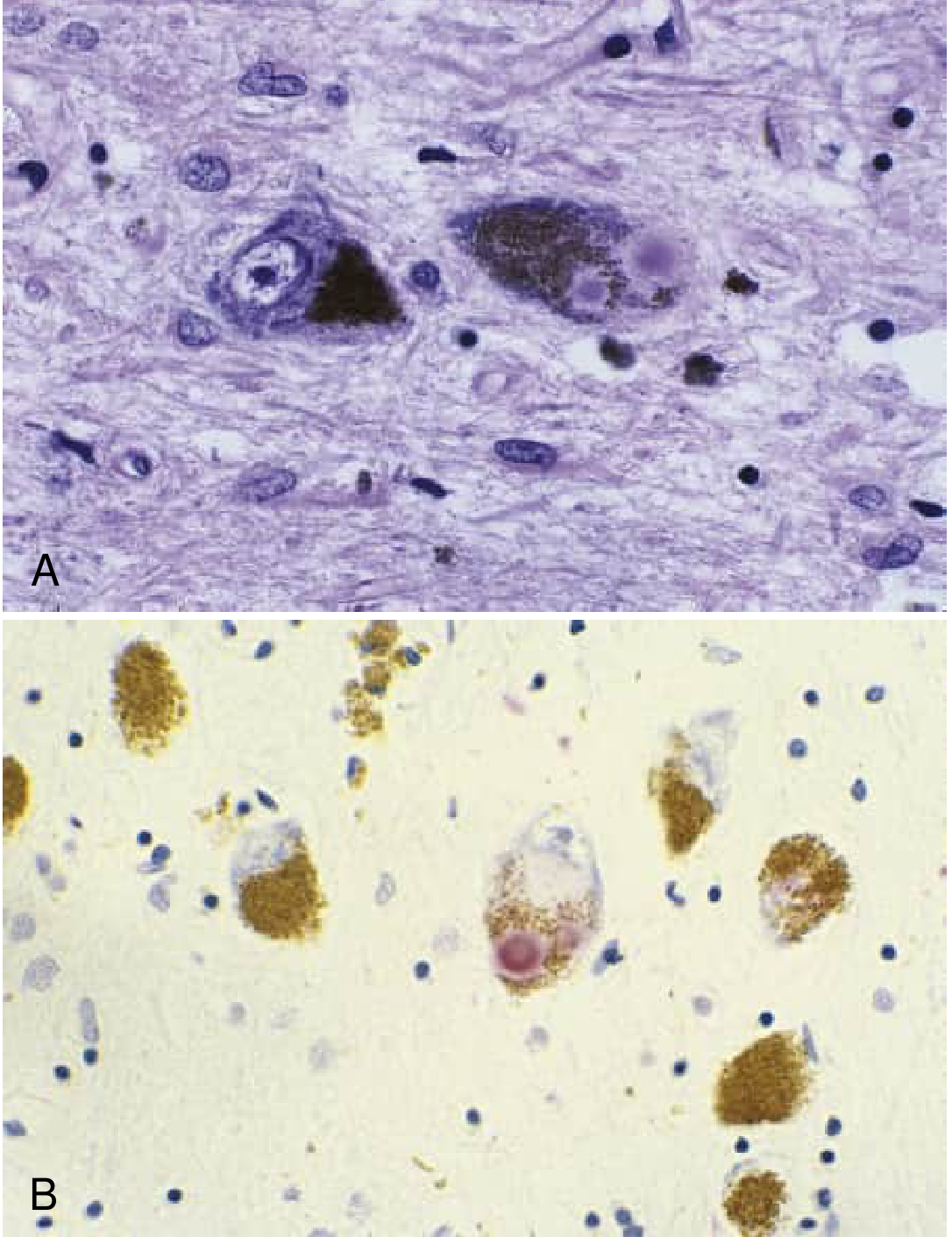
The most common cause of parkinsonism (>80% of cases). A synucleinopathy with Lewy body pathology, onset typically 55-65 years, slight male predominance. Prevalence ~360/100,000.
Subtypes by Motor Phenotype
| Subtype | Key Features | Prognosis |
|---|
| Tremor-dominant (TD-PD) | Prominent 4-6 Hz rest tremor, minimal bradykinesia/rigidity | Slowest progression, best levodopa response, longest survival |
| Akinetic-Rigid (AR-PD) | Bradykinesia + rigidity dominant, little tremor | Faster decline, more likely to develop freezing of gait |
| Postural Instability Gait Difficulty (PIGD) | Early gait disturbance, freezing, falls | Worst prognosis; rapid cognitive and motor decline |
| Young-onset PD (YOPD) | Onset <40-50 years, often genetic (Parkin, PINK1) | More dyskinesias from levodopa, slower overall progression |
Clinical Diagnosis
Mandatory for diagnosis: Bradykinesia PLUS at least one of - rest tremor OR rigidity.
Positive supportive criteria (need ≥2 for Clinically Established PD):
- Unilateral/asymmetric onset
- Classic 4-6 Hz pill-rolling rest tremor
- Clear, dramatic response to levodopa (70-100%)
- Levodopa-induced dyskinesia
- Hyposmia/anosmia
- Positive cardiac MIBG scintigraphy
- REM sleep behavior disorder (prodromal)
Red flags AGAINST PD (suggest atypical):
- Rapid progression to wheelchair in <3 years
- Absence of levodopa response despite adequate dose
- Early bulbar dysfunction
- Early severe autonomic failure
- Early falls (within 3 years)
- Inspiratory sighs, stridor
- Symmetric parkinsonism at onset
Investigations:
- MRI brain: usually NORMAL (important to exclude structural causes)
- DAT-SPECT/PET: asymmetrically reduced dopamine transporter uptake in putamen
- MIBG cardiac scintigraphy: reduced cardiac sympathetic uptake (supports PD over MSA/PSP)
- α-synuclein seed amplification assay (CSF/skin): emerging biomarker (high sensitivity/specificity per 2025 meta-analysis, PMID 41324773)
TYPE 2: Progressive Supranuclear Palsy (PSP) - Tauopathy
Overview
Second most common neurodegenerative parkinsonism. Mean onset: early-to-mid 60s. Pathology: 4-repeat tau deposits (neurofibrillary tangles) in basal ganglia, brainstem, cerebellum. Mean survival from symptom onset: ~7 years.
Clinical Phenotypes (MDS Criteria 2017)
| Phenotype | Dominant Feature |
|---|
| PSP-Richardson Syndrome (PSP-RS) | Classic form: vertical gaze palsy + early falls backward |
| PSP-Parkinsonism (PSP-P) | Resembles PD early; falls/gaze issues appear later |
| PSP-Pure Akinesia with Gait Freezing (PSP-PAGF) | Freezing of gait and speech, minimal other features |
| PSP-Corticobasal Syndrome (PSP-CBS) | Asymmetric limb apraxia, alien limb |
| PSP-Frontal/Behavioural (PSP-F) | Frontal cognitive-behavioral syndrome predominates |
How to Diagnose Clinically
Core Domains (OPAC framework):
O - Ocular Motor Dysfunction:
- Vertical supranuclear gaze palsy (VSGP): inability to voluntarily look up or (especially) down - HIGH SPECIFICITY
- Slowed vertical saccades (earliest sign - use "doll's head" maneuver to distinguish supranuclear)
- "Square wave jerks" on examination
- Reduced blink rate
- "Procerus sign": deep furrowing between brows giving an astonished/angry look
P - Postural Instability:
- Falls BACKWARD (retrocollis, extension posture - opposite to PD's forward stoop)
- Early falls within 1-2 years of onset (HIGH SPECIFICITY for PSP)
- Broad-based gait with truncal extension ("soldier's gait")
- Positive pull test: falls without attempting to correct
A - Akinesia:
- Symmetric, predominantly axial rigidity (neck and trunk > limbs)
- Nuchal rigidity/retrocollis
- Dysarthria: hypophonic, spastic or mixed quality
- Dysphagia with risk of aspiration
C - Cognitive Dysfunction:
- Frontal executive dysfunction (disinhibition, impulsivity, apathy)
- Pseudobulbar affect (emotional lability, forced crying/laughing)
- Bradyphrenia (slow thinking)
Investigations:
- MRI brain (sagittal T1): "Hummingbird sign" (midbrain atrophy on midsagittal view) + "Morning Glory" sign on axial view (superior cerebellar peduncle atrophy)
- Midbrain/pons ratio <0.52 on MRI (Magnetic Resonance Parkinsonism Index)
- DAT-SPECT: reduced but symmetrically
- CSF: elevated total tau (non-specific)
- Levodopa response: poor or absent
TYPE 3: Multiple System Atrophy (MSA) - Synucleinopathy
Overview
Pathology: glial cytoplasmic inclusions (GCIs) of α-synuclein in oligodendrocytes. Mean onset: ~54 years. Mean survival: ~5.7 years (faster than PD). Two subtypes:
| Subtype | Predominant Feature |
|---|
| MSA-P (Parkinsonian) | Parkinsonism dominant (~58% in Europeans) |
| MSA-C (Cerebellar) | Cerebellar ataxia dominant (~84% in Japanese) |
How to Diagnose Clinically
Cardinal features (Gilman Consensus Criteria 2008):
1. Autonomic Failure (required - the sine qua non of MSA):
- Orthostatic hypotension: BP drop ≥30 mmHg systolic or ≥15 mmHg diastolic on standing
- Urinary incontinence or incomplete bladder emptying (postvoid residual >100 mL)
- Erectile dysfunction in males (often first symptom)
2. Parkinsonism (MSA-P):
- Bradykinesia + rigidity
- Minimal/absent resting tremor (unlike PD)
- Anterocollis (neck flexed forward) - characteristic
- "Jerky" postural tremor sometimes present
- Poor/transient levodopa response
3. Cerebellar Ataxia (MSA-C):
- Gait ataxia, limb ataxia
- Cerebellar dysarthria
- Cerebellar oculomotor signs (gaze-evoked nystagmus)
4. Other Supportive Features:
- Stridor (inspiratory - due to vocal cord paresis; can be life-threatening during sleep)
- Cold/discoloured hands ("cold hands sign")
- Camptocormia (extreme forward flexion)
- Pisa syndrome (lateral trunk flexion)
- REM sleep behavior disorder (common)
- Orofacial dystonia
Red flags AGAINST MSA:
- Early dementia (dementia is unusual in MSA; its presence suggests DLB or PSP)
- Classic pill-rolling rest tremor
- Good sustained levodopa response (>5 years)
Investigations:
- MRI brain:
- MSA-P: putaminal atrophy; T2 hypointensity of posterior putamen; T2 hyperintensity of lateral putaminal rim ("putaminal rim sign")
- MSA-C: pontine/middle cerebellar peduncle atrophy; "hot cross bun sign" (T2 cross-shaped hyperintensity in pons) - HIGHLY characteristic
- Autonomic reflex screen: orthostatic BP drop + anhidrosis pattern
- Thermoregulatory sweat testing: central pattern anhidrosis
- Postvoid residual >100 mL (urodynamic)
- Sphincter EMG: denervation in external anal/urethral sphincter (supports MSA)
TYPE 4: Corticobasal Degeneration (CBD) / Corticobasal Syndrome (CBS) - Tauopathy
Overview
Pathology: widespread hyperphosphorylated 4-repeat tau deposits in neurons, astrocytes, and oligodendrocytes (astrocytic plaques). Mean onset: early 60s. Mean survival: ~6-8 years.
Important distinction:
- CBD = pathological diagnosis (confirmed at autopsy)
- CBS = clinical syndrome (multiple pathologies can cause it: CBD, PSP, AD)
Clinical Phenotypes
| Phenotype | Features |
|---|
| CBS (Classic) | Asymmetric rigid-akinetic syndrome + cortical signs |
| Frontal Behavioural-Spatial (FBS) | Behavioural change, executive dysfunction |
| Nonfluent/Agrammatic PPA | Progressive language dysfunction |
| PSP-like | Falls, gaze palsy, axial rigidity |
How to Diagnose Clinically
Hallmark features of CBS:
1. Marked Asymmetry (most distinctive feature):
- Rigidity, dystonia, and bradykinesia dramatically worse on ONE side
2. Alien Limb Phenomenon (highly specific):
- The affected limb acts involuntarily, feels foreign to the patient
- "My hand moves on its own" or "tries to choke me"
- Most common in the arm contralateral to more atrophic hemisphere
3. Cortical Sensory Loss:
- Astereognosis (inability to identify objects by touch)
- Graphesthesia impairment
- Extinction on double simultaneous stimulation
4. Apraxia:
- Limb-kinetic apraxia (inability to perform skilled movements)
- Ideomotor apraxia
- Tested by asking patient to imitate gestures or perform object use
5. Myoclonus:
- Action-induced, stimulus-sensitive myoclonus (sudden jerks)
- Can look like tremor but jerky/irregular quality
6. Limb Dystonia:
- Fixed posturing of affected hand/arm
- "Striatal hand" deformity
Other features:
- Cognitive/behavioral changes (late)
- Supranuclear gaze palsy (may overlap with PSP)
- Speech: nonfluent, apraxia of speech
Investigations:
- MRI brain: Asymmetric frontoparietal atrophy (contralateral to more affected limb)
- FDG-PET: asymmetric frontoparietal hypometabolism
- DAT-SPECT: asymmetrically reduced, worse on the side contralateral to motor symptoms
- CSF: elevated total tau (similar to PSP)
- Levodopa response: absent
TYPE 5: Dementia with Lewy Bodies (DLB) - Synucleinopathy
Overview
Second most common neurodegenerative dementia after Alzheimer's. Pathology: cortical and subcortical Lewy bodies + Lewy neurites. ~10% of PD patients develop PDD per year. Mean onset: older age (70s). Men > women.
How to Diagnose Clinically (McKeith DLB Criteria 2017)
Central feature (essential): Dementia - progressive cognitive decline interfering with daily function
Core Clinical Features (≥2 for probable DLB; 1 for possible):
1. Fluctuating Cognition:
- Day-to-day variation in alertness and attention
- Sudden confusional episodes; prolonged staring spells
- Periods of inappropriate drowsiness
2. Recurrent, Well-Formed Visual Hallucinations:
- Typically vivid, detailed (people, animals)
- Early in course, even in clear consciousness
- A "sense of presence" (paranormal perception) may precede hallucinations
3. REM Sleep Behavior Disorder (RBD):
- Acting out vivid dreams (kicking, punching)
- Often precedes dementia by years
- Confirmed by polysomnography (loss of REM atonia)
4. Parkinsonism:
- Bradykinesia, rigidity, gait disturbance
- Less asymmetric than PD
- Resting tremor less prominent
Supportive Clinical Features:
- Severe neuroleptic sensitivity (antipsychotics cause dangerous reactions - MUST AVOID typical antipsychotics)
- Repeated falls and syncope
- Severe autonomic dysfunction (orthostatic hypotension, constipation)
- Hypersomnia
- Hyposmia
- Delusions (Capgras syndrome - believing loved ones replaced by impostors)
- Depression
Biomarker indicators:
- Reduced dopamine transporter on SPECT/PET (DAT-SPECT)
- Reduced cardiac MIBG uptake
- Polysomnographic confirmation of RBD
- Low Aβ42 on CSF (amyloid co-pathology common)
1-Year Rule: In DLB, dementia PRECEDES or CO-EMERGES with parkinsonism. In PDD, dementia develops >1 year after established PD motor symptoms.
TYPE 6: Drug-Induced Parkinsonism (DIP)
Overview
Accounts for ~20% of parkinsonism cases in some series. REVERSIBLE after drug withdrawal (usually 4-12 weeks, sometimes longer). Key offenders:
- Antipsychotics (D2 blockers): haloperidol, chlorpromazine
- Atypical antipsychotics: risperidone, olanzapine (less but still possible)
- Antiemetics: metoclopramide, prochlorperazine
- Calcium channel blockers: flunarizine, cinnarizine
- Reserpine, tetrabenazine
How to Diagnose Clinically
Features suggesting DIP over PD:
- Temporal relationship to offending drug (onset usually within weeks of starting drug)
- Bilateral, symmetric parkinsonism (not asymmetric like PD)
- Drug-induced akathisia often co-present
- Rabbit syndrome (perioral tremor) is specific to drug-induced
- Improvement/resolution after drug withdrawal (weeks to months)
- DAT-SPECT: NORMAL (unlike PD where DAT is reduced) - this is the key distinguishing test
Note: In some elderly patients, drug may unmask underlying pre-clinical PD (DAT-SPECT will be abnormal in this group).
TYPE 7: Vascular Parkinsonism (VP)
Overview
Caused by cerebrovascular disease affecting basal ganglia or white matter pathways. Often stepwise progression. Associated with hypertension, diabetes, smoking.
How to Diagnose Clinically
Classic features (distinguishing from PD):
- Lower body predominance (gait disorder, "lower half parkinsonism") - legs most affected, arms relatively spared
- Marche à petits pas: small-stepped shuffling gait without arm involvement
- Upper body relatively unaffected (no upper limb tremor/rigidity early)
- Pyramidal signs co-existing (hyperreflexia, Babinski sign)
- Pseudobulbar palsy (dysarthria, dysphagia, forced laughter/crying)
- No rest tremor (or minimal)
- Sudden onset or stepwise deterioration (corresponds to new strokes)
- Poor levodopa response
- Cognitive impairment/dementia common
Investigations:
- MRI brain: periventricular white matter lesions, lacunar infarcts in basal ganglia/internal capsule, ventricular dilatation
- DAT-SPECT: may be normal OR show homogeneous symmetric reduction (unlike asymmetric PD)
PART 2 - SHORT-TERM AND LONG-TERM GOALS
Short-Term Goals (Weeks to Months)
| Domain | Short-Term Goals |
|---|
| Motor | Reduce tremor, rigidity, bradykinesia to improve daily function; achieve adequate "on" time with medication |
| Gait/Falls | Prevent falls; improve gait pattern and balance; educate on environmental modifications |
| ADL | Maintain independence in basic ADLs (dressing, feeding, hygiene) |
| Communication | Improve speech volume and clarity (Lee Silverman Voice Treatment - LSVT) |
| Swallowing | Screen and address dysphagia to prevent aspiration pneumonia |
| Non-motor | Diagnose and treat depression, anxiety, sleep disorders (RBD), constipation |
| Education | Patient and carer education; medication adherence counselling; explain disease course |
| Safety | Home safety assessment; occupational therapy referral; driving assessment |
Long-Term Goals (Months to Years)
| Domain | Long-Term Goals |
|---|
| Disease progression | Slow functional decline; maximise quality of life at each stage |
| Motor complications | Prevent/manage levodopa-related fluctuations and dyskinesias |
| Cognition | Monitor and manage PD dementia; maintain cognitive engagement |
| Autonomic | Manage orthostatic hypotension, urinary dysfunction, constipation |
| Nutrition | Prevent weight loss and malnutrition; manage dysphagia long-term |
| Psychological | Long-term depression management; caregiver support and burnout prevention |
| Surgical | Select appropriate candidates for DBS (timing: before severe disability) |
| Palliative | Advance care planning for late-stage disease; end-of-life discussions |
| Neuroprotection | Participation in disease-modifying trials; ongoing biomarker monitoring |
PART 3 - MANAGEMENT
A. Idiopathic Parkinson's Disease - Pharmacological
Stage-Based Algorithm
NEWLY DIAGNOSED PD
        |
        ↓
Is treatment needed (functional impairment)?
    No → Observe, exercise, education
    Yes → Choose initial therapy based on age
        |
    Age <70, no cognitive issues → Dopamine Agonist (DA) or MAO-B inhibitor
    Age >70 or cognitive issues → Start Levodopa/Carbidopa
Drug Classes and Mechanisms
| Drug Class | Examples | Mechanism | Use |
|---|
| Levodopa/Carbidopa | Sinemet 25/100, 50/200 | L-DOPA converted to dopamine in brain; Carbidopa = peripheral decarboxylase inhibitor (prevents nausea) | Gold standard; most effective |
| Dopamine Agonists (DA) | Pramipexole, Ropinirole, Rotigotine (patch), Apomorphine (SC) | Directly stimulate D2/D3 receptors | Early PD, especially in young patients; delays motor complications |
| MAO-B Inhibitors | Selegiline, Rasagiline, Safinamide | Block MAO-B → increase synaptic dopamine | Mild early PD; modest effect; possible mild neuroprotective role |
| COMT Inhibitors | Entacapone, Tolcapone, Opicapone | Block catechol-O-methyltransferase → prolong levodopa effect | Used WITH levodopa for motor fluctuations (wearing-off) |
| Amantadine | Amantadine ER (Gocovri) | Antiglutamatergic (NMDA antagonist) + DA release + anticholinergic | ONLY drug that reduces levodopa-induced dyskinesias; also mild anti-parkinsonian |
| Anticholinergics | Trihexyphenidyl, Benztropine | Block muscarinic receptors in striatum | Tremor-dominant PD in YOUNG patients only; AVOID in elderly (confusion, hallucinations) |
Managing Motor Complications
Wearing-OFF (symptoms return before next dose):
- Shorten levodopa dosing interval
- Add COMT inhibitor (entacapone)
- Add MAO-B inhibitor
- Switch to extended-release levodopa/carbidopa/entacapone
- Apomorphine SC injections (rescue)
- Continuous subcutaneous apomorphine infusion
- Levodopa-carbidopa intestinal gel (LCIG/Duodopa pump) - for advanced disease
Dyskinesias (abnormal involuntary movements at peak dose):
- Reduce individual levodopa dose; increase frequency
- Add amantadine (ER formulation)
- GPi-DBS (better dyskinesia control than STN-DBS)
Freezing of Gait:
- Levodopa optimisation (freezing in OFF state)
- Visual cues (stripes on floor), auditory rhythmic cues
- Treadmill training, physiotherapy
Surgical Management
Deep Brain Stimulation (DBS):
| Target | Best For |
|---|
| Subthalamic Nucleus (STN) | Motor fluctuations, tremor, allows larger levodopa reduction |
| Globus Pallidus Internus (GPi) | Dyskinesia-predominant; safer neuropsychiatric profile; better long-term flexibility |
| Vim Thalamus | Tremor-only; does not improve bradykinesia/rigidity |
Criteria for DBS (Hoehn-Yahr <4 off-medication, good levodopa response, no severe cognitive impairment, no severe psychiatric illness, age <75 ideally):
- Disabling motor fluctuations despite optimised pharmacotherapy
- Levodopa-responsive symptoms
- Duration of disease typically >4-5 years
Focused Ultrasound (FUS): Unilateral thalamotomy for medication-refractory tremor.
B. Management - Clinical Feature-Wise
1. Tremor
- Levodopa (good response)
- Dopamine agonists
- Propranolol (adjunct for action tremor)
- Anticholinergics (young patients; use cautiously)
- Thalamic DBS/FUS (severe refractory tremor)
2. Rigidity and Bradykinesia
- Levodopa/carbidopa (most effective)
- Dopamine agonists
- MAO-B inhibitors
- Physiotherapy: rhythmic, repetitive active exercises
3. Postural Instability and Gait
- Physiotherapy (balance training, gait retraining)
- Auditory cueing (metronome/rhythmic cues) - 2024 Cochrane meta-analysis (PMID 38588457) confirms exercise significantly improves walking and balance
- Nordic walking, treadmill training
- Occupational therapy for fall prevention
- Fludrocortisone (if orthostatic hypotension worsening gait)
- Botulinum toxin for focal dystonia causing gait problems
- Deep brain stimulation (STN or GPi)
4. Speech (Hypophonia)
- Lee Silverman Voice Treatment (LSVT LOUD): high-effort voice training; most evidence-based
- Speech-language therapy
- Amplification devices
5. Dysphagia
- Modified barium swallow / FEES for assessment
- Speech-language therapy: swallowing exercises, dietary modifications (thickened fluids)
- Upright posture during meals; chin-tuck maneuver
- PEG tube (late-stage, severe dysphagia)
- Levodopa timing to optimise swallowing before meals
6. Non-Motor Symptoms
| Symptom | Treatment |
|---|
| Depression | SSRIs (sertraline, citalopram); SNRIs; avoid TCAs in elderly |
| Anxiety | SSRIs, clonazepam (short-term), CBT |
| Psychosis/Hallucinations | Reduce/remove offending drugs first; Clozapine (most evidence but requires WBC monitoring); Quetiapine; Pimavanserin (5-HT2A inverse agonist - approved for PD psychosis) |
| Dementia (PDD) | Rivastigmine (only cholinesterase inhibitor FDA-approved for PDD); Donepezil |
| RBD | Clonazepam (0.5-2 mg nocte); Melatonin (3-12 mg nocte) - safe and effective |
| Orthostatic Hypotension | Increased salt/fluid; compression stockings; fludrocortisone; midodrine; droxidopa |
| Constipation | Increased fibre/fluids; macrogol (polyethylene glycol); lactulose; prucalopride |
| Urinary urgency/frequency | Rule out UTI; oxybutynin (avoid if cognitive issues); solifenacin; mirabegron |
| Excessive daytime sleepiness | Modafinil; armodafinil; methylphenidate; optimise nocturnal sleep |
| Pain | Optimise dopaminergic therapy (if OFF-state pain); gabapentin; duloxetine for neuropathic pain |
| Sialorrhoea (drooling) | Botulinum toxin injection into parotid/submandibular glands; glycopyrrolate |
C. Management of Atypical Parkinsonism
| Condition | Pharmacological | Non-Pharmacological | Avoid |
|---|
| PSP | Levodopa trial (modest, temporary benefit in PSP-P); amantadine (modest); SSRIs/SSNRIs for pseudobulbar affect; botulinum toxin for blepharospasm; MAOB inhibitors occasionally useful | PT for gait, balance; weighted walker; speech therapy; PEG if severe dysphagia; prism glasses for diplopia | Anticholinergics (worsen cognition) |
| MSA | Levodopa (trial; often poor response); midodrine + fludrocortisone for orthostatic hypotension; droxidopa; anticholinergics/botulinum toxin for bladder; CPAP for stridor/sleep apnea; SSRIs for depression | PT, OT; compression garments; head-up tilt of bed; PEG; tracheostomy if severe stridor | High-dose antipsychotics; vasodilators |
| CBD/CBS | No disease-modifying treatment; levodopa ineffective; clonazepam for myoclonus; botulinum toxin for focal dystonia; SSRIs for behavioral symptoms; valproate/levetiracetam/gabapentin as alternatives for myoclonus | OT for alien limb (splinting, constrained use); PT; speech therapy; palliative care planning | - |
| DLB | Rivastigmine/donepezil (cognition and hallucinations); levodopa (low dose for parkinsonism, carefully); memantine (modest benefit); melatonin for RBD; clonazepam for RBD; treat orthostatic hypotension | Cognitive stimulation; carer support; environmental modifications; AVOID triggers for delirium | MUST AVOID typical antipsychotics (haloperidol causes severe neuroleptic sensitivity reactions, sometimes fatal); Avoid atypical antipsychotics except quetiapine/clozapine |
| Drug-Induced | Withdraw offending drug (gradual reduction, not abrupt if antipsychotic); if psychiatric drug cannot be stopped → switch to quetiapine/clozapine; symptoms often resolve in 4-12 weeks | Reassure; monitor | Do NOT start levodopa unless underlying pre-clinical PD suspected (DAT-SPECT abnormal) |
| Vascular | Treat vascular risk factors aggressively (antihypertensives, statins, antiplatelet); levodopa trial (modest benefit); physiotherapy for gait | Stroke rehabilitation; fall prevention; cognitive therapy | - |
D. Non-Pharmacological Management (All Types)
Physiotherapy
- Balance retraining, cueing strategies (visual floor stripes, auditory rhythmic cues)
- Nordic walking, treadmill training, resistance training
- 2024 Cochrane network meta-analysis (PMID 38588457): exercise is the most evidence-based non-pharmacological intervention for motor symptoms in PD; dance and tai chi show particularly strong balance benefits
Occupational Therapy
- ADL retraining and assistive devices
- Home safety assessment
- Handwriting aids; utensil modifications
Speech-Language Therapy
- LSVT LOUD (hypophonia)
- Lee Silverman Voice Treatment BIG (bradykinesia and small movements)
- Dysphagia management
Multidisciplinary Team (MDT) - Core Members
- Neurologist/movement disorder specialist
- Physiotherapist
- Occupational therapist
- Speech and language therapist
- Parkinson's disease nurse specialist
- Dietitian
- Psychologist/Psychiatrist
- Palliative care (advanced disease)
- Social worker
Exercise (Strong Evidence)
- Aerobic exercise, resistance training, dance, tai chi, yoga all benefit motor symptoms and quality of life
- Recommended: minimum 150 minutes moderate-intensity exercise per week
- Exercise may have neuroprotective effects (PMID 38588457, 39880702)
E. Late-Stage / Palliative Care Goals
- Comfort and dignity as the primary focus
- Management of aspiration pneumonia (most common cause of death)
- Pain management
- PEG feeding decisions
- Advance care planning
- Psychological support for patient and carers
- Hospice referral when appropriate
Key Sources:
- Bradley and Daroff's Neurology in Clinical Practice (9780323642613)
- Adams and Victor's Principles of Neurology, 12th Ed. (9781264264520)
- Gilman et al. 2008 MSA Consensus Criteria
- MDS Clinical Diagnostic Criteria for PSP (2017)
- Practical Neurology: Diagnosis and Management of Neurodegenerative Atypical Parkinsonism
- Cochrane meta-analysis on exercise in PD (PMID 38588457, 2024)Here is a summary of what was covered:
What Was Covered
Part 1 - Types in Detail (7 types)
- Idiopathic PD - with 4 motor subtypes (Tremor-dominant, Akinetic-Rigid, PIGD, Young-onset)
- PSP - 5 phenotypes, MDS OPAC diagnostic framework, hummingbird sign
- MSA - MSA-P vs MSA-C, autonomic criteria, hot cross bun sign
- CBD/CBS - alien limb, asymmetric rigidity, apraxia, cortical sensory loss
- DLB - McKeith criteria, fluctuating cognition, RBD, neuroleptic sensitivity
- Drug-Induced Parkinsonism - symmetric, reversible, normal DAT scan
- Vascular Parkinsonism - lower body predominance, pyramidal signs, MRI white matter changes
Part 2 - Goals
- Short-term: motor control, fall prevention, ADL independence, dysphagia screening, education
- Long-term: delay motor complications, manage dementia/autonomic/psychiatric features, DBS candidacy, advance care planning
Part 3 - Management
- Drug-wise: Levodopa, DAs, MAO-B inhibitors, COMT inhibitors, Amantadine, Anticholinergics - each with mechanism, indication, and when to use
- Feature-wise: tremor, rigidity, gait/freezing, speech, dysphagia, depression, psychosis, RBD, constipation, orthostatic hypotension
- Atypical types: individual management tables for PSP, MSA, CBD, DLB, DIP, Vascular
- Non-pharmacological: MDT roles, exercise evidence (2024 Cochrane), LSVT, PT/OT/SLT
- Palliative: late-stage goals including aspiration management and advance care planning