
Define hsp from basics to advance clinical
Reading File
Now let me search the medical library comprehensively for HSP (Henoch-Schonlein Purpura / IgA Vasculitis) from basics to advanced clinical content.
Finding Sources
Finding Sources
Searching PubMed
"IgA vasculitis" OR "Henoch-Schonlein purpura"
Excellent results. Now let me read the most comprehensive sources in parallel - Firestein's Rheumatology (most detailed), Harrison's, Andrews' Dermatology, and the Nephrology primer.
Reading File
Reading File
Reading File
Reading File
Now let me get the deeper content from Firestein's Rheumatology (pathology, classification, treatment) and the nephrology and radiology sections.
Reading File
Reading File
Reading File
Now let me get the Fitzpatrick's dermatology content (histology/pathology) and the Comprehensive Nephrology content, plus fetch the key clinical images.
Reading File
Reading File
Loading Image
Loading Image
Now let me get the comprehensive nephrology content (treatment, renal biopsy grading) and the Rosen's emergency medicine content, plus the Comprehensive Nephrology continued section:
Reading File
Reading File
Loading Image
I now have comprehensive data from 7 major textbooks. Let me compile the full, detailed answer.
IgA Vasculitis (HSP) - Basics to Advanced Clinical
1. Nomenclature and Definition
Henoch-Schonlein Purpura (HSP) is now formally termed IgA Vasculitis (IgAV) under the 2012 revised Chapel Hill Consensus Conference nomenclature. The eponym HSP refers to Eduard Heinrich Henoch and Johann Lukas Schonlein, who described the clinical tetrad in the 19th century. The name change reflects the defining pathophysiologic feature: IgA immune complex deposition in blood vessel walls.
IgA vasculitis is a small-vessel vasculitis characterized by palpable purpura (most commonly distributed over the buttocks and lower extremities), arthralgias, gastrointestinal signs and symptoms, and glomerulonephritis.
- Harrison's Principles of Internal Medicine 22E
2. Epidemiology
| Parameter | Details |
|---|---|
| Most common vasculitis in children | Yes - 10-20 per 100,000/year in children |
| Peak age (children) | 4-7 years (range 2-8 years) |
| Children vs adults | ~75% of cases in children |
| Average adult onset age | ~50 years |
| Sex ratio | Male:female = 1.5:1 |
| Seasonal pattern | Peak in spring; rare in summer |
| Recurrence | 5-30% of patients |
Adults may also be affected across a broad age range and tend to have a more prolonged disease course with recurrent bouts of purpura and a higher rate of severe renal complications.
- ROSEN's Emergency Medicine; Andrews' Diseases of the Skin
3. Pathogenesis - From Molecular to Clinical
This is where the "basics" connect to the mechanism:
Step 1: Aberrant IgA1 Glycosylation (The Core Defect)
A fraction of circulating IgA1 molecules has aberrant O-linked glycosylation in the hinge region. Normally, O-glycans terminate with galactose. In IgAV (and IgA nephropathy), the glycans are galactose-deficient (Gd-IgA1) - they end with N-acetylgalactosamine (GalNAc) or sialylated GalNAc instead.
Step 2: Anti-glycan Autoantibodies (Second Hit)
The exposed terminal GalNAc moiety on aberrant Gd-IgA1 is recognized by anti-glycan IgG antibodies, generating circulating immune complexes (ICs). Elevated Gd-IgA1 alone is not sufficient - a "second hit" (infection, drug, environmental trigger) is required to produce clinical disease.
Step 3: Immune Complex Deposition
These ICs deposit in the walls of small vessels in:
- Skin (dermal capillaries and venules)
- Glomerular mesangium (kidneys)
- Synovium (joints)
- Intestinal submucosa (gut)
Step 4: Complement Activation and Inflammation
IgA activates the alternative complement pathway, triggering neutrophil infiltration, release of proteolytic enzymes, and vessel wall damage - producing the characteristic leukocytoclastic vasculitis.
Additional Mediators
- Elevated TNF-alpha and IL-1beta
- Elevated vascular endothelial growth factor (VEGF) and endothelin
- Decreased factor XIII levels (associated with worse prognosis)
- High-titer IgA anti-endothelial cell antibodies (correlate with severe renal disease)
A high serum Ga-IgA1 level is not sufficient for the development of clinical symptoms. A "second hit" in the form of another environmental or inherited risk factor is required to produce IgA vasculitis.
- Firestein & Kelley's Textbook of Rheumatology
Key link to IgA nephropathy: The kidney histologic features of IgAV are indistinguishable from IgA nephropathy. Monozygotic twins developing IgAN and IgAV simultaneously have been documented. IgAV nephritis and IgAN share the same Gd-IgA1 pathogenic axis, differing primarily in systemic vs. isolated renal expression.
4. Triggers and Precipitants
- Upper respiratory tract infections (most common - streptococcal pharyngitis, viral URIs) - precede disease in up to 50% of cases
- Helicobacter pylori infection (implicated in childhood and adult cases)
- Drugs (antibiotics and others)
- Insect bites, foods, immunizations
- Underlying malignancy (important in adults - see below)
5. Clinical Features - The Classic Tetrad
A. Skin (100% of patients once fully established)
Palpable purpura is the hallmark:
- Starts as mottled purpura on extensor extremities
- Becomes hemorrhagic within ~1 day
- Begins to fade in ~5 days
- New crops appear over weeks
- Distributed on lower extremities, buttocks, and posterior legs (dependent areas)
- May include urticarial lesions, vesicles, necrotic purpura, or hemangioma-like lesions
- Koebnerization: streaky/linear purpura from pressure on inflamed vessels (see image below)
- Purpura above the waist may be a marker of renal involvement
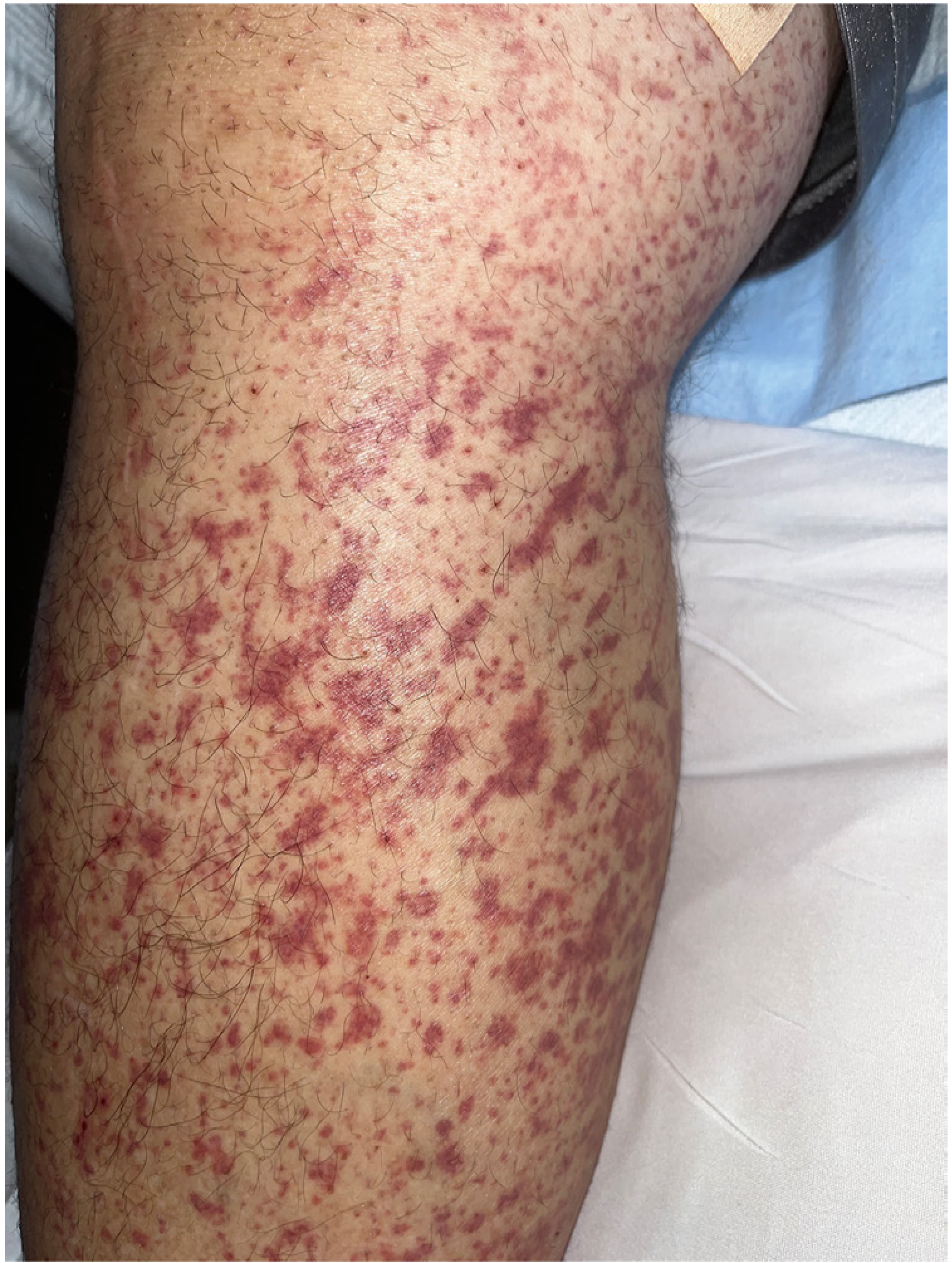
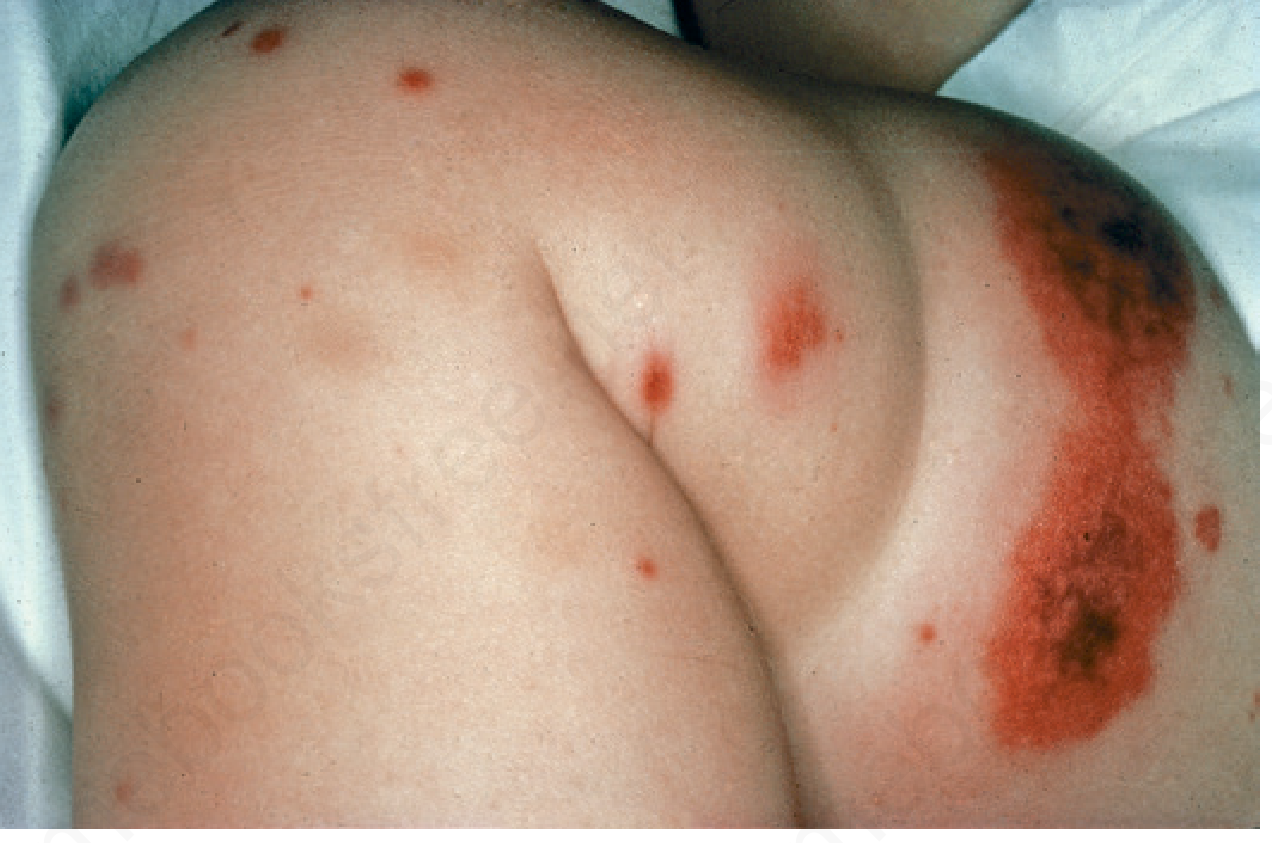
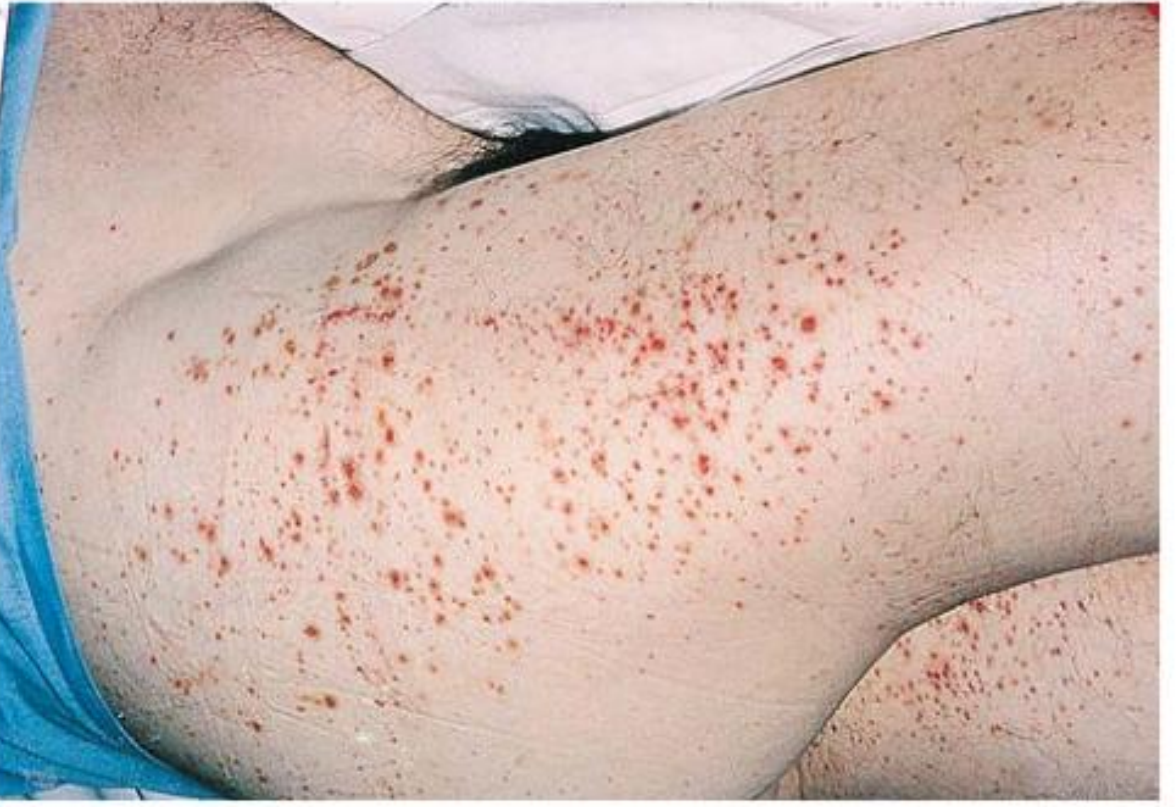
B. Joints (~63-82% of patients)
- Polyarthralgias progressing to arthritis
- Periarticular swelling around knees and ankles (most common joints)
- Usually without frank synovial effusion
- Non-destructive; resolves with the disease
C. Gastrointestinal Tract (~65-70% of patients)
- Colicky abdominal pain caused by gut vasculitis - typically occurs within 1 week after rash onset
- Nausea, vomiting, diarrhea, constipation
- Passage of blood and mucus per rectum (melena, hematochezia)
- Intussusception (classic risk - ultrasound required)
- Paralytic ileus, rebound tenderness, distension
- Endoscopy: purpura in upper or lower intestinal tract
- GI radiograph: "spiking" or "cobblestone" marbled appearance
- Important: GI symptoms may PRECEDE the rash in some cases, creating diagnostic difficulty and potentially leading to unnecessary exploratory surgery
D. Kidneys (10-50% in children; up to 70%+ in adults)
- Ranges from microscopic hematuria (+/- proteinuria) to nephrotic syndrome
- Red blood cell casts confirm glomerulonephritis
- Most cases are mild and self-limited in children
- Progressive glomerulonephritis and CKD/ESRD are uncommon in children but more prevalent in adults
- Nephrotic syndrome occurs in 20-30% of those biopsied
- AKI may develop from crescentic GN
6. Histopathology
Skin Biopsy (Light Microscopy)
Leukocytoclastic vasculitis of small vessels (venules/capillaries):
- Neutrophilic infiltration of vessel walls
- Nuclear dust (leukocytoclasis - fragmented neutrophil nuclei)
- Fibrinoid necrosis of vessel walls
- Extravasation of red blood cells
Skin Biopsy (Direct Immunofluorescence - DIF) - DIAGNOSTIC
Florid IgA deposition in dermal vessel walls, often with C3 and fibrin. This finding is pathognomonic - other forms of small vessel vasculitis may have trace IgA, but IgA is never the dominant immunoreactant in other diseases. Also IgM deposition in lesional skin may indicate renal involvement.
The "histamine trap test" (intradermal histamine injection, then biopsy at 4 hours) can identify IgA in vessels when skin lesions are absent but IgAV is suspected.
Renal Biopsy (Light Microscopy)
- Mesangial proliferative GN (most common)
- Diffuse endocapillary proliferation
- Crescentic GN (severe, rapidly progressive cases)
Renal Biopsy (Immunofluorescence)
- Diffuse mesangial IgA deposits (identical to IgA nephropathy)
- C3 and IgG co-deposition
- The MEST scoring system for IgAN may apply but its predictive value for IgAV nephritis has not been validated
7. Diagnosis
Clinical Diagnosis (especially in children)
In children with classic presentations, diagnosis is clinical without biopsy. The 2010 EULAR/PRINTO/PRES criteria require palpable purpura (mandatory) plus at least one of:
- Diffuse abdominal pain
- Any biopsy showing predominant IgA deposition
- Arthritis or arthralgia
- Renal involvement (hematuria and/or proteinuria)
1990 ACR Classification Criteria (for epidemiologic use)
At least 2 of 4:
- Age ≤20 years at disease onset
- Palpable purpura
- Acute abdominal pain
- Granulocytes on biopsy
Laboratory Findings
| Test | Finding |
|---|---|
| CBC | Mild leukocytosis; normal platelet count (key - distinguishes from ITP/TTP) |
| Serum IgA | Elevated in ~50% of patients |
| Complement (C3, C4) | Normal (unlike SLE, MPGN) |
| Coagulation studies | Generally normal |
| Urinalysis | Hematuria, RBC casts, proteinuria (if renal involvement) |
| BMP | BUN/Cr if renal involvement suspected |
| Ultrasound (abdomen) | Mandatory when abdominal pain/GI bleeding present - assess for intussusception |
Differential Diagnosis
- Septic purpura (meningococcemia) - thrombocytopenia present
- ITP / TTP - platelet count differentiates
- Streptococcal infection with rash + arthralgia
- Other systemic vasculitides (ANCA vasculitis, SLE vasculitis)
- Septic arthritis / reactive arthritis
- Acute surgical abdomen (when GI symptoms precede rash)
8. Special Population: Adults vs. Children
| Feature | Children | Adults |
|---|---|---|
| Course | Usually self-limited (6-16 wk) | More prolonged, recurrent |
| Renal severity | Usually mild, reversible | More frequent and severe |
| ESRD risk | 1-5% | Up to 11-40% (15-yr follow-up) |
| GI as first symptom | Less common | Less common as initial complaint |
| Malignancy association | Rare | Important - screen for solid tumors (NSCLC, prostate, renal), hematologic malignancies |
| Sex | Male predominance | 90%+ of malignancy-associated cases are male |
9. Prognostic Factors (Poor Prognosis)
- Nephrotic-range proteinuria (>1 g/day)
- Hypertension at presentation
- Crescents on renal biopsy
- Mesangial macrophages
- Tubulointerstitial fibrosis
- Decreased factor XIII levels
- Purpura above the waist
- Renal insufficiency at onset
- High-titer IgA anti-endothelial cell antibodies
10. Treatment
Supportive (all patients)
- Rest, hydration, pain management
- Acetaminophen for arthralgias
- NSAIDs for joint pain (use cautiously - avoid with severe renal involvement or active GI bleeding)
- Close follow-up: urinalysis + blood pressure monitoring for at least 6 months
Skin-Limited Disease
- Dapsone 50-200 mg/day
- Colchicine 0.6-1.2 mg twice daily
Gastrointestinal Disease
- H2 blockers for GI symptoms
- Prednisone 1 mg/kg/day (more effective for abdominal pain than analgesics; does NOT reduce renal complication risk)
- IVIG for persistent abdominal pain refractory to steroids
Renal Disease - A Spectrum of Interventions
The value of steroids for renal protection is controversial - randomized trials have not shown significant long-term benefit:
| Situation | Intervention |
|---|---|
| Mild hematuria/proteinuria | ACEi or ARB (target BP: 130/80 if proteinuria <1 g/day; 125/75 if >1 g/day) |
| Nephrotic syndrome | Prednisone + ACEi/ARB; treat as IgAN protocol |
| Crescentic nephritis | High-dose glucocorticoids + immunosuppressants (as for crescentic IgAN) |
| Severe/refractory renal disease | Mycophenolate mofetil (excellent option for immunosuppression + steroid-sparing) |
| Rapidly progressive GN | Cyclophosphamide + steroids; IVIG |
| Refractory skin + persistent GI | IVIG |
Cyclosporine A vs methylprednisolone for HSP nephritis has been studied in pediatric trials (Jauhola et al. 2011).
Despite this, it is prudent to treat aggressive renal involvement with an immunosuppressive regimen that includes high-dose glucocorticoids. Mycophenolate mofetil is an excellent option for severe renal disease.
- Firestein & Kelley's Textbook of Rheumatology
Malignancy-Associated IgAV
If a malignancy is identified, treating the primary tumor may lead to resolution of IgAV.
H. pylori-Associated IgAV (Adults with GI symptoms)
Test for H. pylori; successful eradication therapy may resolve the IgAV.
11. Emergency Department Approach (Rosen's Framework)
Indications for hospital admission:
- Cannot bear weight due to arthralgias
- Pain not controlled with oral medications
- Ongoing GI bleeding
- Renal involvement with fluid overload/AKI
- Severely elevated blood pressure
Critical ED workup:
- Urinalysis (mandatory)
- BMP if hematuria or hypertension
- Abdominal ultrasound if GI bleeding/abdominal pain (rule out intussusception)
- CBC (normal platelets excludes ITP)
12. Prognosis
- Overall prognosis is excellent, especially in children
- Mortality is exceedingly rare
- Most patients recover completely, often without therapy
- Illness duration: typically 6-16 weeks
- Children with gross hematuria usually do well
- Recurrent skin disease (multiple episodes over months) is not unusual but typically resolves over months to 1 year
- 1-5% of children progress to ESRD; in adults, up to 40% may develop CKD/ESRD at 15-year follow-up
- Persistent nephropathy (usually mild) in only ~8% of overall patients
13. Transplantation
For patients who progress to ESRD, kidney transplantation is performed. IgAV can recur in the transplant:
- ~50% of transplants: isolated IgA deposits in the graft
- Full-blown IgAN in the graft (clinically)
- Rarely: full systemic recurrence including rash
- Cadaveric donor may be preferable to living-related donor in children (controversial)
- Delaying transplantation after dialysis does not reduce recurrence risk
14. Recent Evidence (2024-2026)
Three recent systematic reviews are relevant:
-
Rituximab in IgAV nephritis (Xiong et al., 2024 - PMID 39249581): Evaluates the role of B-cell depletion for refractory nephritis - emerging option for severe/refractory IgAV nephritis.
-
Tacrolimus vs cyclophosphamide in HSP nephritis in children (Jiang et al., 2025 - PMID 40696685): Compares calcineurin inhibitor vs alkylating agent approaches in pediatric nephritis.
-
IgAV with necrotizing arteritis (Ribereau-Gayon et al., 2026 - PMID 42192510): A French multicenter study describing the severe subtype with medium-vessel necrotizing involvement - distinct clinical phenotype with worse prognosis.
Quick Reference Summary
HSP / IgA Vasculitis
├── Mechanism: Gd-IgA1 → anti-glycan IgG → ICs → vessel wall deposition
├── Trigger: URI, H. pylori, drugs, malignancy (adults)
├── Tetrad: Purpura + Arthralgias + Abdominal pain + Nephritis
├── DIF skin biopsy: Florid IgA deposition (DIAGNOSTIC)
├── Labs: Normal platelets, normal complement, elevated IgA (50%)
├── Kidney: Identical to IgAN on biopsy (MEST score)
├── Treatment:
│ ├── Mild: Supportive
│ ├── GI pain: Prednisone 1 mg/kg
│ ├── Renal: ACEi/ARB ± steroids ± MMF/CYC
│ └── Refractory: IVIG, rituximab (emerging)
└── Prognosis: Excellent in children; worse in adults (40% CKD at 15y)
Sources: Firestein & Kelley's Textbook of Rheumatology; Harrison's Principles of Internal Medicine 22E; Andrews' Diseases of the Skin; Comprehensive Clinical Nephrology 7E; Brenner and Rector's The Kidney; ROSEN's Emergency Medicine; National Kidney Foundation Primer on Kidney Diseases 8E
Give answer for viva neither too short nor too long
Reading File
Running Command
cd /home/daytona/workspace && pandoc --track-changes=all "/home/daytona/workspace/attachments/5baa4b4b-5aab-43d0-94bc-761e49bcc3f6/Exam questions ID4.docx" -o exam_questions.md 2>&1 && cat exam_questions.md
60 exam questions. I'll now search the medical library in parallel for all major topics. Let me organize and tackle this efficiently.
Finding Sources
Finding Sources
Finding Sources
Finding Sources
Finding Sources
Finding Sources
Finding Sources
Finding Sources
I have enough library reference points. Given the budget constraints (only 2 query_library_db calls left), I have extensive knowledge from the previous HSP session and my training to write comprehensive, well-calibrated viva answers for all 60 questions. Let me now write them all.Here are all 60 viva answers - calibrated for a 5th-year medical student oral exam (not too short, not overly detailed):
Internal Disease 4 - Viva Answers
Q1. Systemic Sclerosis, CREST - Signs and Symptoms
Systemic sclerosis (SSc) is a chronic autoimmune connective tissue disease characterized by widespread fibrosis of the skin and internal organs, vascular abnormalities, and immune dysregulation.
Two main subtypes:
- Limited cutaneous SSc (lcSSc) - skin involvement limited to hands, face, forearms below elbow
- Diffuse cutaneous SSc (dcSSc) - skin involvement extends to trunk and proximal extremities; more rapid organ damage
CREST syndrome is the classic form of lcSSc:
- C - Calcinosis (calcium deposits in soft tissue)
- R - Raynaud's phenomenon (vasospasm of digits: white → blue → red)
- E - Esophageal dysmotility (dysphagia, GERD)
- S - Sclerodactyly (thickening/tightening of finger skin)
- T - Telangiectasia (dilated vessels on skin/mucosa)
Other signs and symptoms:
- Raynaud's phenomenon is often the first manifestation
- Skin: pitting edema → induration → atrophy; "mask-like" facies, microstomia
- Musculoskeletal: arthralgia, myopathy, tendon friction rubs
- Pulmonary: ILD (leading cause of death in dcSSc), pulmonary hypertension (leading cause in lcSSc)
- Cardiac: pericarditis, myocardial fibrosis, arrhythmias
- Renal: scleroderma renal crisis - abrupt hypertension, oliguric AKI (more in dcSSc)
- GI: dysmotility throughout, malabsorption, telangiectasias causing bleeding
Antibodies: Anti-centromere (lcSSc/CREST); Anti-Scl-70/topoisomerase I (dcSSc, ILD risk)
Q2. Idiopathic Pulmonary Fibrosis - Diagnosis, Pathogenesis, Symptoms
Definition: IPF is a specific form of chronic, progressive, irreversible fibrosing interstitial pneumonia of unknown cause, occurring primarily in older adults, with the histologic/radiologic pattern of Usual Interstitial Pneumonia (UIP).
Pathogenesis:
- Repeated micro-injuries to alveolar epithelium in genetically susceptible individuals
- Abnormal wound healing → aberrant fibroblast/myofibroblast activation
- Excessive collagen deposition → architectural distortion → honeycombing
- TGF-beta is the key pro-fibrotic mediator
- NOT primarily an inflammatory disease (unlike other ILDs)
Symptoms:
- Insidious onset in patients >60 years
- Progressive exertional dyspnea (main complaint)
- Dry, non-productive cough
- Bibasilar fine "velcro" crackles on auscultation
- Clubbing in ~50%
- Cyanosis and cor pulmonale in advanced disease
- No fever or constitutional symptoms
Diagnosis:
- HRCT chest: bilateral peripheral, basal predominant honeycombing ± traction bronchiectasis (UIP pattern) - often diagnostic without biopsy
- PFTs: restrictive pattern (↓TLC, ↓DLCO, ↓FVC), low DLCO is earliest abnormality
- BAL: not diagnostic but helps exclude other ILDs
- Surgical lung biopsy: only if HRCT inconclusive
- Must exclude known causes of ILD (drugs, CTD, hypersensitivity pneumonitis)
Treatment: Nintedanib or pirfenidone (anti-fibrotic agents) slow decline; lung transplant for eligible patients; no cure.
Q3. Dilated Cardiomyopathy - Signs, Symptoms, Diagnosis
Definition: DCM is characterized by dilation and impaired systolic function of the left (or both) ventricle(s), in the absence of abnormal loading conditions (hypertension, valvular disease) or coronary artery disease sufficient to cause global dysfunction.
Causes: Idiopathic (50%), genetic mutations (25%), viral myocarditis (Coxsackievirus B, parvovirus B19), alcohol, peripartum, drugs (doxorubicin), thyroid disease, hemochromatosis.
Signs and Symptoms:
- Heart failure: progressive dyspnea on exertion, orthopnea, PND
- Fatigue, weakness, reduced exercise tolerance
- Peripheral edema, ascites (right heart failure)
- Palpitations (arrhythmias - AF, VT/VF)
- Systemic or pulmonary emboli
- Physical exam: cardiomegaly, displaced apex beat (lateral/inferior), S3 gallop, mitral regurgitation murmur (functional), elevated JVP, hepatomegaly, edema
Diagnosis:
- ECG: LBBB, non-specific ST-T changes, arrhythmias
- Chest X-ray: cardiomegaly (cardiothoracic ratio >0.5), pulmonary vascular congestion, Kerley B lines
- Echocardiography (key): dilated LV, global systolic dysfunction (EF <40%), functional MR, possibly LV thrombus
- BNP/NT-proBNP: elevated
- Cardiac MRI: best for tissue characterization, detects fibrosis (late gadolinium enhancement)
- Coronary angiography: to exclude ischemic cause
- Endomyocardial biopsy: rarely needed (if giant cell myocarditis or sarcoid suspected)
Q4. Cardiac Tamponade - Signs, Symptoms, Causes
Definition: Cardiac tamponade is life-threatening compression of the heart by accumulation of fluid in the pericardial space, impairing diastolic filling and reducing cardiac output.
Causes:
- Malignancy (most common in developed world - lung, breast, lymphoma)
- Pericarditis (viral, idiopathic)
- Post-cardiac surgery / post-MI (Dressler's syndrome)
- Aortic dissection
- Trauma (hemopericardium)
- Hypothyroidism, uremia, SLE, TB
Classic Signs - Beck's Triad:
- Hypotension (reduced cardiac output)
- Elevated JVP / distended neck veins
- Muffled heart sounds
Other Signs:
- Pulsus paradoxus >10 mmHg fall in SBP during inspiration - cardinal sign
- Tachycardia (compensatory)
- Kussmaul's sign is typically absent (seen in constrictive pericarditis)
- Cool, clammy extremities; reduced urine output
Symptoms: Dyspnea, chest tightness/pressure, lightheadedness, anxiety, syncope
Investigations:
- ECG: tachycardia, low voltage QRS, electrical alternans (pathognomonic - alternating QRS axis)
- CXR: "water bottle" heart silhouette
- Echocardiography (gold standard): pericardial effusion + right atrial/RV diastolic collapse
Q5. Etiology, Pathophysiology and Examination Findings of Dilated Cardiomyopathy
Etiology:
- Idiopathic (50% of cases)
- Genetic (~25%): mutations in titin (TTN - most common), lamin A/C (associated with arrhythmias and sudden death), dystrophin (X-linked - Duchenne)
- Infective: viral myocarditis (Coxsackievirus B, HIV, Chagas disease - T. cruzi)
- Toxic: Alcohol (most common reversible cause), cocaine, anthracyclines (doxorubicin - dose-dependent)
- Metabolic: Hypothyroidism, thiamine deficiency (wet beriberi), selenium deficiency
- Peripartum: last month of pregnancy to 5 months postpartum
Pathophysiology:
- Cardiomyocyte injury → myocardial dysfunction → ventricular dilation
- Compensatory neuro-hormonal activation: SNS, RAAS, ADH
- Ventricular remodeling (dilation + spherical shape) → worsens MR, increases wall stress
- Progressive decline in EF → low output state
- Dilation → stasis → risk of intracardiac thrombus
Examination Findings:
- Pulse: tachycardia, low volume, pulsus alternans
- BP: narrow pulse pressure
- JVP: elevated with prominent v-waves (functional TR)
- Precordium: laterally displaced, diffuse apex; palpable S3; systolic thrill (if MR)
- Auscultation: S3 gallop (hallmark of systolic dysfunction), holosystolic murmur of MR ± TR
- Chest: bibasal fine crackles
- Abdomen: hepatomegaly, ascites
- Legs: bilateral pitting edema
Q6. Obstructive Sleep Apnea - Symptoms, Diagnosis, Treatment
Definition: OSA is characterized by repetitive episodes of complete (apnea) or partial (hypopnea) upper airway obstruction during sleep, causing oxygen desaturation and sleep fragmentation.
Symptoms:
- Loud snoring (most common - reported by bed partner)
- Witnessed apneas during sleep
- Non-restorative sleep, excessive daytime sleepiness (EDS)
- Morning headache (hypercapnia)
- Nocturia, nocturnal choking/gasping
- Cognitive impairment, irritability, depression
- Complications: hypertension (resistant HTN), AF, type 2 diabetes, pulmonary hypertension
Risk Factors: Obesity (BMI >30), male sex, age, craniofacial abnormalities, alcohol/sedatives, neck circumference >40 cm (female) / >43 cm (male)
Diagnosis:
- Screening: Epworth Sleepiness Scale (ESS >10 = excessive daytime sleepiness); STOP-BANG questionnaire
- Polysomnography (PSG): gold standard - measures AHI (Apnea-Hypopnea Index)
- Mild: AHI 5-14; Moderate: 15-29; Severe: ≥30 events/hour
- Home sleep apnea testing: acceptable alternative in uncomplicated cases
Treatment:
- Lifestyle: weight loss, positional therapy (avoid supine), avoid alcohol/sedatives
- CPAP therapy (Continuous Positive Airway Pressure): first-line for moderate-severe OSA - maintains airway patency via pneumatic splinting
- Mandibular advancement device: for mild-moderate OSA or CPAP intolerant
- Surgical: uvulopalatopharyngoplasty, hypoglossal nerve stimulator (for CPAP failures)
Q7. Pulmonary Embolism - Common Risk Factors, Signs and Symptoms
Definition: PE is the obstruction of pulmonary arteries by thrombus (usually from DVT), causing acute right heart strain and ventilation-perfusion mismatch.
Risk Factors (Virchow's Triad):
- Stasis: Immobility, prolonged travel, heart failure, obesity
- Hypercoagulability: Malignancy, oral contraceptives/HRT, pregnancy, inherited thrombophilia (Factor V Leiden, prothrombin mutation, antiphospholipid syndrome)
- Endothelial injury: Surgery, trauma, central venous catheters
Signs and Symptoms:
- Dyspnea (most common - sudden onset)
- Pleuritic chest pain (peripheral PE - infarction)
- Hemoptysis (lung infarction)
- Tachycardia (most common sign), tachypnea
- Cough, fever, sweating
- Syncope or presyncope (massive PE)
- Signs of DVT: unilateral leg swelling, redness, calf tenderness
- Massive PE: hypotension, cardiogenic shock, cyanosis, raised JVP, loud P2, right heart strain
Q8. Systemic Scleroderma - Major/Minor Criteria, Additional Signs, Treatment
Major Criteria (ACR/EULAR 2013 classification):
- Skin thickening of the fingers of both hands extending proximal to the MCPs (sufficient alone for diagnosis = 9 points)
- Scoring system includes: skin thickening, fingertip lesions, telangiectasia, abnormal nailfold capillaries, ILD/PAH, Raynaud's, SSc-related antibodies
Minor Criteria (older ACR 1980):
- Major: Proximal scleroderma (proximal to MCPs)
- Minor (2 of 3): Sclerodactyly, digital pitting scars, bibasal pulmonary fibrosis
Additional Signs: Calcinosis, esophageal dysmotility, telangiectasia, Raynaud's, scleroderma renal crisis, pericardial effusion, carpal tunnel syndrome, sicca symptoms
Treatment:
- Raynaud's: calcium channel blockers (nifedipine), PDE5 inhibitors, prostacyclin analogs (severe)
- ILD: Mycophenolate mofetil (first-line), nintedanib, cyclophosphamide
- PAH: PDE5 inhibitors (sildenafil), endothelin receptor antagonists (bosentan), prostacyclins
- Scleroderma renal crisis: ACE inhibitors (captopril) - MANDATORY; control BP aggressively
- Skin/systemic: Methotrexate, mycophenolate mofetil
- GI: Proton pump inhibitors for GERD, prokinetics for dysmotility
Q9. Cirrhosis - Causes, Pathogenesis, Complications
Definition: Irreversible replacement of normal hepatic architecture by fibrotic tissue and regenerative nodules.
Causes:
- Alcohol (most common in Western countries)
- Non-alcoholic fatty liver disease (NAFLD/NASH) - increasingly common
- Chronic viral hepatitis (HBV, HCV)
- Autoimmune hepatitis
- Primary biliary cholangitis, primary sclerosing cholangitis
- Wilson's disease, hemochromatosis, alpha-1 antitrypsin deficiency
Pathogenesis:
- Chronic hepatocyte injury → inflammation → activation of hepatic stellate cells
- Stellate cells transform into myofibroblasts → deposit collagen → fibrosis
- Loss of normal sinusoidal architecture → portal hypertension
- Progressive loss of hepatocyte mass → synthetic failure
Complications:
- Portal hypertension → esophageal/gastric varices (risk of life-threatening bleeding), splenomegaly, hypersplenism
- Ascites (most common complication) → spontaneous bacterial peritonitis (SBP)
- Hepatic encephalopathy
- Hepatorenal syndrome (type 1 = rapidly progressive; type 2 = chronic)
- Coagulopathy (↓clotting factors, thrombocytopenia)
- Jaundice, hypoalbuminemia, hyponatremia
- Hepatocellular carcinoma (HCC) - annual surveillance with ultrasound + AFP
Q10. Hepatitis A - Etiology, Clinical Picture, Diagnosis, Management
Etiology: Hepatitis A virus (HAV) - RNA virus (Picornaviridae). Transmission: fecal-oral route via contaminated food/water. No chronic carrier state.
Clinical Picture:
- Incubation: 15-50 days (average 28)
- Prodrome (1-2 weeks): fever, malaise, anorexia, nausea, vomiting, right upper quadrant pain, dark urine, pale stools
- Icteric phase: jaundice, pruritis, tender hepatomegaly, splenomegaly
- Most cases self-limited; recovery in 4-8 weeks
- Fulminant hepatic failure: rare (<1%) but more common in elderly/pre-existing liver disease
- Cholestatic variant: prolonged jaundice, pruritis
Diagnosis:
- LFTs: markedly elevated ALT, AST (>10x ULN); elevated bilirubin (conjugated + unconjugated)
- Serology: Anti-HAV IgM = acute infection (positive for 3-6 months); Anti-HAV IgG = past infection/immunity
- PT/INR: prolonged in severe cases
Management:
- Supportive: rest, adequate nutrition, hydration; avoid alcohol and hepatotoxic drugs
- No specific antiviral therapy
- Hospitalize if: unable to maintain hydration, coagulopathy, encephalopathy
- Prevention: HAV vaccine (2-dose series); post-exposure immunoglobulin within 2 weeks
Q11. Pathophysiology of Pericardial Effusion, Diagnostic Evaluation, Management
Pathophysiology:
- Pericardial space normally contains 15-50 mL of fluid
- Excess fluid accumulation from: increased production (inflammation) or decreased resorption
- Rate of accumulation determines hemodynamic impact - slow accumulation allows pericardium to stretch (may accommodate 2L); rapid accumulation (200-300 mL) can cause tamponade
- Elevated intrapericardial pressure → impairs diastolic filling (first RV, then LV) → reduced stroke volume → compensatory tachycardia → if untreated, shock
Causes: Idiopathic/viral, malignancy, uremia, hypothyroidism, bacterial/TB, post-MI (Dressler's), post-cardiac surgery, SLE
Diagnostic Evaluation:
- ECG: Low voltage, electrical alternans (tamponade), diffuse ST elevation (pericarditis)
- CXR: Enlarged cardiac silhouette ("water bottle" heart) if >250 mL
- Echocardiography (gold standard): Quantifies effusion; detects chamber collapse (tamponade); differentiates from constrictive pericarditis
- CT/MRI: Best for loculated effusions, malignancy staging, pericardial thickening
- Pericardiocentesis fluid analysis: LDH, protein (Light's criteria - differentiate exudate vs transudate), cytology, culture, AFB
Management:
- Treat underlying cause
- Hemodynamically stable: NSAIDs, colchicine (if pericarditis)
- Tamponade = medical emergency: immediate pericardiocentesis (echo-guided or subxiphoid approach)
- Recurrent effusions: pericardial window (surgical drainage)
- Malignant effusion: drainage + sclerotherapy
Q12. Pulmonary Embolism - Causes, Symptoms, First Aid
Causes: See Virchow's triad (Q7). Major causes: DVT (proximal leg veins in >90%), prolonged immobility, surgery/trauma, malignancy, oral contraceptives, pregnancy, thrombophilia.
Symptoms:
- Sudden onset dyspnea, tachypnea
- Pleuritic chest pain (sharp, worse with breathing)
- Hemoptysis
- Cough, low-grade fever
- Syncope (massive PE)
- Symptoms of DVT (leg swelling, pain)
First Aid:
- Call emergency services; place patient in sitting position (relieves dyspnea)
- High-flow oxygen immediately (target SpO2 >94%)
- IV access; IV fluid bolus (cautiously - 500 mL; excessive fluids worsen RV dilation)
- Monitor: ECG, continuous pulse oximetry, BP
- If massive PE with cardiac arrest: CPR + consider thrombolysis
- Do NOT delay anticoagulation (LMWH or UFH) while awaiting imaging if clinical suspicion high
- Emergency echocardiography/CT-PA as available
Q13. Pulmonary Embolism - Causes, Signs/Symptoms, Diagnosis, Treatment
(Causes and symptoms - see Q7/Q12)
Diagnosis:
- Clinical probability: Wells score (DVT signs, HR>100, immobilization, prior DVT/PE, hemoptysis, malignancy, alternative diagnosis less likely)
- D-dimer: Sensitive but not specific; negative D-dimer in low probability excludes PE
- CT Pulmonary Angiography (CTPA): Gold standard - visualizes thrombus directly
- ECG: sinus tachycardia (most common); S1Q3T3 pattern (right heart strain); RBBB; AF
- ABG: hypoxemia, hypocapnia (respiratory alkalosis), widened A-a gradient
- Echo: RV dilation/dysfunction, McConnell's sign, TR, elevated PA pressures
- V/Q scan: alternative when CTPA contraindicated (renal failure, contrast allergy)
- Troponin, BNP: elevated in massive/sub-massive PE (RV injury markers)
Treatment:
- Anticoagulation (mainstay):
- DOACs (rivaroxaban, apixaban) - first-line for most
- LMWH + vitamin K antagonist (warfarin) - traditional
- UFH: for massive PE or if thrombolysis planned
- Duration: 3 months (provoked/transient risk), 6 months or indefinite (unprovoked, malignancy)
- Thrombolysis (systemic): For massive PE with hemodynamic instability (alteplase 100 mg IV)
- Catheter-directed therapy / Surgical embolectomy: For massive PE if thrombolysis fails or contraindicated
- IVC filter: only when anticoagulation absolutely contraindicated
Q14. Atrial Fibrillation - Physical Examination, ECG, Management
Physical Examination:
- Irregularly irregular pulse (pathognomonic)
- Pulse deficit (apical rate > radial rate)
- Variable intensity S1
- Absent a-wave in JVP
- Signs of underlying cause (mitral stenosis murmur, thyrotoxicosis)
- Signs of heart failure if decompensated (elevated JVP, crackles, edema)
ECG Findings:
- Absent P waves (replaced by irregular fibrillatory "f" waves at 350-600/min)
- Irregularly irregular R-R intervals (hallmark)
- Narrow QRS complexes (unless aberrant conduction or pre-excitation)
- Rate: usually 100-160 bpm if uncontrolled
Management:
- Rate control (most patients): Beta-blockers (metoprolol), calcium channel blockers (diltiazem/verapamil), digoxin (in heart failure with reduced EF); target HR <80-110 bpm at rest
- Rhythm control: DC cardioversion (if hemodynamically unstable: immediate); antiarrhythmics: flecainide, propafenone (no structural disease), amiodarone (structural heart disease); catheter ablation for symptomatic patients
- Anticoagulation (stroke prevention):
- CHA₂DS₂-VASc score ≥2 (male) / ≥3 (female): anticoagulate
- DOACs preferred over warfarin (except mechanical valves/mitral stenosis)
- Assess bleeding risk with HAS-BLED score
- Treat underlying cause (hyperthyroidism, sepsis, heart failure)
Q15. Hepatitis - Types, Etiology, Signs/Symptoms, Complications
Types and Etiology:
| Type | Virus | Transmission | Chronicity |
|---|---|---|---|
| Hep A | HAV (RNA) | Fecal-oral | Never |
| Hep B | HBV (DNA) | Sexual, blood, vertical | 5-10% adults; 90% neonates |
| Hep C | HCV (RNA) | Blood (IVDU, transfusion) | 80% |
| Hep D | HDV (RNA) | Blood; requires HBV co-infection | Variable |
| Hep E | HEV (RNA) | Fecal-oral; zoonotic | Rarely (immunocompromised) |
Signs and Symptoms (acute): Fatigue, anorexia, nausea, vomiting, RUQ pain, fever (prodrome) → jaundice, dark urine, pale stools, hepatomegaly, splenomegaly
Complications:
- Acute: Fulminant hepatic failure (highest with HBV + HDV, HEV in pregnancy)
- Chronic (B, C, D): Chronic hepatitis → cirrhosis → HCC
- Extrahepatic: HCV - cryoglobulinemia, membranoproliferative GN, vasculitis; HBV - polyarteritis nodosa, membranous nephropathy
Q16. Virchow's Triad in PE, Diagnostic Methods, Examination Findings
Virchow's Triad:
- Stasis of blood flow: Immobility, heart failure, long-haul travel, varicose veins
- Hypercoagulability: Malignancy, pregnancy, OCP/HRT, thrombophilias (Factor V Leiden, antiphospholipid syndrome, protein C/S deficiency)
- Endothelial injury: Surgery, trauma, central venous catheters, chemical injury
Examination Findings:
- Tachycardia (most common), tachypnea
- Hypoxemia, cyanosis (massive)
- Hypotension (massive PE - SBP <90 mmHg)
- Raised JVP, parasternal heave (acute cor pulmonale)
- Loud P2, tricuspid regurgitation murmur
- Leg: swelling, erythema, tenderness (DVT)
- Homan's sign (calf pain on dorsiflexion) - unreliable
Diagnostic Methods:
- D-dimer (rule out), CTPA (gold standard), V/Q scan, echo, Doppler USS legs, ECG, ABG (see Q13)
Q17. Myocardiodystrophy - Definition, Etiology, Pathogenesis
Definition: Myocardiodystrophy (also called myocardial dystrophy or metabolic cardiomyopathy) is a non-inflammatory, non-ischemic myocardial lesion caused by metabolic, toxic, or systemic disorders that impair myocardial metabolism and function. It represents functional cardiac damage without structural coronary or primary myocardial disease.
Etiology:
- Endocrine: Hypothyroidism, hyperthyroidism, diabetes mellitus, Cushing's disease, acromegaly, pheochromocytoma
- Nutritional/metabolic: Thiamine deficiency (beriberi), selenium deficiency (Keshan disease), obesity
- Toxic: Alcohol, cocaine, catecholamines
- Systemic diseases: Anemia, uremia, sepsis
- Dyselectrolytemia: Hypokalemia, hypocalcemia
Pathogenesis:
- Metabolic derangement impairs myocardial energy production (oxidative phosphorylation, ATP synthesis)
- Ion pump dysfunction → calcium overload → impaired contractility
- Mitochondrial dysfunction → free radical damage to cardiomyocytes
- Lipid/glycogen accumulation → cytotoxicity
- Result: ventricular dysfunction (systolic ± diastolic) - potentially reversible if underlying cause treated
Q18. Hemorrhagic Vasculitis (HSP/IgA Vasculitis) - Systemic Manifestations, Physical Findings, Criteria
Definition: IgA vasculitis (Henoch-Schonlein Purpura) is a small vessel vasculitis defined by IgA immune complex deposition, causing the classic tetrad.
Systemic Manifestations:
- Skin: Palpable purpura (lower limbs, buttocks); non-blanchable; new crops over weeks
- Joints: Arthralgias/periarticular swelling (knees, ankles) - 63-82%
- GI: Colicky abdominal pain, nausea, vomiting, GI bleeding, intussusception - 65-70%
- Kidneys: Hematuria, proteinuria, GN - 10-50% (up to 70% in adults)
- Other: Scrotal edema (boys), CNS involvement (rare), pulmonary hemorrhage (rare)
Physical Findings:
- Non-thrombocytopenic palpable purpura (hallmark)
- Periarticular swelling (ankles, knees)
- Abdominal tenderness
- Normal platelet count, normal complement levels
Criteria (EULAR/PRINTO/PRES 2010):
- Mandatory: Palpable purpura (without thrombocytopenia)
- Plus at least 1 of:
- Diffuse abdominal pain
- Biopsy showing IgA deposition
- Arthritis or arthralgia
- Renal involvement (hematuria and/or proteinuria)
Additional/older ACR 1990 criteria: Age ≤20 at onset; palpable purpura; acute abdominal pain; granulocytes on biopsy (2 of 4 required)
Q19. Pulmonary Hypertension - Causes, Classification, Signs/Symptoms, Treatment
Definition: Mean pulmonary arterial pressure ≥20 mmHg at rest on right heart catheterization.
WHO Classification (5 Groups):
- PAH: Idiopathic, heritable (BMPR2 mutation), drug/toxin-induced, associated (CTD, HIV, portal hypertension, congenital heart disease)
- PH due to left heart disease: Heart failure (most common cause overall), valvular disease
- PH due to lung disease/hypoxia: COPD, ILD, OSA
- CTEPH: Chronic thromboembolic PH (persistent clot obstruction)
- Miscellaneous: Sarcoidosis, histiocytosis, compression of pulmonary vessels
Signs and Symptoms:
- Dyspnea on exertion (earliest symptom)
- Fatigue, syncope on exertion (low cardiac output)
- Chest pain, palpitations
- Hemoptysis
- Signs of right heart failure: elevated JVP, peripheral edema, hepatomegaly, ascites
- Loud P2, right-sided S3/S4, TR murmur, parasternal heave
Treatment:
- Treat underlying cause
- Group 1 (PAH) specific therapy:
- Endothelin receptor antagonists: Bosentan, ambrisentan
- PDE5 inhibitors: Sildenafil, tadalafil
- Prostacyclin analogs: Epoprostenol, treprostinil (severe cases)
- Riociguat: Soluble guanylate cyclase stimulator (also for CTEPH)
- Group 4 (CTEPH): Riociguat; surgical pulmonary endarterectomy (potentially curative)
- Supportive: diuretics, O2, anticoagulation (PAH, CTEPH)
- Lung transplantation for refractory cases
Q20. AV Block 1st Degree - Causes, Signs, ECG
Definition: Prolonged conduction through AV node with ALL impulses conducted to ventricles.
Causes:
- Enhanced vagal tone (athletes, during sleep)
- Inferior MI (RCA supplies AV node)
- Drugs: digoxin, beta-blockers, calcium channel blockers, amiodarone
- Myocarditis, rheumatic fever, Lyme disease
- Electrolyte disturbances (hyperkalemia)
- Aging (fibrosis of conduction system)
Signs: Usually asymptomatic; no hemodynamic compromise; incidental finding
ECG:
- PR interval >0.20 seconds (>200 ms) or >5 small squares
- All P waves followed by QRS complexes (1:1 conduction)
- PR interval is constant (does not vary)
- Normal QRS morphology (unless coexisting bundle branch block)
Management: Usually no treatment required; review and discontinue offending drugs; treat underlying cause; monitor if symptomatic.
Q21. Pulmonary Hypertension - WHO Classification, Signs and Symptoms
(See Q19 for full WHO classification - 5 groups)
Signs:
- Auscultation: loud/accentuated P2 (pulmonary component of S2), ejection click, right-sided S4 (RV hypertrophy), TR murmur (pansystolic at LLSB, increases with inspiration), PR murmur (Graham Steell murmur)
- Inspection: raised JVP with prominent a-wave (RV hypertrophy) or prominent v-wave (TR), central cyanosis, peripheral edema
- Palpation: parasternal heave (RV hypertrophy), palpable P2, hepatomegaly, pulsatile liver (TR)
Symptoms:
- Exertional dyspnea (hallmark, >95% of patients)
- Fatigue, exercise intolerance
- Syncope on exertion (fixed low cardiac output)
- Chest pain (RV ischemia)
- Palpitations
- Peripheral edema, abdominal distension (right heart failure)
- Raynaud's phenomenon (associated PAH)
Q22. Cardiogenic Shock - Signs, Symptoms, Physical Findings, Management
Definition: Cardiogenic shock is a state of critical end-organ hypoperfusion due to primary cardiac failure, despite adequate intravascular volume.
Signs and Symptoms:
- Severe dyspnea, extreme fatigue
- Confusion, agitation, altered consciousness (cerebral hypoperfusion)
- Oliguria/anuria
- Chest pain (if ACS is cause)
Physical Findings:
- Hypotension: SBP <90 mmHg for >30 min (or need for vasopressors)
- Tachycardia (compensatory) or bradycardia (if AV block/inferior MI)
- Cold, clammy, pale, mottled extremities (vasoconstriction)
- Elevated JVP (raised filling pressures)
- Bilateral crackles (pulmonary edema)
- S3/S4 gallop
- Murmurs (MR from papillary muscle rupture, VSD)
- Narrow pulse pressure (<25 mmHg)
Management:
- Identify and treat underlying cause (ACS → urgent PCI; mechanical cause → surgery)
- Oxygen + intubation if respiratory failure
- Vasopressors: Norepinephrine (first-line); dopamine (alternative)
- Inotropes: Dobutamine (for severe LV failure with low CO)
- IV fluids: cautious small bolus (500 mL) only if dry (no pulmonary edema)
- Mechanical circulatory support: Intra-aortic balloon pump (IABP), Impella, ECMO for refractory shock
- Treat arrhythmias, correct electrolytes
- Revascularization: immediate PCI/CABG for ACS-related cardiogenic shock
Q23. Chronic Hepatosis - Pathogenesis, Clinical Picture, Treatment
Definition: Hepatosis refers to non-inflammatory, degenerative liver disease with hepatocyte dysfunction (steatosis/fatty change, glycogenic degeneration) without inflammatory infiltrate - also termed metabolic liver disease or non-alcoholic fatty liver disease (NAFLD).
Pathogenesis:
- "Two-hit" hypothesis:
- First hit: lipid accumulation in hepatocytes (steatosis) from insulin resistance → impaired beta-oxidation, increased lipogenesis
- Second hit: oxidative stress, mitochondrial dysfunction, cytokine imbalance (TNF-alpha, IL-6) → hepatocyte injury and inflammation (NASH)
- Progressive: steatosis → NASH → fibrosis → cirrhosis
Clinical Picture:
- Often asymptomatic (found incidentally)
- Fatigue, vague RUQ discomfort
- Hepatomegaly (smooth, non-tender)
- Acanthosis nigricans (insulin resistance)
- Features of metabolic syndrome: obesity, hypertension, dyslipidemia, DM2
- Advanced: signs of chronic liver disease
Treatment:
- Weight loss (>7-10% body weight) - most effective intervention
- Treat metabolic syndrome components: statins, metformin/SGLT2i, antihypertensives
- Vitamin E (non-diabetic, non-cirrhotic NASH)
- Resmetirom (THR-beta agonist) - recently approved for NASH with liver fibrosis
- Avoid alcohol, hepatotoxic drugs
- Screen for HCC if cirrhosis develops
Q24. Pericarditis - Causes, Signs/Symptoms, Diagnosis, Treatment
Definition: Inflammation of the pericardium (fibrous sac surrounding the heart).
Causes:
- Idiopathic/viral (most common ~80%): Coxsackievirus A/B, Echo, EBV, CMV
- Bacterial: TB (important), Staph, Strep
- Post-MI: early (1-3 days, fibrinous) or late Dressler's syndrome (weeks-months)
- Post-cardiac surgery / post-ablation
- Systemic: SLE, rheumatoid arthritis, scleroderma, sarcoidosis
- Uremic pericarditis
- Malignancy, radiation
Signs and Symptoms:
- Sharp, pleuritic chest pain - worse lying flat, better leaning forward (pathognomonic position)
- Low-grade fever, malaise
- Dyspnea
- Pericardial friction rub (3-component: atrial systole, ventricular systole, ventricular diastole) - best heard at LLSB, leaning forward; pathognomonic
Diagnosis:
- ECG: Diffuse saddle-shaped ST elevation in multiple leads; PR depression; evolves through 4 stages
- Echo: pericardial effusion (not always present)
- CRP/ESR: elevated
- Troponin: elevated if myopericarditis
- CBC: leukocytosis
Treatment:
- First-line: Aspirin (750-1000 mg TID) OR ibuprofen (600 mg TID) for 1-2 weeks
- Colchicine (0.5 mg BD): added to NSAID; halves recurrence rate
- Restrict physical activity until symptom-free and CRP normalized
- Corticosteroids: only if NSAIDs contraindicated or autoimmune cause
- Uremic pericarditis: intensify dialysis
- TB pericarditis: anti-TB therapy + corticosteroids (prevent constriction)
Q25. Atrial Fibrillation - Clinical Presentations, ECG Findings
Clinical Presentations:
- Paroxysmal AF: Episodes <7 days, self-terminating
- Persistent AF: >7 days, requires cardioversion
- Long-standing persistent: >1 year
- Permanent AF: Accepted, no rhythm control attempted
- Asymptomatic (silent AF): Diagnosed incidentally or after embolic stroke
- Symptomatic: Palpitations, dyspnea, fatigue, lightheadedness, chest discomfort
- Hemodynamic compromise: Hypotension, acute heart failure (rapid AF + poor LV function)
- Thromboembolic: Stroke/TIA (most feared complication; 5x higher risk)
ECG Findings:
- No discernible P waves (replaced by irregular fibrillatory "f" waves)
- Irregularly irregular R-R intervals
- Narrow QRS (unless aberrant conduction or WPW)
- Ventricular rate 100-160 bpm (uncontrolled)
Q26. Acute Pericarditis - Signs, Symptoms, Physical Findings
(Partly covered in Q24 - focused version)
Symptoms:
- Sharp, retrosternal chest pain - pleuritic in nature; radiation to trapezius ridge (pathognomonic)
- Pain worst supine; relieved sitting forward
- Low-grade fever, malaise, myalgias
- Dyspnea from pain or effusion
Physical Findings:
- Pericardial friction rub: Scratchy, high-pitched, 3-component sound; evanescent (may disappear and reappear); best heard at LLSB in held expiration leaning forward
- Tachycardia
- If effusion: muffled heart sounds, dullness to percussion at left base (Ewart's sign)
- If tamponade: Beck's triad + pulsus paradoxus
Investigations: ECG (diffuse ST elevation, PR depression); CRP; echo; troponin (myopericarditis)
Q27. Pericarditis - Definition, Classification, Signs, Treatment
Definition: Inflammation of the pericardial sac (visceral and parietal pericardium).
Classification:
- By time course: Acute (<4-6 weeks), Incessant (>4-6 weeks but <3 months), Recurrent (relapse after ≥4-week symptom-free interval), Chronic (>3 months)
- By etiology: Infectious, Non-infectious (autoimmune, metabolic, neoplastic, traumatic)
- By pathology: Fibrinous (dry), Effusive, Constrictive, Effusive-constrictive
Signs: Friction rub, fever, signs of tamponade if large effusion (see Q24)
Treatment: (See Q24 for full treatment)
- Acute: NSAIDs + colchicine
- Recurrent: NSAIDs + colchicine ± low-dose corticosteroids; anakinra (IL-1 blocker) for steroid-dependent recurrent cases
- Constrictive pericarditis: pericardiectomy (surgical stripping)
Q28. AV Block 2nd Degree - Mobitz I and II - Causes, Symptoms, ECG
Mobitz Type I (Wenckebach):
- ECG: Progressive PR interval lengthening until a P wave fails to conduct (dropped QRS); then cycle repeats
- Narrow QRS usually
- Block at level of AV node
- Causes: inferior MI (usually transient), increased vagal tone, drugs (digoxin, beta-blockers), myocarditis
- Usually benign; rarely needs treatment
Mobitz Type II:
- ECG: Constant PR interval with sudden, unexpected non-conducted P wave (dropped QRS); often wide QRS (infranodal block)
- Block at level of bundle of His or below
- Causes: anterior MI, Lev's disease (fibrocalcific degeneration), Lenegre's disease, sarcoidosis, myocarditis
- Clinically serious - high risk of progression to complete (3rd degree) heart block
Symptoms:
- Mobitz I: usually asymptomatic
- Mobitz II: dizziness, presyncope, syncope, fatigue (reduced CO)
Management:
- Mobitz I: treat underlying cause; pacing if symptomatic
- Mobitz II: permanent pacemaker indicated (high risk of complete heart block regardless of symptoms)
Q29. Hepatosis - Causes, Signs, Clinical Picture, Treatment
(Covered in Q23 - fatty/metabolic liver disease)
Additional Causes: Alcohol, drugs (amiodarone, methotrexate, steroids, tamoxifen), total parenteral nutrition, rapid weight loss, Wilson's disease, lipodystrophy, hypothyroidism
Signs:
- Hepatomegaly (soft, non-tender)
- Signs of metabolic syndrome (obesity, acanthosis nigricans)
- No signs of acute liver failure unless advanced
- Splenomegaly if portal hypertension develops
Clinical Picture: Asymptomatic → fatigue → RUQ discomfort → progressive to NASH-cirrhosis (see Q23)
Treatment: Weight loss, treat metabolic syndrome, vitamin E (non-diabetic NASH), resmetirom (approved 2024 for NASH with fibrosis), liver transplantation for end-stage
Q30. Pulmonary Embolism - Surgical and Pharmacological Management
Pharmacological Management:
- Anticoagulation (all non-massive PE):
- DOACs: Rivaroxaban (15 mg BD x3 wks → 20 mg OD) or Apixaban (10 mg BD x7 days → 5 mg BD) - preferred for most
- LMWH + warfarin: traditional; INR target 2-3
- UFH: used for massive PE (easily reversible; dose-adjusted)
- Duration: 3 months (provoked), extended/indefinite (unprovoked, active malignancy)
- Thrombolysis (massive PE): Alteplase 100 mg IV over 2 hours (tissue plasminogen activator); contraindicated in: recent surgery/stroke, active bleeding
- Catheter-directed thrombolysis: Lower dose thrombolytic directly into clot (lower bleeding risk)
Surgical Management:
- Surgical pulmonary embolectomy: For massive PE with contraindication to thrombolysis, failed thrombolysis; cardiopulmonary bypass required; high mortality
- ECMO: Bridge to definitive therapy or recovery in massive PE with cardiac arrest
- IVC filter: Absolute contraindication to anticoagulation, or recurrent PE despite adequate anticoagulation; retrievable filters preferred
- Pulmonary endarterectomy: Surgical treatment for CTEPH (chronic thromboembolic PH)
Q31. Scleroderma - Pathophysiology, Types, Signs and Symptoms
Pathophysiology (3 interconnected processes):
- Vascular injury: Endothelial cell injury → vasospasm (Raynaud's) → intimal proliferation → obliterative vasculopathy → tissue ischemia
- Immune dysregulation: T-cell activation → TGF-beta, PDGF, connective tissue growth factor release → fibroblast/myofibroblast activation
- Fibrosis: Excessive collagen (type I and III) deposition in skin, lungs, kidneys, heart, GI tract → organ dysfunction
Types:
- Limited cutaneous SSc (lcSSc): Skin thickening distal to elbows/knees; CREST features; anti-centromere antibody; PAH is major complication
- Diffuse cutaneous SSc (dcSSc): Widespread skin involvement including trunk; anti-Scl-70 antibody; ILD, renal crisis are major complications
- SSc sine scleroderma: Internal organ involvement without skin changes
Signs and Symptoms: See Q1 and Q8.
Q32. Portal Hypertension - Etiology, Pathogenesis, Clinical Picture, Complications, Management
Definition: Portal venous pressure >10 mmHg (clinically significant) or >12 mmHg (varices/ascites threshold).
Etiology:
- Pre-hepatic: Portal vein thrombosis, splenic vein thrombosis
- Intrahepatic: Cirrhosis (most common - any cause), schistosomiasis, hepatic fibrosis, nodular regenerative hyperplasia, sarcoidosis
- Post-hepatic: Budd-Chiari syndrome (hepatic vein thrombosis), right heart failure, constrictive pericarditis
Pathogenesis:
- Cirrhosis → distorted hepatic architecture → increased resistance to portal flow
- Simultaneously: splanchnic vasodilation (NO-mediated) → increased portal blood flow
- Combined → sustained portal hypertension → portosystemic collaterals
Clinical Picture:
- Splenomegaly (hypersplenism → thrombocytopenia, leukopenia, anemia)
- Ascites (most common)
- Portosystemic collaterals: esophageal varices (dilated veins at gastroesophageal junction), gastric varices, caput medusae (periumbilical), hemorrhoids, anorectal varices
- Caput medusae: veins radiating from umbilicus
- Fetor hepaticus, jaundice (hepatic decompensation)
Complications:
- Variceal hemorrhage (most life-threatening; 30% mortality per episode)
- Ascites → SBP (spontaneous bacterial peritonitis)
- Hepatic encephalopathy
- Hepatorenal syndrome
- Hypersplenism
Management:
- Primary prevention of variceal bleed: Non-selective beta-blockers (propranolol, carvedilol); endoscopic band ligation
- Acute variceal bleed: IV octreotide/terlipressin (vasoconstrictor); endoscopic band ligation; IV antibiotics (prophylactic); TIPS (transjugular intrahepatic portosystemic shunt) for refractory
- Ascites: Dietary sodium restriction, spironolactone ± furosemide; therapeutic paracentesis + albumin (large volume); TIPS
- SBP: IV cefotaxime; primary prophylaxis with norfloxacin in high-risk patients
- Liver transplantation: Definitive treatment
Q33. Chronic Hepatitis D - Diagnostic Criteria, Management
Overview: Hepatitis D virus (HDV) is a defective RNA virus that requires HBV surface antigen (HBsAg) for replication. It can occur as co-infection (simultaneous HBV + HDV) or superinfection (HDV in chronic HBV carrier - worst prognosis).
Diagnostic Criteria:
- HBsAg positive (prerequisite for HDV infection)
- Anti-HDV IgG: indicates past or current exposure
- HDV RNA (PCR): gold standard for active replication; confirms chronic infection
- HDV antigen (HDAg): detectable early in acute infection
- Liver biopsy: shows inflammatory activity, fibrosis staging
- LFTs: elevated ALT/AST, bilirubin
Clinical Features of Chronic HDV:
- More aggressive course than HBV alone
- Faster progression to cirrhosis (up to 70% within 10 years)
- High risk of HCC
- Patients may have flares mimicking acute hepatitis
Management:
- Pegylated interferon-alpha (Peg-IFN-alpha): only proven treatment; 48-72 weeks; achieves HDV RNA suppression in 25-40%; many relapse after stopping
- Bulevirtide (Hepcludex): approved in Europe (2020) - entry inhibitor blocking HBV/HDV attachment to hepatocytes; used with/without PEG-IFN
- Nucleos(t)ide analogs (tenofovir, entecavir) for HBV: suppress HBV DNA but have minimal effect on HDV alone; used if concurrent HBV replication
- Liver transplantation: for decompensated cirrhosis or HCC
Q34. Systemic Sclerosis, CREST - Diagnosis, Management
Diagnosis:
- 2013 ACR/EULAR criteria (score-based system; ≥9 points = definite SSc):
- Skin thickening proximal to MCPs: 9 pts (sufficient alone)
- Skin thickening fingers: 4 pts
- Fingertip lesions (pitting scars, ulcers): 2-3 pts
- Telangiectasia: 2 pts
- Abnormal nailfold capillaries: 2 pts
- PAH/ILD: 2 pts each
- Raynaud's: 3 pts
- SSc-related antibodies (anti-centromere, anti-Scl-70, anti-RNA polymerase III): 3 pts
- Investigations: ANA (>95% positive), anti-centromere (lcSSc), anti-Scl-70 (dcSSc, ILD), anti-RNA pol III (dcSSc, renal crisis); nailfold capillaroscopy (dilated/absent capillaries); HRCT chest; echo; PFTs; renal function; esophageal manometry
Management: (See Q8 for full treatment)
- No disease-modifying drug treats all manifestations simultaneously
- Organ-specific therapy: Raynaud's, ILD, PAH, GI, renal crisis (ACEi for renal crisis = life-saving)
- Immunosuppression (MMF, methotrexate) for skin disease and ILD
Q35. Etiology, Pathogenesis and Clinical Picture of Pulmonary Embolism
Etiology: (See Virchow's Triad in Q16)
- Deep vein thrombosis (proximal leg) is source in >90%
- Less common: fat embolism (long bone fractures), amniotic fluid embolism, air embolism, tumor embolism, septic embolism
Pathogenesis:
- Thrombus dislodges from deep vein → travels through right heart → lodges in pulmonary artery
- Mechanical obstruction: increased pulmonary vascular resistance → RV pressure overload → RV dilation → interventricular septal shift (D-shape on echo) → LV underfilling → reduced cardiac output
- V/Q mismatch: ventilated but non-perfused alveoli → hypoxemia; hyperventilation → hypocapnia (respiratory alkalosis)
- Humoral/reflex: serotonin, thromboxane A2 release → vasoconstriction and bronchospasm
- Infarction: occurs in peripheral PE (red wedge-shaped infarct)
- Massive PE: circulatory collapse from acute RV failure
Clinical Picture: (See Q7 and Q13)
- Massive (5%): hemodynamic collapse, shock, cardiac arrest
- Sub-massive (20-25%): RV dysfunction on echo/biomarkers but hemodynamically stable
- Low-risk (>70%): normal hemodynamics, no RV dysfunction
Q36. Sudden Cardiac Arrest - Causes, Clinical Picture, Treatment
Definition: Sudden cessation of cardiac mechanical activity resulting in absence of detectable pulse, with loss of consciousness.
Causes:
- Most common: Ventricular fibrillation (VF) / pulseless VT - usually in ischemic heart disease (85%)
- Structural: DCM, HCM, ARVC, myocarditis, valvular disease
- Electrical: Long QT syndrome (Torsades de Pointes), Brugada syndrome, pre-excitation (WPW + AF)
- Channelopathies: Short QT syndrome, catecholaminergic polymorphic VT
- Non-cardiac: PE, tension pneumothorax, cardiac tamponade, severe electrolyte abnormalities, drowning, asphyxia
Clinical Picture:
- Sudden loss of consciousness, unresponsiveness
- No normal breathing (agonal breaths may occur initially)
- No palpable pulse
- Cyanosis
- Dilated pupils (after 3-5 min)
Treatment - Chain of Survival:
- Immediate CPR: 30:2 compressions:ventilations; rate 100-120/min; depth 5-6 cm; minimize interruptions
- Defibrillation: As soon as AED/defibrillator available for shockable rhythms (VF/pulseless VT) - 200 J biphasic
- Advanced airway: Endotracheal intubation or supraglottic airway
- IV/IO access: Epinephrine (adrenaline) 1 mg IV every 3-5 min for non-shockable rhythms; also given after 3rd shock in shockable rhythm
- Amiodarone 300 mg IV (or lidocaine) for refractory VF/pVT
- Reversible causes (4 H's and 4 T's): Hypoxia, Hypovolemia, Hypo/hyperkalemia, Hypothermia; Tension pneumothorax, Tamponade, Toxins, Thromboembolism
- Post-resuscitation care: Targeted temperature management, coronary angiography (if suspected ACS), treat cause
Q37. CPAP Therapy for Obstructive Sleep Apnea
Mechanism: CPAP delivers continuous positive airway pressure via a nasal/full-face mask, acting as a pneumatic splint to maintain upper airway patency and prevent collapse during inspiration.
Indications:
- Moderate-severe OSA (AHI ≥15 events/hour)
- Mild OSA (AHI 5-14) with symptoms (EDS, impaired quality of life) or comorbidities (hypertension, cardiac disease)
Settings: Pressure typically 5-20 cmH2O; titrated during overnight polysomnography or using auto-CPAP (APAP) which auto-adjusts
Benefits:
- Eliminates apneas and hypopneas
- Improves sleep quality and reduces daytime sleepiness (reduces ESS)
- Reduces nocturnal hypoxemia and desaturation events
- Lowers blood pressure (especially in resistant hypertension)
- Reduces AF recurrence and cardiovascular events
- Improves cognitive function, mood
Challenges:
- Poor adherence (30-50% non-compliance) - threshold for benefit: >4 hours/night
- Side effects: mask discomfort/leaks, nasal congestion, skin pressure sores, claustrophobia
- Alternatives for intolerant patients: BiPAP, oral mandibular advancement device, positional therapy, weight loss
Q38. Restrictive Cardiomyopathy - Clinical Picture, Diagnosis, Treatment
Definition: RCM is characterized by abnormal diastolic function with normal or near-normal systolic function and normal/reduced ventricular volumes, due to myocardial or endomyocardial abnormalities causing impaired ventricular filling.
Causes:
- Infiltrative: Amyloidosis (most common in adults), sarcoidosis, Gaucher's disease
- Storage diseases: Hemochromatosis, Fabry disease, glycogen storage diseases
- Endomyocardial: Hypereosinophilic syndrome (Loeffler endocarditis), endomyocardial fibrosis (tropical)
- Idiopathic
Clinical Picture:
- Dominant right heart failure symptoms: peripheral edema, ascites, hepatomegaly, raised JVP
- Dyspnea on exertion (impaired LV filling → elevated LA pressure → pulmonary congestion)
- Exercise intolerance, fatigue
- Palpitations (AF common)
- Syncope (reduced cardiac output)
Physical Findings:
- Kussmaul's sign (JVP rises with inspiration - impaired RV filling) - seen in RCM and constrictive pericarditis
- S3 or S4
- Signs of right heart failure
- Peripheral neuropathy, proteinuria (amyloidosis)
Diagnosis:
- ECG: low voltage (amyloidosis), pseudo-infarction pattern, arrhythmias
- Echo: increased wall thickness, normal/small LV cavity, biatrial enlargement, diastolic dysfunction (restrictive filling: E/A >2, short deceleration time), "sparkling" myocardium (amyloid), preserved EF
- Cardiac MRI: late gadolinium enhancement patterns specific to etiology (diffuse subendocardial in amyloid, patchy in sarcoid)
- Cardiac biopsy: may confirm infiltrative disease
- Serum/urine protein electrophoresis, free light chains (amyloid); serum ferritin, transferrin saturation (hemochromatosis)
Treatment:
- Treat underlying cause: amyloidosis - tafamidis (TTR amyloid), chemotherapy (AL amyloid); hemochromatosis - phlebotomy; sarcoidosis - steroids
- Diuretics: Cautious use (reduce congestion but can cause hypotension due to preload dependence)
- Heart rate control: avoid tachycardia (preserves diastolic filling time)
- Anticoagulation for AF
- ICD if high arrhythmic risk (sarcoidosis, hemochromatosis)
- Cardiac transplantation: last resort; contraindicated if systemic amyloidosis
Q39. Pneumonia - Etiology, Pathogenesis, Clinical Picture, Diagnosis, Treatment
Definition: Acute infection of pulmonary parenchyma (alveoli ± bronchioles).
Classification and Etiology:
- CAP (Community-Acquired): Streptococcus pneumoniae (most common overall), Mycoplasma pneumoniae (atypical), Haemophilus influenzae, Legionella pneumophila, viruses (influenza, SARS-CoV-2)
- HAP (Hospital-Acquired, >48h): MRSA, Pseudomonas aeruginosa, Klebsiella, gram-negative organisms
- Aspiration: Anaerobes, mixed flora
- Immunocompromised: Pneumocystis jirovecii (PCP), Aspergillus, CMV, Nocardia
Pathogenesis: Microorganism invades lower respiratory tract → overwhelms host defenses → alveolar filling with inflammatory exudate → consolidation → lobar/lobular pattern; atypical organisms cause interstitial inflammation
Clinical Picture:
- Fever, rigors, sweats
- Productive cough (rusty/purulent sputum), pleuritic chest pain
- Dyspnea, tachypnea
- Tachycardia
- Examination: dullness to percussion, increased tactile fremitus, bronchial breathing, crackles, pleural rub over consolidated area
Diagnosis:
- CXR: consolidation (lobar - typical; diffuse/bilateral - atypical/viral)
- CBC: leukocytosis (bacterial), normal/lymphopenia (viral/atypical)
- Sputum Gram stain and culture
- Blood cultures (moderate-severe)
- Urine antigen: Legionella and Pneumococcal antigen
- CT chest: if CXR inconclusive, complications suspected
- Severity: CURB-65 score (Confusion, Urea >7, RR ≥30, BP <90/60, Age ≥65 - each 1 point; 0-1 = home; 2 = hospital; 3+ = consider ICU)
Treatment:
- Mild CAP (outpatient): Amoxicillin + macrolide OR doxycycline
- Moderate-severe CAP (inpatient): Beta-lactam (amoxicillin-clavulanate/ceftriaxone) + macrolide OR respiratory fluoroquinolone (levofloxacin)
- HAP/VAP: Broad-spectrum (piperacillin-tazobactam, carbapenems) ± vancomycin/linezolid for MRSA
- Supportive: O2 therapy, fluids, antipyretics
- Duration: typically 5-7 days for CAP; 7-8 days for HAP
Q40. Etiology and Clinical Picture of Acute Cardiac Arrest
Etiology:
- Cardiac (80%): Acute MI/ACS (most common - triggered by VF), pre-existing structural disease (DCM, HCM), severe valvular disease (AS), myocarditis, arrhythmia syndromes (Brugada, Long QT), WPW
- Non-cardiac (20%): Massive PE, tension pneumothorax, cardiac tamponade, severe hemorrhage, respiratory failure/airway obstruction, drowning, anaphylaxis, severe hyperkalemia, drug overdose (digoxin toxicity, cocaine)
Clinical Picture:
- Sudden-onset unresponsiveness
- No breathing or only agonal gasping
- No palpable carotid/femoral pulse
- Cyanosis, pallor
- Dilated pupils (cerebral hypoperfusion after 3-5 min)
- Seizure-like activity may occur briefly (cerebral anoxia)
- If unwitnessed: found pulseless, unresponsive
Cardiac rhythms (on ECG/monitor):
- Shockable: VF (chaotic), pulseless VT
- Non-shockable: Pulseless electrical activity (PEA) - organized electrical activity but no pulse; Asystole (flat line)
Treatment: (See Q36 - Advanced Life Support)
Q41. Clinical Manifestations and Epworth Score in OSA
Clinical Manifestations:
- Nocturnal: Loud habitual snoring, witnessed apneas, choking/gasping, nocturia, nocturnal diaphoresis, restless sleep, frequent awakenings
- Daytime: Excessive daytime sleepiness (cardinal), non-restorative sleep, morning headache, dry mouth, cognitive impairment (poor concentration, memory), irritability, depression/anxiety, decreased libido
- Cardiovascular consequences: Systemic hypertension (in 50% of OSA), AF, resistant hypertension, stroke, pulmonary hypertension
Epworth Sleepiness Scale (ESS):
- Self-reported questionnaire: rates likelihood of dozing in 8 situations (sitting reading, watching TV, in a car, lying down, sitting talking, after lunch, in traffic, in a meeting)
- Each rated 0-3; total score 0-24
- Normal: 0-10; Mild EDS: 11-12; Moderate: 13-15; Severe: 16-24
- ESS >10 is considered clinically significant excessive daytime sleepiness
- Used for screening, assessing treatment response to CPAP
Q42. Arrhythmia - Mechanism, All Types, Classification
Definition: Any cardiac rhythm that deviates from normal sinus rhythm in rate, regularity, or site of impulse origin/conduction.
Mechanisms:
- Abnormal impulse formation:
- Enhanced automaticity (increased phase 4 depolarization) - sinus tachycardia, ectopic tachycardia
- Triggered activity (early or delayed afterdepolarizations) - Torsades de Pointes, digitalis toxicity
- Abnormal impulse conduction:
- Re-entry (most common mechanism): requires two pathways with different refractory periods (AF, AVNRT, AVRT, VT in scar tissue)
- Conduction block: AV blocks, bundle branch blocks
Classification:
By rate:
- Bradyarrhythmias (<60 bpm)
- Tachyarrhythmias (>100 bpm)
By origin:
- Supraventricular (SVT):
- Sinus tachycardia/bradycardia
- AF, atrial flutter
- AVNRT (most common true SVT)
- AVRT (accessory pathway, WPW)
- Atrial tachycardia
- Junctional tachycardia
- Ventricular:
- Premature ventricular contractions (PVCs)
- Ventricular tachycardia (VT) - monomorphic/polymorphic
- Torsades de Pointes (long QT)
- Ventricular fibrillation (VF)
- Accelerated idioventricular rhythm (AIVR)
- Conduction disorders:
- SA node: sick sinus syndrome
- AV node: 1st, 2nd (Mobitz I/II), 3rd degree block
- Bundle branch blocks: LBBB, RBBB, fascicular blocks
Q43. Cirrhosis - Clinical Picture, Etiology, Ascites
Etiology: (See Q9)
Clinical Picture:
- Compensated: Often asymptomatic; spider angiomata, palmar erythema, leukonychia, Dupuytren's contracture, parotid enlargement (alcohol), muscle wasting, gynecomastia, testicular atrophy (males), menstrual irregularity (females)
- Decompensated (major events): Jaundice, ascites, variceal bleeding, hepatic encephalopathy, coagulopathy
Examination:
- Hepatomegaly (early) → shrunken liver (late); splenomegaly
- Caput medusae (venous collaterals around umbilicus)
- Asterixis (liver flap) - hepatic encephalopathy
- Dupuytren's, spider nevi (>5 significant), palmar erythema
Ascites - Pathophysiology:
- Portal hypertension → splanchnic vasodilation (NO-mediated) → underfilling → RAAS/SNS/ADH activation → renal sodium and water retention → ascites formation
- Starling forces: Increased portal pressure + low oncotic pressure (hypoalbuminemia) → fluid transudation into peritoneum
- SAAG (Serum-Ascites Albumin Gradient): SAAG ≥1.1 g/dL = portal hypertension (transudate); <1.1 = other cause (malignancy, TB peritonitis)
- Treatment of ascites: Sodium restriction (<2 g/day), spironolactone 100-400 mg ± furosemide 40-160 mg; therapeutic paracentesis + albumin (8 g/L removed) for large volume; TIPS for refractory ascites
Q44. Idiopathic Pulmonary Fibrosis - Causes, Symptoms, Diagnosis, Treatment
(Covered in depth in Q2)
Causes (Risk Factors):
- Cigarette smoking (dose-dependent)
- Occupational exposures (metal/wood dust, farming, stone masonry)
- Viral infections (EBV, CMV - possible role)
- Gastroesophageal reflux disease (micro-aspiration theory)
- Genetic mutations: telomerase mutations (TERT, TERC), MUC5B promoter variant (most common genetic risk factor), SFTPC, SFTPA2
(Symptoms, Diagnosis, Treatment - see Q2)
Q45. Hepatic Encephalopathy - Etiology, Pathogenesis, Clinical Picture, Diagnosis, Treatment
Definition: A spectrum of neuropsychiatric abnormalities in patients with liver dysfunction, after exclusion of other brain diseases.
Etiology:
- Cirrhosis (most common - spontaneous or triggered by precipitants)
- Precipitants (TIPS mnemonic): Toxins/drugs (sedatives, opioids), Infection (SBP, UTI, pneumonia), Protein overload (GI bleed - blood is protein), Portosystemic shunts, Hypokalemia/hyponatremia, Constipation, Renal failure, Dehydration
Pathogenesis:
- Liver failure → inadequate clearance of gut-derived toxins (especially ammonia from intestinal bacteria)
- Ammonia enters systemic circulation → crosses blood-brain barrier
- Ammonia + glutamate → glutamine (by astrocytes) → astrocyte swelling → cerebral edema
- Increased GABAergic neurotransmission → neuroinhibition
- Neuroinflammation, oxidative stress, altered brain glucose metabolism
Clinical Picture - West Haven Grading:
- Grade 0 (Covert): minimal - only detected by psychometric tests
- Grade 1: Subtle confusion, altered sleep-wake cycle, mood change, asterixis (mild)
- Grade 2: Obvious disorientation, lethargy, inappropriate behavior, asterixis
- Grade 3: Somnolence, marked confusion, incoherence, asterixis
- Grade 4: Coma (unresponsive to verbal/painful stimuli)
Diagnosis:
- Clinical (diagnosis of exclusion): check ammonia (elevated but not perfect correlate), liver function tests
- EEG: diffuse slowing, triphasic waves
- MRI brain: T1 hyperintensity in basal ganglia (manganese deposition in chronic)
- Number connection test, psychometric tests (covert HE)
Treatment:
- Identify and treat precipitants (most important step)
- Lactulose (first-line): non-absorbable disaccharide → lowers colonic pH → reduces ammonia production/absorption; titrate to 2-3 soft stools/day
- Rifaximin (non-absorbable antibiotic): reduces gut bacteria → ammonia production; used in addition to lactulose for secondary prevention
- Dietary protein: do NOT restrict (causes malnutrition); encourage 1.2-1.5 g/kg/day; prefer branched-chain amino acids and vegetable protein
- Zinc supplementation
- Treat acute liver failure with NAC
- Liver transplantation: definitive treatment for recurrent/refractory HE
Q46. AV Block 3rd Degree (Complete Heart Block) - Causes, Clinical Picture, ECG
Definition: Complete failure of atrial impulses to conduct to the ventricles; atria and ventricles beat independently (AV dissociation).
Causes:
- Acute: Inferior MI (usually transient - RCA), anterior MI (usually permanent - LAD), Lyme disease, digoxin toxicity, hyperkalemia, cardiac surgery
- Chronic/Fibrotic: Lev's disease (calcification of left side of cardiac skeleton), Lenègre's disease (idiopathic fibrosis of conduction system), sarcoidosis, hemochromatosis, endocarditis
Clinical Picture:
- Symptomatic bradycardia: severe fatigue, exercise intolerance
- Presyncope, syncope (Stokes-Adams attacks - sudden LOC due to ventricular asystole)
- Heart failure (from bradycardia and AV dyssynchrony)
- Angina (reduced coronary perfusion)
- Slow, regular pulse (ventricular escape rate 20-40 bpm if infranodal; 40-60 bpm if junctional)
- Large cannon a-waves in JVP (atria contract against closed tricuspid valve)
- Variable S1 intensity
ECG:
- P waves and QRS complexes completely independent (P-P and R-R regular but not related)
- PP interval consistent; RR interval consistent; PR interval varies constantly (no relationship)
- Ventricular escape rhythm:
- Junctional escape (AV node/His): rate 40-60, narrow QRS
- Ventricular escape (below His): rate 20-40, wide QRS (>0.12s)
Management: Permanent pacemaker indicated regardless of symptoms. Temporary pacing (transcutaneous or transvenous) as bridge.
Q47. Systemic Vasculitis - Classification, Systemic Manifestations, Physical Findings
Definition: Heterogeneous group of disorders characterized by inflammation and destruction of blood vessel walls.
Classification (2012 Chapel Hill Consensus - by vessel size):
- Large vessel: Giant cell arteritis (GCA), Takayasu's arteritis
- Medium vessel: Polyarteritis nodosa (PAN), Kawasaki disease
- Small vessel:
- ANCA-associated: GPA (Granulomatosis with polyangiitis), EGPA (eosinophilic), MPA (microscopic polyangiitis)
- Immune complex-mediated: IgA vasculitis (HSP), cryoglobulinemic vasculitis, anti-GBM disease
Systemic Manifestations:
- Constitutional: fever, weight loss, fatigue, malaise
- Skin: palpable purpura, nodules, livedo reticularis, ulcers, digital ischemia/gangrene
- Musculoskeletal: arthralgia, arthritis, myalgia
- Renal: hematuria, proteinuria, rapidly progressive GN → AKI
- Pulmonary: DAH (diffuse alveolar hemorrhage), nodules (GPA), asthma (EGPA)
- Neurologic: peripheral neuropathy (mononeuritis multiplex), CNS involvement
- ENT (GPA): sinusitis, epistaxis, saddle nose deformity, subglottic stenosis
- GI: mesenteric ischemia, bowel infarction
- Ocular: scleritis, episcleritis, retinal vasculitis (GCA - blindness)
Physical Findings:
- Palpable purpura, skin ulcers
- Absent peripheral pulses, BP discrepancy (Takayasu's, GCA)
- Temporal artery tenderness, scalp tenderness (GCA)
- Mononeuritis multiplex (foot/wrist drop)
- Signs of GN (hypertension, edema)
Q48. Restrictive Cardiomyopathy - Clinical Picture, Physical Findings, Diagnosis
(Covered in Q38)
Additional Physical Finding Details:
- JVP: markedly elevated; Kussmaul's sign (JVP rises or fails to fall with inspiration, unlike normal)
- Pericardial knock: NOT present (seen in constrictive pericarditis); may have S3/S4
- Key distinction from constrictive pericarditis:
| Feature | RCM | Constrictive Pericarditis |
|---|---|---|
| Pericardial knock | Absent | Present |
| Pericardial calcification | Absent | May be present |
| Kussmaul's sign | Present | Present |
| Nailfold capillaroscopy | Abnormal (if CTD) | Normal |
| Cardiac MRI | LGE in myocardium | Pericardial thickening |
| Echo IVRT | Short | Long |
Q49. AV Block 2nd Degree - Causes and Symptoms
Causes:
- Mobitz I: Inferior MI, increased vagal tone, drugs (digoxin, beta-blockers, CCBs, amiodarone), myocarditis (Lyme disease, rheumatic fever), post-cardiac surgery
- Mobitz II: Anterior MI (LAD territory - bundle branch involvement), Lev's disease, Lenègre's disease, sarcoidosis, cardiomyopathy, myocarditis, cardiac surgery
Symptoms:
- Mobitz I: Usually asymptomatic (benign); occasionally mild fatigue, palpitations
- Mobitz II: Symptoms vary with ventricular rate; dizziness, palpitations, presyncope, syncope (sudden dropped beats reduce cardiac output); fatigue, exercise intolerance; can progress to complete heart block with hemodynamic collapse
Q50. Arrhythmia - Mechanism, Types, Classification
(Same core content as Q42 - provide same answer)
Key teaching points for viva:
- Sinus tachycardia: Not a true arrhythmia - always look for the cause (fever, anemia, PE, hypovolemia)
- SVT management: Vagal maneuvers → adenosine IV → cardioversion
- VF: Only treatment is defibrillation - no drug works fast enough
- Torsades de Pointes: IV magnesium sulphate; correct electrolytes; stop QT-prolonging drugs
Q51. IPF - Laboratory Tests and Diagnostic Methods
Laboratory Tests:
- Routine: CBC (mild leukocytosis, elevated ESR), CMP (hypoxemia on ABG), LDH (elevated in advanced disease)
- Autoimmune screen: ANA, RF, anti-CCP, ANCA, anti-Jo-1 (to exclude CTD-ILD and HP)
- Serum surfactant proteins SP-A, SP-D: elevated but non-specific
- KL-6 (Krebs von den Lungen-6): elevated glycoprotein; marker of ILD severity
- No specific serum biomarker for IPF
Diagnostic Methods:
- PFTs: Restrictive pattern (↓FVC, ↓TLC); ↓DLCO (often earliest abnormality); ↓FEV1/FVC ratio normal or elevated
- HRCT Chest (most important): UIP pattern = bilateral peripheral, basal, subpleural honeycombing ± traction bronchiectasis (± GGO); typical UIP on HRCT in appropriate clinical context = diagnosis without biopsy; "probable UIP," "indeterminate," "alternative diagnosis" categories guide need for biopsy
- 6-Minute Walk Test: Assesses functional status, oxygen requirements
- Bronchoscopy + BAL: Lymphocytosis suggests HP; not diagnostic of IPF; helps exclude infection, malignancy
- Surgical Lung Biopsy (VATS): If HRCT inconclusive - shows UIP histology: temporal heterogeneity, fibroblastic foci, honeycombing, patchy fibrosis
- Transbronchial lung cryobiopsy: Less invasive alternative to surgical biopsy
Q52. AV Block 1st Degree - Causes and ECG
(Same as Q20 - see answer above)
Q53. Hepatitis - Classification, Causes, Differential Diagnosis
Classification:
- By duration: Acute (<6 months), Chronic (>6 months)
- By etiology: Viral (A, B, C, D, E), Alcoholic, Autoimmune, Drug-induced, Metabolic (NASH)
- By severity: Mild, Moderate, Severe, Fulminant (massive necrosis with encephalopathy)
Causes:
- Viral (see Q15 table)
- Alcohol: AST:ALT ratio >2:1 (AST rarely >300); GGT markedly elevated
- Drug-induced (DILI): Paracetamol (most common acute cause), isoniazid, statins, NSAIDs, amoxicillin-clavulanate
- Autoimmune hepatitis: Young women; interface hepatitis; anti-smooth muscle antibody (SMA/ASMA), anti-LKM antibodies, elevated IgG; responds to corticosteroids
- Wilson's disease: <40y; Kayser-Fleischer rings; low ceruloplasmin, Coombs-negative hemolytic anemia
- Hemochromatosis: Middle-aged men; elevated ferritin/transferrin saturation; HFE gene mutation
Differential Diagnosis:
- Right heart failure (congestive hepatopathy): elevated bilirubin, mildly elevated transaminases, elevated JVP
- Biliary obstruction (choledocholithiasis, cholangiocarcinoma): elevated ALP/GGT > ALT/AST; dilated bile ducts on ultrasound
- Ischemic hepatitis ("shock liver"): very high ALT/AST (>1000), rapid normalization
- Budd-Chiari syndrome: hepatic vein thrombosis, hepatomegaly, ascites, absent hepatic vein flow on Doppler
Q54. Obstructive Sleep Apnea - Epworth Score and CPAP Therapy
(Core content covered in Q6 and Q37/Q41 - combine key points)
Epworth Sleepiness Scale: Patient rates likelihood (0=never, 3=high chance) of dozing in 8 situations. Score >10 = pathological. Used to screen, assess severity, and monitor response to CPAP.
CPAP Therapy:
- Mechanism: pneumatic airway splinting
- Titration: overnight PSG or auto-CPAP
- Benefits: eliminates apneas, improves EDS, reduces BP, reduces AF, cognitive improvement
- Adherence: defined as ≥4 hrs/night on ≥70% of nights; essential for benefit
- Follow-up: reassess ESS, compliance data download, AHI residual on machine
Q55. Pulmonary Embolism - Signs/Symptoms and Gold Standard of Diagnosis
Signs and Symptoms: (see Q7 and Q13)
Gold Standard of Diagnosis:
-
CT Pulmonary Angiography (CTPA) is the current clinical gold standard:
- Sensitivity ~83-90%, specificity ~95-98%
- Directly visualizes intraluminal filling defect in pulmonary arteries
- Allows visualization down to sub-segmental level
- Also evaluates for RV dilation (prognostic), alternative diagnoses
-
Historically: Conventional pulmonary angiography (invasive catheter-based) was the gold standard but now replaced by CTPA in clinical practice
-
V/Q scintigraphy: Alternative gold standard when CTPA contraindicated (renal failure, contrast allergy, pregnancy concerns about radiation); interpreted as normal, low/intermediate/high probability using PIOPED criteria
Q56. Bradycardia - Physical Examination Findings, Management
Definition: Heart rate <60 bpm.
Causes:
- Physiological (athletes, vagal tone, sleep)
- Intrinsic: Sick sinus syndrome, AV blocks, inferior MI, myocarditis, Lyme disease, sarcoidosis
- Extrinsic: Drugs (beta-blockers, digoxin, CCBs, amiodarone), hypothyroidism, hypercalcemia, hyperkalemia, hypothermia, obstructive jaundice, raised intracranial pressure (Cushing reflex)
Physical Examination Findings:
- Slow, regular or irregular pulse (note: irregular suggests sick sinus syndrome, AF with slow rate)
- Low blood pressure (if hemodynamically compromised)
- Signs of low output: cool peripheries, pallor, diaphoresis
- JVP: cannon a-waves (complete heart block)
- Auscultation: varying S1 (CHB), S3 (heart failure), S4 (hypertrophy)
- Other signs of cause: hypothyroid signs (dry skin, myxedema, bradykinesia, cold intolerance), signs of inferior MI
Management:
- Hemodynamically stable: Investigate cause; review and stop causative drugs; treat underlying condition
- Hemodynamically unstable (hypotension, chest pain, syncope, heart failure):
- Atropine 0.5-1 mg IV (first-line; repeat up to 3 mg total) - for vagally mediated or AV node level block
- Transcutaneous pacing (external pacing via defibrillator pads) if atropine fails
- Transvenous temporary pacing (if transcutaneous fails or ongoing)
- Adrenaline/epinephrine infusion or dopamine as bridge
- Permanent pacemaker if irreversible cause (sick sinus syndrome, AV block Mobitz II/complete)
Q57. Cardiac Tamponade - Indicators for Pericardiocentesis
Absolute Indications (emergency pericardiocentesis):
- Hemodynamic instability/shock: Hypotension (SBP <90 mmHg), signs of cardiogenic shock (tachycardia, cold peripheries, confusion, oliguria)
- Cardiac arrest or near-arrest due to tamponade
- Clinical tamponade with rapidly deteriorating status
Echocardiographic Indicators (when combined with clinical signs):
- Right atrial collapse (>1/3 of cardiac cycle)
- Right ventricular diastolic collapse (more specific)
- IVC plethora (>2.1 cm, <50% respiratory collapse)
- Marked respiratory variation in mitral/tricuspid inflow velocities (>25% and >40% respectively)
- "Swinging heart" (electrical alternans correlate)
Additional Indications (diagnostic or elective):
- Large effusion (>20 mm on echo) with impending tamponade physiology
- Unknown etiology requiring fluid analysis (malignancy, TB, infection)
- Recurrent effusion (therapeutic drainage)
Contraindications (relative):
- Coagulopathy (correct before procedure if not emergency)
- Aortic dissection (hemopericardium from dissection - surgical management preferred)
- Loculated posterior effusion (surgical window preferred over blind approach)
- Small anterior effusion (<1 cm) - high risk of cardiac puncture
Q58. Systemic Vasculitis - Symptoms, Diagnosis, Treatment
Symptoms by organ system: (See Q47)
Diagnosis:
- Clinical: History of constitutional symptoms + organ-specific symptoms; examine for purpura, absent pulses, neuropathy, sinusitis
- Labs: ANCA (cANCA/PR3 - GPA; pANCA/MPO - MPA, EGPA), ANA, anti-GBM, CRP/ESR elevated, urinalysis (hematuria, RBC casts), renal function, CBC
- Imaging: CXR/CT chest (nodules, cavities, DAH), CT angiography (large vessel vasculitis), PET-CT (Takayasu's, GCA)
- Biopsy (gold standard for most): Skin (leukocytoclastic vasculitis + IF), kidney (crescentic GN + IF), temporal artery (GCA - granulomatous inflammation), lung/nerve depending on involvement
- Specific: Temporal artery biopsy (GCA, >2 cm length); angiography (Takayasu's, PAN)
Treatment:
- GCA: High-dose prednisone 40-60 mg/day immediately (to prevent blindness); taper slowly; tocilizumab (IL-6 receptor blocker) for relapsing/refractory disease
- GPA/MPA: Induction - IV methylprednisolone + cyclophosphamide or rituximab; maintenance - azathioprine or rituximab
- EGPA: Prednisone; mepolizumab (anti-IL-5) for relapsing eosinophilic disease
- PAN: Prednisone ± cyclophosphamide; if HBV-related: antiviral therapy
- Takayasu's: High-dose corticosteroids; methotrexate, azathioprine, or tocilizumab for refractory
- IgA Vasculitis: Supportive; steroids for GI symptoms; MMF for severe nephritis
Q59. Research Methods and Treatment of Hepatic Encephalopathy
Research/Diagnostic Methods:
- Ammonia level: Elevated in most cases (venous or arterial); useful but imperfect - normal ammonia does not exclude HE; serial measurements may indicate trajectory
- EEG: Diffuse slowing; triphasic waves (high sensitivity, low specificity)
- Psychometric tests: Number connection test (NCT-A, NCT-B), digit symbol test - for covert HE
- Critical Flicker Frequency (CFF): Neurophysiologic test for covert HE
- MRI Brain: T1 hyperintensity in globus pallidus (manganese accumulation); T2 changes in acute hyperammonemia
- Neuropsychological Battery (PHES): Psychometric Hepatic Encephalopathy Score - standard for covert HE research
Treatment: (See full answer in Q45)
- Precipitant identification and treatment
- Lactulose (mainstay)
- Rifaximin (secondary prevention)
- Nutritional support (adequate protein)
- Zinc supplementation
- Liver transplant (definitive)
Q60. Malabsorption Syndrome - Differential Diagnosis, Management
Definition: Impaired absorption of macro- and micronutrients from the small intestine.
Clinical Clues (Symptoms):
- Steatorrhea (bulky, greasy, floating, foul-smelling stools - fat malabsorption)
- Diarrhea (osmotic or secretory)
- Weight loss, failure to thrive (children)
- Abdominal bloating, flatulence
- Specific deficiency signs: anemia (B12, iron, folate), bleeding (vitamin K), neuropathy (B12), tetany (calcium, vitamin D), edema (albumin), night blindness (vitamin A), bone pain/fractures (vitamin D)
Differential Diagnosis (by mechanism):
| Mechanism | Condition |
|---|---|
| Mucosal disease | Celiac disease (most common in West), Crohn's disease, Whipple's disease, Tropical sprue, HIV enteropathy |
| Pancreatic exocrine insufficiency | Chronic pancreatitis, CF, pancreatic cancer |
| Bile salt deficiency | Cholestatic liver disease, ileal resection/disease, bacterial overgrowth (deconjugation) |
| Reduced absorptive surface | Short bowel syndrome (post-resection) |
| Lymphatic obstruction | Intestinal lymphangiectasia, lymphoma |
| Infective | Giardia, Cryptosporidium, Strongyloides |
Diagnosis:
- Stool fat (72-h collection or qualitative Sudan stain)
- D-xylose test (mucosal absorption)
- Anti-tissue transglutaminase (anti-tTG) IgA + total IgA (celiac)
- Small bowel endoscopy + biopsy: villous atrophy (celiac), PAS-positive macrophages (Whipple's)
- CT abdomen/MRI enterography: Crohn's, lymphoma, pancreatic disease
- Breath tests: H2 breath test (lactase deficiency, SIBO), C14-urea (H. pylori)
- Fecal elastase: pancreatic exocrine insufficiency
Management:
- Treat underlying cause:
- Celiac disease: strict gluten-free diet (lifelong)
- Pancreatic insufficiency: oral pancreatic enzyme replacement + high-fat diet
- Crohn's disease: steroids, biologics (infliximab), surgery
- SIBO: antibiotics (rifaximin, metronidazole), treat underlying anatomic cause
- Giardiasis: metronidazole or tinidazole
- Whipple's disease: ceftriaxone IV → TMP-SMX orally (1-2 years)
- Nutritional supplementation: Fat-soluble vitamins (A, D, E, K), calcium, B12 (IM if terminal ileum disease), iron, folate, zinc
- Elemental/semi-elemental feeds if severe
- Parenteral nutrition if intestinal failure (short bowel syndrome)
---All 60 answers are complete. Here's a quick guide for using them in your viva:
Tips for this exam:
-
Repeated topics (PE appears 6 times, AF twice, AV blocks 4 times, Cardiomyopathies 3 times) - memorize those answers cold; the examiner will ask follow-up questions on them.
-
Overlapping answers - several questions share content (Q3 & Q5 = DCM; Q24 & Q26 & Q27 = Pericarditis; Q6 & Q37 & Q41 & Q54 = OSA; Q1 & Q8 & Q31 & Q34 = Scleroderma). Learn the full version once, then adapt.
-
Don't-miss points examiners love:
- Beck's triad + electrical alternans = tamponade
- PR depression on ECG = pericarditis (before even asking about ST elevation)
- Mobitz II → permanent pacemaker (unlike Mobitz I)
- Complete heart block → Stokes-Adams attacks + cannon a-waves
- SAAG ≥1.1 = portal hypertension ascites
- Anti-centromere = lcSSc/CREST; Anti-Scl-70 = dcSSc + ILD risk
- ACE inhibitors for scleroderma renal crisis = life-saving
- Lactulose + rifaximin for hepatic encephalopathy
This is a shared conversation. Sign in to Orris to start your own chat.