
Classification of antihypertensives
Reading File
Antihypertensives are broadly classified into diuretics, beta-blockers, ACE inhibitors, ARBs, calcium channel blockers, and several other classes. Let me pull the full textbook coverage now.
Searching sources...
Finding Sources
Finding Sources
Good hits. Let me read the key sections from Lippincott Pharmacology (which has the summary figure) and Katzung, plus the Brenner & Rector classification table - all in parallel.
Reading File
Reading File
Reading File
Good data. Now let me read the Katzung classification section and the Lippincott figure/summary section more closely.
Reading File
Reading File
Excellent data from Katzung and Lippincott. Let me also get the detailed drug listings and the Lippincott antihypertensive drug chapter section covering each class.
Reading File
Reading File
I now have comprehensive information from Katzung, Lippincott, and Brenner & Rector. Let me also fetch the Lippincott summary figure which shows all antihypertensive drug classes visually.
Loading Image
Reading File
I now have thorough content from multiple authoritative textbooks. Let me compile the comprehensive answer.
Classification of Antihypertensive Drugs
Arterial blood pressure = Cardiac Output x Peripheral Vascular Resistance. All antihypertensive drugs act by reducing one or both of these determinants, either by reducing blood volume, reducing sympathetic drive, blocking the renin-angiotensin system, or directly dilating blood vessels.
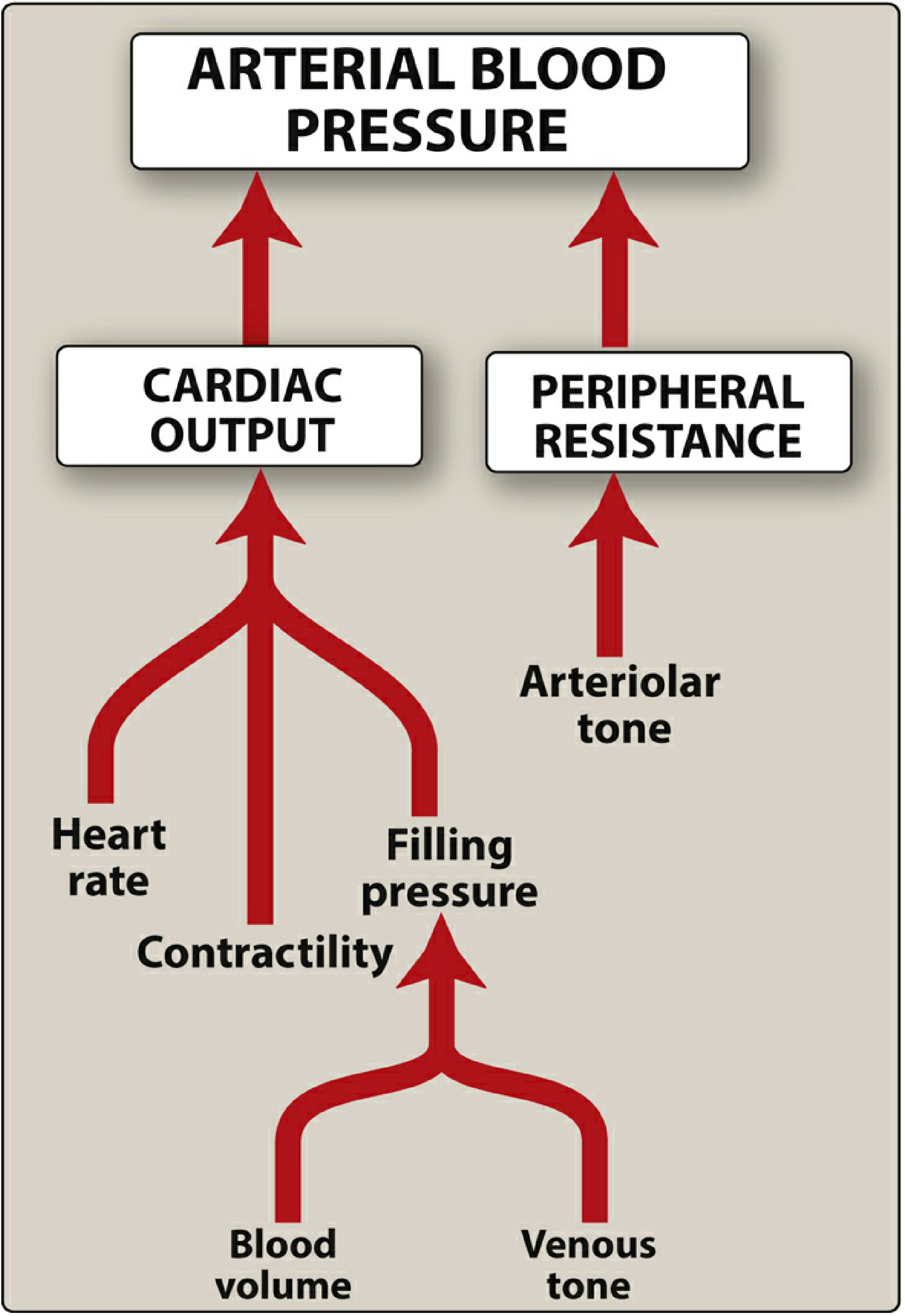
Katzung's Mechanistic Classification (4 Major Groups)
As described in [Katzung's Basic and Clinical Pharmacology, 16th Ed], antihypertensives are classified by their principal site or mechanism of action:
- Diuretics - reduce blood volume by depleting sodium
- Renin-Angiotensin system blockers - reduce peripheral vascular resistance and blood volume
- Direct vasodilators - relax vascular smooth muscle to dilate resistance vessels
- Sympathoplegic agents - reduce peripheral resistance, inhibit cardiac function, increase venous pooling
Full Detailed Classification
1. DIURETICS
Act on the kidney to promote sodium and water excretion, reducing blood volume and cardiac output.
| Subclass | Examples | Site of Action |
|---|---|---|
| Thiazides | Hydrochlorothiazide, Chlorthalidone, Indapamide, Metolazone | Distal convoluted tubule |
| Loop diuretics | Furosemide, Bumetanide, Torsemide, Ethacrynic acid | Thick ascending loop of Henle |
| Potassium-sparing | Triamterene, Amiloride | Collecting duct (ENaC block) |
| Mineralocorticoid receptor antagonists (MRAs) | Spironolactone, Eplerenone | Collecting duct (aldosterone block) |
Thiazides and chlorthalidone are first-line choices. In resistant hypertension, MRAs (especially spironolactone) are effective add-ons - Lippincott Illustrated Reviews Pharmacology.
2. RENIN-ANGIOTENSIN-ALDOSTERONE SYSTEM (RAAS) BLOCKERS
A. ACE Inhibitors
Block conversion of Ang I to Ang II by ACE. Also inhibit breakdown of bradykinin (causing the characteristic dry cough).
Sub-classified by chemical structure (Brenner & Rector's The Kidney):
- Sulfhydryl group: Captopril
- Carboxyl group: Enalapril, Lisinopril, Ramipril, Perindopril, Fosinopril, Benazepril, Quinapril, Trandolapril
- Phosphinyl group: Fosinopril
Mechanisms beyond ACE blockade: inhibit bradykinin breakdown, enhance NO-mediated vasodilation, reduce aldosterone, reduce sympathetic tone, reverse vascular hypertrophy.
Key ADEs: Dry cough (bradykinin), angioedema, hyperkalemia, teratogenic (contraindicated in pregnancy).
B. Angiotensin II Receptor Blockers (ARBs)
Block AT1 receptors directly. No bradykinin effect, so NO cough. Same end-organ benefits as ACEi.
Examples: Losartan, Valsartan, Candesartan, Irbesartan, Olmesartan, Telmisartan, Azilsartan
C. Direct Renin Inhibitor
- Aliskiren - inhibits renin directly, acts earliest in the RAAS cascade. Not combined with ACEi/ARB. Causes diarrhea; rare angioedema. Contraindicated in pregnancy.
Do NOT combine ACEi + ARB + renin inhibitor (dual RAAS blockade increases adverse outcomes).
3. CALCIUM CHANNEL BLOCKERS (CCBs)
Block L-type voltage-gated Ca²+ channels. Three chemical subclasses with distinct profiles (Lippincott Illustrated Reviews Pharmacology):
| Subclass | Drug(s) | Vascular Effect | Cardiac Effect | Key Use |
|---|---|---|---|---|
| Diphenylalkylamines | Verapamil | Moderate | Strong (neg. chrono/ino/dromotropy) | HTN, SVT, angina |
| Benzothiazepines | Diltiazem | Moderate | Moderate (less inotropic than verapamil) | HTN, SVT, angina |
| Dihydropyridines | Nifedipine, Amlodipine, Felodipine, Nicardipine, Isradipine, Nisoldipine | Strong | Minimal (mainly vascular) | HTN, angina |
Dihydropyridines are the preferred CCBs for hypertension. Verapamil and diltiazem are preferred when rate control is also needed. First-line in Black patients and elderly.
4. SYMPATHOPLEGIC AGENTS (Adrenergic Inhibitors)
Sub-divided by site of action along the sympathetic arc:
A. Centrally Acting Alpha-2 Agonists
Stimulate presynaptic α2 receptors in the CNS (nucleus tractus solitarius/vasomotor center) → reduce sympathetic outflow.
- Clonidine - also used for opioid withdrawal, ADHD
- Methyldopa - drug of choice in pregnancy (safest antihypertensive in pregnancy)
- Guanabenz, Guanfacine
ADEs: Sedation, dry mouth, rebound hypertension on abrupt withdrawal (clonidine).
B. Peripherally Acting Adrenergic Neuron Blockers
- Reserpine - depletes NE stores from vesicles; rarely used (depression, nasal stuffiness)
- Guanethidine, Guanadrel - block NE release from nerve terminals; largely obsolete
C. Beta-Blockers (β-Adrenoceptor Antagonists)
Reduce cardiac output (negative chrono + inotropic effects) and inhibit renin release.
Sub-classified by selectivity:
| Subtype | Examples | Selectivity |
|---|---|---|
| Cardioselective (β1) | Atenolol, Metoprolol, Bisoprolol, Betaxolol, Acebutolol | β1 selective |
| Non-selective (β1+β2) | Propranolol, Nadolol, Timolol, Pindolol (ISA) | β1 + β2 |
| Alpha + Beta blockers | Carvedilol, Labetalol | α1 + β1 + β2 |
| β1 + vasodilating | Nebivolol | β1 selective + NO release |
ADEs: Bradycardia, bronchospasm (non-selective), mask hypoglycemia, cold extremities, sexual dysfunction, dyslipidemia. Avoid abrupt withdrawal (rebound hypertension/angina). Contraindicated in decompensated asthma/COPD.
D. Alpha-1 Blockers (Peripheral)
Block postsynaptic α1 receptors → vasodilation of arterioles and veins.
- Prazosin, Doxazosin, Terazosin
- ADEs: First-dose orthostatic hypotension (take first dose at bedtime), reflex tachycardia, fluid retention
- Useful co-indication: Benign prostatic hyperplasia (BPH)
5. DIRECT VASODILATORS
Act directly on vascular smooth muscle to cause vasodilation; cause reflex tachycardia and fluid retention (must combine with β-blocker + diuretic).
| Drug | Mechanism | Route | Notes |
|---|---|---|---|
| Hydralazine | Arteriolar dilation (mechanism not fully known) | Oral/IV | Lupus-like syndrome at high doses (>400 mg/d), drug of choice in pregnancy-induced HTN (IV) |
| Minoxidil | Opens K+ channels → hyperpolarization → arteriolar dilation | Oral | Reserved for refractory HTN; causes hypertrichosis |
| Sodium nitroprusside | Releases NO → dilates arteries AND veins | IV only | Hypertensive emergencies; cyanide toxicity risk |
| Diazoxide | Opens K+ channels (like minoxidil) | IV | Hypertensive emergencies |
| Fenoldopam | Dopamine D1 receptor agonist → renal + peripheral vasodilation | IV | Hypertensive emergencies; preserves renal perfusion |
6. ADDITIONAL/MISCELLANEOUS
Aldosterone Antagonists / Mineralocorticoid Receptor Antagonists
(Also listed under diuretics)
- Spironolactone, Eplerenone - especially useful in resistant hypertension, primary hyperaldosteronism, heart failure with HTN
Nitrates (mainly for angina/HF, not primary antihypertensives)
- Nitroglycerin, Isosorbide dinitrate/mononitrate - primarily venodilators
Summary Table by First-Line Status
| Class | First-Line? | Compelling Indications |
|---|---|---|
| Thiazide diuretics | YES | Heart failure, isolated systolic HTN, elderly, Black patients |
| ACE inhibitors | YES | Diabetes + CKD, post-MI, heart failure, LV dysfunction |
| ARBs | YES | ACEi-intolerant, diabetes + CKD, heart failure |
| Dihydropyridine CCBs | YES | Elderly, Black patients, angina, isolated systolic HTN |
| Beta-blockers | Second-line | Post-MI, heart failure with reduced EF, angina, tachyarrhythmias |
| Alpha-1 blockers | Not first-line | BPH + HTN |
| Central alpha-2 agonists | Not first-line | Pregnancy (methyldopa) |
| Direct vasodilators | Resistant/emergency HTN | Hypertensive emergencies, refractory HTN |
| Renin inhibitors | Not first-line | Alternative RAAS blockade |
| MRAs | Add-on for resistant HTN | Primary hyperaldosteronism, heart failure |
Preferred Agents by Compelling Indication
| Condition | Preferred Drug(s) |
|---|---|
| Pregnancy | Methyldopa, Hydralazine (IV), Labetalol, Nifedipine |
| Diabetes + CKD | ACEi or ARB |
| Heart failure (HFrEF) | ACEi/ARB + beta-blocker + MRA + loop diuretic |
| Post-MI | Beta-blocker + ACEi |
| Atrial fibrillation | Beta-blocker or Verapamil/Diltiazem |
| BPH + HTN | Alpha-1 blocker (doxazosin) |
| Black patients | Thiazide or CCB (ACEi/ARB less effective as monotherapy) |
| Hypertensive emergency | IV nitroprusside, IV nicardipine, IV labetalol, IV fenoldopam |
Sources: Katzung's Basic and Clinical Pharmacology, 16th Ed; Lippincott Illustrated Reviews: Pharmacology; Brenner & Rector's The Kidney, 2-Vol Set; Harrison's Principles of Internal Medicine 22E
This is a shared conversation. Sign in to Orris to start your own chat.