
sleeping disorder disease most important disease treatment investigation findings differential diagnosis contraindications ICU management OPD prescription and details nutrition supplement
Checking Date & Time
Reading File
The query is broad — "sleeping disorder disease" covers many distinct conditions (insomnia, obstructive sleep apnea, narcolepsy, restless legs syndrome, etc.). Let me clarify before doing extensive research.
Asking for Preferences
Which sleeping disorder(s) should this cover? · Who is this for?
I'll cover the most clinically important sleep disorders comprehensively — targeting a postgraduate/clinician audience. Let me run parallel searches across the library.
Finding Sources
Finding Sources
Finding Sources
Finding Sources
Finding Sources
Finding Sources
Good — I've found rich sources. Now let me read the key sections in parallel.
Reading File
Reading File
Reading File
Searching PubMed
sleep disorders management guidelines
Reading File
Reading File
Reading File
Reading File
Finding Sources
Finding Sources
Reading File
Reading File
Reading File
Reading File
Finding Sources
Now I have comprehensive data. Let me compile the full, structured clinical reference.
Sleep Disorders — Comprehensive Clinical Reference
Sources: Goldman-Cecil Medicine 22e, Murray & Nadel's Respiratory Medicine, Kaplan & Sadock's Comprehensive Textbook of Psychiatry, Miller's Anesthesia 10e, Goodman & Gilman's Pharmacological Basis of Therapeutics, Kaplan and Sadock's Synopsis of Psychiatry, Bradley and Daroff's Neurology
CLASSIFICATION (ICSD-3 / DSM-5)
| Category | Key Disorders |
|---|---|
| Insomnia disorders | Chronic insomnia, short-term insomnia |
| Sleep-related breathing disorders | Obstructive sleep apnea (OSA), Central sleep apnea (CSA), Sleep-related hypoventilation |
| Central disorders of hypersomnolence | Narcolepsy type 1 & 2, Idiopathic hypersomnia, Kleine-Levin syndrome |
| Circadian rhythm disorders | Delayed/Advanced sleep-wake phase, Shift-work disorder, Jet lag |
| Parasomnias | REM sleep behavior disorder (RBD), Sleepwalking, Sleep terrors, Nightmare disorder |
| Sleep-related movement disorders | Restless legs syndrome (RLS), Periodic limb movement disorder (PLMD), Sleep bruxism |
1. INSOMNIA
Definition
Difficulty initiating or maintaining sleep, or early morning awakening with inability to return to sleep, causing distress or functional impairment ≥3 nights/week for ≥3 months (chronic).
Epidemiology
- Most common sleep disorder; affects 10–15% of adults chronically
- Women > Men; elderly most affected
Pathophysiology
Hyperarousal model: cognitive, physiologic, and cortical hyperactivation maintaining wakefulness via the ascending reticular activating system. Dysregulation of the VLPO (ventrolateral preoptic nucleus) "sleep switch."
Clinical Features / Investigations
History: Sleep diary (2-week), Epworth Sleepiness Scale (ESS), Insomnia Severity Index (ISI)
Investigations:
- Polysomnography (PSG): NOT routinely indicated for chronic insomnia; reserved when comorbid sleep disorder (OSA, RBD) is suspected
- Actigraphy: Useful for sleep-wake pattern assessment over weeks
- Blood tests: TSH, FBC, ferritin (to rule out secondary causes — hypothyroidism, iron deficiency)
- Sleep diary: Mandatory baseline tool
Differential Diagnosis
- OSA (snoring, witnessed apneas, obesity)
- Restless legs syndrome (urge to move legs at rest)
- Circadian rhythm disorder (phase shift pattern)
- Mood disorder (depression — early morning awakening; anxiety — sleep-onset difficulty)
- Substance/medication-induced (caffeine, alcohol, SSRIs, steroids, beta-blockers)
- Pain disorders
- Hyperthyroidism
Treatment
First-Line: CBT-I (Cognitive Behavioral Therapy for Insomnia)
Evidence-based, recommended as first-line by AASM. Components:
- Sleep restriction therapy — limit time in bed to actual sleep time
- Stimulus control — bed only for sleep/sex; fixed wake time
- Sleep hygiene education
- Relaxation techniques — progressive muscle relaxation, mindfulness
- Cognitive restructuring — addressing dysfunctional beliefs about sleep
Digital apps: CBT-i Coach (free, VA-validated)
Pharmacological (short-term adjunct, 2–4 weeks):
| Drug | Class | Dose | Notes |
|---|---|---|---|
| Zolpidem | Z-drug (non-BZD GABA-A ω1 agonist) | 5–10 mg HS | Short-term only; avoid in elderly |
| Zaleplon | Z-drug | 5–20 mg HS | Very short t½; useful for sleep-onset |
| Eszopiclone | Z-drug | 1–3 mg HS | Longer-acting |
| Suvorexant | Orexin receptor antagonist | 10–20 mg HS | FDA-approved; reduces delirium risk; safe in elderly |
| Lemborexant | Orexin receptor antagonist | 5–10 mg HS | Approved for chronic insomnia |
| Ramelteon | Melatonin receptor agonist (MT1/MT2) | 8 mg HS | No abuse potential; good for sleep onset; safe in elderly |
| Trazodone | Serotonin antagonist/reuptake inhibitor | 25–100 mg HS | Off-label but widely used; 2nd most prescribed sleep agent |
| Doxepin | TCA (H1 antagonist at low dose) | 3–6 mg HS | FDA-approved for sleep maintenance |
| Melatonin | Over-the-counter | 0.5–5 mg, 1–2h before bed | Circadian reset; jet lag; low risk |
| Diphenhydramine | H1 antagonist | 25–50 mg HS | OTC; tolerance develops rapidly; NOT recommended long-term |
Contraindications:
- Benzodiazepines/Z-drugs: AVOID in OSA (respiratory depression), pregnancy, substance use disorder, elderly (fall/fracture risk, Beers Criteria)
- Ramelteon: AVOID with fluvoxamine (CYP1A2 inhibitor)
- Suvorexant: AVOID with strong CYP3A4 inhibitors; use caution in narcolepsy
- Doxepin: AVOID in urinary retention, glaucoma, cardiac arrhythmias
- All sedative-hypnotics: AVOID in severe hepatic impairment
2. OBSTRUCTIVE SLEEP APNEA (OSA)
Definition
Repetitive partial (hypopnea) or complete (apnea) upper airway obstruction during sleep, with continued respiratory effort, associated with oxygen desaturations and arousals.
AHI Classification:
- Mild: 5–14 events/hour
- Moderate: 15–29 events/hour
- Severe: ≥30 events/hour
Risk Factors
Obesity (BMI >30), male sex, age >40, neck circumference >40 cm (F) / >43 cm (M), retrognathia, macroglossia, tonsillar hypertrophy, nasal obstruction, alcohol use, smoking, hypothyroidism, acromegaly, Down syndrome
Clinical Features
- Symptoms: Loud snoring, witnessed apneas, nocturnal choking/gasping, unrefreshing sleep, excessive daytime sleepiness (EDS), morning headaches, nocturia, cognitive impairment, mood changes
- Signs: Obesity, large neck, Mallampati III-IV, crowded oropharynx, nasal polyps, retrognathia, hypertension
Investigations
| Investigation | Detail |
|---|---|
| Epworth Sleepiness Scale | Score ≥10 = significant daytime sleepiness |
| STOP-BANG Questionnaire | Screening tool (≥3 = high risk) |
| Overnight Polysomnography (PSG) | Gold standard — measures AHI, oxygen saturation, EEG, EMG, ECG |
| Home Sleep Apnea Test (HSAT) | Level III portable monitor; adequate for uncomplicated moderate-severe OSA |
| Oximetry | Screening only |
| Arterial Blood Gas | In obesity-hypoventilation syndrome (↑pCO2) |
| ECG/Holter | Nocturnal arrhythmias (AF, bradycardia) |
| TFTs, FBG, HbA1c | Rule out hypothyroidism, metabolic syndrome |
| Lateral cephalometry / Nasopharyngoscopy | Pre-surgical planning |
PSG Findings: Recurrent apneas/hypopneas, O2 desaturations (SpO2 <90%), EEG arousals, loss of slow-wave and REM sleep, REM-predominant apneas
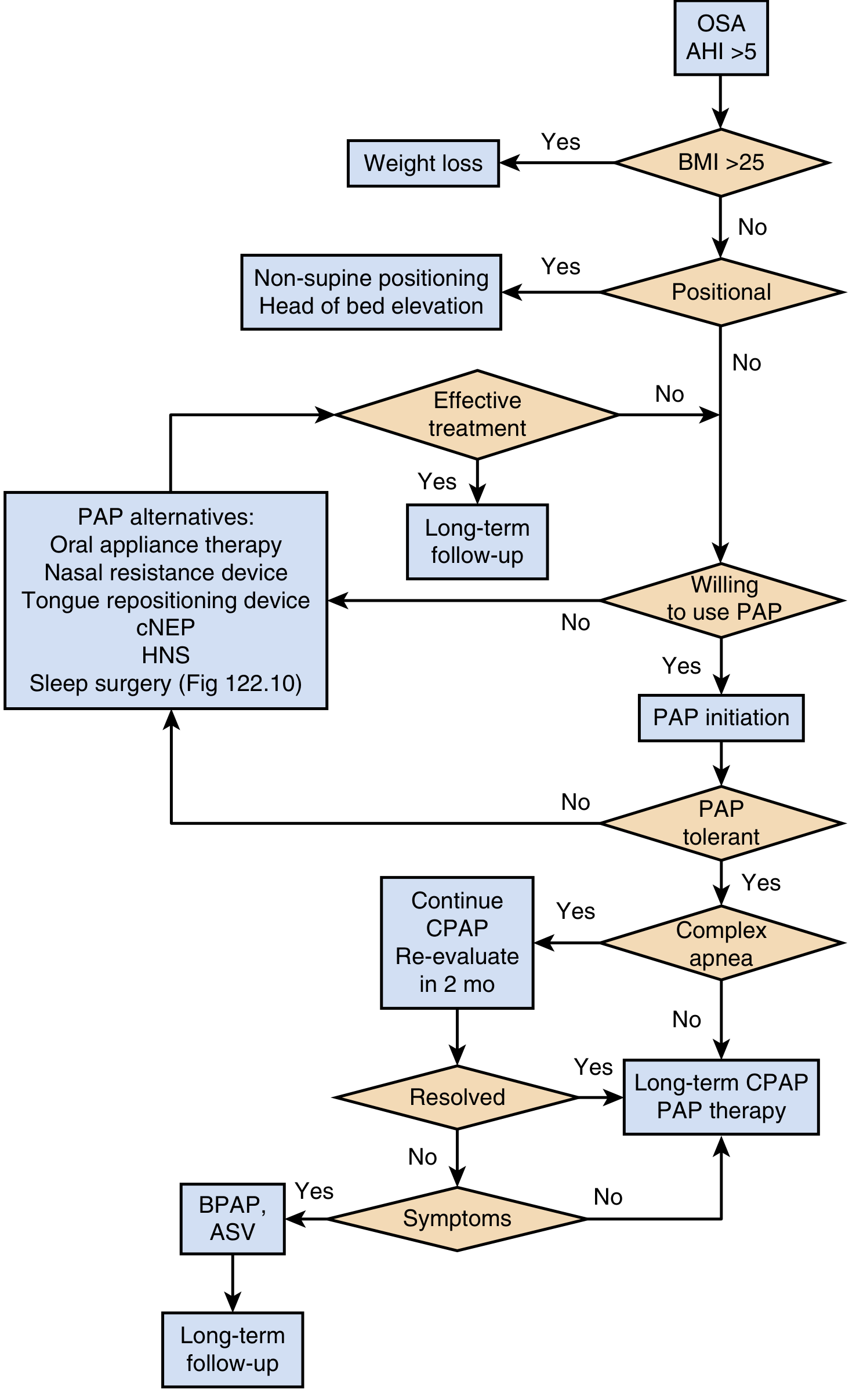
Differential Diagnosis
- Central sleep apnea (no respiratory effort during apnea)
- Obesity hypoventilation syndrome
- Narcolepsy (EDS without snoring/apneas)
- Upper airway resistance syndrome
- COPD/asthma nocturnal symptoms
- Hypothyroidism
- Acromegaly
- Cardiac failure (Cheyne-Stokes breathing)
Treatment
Behavioral (always recommended):
- Weight loss (10% weight loss → ~25% AHI reduction)
- Positional therapy (avoid supine position)
- Avoidance of alcohol, sedatives, smoking
- Treat nasal congestion (intranasal steroids, decongestants)
Positive Airway Pressure (PAP) — First-Line:
- CPAP: Continuous PAP; most effective; pressure 4–20 cmH2O
- APAP (Auto-PAP): Self-adjusting; preferred for most patients
- BiPAP (BPAP): For patients intolerant of high CPAP or with central component or OHS
- ASV (Adaptive Servo-Ventilation): Central sleep apnea/complex apnea — CONTRAINDICATED in EF <45% with CSA (SERVE-HF trial)
- CPAP troubleshooting: aerophagia → APAP/BiPAP; nasal congestion → humidifier, nasal steroids; air leak → mask refitting; claustrophobia → desensitization
Oral Appliance Therapy (OAT):
- Mandibular advancement devices (MADs) — mild-moderate OSA; preferred over CPAP for mild OSA
- Tongue retaining devices
Surgical Options:
- Uvulopalatopharyngoplasty (UPPP)
- Maxillomandibular advancement (MMA) — most effective surgical option
- Hypoglossal nerve stimulation (Inspire® device) — for CPAP-intolerant, AHI 15–65, BMI <35, central apneas <25%
- Tracheostomy — severe, refractory cases
Pharmacological (adjunct only):
- Solriamfetol, modafinil — for residual EDS despite CPAP
- Combination of topical oxymetazoline and intranasal lubricant — nasal symptoms
Contraindications:
- ASV in HFrEF with EF <45%
- Oral appliances: active temporomandibular joint disease, poor dental status
- UPPP: does NOT cure severe OSA reliably; not a substitute for CPAP
3. NARCOLEPSY
Definition
A chronic neurological disorder of REM sleep dysregulation characterized by:
- Type 1: Cataplexy + hypocretin/orexin deficiency (CSF orexin-1 <110 pg/mL)
- Type 2: No cataplexy, normal orexin levels
"Tetrad" of Narcolepsy
- Excessive Daytime Sleepiness (EDS) — irresistible sleep attacks; brief refreshing naps
- Cataplexy — abrupt bilateral muscle tone loss triggered by strong emotion (laughter, surprise, anger); consciousness preserved; pathognomonic for Type 1
- Sleep paralysis — inability to move at sleep onset/offset; awareness preserved
- Hypnagogic/hypnopompic hallucinations — vivid visual/auditory hallucinations at sleep onset (hypnagogic) or offset (hypnopompic)
Pathophysiology
Selective loss of hypocretin (orexin)-producing neurons in the lateral hypothalamus — likely autoimmune (T-cell mediated), associated with HLA-DQB1*0602 (present in >90% of Type 1). Orexin normally stabilizes sleep-wake state; its loss causes inappropriate REM intrusions.
Investigations
| Test | Findings |
|---|---|
| Overnight PSG | Short sleep latency, early REM onset (<20 min = SOREMP), fragmented sleep |
| Multiple Sleep Latency Test (MSLT) | ≥2 SOREMPs; mean sleep latency ≤8 min (after documented ≥6h sleep on PSG) |
| CSF Orexin-1 (hypocretin-1) | <110 pg/mL = diagnostic for Type 1; not routinely available |
| HLA typing | HLA-DQB1*0602 supportive but not diagnostic |
| Actigraphy | Rule out circadian disorders / sleep deprivation |
| MRI brain | Rule out secondary causes (hypothalamic tumors, MS) |
Differential Diagnosis
- Idiopathic hypersomnia (no SOREMPs, no cataplexy)
- OSA (EDS from fragmented sleep)
- Kleine-Levin syndrome (episodic, with hyperphagia)
- Depression/psychiatric hypersomnia
- Seizures (cataplexy can mimic atonic seizures)
- Medication-induced sleepiness
Treatment (Three-Pronged Approach)
1. Improve nighttime sleep quality:
- Sodium oxybate (GHB): 4.5–9 g in divided doses at night; improves sleep architecture, reduces cataplexy and EDS; also available as mixed salts formulation (lower sodium)
- Scheduled naps (10–20 min, 1–2×/day) are highly effective and often overlooked
2. Stimulants for EDS:
| Drug | Mechanism | Dose |
|---|---|---|
| Modafinil | Dopamine/NE reuptake inhibitor | 100–600 mg/day |
| Armodafinil | R-enantiomer of modafinil | 50–250 mg/day |
| Methylphenidate | Dopamine/NE reuptake inhibitor | 5–60 mg/day |
| Dextroamphetamine | Dopamine releaser | 5–60 mg/day |
| Solriamfetol | Selective DA/NE reuptake inhibitor | 75–150 mg/day |
| Pitolisant | H3 receptor inverse agonist (histaminergic) | 8.9–35.6 mg/day |
Avoid stimulants in the evening to prevent further sleep disruption.
3. Treat cataplexy/REM intrusion:
- Sodium oxybate — most effective for cataplexy
- SSRIs (fluoxetine, sertraline) — reduce cataplexy, sleep paralysis, hallucinations
- SNRIs (venlafaxine) — rapid cataplexy suppression; often used as first-line
- TCAs (imipramine, clomipramine) — effective but side-effect burden
Contraindications:
- Sodium oxybate: AVOID with alcohol or CNS depressants; AVOID in succinic semialdehyde dehydrogenase deficiency; REMS program required (abuse potential)
- Stimulants: AVOID in severe cardiovascular disease, uncontrolled hypertension, history of stimulant abuse, closed-angle glaucoma
- Modafinil: reduces efficacy of hormonal contraceptives (enzyme induction)
4. RESTLESS LEGS SYNDROME (RLS) / Willis-Ekbom Disease
Diagnostic Criteria (4 Cardinal Features)
- Urge to move the legs, usually with uncomfortable sensations
- Symptoms worsen at rest
- Symptoms relieved by movement
- Symptoms worse in the evening/night
Secondary Causes
Iron deficiency (most important — check ferritin <50 μg/L), pregnancy, renal failure (uremia), peripheral neuropathy, medications (dopamine antagonists, SSRIs, TCAs, antihistamines, caffeine, alcohol, nicotine)
Investigations
- Serum ferritin, iron studies — ferritin <50 µg/L = supplementation threshold
- Renal function, BUN/creatinine — exclude uremia
- FBC — exclude anaemia
- Peripheral nerve studies — if neuropathy suspected
- PSG — if periodic limb movements disrupting sleep are suspected
Treatment
Non-pharmacological:
- Iron supplementation when ferritin <50 µg/L (oral ferrous sulfate 325 mg TDS; IV iron if poor oral absorption or renal failure)
- Avoid triggering medications
- Regular moderate exercise; leg massage; warm baths; cool application
- Avoid caffeine, alcohol, nicotine near bedtime
Pharmacological — FDA-Approved:
| Drug | Class | Dose | Notes |
|---|---|---|---|
| Pramipexole | DA agonist | 0.125–0.75 mg 1–3h before symptoms | First-line (AASM guideline) |
| Ropinirole | DA agonist | 0.25–4 mg evening | First-line |
| Rotigotine patch | DA agonist | 1–3 mg/24h | First-line; good for 24h symptoms |
| Gabapentin enacarbil | α2δ calcium channel ligand | 600 mg evening | First-line; fewer augmentation issues |
| Pregabalin | α2δ ligand | 150–450 mg evening | Effective especially with pain/anxiety |
| Levodopa/carbidopa | DA precursor | 100/25 mg at night | Second-line; high augmentation risk |
| Opioids (oxycodone-naloxone) | µ-opioid agonist | Low dose | Refractory cases |
| Clonazepam | Benzodiazepine | 0.5–2 mg HS | Sleep maintenance; not direct RLS treatment |
Augmentation (worsening of symptoms with treatment, earlier onset): most common with levodopa > dopamine agonists. Switch to gabapentinoids or opioids if augmentation occurs.
5. PARASOMNIAS (Key Disorders)
REM Sleep Behavior Disorder (RBD)
- Features: Dream enactment behaviors (punching, kicking, shouting during REM sleep); loss of normal REM atonia; very high conversion risk to synucleinopathy (Parkinson's, DLB, MSA — >80% in 10 years)
- PSG: REM without atonia
- Treatment: Clonazepam 0.25–2 mg HS; melatonin 3–12 mg HS (preferred in elderly/dementia)
- Safety: Bed rails, remove sharp objects from bedroom
NREM Parasomnias (Sleepwalking / Sleep Terrors)
- Features: Arise from slow-wave sleep; amnesia for episode; family history common
- Treatment: Safety measures; stress reduction; if frequent — clonazepam or imipramine; self-resolving in children
Nightmare Disorder
- Treatment: Imagery Rehearsal Therapy (IRT — CBT technique); prazosin for PTSD-related nightmares
6. ICU MANAGEMENT OF SLEEP DISTURBANCES
Why Sleep Matters in the ICU
Sleep deprivation in critically ill patients causes:
- Impaired immune function (↓NK cells, ↓IL-2, ↓IL-7, ↓phagocytosis)
- Insulin resistance and glucose intolerance
- Catabolic state: ↑O2 consumption, ↑catecholamines
- ↑Inflammatory cytokines (TNF-α, IL-6)
- Delirium (independently associated with worse outcomes)
- Delayed ventilator weaning
ICU Sleep Promotion — Non-Pharmacological (First Priority)
| Intervention | Details |
|---|---|
| Ear plugs + eye masks | Reduce environmental noise/light |
| Cluster care activities | Minimize nocturnal interruptions |
| Light management | Bright light daytime, darkness at night (circadian reinforcement) |
| Ventilator optimization | Minimize patient-ventilator dyssynchrony |
| Noise reduction | <35 dB WHO standard at night |
| Pain & anxiety control | PADIS guidelines (2018): treat pain first, then agitation |
| Early mobilization | Improves sleep quality |
Pharmacological ICU Sleep Aids
| Drug | Evidence | Notes |
|---|---|---|
| Melatonin | Limited; conflicting RCTs | 3–10 mg nightly; low risk; possible delirium benefit |
| Melatonin receptor agonists | Very limited in ICU | Not routinely recommended |
| Suvorexant (orexin antagonist) | Promising; reduces delirium in some trials | Preferred over GABA-ergic drugs due to lower delirium risk |
| Dexmedetomidine (α2 agonist) | Good evidence | Promotes natural sleep-like state; reduces delirium vs. midazolam; also analgesic; ICU-specific use |
| Propofol | Sedation, not sleep | Suppresses N3 and REM; not sleep-promoting |
| Benzodiazepines | AVOID where possible | Promote delirium, amnesia, respiratory depression; worsen ICU outcomes |
| Quetiapine/Olanzapine | For ICU delirium with sleep disruption | Off-label; use cautiously |
PADIS Guidelines 2018 (SCCM): Recommend assessing and managing Pain, Agitation/sedation, Delirium, Immobility, and Sleep disruption (PADIS) as an integrated bundle.
AVOID in ICU sleep:
- Benzodiazepines as primary sleep agents (promote delirium, respiratory depression)
- Antihistamines (anticholinergic effects → delirium)
- High-dose opioids beyond analgesia
7. OPD PRESCRIPTION GUIDE
Insomnia — Sample OPD Prescription
Step 1 — CBT-I referral (sleep psychologist or digital CBT-i Coach app)
Step 2 — Short-term pharmacotherapy (if required):
Rx:
1. Zolpidem CR 6.25 mg PO HS × 2 weeks
   OR Suvorexant 10 mg PO HS × 4 weeks (preferred in elderly/comorbidities)
   OR Ramelteon 8 mg PO 30 min before HS (if predominantly sleep-onset difficulty)

2. Sleep hygiene counseling:
   - Fixed wake time daily (including weekends)
   - No screens 1h before bed
   - Avoid caffeine after 2 PM
   - No naps >20 min
   - Bedroom dark, cool (18–20°C), quiet
   - Avoid alcohol (disrupts REM)

3. Follow-up: 2–4 weeks
OSA — Sample OPD Prescription
Rx:
1. CPAP/APAP therapy — titrate to AHI <5 events/h
   - Starting pressure: APAP 4–16 cmH2O (auto-titrating)
   - With humidifier to prevent nasal dryness
   - Adherence target: ≥4h/night on ≥70% of nights

2. Weight loss program referral (dietitian + exercise)

3. Nasal fluticasone spray 50 mcg each nostril BD if nasal congestion

4. Avoid alcohol within 4h of bedtime; avoid sleeping supine

5. Screen and manage: HTN, DM, AF (common comorbidities)

6. Follow-up: 1 month (CPAP data download — check compliance and residual AHI)
Narcolepsy — Sample OPD Prescription
Rx:
1. Modafinil 100 mg PO morning (titrate to 200–400 mg/day)
   OR Solriamfetol 75 mg PO morning (titrate to 150 mg)

2. For cataplexy:
   Venlafaxine 75 mg PO morning
   OR Sodium oxybate 4.5 g HS + 4.5 g 2.5–4h later (titrate up)

3. Scheduled naps: 10–20 min after lunch

4. Avoid driving until symptom control established — must inform DVLA/licensing authority

5. Follow-up: 4 weeks
RLS — Sample OPD Prescription
Rx:
1. Check ferritin — if <50 µg/L:
   Ferrous sulfate 325 mg PO TDS with Vitamin C (enhances absorption)

2. Pramipexole 0.125 mg PO 2–3h before usual symptom onset
   (titrate weekly to 0.25 mg → 0.5 mg as needed)
   OR Gabapentin enacarbil 600 mg PO with dinner (preferred if pain, anxiety, or augmentation risk)

3. Avoid: SSRIs, antihistamines, caffeine, alcohol, nicotine

4. Follow-up: 4 weeks — assess for augmentation (symptoms earlier in day = augmentation)
8. NUTRITION & SUPPLEMENT GUIDE FOR SLEEP DISORDERS
Key Nutritional Interventions
| Supplement/Nutrient | Mechanism | Evidence | Dose | Use |
|---|---|---|---|---|
| Melatonin | MT1/MT2 agonist; circadian regulator | Good for jet lag, circadian disorders; moderate for insomnia | 0.5–5 mg, 1–2h before bed | Insomnia, jet lag, shift work, ICU |
| Magnesium | NMDA receptor antagonist; muscle relaxant | Moderate — RLS improvement, sleep quality | 200–400 mg glycinate/threonate form HS | RLS, insomnia |
| Iron (ferrous sulfate) | Dopamine synthesis cofactor | Strong in iron-deficient RLS | 325 mg TDS with Vit C | RLS with ferritin <50 µg/L |
| Vitamin D | Modulates sleep-related neurotransmitters | Associated with poor sleep when deficient | 1000–2000 IU/day | Deficiency-related sleep issues |
| L-Tryptophan / 5-HTP | Serotonin/melatonin precursor | Weak-moderate evidence | 500–1000 mg HS | Insomnia (avoid with SSRIs — serotonin syndrome) |
| Valerian root | GABA-A modulation | Inconsistent RCT results | 300–600 mg HS | Mild insomnia |
| Omega-3 (EPA/DHA) | Anti-inflammatory; may improve sleep | Some evidence, especially in children | 1–2 g/day | General sleep quality |
| Glycine | Inhibitory neurotransmitter; reduces core body temperature | Positive small RCTs | 3 g HS | Sleep onset |
| Ashwagandha (KSM-66) | Adaptogen; reduces cortisol | Growing evidence | 300–600 mg HS | Stress-related insomnia |
| Chamomile (apigenin) | Partial GABA-A agonist | Weak clinical evidence | 270–540 mg extract | Mild anxiety/insomnia |
| Lavender (silexan) | Serotonin/norepinephrine modulation | Moderate RCT data | 80 mg oral HS | Anxiety-related insomnia |
| B vitamins (B6, B12) | Cofactors in serotonin/melatonin synthesis | Supportive role | As part of B-complex | Shift work, circadian disruption |
Dietary Recommendations
- High tryptophan foods: Turkey, chicken, eggs, dairy, pumpkin seeds, bananas — increase serotonin/melatonin substrate
- Mediterranean diet — associated with better sleep quality in epidemiological studies
- Avoid before bed: Caffeine (half-life 5–7h — avoid after 2 PM), alcohol (disrupts REM, fragmented sleep in latter half of night), large meals, spicy foods
- Kiwi fruit (2 kiwis, 1h before bed): Small RCTs suggest ↑sleep duration and efficiency — high in antioxidants and serotonin
- Tart cherry juice: Natural melatonin and tryptophan source; small RCTs show improved total sleep time
- Weight management: Critical in OSA — every 10% weight loss reduces AHI by ~25%
ICU / Critically Ill Nutritional Considerations
- Maintain glycaemic control (hyperglycaemia worsens sleep)
- Adequate tryptophan and branched-chain amino acid (BCAA) intake in enteral feeds
- Vitamin D, zinc, magnesium monitoring — deficiencies worsen sleep disruption and immune function
- Avoid excess carbohydrate loading (worsens CO2 production in ventilated patients)
KEY CONTRAINDICATIONS SUMMARY
| Situation | AVOID |
|---|---|
| OSA + sedative-hypnotics | Benzodiazepines, Z-drugs (↑respiratory depression) |
| HFrEF (EF <45%) + CSA | ASV (SERVE-HF trial: ↑mortality) |
| Elderly | Benzodiazepines, diphenhydramine (falls, delirium, Beers Criteria) |
| Narcolepsy | Suvorexant (paradoxically promotes sleep in wake-maintaining disorder) |
| Sodium oxybate | Alcohol, CNS depressants, succinic semialdehyde dehydrogenase deficiency |
| Stimulants (modafinil) | Hormonal contraceptives without backup (enzyme inducer) |
| ICU patients | Benzodiazepines as sleep agents (↑delirium, ↑mortality), ASV in acute heart failure |
| RLS | SSRIs, dopamine antagonists, antihistamines, TCAs (all worsen RLS) |
| Pregnancy | Benzodiazepines (neonatal withdrawal), most stimulants |
QUICK REFERENCE: DIAGNOSTIC INVESTIGATIONS BY DISORDER
| Disorder | Key Tests |
|---|---|
| Insomnia | Sleep diary, ISI, actigraphy (PSG only if comorbid disorder suspected) |
| OSA | STOP-BANG, ESS, Overnight PSG / HSAT, SpO2 oximetry |
| Narcolepsy | PSG + next-day MSLT (≥2 SOREMPs, SL ≤8 min), CSF orexin-1 |
| RLS | Clinical (4 criteria) + serum ferritin/iron studies + renal function |
| RBD | PSG (REM without atonia), MRI brain, synuclein biomarkers |
| Circadian disorders | Actigraphy ×2 weeks, sleep diary, dim-light melatonin onset (DLMO) |
| ICU sleep disruption | PSG in ICU (research), RASS/CAM-ICU (delirium), BIS monitoring |
Sources: Goldman-Cecil Medicine 22e (pp. 3904–3906) · Murray & Nadel's Respiratory Medicine (pp. 2817–2820) · Kaplan & Sadock's Comprehensive Psychiatry (pp. 13397–13398) · Kaplan & Sadock's Synopsis of Psychiatry (pp. 1494, 1560–1561) · Miller's Anesthesia 10e (pp. 860–867) · Goodman & Gilman's Pharmacological Basis of Therapeutics · Bradley and Daroff's Neurology in Clinical PracticeThis is a comprehensive, clinically structured reference covering all major sleep disorders. Here's what was covered:
What this reference covers:
| Section | Content |
|---|---|
| Classification | ICSD-3 / DSM-5 full taxonomy |
| Insomnia | Pathophysiology, investigations, CBT-I, full pharmacology table, contraindications |
| OSA | AHI grading, STOP-BANG, PSG findings, CPAP/BiPAP/surgical options, ASV contraindication |
| Narcolepsy | Orexin biology, MSLT criteria, CSF orexin, 3-pronged treatment, stimulant table |
| RLS | 4 diagnostic criteria, iron threshold, dopamine agonists, augmentation warning |
| Parasomnias | RBD (synuclein risk), NREM, nightmare disorder |
| ICU Management | PADIS bundle, dexmedetomidine, suvorexant vs. benzodiazepines, melatonin |
| OPD Prescriptions | Sample Rx for insomnia, OSA, narcolepsy, RLS |
| Nutrition | Melatonin, magnesium, iron, glycine, dietary tips, tart cherry, kiwi, Mediterranean diet |
| Contraindications | Master table across all disorders |
Key clinical pearls:
- CBT-I is first-line for insomnia — more durable than medications
- ASV is contraindicated in HFrEF + CSA (SERVE-HF trial — ↑mortality)
- Cataplexy is virtually pathognomonic for narcolepsy Type 1
- RBD carries >80% risk of synucleinopathy conversion within 10 years
- Ferritin <50 µg/L requires iron supplementation in RLS even without frank anaemia
- Benzodiazepines in ICU worsen delirium — prefer dexmedetomidine or suvorexant
common term used in medical diagnosis treatment surgery OPD ICU and different type of diseases in 100 cases
Checking Date & Time
This is a broad medical terminology reference request — no ambiguity about format. I'll compile 100 essential medical terms across all clinical domains from my knowledge base directly, as this is a definitional/encyclopedic request that doesn't require textbook lookup.
100 Common Medical Terms — Complete Clinical Reference
Covering: Diagnosis · Treatment · Surgery · OPD · ICU · Disease Types
SECTION A — GENERAL CLINICAL / DIAGNOSTIC TERMS (1–20)
| # | Term | Meaning / Clinical Use |
|---|---|---|
| 1 | Chief Complaint (CC) | The primary symptom or problem that brought the patient to medical attention |
| 2 | History of Present Illness (HPI) | Chronological description of the current problem: onset, duration, character, severity |
| 3 | Differential Diagnosis (DDx) | Ranked list of possible diagnoses that could explain the patient's presentation |
| 4 | Working Diagnosis | The most likely diagnosis being investigated and initially treated |
| 5 | Provisional Diagnosis | Preliminary diagnosis before investigations are complete |
| 6 | Definitive Diagnosis | Final confirmed diagnosis based on investigations/pathology |
| 7 | Pathognomonic | A sign or symptom uniquely specific to one disease (e.g., Koplik spots = measles) |
| 8 | Signs vs. Symptoms | Sign = objectively observed by clinician; Symptom = subjectively reported by patient |
| 9 | Aetiology / Etiology | The underlying cause of a disease |
| 10 | Pathophysiology | The functional changes associated with a disease process |
| 11 | Incidence | Number of new cases per population per time period |
| 12 | Prevalence | Total number of existing cases in a population at a given time |
| 13 | Morbidity | Illness burden; presence of disease or disability |
| 14 | Mortality | Death rate from a disease |
| 15 | Prognosis | Predicted course and outcome of a disease |
| 16 | Comorbidity | Two or more diseases present simultaneously in the same patient |
| 17 | Sequela (pl. sequelae) | A condition that results as a consequence of a prior disease/injury |
| 18 | Remission | Temporary or permanent decrease/disappearance of disease symptoms |
| 19 | Relapse / Recurrence | Return of disease after apparent recovery |
| 20 | Idiopathic | Disease of unknown cause |
SECTION B — EXAMINATION TERMS (21–30)
| # | Term | Meaning / Clinical Use |
|---|---|---|
| 21 | Auscultation | Listening to internal body sounds with a stethoscope (heart, lungs, bowel) |
| 22 | Percussion | Tapping body surface to assess underlying structures (dull = fluid/consolidation; resonant = air) |
| 23 | Palpation | Feeling with the hands to assess organs, masses, tenderness, pulsations |
| 24 | Inspection | Visual observation of the patient — first step in examination |
| 25 | Vital Signs | BP, pulse rate, respiratory rate, temperature, SpO2, pain score |
| 26 | Glasgow Coma Scale (GCS) | Neurological scoring tool: Eye (4) + Verbal (5) + Motor (6) = 3–15; <8 = severe impairment |
| 27 | AVPU Scale | Alert, Voice, Pain, Unresponsive — rapid conscious level assessment |
| 28 | Digital Rectal Examination (DRE) | Rectal examination to assess prostate, masses, anal tone, stool |
| 29 | Fundoscopy / Ophthalmoscopy | Examination of the optic disc, retina, and vessels of the eye |
| 30 | Kernig's / Brudzinski's Sign | Signs of meningeal irritation in meningitis |
SECTION C — INVESTIGATION / LABORATORY TERMS (31–45)
| # | Term | Meaning / Clinical Use |
|---|---|---|
| 31 | FBC / CBC | Full Blood Count / Complete Blood Count — RBC, WBC, Hb, platelets, MCV |
| 32 | U&E / BMP | Urea & Electrolytes / Basic Metabolic Panel — Na, K, Cl, HCO3, BUN, creatinine |
| 33 | LFTs | Liver Function Tests — AST, ALT, ALP, GGT, bilirubin, albumin, PT |
| 34 | ABG | Arterial Blood Gas — pH, PaO2, PaCO2, HCO3, SpO2, base excess |
| 35 | TFTs | Thyroid Function Tests — TSH, Free T4, Free T3 |
| 36 | HbA1c | Glycated haemoglobin — reflects average blood glucose over 2–3 months |
| 37 | CRP / ESR | C-Reactive Protein / Erythrocyte Sedimentation Rate — inflammatory markers |
| 38 | Troponin (I or T) | Cardiac biomarker — elevated in myocardial infarction; high-sensitivity troponin (hsTn) |
| 39 | BNP / NT-proBNP | Brain Natriuretic Peptide — elevated in heart failure; guides diagnosis and management |
| 40 | D-Dimer | Fibrin degradation product — elevated in DVT/PE; high sensitivity, low specificity |
| 41 | Coagulation Studies (PT/INR, APTT) | Prothrombin time / Activated Partial Thromboplastin Time — clotting pathway assessment |
| 42 | Blood Culture | Identifies bacteraemia/septicaemia; taken before antibiotics when possible |
| 43 | Urinalysis (UA) | Dipstick + microscopy — protein, glucose, blood, WBC, nitrites, casts |
| 44 | Biopsy | Tissue sample for histological/pathological diagnosis (incisional, excisional, core needle, FNA) |
| 45 | Sensitivity vs. Specificity | Sensitivity = true positive rate (rules OUT disease if negative); Specificity = true negative rate (rules IN if positive) |
SECTION D — IMAGING TERMS (46–52)
| # | Term | Meaning / Clinical Use |
|---|---|---|
| 46 | CXR | Chest X-ray — standard first-line thoracic imaging |
| 47 | CT Scan | Computed Tomography — cross-sectional X-ray imaging; CT Head, CT Chest, CT Abdomen-Pelvis, CTPA |
| 48 | MRI | Magnetic Resonance Imaging — superior for soft tissue, brain, spine; no ionising radiation |
| 49 | Ultrasound (USS) | Sound wave imaging — abdominal, pelvic, vascular, cardiac (echocardiography), guided procedures |
| 50 | Echocardiography (Echo) | Cardiac ultrasound — assesses structure, function, wall motion, valves, effusion; EF is key measure |
| 51 | PET Scan | Positron Emission Tomography — metabolic imaging; cancer staging, myocardial viability, dementia |
| 52 | Fluoroscopy | Real-time X-ray — contrast swallow, angiography, ERCP, VCUG |
SECTION E — SURGICAL TERMS (53–65)
| # | Term | Meaning / Clinical Use |
|---|---|---|
| 53 | Elective Surgery | Planned, non-urgent procedure — optimise patient beforehand |
| 54 | Emergency Surgery | Immediate operation to save life or limb (e.g., ruptured AAA, perforated viscus) |
| 55 | Laparotomy | Open surgical incision into the abdomen — exploratory or therapeutic |
| 56 | Laparoscopy | Minimally invasive abdominal surgery using camera through small ports |
| 57 | Incision and Drainage (I&D) | Surgical opening of an abscess to drain pus |
| 58 | Debridement | Removal of necrotic/infected/devitalised tissue from wounds |
| 59 | Anastomosis | Surgical joining of two tubular structures (bowel, vessels) |
| 60 | Haemostasis | Control of bleeding — pressure, electrocautery, ligatures, topical agents |
| 61 | Resection | Surgical removal of all or part of an organ or tissue |
| 62 | Sternotomy / Thoracotomy | Chest opening — median sternotomy (cardiac surgery); lateral thoracotomy (lung surgery) |
| 63 | Informed Consent | Patient's voluntary agreement to a procedure after being fully informed of risks and benefits |
| 64 | NPO / Nil by Mouth (NBM) | Nothing per oral — fasting required before surgery or procedures |
| 65 | Post-operative Complications | Wound infection, DVT/PE, atelectasis, ileus, anastomotic leak, haematoma |
SECTION F — OPD (OUTPATIENT) TERMS (66–72)
| # | Term | Meaning / Clinical Use |
|---|---|---|
| 66 | Prescription (Rx) | Written order for medication — drug name, dose, route, frequency, duration |
| 67 | PRN (Pro re nata) | "As needed" — medication given only when required (pain, nausea, etc.) |
| 68 | QDS / QID | Four times daily (quarter die sumendum) |
| 69 | TDS / TID | Three times daily |
| 70 | BD / BID | Twice daily |
| 71 | OD | Once daily |
| 72 | HS (hora somni) | At bedtime / hour of sleep |
| 73 | Titration | Gradual dose adjustment to achieve desired clinical effect or tolerance |
| 74 | SOAP Note | Structured clinical note: Subjective · Objective · Assessment · Plan |
| 75 | Referral | Transfer of patient care to specialist for further assessment or treatment |
SECTION G — ICU / CRITICAL CARE TERMS (76–88)
| # | Term | Meaning / Clinical Use |
|---|---|---|
| 76 | Sepsis | Life-threatening organ dysfunction caused by a dysregulated host response to infection (qSOFA ≥2, SOFA ≥2) |
| 77 | Septic Shock | Sepsis + persistent hypotension requiring vasopressors + lactate >2 mmol/L despite fluid resuscitation |
| 78 | SIRS | Systemic Inflammatory Response Syndrome — ≥2 of: Temp >38°C or <36°C, HR >90, RR >20, WBC >12 or <4 |
| 79 | ARDS | Acute Respiratory Distress Syndrome — bilateral infiltrates, PaO2/FiO2 <300, not cardiac origin; Berlin definition |
| 80 | Mechanical Ventilation (MV) | Machine-assisted breathing — invasive (ETT) or non-invasive (BiPAP/CPAP) |
| 81 | Intubation (ETT) | Endotracheal intubation — placement of tube into trachea for airway protection/ventilation |
| 82 | PEEP | Positive End-Expiratory Pressure — prevents alveolar collapse; improves oxygenation in ARDS |
| 83 | FiO2 | Fraction of Inspired Oxygen — room air = 0.21 (21%); escalate in hypoxia |
| 84 | Vasopressors | Drugs that raise blood pressure via vasoconstriction: Noradrenaline (first-line), Adrenaline, Vasopressin, Dopamine |
| 85 | CVP (Central Venous Pressure) | Pressure in the superior vena cava/right atrium — reflects preload; measured via central line |
| 86 | MAP (Mean Arterial Pressure) | Average arterial pressure during one cardiac cycle = DBP + 1/3(SBP-DBP); target ≥65 mmHg in septic shock |
| 87 | Delirium (ICU) | Acute brain dysfunction — assessed by CAM-ICU; subtypes: hyperactive, hypoactive (most common in ICU), mixed |
| 88 | PADIS | Pain, Agitation/Sedation, Delirium, Immobility, Sleep — SCCM 2018 ICU management bundle |
| 89 | RASS | Richmond Agitation-Sedation Scale — target 0 (alert) to -2 (light sedation) in most ICU patients |
| 90 | Weaning | Gradual reduction of mechanical ventilator support; SBT = Spontaneous Breathing Trial |
SECTION H — DISEASE CLASSIFICATION TERMS (91–100)
| # | Term | Meaning / Clinical Use |
|---|---|---|
| 91 | Acute vs. Chronic | Acute = sudden onset, short duration; Chronic = slow onset, long duration (>3–6 months) |
| 92 | Benign vs. Malignant | Benign = non-cancerous, localised; Malignant = cancerous, invasive, metastatic potential |
| 93 | Primary vs. Secondary | Primary = disease arising de novo in that organ; Secondary = disease arising from another primary source |
| 94 | Congenital vs. Acquired | Congenital = present at birth (genetic or developmental); Acquired = developed after birth |
| 95 | Infectious vs. Non-infectious | Infectious = caused by pathogen (bacteria, virus, fungus, parasite); Non-infectious = metabolic, autoimmune, neoplastic, etc. |
| 96 | Autoimmune | Immune system attacks self tissues (e.g., SLE, RA, Type 1 DM, Hashimoto's) |
| 97 | Neoplastic | Abnormal, uncontrolled cell proliferation — benign (adenoma) or malignant (carcinoma, sarcoma, lymphoma) |
| 98 | Iatrogenic | Disease or complication caused by medical treatment (e.g., drug side effect, surgical complication) |
| 99 | Nosocomial / Healthcare-Associated Infection (HAI) | Infection acquired in a healthcare setting (e.g., MRSA, C. difficile, VAP, CAUTI) |
| 100 | Multisystem / Systemic Disease | Disease affecting multiple organs simultaneously (e.g., sepsis, SLE, amyloidosis, sarcoidosis) |
BONUS: KEY ABBREVIATION QUICK-REFERENCE
| Abbreviation | Full Form |
|---|---|
| SOB | Shortness of Breath |
| LOC | Loss of Consciousness |
| CP | Chest Pain |
| NAD | No Acute Distress |
| WNL | Within Normal Limits |
| Hx | History |
| Dx | Diagnosis |
| Rx | Prescription / Treatment |
| Sx | Symptoms |
| Fx | Fracture |
| BMI | Body Mass Index |
| DNR / DNAR | Do Not Resuscitate / Do Not Attempt Resuscitation |
| IV / IM / SC / PO | Intravenous / Intramuscular / Subcutaneous / Per Oral (by mouth) |
| O/E | On Examination |
| PMH | Past Medical History |
| FH | Family History |
| SH | Social History |
| A&E / ED | Accident & Emergency / Emergency Department |
| OPD | Outpatient Department |
| ICU / MICU / SICU | Intensive Care Unit / Medical ICU / Surgical ICU |
| HDU | High Dependency Unit (step-down from ICU) |
| ITU | Intensive Therapy Unit (UK equivalent of ICU) |
| TTO / TTA | To Take Out / To Take Away (discharge medications) |
| ETA | Estimated Time of Arrival (ER context) |
| DNAR | Do Not Attempt Resuscitation |
| PPE | Personal Protective Equipment |
| MRSA | Methicillin-Resistant Staphylococcus aureus |
| VTE | Venous Thromboembolism (DVT + PE) |
| MI / ACS | Myocardial Infarction / Acute Coronary Syndrome |
| CVA / TIA | Cerebrovascular Accident (stroke) / Transient Ischaemic Attack |
| UTI / LRTI / URTI | Urinary / Lower / Upper Respiratory Tract Infection |
How to use this reference:
- Medical students: Learn Section A–D (foundation) first
- Junior doctors: Focus on Sections E–G (clinical application)
- Nurses/Allied health: Sections F–H + Abbreviations are most relevant
- Exam revision: Sections A, C, G, H are highest-yield
100 type of disease and use medical term and different diseases dital
Your credits are exhausted. Your daily credits reset tomorrow, or you can purchase a top-up for more.
This is a shared conversation. Sign in to Orris to start your own chat.