
Hemorrhagic management with current guide lines
Reading File
The query is broad - "hemorrhagic management" could mean hemorrhagic stroke, hemorrhagic shock, postpartum hemorrhage, or GI hemorrhage. Let me clarify first.
Asking for Preferences
Which type of hemorrhage management are you asking about?
Searching the medical library and current guidelines simultaneously.
Finding Sources
Searching PubMed
"intracerebral hemorrhage" AND "management" AND "guidelines"
Searching the Web
hemorrhagic stroke ICH SAH management guidelines 2024 2025 AHA ASA
Reading File
Finding Sources
Finding Sources
Searching the Web
AHA ASA intracerebral hemorrhage guidelines 2022 2023 management recommendations
Reading File
Reading File
Finding Sources
Reading Web Page
https://emottawablog.com/2023/01/spontaneous-intracerebral-h…
Finding Sources
Finding Sources
Reading Web Page
https://neurosciences.ucsd.edu/centers-programs/neurocritica…
Reading File
Loading Image
I now have comprehensive data from multiple authoritative sources. Let me compile the full response.
Hemorrhagic Stroke Management - Current Guidelines
Covering both Spontaneous Intracerebral Hemorrhage (ICH) and Aneurysmal Subarachnoid Hemorrhage (aSAH), based on the 2022 AHA/ASA ICH Guideline, 2023 AHA/ASA aSAH Guideline, and 2025 ESO guidelines.
PART 1: Spontaneous Intracerebral Hemorrhage (ICH)
Diagnosis & Imaging
- Noncontrast CT is the first-line imaging: ICH appears as a round/oval hyperdense lesion (40-60 HU acutely, rising to 80-100 HU within days)
- CT angiography "spot sign" (focal contrast extravasation within the hematoma) predicts hematoma expansion, increased mortality, and poor functional outcome
- Check platelet count, PT/PTT/INR, basic chemistry panel on all patients
- MRA/CTA/DSA indicated when cause is uncertain, especially in young or non-hypertensive patients
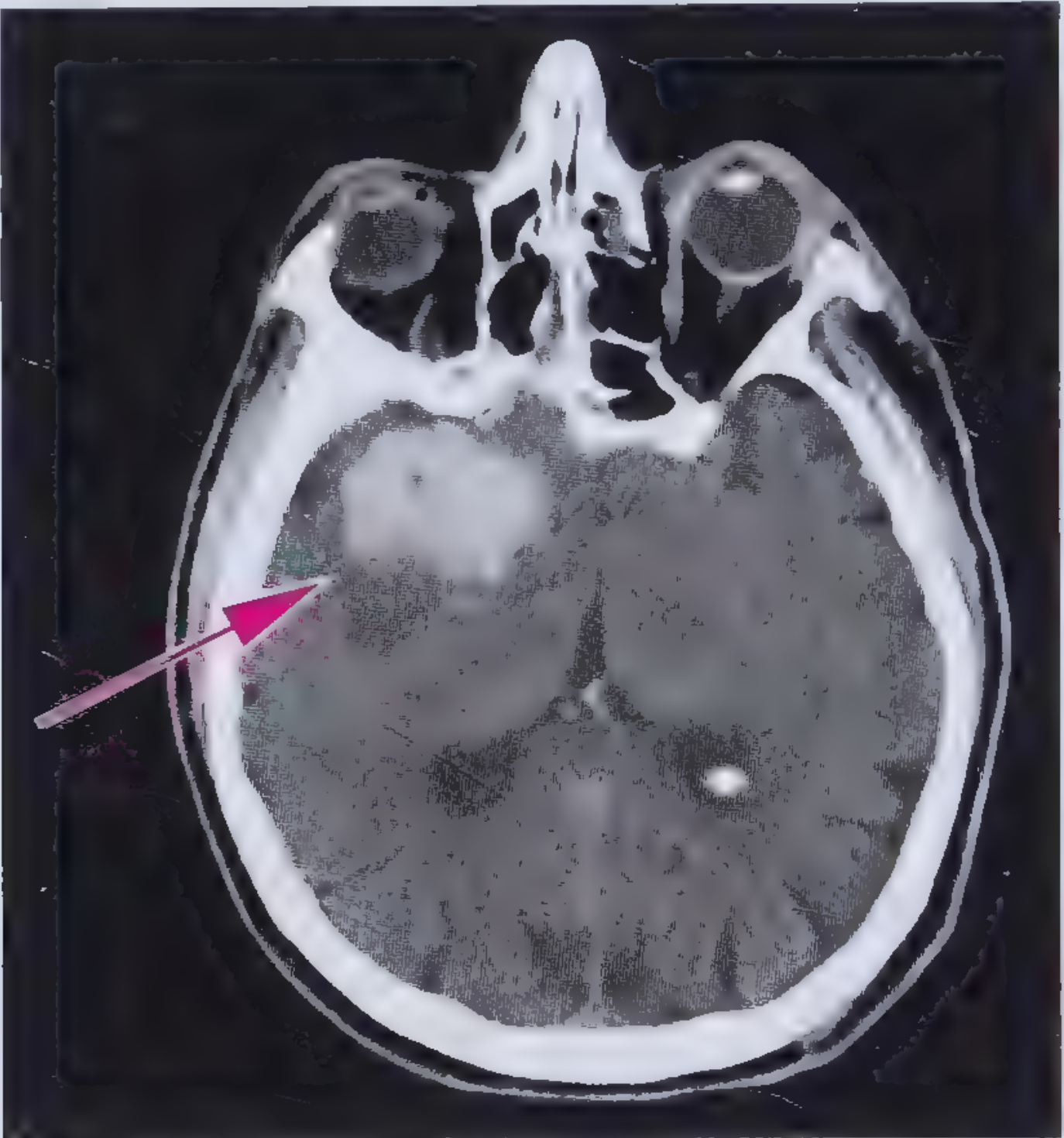
ICH Score (Prognostication)
| Factor | Points |
|---|---|
| GCS 3-4 | 2 |
| GCS 5-12 | 1 |
| GCS 13-15 | 0 |
| Age ≥ 80 years | 1 |
| Hematoma volume ≥ 30 mL | 1 |
| Intraventricular hemorrhage | 1 |
| Infratentorial origin | 1 |
30-day mortality approaches 50%. The ICH score should aid triage but NOT be used to withhold aggressive care early (risk of self-fulfilling prophecy). - Harrison's Principles of Internal Medicine 22E, 2025
1. Initial Stabilization
- ABCs first: assess airway/breathing; intubate for GCS ≤ 8, large hematoma, or intraventricular extension
- Admit to a specialized stroke unit / neurological ICU with multidisciplinary team (Class I)
- Transfer to neurosurgical center if hydrocephalus is present (Class I)
2. Blood Pressure Management
This is the most time-sensitive intervention:
| Scenario | Target SBP | Evidence |
|---|---|---|
| SBP 150-220 mmHg (minor-moderate ICH) | < 140 mmHg | Safe; reduces hematoma expansion |
| SBP > 220 mmHg or large hematoma | Cautious reduction; do NOT drop > 70 mmHg from baseline | Risk of cerebral hypoperfusion |
Key points (2022 AHA/ASA):
- Initiate treatment within 2 hours of symptom onset, achieve target within 6 hours
- Use smooth, sustained IV antihypertensives - nicardipine (preferred) or labetalol infusion; avoid abrupt BP fluctuation
- Avoid SBP < 130 mmHg (ATACH-2 trial showed no benefit of ultra-intensive lowering and potential harm)
- Maintain CPP > 60-70 mmHg in large hematomas
Secondary prevention: Chronic BP target ≤ 130/80 mmHg (Class IIa) - uncontrolled hypertension accounts for 74% of global ICH risk
3. Coagulopathy Reversal
Anticoagulant-associated ICH has higher hematoma expansion risk, death, and poor outcomes - urgent reversal is essential.
| Anticoagulant | Reversal Agent |
|---|---|
| Warfarin (VKA) | Prothrombin complex concentrate (PCC) preferred over FFP; add Vitamin K early to prevent INR rebound |
| Dabigatran (thrombin inhibitor) | Idarucizumab (specific reversal) |
| Rivaroxaban/Apixaban/Edoxaban (Factor Xa inhibitors) | Andexanet alfa (specific reversal); PCC if andexanet unavailable |
| Platelets < 50,000 or on antiplatelet agents | Platelet transfusion (evidence limited) |
- Fuster and Hurst's The Heart, 15th Edition; EMOttawa 2022 AHA/ASA Summary
4. Glucose & Temperature Management
- Glucose target (no diabetes): 6.1-7.8 mmol/L (110-140 mg/dL); avoid both hyper- and hypoglycemia
- Fever (>37.5°C): treat aggressively with antipyretics; fever increases metabolic demand and secondary brain injury
5. Seizure Management
- Routine prophylactic antiseizure medication (ASM) is NOT recommended - even in lobar hematomas (AHA/ASA 2022, Class III; confirmed by 2025 ESO guidelines)
- Treat clinical seizures with levetiracetam or fosphenytoin
- Continuous EEG (cEEG) for ≥ 24 hours is reasonable for: unexplained depressed consciousness, fluctuating mental status, clinical events suspicious for seizures, or concern for non-convulsive status epilepticus (Class IIa)
6. ICP Management
- Elevate head of bed 30 degrees
- EVD placement for hydrocephalus (Class I)
- ICP monitoring: consider if GCS ≤ 8 with extensive hematoma or intraventricular bleeding (Class IIb)
- Target ICP < 20-22 mmHg; CPP 50-70 mmHg
- Hyperosmolar therapy (bolus only, not prophylactic):
- Mannitol 0.25-1 g/kg IV bolus
- 3% NaCl 100-250 mL (preferred in hypovolemic patients)
7. VTE Prevention
- Intermittent pneumatic compression (IPC): start on day of diagnosis (Class I)
- Pharmacological prophylaxis (UFH or enoxaparin 40 mg SC daily): may initiate 24-48 hours after onset when follow-up imaging confirms hematoma stability (no expansion >33% or >6 mL) - Class IIb
8. Surgical Treatment
Goals: reduce mass effect, lower ICP, prevent herniation, treat obstructive hydrocephalus.
Indications for surgery:
- Cerebellar hemorrhage > 3 cm with neurological deterioration or brainstem compression (Class I)
- Hydrocephalus from intraventricular hemorrhage - EVD placement
- Hematoma evacuation for accessible lobar clots (selected cases)
Minimally Invasive Surgery (MIS): Emerging evidence (2025 meta-analysis, PMID 40153909) supports MIS (stereotactic aspiration, endoscopic evacuation) vs. craniotomy for non-traumatic spontaneous ICH - lower surgical morbidity, especially in deep hematomas.
NOT routinely recommended: early surgery for all supratentorial hemorrhages; large RCTs (STICH I/II) showed no overall benefit.
PART 2: Aneurysmal Subarachnoid Hemorrhage (aSAH)
(2023 AHA/ASA Guideline - Stroke 54:e314-e370)
Initial Steps
- Emergency CT head - if negative and SAH suspected, perform lumbar puncture (xanthochromia)
- CTA or DSA to identify the aneurysm
- Transfer to high-volume center (>35 aSAH cases/year) with experienced cerebrovascular surgeons, endovascular specialists, and neurointensive care (evidence: 9-16% reduction in in-hospital death at high-volume centers)
Preventing Rebleeding
Rebleeding risk is highest in the first 2-12 hours (4-13.6% within 24 hours). Features predicting rebleeding: larger aneurysm, worse neurological status, SBP >160 mmHg, loss of consciousness at onset.
- Control SBP < 160 mmHg with titratable IV antihypertensives (nicardipine preferred over labetalol/nitroprusside for smoother control)
- Treat pain and anxiety: acetaminophen first-line; NSAIDs avoided (bleeding risk); opioids if severe pain
- Antifibrinolytics (tranexamic acid or aminocaproic acid): reasonable for short-term (<72 hours) use if there is an unavoidable delay in aneurysm treatment, high rebleeding risk, and no contraindications
- Aminocaproic acid: 4 g IV bolus then 1 g/hr infusion
- Caution: increases thromboembolic complications with prolonged use
Aneurysm Obliteration
- Early treatment (within 24-72 hours) is strongly recommended to eliminate rebleeding risk
- Endovascular coiling vs. neurosurgical clipping should be decided by multidisciplinary team based on: aneurysm location/size/morphology, patient clinical grade, and institutional expertise
- Coiling generally preferred for posterior circulation aneurysms and older/poor-grade patients; clipping preferred for middle cerebral artery aneurysms and younger patients with accessible lesions
Managing Delayed Cerebral Ischemia (DCI) / Vasospasm
DCI is the leading cause of morbidity after aSAH, peaking at days 4-14.
Prophylaxis:
- Oral nimodipine 60 mg every 4 hours for 21 days - the only proven intervention to reduce DCI and improve neurological outcome (Class I). If SBP <140, reduce dose to 30 mg. Consistent administration is critical - disruption is associated with significantly higher DCI rates.
Monitoring:
- Transcranial Doppler (TCD) daily
- CT angiography
- Clinical neurological exam
Treatment of established DCI:
- Hemodynamic augmentation (induced hypertension, euvolemia): first-line
- Intra-arterial vasodilators (nimodipine, verapamil) via catheter-directed infusion for refractory vasospasm
- Balloon angioplasty for severe proximal vasospasm unresponsive to pharmacotherapy
Other SAH Complications
| Complication | Management |
|---|---|
| Hydrocephalus | Emergent EVD placement |
| Seizures | Load with fosphenytoin 20 mg/kg; levetiracetam is an alternative. Prolonged prophylaxis is controversial |
| Hyponatremia | Avoid fluid restriction (worsens DCI); use isotonic/hypertonic fluids; fludrocortisone may help |
| Cardiac (stress cardiomyopathy, arrhythmias) | Monitor ECG, troponin; manage hemodynamically |
| Fever | Aggressive temperature management |
Summary Algorithm
Hemorrhagic Stroke
    |
    ├── ICH (non-traumatic, no AVM/aneurysm)
    │       ├── Airway/BP control (target SBP <140, smooth/sustained)
    │       ├── Reverse coagulopathy (PCC/idarucizumab/andexanet)
    │       ├── ICP management (EVD, osmotherapy)
    │       ├── No routine seizure prophylaxis; EEG monitoring if indicated
    │       ├── IPC day 1; LMWH at 24-48h if stable
    │       └── Surgery: cerebellar ICH >3cm, hydrocephalus
    |
    └── aSAH (aneurysmal)
            ├── Transfer to high-volume center
            ├── Control SBP <160 (pre-treatment)
            ├── Antifibrinolytics if delayed treatment
            ├── Coiling vs. clipping (multidisciplinary decision)
            ├── Nimodipine 60mg q4h x 21 days (mandatory)
            └── Monitor/treat vasospasm (TCD, hemodynamic augmentation, IA vasodilators)
Key Guideline References:
- 2022 AHA/ASA Spontaneous ICH Guideline - Greenberg SM et al., Stroke 53:e282-e361
- 2023 AHA/ASA Aneurysmal SAH Guideline - Hoh BL et al., Stroke 54:e314-e370
- 2025 ESO Guidelines for Spontaneous ICH (updates seizure prophylaxis recommendations)
- CAA-specific ICH management: 2025 International CAA Association / WSO Statement (PMID 40721902)
Pediatric note: A 2026 consensus statement (PMID 41467366) from the International Pediatric Stroke Organization covers pediatric ICH management separately - adult guidelines should NOT be directly applied to children.
This is a shared conversation. Sign in to Orris to start your own chat.