
enteric fever
Reading File
Now let me search the medical library for comprehensive enteric fever content, running parallel queries.
Finding Sources
Finding Sources
Searching PubMed
"enteric fever" AND "typhoid"
Excellent. Now let me read the most comprehensive sources in parallel - Harrison's (latest 2025 edition), Goldman-Cecil, and Red Book.
Reading File
Reading File
Reading File
Now let me read the Harrison's main clinical content and Park's (for epidemiology/prevention) in parallel.
Reading File
Reading File
Reading File
Let me now get the clinical features, pathogenesis, and treatment sections from Harrison's main enteric fever block.
Reading File
Reading File
I now have rich content from Harrison's and Park's. Let me fetch the rose spots image and get the treatment/complications section from Harrison's.
Loading Image
Reading File
Reading File
Let me now get the key clinical sections - pathogenesis, diagnosis, and treatment from Harrison's main block.
Reading File
I now have comprehensive content. Let me compile the full, detailed answer.
Enteric Fever (Typhoid Fever)
Enteric fever is a systemic febrile illness caused by Salmonella enterica serovar Typhi (S. Typhi) or, less commonly, serovars Paratyphi A, B, and C. The term "enteric fever" covers both typhoid and paratyphoid fevers. It was proposed in 1869 to distinguish this illness from typhus, based on its anatomical site of infection (the intestinal lymphoid tissue). The two names - enteric fever and typhoid fever - are still used interchangeably today.
Etiology and Microbiology
- Agent: S. Typhi (major cause); S. Paratyphi A, B, C (less frequent). Unlike non-typhoidal Salmonella, these serovars have no known animal reservoir - humans are the only host.
- S. Typhi possesses three key antigens: O (somatic), H (flagellar), and Vi (virulence/capsular polysaccharide). At least 80 phage types exist, useful for epidemiological tracing.
- Survives intracellularly in tissue macrophages; readily killed by drying, pasteurization, and common disinfectants.
Epidemiology
- Global burden: An estimated 9.2-21 million typhoid cases and 5 million paratyphoid cases occur annually, with 110,000-280,000 deaths per year.
- Endemic regions: Indian subcontinent (India, Pakistan, Bangladesh, Nepal), Eastern Mediterranean, and Africa bear the highest burden. Incidence can exceed 1,000 cases per 100,000 children in some urban areas of South Asia.
- In developed countries: Disease is rare; most cases (~78%) are travel-associated, predominantly from travelers to India, Pakistan, and Bangladesh. In the US, ~5,700 cases are estimated annually (far more than the ~350 reported).
- Highest incidence age group: 5-19 years. Males are more often affected; females have a higher chronic carrier rate.
- Transmission: Fecal-oral route via contaminated food or water. Risk factors include contaminated drinking water/ice, raw produce fertilized with sewage, street food, prior H. pylori infection (associated with reduced gastric acidity), and ill household contacts.
Pathogenesis
After ingestion of a sufficient inoculum (~10^3-10^9 organisms, depending on strain virulence and host factors):
- S. Typhi penetrates the small intestinal mucosa, particularly via M cells overlying Peyer's patches.
- Organisms are phagocytosed by macrophages and transported to mesenteric lymph nodes.
- A primary bacteremia follows, with seeding of the liver, spleen, gallbladder, bone marrow, and Peyer's patches.
- Bacterial replication in macrophages and a secondary bacteremia produce the classic sustained fever.
- The gallbladder is a key site of colonization - organisms re-enter the intestinal lumen in bile, causing characteristic hyperplasia, ulceration, and necrosis of Peyer's patches in the third/fourth week.
Clinical Course
Incubation period: 5-21 days (mean 10-14 days), depending on inoculum size and host factors.
The classic description involves four progressive weeks, though antibiotic treatment now cuts this short:
| Week | Features |
|---|---|
| 1st | Gradual-onset fever, headache, malaise, dry cough, constipation more than diarrhea |
| 2nd | High sustained fever (38.8-40.5°C), relative bradycardia (Faget's sign), "rose spots," splenomegaly |
| 3rd | Fever continues; complications possible (perforation, bleeding); "pea soup" diarrhea |
| 4th | Defervescence (untreated); or death from complications |
Symptoms on initial evaluation (Harrison's, n=669 cases):
- Headache: 80%
- Fever: >75%
- Chills: 35-45%
- Cough: 30%
- Anorexia: 55%
- Abdominal pain: 30-40%
- Nausea: 18-24%, vomiting: 18%
- Diarrhea: 22-28%; constipation: 13-16%
Key physical findings:
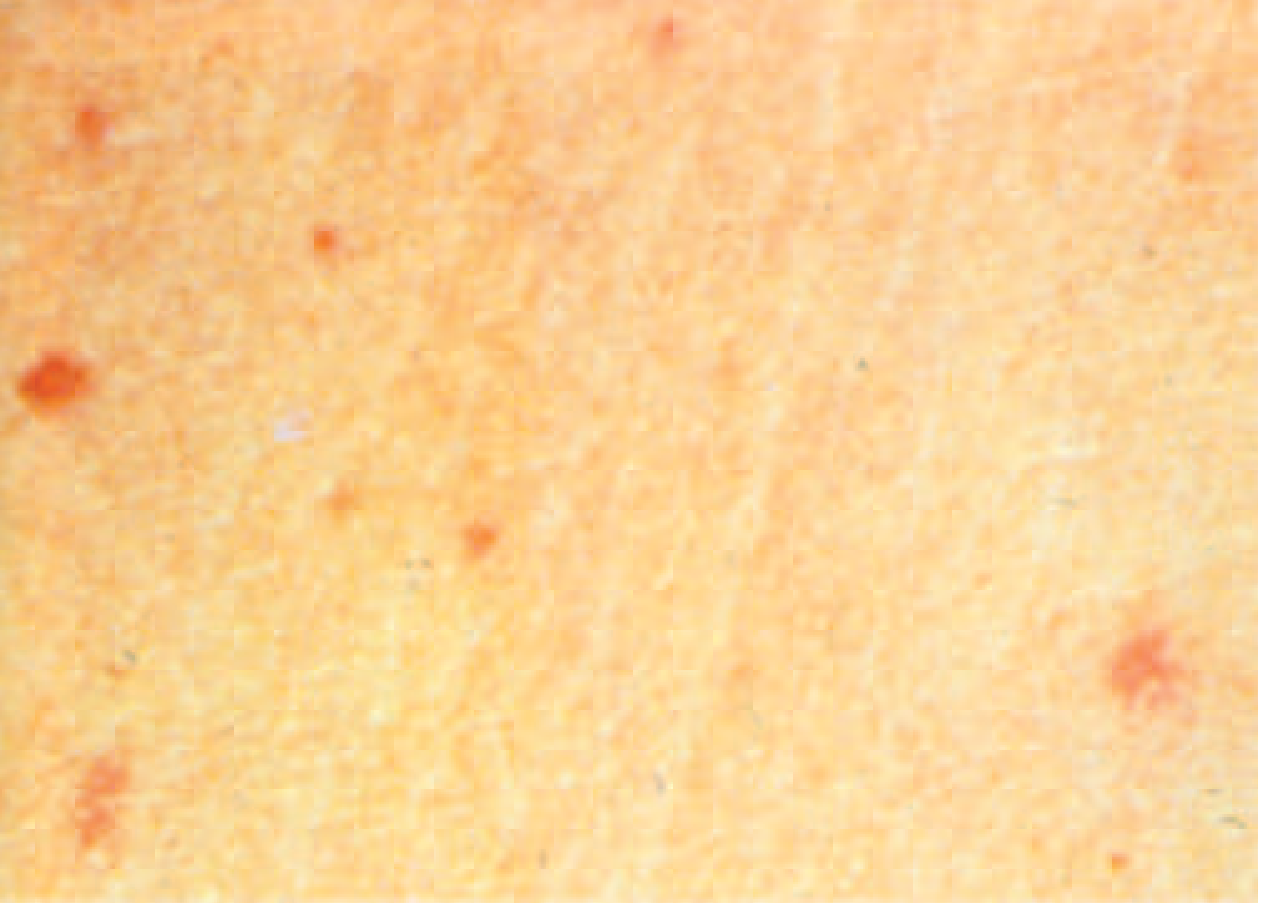
- Rose spots (~30%): Faint, salmon-colored, blanching maculopapular rash on the trunk/chest; 2-3 crops; lasts 2-5 days. S. Typhi can be cultured from biopsy of these lesions.
- Relative bradycardia (<50% at peak fever)
- Hepatosplenomegaly (3-6%)
- Coated tongue (51-56%)
Complications (~27% of hospitalized patients)
Gastrointestinal (most common):
- Intestinal hemorrhage (6%): From ulceration of Peyer's patches in the 3rd-4th week
- Intestinal perforation (1%): Life-threatening; requires immediate surgery + broad-spectrum antibiotics for polymicrobial peritonitis
Neurological (2-40%):
- Meningitis, Guillain-Barré syndrome, neuritis
- "Muttering delirium" or "coma vigil" (picking at bedclothes - characteristic of typhoid encephalopathy)
Others: DIC, hemophagocytic syndrome, hepatitis, pancreatitis, myocarditis, pericarditis, endocarditis, pneumonia, orchitis, glomerulonephritis
Relapse: Up to 10% within 2-3 weeks of fever resolution, with the same strain
Chronic carriage (2-5%): Shedding in stool/urine >1 year; more common in women, infants, those with biliary abnormalities, or concurrent Schistosoma haematobium. Associated with increased gallbladder cancer risk.
Carriers
- Temporary (convalescent): Excrete bacilli for 6-8 weeks; 4% still positive at 3 months
- Chronic: Excrete for >1 year (sometimes decades); organisms persist in the gallbladder/biliary tract; faecal carriers more common than urinary carriers; Vi antibody present in ~80% of chronic carriers
- Famous historical example: "Typhoid Mary" - caused >1,300 cases over her lifetime
Diagnosis
No single laboratory test is pathognomonic except culture.
Definitive: Culture
- Blood culture: Positive in 40-80% during the first 2 weeks (sensitivity declines after week 2)
- Bone marrow culture: Most sensitive (85-95%), positive even after partial antibiotic treatment - preferred in antibiotic-pre-treated cases
- Stool culture: Positive in weeks 2-3; less sensitive early
- Rose spot biopsy: Can grow the organism
Non-specific lab findings:
- Leukopenia/neutropenia (15-25%)
- Leukocytosis more common in children and in complications (perforation, secondary infection)
- Mildly elevated liver enzymes and muscle enzymes
Serology:
- Widal test (anti-O and anti-H antibodies): Widely used but poor specificity and sensitivity; not reliable in endemic areas; cross-reactions common
- Typhidot: Detects IgM/IgG against a 50 kDa outer membrane protein - faster, more sensitive
- Vi antibody: Present in ~80% of chronic carriers - useful for carrier detection
Treatment
Antibiotic Therapy (based on susceptibility)
| Susceptibility Pattern | Preferred Drug | Alternative |
|---|---|---|
| Fully susceptible | Fluoroquinolone (ciprofloxacin 500 mg BD x 7-10 days) or chloramphenicol/ampicillin/TMP-SMX (14 days) | - |
| MDR (resistant to chloramphenicol, ampicillin, TMP-SMX) | Ceftriaxone IV or azithromycin (7-10 days) | Cefixime oral |
| DSC (decreased susceptibility to ciprofloxacin) | Ceftriaxone or azithromycin | Avoid fluoroquinolones |
| XDR (also resistant to ceftriaxone + fluoroquinolones + TMP-SMX) | Azithromycin (oral) or carbapenems (IV) | - |
- XDR typhoid: Ongoing epidemic in Pakistan since 2016 (Sindh province); susceptible only to azithromycin and carbapenems. Multiple imported cases documented in the US and UK.
- In the US, >66% of S. Typhi isolates are DSC - empiric fluoroquinolones should NOT be used, especially in South Asia travelers.
- Relapse rates are lower with azithromycin than with fluoroquinolones or ceftriaxone.
Duration: 7-10 days for uncomplicated disease; 14 days for TMP-SMX or amoxicillin regimens.
Adjunctive therapy:
- Corticosteroids (dexamethasone): For severe/complicated disease with delirium, coma, or shock - IV dexamethasone 3 mg/kg initial dose, then 1 mg/kg every 6 hours x 48 hours total
Chronic carrier treatment:
- 4 weeks of oral ciprofloxacin or norfloxacin (concentrated in bile)
- Cholecystectomy + antibiotics if medical therapy fails
Vaccination
Two vaccines are available:
| Vaccine | Type | Route | Efficacy | Duration |
|---|---|---|---|---|
| Ty21a (Vivotif) | Live attenuated oral | 3-4 capsules on alternate days | ~51-67% | 5 years |
| Vi polysaccharide (Typhim Vi) | Purified Vi antigen, injectable | Single IM dose | ~55-72% | 2-3 years |
| Typhoid conjugate vaccine (TCV) | Vi-tetanus toxoid conjugate | Single IM dose | >80% | Longer-lasting; approved for >6 months age |
- TCVs are recommended by WHO for routine immunization in endemic countries. A 2025 Cochrane review (PMID: 40326553) confirmed their superiority over earlier Vi polysaccharide vaccines in providing durable protection.
- Neither vaccine is 100% protective; food/water precautions remain essential.
Prevention and Control (Three Lines of Defence - Park's)
- Control of reservoir: Early diagnosis + isolation; treatment of cases; identification and treatment of carriers (ampicillin/amoxicillin 4-6 g/day + probenecid x 6 weeks, or cholecystectomy); follow-up stool/urine cultures
- Sanitation: Safe water supply, sewage treatment, food hygiene - the "weakest link in the chain"
- Immunization: Especially for travelers to endemic areas and school-age children in endemic regions
Key Points to Remember
- Enteric fever is a misnomer - fever is present in >75% but abdominal pain in only 30-40%
- Rose spots are pathognomonic when present but seen in only ~30%
- Bone marrow culture is the gold standard diagnostic test
- XDR typhoid from Pakistan is a growing threat - only azithromycin and carbapenems work
- Chronic carriage (gallbladder) is a risk factor for gallbladder cancer
- Complications peak in the 3rd-4th week - intestinal perforation is the most feared surgical emergency
Sources: Harrison's Principles of Internal Medicine 22e (2025), Red Book 2021 (AAP), Park's Textbook of Preventive and Social Medicine, Robbins & Kumar Pathology. Recent evidence: Cochrane review on typhoid conjugate vaccines [PMID: 40326553, 2025].
heamorragic stroke
Reading File
Hemorrhagic stroke is bleeding into the brain parenchyma (intracerebral hemorrhage, ICH) or into the subarachnoid space (SAH), accounting for ~15-20% of all strokes but causing disproportionately high mortality and morbidity. Hypertension is the leading cause of ICH; ruptured aneurysms are the most common cause of SAH.
Searching sources...
Finding Sources
Finding Sources
Finding Sources
Searching PubMed
"intracerebral hemorrhage" AND management
Excellent results. Now let me read the key sources in parallel - Harrison's/Goldman-Cecil ICH section, Rosen's hemorrhagic stroke, and Adams & Victor's ICH.
Reading File
Reading File
Reading File
Excellent. Now let me get the management, SAH details, and clinical syndromes sections.
Reading File
Reading File
Reading File
Let me now get the management/treatment section from Rosen's and the SAH section with clinical grading.
Reading File
Reading File
Now let me get the SAH grading, management, and ICH management sections.
Reading File
Reading File
Now let me get the specific ICH management section and fetch the stroke classification diagram image.
Reading File
Loading Image
Loading Image
I now have comprehensive content. Let me compile the full, detailed answer on hemorrhagic stroke.
Hemorrhagic Stroke
Hemorrhagic stroke accounts for approximately 15-20% of all strokes but carries disproportionately high mortality - a 30-day mortality of up to 50%, roughly 5 times greater than ischemic stroke. It occurs when a blood vessel ruptures, releasing blood either into the brain parenchyma (intracerebral hemorrhage, ICH) or into the subarachnoid space (SAH).
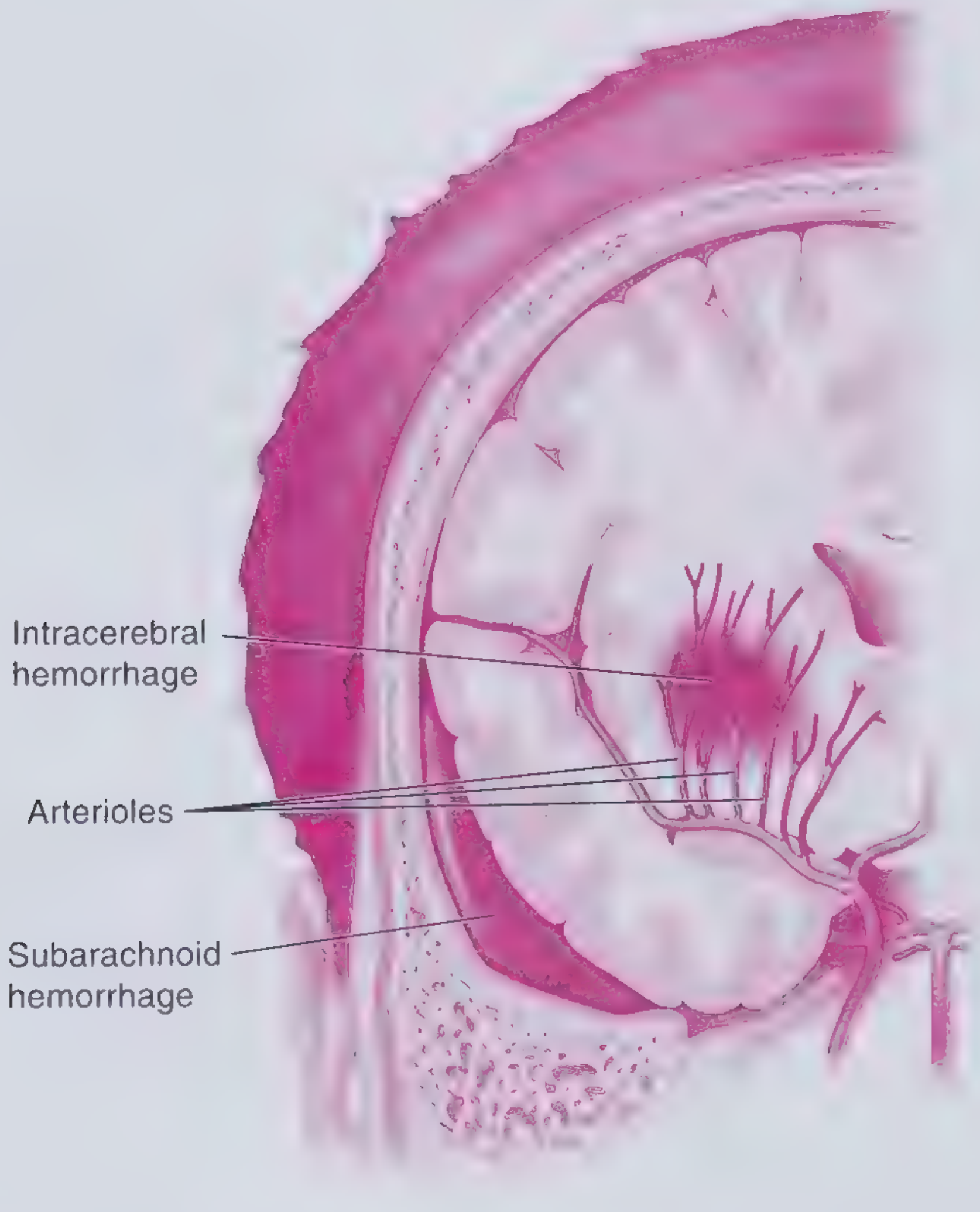
Classification
| Type | Proportion of all strokes | Key cause |
|---|---|---|
| Intracerebral hemorrhage (ICH) | 10-15% | Hypertension, amyloid angiopathy |
| Subarachnoid hemorrhage (SAH) | ~5% | Ruptured saccular (berry) aneurysm |
Part 1: Intracerebral Hemorrhage (ICH)
Etiology and Causes
Primary (spontaneous) ICH:
- Hypertensive vasculopathy - most common; long-standing hypertension causes lipohyalinosis and degenerative changes in small penetrating arteries → rupture → deep/basal ganglia hemorrhage
- Cerebral amyloid angiopathy (CAA) - amyloid deposition in cerebral vessel walls; typically in older adults; tends to cause lobar hemorrhages; increasingly important as hypertension control improves (now accounts for >50% of cases on some neurology services)
Secondary ICH (causes):
- Primary (hypertensive) ICH
- Ruptured saccular aneurysm
- Ruptured arteriovenous malformation (AVM) / venous malformations
- Cavernous angioma
- Trauma (including posttraumatic delayed apoplexy)
- Hemorrhagic disorders: leukemia, aplastic anemia, thrombocytopenia, liver disease, anticoagulant/thrombolytic therapy, hemophilia
- Hemorrhage into brain tumors (primary or metastatic)
- Septic embolism, mycotic aneurysm
- Hemorrhagic transformation of ischemic stroke
- Cerebral venous sinus thrombosis (CVST)
- Sympathomimetic drugs (cocaine, amphetamines)
- Moyamoya disease, PRES, RCVS
High-risk features suggesting secondary ICH: lobar location, intraventricular blood, and younger age.
Sites of Hemorrhage (and Clinical Features)
| Site | Frequency | Key Clinical Features |
|---|---|---|
| Putamen (+ adjacent internal capsule) | 44-50% | Contralateral hemiplegia/hemiparesis, hemisensory loss |
| Thalamus | 13% | Contralateral sensory > motor loss, ocular disturbances (eyes deviated down and inward, gaze palsies), vertical gaze palsy, Horner syndrome |
| Cerebellum | 9% | Sudden vomiting, occipital headache, inability to walk, truncal ataxia (no hemiplegia); ipsilateral gaze palsy |
| Pons | 9% | Deep coma within minutes, "pinpoint pupils" (1 mm, reactive), decerebrate rigidity, bilateral Babinski signs, absent lateral eye movements - usually fatal |
| Lobar (cortical white matter) | 25% | Headache, seizures, focal neurologic deficits; associated with CAA |
Thalamic hemorrhage is notable for causing a dramatic array of ocular signs: eyes deviated downward and inward (pseudo-sixth nerve palsies), absence of upward gaze, Horner syndrome, retraction nystagmus, and skew deviation.
Cerebellar hemorrhage is a neurosurgical emergency - the posterior fossa has no room for hematoma expansion, and brainstem compression can occur rapidly. Patients may appear relatively well initially but deteriorate suddenly.
Pathophysiology
Acute vessel rupture causes brain injury by multiple mechanisms:
- Mass effect from the hematoma
- Activation of the coagulation cascade
- Release of inflammatory cytokines
- Blood-brain barrier (BBB) disruption
- Perihematomal edema (develops over hours to days)
- Raised intracranial pressure (ICP) → cerebral herniation
The ischemic penumbra around the hematoma is potentially salvageable tissue - the therapeutic target in ICH management.
Hematoma Expansion
- Occurs in 20-40% of patients in the first few hours
- Contrast extravasation on CTA ("spot sign") predicts ongoing bleeding and hematoma expansion
- Expansion is a major determinant of poor outcome
Clinical Presentation
- Sudden onset focal neurologic deficits corresponding to hematoma location
- Headache (more common in ICH than ischemic stroke, but not universal)
- Nausea, vomiting
- Decreased level of consciousness (may progress rapidly to coma)
- Seizures (~10%)
- No single clinical feature reliably distinguishes ICH from ischemic stroke - neuroimaging is mandatory
Diagnosis
Non-contrast CT (NCCT) head - investigation of choice:
- Hyperdense (bright white) lesion = acute blood
- Highly sensitive for hemorrhages >1 cm
- Performed immediately; results guide all subsequent management
CTA:
- Identifies underlying aneurysm, AVM, or fistula
- Detects "spot sign" (contrast extravasation = hematoma expansion risk)
- CT venography (CTV) to rule out CVST
MRI:
- Better sensitivity for underlying lesions (tumors, cavernous malformations)
- Gradient echo (GRE) / susceptibility-weighted imaging (SWI) highly sensitive for microbleeds and subacute/chronic blood
Labs: CBC, PT/INR, aPTT, platelets, LFTs, blood glucose, drug screen (cocaine if suspected), type and screen
ICH Score (Prognostic Scale)
| Parameter | Points |
|---|---|
| GCS 3-4 | +2 |
| GCS 5-12 | +1 |
| GCS 13-15 | 0 |
| Age ≥ 80 | +1 |
| Infratentorial origin | +1 |
| Volume ≥ 30 mL | +1 |
| Intraventricular hemorrhage | +1 |
30-day mortality: Score 0 = ~0%, Score 1 = ~13%, Score 2 = ~26%, Score 3 = ~72%, Score 4 = ~97%, Score 5-6 = ~100%
Management of ICH
A. Airway/Breathing/Circulation
- Intubate for GCS ≤ 8 or deteriorating airway
- Maintain oxygen saturation >94%
- Avoid hypotension
B. Blood Pressure Control
- Target SBP <140 mmHg (AHA/ASA guidelines) for patients presenting with SBP 150-220 mmHg - safe and reduces hematoma expansion
- A 2025 meta-analysis (PMID: 40739079) confirms intensive BP lowering reduces hematoma expansion but does not clearly improve functional outcome - the evidence remains nuanced
- IV agents: labetalol, nicardipine, clevidipine
- Avoid excessive lowering (target MAP ≥ 70 mmHg to maintain cerebral perfusion)
C. Reversal of Anticoagulation
- Warfarin (INR elevated): Vitamin K (IV) + 4-factor prothrombin complex concentrate (4F-PCC) - preferred over FFP due to faster, more complete reversal
- Heparin: Protamine sulfate
- Direct oral anticoagulants (DOACs):
- Dabigatran → Idarucizumab (specific reversal)
- Factor Xa inhibitors (rivaroxaban, apixaban) → Andexanet alfa or 4F-PCC
- Antiplatelet agents: Platelet transfusion no longer routinely recommended (may worsen outcome)
D. ICP Management
- Head of bed at 30°
- Avoid hypotonic fluids
- Osmotic therapy: mannitol or hypertonic saline
- External ventricular drain (EVD) for hydrocephalus
- Avoid steroids (not beneficial in ICH, may worsen outcomes)
E. Glucose and Temperature Control
- Treat hyperthermia (>38°C) aggressively
- Treat hypo- and hyperglycemia
- Target normoglycemia
F. Seizure Management
- Clinical seizures: treat with levetiracetam or fosphenytoin
- Prophylactic antiepileptics not recommended routinely
G. Surgical Intervention
- Cerebellar hemorrhage >3 cm with neurological deterioration or brainstem compression → urgent surgical evacuation (suboccipital craniotomy)
- Supratentorial ICH: controversial - minimally invasive surgery (MIS) techniques (endoscopic evacuation, stereotactic aspiration) are gaining evidence
- A 2025 Cochrane review (PMID: 40673401) on surgery for supratentorial ICH found benefit for MIS approaches, though definitive evidence is still evolving
- Craniotomy for large superficial hemorrhages in deteriorating patients may be considered
Part 2: Subarachnoid Hemorrhage (SAH)
Etiology
- ~80%: Ruptured saccular (berry) aneurysms - small, thin-walled outpouchings at vessel bifurcations, particularly within the circle of Willis
- Remainder: AVMs, cavernous angiomas, mycotic aneurysms, CNS vasculitis, perimesencephalic hemorrhage (benign)
- ~25% of people with a berry aneurysm have multiple aneurysms
Common aneurysm locations: Anterior communicating artery > posterior communicating artery > middle cerebral artery bifurcation > basilar tip
Risk factors: Hypertension, smoking, excessive alcohol, sympathomimetic drugs, family history. Associated conditions: ADPKD (autosomal dominant polycystic kidney disease), coarctation of aorta, Marfan syndrome, Ehlers-Danlos syndrome type IV
Clinical Presentation
Hallmark: "Thunderclap headache" - sudden, severe, cataclysmic headache, described as "the worst headache of my life", peaking in seconds to minutes
- Onset may be associated with exertion, Valsalva, or sexual intercourse
- Headaches peaking >60 minutes after onset are unlikely to be SAH
Associated symptoms:
- Syncope (often the initial manifestation)
- Nausea and vomiting
- Neck stiffness (meningismus)
- Photophobia
- Seizures
Physical findings:
- Up to 20% have focal neurologic deficits
- Pupil dilation + third nerve palsy → posterior communicating artery aneurysm compressing CN III
- Altered or fluctuating consciousness (~50%)
- Subhyaloid (pre-retinal) hemorrhages on fundoscopy (Terson syndrome)
Sentinel headache: Up to one-third of patients report a milder warning headache days to weeks before the major bleed - representing a "herald bleed" or minor leak.
SAH Grading Scales
Hunt and Hess Scale:
| Grade | Description |
|---|---|
| 1 | Asymptomatic or mild headache |
| 2 | Moderate-severe headache, meningismus, no neurologic deficit |
| 3 | Drowsiness, confusion, mild focal deficit |
| 4 | Stupor, moderate-severe hemiparesis |
| 5 | Coma, decerebrate posturing |
World Federation of Neurosurgical Societies (WFNS) Scale uses GCS + motor deficits (Grades I-V).
Diagnosis
- Non-contrast CT head (first test): Highly sensitive for SAH in the first 6-12 hours (sensitivity ~98% within 6 h)
- Hyperdense blood in the basal cisterns, Sylvian fissures, and sulci
- Lumbar puncture (LP): If CT is negative but SAH is suspected (≥6 hours after headache onset)
- Look for xanthochromia (yellow discoloration of CSF) - most specific finding
- Elevated RBC count that does not decrease from tube 1 to tube 4
- CT angiography (CTA): Non-invasive; good sensitivity (~95%) for aneurysms >3mm
- Digital subtraction angiography (DSA): Gold standard for aneurysm identification and planning treatment; recommended in all cases of suspected aneurysmal SAH
Complications of SAH
| Complication | Timing | Notes |
|---|---|---|
| Rebleeding | Highest risk in first 24h (4-13.6%) | Most deadly complication; prevented by early aneurysm securing |
| Cerebral vasospasm | Days 4-14 | Causes delayed cerebral ischemia (DCI); detected by TCD, CTA, DSA |
| Hydrocephalus | Acute (hours-days) or delayed (weeks-months) | From obstruction of CSF outflow by blood; treat with EVD or VP shunt |
| Seizures | Early or delayed | Often non-convulsive; EEG monitoring needed |
| Hyponatremia | Days 3-10 | Cerebral salt wasting (CSW) or SIADH |
| Cardiac complications | Acute | ECG changes (ST changes, QTc prolongation), neurogenic stunned myocardium, Takotsubo-like syndrome |
| Neurogenic pulmonary edema | Acute | From catecholamine surge |
Vasospasm / Delayed Cerebral Ischemia (DCI):
- Occurs in ~30% of SAH patients
- Prevented and treated with nimodipine (oral calcium channel blocker) - the only drug proven to improve neurological outcome in SAH
- Maintained euvolemia (avoid dehydration)
- Induced hypertension if vasospasm is refractory ("triple H" therapy is now more refined - mainly hypertension + euvolemia)
Management of SAH
Immediate stabilization
- Airway, breathing, circulation
- Treat hypertension cautiously (do not drop BP precipitously before aneurysm is secured, as perfusion pressure may be needed)
- Analgesia and antiemetics
- Strict bed rest, quiet environment, avoid Valsalva
Securing the aneurysm (prevents rebleeding)
- Endovascular coiling: Preferred for most aneurysms; catheter-based; lower procedural morbidity
- Neurosurgical clipping: Open craniotomy; preferred for large/complex aneurysms or those with associated hematoma requiring surgical evacuation
- The choice between coiling and clipping depends on aneurysm morphology, location, patient age, and institutional expertise
Prevention of vasospasm/DCI
- Nimodipine 60 mg PO every 4 hours x 21 days (standard of care)
- Maintain euvolemia; avoid hypovolemia
- Serial transcranial Doppler (TCD) monitoring
- If vasospasm confirmed: induced hypertension, cerebral angioplasty ± intra-arterial vasodilators
ICP management
- EVD for hydrocephalus or ICP monitoring
- Head of bed at 30°
Key Distinguishing Features
| Feature | ICH | SAH |
|---|---|---|
| Proportion of strokes | 10-15% | ~5% |
| Main cause | Hypertension / CAA | Ruptured saccular aneurysm |
| Headache | Moderate; not always present | Thunderclap; "worst ever" |
| Location of blood | Brain parenchyma | Subarachnoid space / cisterns |
| CT appearance | Hyperdense parenchymal mass | Hyperdense blood in basal cisterns |
| Key complication | Hematoma expansion, herniation | Rebleeding, vasospasm, DCI |
| Primary treatment | BP control, reverse anticoag, +/- surgery | Aneurysm coiling/clipping + nimodipine |
Recent Evidence (2025)
- Blood pressure lowering in ICH (PMID: 40739079, 2025 meta-analysis): Intensive BP lowering (target SBP <140) reduces hematoma expansion, though functional outcome benefit remains uncertain at the population level.
- Surgery for supratentorial ICH (PMID: 40673401, Cochrane 2025): Evolving evidence supporting minimally invasive surgical evacuation over craniotomy.
- Cerebral amyloid angiopathy guidelines (PMID: 40721902, 2025): Updated international statement on CAA diagnosis and management, reflecting its growing role as a cause of lobar ICH.
Sources: Rosen's Emergency Medicine 10e, Adams and Victor's Principles of Neurology 12e, Plum and Posner's Diagnosis and Treatment of Stupor and Coma, Frameworks for Internal Medicine.
Search for recent neuroimaging findings in ICH patients
Searching PubMed
"intracerebral hemorrhage" AND neuroimaging
Searching PubMed
"intracerebral hemorrhage" AND "CT angiography" AND "spot sign"
Searching PubMed
"intracerebral hemorrhage" AND MRI AND "hematoma expansion"
Good results. Now let me get the abstracts of the most relevant and recent papers in parallel.
Reading Article
PMID: 42233821
Reading Article
PMID: 40197116
Reading Article
PMID: 41411202
Reading Article
PMID: 40619804
Let me get 2-3 more key abstracts and run a focused search on advanced imaging modalities.
Reading Article
PMID: 41159140
Reading Article
PMID: 39520934
Searching PubMed
"intracerebral hemorrhage" AND "deep learning" AND imaging
Let me pull the abstracts from two more high-value papers and search for MRI/advanced modalities specifically.
Reading Article
PMID: 40591968
Reading Article
PMID: 40887486
Searching PubMed
"intracerebral hemorrhage" AND "perihematomal edema" AND imaging
I now have comprehensive, recent evidence. Let me compile a well-organized synthesis of the recent neuroimaging findings in ICH.
Recent Neuroimaging Findings in Intracerebral Hemorrhage (ICH) - 2024-2026
Here is a synthesis of the most current published evidence on neuroimaging in ICH patients, organized by imaging domain.
1. Non-Contrast CT (NCCT): Hematoma Texture Signs for Predicting Expansion
Hematoma expansion (HE) affects 10-30% of ICH patients within the first hours and is the single most important modifiable predictor of poor outcome. NCCT - the most accessible initial imaging tool - has become a rich source of expansion biomarkers.
Key NCCT signs associated with HE:
| Sign | Appearance | Association with HE |
|---|---|---|
| Black hole sign | Hypodense region within hematoma | ↑ HE risk |
| Blend sign | Two regions of different density (blending interface) | ↑ HE risk |
| Satellite sign | Small satellite hematoma separate from main body | ↑ HE risk |
| Island sign | ≥3 separate small hematomas OR ≥1 hematoma separate from main body | ↑ HE risk |
| Swirl sign | Heterogeneous swirling density within hematoma | ↑ HE risk |
| Irregular/lobulated shape | Non-round, lobulated borders | ↑ HE risk |
A 2025 study (Shakya et al., Clinical Radiology, PMID: 39520934) developed and validated a 4-point NCCT score integrating:
- History of hypertension
- NCCT acquired within ≤3 hours of onset
- Combined heterogeneity (black hole + blend sign)
- Combined irregularity (satellite + island sign)
Each variable contributed one point; HE probability increased proportionally with score. This is particularly valuable in settings where CTA is not available.
A separate 2024 multicenter study (Morotti et al., Eur Stroke J, PMID: 38627953) identified predictors of severe HE, reinforcing the value of early NCCT texture analysis.
2. CT Angiography (CTA) and the Spot Sign - Critical Reappraisal
The spot sign (contrast extravasation within the hematoma on CTA) has been the most studied imaging biomarker for hematoma expansion prediction.
A major 2025 narrative review in Stroke (Pensato et al., PMID: 40197116) provides the most comprehensive reappraisal of the spot sign to date:
What it is: Foci of contrast enhancement within the hematoma visible on CTA, indicating active bleeding from a damaged vessel.
Key findings from the reappraisal:
-
Single-phase CTA spot sign features that improve predictive accuracy:
- Number of spots (more = higher risk)
- Volume of each spot
- CT density of the spot
- Co-localization with NCCT hypodensities (blend/black hole signs)
-
Multiphase/dynamic CTA (newer approach) adds dynamic information:
- Timing of contrast appearance
- Volume increase over phases = active expansion
- Volume decrease = tissue dispersion (different biology)
- Density changes across phases
Why initial enthusiasm waned: Earlier trials (SPOTLIGHT, STOP-IT) that used spot sign to select patients for hemostatic treatment (tranexamic acid, recombinant Factor VIIa) failed to show clinical benefit, partly because the spot sign alone has insufficient predictive precision. The 2025 reappraisal argues that refined, nuanced spot sign analysis - using multiphase CTA and integrating additional features - could resurrect it as a clinically useful tool for patient selection.
3. "CTA-for-All" in Acute ICH - Ending Diagnostic Nihilism
A 2025 viewpoint in Cerebrovascular Diseases (Pensato et al., PMID: 41411202) makes a compelling case for routine CTA in every acute ICH patient, arguing against the prevailing "diagnostic nihilism" (minimizing imaging in ICH because treatments are limited).
Six-domain argument for CTA-for-all:
- Etiological diagnosis: CTA identifies secondary causes (aneurysm, AVM, dural arteriovenous fistula, CVST, tumoral bleeding) in a clinically significant proportion - driving specific acute and secondary prevention decisions
- Prognostication: CTA improves outcome prediction beyond NCCT alone
- Treatment prediction: Spot sign and related features can predict HE expansion and select patients for targeted interventions
- Safety: Minimal risk of contrast nephropathy; no meaningful procedural delay when integrated into standard stroke imaging protocol
- Cost: A "CTA-for-all-ICH" approach is economically justified given diagnostic yield
- Implementation: Simply continuing the same ischemic stroke imaging protocol through the hemorrhagic phase
The authors argue that limiting imaging in ICH mirrors the old "therapeutic nihilism" that once discouraged early treatment, contributing to persistently poor outcomes.
4. Deep Learning and AI-Assisted Imaging in ICH
This is one of the fastest-growing areas of recent neuroimaging research in ICH.
4a. DL for Hematoma Expansion Prediction from NCCT
A 2025 study (Ning et al., Scientific Reports, PMID: 40887486) trained 2D and 3D convolutional neural networks (CNN) on NCCT images from 775 ICH patients to predict revised hematoma expansion (rHE) - a definition that includes intraventricular hemorrhage (IVH) growth, which improves prognostic accuracy over standard HE definition.
- Best model: 2D-ResNet-101 achieved AUC = 0.777 on external validation
- Outperformed the BRAIN score and combined clinical-radiomics models (AUC improvement of 0.087-0.119)
- Gradient-weighted class activation mapping (Grad-CAM) revealed the model focused on hematoma margins and heterogeneous density regions - biologically plausible areas of active bleeding
- Key implication: NCCT-based DL can predict HE without requiring CTA, which is important in resource-limited settings
4b. AI-Driven Hematoma Segmentation and Surgical Planning
A 2025 study (Gan et al., Neurosurgical Focus, PMID: 40591968) introduced an AI framework integrating:
- nnU-Net-based automated hematoma and skull segmentation (Dice similarity coefficient 0.90 for hematoma, 0.99 for skull)
- CT reorientation using ocular landmarks
- Safety zone delineation with dual anatomical corridors
- Automated trajectory planning for minimally invasive surgery (MIS)
Results: 80.8% of supratentorial ICH cases received a low-risk trajectory with the AI system; replanning was needed in only 3.8%.
The interrater reliability was excellent (ICC 0.91), suggesting AI-planned trajectories are as consistent as experienced neurosurgeons - potentially democratizing MIS access in underserved settings where 68% of global ICH occurs.
5. Perihematomal Edema (PHE) as an Imaging Biomarker
PHE is increasingly recognized not just as a consequence of ICH, but as a dynamic, imaging-visible, and potentially modifiable secondary injury marker.
- PHE volume on CT/MRI predicts neurological deterioration independent of hematoma volume
- PHE growth in the acute stage (measured on serial CT) is now being modeled with prediction algorithms (Zhang et al., Clin Neurol Neurosurg, PMID: 39126898)
- A 2026 RCT post-hoc analysis (Polymeris et al., Neurocrit Care, PMID: 40399657) examined the relationship between hemoglobin levels and PHE after ICH, finding that lower hemoglobin correlates with greater PHE - suggesting anemia management as a potential imaging-linked therapeutic target
- APOE ε4 genotype influences PHE severity (Wang et al., 2025, PMID: 40764846): APOE ε4 carriers have significantly greater PHE, offering a radiogenomic link relevant to CAA patients
- A 2025 RCT (Chen et al., BMC Medicine, PMID: 41353144) used PHE on imaging as a primary outcome measure to assess normobaric hyperoxia as a neuroprotective intervention - PHE was meaningfully reduced in the treatment arm
6. Cerebral Amyloid Angiopathy (CAA) - Advanced MRI Biomarkers
A 2025 expert review in Expert Review of Neurotherapeutics (Sellimi et al., PMID: 40619804) outlines the evolving neuroimaging landscape for CAA-related ICH:
MRI findings now central to CAA diagnosis (Boston Criteria v2.0):
- Lobar microbleeds on susceptibility-weighted imaging (SWI) / gradient echo (GRE)
- Cortical superficial siderosis (CSS) - linear hemosiderin deposits along cortical surface
- Centrum semiovale perivascular spaces (enlarged)
- White matter hyperintensities in CAA-specific patterns
Emerging CAA imaging challenges and opportunities:
- Amyloid PET (Pittsburgh Compound B, florbetapir): can detect vascular amyloid-β in vivo, potentially enabling pre-symptomatic CAA diagnosis
- The concept of "dynamic natural history" (periods of high CAA activity vs. remission) is now proposed to explain episodic imaging changes
- Iatrogenic CAA (from amyloid-β inoculation, e.g., via contaminated growth hormone) is a newly described entity with distinct neuroimaging characteristics - providing a unique "pure model" of CAA with known exposure time
7. Population-Based Neuroimaging Risk Assessment (2026 Perspective)
The most recent comprehensive review (Ziai & Shah, Continuum, June 2026, PMID: 42233821) frames the current era as one of "population-based risk assessment with neuroimaging", emphasizing:
- Neuroimaging markers are now guiding both primary ICH prevention (e.g., white matter hyperintensity burden, microbleed counts guiding anticoagulation decisions) and secondary prevention (e.g., whether to restart anticoagulation after ICH)
- ICH survivors face competing risks: ICH recurrence vs. arterial ischemic events - neuroimaging phenotyping (lobar vs. deep ICH, microbleed distribution, CAA vs. hypertensive pattern) drives these individualized decisions
- Hematoma volume and perihematomal edema are becoming modifiable targets, not just prognostic markers
- Recovery after ICH is significantly slower than after ischemic stroke, with improvement documented through 1 year post-ictus - reinforcing the need for serial imaging follow-up
Summary Table: Recent Neuroimaging Advances in ICH
| Domain | Key Advance | Clinical Impact | Key Paper |
|---|---|---|---|
| NCCT texture signs | 4-point score (blend, black hole, satellite, island signs) | HE prediction without CTA | PMID: 39520934 |
| CTA spot sign | Multiphase CTA + refined spot features (volume, density, timing) | Better HE prediction; patient selection for interventions | PMID: 40197116 |
| CTA routine use | "CTA-for-all-ICH" argument | Etiology identification, improved prognosis | PMID: 41411202 |
| Deep learning (NCCT) | ResNet-101 on NCCT predicts rHE (AUC 0.777) | HE prediction in resource-limited settings | PMID: 40887486 |
| AI surgical planning | nnU-Net segmentation + trajectory planning | MIS planning without expert neurosurgeon | PMID: 40591968 |
| PHE as outcome | Serial CT PHE quantification; APOE ε4 association | Therapeutic target, treatment trial endpoint | PMID: 40764846, 40399657 |
| CAA - MRI biomarkers | SWI microbleeds, cortical siderosis; amyloid PET | Diagnosis, secondary prevention decisions | PMID: 40619804 |
| Imaging-guided risk | Population-based prevention; competing risk imaging phenotyping | Anticoagulation restart decisions | PMID: 42233821 |
All papers are from 2024-2026, sourced via PubMed. Evidence tiers are primarily review articles and observational studies; large RCTs specifically testing imaging-guided interventions remain limited in this field.
tuberculosis from harrison design detailed and consultant level
Searching sources...
Finding Sources
Finding Sources
Searching PubMed
"tuberculosis" AND treatment
Now let me read the main Harrison's TB chapter (block17 and block21) and the TOC to map the full structure:
Reading File
Finding Sources
Reading Article
PMID: 40693952
The block17 section was infection control. The main TB chapter is block21. Let me read that directly and in parallel read the diagnosis section from block20:
Reading File
Reading File
Excellent content. Now let me read further into the main TB chapter (block21) for clinical manifestations, extrapulmonary, and drug resistance, plus the PubMed guideline details:
Reading File
Reading File
Now let me get the main TB chapter: clinical features, extrapulmonary, and treatment sections:
Reading File
Reading Article
PMID: 40840485
Excellent - I have very rich content from the large Harrison's block20 read. Let me fetch the AFB smear image and get the final Harrison's section on drug resistance and HIV/TB:
Loading Image
Reading File
I now have extremely rich content from Harrison's 22e covering all major domains of TB. Let me now compile the full, consultant-level answer.---
Tuberculosis — Consultant-Level Review
Sourced from Harrison's Principles of Internal Medicine, 22nd Edition (2025), Chapter 183 (Raviglione & Gori), supplemented with 2025 ATS/CDC/ERS/IDSA Treatment Guidelines (PMID: 40693952) and 2026 Lancet TBM Guidelines (PMID: 40840485).
I. General Principles and Historical Context
Tuberculosis (TB), caused by bacteria of the Mycobacterium tuberculosis complex, is one of the oldest diseases known to affect humans — the earliest documented human case dates back 9,000 years. Population genomic studies suggest M. tuberculosis emerged ~70,000 years ago in Africa and disseminated with anatomically modern humans, expanding during the Neolithic Age as human density increased.
In 2023, after being displaced by COVID-19 for three years, TB likely returned as the top cause of death from a single infectious agent globally. If untreated, disease is fatal in >70% of cases. If properly treated for drug-susceptible strains, it is curable in the vast majority.
II. Etiologic Agent
M. tuberculosis belongs to the family Mycobacteriaceae, order Actinomycetales. The M. tuberculosis complex comprises eight distinct subgroups:
- M. tuberculosis (sensu stricto) - most common and clinically important
- M. africanum - isolated from West, Central, and East Africa
- M. bovis - bovine tubercle bacillus; characteristically resistant to pyrazinamide; transmitted by unpasteurized milk; responsible for ~140,000 human cases/year worldwide (half in Africa)
- M. caprae - related to M. bovis
- M. pinnipedii, M. mungi, M. orygis, M. microti - rare zoonotic variants
- M. canetti - rare, produces smooth colonies; considered closest to a putative progenitor type
Microbiological characteristics:
- Rod-shaped, non-spore-forming, thin aerobic bacterium: 0.5 × 3 μm
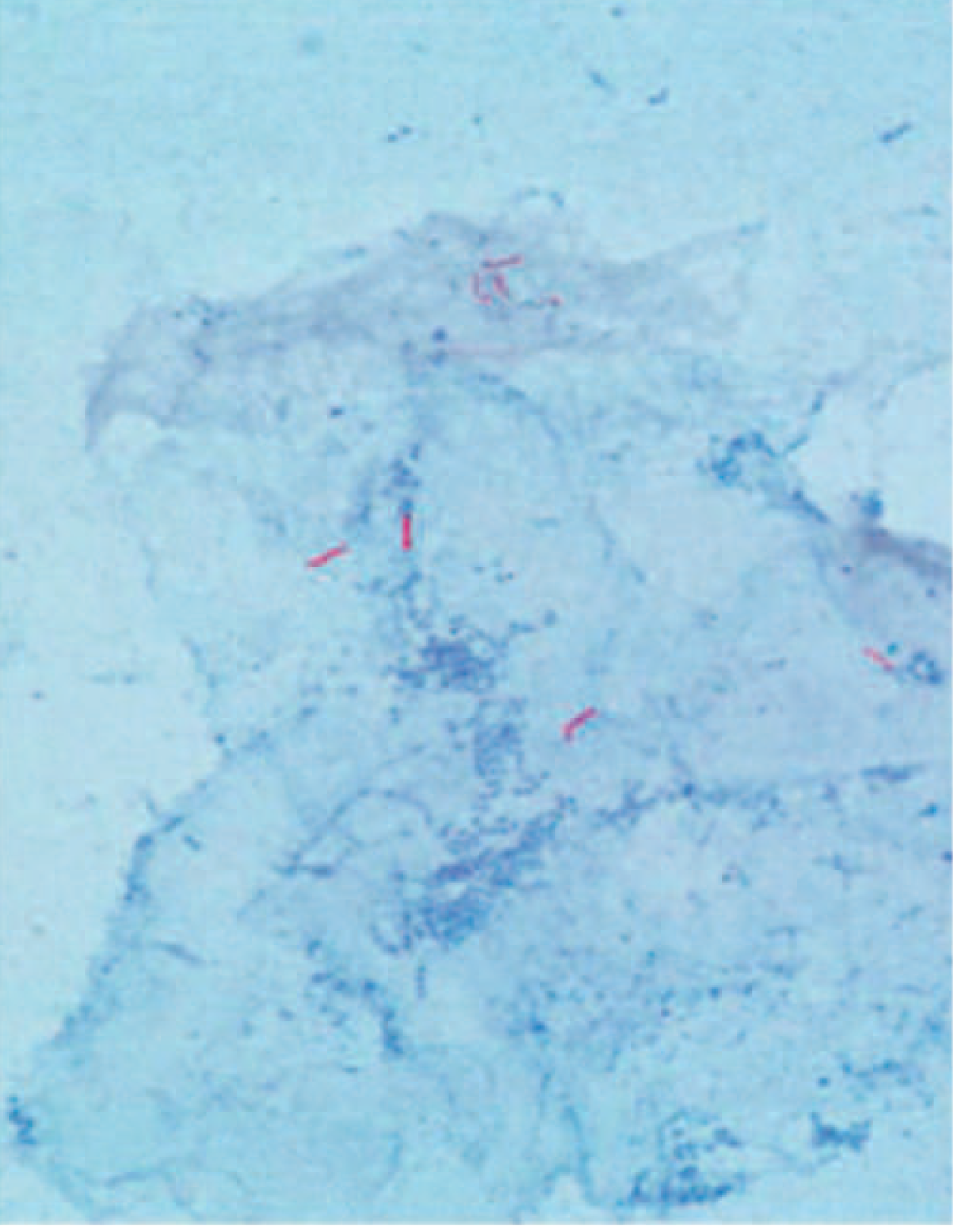
- Neutral on Gram staining; once stained, cannot be decolorized by acid alcohol → acid-fast bacilli (AFB)
- Acid-fastness due to: high mycolic acid content + long-chain cross-linked fatty acids + arabinogalactan-peptidoglycan complex
- Doubling time: ~15-20 hours (slow grower - explains prolonged treatment requirements)
- No known environmental reservoir for any member of the complex
III. Epidemiology
Global Burden
- ~10.6 million new TB cases annually (2022 WHO data)
- Leading endemic regions: South/Southeast Asia, sub-Saharan Africa, Eastern Europe
- Case fatality: >70% untreated; ~1-5% with appropriate treatment
- HIV co-infection found in ~8% of all TB cases globally; in sub-Saharan Africa this may reach 50%+
Transmission
- Primarily airborne via droplet nuclei (1-5 μm particles)
- Generated by coughing, sneezing, singing, talking
- Infectious dose: very low (as few as 1-10 bacilli)
- A single cavitary TB patient may infect 10-15 contacts/year
- NOT transmitted by fomites, surfaces, or casual contact
Risk factors for infection
- Household/close contact with infectious case
- Overcrowding, poverty, institutional settings (prisons, homeless shelters)
- Occupational exposure (health care workers)
- Immigration from high-burden countries
Risk factors for progression from infection → disease
| Risk Factor | Relative Risk |
|---|---|
| HIV infection (CD4 <200) | 50-110x |
| Solid organ transplant | 20-74x |
| Silicosis | 30x |
| TNF-α inhibitors (anti-TNF therapy) | ~4-25x |
| Diabetes mellitus | 3-4x |
| Renal failure/hemodialysis | 10-25x |
| Malnutrition/underweight | 2-3x |
| Heavy alcohol use | 3x |
| Smoking | 2-3x |
| Age <5 years or elderly | Increased |
IV. Pathogenesis and Immunology
The Primary Infection Sequence
Step 1 - Inhalation and alveolar deposition: Droplet nuclei reach the terminal alveoli. Alveolar macrophages engulf bacilli via phagocytosis. Crucially, M. tuberculosis has evolved mechanisms to prevent phagosome-lysosome fusion and survive intracellularly.
Step 2 - Initial replication: Within alveolar macrophages, bacilli replicate to produce a small initial lesion. Alternatively activated alveolar macrophages - bathed in surfactant - have limited bactericidal capacity, allowing early replication.
Step 3 - Lymphatic spread and early bacteremia: Bacilli are transported by macrophages to regional (hilar) lymph nodes → central venous return → lungs and systemic dissemination. The Ghon focus (subpleural or lower lobe parenchymal lesion + hilar lymphadenopathy) = primary complex or Ranke complex.
Step 4 - Immune activation (2-8 weeks): T lymphocytes are activated by mycobacterial antigens presented by macrophages/dendritic cells. CD4+ T cells release IFN-γ → macrophage activation → formation of granuloma (organized aggregation of activated macrophages, epithelioid cells, Langhans giant cells, surrounded by lymphocytes).
Step 5 - Two possible outcomes at the granuloma:
a) Effective containment (90% of immunocompetent individuals):
- Activated macrophages neutralize bacilli
- Central caseous necrosis develops (cheese-like, inspissated)
- Lesion may calcify (Ghon lesion + calcified hilar nodes = "Ranke complex" on CXR)
- Viable bacilli persist in latent state - Latent TB Infection (LTBI)
b) Progressive primary disease (10% overall):
- In children, immunosuppressed, or those with high inoculum
- Caseous material liquefies → cavity formation
- Bacilli flood the airways → endobronchial spread
- Hematogenous dissemination → miliary TB, TB meningitis
The Immunology - Consultant Detail
Macrophages: Two critical functions:
- Phagocytosis and intracellular killing via reactive oxygen intermediates (ROI) and reactive nitrogen intermediates (RNI, especially nitric oxide)
- Cytokine secretion: TNF-α (granuloma formation, fever, wasting), IL-1, IL-12 (drives Th1 differentiation)
T Lymphocytes:
- CD4+ Th1 cells: Primary effectors - produce IFN-γ → macrophage activation. CD4 depletion (as in HIV) dramatically impairs TB control
- CD8+ T cells: Cytotoxic; kill infected macrophages; also produce IFN-γ; particularly important in early infection and reactivation phase
- γδ T cells and NK cells: Important innate responders in early infection
Why M. tuberculosis survives:
- Prevents phagosomal acidification and lysosome fusion
- Produces lipoarabinomannan (LAM) - scavenges reactive oxygen intermediates
- Mycolic acid coat resists enzymatic digestion
- Induces anti-apoptotic pathways in host macrophages
- Can enter dormancy (non-replicating persistent state) inside granulomas
Reactivation triggers: Any impairment of cell-mediated immunity - HIV, immunosuppressive drugs (especially anti-TNF agents), diabetes, malnutrition, aging, renal failure.
V. Clinical Manifestations
A. Pulmonary TB (most common - ~2/3 of all cases)
Primary TB (first infection):
- Often asymptomatic or mild, self-limiting illness
- In children: fever, mild respiratory symptoms, erythema nodosum, phlyctenular conjunctivitis
- Primary progressive TB: severe pneumonitis, cavitation (uncommon except in children and immunosuppressed)
- Lower/mid-lobe infiltrate + hilar lymphadenopathy on CXR
Post-primary (reactivation/secondary) TB:
Classic presentation - insidious onset, symptoms present for weeks-months:
| Symptom | Frequency |
|---|---|
| Cough (initially dry, then productive) | ~80% |
| Night sweats | ~60-70% |
| Fever (low-grade, afternoon) | ~60-80% |
| Weight loss / anorexia | ~60-70% |
| Fatigue, malaise | Common |
| Hemoptysis | ~25-30% |
| Pleuritic chest pain | ~20% |
| Dyspnea | Variable |
Examination findings: May be unremarkable. Post-tussive apical rales. Signs of consolidation. Amphoric breathing over cavities. Clubbing is rare. Signs of complications (pleural effusion, empyema, cor pulmonale in chronic disease).
Radiographic patterns (CXR / CT):
- Classic: Upper lobe (apical and posterior segments) or superior segments of lower lobes - due to high O₂ tension favoring mycobacterial growth
- Fibro-nodular infiltrates with or without cavitation
- Cavitation (30-40% of cases): thick-walled, irregular cavity; associated with high bacterial load and high infectivity
- Miliary pattern: 1-3 mm bilateral nodules (millet seeds) in hematogenous dissemination
- Primary TB pattern: Middle or lower zone infiltrate + hilar/mediastinal lymphadenopathy
- Atypical patterns common in HIV (see below)
- Old TB: fibronodular scarring, calcified granulomas (Ghon focus), traction bronchiectasis, destroyed lobe
B. Extrapulmonary TB
Occurs in ~30-35% of all TB cases; up to 40-60% of HIV-co-infected patients have extrapulmonary involvement.
1. Lymph Node TB (Scrofula) - Most common extrapulmonary site
- Cervical > axillary > inguinal nodes
- Painless, firm, discrete initially → matted → fluctuant ("cold abscess") → collar-stud abscess with skin thinning → spontaneous sinus tract formation
- Diagnosis: Excision biopsy (caseous granuloma on histology; culture/PCR)
- Key differential: lymphoma, metastatic carcinoma, NTM, cat-scratch disease
2. Pleural TB
- Most common cause of exudative pleural effusion in young adults in endemic areas
- Mechanism: Rupture of subpleural focus → hypersensitivity reaction in pleural space
- Effusion: exudate (protein >3 g/dL); lymphocyte-predominant (>80%)
- Low glucose, elevated ADA (adenosine deaminase >40 U/L - highly sensitive/specific)
- AFB smear of pleural fluid: <10% positive
- Pleural biopsy: 80% diagnostic (granulomas); PCR/culture adds sensitivity
- May be bilateral in HIV
3. Tuberculous Meningitis (TBM)
-
Most lethal form of TB; mortality/disability in ~50% even with treatment
-
Pathogenesis: Rupture of subependymal focus (Rich focus) into subarachnoid space
-
Presentation: Subacute headache (days-weeks), fever, meningismus; CN palsies (III, VI most common); altered consciousness; seizures
-
Clinical staging (MRC/British Medical Research Council):
- Grade I: GCS 15, no focal deficits, no LOC
- Grade II: GCS 11-14 OR focal neurological signs
- Grade III: GCS ≤10
-
CSF findings:
- Opening pressure: elevated
- Cells: 100-500 cells/μL, lymphocyte predominance (early may be neutrophilic)
- Protein: elevated (>45 mg/dL, often 100-500 mg/dL)
- Glucose: low (<45 mg/dL), CSF:serum glucose ratio <0.5
- AFB smear: 10-40% (higher yield with repeat, large volume, centrifuged pellet)
- Culture: gold standard (2-6 weeks)
- Xpert MTB/RIF Ultra: sensitivity ~70-80%, specificity >98% - recommended as first test
-
Complications: Hydrocephalus (communicating > obstructive), vasculitis → ischemic stroke, CN palsies, SIADH, cerebral herniation
-
2026 Lancet TBM Guidelines (PMID: 40840485): First international evidence-based guideline; recommends Xpert MTB/RIF Ultra as initial diagnostic test; intensified treatment (higher-dose rifampicin IV or rifapentine, + fluoroquinolone); adjunctive dexamethasone for all grades; neurosurgical care for hydrocephalus
4. Pericardial TB
- Exudative pericardial effusion → cardiac tamponade (acute danger)
- Constrictive pericarditis (late fibrotic sequela - months to years later)
- Diagnosis: pericardiocentesis (lymphocytic exudate, elevated ADA), pericardial biopsy
- Adjunctive corticosteroids: Reduce constrictive pericarditis risk (prednisolone 60 mg/day tapered over 11 weeks)
- Pericardiectomy required for established constriction
5. Skeletal TB (Pott's Disease / TB of the Spine)
- Most common site: lower thoracic and upper lumbar vertebrae (Pott's disease)
- Mechanism: hematogenous seeding → anterior vertebral body → disk space involvement → collapse
- Gibbus deformity (angular kyphosis)
- Paravertebral "cold" abscess - tracks along fascial planes; may present as psoas abscess
- Paraplegia (Pott's paraplegia): Cord compression from abscess, granuloma, or instability
- Diagnosis: MRI of spine (imaging modality of choice) + CT-guided biopsy
- Treatment: standard 6-month anti-TB regimen; surgery for instability, cord compression, or failed medical therapy
6. Miliary TB
- Hematogenous dissemination → simultaneous seeding of multiple organs
- CXR: bilateral 1-3 mm uniform "millet seed" nodules
- Presentation: fever, weight loss, night sweats; hepatosplenomegaly; lymphadenopathy; chorioretinal tubercles on fundoscopy (pathognomonic when present)
- Choroidal tubercles on fundoscopy: present in ~30% - diagnostic pearl
- High mortality; requires immediate treatment
7. Genitourinary TB
- Most common presentation: sterile pyuria (WBCs without bacteria on standard culture)
- "Sterile pyuria" in >3 consecutive MSUs → must exclude TB
- Haematuria, frequency, dysuria
- Late: "putty kidney" (dystrophic calcification), ureteric strictures, hydronephrosis, renal failure
- Male: epididymo-orchitis, scrotal sinus
- Female: salpingitis, infertility, Asherman syndrome
8. Abdominal TB
- Peritoneal, intestinal (ileocaecal most common), lymph node involvement
- Ascites: exudative, lymphocyte-rich, elevated ADA
- Ileocaecal TB mimics Crohn's disease, carcinoma - biopsy essential
- Beware: anti-TNF agents for misdiagnosed "Crohn's" can precipitate TB dissemination
9. Adrenal TB
- Bilateral adrenal enlargement → adrenal insufficiency
- Historically, TB was the most common cause of Addison's disease worldwide
VI. Diagnosis
Microbiological Diagnosis
A. Sputum Smear Microscopy (AFB Smear)
- Ziehl-Neelsen (ZN) stain or auramine-rhodamine fluorescence stain (higher sensitivity)
- Requires ≥5,000-10,000 bacilli/mL for positivity (low sensitivity)
- Sensitivity: 45-80% in pulmonary TB; specificity ~98% but cannot distinguish TB from NTM
- Minimum 3 samples on 3 consecutive days (including one early morning specimen)
- LED fluorescence microscopy has replaced conventional ZN in most settings
B. Mycobacterial Culture
- Gold standard for definitive diagnosis and drug susceptibility testing (DST)
- Liquid media (MGIT - mycobacteria growth indicator tube): results in 9-14 days
- Solid media (Lowenstein-Jensen): results in 3-8 weeks
- Can detect as few as 10-100 bacilli/mL
- Essential for species identification and DST
C. Molecular Diagnostics
Xpert MTB/RIF (GeneXpert):
- Cartridge-based, fully automated PCR assay
- Results in <2 hours
- Simultaneously detects M. tuberculosis DNA AND rifampicin resistance (rpoB gene mutations - rifampicin resistance is a reliable proxy for MDR-TB)
- Sensitivity: 88% in smear-positive; 67% in smear-negative pulmonary TB; >80% sensitivity in HIV-co-infected patients
- Specificity: >98%
- Xpert MTB/RIF Ultra: Higher sensitivity (5-10% more) due to larger sample volume and multicopy targets; preferred for smear-negative/HIV cases and CSF
Targeted Next-Generation Sequencing (tNGS):
- A 2024 Lancet Infectious Diseases meta-analysis (PMID: 38795712) established that tNGS can detect resistance to multiple first- and second-line drugs simultaneously with high sensitivity and specificity - set to transform DST in coming years
- Detects comprehensive resistance profiles from direct clinical specimens without waiting for culture
Line Probe Assays (LPA):
- GenoType MTBDRplus: detects isoniazid resistance (katG, inhA mutations) and rifampicin resistance (rpoB mutations) - turnaround in hours
- GenoType MTBDRsl: detects resistance to fluoroquinolones and second-line injectables
D. Immunological Tests for TB Infection (LTBI Diagnosis)
Tuberculin Skin Test (TST / Mantoux):
- Inject 5 TU PPD (purified protein derivative) intradermally; read induration at 48-72 hours
- Limitations: cross-reactivity with BCG vaccination and NTM; subjective reading; two-visit requirement; "boosting phenomenon" on repeat testing
- Interpretation thresholds:
| Induration | Considered positive in: |
|---|---|
| ≥5 mm | HIV infection, recent close contact, chest x-ray with old TB, organ transplant recipients |
| ≥10 mm | Recent immigrants from high-burden countries, IVDU, residents of congregate settings, mycobacteriology lab workers, clinical conditions (DM, renal failure, etc.) |
| ≥15 mm | No risk factors |
Interferon-Gamma Release Assays (IGRAs):
- QuantiFERON-TB Gold Plus (QFT-Plus): Whole-blood ELISA; measures IFN-γ response to ESAT-6 and CFP-10 antigens (RD1 region, absent in BCG and most NTM)
- Two tubes: TB1 (CD4+ T cell response) and TB2 (CD4+ and CD8+ T cell responses) - QFT-Plus addition allows enhanced detection
- T-SPOT.TB: ELISPOT assay; counts individual IFN-γ producing cells
- Advantages over TST: Not affected by BCG vaccination; single visit; more specific; preferred by CDC/ECDC for all indications in adults
- Limitations: Cannot distinguish LTBI from active disease; false negatives in severely immunosuppressed; expensive
New Antigen-Based Skin Tests (TBSTs):
- Use ESAT-6/CFP-10 antigens (same as IGRAs) but in skin test format
- WHO-assessed accuracy: similar to IGRAs, superior to TST
- Useful in BCG-vaccinated persons, PLWH, and children
E. Additional Diagnostics
Adenosine Deaminase (ADA):
- Elevated in TB pleural effusions (>40 U/L), TB ascites, and TB pericardial fluid
- High sensitivity (~93%) and specificity (~90%) for TB pleural effusion in endemic areas
- Low ADA virtually rules out TB pleural effusion
Urine Lipoarabinomannan (LAM) Assay:
- Detects mycobacterial LAM antigen in urine
- Most useful in PLWH with advanced immunosuppression (CD4 <100/μL)
- Limited sensitivity in HIV-negative and CD4-normal patients
- Point-of-care: Alere Determine TB LAM Ag
Bronchoscopy / BAL: For smear-negative pulmonary TB undiagnosed by sputum - BAL for AFB, culture, Xpert; transbronchial biopsy for tissue
VII. Latent TB Infection (LTBI)
LTBI = infection without active disease; estimated 1.7 billion people globally are infected.
Who to Screen
- All PLWH
- Close contacts of confirmed infectious TB cases
- Immigrants from high-burden countries (within 5 years of entry)
- Residents/employees of high-risk settings (prisons, homeless shelters, nursing homes)
- Health care workers
- Patients initiating immunosuppressive therapy (especially TNF-α inhibitors, JAK inhibitors, transplant)
- History of untreated or inadequately treated TB on CXR
LTBI Treatment Regimens (Harrison's 22e / WHO 2020)
| Regimen | Duration | Evidence |
|---|---|---|
| 3HP - Isoniazid 900 mg + Rifapentine 900 mg weekly | 3 months | Preferred in adults and children >2y, including PLWH |
| 1HP - Isoniazid + Rifapentine daily | 1 month | Non-inferior to 9H in PLWH; included in 2020 WHO guidelines |
| 4R - Rifampicin alone daily | 4 months | Preferred over 9H in adults; better tolerability |
| 3HR - Isoniazid + Rifampicin daily | 3 months | Option; shorter than 9H |
| 6H - Isoniazid daily | 6 months | Acceptable; traditional regimen |
| 9H - Isoniazid daily | 9 months | US CDC/IDSA preferred for some indications |
- 3HP (once-weekly isoniazid + rifapentine for 3 months) is now the regimen of choice in most settings - highest completion rates, non-inferior to DOT
- Do not use rifampicin-based regimens in patients on protease inhibitors (HIV) without modification
- Pregnancy: 9H (isoniazid alone) preferred; rifapentine-based regimens not recommended (insufficient safety data)
- Rule out active TB before LTBI treatment (CXR + symptoms review mandatory)
VIII. Active TB Disease - Treatment
Principles of Treatment
- Multiple drugs to prevent resistance selection (monotherapy → certain resistance)
- Adequate duration to eradicate non-replicating persistent bacilli (dormant populations)
- Adherence support - DOTS (Directly Observed Therapy, Short-course) or enhanced self-administered therapy with support
Standard Drug-Susceptible Pulmonary TB Regimen
Classic 6-Month Regimen (HRZE/HR):
- Intensive phase (2 months): Isoniazid (H) + Rifampicin (R) + Pyrazinamide (Z) + Ethambutol (E) - 2HRZE
- Continuation phase (4 months): Isoniazid + Rifampicin - 4HR
- Total: 6 months
Extension to 9 months (2HRZE/7HR) indicated when:
- Cavitary pulmonary disease
- Delayed culture conversion (positive at 2 months)
- Pyrazinamide could not be completed in intensive phase
New 4-Month Regimen (2025 ATS/CDC/ERS/IDSA Guidelines - PMID: 40693952):
"All-oral, shorter treatment regimens for TB are now recommended for use in eligible individuals."
- HRZE/Mfx (TBTC Study 31/ACTG A5349): Rifapentine + Isoniazid + Pyrazinamide + Moxifloxacin for 8 weeks, then Rifapentine + Isoniazid + Moxifloxacin for 9 weeks
- Non-inferior to standard 6-month regimen in a large multinational RCT
- Includes HIV-positive patients with CD4 >100
- Conditionally recommended by WHO and now by ATS/CDC/ERS/IDSA (2025)
- Not for: HIV with CD4 <100, extrapulmonary TB (except lymph node), pregnancy
Pediatric TB:
- Non-severe TB in children: 4-month regimen now recommended (ATS/CDC/ERS/IDSA 2025)
- Severe TB (meningitis, disseminated): still 6-12 months depending on site
First-Line Drug Dosing
| Drug | Daily Dose (adult) | Key Toxicities | Monitoring |
|---|---|---|---|
| Isoniazid (H) | 5 mg/kg (max 300 mg) | Hepatotoxicity, peripheral neuropathy (↑ in slow acetylators), lupus-like | LFTs; give pyridoxine 25-50 mg/day prophylactically |
| Rifampicin (R) | 10 mg/kg (max 600 mg) | Hepatotoxicity, drug interactions (potent CYP450 inducer), orange discoloration of secretions, thrombocytopenia, flu-like syndrome | LFTs; review all concomitant medications |
| Pyrazinamide (Z) | 25 mg/kg (max 2 g) | Hepatotoxicity, hyperuricemia (gout), arthralgia | LFTs, uric acid |
| Ethambutol (E) | 15-25 mg/kg | Optic neuritis (dose and duration dependent) - red-green color discrimination loss | Visual acuity, Ishihara plates monthly; avoid if cannot be monitored |
| Rifapentine | Weekly 900 mg (with INH in 3HP) | Similar to rifampicin; flu-like reactions | - |
| Moxifloxacin | 400 mg/day | QTc prolongation, tendinopathy | ECG baseline; avoid with QTc prolonging drugs |
Rifampicin - Critical Drug Interactions (consultant-level):
- Decreases levels of: antiretrovirals (esp. PIs, NNRTIs), warfarin, oral contraceptives, methadone, antifungals, tacrolimus, cyclosporin, corticosteroids, phenytoin, sulfonylureas
- Rifabutin is preferred over rifampicin in HIV/TB co-treated with PIs (less CYP450 induction)
Monitoring During Treatment
- Baseline: LFTs, FBC, uric acid, creatinine, visual acuity, colour vision
- Repeat LFTs at 2 weeks, 1 month, then monthly (or earlier if symptomatic)
- Stop all drugs if LFTs >5x ULN (asymptomatic) or >3x ULN with symptoms
- Re-challenge protocol once LFTs normalize: rechallenge with rifampicin first (least hepatotoxic in practice), then isoniazid, then pyrazinamide; 1 drug at a time at weekly intervals
- Sputum culture at 2 months (critical milestone): persistent positivity requires reassessment, DST, and extended treatment
Response Assessment
- Clinical improvement: fever resolves, weight gain, symptoms improve within 2-4 weeks
- Sputum smear conversion: 2-4 weeks; culture conversion: 6-8 weeks in drug-susceptible TB
- Radiological improvement: lags behind clinical; fibronodular changes may persist/worsen initially (paradoxical reaction)
IX. Drug-Resistant TB
Definitions
| Category | Definition |
|---|---|
| Mono-resistant | Resistant to one first-line drug |
| Poly-resistant | Resistant to ≥2 first-line drugs (not H+R simultaneously) |
| MDR-TB | Resistant to both isoniazid AND rifampicin |
| Pre-XDR-TB | MDR-TB + resistance to any fluoroquinolone |
| XDR-TB | MDR-TB + resistance to any fluoroquinolone + bedaquiline AND/OR linezolid |
Epidemiology
- ~410,000 MDR/RR-TB cases diagnosed annually (2022)
- High-burden countries: India, China, Russia, Pakistan, South Africa, Ukraine
- ~15% of MDR-TB cases are now pre-XDR or XDR
Mechanisms of Resistance
| Drug | Resistance Mechanism | Gene |
|---|---|---|
| Isoniazid | Impaired prodrug activation | katG (catalase-peroxidase); inhA (NADH enoyl-ACP reductase) |
| Rifampicin | RNA polymerase mutation | rpoB |
| Pyrazinamide | Pyrazinamidase inactivation | pncA |
| Ethambutol | Arabinosyltransferase alteration | embB |
| Fluoroquinolones | DNA gyrase mutation | gyrA, gyrB |
| Aminoglycosides | Ribosomal methylation | rrs, eis |
| Bedaquiline | ATP synthase mutation | atpE; efflux pumps mmpL5 |
MDR-TB Treatment (2025 Guidelines - PMID: 40693952)
BPaL Regimen (Pre-XDR and XDR-TB):
- Bedaquiline + Pretomanid + Linezolid (BPaL) - all oral, 6 months
- BPaLM: + Moxifloxacin for fluoroquinolone-susceptible MDR-TB
- TB-PRACTECAL and ZeNix trials demonstrated high culture conversion rates (~90%) with shorter all-oral regimens
- Landmark shift: Entirely replaces injectable-based regimens (streptomycin, amikacin, kanamycin - now deprecated for routine use due to toxicity and inferiority)
Bedaquiline:
- Novel diarylquinoline; inhibits mycobacterial ATP synthase
- Active against drug-susceptible and MDR/XDR strains
- Key safety concern: QTc prolongation (monitor ECG; avoid with moxifloxacin unless benefit outweighs risk)
- Requires informed consent in some jurisdictions due to black box warning
Pretomanid:
- Nitroimidazole; active against replicating and non-replicating (dormant) M. tuberculosis
- Part of BPaL for XDR-TB
Linezolid:
- Oxazolidinone antibiotic
- Dose-dependent toxicities: peripheral neuropathy, optic neuritis, bone marrow suppression
- Dose reduction (600 → 300 mg) after culture conversion improves tolerability without loss of efficacy (ZeNix trial)
X. TB and HIV Co-Infection
Key Clinical Principles (Harrison's 22e)
Epidemiology:
- HIV-infected individuals with LTBI: 3-13% annual risk of developing active TB (vs. ~10% lifetime risk in immunocompetent)
- New TB acquired by PLWH can evolve to active disease in weeks rather than months
Clinical presentation varies with CD4 count:
| CD4 Count | TB Presentation |
|---|---|
| >350/μL (relatively preserved immunity) | Classic upper-lobe disease, cavitation, smear-positive |
| 200-350/μL | Transitional: less typical CXR, less cavitation |
| <200/μL | Atypical: lower lobe, diffuse interstitial infiltrates, no cavitation, mediastinal lymphadenopathy, military pattern; smear often negative |
| <50/μL | Overwhelming disease; mycobacteremia; extrapulmonary dominant; negative smear |
Extrapulmonary TB occurs in 40-60% of HIV-TB co-infected patients.
Treatment Considerations
- Start anti-TB treatment FIRST in all HIV-TB cases
- Timing of ART initiation:
- CD4 <50/μL: ART within 2 weeks of starting TB treatment
- CD4 50-200/μL: ART within 2-8 weeks
- CD4 >200/μL: ART within 8 weeks (or 2 weeks if CD4 is low or patient very unwell)
- Exception - TB meningitis: ART delayed until 4-8 weeks (early ART increases mortality in TBM due to IRIS)
Drug interactions:
- Rifampicin drastically reduces levels of: efavirenz (by ~20% - dose unchanged), nevirapine, all PIs
- Replace rifampicin with rifabutin when using boosted PIs
- Preferred ART backbone with rifampicin-based TB treatment: Efavirenz + TDF + FTC (or 3TC)
- Dolutegravir 50 mg twice daily (double dose) when used with rifampicin
Immune Reconstitution Inflammatory Syndrome (IRIS)
- Occurs in ~10% of HIV-TB patients on ART
- Paradoxical IRIS: Worsening of existing TB symptoms after ART initiation (lymphadenopathy, fever, infiltrates worsen)
- Unmasking IRIS: New TB manifestations appear after ART in a patient with previously undiagnosed TB
- Timing: typically 1-3 months after ART initiation
- Higher risk: low baseline CD4, extrapulmonary TB, early ART initiation
- Management:
- Continue both anti-TB therapy and ART
- NSAIDs for mild cases
- Corticosteroids (prednisone 1.5 mg/kg/day, tapered over 6-10 weeks) for moderate-severe IRIS
- Rule out TB treatment failure before attributing to IRIS
- Never stop ART for IRIS unless immediately life-threatening
XI. Special Situations
TB in Pregnancy
- Untreated TB carries greater risk than treatment
- Standard 6-month HRZE regimen is safe
- Pyridoxine (B6) 25-50 mg/day essential throughout
- Avoid: Streptomycin (ototoxicity to fetus), rifapentine-based LTBI regimens (insufficient safety data)
- Breastfeeding: all first-line drugs compatible; continue pyridoxine
TB in Renal Failure
- Renally cleared drugs: Ethambutol, Pyrazinamide (and their metabolites) - reduce dose or increase interval
- Isoniazid and rifampicin are primarily hepatically cleared - standard dosing
- Hemodialysis: dose after dialysis session
TB on Anti-TNF Therapy (Biologic Agents)
- TNF-α is critical for granuloma maintenance → anti-TNF drugs → high risk of TB reactivation
- Screen all candidates with IGRA/TST + CXR before starting anti-TNF
- Treat LTBI before initiating anti-TNF (start anti-TB treatment 1 month prior if possible)
- Risk: infliximab and adalimumab > etanercept (etanercept binds soluble TNF only)
- If active TB develops on anti-TNF: stop anti-TNF, start TB treatment; restart anti-TNF after 2 months
Steroids in TB - Indications
| Indication | Regimen |
|---|---|
| TB meningitis (all grades) | Dexamethasone 0.3-0.4 mg/kg/day IV, taper over 6-8 weeks |
| TB pericarditis | Prednisolone 60 mg/day, taper over 11 weeks |
| Severe IRIS | Prednisone 1.5 mg/kg/day, taper over 6-10 weeks |
| Laryngeal TB (severe edema) | Short course |
| Pleural/peritoneal TB (symptomatic) | Optional; reduces fluid accumulation |
XII. Prevention and Control
BCG Vaccine
- Live attenuated M. bovis strain
- Highly effective against: childhood miliary TB and TB meningitis (~80% protective)
- Modest efficacy against pulmonary TB in adults (variable: 0-80% in different trials - latitude effect)
- WHO recommendation: universal neonatal vaccination in TB-endemic countries
- Does NOT prevent TB infection - reduces progression to severe disease
- Contraindicated in HIV infection and immunosuppression (live vaccine)
Infection Control
- Airborne precautions (negative pressure rooms, N95 respirators) for all suspected/confirmed pulmonary TB
- Contact tracing with IGRA/TST and CXR for all close contacts
- DOTS/community treatment support for adherence
- Health care worker screening: IGRA preferred over TST (higher PPV)
XIII. Recent Landmark Evidence (2024-2026)
| Update | Significance | Reference |
|---|---|---|
| 4-month pulmonary TB regimen (HRZE + Mox → HRPen + Mox) now conditionally recommended | Replaces 6-month regimen in eligible patients | ATS/CDC/ERS/IDSA 2025 (PMID: 40693952) |
| BPaL / BPaLM for MDR/pre-XDR/XDR-TB | All-oral, 6-month; replaces injectable regimens | ATS/CDC/ERS/IDSA 2025 (PMID: 40693952) |
| 4-month regimen for non-severe pediatric TB | Reduces treatment burden in children | ATS/CDC/ERS/IDSA 2025 (PMID: 40693952) |
| TBM International Guideline (Lancet ID 2026) | First comprehensive evidence-based TBM guideline; intensified regimens + universal dexamethasone | PMID: 40840485 |
| Targeted NGS for DR-TB diagnosis | Simultaneous multi-drug DST from direct specimen; superior to LPA for comprehensive resistance profiling | Lancet ID 2024 (PMID: 38795712) |
XIV. Consultant-Level Diagnostic Pearls
- TB can mimic anything - consider TB in any patient with unexplained fever/weight loss/night sweats lasting >2-3 weeks, especially from endemic regions or immunosuppressed
- Negative AFB smear does not exclude TB - smear-negative TB is common (~30-40% of pulmonary; majority of extrapulmonary). Send Xpert MTB/RIF Ultra + culture
- Culture is mandatory in all cases - for species identification and DST; a positive smear with a negative culture in 8 weeks should prompt review
- Rifampicin resistance = MDR until proven otherwise - initiate second-line therapy while awaiting full DST
- ADA in effusions: Any lymphocytic exudative pleural/pericardial/peritoneal effusion with ADA >40 → treat for TB empirically in endemic settings while awaiting culture
- Steroid effect on TB: Steroids can suppress fever and improve CXR in TB → do not interpret clinical improvement on steroids as ruling out TB
- "Cold abscess": Any fluctuant, non-tender neck mass with skin changes → high suspicion for TB lymphadenitis; do NOT incise and drain (causes sinus tract); perform excision biopsy
- Sterile pyuria: Always exclude TB urinary tract disease before attributing to other causes
- Anti-TNF biologic: Rule out active and latent TB before every prescription; TB can present with unusual extrapulmonary manifestations on anti-TNF therapy
- IRIS recognition: Worsening despite effective therapy in HIV patients 1-3 months after starting ART - think IRIS; manage with steroids, do NOT stop TB treatment or ART
- Drug resistance profiling before empiric escalation: Never add a single drug to a failing regimen - always full DST first
- Pregnancy: Do NOT withhold treatment - untreated TB is far more dangerous to mother and fetus than HRZE therapy
*Primary source: Harrison's Principles of Internal Medicine, 22nd Edition (2025), Chapters 183 & 186 (Raviglione & Gori). Updated with: ATS/CDC/ERS/IDSA Clinical Practice Guideline on TB Treatment, 2025 (PMID: 40693952); Lancet ID TBM Clinical Practice Guideline, 2026 (PMID: 40840485); Lancet ID tNGS meta-analysis, 2024 (PMID: 38795712).*This is a complete consultant-level synthesis drawn directly from Harrison's Principles of Internal Medicine, 22nd Edition (2025) - the most up-to-date edition - covering all 14 domains below. Here is a summary of what was covered:
What was covered - organized for rapid orientation:
| Section | Key Content |
|---|---|
| I. General Principles | History, curable vs. fatal statistics |
| II. Etiologic Agent | M. tuberculosis complex members, microbiological properties, acid-fastness |
| III. Epidemiology | Global burden, transmission route, risk factors for infection and disease progression (quantified relative risks) |
| IV. Pathogenesis & Immunology | Primary complex formation, granuloma biology, caseous necrosis, role of CD4+/CD8+ T cells, macrophage activation, mechanisms of intracellular survival, reactivation triggers |
| V. Clinical Manifestations | Pulmonary (primary vs. reactivation); all 9 major extrapulmonary sites with diagnostic pearls |
| VI. Diagnosis | Smear (ZN/fluorescence), culture (MGIT vs. LJ), Xpert MTB/RIF Ultra, tNGS, TST (with threshold table), IGRAs (QFT-Plus, T-SPOT), ADA, urine LAM |
| VII. LTBI | Who to screen; all regimens (3HP, 1HP, 4R, 3HR, 6H, 9H) with indications |
| VIII. Treatment | Classic 6-month HRZE/HR; new 4-month moxifloxacin regimen (2025 ATS guidelines); drug dosing table with toxicities; LFT monitoring and re-challenge protocol |
| IX. Drug Resistance | MDR/pre-XDR/XDR definitions; resistance mechanisms; BPaL/BPaLM regimens; bedaquiline, pretomanid, linezolid |
| X. HIV-TB Co-infection | CD4-stratified presentations; ART timing rules; rifampicin interactions; IRIS recognition and management |
| XI. Special Situations | Pregnancy, renal failure, anti-TNF therapy, steroid indications |
| XII. Prevention | BCG vaccine; infection control |
| XIII. Recent Evidence | 4-month regimen, BPaLM, pediatric 4-month regimen, TBM guidelines, tNGS |
| XIV. Consultant Pearls | 12 high-yield clinical decision points |
This is a shared conversation. Sign in to Orris to start your own chat.