
Keloid
Reading File
Reading File
Finding Sources
Finding Sources
Searching PubMed
keloid AND treatment
Searching the Web
American Academy Dermatology keloid scars treatment patient information
Reading File
A keloid is an overgrowth of scar tissue that extends beyond the edges of the original skin injury. It can develop after acne, a cut, burn, surgery, vaccination, or piercing.
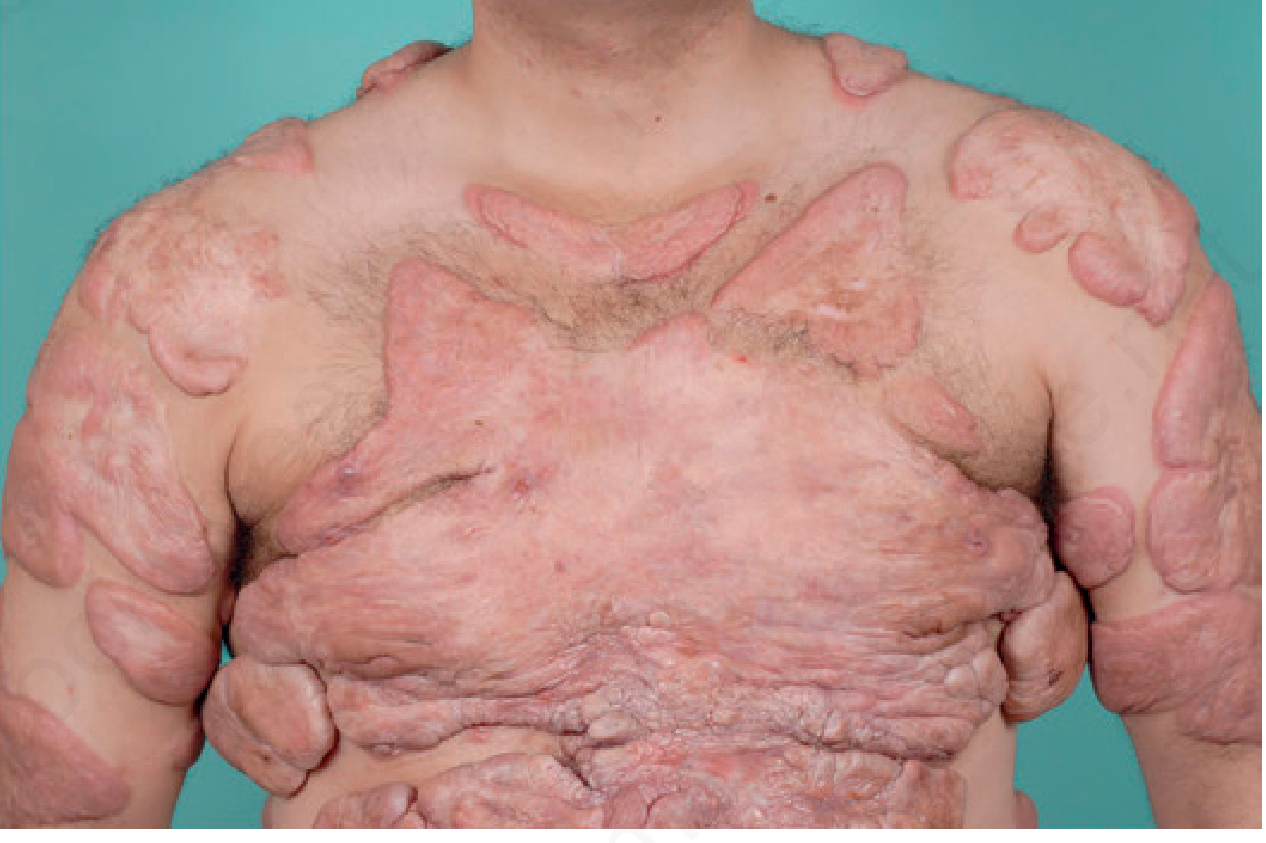
Typical features
- Firm, raised, smooth scar, often pink, red, brown, or darker than nearby skin
- May itch, hurt, or feel tender
- Common on the chest, shoulders, upper back, jawline, and earlobes
- Unlike a hypertrophic scar, a keloid grows outside the original wound and usually does not settle on its own.
Treatment
A dermatologist may use:
- Intralesional corticosteroid injections, commonly first-line
- Steroid plus 5-fluorouracil injections in selected cases
- Silicone gel or silicone sheets, and pressure therapy for prevention or early scars
- Cryotherapy or laser as adjuncts
- Surgery only with additional treatment, because removal alone can recur or become larger
- Radiotherapy in carefully selected difficult cases, usually after excision
The AAD treatment overview describes combination treatment because keloids often recur. Recent systematic reviews also support considering intralesional 5-fluorouracil and individualized treatment based on lesion characteristics, though no single therapy works best for every keloid (PMIDs 38807454 and 38874219).
Avoid cutting, piercing, or using irritating home remedies on it. See a dermatologist if it is enlarging rapidly, ulcerating, bleeding, or the diagnosis is uncertain.
This is a shared conversation. Sign in to Orris to start your own chat.