
Tennis elbow
Reading File
Now let me search the library and PubMed in parallel:
Finding Sources
Searching PubMed
"lateral epicondylitis" AND treatment
Searching the Web
tennis elbow lateral epicondylitis diagnosis treatment 2024 2025
Good results. Now let me read the key sections from multiple textbooks in parallel:
Reading File
Reading File
Reading File
Now let me also read the Bailey & Love section on management and grab an image:
Reading File
Searching Images
tennis elbow lateral epicondylitis anatomy extensor carpi radialis
I have comprehensive information. Here's a thorough overview:
Tennis Elbow (Lateral Epicondylitis)
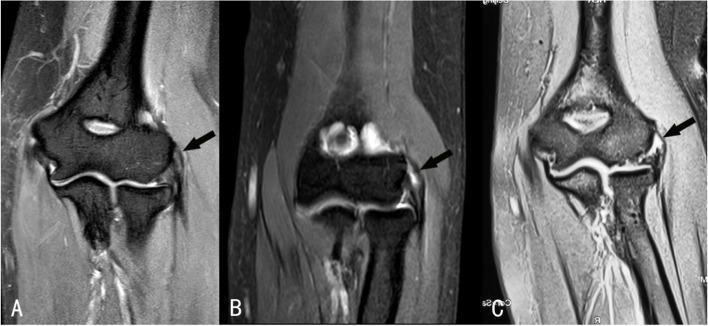
Definition & Pathology
Lateral epicondylitis is an overuse syndrome affecting the common extensor origin at the lateral epicondyle of the humerus, particularly the extensor carpi radialis brevis (ECRB) tendon. Histologically, the process is a tendinosis (angiofibroblastic degeneration) rather than true acute inflammation, involving microtears, failed healing, and disorganized collagen. - Harrison's Principles of Internal Medicine 22E, p. 973
Epidemiology & Causes
- Affects middle-aged adults (peak 35–55 years); not limited to tennis players
- Common culprits: pulling weeds, carrying briefcases, using a screwdriver, repetitive wrist extension and supination against resistance
- In tennis: backhand stroke with elbow flexed is the classic mechanism
- Much more common than medial epicondylitis (golfer's elbow)
Clinical Features
Symptoms:
- Pain over the lateral elbow, often 5–10 mm distal to the epicondyle (at ECRB origin)
- Radiation into the forearm and dorsum of the wrist
- Aggravated by gripping, shaking hands, or opening doors
Signs / Diagnostic Tests:
- Point tenderness just distal to the lateral epicondyle
- Cozen's test / resisted wrist extension with elbow extended reproduces pain — the key provocation test
- Pain on resisted digit extension and forearm supination
- Diagnosis is entirely clinical; imaging usually not required
Bailey and Love's Short Practice of Surgery 28th Ed, p. 9403; Tintinalli's Emergency Medicine, p. 3411
Investigations
- Usually none required for diagnosis
- MRI (if needed) shows signal changes in the ECRB tendon at the lateral epicondyle; graded 1–3 by severity (see image above)
- Ultrasound can reveal hypoechoic areas and tendon thickening
Treatment
Conservative (First-line)
| Modality | Detail |
|---|---|
| Rest & activity modification | Avoid provocative wrist extension / supination activities |
| NSAIDs | Oral or topical anti-inflammatories |
| Ice / cryotherapy | Acute pain relief |
| Friction massage | Transverse massage to tendon origin |
| Bracing | Rigid wrist brace or counterforce forearm band placed 2.5–5 cm below elbow to offload ECRB |
| Physical therapy | After 4–6 weeks rest; strengthening + flexibility of wrist extensors |
| Splinting | Elbow at 90° flexion in severe acute cases |
Injection Therapy
- Corticosteroid injection — one-time injection can be considered for severe acute pain; repeat injections should be avoided (risk of tendon weakening; recent evidence suggests inferior long-term outcomes vs. wait-and-see) [PMID: 39198038]
- Platelet-rich plasma (PRP) — evidence for recalcitrant cases; 2025 meta-analysis shows PRP superior to corticosteroid for pain at medium-to-long term [PMID: 40200209]
Advanced / Recalcitrant
- Dry needling — updated 2024 meta-analysis supports efficacy for pain and function [PMID: 38484834]
- Extracorporeal shockwave therapy (ESWT) — 2024 meta-analysis shows ESWT superior to corticosteroid injection for chronic lateral epicondylitis [PMID: 39198038]
- Ultrasound-guided needle tenotomy with or without PRP injection
- Surgery — reserved for cases unresponsive to ≥12 months of conservative treatment; surgical release of the extensor aponeurosis (Nirschl technique: ECRB debridement ± decortication); often successful
Harrison's 22E, p. 977; Bailey & Love 28th Ed, p. 9407–9409
Prognosis
- Majority resolve with conservative management within 6–12 months
- Self-limiting in many patients; natural history is generally favorable
- Patients should be counseled to avoid forceful wrist extension/supination to prevent recurrence
Comparison: Lateral vs. Medial Epicondylitis
| Feature | Lateral (Tennis Elbow) | Medial (Golfer's Elbow) |
|---|---|---|
| Structure | Common extensor origin (ECRB) | Common flexor origin (FCR, pronator teres) |
| Motion provoking | Resisted wrist extension | Resisted wrist flexion + pronation |
| Activities | Backhand, screwdriver, carrying | Golf swing, baseball throwing |
| Associated neuropathy | Radial nerve (rare) | Ulnar nerve (proximity) |
| Frequency | More common | Less common |
Recent evidence summary (2024–2025): ESWT and PRP are gaining support as superior alternatives to corticosteroid injection for chronic cases, and dry needling has demonstrated consistent benefit. Corticosteroids remain useful for acute severe pain but should not be repeated.
This is a shared conversation. Sign in to Orris to start your own chat.