
Uti ,hematuria,urinary catheterization,uterine stone, prostate cancer ,bladder cancer , diffrence between bph and prostate cancer with detail information
Comprehensive Urology Review
1. Urinary Tract Infection (UTI)
Definition
Epidemiology & Risk Factors
- Women are far more commonly affected due to shorter urethra and proximity to the perineum.
- Risk factors include sexual activity, urinary catheterization, diabetes, urinary obstruction, pregnancy, and immunosuppression.
- In pregnancy, progesterone-induced smooth muscle relaxation inhibits ureteral peristalsis, and uterine pressure impairs bladder emptying - both increase infection risk. Up to 30% of pregnant women with asymptomatic bacteriuria develop pyelonephritis if untreated.
Common Pathogens
Clinical Features
| Feature | Lower UTI (Cystitis) | Upper UTI (Pyelonephritis) |
|---|---|---|
| Symptoms | Dysuria, frequency, urgency, suprapubic pain | Fever, rigors, flank/back pain, nausea/vomiting |
| Signs | Suprapubic tenderness | Costovertebral angle tenderness |
| Systemic involvement | No | Yes |
Diagnosis
- Urinalysis: pyuria (>5 WBC/hpf), bacteriuria, nitrites positive.
- Urine culture (midstream clean catch): gold standard; >10^5 CFU/mL confirms infection.
- Note: dipstick alone is not sufficient - false positives occur.
Differential Diagnosis
Treatment
- Uncomplicated lower UTI: Nitrofurantoin 100 mg BID for 5 days, or trimethoprim-sulfamethoxazole (TMP-SMX) 800/160 mg BID for 3 days (check local antibiogram).
- In pregnancy: Cephalexin 500 mg BID x 3-7 days; nitrofurantoin 100 mg BID x 3-7 days; avoid TMP-SMX in the third trimester.
- Pyelonephritis: IV ceftriaxone 1 g daily (ampicillin resistance of E. coli is high); hospital admission, IV hydration, obstetric consultation if pregnant.
2. Hematuria
Definition
- Gross hematuria: visible pink/red/brown urine - alarming to the patient.
- Microscopic hematuria: detected only on urinalysis (>3 RBCs/hpf).
Clinical Significance
Pseudohematuria
Localizing the Source
- Initial stream hematuria: urethral or prostatic source.
- Terminal hematuria: bladder neck irritation.
- Total (entire stream) hematuria: bladder, ureter, or kidney.
- Clot shape: vermiform (worm-shaped) clots originate in the upper tract; cuboid clots form in the bladder.
- Painless hematuria strongly suggests malignancy.
- Painful hematuria with clots suggests upper tract obstruction or urinary retention.
Evaluation
Risk Factors for Underlying Cancer
- Age > 50 years
- Smoking history
- Industrial chemical/dye exposure (aromatic amines, benzidine)
- Cyclophosphamide therapy
- Chronic urinary foreign bodies (long-term catheter)
3. Urinary Catheterization
Types
- Intermittent (clean intermittent catheterization, CIC): inserted temporarily to drain the bladder, then removed. Preferred for neurogenic bladder, post-operative retention.
- Indwelling (Foley) catheter: left in place with an inflated balloon. Used for acute urinary retention, perioperative management, or monitoring urine output.
- Suprapubic catheter: inserted through the anterior abdominal wall into the bladder; used when urethral access is impossible.
Indications
- Acute urinary retention
- Accurate urine output monitoring in critically ill patients
- Peri-operative use
- Neurogenic bladder management
- Urologic procedures
Technique
- Strict aseptic technique is mandatory.
- For males: a curved (Coude) catheter may be needed if BPH has exaggerated the posterior curve of the prostatic urethra.
- Standard Foley: 14-16 Fr for adults.
- Balloon inflated with 10 mL sterile water after confirming placement by free urine flow.
Complications
- Catheter-associated UTI (CAUTI): the most common hospital-acquired infection. Each day of catheterization increases risk.
- Early initiation of CIC (instead of prolonged indwelling catheter) significantly decreases UTI rates.
- Urethral trauma, urethral stricture (long-term use), bladder stones, and bladder cancer (prolonged foreign body exposure) are additional risks.
- Paraphimosis can occur if foreskin is not replaced after catheterization in uncircumcised males.
4. Urinary Stones (Urolithiasis / Nephrolithiasis)
Types of Stones
| Type | Frequency | Notes |
|---|---|---|
| Calcium oxalate/phosphate | ~80% | Most common; radiopaque on X-ray |
| Struvite (magnesium ammonium phosphate) | ~10-15% | Associated with urease-producing bacteria (Proteus, Klebsiella); form staghorn calculi |
| Uric acid | ~5-10% | Radiolucent; associated with gout, high purine diet |
| Cystine | ~1-2% | Inherited cystinuria; hexagonal crystals on UA |
Risk Factors
- Low fluid intake, hot climate, high protein/oxalate diet, hyperparathyroidism, recurrent UTI, gout, metabolic syndrome.
Clinical Features
- Renal colic: sudden onset, severe, colicky flank pain radiating to the groin/scrotum/labia - follows the path of the ureter.
- Nausea, vomiting, restlessness (patient cannot find a comfortable position - distinguishes from peritonitis).
- Hematuria (gross or microscopic) in ~90%.
- Fever + infected obstructed stone = urologic emergency.
Diagnosis
- Non-contrast CT KUB: gold standard (>95% sensitivity).
- Ultrasound: preferred in pregnancy; detects hydronephrosis.
- Plain X-ray (KUB): detects radiopaque stones only.
- UA: hematuria, +/- pyuria if infected.
Management
- Small stones (<5 mm): 95% pass spontaneously. IV hydration, analgesia (NSAIDs + opioids), alpha-blockers (tamsulosin) as medical expulsive therapy.
- Larger stones / obstruction / infection: ureteroscopy + laser lithotripsy, extracorporeal shock wave lithotripsy (ESWL), or percutaneous nephrolithotomy (PCNL) for large staghorn calculi.
- Infected obstructed stone: emergency ureteral stent or nephrostomy tube + IV antibiotics.
5. Prostate Cancer
Epidemiology
Risk Factors
- Age (strongest risk factor)
- African American race
- Family history (first-degree relatives)
- Diet: dietary fat (pro-androgenic), grilled meats (carcinogens). Vitamin E supplementation has been shown to increase risk.
Pathology
- 95% are adenocarcinoma arising from the peripheral zone of the prostate.
- Graded by the Gleason score (sum of two most prevalent patterns, each 1-5; higher = more aggressive).
- Low-grade tumors (Gleason 6) are typically indolent; Gleason 8-10 is high-risk.
Clinical Features
- Early disease is usually asymptomatic.
- Late disease: LUTS (hesitancy, weak stream, frequency), hematuria, bone pain (metastases to spine/pelvis/femur).
- DRE: firm, nodular, asymmetric prostate. However, DRE predicts cancer in only 18-28% of cases.
Screening
- PSA (prostate-specific antigen): not prostate cancer-specific; elevated by BPH, prostatitis, and trauma also.
- PSA velocity (rate of rise), free-to-total PSA ratio, and PSA density help distinguish BPH from cancer.
- The US Preventive Services Task Force does not support routine screening; generally discontinued at age 70-75.
- Screening is a shared decision-making conversation.
Diagnosis
- Transrectal ultrasound (TRUS)-guided biopsy or MRI-guided (targeted) biopsy.
- Multiparametric MRI (mpMRI) is increasingly used to locate suspicious lesions before biopsy.
Staging
- Localized (T1-T2), locally advanced (T3-T4), metastatic.
- Bone scan and CT for staging if PSA >20 or high Gleason score.
Treatment
| Stage | Options |
|---|---|
| Localized, low-risk | Active surveillance |
| Localized, intermediate/high-risk | Radical prostatectomy or external beam radiation ± brachytherapy |
| Locally advanced | Radiation + androgen deprivation therapy (ADT) |
| Metastatic | ADT (LHRH agonists, enzalutamide, abiraterone), chemotherapy (docetaxel) |
6. Bladder Cancer
Epidemiology
- Incidence increases with age; 4x more common in men than women.
- White men have a 2x higher incidence than African American men.
Risk Factors
- Cigarette smoking: most prominent risk factor (4-7x increased risk); risk persists 2x higher even 10 years after cessation.
- Aromatic amines: industrial exposure to dyes, rubber, paint, petroleum, benzidine.
- Cyclophosphamide and pelvic radiation.
- Prolonged indwelling urinary catheter.
- Aristolochic acid (certain herbal compounds).
- Genetic susceptibility loci: FGFR3 (superficial tumors), TP53/RB1 (muscle-invasive tumors).
Pathology
- ~90% are transitional cell (urothelial) carcinoma.
- 75-85% are superficial (stages pTa, pTis, pT1) at presentation - frequent recurrences but usually not life-threatening.
- 15-25% are muscle-invasive (≥pT2) - high risk of metastasis and death.
- Squamous cell carcinoma: associated with chronic bladder irritation (long-term catheter, schistosomiasis).
Clinical Features
- Hematuria (painless) is the most common presenting sign (seen in ~85%).
- Irritative LUTS (frequency, urgency, dysuria) - especially with carcinoma in situ (CIS).
Diagnosis
- Cystoscopy + biopsy: gold standard.
- Urine cytology: high specificity but limited sensitivity (false negatives in low-grade tumors).
- CT urography: used to evaluate upper tracts and detect extravesical disease.
- MRI: superior sensitivity for lymph node metastases.
Treatment
| Stage | Treatment |
|---|---|
| Superficial (Ta, T1) | Transurethral resection of bladder tumor (TURBT) + intravesical BCG or chemotherapy |
| Carcinoma in situ | TURBT + intravesical BCG |
| Muscle-invasive (T2+) | Neoadjuvant cisplatin-based chemotherapy + radical cystectomy (with ileal conduit or neobladder) |
| Metastatic | Platinum-based chemotherapy, immune checkpoint inhibitors (pembrolizumab, atezolizumab) |
7. BPH vs. Prostate Cancer - Detailed Comparison
Anatomy Recap
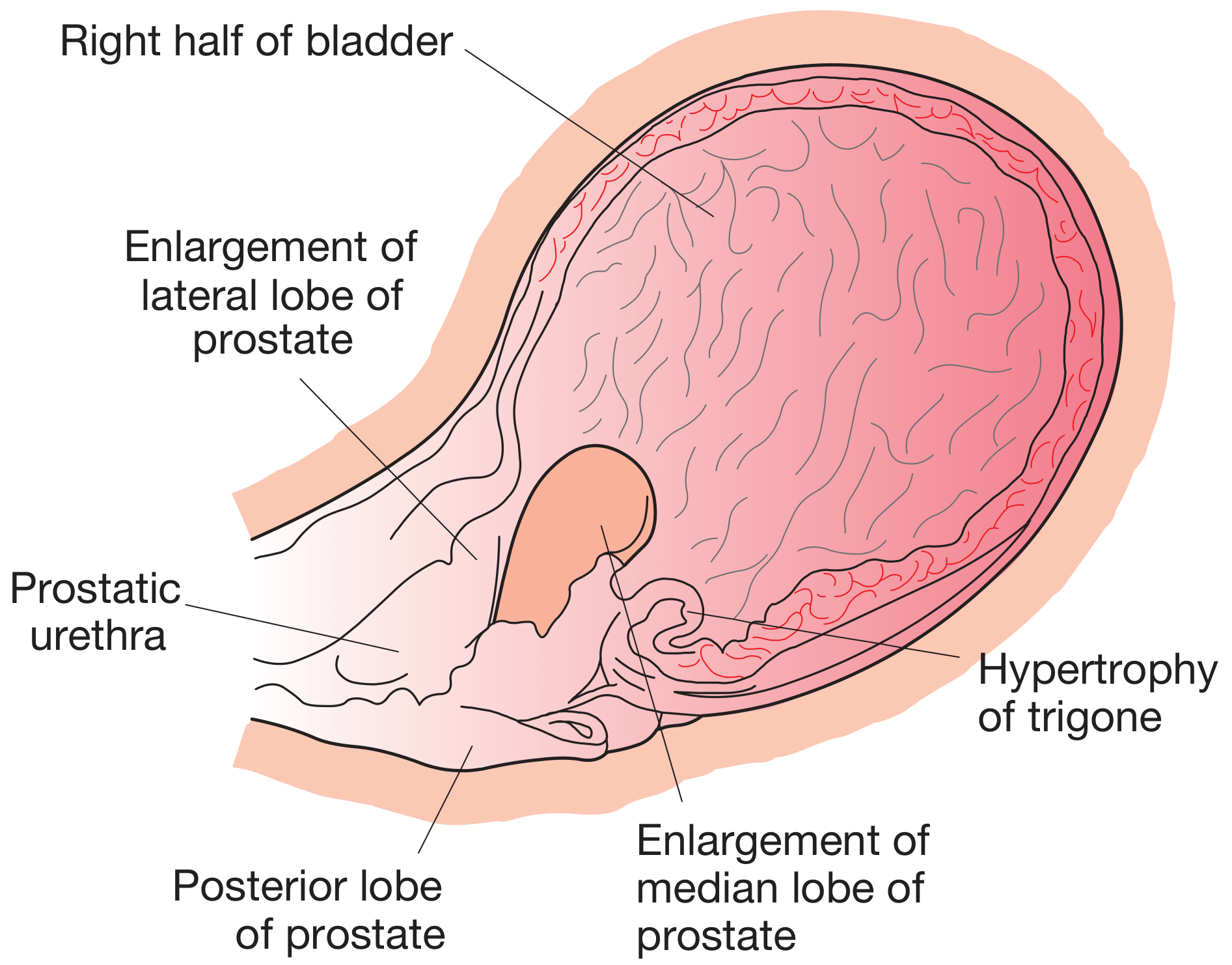
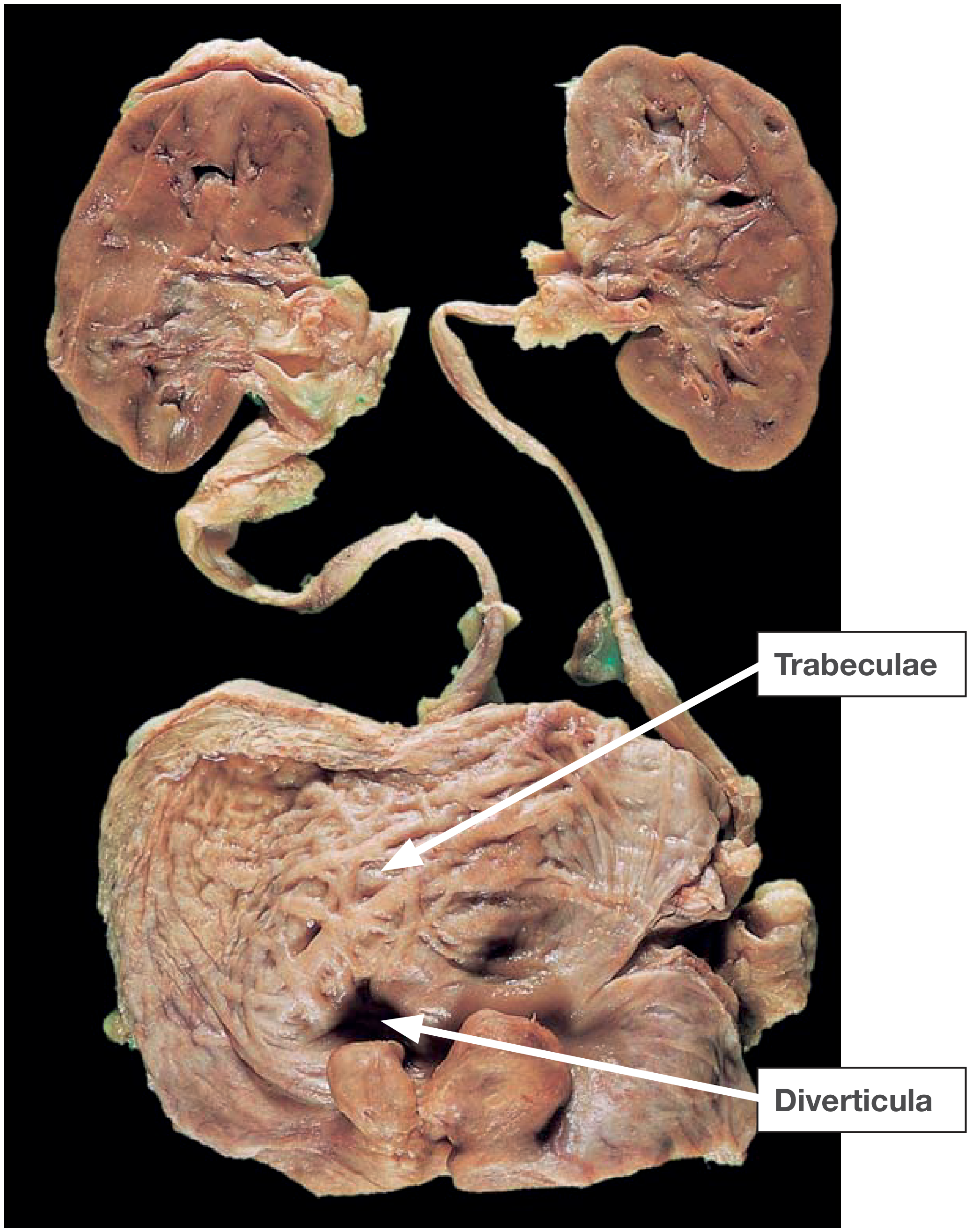
Full Comparison Table
| Feature | BPH | Prostate Cancer |
|---|---|---|
| Nature | Benign (non-neoplastic) glandular and stromal hyperplasia | Malignant (adenocarcinoma in 95%) |
| Zone of prostate | Transitional zone (periurethral) | Peripheral zone (posterior) |
| Age of onset | Usually >50 years; 50% of men at 60 have histological BPH | Usually >65 years; rare before 50 |
| Prevalence | Extremely common; almost universal with aging | Common; ~1 in 8 men in lifetime |
| Hormonal dependency | Requires androgens (DHT via 5-alpha reductase) | Androgen-dependent initially |
| PSA level | Mildly elevated (proportional to gland size) | Often markedly elevated; PSA velocity and density are key |
| Free PSA ratio | High free-to-total PSA ratio | Low free-to-total PSA ratio |
| DRE findings | Smooth, rubbery, symmetrically enlarged prostate | Hard, nodular, irregular, asymmetric gland - firm induration |
| Symptoms | Obstructive LUTS: hesitancy, weak/intermittent stream, straining, incomplete emptying, nocturia, frequency | Often asymptomatic early; LUTS appear late; bone pain in metastatic disease |
| Hematuria | Mild, from congested prostatic veins | Can occur; painless gross hematuria raises concern |
| Metastasis | Does NOT metastasize | Yes - bones (osteoblastic lesions in spine, pelvis, femur), lymph nodes |
| Bone pain | Absent | Present in advanced disease (most common mets = bone) |
| Gleason score | Not applicable | Graded by Gleason score (6-10); higher = worse prognosis |
| Serum ALP | Normal | Elevated in bone metastases |
| Serum acid phosphatase | Normal/slightly elevated | Elevated (older marker) |
| Diagnosis | Clinical (IPSS score, DRE, PSA, uroflowmetry, post-void residual) | Biopsy (TRUS-guided or MRI-targeted) is required |
| Histology | Hyperplastic glands and stroma; NO cytologic atypia | Malignant glands with loss of basal cell layer; cytologic atypia |
| Treatment | Watchful waiting, alpha-blockers (tamsulosin), 5-alpha reductase inhibitors (finasteride), TURP, laser prostatectomy | Active surveillance (low-risk), radical prostatectomy, radiation, ADT, chemotherapy |
| Curative potential | N/A - benign but can be managed effectively | Yes if caught in localized stage |
| Risk of urinary retention | High; acute urinary retention is a common complication | Less direct, but locally advanced tumors can obstruct |
| Long-term risks | Hydronephrosis, bladder diverticula, bladder stones, renal failure (from chronic obstruction) | Metastatic disease, castration-resistant prostate cancer, death |
Key Distinguishing Points in Practice
- DRE is the fastest bedside differentiator: BPH = smooth, rubbery, symmetrically enlarged; Prostate cancer = hard, nodular, irregular.
- PSA context matters: PSA > 10 ng/mL strongly favors cancer; PSA 4-10 ng/mL is the "gray zone" where free:total PSA ratio, PSA velocity, and biopsy are needed.
- Symptoms alone do NOT distinguish them - both cause LUTS; prostate cancer is often silent until advanced.
- Biopsy is the only definitive test for prostate cancer - TRUS-guided biopsy or mpMRI-targeted biopsy.
- Location matters: BPH affects the transitional zone (compresses the urethra from inside); cancer typically arises in the peripheral zone (felt posteriorly on DRE).
- Bone mets: osteoblastic bone metastases on bone scan are pathognomonic for prostate cancer, not seen in BPH.
Summary Quick Reference
| BPH | Prostate Cancer | |
|---|---|---|
| DRE | Smooth, rubbery, enlarged | Nodular, hard, irregular |
| PSA | Mildly elevated | Markedly elevated or rising |
| Free PSA | High | Low |
| Metastasis | No | Yes (bones, nodes) |
| Bone scan | Normal | Osteoblastic lesions |
| Treatment goal | Symptom relief | Cure or control |
-
UTI - Definition, pathogens, lower vs upper tract features, diagnosis, treatment (including pregnancy-specific management).
-
Hematuria - Gross vs microscopic, clinical significance (up to 25% signal cancer), pseudohematuria, localizing the source by stream timing and clot shape, evaluation protocol.
-
Urinary Catheterization - Types (intermittent, indwelling Foley, suprapubic), indications, technique tips, and complications (especially CAUTI).
-
Urinary Stones - Types (calcium oxalate most common; struvite/staghorn; uric acid; cystine), clinical features (renal colic), diagnosis (CT KUB gold standard), and management.
-
Prostate Cancer - Epidemiology, risk factors, Gleason grading, PSA screening, diagnosis, and treatment by stage.
-
Bladder Cancer - Epidemiology, risk factors (smoking #1), pathology (90% urothelial), symptoms (painless hematuria), diagnosis (cystoscopy + biopsy), and treatment by stage.
-
BPH vs Prostate Cancer (detailed) - A full side-by-side comparison covering zone of origin, DRE findings, PSA, symptoms, metastasis, histology, and treatment - with two clinical diagrams from Bailey and Love's Surgery.
Make OSCE cases on all this disease and which one is most possible asked in OSCE exam
most common OSCE exam questions urology UTI hematuria BPH prostate cancer bladder cancer
OSCE Cases - Urology & Genitourinary Medicine
🏆 OSCE Frequency Ranking (Most to Least Likely)
| Rank | Topic | Why It's Commonly Asked |
|---|---|---|
| 🥇 1 | UTI (especially in young woman / pregnant woman) | Most common urological condition; tests history, diagnosis AND management |
| 🥇 1 | BPH vs Prostate Cancer (elderly man with LUTS) | Classic OSCE differentials; DRE, PSA interpretation, counselling |
| 🥈 2 | Painless Hematuria (bladder cancer work-up) | "Red flag" presentation; tests investigation pathway |
| 🥈 2 | Renal/Ureteral Stone (renal colic) | Classic emergency presentation; tests diagnosis and management |
| 🥉 3 | Prostate Cancer (PSA counselling / staging) | Communication OSCE favourite; shared decision-making |
| 🥉 3 | Bladder Cancer (history + cystoscopy explanation) | Hematuria work-up; investigations |
| 4 | Urinary Catheterization (practical station) | Common practical skills station |
CASE 1 - UTI in a Young Woman ⭐⭐⭐ (HIGHEST YIELD)
Station Instructions (to student)
Simulated Patient Script
- Dysuria for 2 days (burning, stinging)
- Urinary frequency - going every 20-30 minutes
- Urgency - has to rush to the toilet
- Suprapubic discomfort
- No fever, no back/flank pain, no nausea/vomiting
- No vaginal discharge, no external burning (rules out vulvovaginitis)
- Sexually active, new partner 1 week ago
- Last menstrual period: 2 weeks ago, regular cycles
- Not pregnant
- No allergies
- No previous UTIs
- No medical history
Mark Scheme
| Task | Marks |
|---|---|
| Introduces self, gains consent | 1 |
| Asks about dysuria, frequency, urgency | 1 |
| Asks about fever, loin pain (rule out pyelonephritis) | 1 |
| Asks about vaginal discharge / external burning (differential) | 1 |
| Takes sexual history appropriately | 1 |
| Rules out pregnancy | 1 |
| Asks about previous UTIs, allergies | 1 |
| Orders urinalysis / dipstick test | 1 |
| Orders MSU (midstream urine) for culture and sensitivity | 1 |
| Correct diagnosis: uncomplicated lower UTI | 1 |
| Correct treatment: e.g. nitrofurantoin 100 mg BD x 5 days | 1 |
| Advises adequate fluid intake, analgesia | 1 |
| Safety net: return if symptoms worsen, fever, or don't improve in 48h | 1 |
Model Answer
- Urine dipstick: leucocytes + nitrites positive
- MSU for culture and sensitivity (before starting antibiotics if possible)
- Pregnancy test (urine hCG) - to exclude pregnancy before prescribing
- Nitrofurantoin 100 mg modified-release BD for 5 days (first-line)
- Alternative: trimethoprim 200 mg BD for 7 days (if local resistance < 20%)
- Adequate hydration (2L+ water daily)
- Analgesia: paracetamol for suprapubic discomfort
- Urethritis (chlamydia) - especially with new partner
- Vaginitis
- Interstitial cystitis
CASE 2 - UTI in Pregnancy ⭐⭐⭐ (HIGHEST YIELD)
Station Instructions
Key History Points
- Asymptomatic bacteriuria in pregnancy
- No dysuria, no frequency (no symptoms)
- First antenatal visit, 14 weeks pregnant
- No allergies, no previous UTIs in this pregnancy
Mark Scheme
| Task | Marks |
|---|---|
| Recognises this is asymptomatic bacteriuria | 2 |
| Explains risk: 30% will develop pyelonephritis if untreated | 1 |
| Orders MSU for culture | 1 |
| Treats appropriately: cephalexin 500mg BD x 7 days OR nitrofurantoin (avoid 3rd trimester) | 2 |
| Avoids TMP-SMX in 3rd trimester | 1 |
| Explains risk of preterm labour if untreated | 1 |
| Plans test-of-cure (repeat urine culture after treatment) | 1 |
| Safety net and follow-up | 1 |
Key Teaching Point
- 30% progress to pyelonephritis
- Risk of preterm labour and low birth weight
- USPSTF Grade A recommendation to screen at 12-16 weeks
CASE 3 - Elderly Man with LUTS: BPH vs Prostate Cancer ⭐⭐⭐ (HIGHEST YIELD)
Station Instructions
Simulated Patient Script
- Poor urinary stream, takes time to start
- Intermittent stream (stops and starts)
- Sensation of incomplete emptying
- Nocturia x3 per night (wakes up 3 times)
- No fever, no dysuria, no haematuria
- No bone pain, no weight loss
- No previous urological history
- Father had prostate cancer (age 74)
- Non-smoker, no medications
Investigation Results (shown to student)
| Test | Result | Normal |
|---|---|---|
| PSA | 12.5 ng/mL | < 4.0 ng/mL |
| Free PSA ratio | 8% | > 25% = BPH likely |
| Uroflowmetry | Peak flow 8 mL/s | Normal > 15 mL/s |
| Post-void residual | 180 mL | Normal < 50 mL |
| DRE finding | Hard, irregular nodule on right lobe | Normal = smooth, rubbery |
Mark Scheme
| Task | Marks |
|---|---|
| Systematic LUTS history (voiding + storage symptoms) | 2 |
| Asks about haematuria, bone pain, weight loss (red flags) | 1 |
| Asks family history (prostate cancer risk) | 1 |
| Interprets PSA as significantly elevated | 1 |
| Notes LOW free PSA ratio (< 25% suspicious for cancer) | 1 |
| Interprets DRE correctly as suspicious for cancer (hard, nodular) | 1 |
| Correct differential: prostate cancer > BPH | 1 |
| Orders: TRUS-guided biopsy OR mpMRI of prostate | 1 |
| Mentions bone scan + CT if cancer confirmed | 1 |
| Counsels patient sensitively about findings | 1 |
| Correct referral: urgent urology referral (2-week-wait) | 1 |
Model Answer
- PSA > 10 ng/mL
- Free:total PSA ratio of 8% (< 25% is suspicious)
- DRE: hard, irregular nodule
CASE 4 - Painless Hematuria in a 58-Year-Old Smoker ⭐⭐⭐ (HIGH YIELD)
Station Instructions
Simulated Patient Script
- Painless, total (entire stream) haematuria
- No clots passed
- No dysuria, no fever
- No flank pain
- Smoker: 30 pack-year history
- Occupational exposure: worked in chemical dye factory for 20 years
- No anticoagulants, no recent urological procedures
- No recent trauma
- Weight loss of 4 kg in 2 months
- No family history of urological cancers
Mark Scheme
| Task | Marks |
|---|---|
| Clarifies painless haematuria (key red flag feature) | 1 |
| Asks about clots and their shape | 1 |
| Asks smoking history | 1 |
| Asks occupational history (chemical/dye exposure) | 1 |
| Asks about medications (anticoagulants) | 1 |
| Asks systemic symptoms (weight loss = red flag) | 1 |
| Correct investigations: MSU, urine cytology, FBC, U&E, USS or CT urogram | 2 |
| Identifies cystoscopy + biopsy as definitive investigation | 1 |
| Correct diagnosis: bladder cancer until proven otherwise | 1 |
| Explains findings sensitively to patient | 1 |
| Urgent urology referral | 1 |
Model Answer
- Age > 50 + male gender
- Painless total haematuria
- Heavy smoking history (30 pack-years)
- Chemical dye industry exposure (aromatic amines)
- Weight loss
- Urine dipstick + MSU (exclude UTI first)
- Urine cytology (high specificity for high-grade TCC)
- FBC, U&E, creatinine
- CT urogram (upper tract + bladder)
- Cystoscopy + biopsy = gold standard
CASE 5 - Renal Colic ⭐⭐ (HIGH YIELD)
Station Instructions
Simulated Patient Script
- Sudden onset severe left loin-to-groin pain
- Colicky in nature (comes and goes in waves)
- Pain score 9/10
- Nausea and vomiting
- Cannot find a comfortable position (rolling around)
- Haematuria: pink-tinged urine today
- No fever, no rigors (not infected)
- Not pregnant
- Previous similar episode 2 years ago (passed a stone spontaneously)
- Drinks only 1 glass of water per day, lives in a hot climate
- No medications, no allergies
Mark Scheme
| Task | Marks |
|---|---|
| Correctly identifies loin-to-groin colicky pain | 1 |
| Asks about haematuria | 1 |
| Asks about fever (infected stone = emergency) | 1 |
| Asks about previous stones | 1 |
| Asks about fluid intake and diet | 1 |
| Orders: Urine dipstick (haematuria), urine pregnancy test (female), FBC, U&E, Ca, urate | 2 |
| Orders non-contrast CT KUB as gold standard imaging | 1 |
| Provides adequate analgesia: IV/IM diclofenac (NSAID) + opioid backup | 1 |
| Considers medical expulsive therapy: tamsulosin (alpha-blocker) | 1 |
| Knows when to escalate: fever + obstruction = emergency ureteroscopy + stent | 1 |
| Stone prevention advice | 1 |
Model Answer
- Urine dipstick: haematuria (90% of cases)
- Non-contrast CT KUB: gold standard (>95% sensitivity)
- FBC, U&E, calcium, uric acid, creatinine
- Urine culture (if febrile)
- Stone analysis if passed
- IV/IM diclofenac 75mg (NSAIDs are first-line for analgesia)
- IV morphine if NSAIDs insufficient
- IV hydration
- Tamsulosin 0.4 mg daily (alpha-blocker as medical expulsive therapy for stones < 10mm)
- Stones < 5 mm: 95% pass spontaneously
- Stones 5-10 mm: ureteroscopy or ESWL
- Stones > 10 mm or staghorn: PCNL
CASE 6 - Prostate Cancer Counselling / PSA Discussion ⭐⭐ (HIGH YIELD - COMMUNICATION STATION)
Station Instructions
Mark Scheme
| Task | Marks |
|---|---|
| Checks patient's identity and confirms he is ready to receive results | 1 |
| Explains what PSA is in lay terms | 1 |
| Explains PSA is elevated at 7.2 (normal < 4.0) and has risen from 3.1 | 1 |
| Explains PSA can be raised by BPH, prostatitis, or cancer | 1 |
| Notes the PSA velocity (rise from 3.1 to 7.2 in 1 year = significant) | 1 |
| Does NOT diagnose cancer (PSA alone is not diagnostic) | 1 |
| Explains need for further investigation: DRE + mpMRI + possible biopsy | 1 |
| Explains biopsy procedure simply (TRUS-guided or MRI-targeted) | 1 |
| Acknowledges patient's concerns/anxiety | 1 |
| Explains the range of outcomes and that many prostate cancers are slow-growing | 1 |
| Arranges urgent urology referral | 1 |
Key Phrases to Use
- "A raised PSA can be caused by several things - an enlarged prostate, inflammation, or in some cases a cancer. We need more tests to find out which is causing this."
- "This test on its own does not tell us you have cancer."
- "We are going to refer you to a specialist - a urologist - who will arrange a scan and possibly a biopsy of the prostate."
CASE 7 - Urinary Catheterization Practical Station ⭐⭐ (PRACTICAL SKILLS)
Station Instructions
Mark Scheme
| Step | Marks |
|---|---|
| Introduces self, checks patient identity | 1 |
| Explains procedure and gains verbal consent | 1 |
| Gathers equipment: catheter (14-16 Fr), catheter bag, sterile drape, cleaning solution, sterile gloves, 10mL syringe of sterile water, anaesthetic gel (lidocaine 2%) | 1 |
| Positions patient supine with legs flat | 1 |
| Washes hands, applies sterile gloves | 1 |
| Cleans glans penis with antiseptic, retracts foreskin | 1 |
| Applies anaesthetic gel into urethra, waits 3-5 minutes | 1 |
| Inserts catheter gently until urine flows freely | 1 |
| Inflates balloon with 10 mL sterile water ONLY AFTER urine drains freely | 1 |
| Gently retracts catheter until resistance felt (balloon at bladder neck) | 1 |
| Connects catheter to drainage bag | 1 |
| Replaces foreskin (prevents paraphimosis) | 1 |
| Documents size of catheter and residual volume | 1 |
| Disposes sharps safely | 1 |
Common Mistakes in OSCE
- ❌ Inflating the balloon before urine drains (causes urethral trauma)
- ❌ Forgetting to replace foreskin
- ❌ Not using anaesthetic gel (lidocaine) especially in men
- ❌ Incorrect catheter size (14-16 Fr standard; 12 Fr if urethral stricture suspected)
- ❌ Using a curved Coude tip for BPH without documentation
CASE 8 - Upper UTI / Pyelonephritis ⭐⭐ (HIGH YIELD)
Station Instructions
Simulated Patient Script
- Fever 38.9°C, rigors
- Right-sided loin/flank pain - constant ache
- Nausea and vomiting, unable to keep fluids down
- Dysuria and frequency started 5 days ago (lower UTI preceded upper UTI)
- No haematuria
- Sexually active, using contraceptive pill, not pregnant
- No previous UTIs
- No allergies
Mark Scheme
| Task | Marks |
|---|---|
| Identifies upper UTI / pyelonephritis correctly | 1 |
| Asks about antecedent lower UTI symptoms | 1 |
| Checks pregnancy status | 1 |
| Orders: MSU, blood cultures (if febrile/septic), FBC, CRP, U&E, creatinine | 2 |
| Imaging: renal ultrasound (to exclude abscess or obstruction) | 1 |
| IV access, IV fluids, antiemetics | 1 |
| IV ceftriaxone 1g daily (or IV ciprofloxacin) | 1 |
| Hospital admission | 1 |
| Step down to oral antibiotics when afebrile and tolerating fluids | 1 |
| Total antibiotic course: 10-14 days | 1 |
Overall OSCE Tips for These Topics
The "Spot Diagnosis" Clues to Memorize
| Clue in Stem | Think |
|---|---|
| Young woman + dysuria + frequency + no fever | Lower UTI / cystitis |
| Young woman + fever + loin pain + dysuria | Pyelonephritis |
| Pregnant woman + positive dipstick + NO symptoms | Asymptomatic bacteriuria - TREAT |
| Elderly man + LUTS + smooth rubbery prostate + PSA 3.5 | BPH |
| Elderly man + LUTS + hard nodular prostate + PSA > 10 + low free PSA | Prostate cancer |
| Middle-aged man + painless total haematuria + smoker | Bladder cancer until proven otherwise |
| Young adult + severe loin-to-groin pain + cannot keep still + haematuria | Renal colic / ureteral stone |
| 70-year-old man + unable to pass urine + distended bladder | Acute urinary retention (likely BPH) |
| Elderly man + haematuria + obstructive LUTS + bone pain + raised ALP | Metastatic prostate cancer |
What Examiners Are Looking For
- Red flag recognition: painless haematuria, weight loss, bone pain, PSA > 10 = urgent referral
- Differentiating BPH vs cancer: DRE findings + PSA + free PSA ratio
- Safe prescribing: correct antibiotic, correct dose, correct duration, check for contraindications (e.g. TMP-SMX in 3rd trimester pregnancy)
- Communication: breaking bad news, PSA counselling, explaining cystoscopy or biopsy
- Investigations in the right order: dipstick → MSU → imaging → endoscopy/biopsy
- Safety netting: always tell patients when to come back urgently
1.Renal colic lab test to order and treatment option
Renal Colic - Complete Lab Tests & Treatment Options
Pathophysiology (Quick Recap)
PART 1 - LABORATORY INVESTIGATIONS
A. Immediate / Emergency Labs (Every Patient with Renal Colic)
| Test | What You're Looking For | Clinical Significance |
|---|---|---|
| Urine dipstick | Haematuria (blood), leucocytes, nitrites | Blood in 90% of stone cases; leucocytes + nitrites = infection |
| Urine microscopy (MSU) | RBCs, WBCs, casts, bacteria, crystals | Confirms haematuria; crystal type hints at stone type |
| Urine culture | Bacterial growth + sensitivities | MANDATORY if fever present - infected obstruction = emergency |
| Urine pH | pH value | pH > 7.0 = struvite or urea-splitting bacteria; pH < 5.5 = uric acid stones |
| Serum creatinine + eGFR | Renal function | Obstruction can acutely impair function; baseline for monitoring |
| Serum electrolytes (Na, K, Cl, HCO₃) | Electrolyte balance | Especially if vomiting + dehydrated |
| FBC (Full Blood Count) | WBC count | Leukocytosis suggests infection; anaemia if haematuria severe |
| Serum calcium | Hypercalcaemia | High calcium → calcium stone formation (hyperparathyroidism, sarcoidosis) |
| Serum uric acid | Hyperuricaemia | Elevated in gout → uric acid stones |
| CRP / ESR | Inflammatory markers | Elevated if associated infection; helps assess sepsis severity |
| Coagulation screen (INR/PT) | Bleeding risk | Before any interventional procedure |
| Pregnancy test (urine βhCG) | Pregnancy | MANDATORY in all women of childbearing age before CT scan |
B. Extended / Metabolic Workup (For Recurrent Stones, First Stone in Young Patient, Bilateral Stones, Family History)
This is done after the acute episode resolves, on the patient's normal outpatient diet. Do NOT collect 24-hour urine during the acute hospitalization.
| Test | What You're Looking For |
|---|---|
| Serum PTH (parathyroid hormone) | Primary hyperparathyroidism → hypercalciuria → calcium stones |
| Serum phosphate | Low in hyperparathyroidism |
| Serum magnesium | Low magnesium reduces citrate excretion |
| Serum vitamin D (25-OH) | Excessive vitamin D → hypercalcaemia → calcium stones |
| Thyroid function (TFTs) | Hyperthyroidism can cause hypercalciuria |
| Passed stone analysis | Definitive stone type - guides prevention |
24-Hour Urine Collection (Comprehensive Stone Screen)
| Urine Finding | Implication | Stone Type |
|---|---|---|
| High calcium (> 200 mg/day) | Hypercalciuria | Calcium oxalate/phosphate |
| Low citrate | Hypocitraturia | Calcium oxalate |
| High oxalate | Hyperoxaluria | Calcium oxalate |
| High uric acid | Hyperuricosuria | Uric acid or calcium oxalate |
| Low volume (< 1.5 L/day) | Concentrated urine | All stone types |
| High cystine | Cystinuria (genetic) | Cystine stones |
| Alkaline pH (>7) + ammonia | Urease-producing bacteria | Struvite stones |
C. Crystal Morphology on Urine Microscopy (Quick Reference)
| Crystal Type | Appearance | Stone Type |
|---|---|---|
| Envelope / dumbbell shaped | Calcium oxalate dihydrate | Calcium oxalate |
| Coffin lid shaped | Struvite (triple phosphate) | Struvite / infection stones |
| Rhomboid / needle shaped | Uric acid | Uric acid |
| Hexagonal | Cystine | Cystine |
PART 2 - IMAGING
| Modality | Details | When to Use |
|---|---|---|
| Non-contrast CT KUB (NCCT) | Gold standard - sensitivity 94-100%, specificity 92-99%. Detects all stone types including radiolucent uric acid stones. Can detect stones as small as 1 mm. Determines stone density (Hounsfield units - guides ESWL suitability) | First-line in adults with acute renal colic |
| Ultrasound (USS) | Safe, no radiation. Detects hydronephrosis and stones > 3 mm. Cannot reliably see ureteral stones directly | First-line in pregnancy and children; bedside triage |
| Plain X-ray KUB | Detects radiopaque stones (calcium, struvite, cystine). Misses radiolucent uric acid stones. Sensitivity 59%, specificity 71% | Follow-up of known radiopaque stones; NOT for diagnosis |
| IVP (Intravenous pyelogram) | Historic gold standard. Provides anatomic detail of collecting system | Now largely replaced by NCCT; used pre-operatively for mapping |
| MRI Urography | No radiation; limited stone detection but shows obstruction well | Pregnancy when USS inadequate |
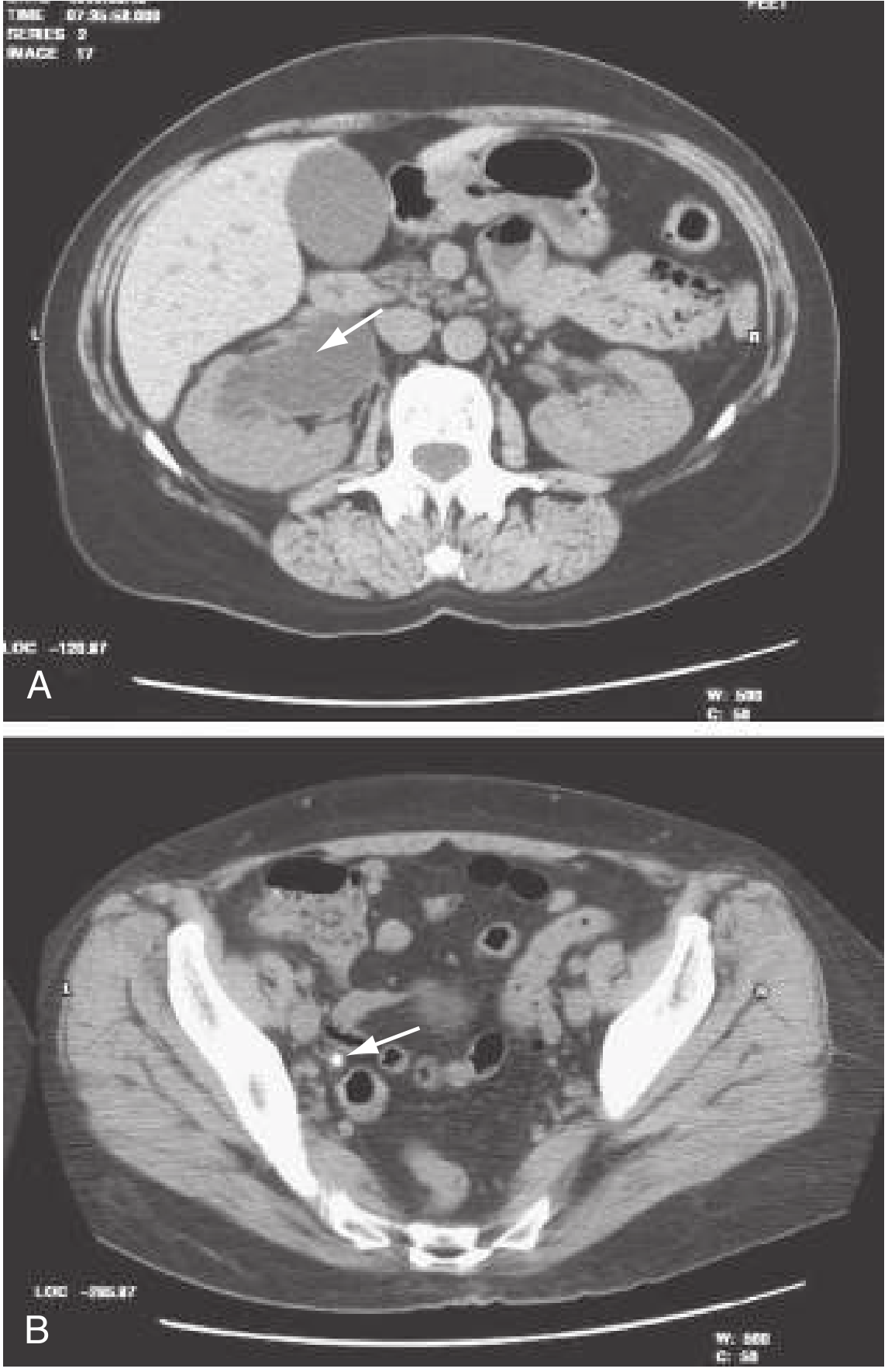
PART 3 - TREATMENT OPTIONS
Step 1: Acute Pain Management (IMMEDIATE PRIORITY)
The first priority is adequate analgesia.
1. NSAIDs - FIRST LINE
| Drug | Dose | Route |
|---|---|---|
| Ketorolac | 30 mg IV | IV (rapid onset) |
| Diclofenac | 75 mg IM | IM injection |
| Ibuprofen | 400-600 mg | Oral (mild cases) |
2. Opioids - SECOND LINE / ADJUNCT
| Drug | Dose | Route |
|---|---|---|
| Morphine | 0.1 mg/kg IV | IV titrated |
| Fentanyl | 1-2 μg/kg IV | IV (fastest onset) |
| Codeine/Tramadol | Standard doses | Oral (mild-moderate) |
3. Antiemetics (for nausea/vomiting)
| Drug | Dose | Route |
|---|---|---|
| Ondansetron | 4 mg IV | IV |
| Metoclopramide | 10 mg IV | IV |
| Cyclizine | 50 mg IM | IM |
4. IV Hydration
- Give IV fluids if patient cannot tolerate oral intake.
- Note: There is NO evidence that aggressive high-volume IV fluid therapy speeds stone passage or improves outcomes - give enough to maintain hydration only.
Step 2: Medical Expulsive Therapy (MET) - To Help Stone Pass
Alpha-1 Blockers - RECOMMENDED for distal ureteral stones < 10 mm
| Drug | Dose | Evidence |
|---|---|---|
| Tamsulosin | 0.4 mg orally once daily | Most studied; Cochrane review (67 studies, 10,509 patients) confirms efficacy |
| Alfuzosin | 10 mg orally once daily | Alternative alpha-blocker |
Step 3: Watchful Waiting / Observation (Conservative Management)
Spontaneous Passage Rates by Stone Size
| Stone Size | Spontaneous Passage Rate |
|---|---|
| < 4 mm | ~55% - high; most pass spontaneously |
| 4-6 mm | ~35% |
| > 6 mm | ~8% - unlikely to pass |
Spontaneous Passage Rates by Location
| Location | Spontaneous Passage Rate |
|---|---|
| Proximal ureter | 12% |
| Mid ureter | 22% |
| Distal ureter | 45% (most likely to pass) |
- Adequate pain control
- No infection
- No significant obstruction
- Normal or preserved renal function on the affected side
Step 4: Surgical / Interventional Treatment (When Conservative Fails)
Indications for Intervention
- Stone > 10 mm (unlikely to pass spontaneously)
- Failure to pass after 4-6 weeks observation
- Intractable pain not controlled by analgesia
- Persistent vomiting / unable to maintain hydration
- Impaired or solitary kidney with obstruction
- Infection + obstruction = UROLOGIC EMERGENCY (see below)
- Bilateral ureteral obstruction
Interventional Options
1. Ureteroscopy (URS) + Laser Lithotripsy
- Flexible ureteroscope passed up the urethra → bladder → ureter
- Holmium-YAG laser fragments the stone
- Basket extraction of fragments
- Used for stones in ureter or kidney < 2 cm
- Stone-free rate HIGHER than ESWL and lower retreatment rate
- A JJ stent may be left post-procedure to keep the ureter open
2. Extracorporeal Shock Wave Lithotripsy (ESWL)
- Focused high-energy shock waves directed at the stone from outside the body
- Fragments the stone into smaller pieces that pass spontaneously
- Used for stones < 2 cm in kidney or proximal ureter
- Non-invasive; done under sedation/anaesthesia
- Stone density on CT (Hounsfield units) predicts ESWL success - harder stones (e.g. calcium oxalate monohydrate, cystine) respond poorly
- Lower stone-free rate than ureteroscopy but less invasive
3. Percutaneous Nephrolithotomy (PCNL)
- A tract is dilated from skin directly into the renal collecting system
- Stone removed directly through the tract
- Used for stones > 2 cm, staghorn calculi, ESWL-refractory stones, multiple stones, hard stones
- Most invasive of the three but most effective for large stones
- Risk: bleeding, infection, urine leak
Comparison of Interventional Methods
| Method | Stone Size | Location | Stone-free Rate | Invasiveness |
|---|---|---|---|---|
| ESWL | < 2 cm | Kidney / proximal ureter | Moderate | Non-invasive |
| Ureteroscopy + laser | < 2 cm | Any part of ureter or kidney | High (better than ESWL) | Minimally invasive |
| PCNL | > 2 cm / staghorn | Kidney | Highest | Invasive (percutaneous) |
| Open surgery | Any | Any | Highest | Major surgery (last resort) |
Step 5: EMERGENCY - Infected Obstructed Stone (Sepsis + Obstruction)
This is the most dangerous scenario in urolithiasis - a true urologic emergency.
Recognition
- Fever + loin pain + signs of sepsis (tachycardia, hypotension, rigors)
- CT showing stone + hydronephrosis
- Positive urine culture or leukocytosis
Management (IMMEDIATE)
- IV broad-spectrum antibiotics: Ceftriaxone 1 g IV (or piperacillin-tazobactam if septic)
- IV fluid resuscitation
- Urgent urologic consultation
- Emergency drainage - either:
- Ureteral stent (JJ stent placed cystoscopically) OR
- Percutaneous nephrostomy (nephrostomy tube placed radiologically under USS/fluoroscopy)
- Definitive stone treatment (ureteroscopy or PCNL) is deferred until infection is treated and patient is stabilized
⚠️ Do NOT attempt to remove the stone in an infected system - drain first, treat later.
Step 6: Stone-Specific Prevention (Long-Term Treatment)
| Stone Type | Prevention Strategy |
|---|---|
| Calcium oxalate | High fluid intake (> 2.5 L/day); low sodium diet (< 2.3 g/day); low animal protein; normal dietary calcium (do NOT restrict); thiazide diuretics if hypercalciuria; potassium citrate if hypocitraturia; avoid spinach/rhubarb if hyperoxaluria |
| Uric acid | Urinary alkalinization with potassium citrate (target urine pH 6-6.5); low protein diet; allopurinol or febuxostat if hyperuricosuria |
| Struvite | Surgical removal (PCNL); treat underlying infection; monthly urine cultures; acetohydroxamic acid (urease inhibitor) |
| Cystine | High fluid intake (3.5-5 L/day including overnight); sodium restriction; urinary alkalinization to pH 7.0-7.5; tiopronin (breaks disulfide bonds) |
Summary Algorithm
RENAL COLIC
│
├── IMMEDIATE: Analgesia (IV NSAID ± opioid) + Antiemetic + IV fluids
│
├── IMAGING: Non-contrast CT KUB (gold standard)
│           Ultrasound in pregnancy/children
│
├── LABS: Dipstick → MSU/culture → Creatinine → FBC → Ca/Urate → βhCG
│
├── Stone < 10mm + No infection + Pain controlled
│   └── CONSERVATIVE: MET (Tamsulosin 0.4mg/day) + analgesia x 4-6 weeks
│       ├── Passed → Strain urine, send stone for analysis
│       └── Not passed → Ureteroscopy or ESWL
│
├── Stone > 10mm or failed conservative → ESWL / Ureteroscopy / PCNL
│
└── FEVER + OBSTRUCTION = EMERGENCY
    └── IV antibiotics + Urgent ureteral stent OR nephrostomy
Pregnant women pain in the back with fever and dysuria what is happening and next step management
Pregnant Woman with Back Pain + Fever + Dysuria
What Is Happening?
- Fever (>38.5°C)
- Back/flank pain (costovertebral angle tenderness)
- Dysuria (lower urinary tract symptoms preceding the upper tract infection)
This is one of the most serious medical complications of pregnancy and a common cause of septic shock in pregnant women.
Why Is Pregnancy a Special Risk?
| Factor | Effect |
|---|---|
| Progesterone | Relaxes ureteral smooth muscle → impairs ureteral peristalsis → urine stasis |
| Uterine compression | Physically compresses ureters (especially RIGHT ureter due to dextrorotation of uterus) → hydronephrosis → urinary stasis |
| Alkaline urine | Increased bicarbonate excretion raises urinary pH → favors bacterial growth |
| Glycosuria | Common in pregnancy → glucose in urine feeds bacteria |
| Increased estrogen | Accelerates growth of uropathogenic E. coli strains |
| Bladder pressure | Incomplete emptying → residual urine → bacterial colonization |
Causative Organisms
| Organism | Frequency |
|---|---|
| Escherichia coli | 70-80% (dominant) |
| Klebsiella pneumoniae | ~7% |
| Staphylococcus aureus | ~7% |
| Proteus mirabilis | ~2% |
| Group B Streptococcus (GBS) | ~10% |
| Enterobacter species | Small % |
Why This Starts as Dysuria (Lower Tract Infection)
- Up to 30% of pregnant women with untreated asymptomatic bacteriuria develop pyelonephritis
- Treating bacteriuria early is a USPSTF Grade A recommendation
Dangerous Complications in Pregnancy (Why This Must Be Treated Aggressively)
| Complication | Details |
|---|---|
| Septic shock | Pyelonephritis is one of the most common causes of septic shock in pregnancy |
| ARDS (Acute Respiratory Distress Syndrome) | Occurs in 2-8%; cytokine-mediated capillary injury → pulmonary edema → hypoxia |
| Hemolytic anaemia | Endotoxin-mediated RBC destruction |
| Acute renal dysfunction | Occurs in ~7-20%; usually transient but serious |
| Disseminated Intravascular Coagulation (DIC) | Rare but life-threatening |
| Preterm labour | Cytokines stimulate uterine contractions - pyelonephritis is one of the most important identifiable causes of preterm labour |
| Fetal risk | Hyperthermia is teratogenic (especially 1st trimester); preterm birth; low birth weight |
⚠️ ARDS predictors: Heart rate >110/min, temperature ≥103°F in first 24 hours, use of ampicillin alone, tocolytic use, fluid overload. Watch for tachypnea and oxygen desaturation.
Next Step Management
Step 1: Immediate Assessment
Clinical Examination
- Vital signs: Temperature, HR, BP, RR, SpO₂ (pulse oximetry mandatory)
- Costovertebral angle (CVA) tenderness: Punch/percussion tenderness over the flank = hallmark of pyelonephritis
- Abdominal examination: Uterine fundal height, uterine irritability/contractions
- Assess hydration status: Dry mucous membranes, skin turgor, urine output
Step 2: Investigations
Urine Tests (MANDATORY)
| Test | Purpose |
|---|---|
| Urine dipstick | Leucocytes, nitrites, blood - rapid screening |
| Urinalysis + microscopy (MSU) | Pyuria (>5 WBC/hpf); WBC casts are HIGHLY predictive of pyelonephritis; bacteria; RBCs |
| Urine culture + sensitivity | Identifies organism and antibiotic sensitivities; guides therapy; COLLECT BEFORE antibiotics |
Blood Tests
| Test | Purpose |
|---|---|
| FBC (Full Blood Count) | Leukocytosis confirms infection; anaemia from haemolysis |
| Serum Creatinine + eGFR | Renal function baseline; impairment in 7-20% |
| Electrolytes (Na, K, HCO₃) | Dehydration, acid-base disturbance from vomiting |
| CRP / ESR | Severity of inflammatory response |
| Blood cultures | If: high fever, signs of severe sepsis, no response to initial therapy, immunosuppressed |
| Serum urea | Renal function |
| LFTs | Differential (cholecystitis, hepatitis can mimic) |
| Coagulation screen | If sepsis / DIC suspected |
| Blood glucose | Diabetic ketoacidosis can mimic; diabetes is a risk factor |
Imaging
| Test | Purpose |
|---|---|
| Renal ultrasound (USS) | First-line imaging in pregnancy (no radiation). Detects hydronephrosis, perinephric abscess, stones. Physiologic ureteral dilation is normal in pregnancy - do not over-interpret |
| Chest X-ray | If dyspnoea, tachypnoea, SpO₂ dropping → rule out ARDS / pulmonary oedema |
| Arterial Blood Gas (ABG) | If respiratory symptoms → assess hypoxaemia, acidosis |
CT scan: Avoid in pregnancy unless absolutely necessary (radiation risk). Ultrasound is preferred.
Obstetric Monitoring (≥24 weeks gestation)
- CTG (Cardiotocography): Monitor fetal heart rate and uterine activity
- Uterine contractions in pyelonephritis are common and can progress to preterm labour
Step 3: Hospitalisation Decision
| Admit to Hospital | Outpatient Possible |
|---|---|
| Second half of pregnancy (≥20 weeks) - almost always admit | First half of pregnancy, only if mildly ill |
| High fever | Low-grade fever |
| Nausea and vomiting | No vomiting, tolerating oral fluids |
| Signs of sepsis | Normal/near-normal WBC |
| Dehydration | No comorbidities |
| No response to initial observation | Expected to be compliant with oral antibiotics |
| Immunocompromised, diabetic | No uterine irritability |
General rule: Most pregnant women with acute pyelonephritis should be hospitalised for at least 12-24 hours of observation even if initially mild. This is because of the risk of rapid deterioration, preterm labour, and ARDS.
Step 4: Treatment
A. IV Fluid Resuscitation (CRITICAL)
- Start isotonic crystalloid (Normal saline or Hartmann's solution) IV
- Target urine output: 30-50 mL/hour or more
- Aggressive hydration reduces renal dysfunction rate from 20% → 7%
- ⚠️ Balance fluid carefully: Over-hydration risks pulmonary oedema especially with associated capillary injury → monitor SpO₂ throughout
B. Antibiotic Therapy
Parenteral (IV) Regimens - For Moderate to Severe Disease
| Drug | Dose | Notes |
|---|---|---|
| Ceftriaxone ✅ FIRST LINE | 1-2 g IV every 24 hours | Broad spectrum; covers all major uropathogens except Enterococcus; preferred because E. coli resistance to ampicillin is high |
| Cefotaxime | 1-2 g IV every 8 hours | Alternative cephalosporin |
| Cefepime | 2 g IV every 8 hours | Extended spectrum; if resistant organisms suspected |
| Piperacillin-tazobactam | 3.75 g IV every 6-8 hours | For severe sepsis or resistant organisms |
| Ampicillin + Gentamicin | Ampicillin 2 g IV q6h + Gentamicin 5 mg/kg IV q24h | Combination for critically ill; use aminoglycosides with caution (nephrotoxicity + fetal ototoxicity) |
| Aztreonam | 1-2 g IV every 8-12 hours | Use INSTEAD of gentamicin if renal dysfunction present |
| Ampicillin-sulbactam | 1.5 g IV every 6 hours | If enterococcal infection suspected |
❌ Avoid: Fluoroquinolones (ciprofloxacin, levofloxacin) - contraindicated in pregnancy (cartilage toxicity) ❌ Avoid: TMP-SMX in first trimester (folate antagonism → neural tube defects) and third trimester (kernicterus risk) ❌ Avoid: Aminoglycosides as first choice (nephrotoxicity, fetal VIII nerve damage) ❌ Avoid: Ampicillin alone - high E. coli resistance rates
Oral (Outpatient) Regimens - Step-Down or Mild Cases
| Drug | Dose | Duration |
|---|---|---|
| Amoxicillin-clavulanate ✅ | 875/125 mg twice daily | 10-14 days |
| Cephalexin | 500 mg four times daily | 10-14 days |
| TMP-SMX DS | 1 tablet twice daily | 10-14 days (avoid 1st and 3rd trimester) |
| Amoxicillin | 500 mg three times daily | 10-14 days (check local resistance) |
C. Antipyretic Therapy
- Paracetamol (acetaminophen) 1 g orally/IV every 6-8 hours
- Use cooling blanket if very high fever
- Important: Reduce fever promptly because:
- Hyperthermia is teratogenic (especially in first trimester)
- Increases fetal metabolic demands
- Drives uterine contractions
❌ Avoid NSAIDs (ibuprofen, diclofenac) in pregnancy - cause premature closure of ductus arteriosus (especially third trimester)
D. Monitoring During Admission
| Parameter | Frequency |
|---|---|
| Vital signs (Temp, HR, BP, RR) | Every 4 hours |
| Pulse oximetry (SpO₂) | Continuous or every 4 hours |
| Urine output | Hourly (catheterise if necessary) |
| Fetal heart rate + uterine contractions (CTG) | Every 4-8 hours at ≥24 weeks |
| Repeat FBC + creatinine | After 48 hours if not improving |
| Repeat urine culture | 1 week after treatment to confirm clearance |
E. If No Improvement After 48-72 Hours
- Suspect: urinary obstruction, resistant organism, perinephric/renal abscess
- Repeat renal ultrasound or consider MRI (non-radiation alternative to CT in pregnancy)
- Review culture sensitivities and adjust antibiotics accordingly
- Urology and nephrology consultation
F. Preterm Labour Management
- Rehydrate first (contractions may resolve with hydration)
- If contractions persist → tocolysis:
- Nifedipine (calcium channel blocker) - first choice tocolytic
- Indomethacin (NSAID) - usable before 32 weeks
- ⚠️ Use tocolytics cautiously in sepsis due to synergistic cardiovascular effects (vasodilation + sepsis = risk of severe hypotension)
- ⚠️ Magnesium sulphate: Caution in severe sepsis (cardiovascular interactions)
Step 5: After Recovery - Prevention of Recurrence
- Test of cure: Repeat urine culture 1 week after completing antibiotics and again monthly throughout pregnancy
- Suppressive antibiotic therapy for the rest of pregnancy if recurrent UTI:
- Nitrofurantoin 50-100 mg at night (avoid near term - third trimester)
- Cephalexin 125-250 mg at night
- Encourage high fluid intake (>2 L/day)
- Regular antenatal attendance and urine screening at every visit
Summary Flowchart
Pregnant woman + Fever + Back/flank pain + Dysuria
│
▼
DIAGNOSIS: Acute Pyelonephritis in Pregnancy
│
▼
IMMEDIATE STEPS
├── Vital signs (HR, BP, Temp, RR, SpO₂)
├── Urine dipstick → MSU for C&S (before antibiotics)
├── FBC, creatinine, electrolytes, CRP
├── Blood cultures (if septic)
├── Renal USS (not CT)
└── CTG if ≥24 weeks
│
▼
IV Fluid Resuscitation (target UO >30 mL/hr)
+
IV Ceftriaxone 1-2 g daily (first-line)
+
Paracetamol (fever reduction)
+
Antiemetics
│
▼
Hospital admission (12-24 hours minimum)
Continuous SpO₂ monitoring (ARDS risk)
Fetal monitoring (preterm labour risk)
│
▼
Afebrile + stable for 24-48h?
├── YES → Step down to oral antibiotics → discharge
│         Complete 10-14 day course
│         Repeat urine culture in 1 week
└── NO → Renal USS for abscess/obstruction
          Review antibiotic sensitivities
          Urology consultation
70 yr old drunk man with urine retention what is the next step ,what we see in diagnostic test and what are the tactic
70-Year-Old Intoxicated Man with Urinary Retention
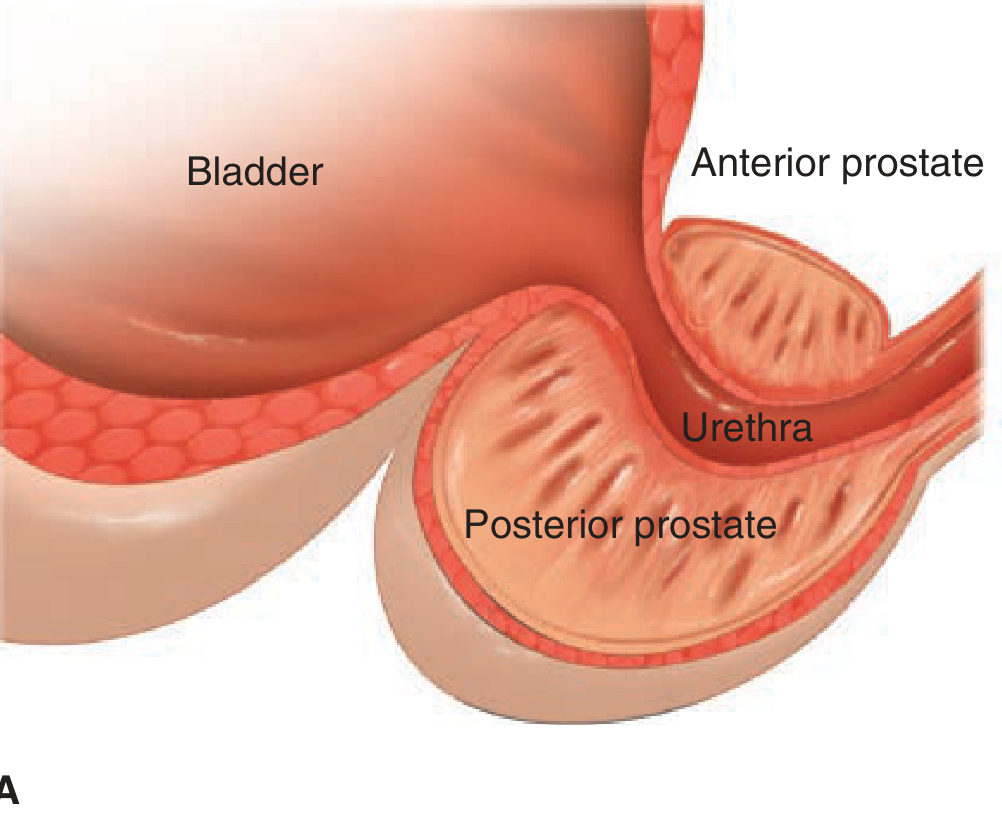
What Is Happening? (Clinical Diagnosis)
Why Alcohol Caused/Precipitated This
| Mechanism | Explanation |
|---|---|
| Diuretic effect | Alcohol inhibits ADH (antidiuretic hormone) → rapid diuresis → rapid bladder filling → overdistension |
| Bladder overdistension | Severely overfilled bladder → detrusor muscle overstretched → loses contractile force → cannot generate enough pressure to overcome prostatic obstruction |
| CNS depression | Blunts the urge to void → patient ignores filling signals until retention is complete |
| Alpha-adrenergic stimulation | Alcohol can increase sympathetic tone → increased urethral and prostatic smooth muscle tone → raised outflow resistance |
| Dehydration | Paradoxically, post-alcohol dehydration reduces effective voiding |
| Sedation | Reduced mobility and awareness of bladder fullness |
BPH is present in 80% of men in their 70s. AUR occurs in 10% of men in their 70s and up to 33% of men in their 80s. Alcohol, bed rest, medications (anticholinergics, opioids, antihistamines), constipation, and surgery are classic precipitating triggers.
Two Types of AUR - Important Clinical Distinction
| Type | Definition | Prognosis |
|---|---|---|
| Spontaneous AUR | No identifiable trigger; natural progression of BPH | 75% will eventually need surgery; 15% have recurrent AUR |
| Precipitated AUR | Triggered by alcohol, drugs, anaesthesia, UTI, overdistension | Better prognosis; only 9% have spontaneous AUR later; only 26% need surgery |
Key Clinical Features
- Suprapubic pain (often severe - "cannot pass urine despite desperate urge")
- Distended bladder palpable above the pubic symphysis (dull to percussion)
- Restlessness and distress
- No urine output for hours despite feeling urgently full
- Overflow incontinence may occur in chronic/painless retention (dribbling small amounts despite full bladder)
- Note: Intoxicated patients may be less aware of pain - the bladder may be enormous before presentation
⚠️ A distended palpable bladder above the umbilicus = large volume retention (often >500 mL, sometimes >1-2 litres). If untreated → acute renal failure from back-pressure.
PART 1: Diagnostic Tests
A. Bedside / Immediate Assessment
| Test | Purpose | What to Expect |
|---|---|---|
| Bladder ultrasound / Bladder scanner | Confirms urinary retention; measures retained volume | Retention confirmed if > 300 mL (often > 600-800 mL in acute retention) |
| Renal USS | Assess for hydronephrosis (upper tract obstruction if chronic) | May show bilateral hydronephrosis if long-standing |
| Post-void residual (PVR) | After draining by catheter - measured with bladder scan | Normal < 50 mL; >200 mL = significant retention |
B. Urine Tests
| Test | Purpose | What to Expect |
|---|---|---|
| Urine dipstick | Blood (haematuria), leucocytes, nitrites | May have haematuria from congested prostatic veins; leucocytes if UTI coexists |
| MSU (Midstream urine culture) | Exclude/detect UTI - common in retained urine | Possible growth of E. coli or gram-negatives if retention has been prolonged |
| Urine cytology | If haematuria present - bladder cancer screen | Can be done later as outpatient |
C. Blood Tests
| Test | Purpose | What to Expect |
|---|---|---|
| Serum creatinine + eGFR | Assess renal function - back-pressure from chronic retention may cause AKI | May be elevated if chronic retention present |
| Serum electrolytes (Na, K, HCO₃) | Electrolyte balance; post-obstructive diuresis can cause electrolyte shifts | Monitor closely after catheter placed |
| FBC | WBC for infection; Hb for anaemia (haematuria) | Leukocytosis if UTI/infection |
| PSA (Prostate-Specific Antigen) | Screen for prostate cancer underlying the obstruction | Note: PSA is FALSELY elevated in AUR and instrumentation - wait 4-6 weeks after catheterisation before interpreting PSA reliably |
| Serum glucose | Diabetic neuropathy can cause retention | Check in elderly |
| Blood alcohol level | Confirms intoxication; guides timing of TWOC | Document for clinical decision-making |
| Coagulation (INR/PT) | If haematuria present or surgery planned | Alcoholic patients may have coagulopathy from liver disease |
| LFTs | Alcohol-related liver disease assessment | Chronic alcohol use → cirrhosis |
| Blood culture | If fever present alongside retention | Retention + fever = possible infected obstruction |
⚠️ Important: In chronic painless retention (often seen with neurogenic bladder or slowly progressive BPH), renal failure can be present at presentation without the patient being aware. Always check creatinine.
D. Imaging
| Modality | Purpose | Finding |
|---|---|---|
| Bladder ultrasound | Volume measurement; confirm retention | Distended bladder, large PVR |
| Renal USS | Hydronephrosis, renal size, perinephric abnormality | Bilateral hydronephrosis if chronic obstruction |
| TRUS (Transrectal Ultrasound) | Measure prostate volume accurately | Enlarged prostate (>30 mL increases AUR risk) |
| X-ray KUB | Bladder stones, calcification | Phleboliths vs stones |
| CT scan | If carcinoma, obstruction from other causes suspected | Not routine first-line |
E. After Stabilisation - Further BPH Work-Up
| Test | Purpose |
|---|---|
| IPSS (International Prostate Symptom Score) | Quantify severity of LUTS; guides treatment decision |
| Uroflowmetry | Measure peak urine flow rate; < 10 mL/sec = significant obstruction |
| Pressure-flow urodynamic study | Gold standard for confirming BOO if surgery planned |
| Flexible cystoscopy | If haematuria, suspected urethral stricture, or before TURP |
| DRE (Digital Rectal Examination) | Assess prostate size, consistency - smooth/rubbery = BPH; hard/nodular = cancer |
| PSA (4-6 weeks post-catheter) | Rule out prostate cancer as cause of obstruction |
PART 2: Immediate Next Steps (Management Tactics)
STEP 1: IMMEDIATE - Catheterisation (RELIEVE RETENTION NOW)
This is the first and most urgent step - do NOT delay while waiting for test results.
Urethral Catheterisation
| Detail | What to Do |
|---|---|
| Catheter type | Coude (curved-tip) catheter - PREFERRED in men with BPH. The curved tip negotiates the angulation of the prostatic urethra |
| Size | Use 18-20 Fr (larger = stiffer = pushes through prostatic urethra rather than curling; do NOT use small catheter for BPH) |
| Technique | Coude tip always at 12 o'clock position during insertion |
| Anaesthetic gel | Instil lidocaine 2% gel, wait 3-5 minutes before inserting catheter |
| Confirm placement | Free flow of urine before inflating balloon |
| Balloon | Inflate with 10 mL sterile water only after urine flows freely |
| Measure and record | Volume of urine drained - this has prognostic and monitoring significance |
If Urethral Catheterisation Fails
| Scenario | Action |
|---|---|
| Resistance at prostate (BPH) | Use larger Coude catheter; try 20-22 Fr |
| Resistance near meatus (stricture) | Use smaller 12-14 Fr catheter for urethral stricture |
| Still fails | Urological consultation for: cystoscope + guidewire + dilators (Seldinger technique) OR suprapubic catheter |
| Suprapubic catheter (SPC) | Inserted 2 fingerbreadths above pubic symphysis under USS guidance; used if urethral route impossible |
STEP 2: MONITOR DRAINAGE - Beware Post-Obstructive Diuresis
Post-Obstructive Diuresis (POD)
- Mechanism: After relieving back-pressure, kidneys suddenly excrete the accumulated solutes (urea, sodium, water) - urine output can be 200-500 mL/hour
- Risk: Rapid fluid/electrolyte loss → hyponatraemia, hypokalaemia, hypomagnesaemia, dehydration, hypotension
- Management:
- Hourly urine output monitoring
- IV fluid replacement if urine output > 200 mL/hour (replace ~50-75% of output with normal saline or Hartmann's)
- Serial electrolytes every 4-6 hours until diuresis settles
- Do NOT clamp the catheter periodically - no evidence this prevents POD or haematuria
⚠️ If >3 litres drained at catheterisation: admit and monitor for POD.
STEP 3: ADDRESS THE ALCOHOL + ACUTE ISSUES
| Task | Action |
|---|---|
| Alcohol intoxication | Keep patient safe, fall prevention, aspiration risk if vomiting |
| IV access + fluids | If dehydrated from alcohol + urinary retention |
| Blood glucose | Hypoglycaemia risk in alcoholics |
| Thiamine (B1) | Wernicke's encephalopathy prevention in chronic alcoholic - IV Pabrinex before IV glucose |
| Treat infection | If UTI confirmed: appropriate antibiotics (e.g. co-amoxiclav or nitrofurantoin) |
| Antiemetics | If nausea/vomiting from alcohol + pain |
STEP 4: START ALPHA-BLOCKER THERAPY (Before TWOC)
| Drug | Dose | Mechanism |
|---|---|---|
| Tamsulosin (first choice) | 0.4 mg orally once daily | Alpha-1 receptor blocker → relaxes smooth muscle in prostate, urethra, and bladder neck → reduces outflow resistance |
| Alfuzosin | 10 mg orally once daily | Alternative |
| Silodosin | 8 mg orally once daily | Highly selective alpha-1A blocker |
❌ Do NOT start 5-alpha reductase inhibitors (finasteride, dutasteride) acutely - they take 3-6 months to reduce prostate size and have no benefit in the short term.
STEP 5: TWOC - Trial Without Catheter (3-5 Days Later)
What Is TWOC?
- Remove the catheter after 3-5 days (median 5 days in clinical practice)
- Patient attempts to void spontaneously
- Check post-void residual with bladder scanner after voiding attempt
TWOC Success Rates
| Outcome | Rate |
|---|---|
| Successful voiding on first TWOC | ~61% |
| Fail first TWOC → second attempt success | ~29.5% |
| Fail second → third attempt success | ~26.4% |
| Up to 3 TWOCs can be attempted before recommending surgery |
Factors Predicting TWOC Failure
- Age > 70 (this patient's age!)
- Large volume drained at catheterisation (≥ 1 litre)
- Severe LUTS (high IPSS score)
- Spontaneous AUR (vs precipitated - alcohol is precipitated, which is better)
- Large prostate volume
TWOC Options After Catheter Removal
- Bladder scanner check: If post-void residual > 200 mL → another episode of AUR likely → repeat TWOC or consider surgery
- Clean Intermittent Self-Catheterisation (CISC): Patient catheterises himself every 4-6 hours; reduces infection risk vs indwelling catheter; preferred by urologists but patients are often reluctant
STEP 6: DEFINITIVE MANAGEMENT OF UNDERLYING BPH
Medical (Long-Term BPH Management)
| Drug Class | Drug | Effect |
|---|---|---|
| Alpha-blockers | Tamsulosin, alfuzosin, doxazosin | Relax prostate/urethral smooth muscle; fast acting (days) |
| 5-Alpha reductase inhibitors | Finasteride, dutasteride | Shrink prostate; reduce AUR risk by 50% long-term; take 3-6 months |
| Combination | Tamsulosin + dutasteride (CombAT trial) | Superior to monotherapy in men with large prostates; reduces AUR and surgery risk |
| PDE-5 inhibitors | Tadalafil 5 mg daily | If LUTS + erectile dysfunction coexist |
| Antimuscarinics + alpha-blocker | For mixed storage + voiding symptoms | Caution - can worsen retention if used alone |
Surgical (When Medical Fails / TWOC Fails)
| Procedure | Indication | Notes |
|---|---|---|
| TURP (Transurethral Resection of Prostate) | Gold standard for BPH surgery | Removes obstructing prostatic tissue endoscopically; curative |
| Laser prostatectomy (HoLEP, PVP) | Alternative to TURP; less bleeding | Good for anticoagulated patients |
| Bipolar TURP | Reduces risk of TUR syndrome vs monopolar | Modern alternative |
| Open prostatectomy | Very large prostate (>80-100 mL) | Rarely needed |
| Urethral stent | Unfit for surgery (high anaesthetic risk) | Temporary measure |
STEP 7: COUNSEL + ADDRESS ALCOHOL
- Alcohol is a clear precipitating factor - counsel about reducing/stopping alcohol
- Address alcohol dependence if chronic (AUDIT score, CAGE questionnaire)
- Alcohol causes: diuresis (bladder overdistension) + sympathetic tone increase + CNS sedation - triple mechanism for AUR
Summary Algorithm
70yr old drunk man + unable to void + distended bladder
│
▼
DIAGNOSIS: Acute Urinary Retention (AUR)
Most likely cause: BPH + precipitated by alcohol
│
▼
STEP 1: IMMEDIATE → Urethral catheterisation
        • Coude catheter (18-20 Fr) for BPH
        • Lidocaine gel first
        • Record volume drained
        • Fails? → Suprapubic catheter / urology consult
│
▼
STEP 2: MONITOR → Post-obstructive diuresis
        • Hourly urine output
        • IV fluids if UO >200 mL/hr
        • Electrolytes q4-6h
        • Creatinine baseline
│
▼
STEP 3: BLOODS + URINE
        • Creatinine, eGFR, electrolytes, FBC
        • Urine dipstick + MSU
        • PSA (note: interpret 4-6 weeks post-catheter)
        • Renal USS (hydronephrosis?)
        • DRE (prostate assessment)
│
▼
STEP 4: Start TAMSULOSIN 0.4mg daily
        (increases TWOC success rate)
│
▼
STEP 5: TWOC at 3-5 days
        61% success → discharge on tamsulosin
        Fail → repeat (up to 3 attempts)
        All fail → TURP or laser prostatectomy
│
▼
STEP 6: Address ALCOHOL (precipitating factor)
        Counsel / refer to addiction services
Fever sometimes in past few days hematuria And difficulty in urine young women in er what should be done
Young Woman in ER: Fever + Hematuria + Difficulty Urinating (Past Few Days)
First - What Is the Clinical Picture Telling You?
| Priority | Diagnosis | Why |
|---|---|---|
| 🥇 Most likely | Acute Pyelonephritis (upper UTI) | Fever + dysuria + hematuria lasting days; lower UTI has ascended to kidneys |
| 🥈 Very possible | Haemorrhagic Cystitis (severe lower UTI) | Dysuria + visible hematuria + fever from intense bladder inflammation |
| 🥉 Must not miss | IgA Nephropathy (Berger Disease) | Young patient + hematuria after recent infection + fever; glomerular cause |
| ⚠️ Consider | Urinary Tract Stone + UTI | Can cause all three symptoms; fever = infected obstruction = emergency |
| ⚠️ Consider | STI (Chlamydia/Gonorrhoea + urethritis) | Young woman + dysuria; mimics UTI |
| ⚠️ Exclude | Ectopic pregnancy / pelvic inflammatory disease | Fever + pelvic pain in young woman |
Step 1: Immediate Assessment in the ER
Rapid ABC + Triage
| Parameter | Red Flag Values | Significance |
|---|---|---|
| Temperature | > 38.5°C (high fever) | Systemic infection / sepsis |
| Heart rate | > 100 bpm | Sepsis, dehydration |
| Blood pressure | < 90/60 mmHg | Septic shock |
| Respiratory rate | > 20/min | Possible ARDS (if septic) |
| SpO₂ | < 95% | Pulmonary involvement |
| GCS / mental status | Confused, drowsy | Urosepsis |
⚠️ If she is tachycardic + hypotensive + febrile = sepsis → immediate IV access, blood cultures, IV antibiotics within 1 hour (Sepsis 6 protocol)
Step 2: Focused History (Key Questions)
About the Hematuria
- Is it visible (gross) or only found on dipstick (microscopic)?
- Is it the whole stream, initial, or terminal?
- Are there clots? What shape? (Worm-shaped = upper tract; cuboid = bladder)
- Is it painless or painful?
About the Dysuria / Voiding Difficulty
- Burning on urination? (cystitis/urethritis)
- Urgency, frequency?
- Inability to void / incomplete emptying?
- Suprapubic pain or cramping?
About the Fever
- How high? Gradual or sudden onset?
- Any rigors (shaking chills)? → Strongly suggests bacteraemia/sepsis
- Loin/flank pain? (upper UTI)
- Costovertebral angle pain?
Background History
- Last menstrual period - MANDATORY (exclude pregnancy)
- Sexual history - multiple partners, new partner, unprotected sex → STI risk
- Previous UTIs - recurrent UTI history?
- Recent upper respiratory tract infection → IgA nephropathy trigger
- Medications: analgesics, cyclophosphamide (drug causes haemorrhagic cystitis)
- Family history: renal disease, deafness → Alport syndrome
- Rash, joint pain, oral ulcers → Lupus nephritis (SLE)
- Trauma - any recent injury?
- Contraception - diaphragm use increases UTI risk
Step 3: Physical Examination
| Examination | What to Look For | Significance |
|---|---|---|
| Vitals | Temperature, HR, BP, RR, SpO₂ | Assess severity / sepsis |
| Abdominal exam | Suprapubic tenderness | Cystitis |
| Flank / loin exam | Costovertebral angle (CVA) tenderness - punch test | Pathognomonic for pyelonephritis |
| Pelvic exam | Vaginal discharge, cervical excitation tenderness | STI / PID |
| Skin | Rash, purpura | SLE, IgA nephropathy (Henoch-Schönlein), vasculitis |
| Joints | Swelling, tenderness | SLE, reactive arthritis |
| Eyes | Periorbital oedema | Nephrotic syndrome |
| Throat | Pharyngitis / tonsillitis | Recent URTI → post-infectious GN or IgA nephropathy trigger |
| Bimanual pelvic exam | Uterine / adnexal tenderness | PID, ectopic pregnancy |
Step 4: Investigations
Urine Tests (MOST IMPORTANT - Order Immediately)
| Test | Purpose | What to Expect / Look For |
|---|---|---|
| Urine dipstick | Fast screen - blood, leucocytes, nitrites, protein, glucose | Blood + leucocytes + nitrites = UTI; Blood + protein = glomerular disease |
| Urine microscopy (MSU) | Characterise RBCs - KEY test | Round RBCs = urological source (UTI, stone, tumour); Dysmorphic RBCs + RBC casts = glomerular disease (IgA nephropathy, GN) |
| Urine culture + sensitivity | Identify organism; guide antibiotic choice | COLLECT BEFORE starting antibiotics |
| Urine protein (dipstick or PCR/ACR) | Quantify proteinuria | Significant proteinuria (2-3+) = glomerular disease → nephrology referral |
| Urine pH | Clue to stone type if renal colic suspected | - |
| Urine pregnancy test (βhCG) | MANDATORY in any woman of childbearing age | Excludes ectopic pregnancy; changes management if positive |
| STI swabs | Chlamydia / gonorrhoea | If sexual history positive or pelvic exam abnormal |
Microscopy Decision Tree
Urine microscopy result
│
├── Dysmorphic RBCs + RBC casts + proteinuria
│   → GLOMERULAR DISEASE (IgA nephropathy, GN, SLE, Goodpasture)
│   → Nephrology referral + further serology
│
├── Round (non-dysmorphic) RBCs + WBCs + bacteria
│   → INFECTION (cystitis / pyelonephritis)
│   → Urine culture + antibiotics
│
└── Round RBCs only (no WBCs, no bacteria)
    → STRUCTURAL/UROLOGICAL cause (stone, tumour, trauma)
    → CT KUB + urology
Blood Tests
| Test | Purpose | Clinical Relevance |
|---|---|---|
| FBC (Full Blood Count) | WBC count, Hb, platelets | Leukocytosis → infection; anaemia → chronic haematuria; thrombocytopaenia → SLE/TTP |
| CRP / ESR | Systemic inflammation marker | Elevated in infection, GN, SLE |
| Serum creatinine + eGFR | Renal function | Impaired → upper tract disease or glomerulonephritis |
| Serum electrolytes | Na, K, HCO₃ | Electrolyte disturbance with renal impairment |
| Urine protein:creatinine ratio (PCR) or 24h urine protein | Quantify proteinuria | > 0.3 = significant → glomerular work-up |
| Blood cultures x2 | If systemic sepsis / high fever / rigors | Bacteraemia in pyelonephritis; guide IV antibiotic choice |
| Serum LDH + haptoglobin | Haemolytic anaemia | If HUS/TTP suspected (Escherichia coli O157:H7) |
| Serology (if glomerular disease suspected) | ANA, anti-dsDNA (SLE); ANCA (vasculitis); anti-GBM (Goodpasture); ASO titre (post-strep); complement C3/C4; IgA level | Target based on clinical clues |
| Coagulation screen (PT/INR) | Bleeding diathesis | Could contribute to haematuria if coagulopathic |
| βhCG (blood) | Confirm/exclude pregnancy | If urine test equivocal |
Imaging
| Test | When to Use | What to Look For |
|---|---|---|
| Renal ultrasound (USS) | First-line in ER | Hydronephrosis, renal stones, renal size, echogenicity (GN = echogenic kidneys), perinephric collection/abscess |
| CT KUB (non-contrast) | If renal stone suspected (loin-to-groin pain, colicky) | Stone location and size, degree of obstruction |
| Pelvic USS | If PID or ectopic pregnancy suspected | Adnexal mass, free fluid, tubo-ovarian abscess |
| Chest X-ray | If fever + respiratory symptoms | Pulmonary involvement (Goodpasture = pulmonary haemorrhage; septic emboli) |
Step 5: Working Diagnosis Framework
Scenario A: Urine = WBCs + bacteria + round RBCs, CVA tenderness, HIGH fever (38.5°C+), rigors
- Admit to hospital (young woman with fever, hematuria, and days of symptoms = not mild)
- IV access + blood cultures + urine culture (before antibiotics)
- IV ceftriaxone 1 g daily - first-line (broad spectrum, covers E. coli; ampicillin resistance is high)
- IV fluid resuscitation - maintain urine output > 30 mL/hour
- IV paracetamol for fever and pain
- IV antiemetics (ondansetron 4 mg IV) if nausea
- Renal USS - exclude abscess or obstruction
- Monitor: vitals, urine output, temperature chart, creatinine
- Step down to oral antibiotics when afebrile for 24-48 hours
- Total antibiotic course: 10-14 days (co-amoxiclav, ciprofloxacin, or TMP-SMX oral - guided by culture sensitivities)
- Repeat urine culture 1 week after completing antibiotics
Scenario B: Urine = WBCs + bacteria + round RBCs, SUPRAPUBIC pain, LOW fever, no CVA tenderness
- Oral antibiotics if no systemic toxicity:
- Nitrofurantoin 100 mg BD x 5 days (first-line)
- Trimethoprim 200 mg BD x 7 days (if local resistance < 20%)
- Co-amoxiclav 625 mg TDS x 7 days (if above not suitable)
- High fluid intake (> 2 L/day) to flush bladder
- Analgesia: paracetamol; phenazopyridine (bladder analgesic) if available
- Repeat urine culture in 48 hours if not improving
- If no improvement after 48h → IV antibiotics + re-evaluate for upper tract involvement
Scenario C: Dysmorphic RBCs + RBC casts + significant proteinuria, recent URTI, young patient
- Young patient (15-35 years, male predominance but occurs in women)
- Haematuria appearing 24-72 hours after a sore throat or upper respiratory infection ("synpharyngitic haematuria")
- Low-grade fever
- Cola/brown coloured urine (not bright red)
- No or minimal oedema
- Possible mild proteinuria
- Nephrology referral
- Serology: IgA levels, complement C3/C4, ANA, anti-dsDNA, ANCA, ASO titre
- 24-hour urine protein / urine PCR
- Monitor BP (hypertension worsens prognosis)
- Renal USS
- Renal biopsy is required for definitive diagnosis (shows IgA + IgG deposits in mesangial cells on immunofluorescence)
- No curative treatment; ACE inhibitors for proteinuria; steroids in selected cases
- Most patients maintain stable renal function; ~25% develop renal insufficiency over decades
Scenario D: Positive βhCG (pregnant) + above symptoms
- Admit immediately
- IV ceftriaxone + IV fluids + obstetric consultation
- Monitor fetal heart rate if ≥ 24 weeks
- Avoid NSAIDs, fluoroquinolones, TMP-SMX in 3rd trimester
- Full management as per pyelonephritis in pregnancy protocol
Scenario E: Vaginal discharge + cervical excitation + fever + dysuria
- Send: endocervical swab for gonorrhoea culture + NAAT for chlamydia
- Urine NAAT for chlamydia/gonorrhoea
- Treat empirically: Ceftriaxone 500 mg IM (single dose) + azithromycin 1 g oral (single dose) or doxycycline 100 mg BD x 14 days for chlamydia
- Contact tracing
Step 6: Red Flags That Change the Urgency
| Red Flag | Concern | Action |
|---|---|---|
| Loin pain + fever + CVA tenderness | Pyelonephritis | Admit + IV antibiotics |
| Rigors (shaking chills) | Bacteraemia / sepsis | Blood cultures + IV antibiotics within 1 hour |
| Hypotension or tachycardia | Septic shock | ICU / HDU level care |
| Dysmorphic RBCs + casts + proteinuria | Glomerulonephritis | Nephrology urgently |
| Positive pregnancy test | Pregnancy complication | Obstetrics involved |
| Adnexal mass / free fluid on USS | Ectopic pregnancy / TOA | Surgical emergency |
| Haematuria + weight loss + smoking history | Malignancy | Urology outpatient; CT urogram; cystoscopy |
| Oliguria / anuria + rising creatinine | Acute Kidney Injury | Nephrology urgent |
Summary: ER Management Algorithm
Young woman + Fever (past few days) + Hematuria + Dysuria
│
▼
IMMEDIATE
├── Vitals + sepsis screen
├── IV access if febrile/tachycardic
├── Urine dipstick + MSU (BEFORE antibiotics)
├── βhCG (mandatory)
└── Pelvic exam ± STI swabs if indicated
│
▼
BLOOD TESTS
FBC, CRP, creatinine, electrolytes, blood cultures (if febrile)
│
▼
URINE MICROSCOPY (KEY DECISION POINT)
│
├── Round RBCs + WBCs + bacteria
│   → UTI/Pyelonephritis
│   → Urine culture + antibiotics
│   ├── CVA tenderness + high fever → ADMIT + IV ceftriaxone
│   └── Suprapubic only + mild → Oral nitrofurantoin, discharge
│
├── Dysmorphic RBCs + RBC casts + proteinuria
│   → Glomerulonephritis (IgA, SLE, post-infectious)
│   → Nephrology referral + serology + renal USS
│   └── Consider renal biopsy
│
└── Round RBCs only (no infection)
    → Structural (stone, tumour)
    → Renal USS / CT KUB
    → Urology referral
Quick Reference - Common Diagnoses at a Glance
| Feature | Cystitis | Pyelonephritis | IgA Nephropathy |
|---|---|---|---|
| Fever | Low/absent | High (38.5°C+) | Low-grade |
| Flank pain | No | Yes (CVA tender) | No/mild |
| Dysuria | Prominent | Present | Mild |
| Hematuria | Common | Common | Cola-coloured |
| RBC morphology | Round | Round | Dysmorphic |
| RBC casts | No | No | Yes |
| Proteinuria | Mild | Mild | Significant |
| Trigger | None / sex | Preceding UTI | Recent URTI |
| Management | Oral antibiotics | IV antibiotics + admit | Nephrology referral |
Intermediate pain in left testes what is the next step and management
Intermittent Left Testicular Pain - Full Clinical Guide
Why "Intermittent" Is the Key Word
"Patients with intermittent testicular pain should be referred for elective orchidopexy, as such patients with intermittent torsion are at risk for acute complete testicular torsion." - Tintinalli's Emergency Medicine
Differential Diagnosis - Ranked by Priority
| Priority | Diagnosis | Key Feature |
|---|---|---|
| 🥇 MUST NOT MISS | Intermittent Testicular Torsion | Sudden, severe pain that resolves spontaneously; recurrent episodes |
| 🥇 MUST NOT MISS | Testicular Cancer | Painless or dull ache + hard nodule on testis; age 15-35 yrs |
| 🥈 Very Common | Epididymo-orchitis | Gradual onset; dysuria; fever; tender epididymis; STI or UTI cause |
| 🥈 Very Common | Varicocele | Left-sided "bag of worms"; dull ache; worse standing; infertility |
| 🥉 Common | Appendage Torsion (Torsion of appendix testis) | Prepubertal; localised upper pole pain; "blue dot sign" |
| 4 | Hydrocele | Painless swelling; transilluminates; secondary to infection/tumour |
| 4 | Inguinal Hernia | Reducible groin mass extending to scrotum |
| 5 | Referred pain | Ureteral stone, lumbar disc, aortic aneurysm radiating to testis |
| 5 | Chronic orchalgia / idiopathic | Diagnosis of exclusion; pain > 3 months, no cause found |
The Critical Time-Sensitive Concern: Testicular Torsion
What Happens in Torsion
Salvage Rates vs Time - THE MOST IMPORTANT TABLE
| Time from Symptom Onset | Testicular Salvage Rate |
|---|---|
| < 6 hours | >95% - excellent |
| 6 - 12 hours | ~50% |
| 12 - 24 hours | ~10-20% |
| > 24 hours | Near zero |
| > 48 hours | Near 0% - orchiectomy almost certain |
⏰ Testicular torsion is a surgical emergency. Every minute counts.
Why Intermittent History Is So Significant
Step 1: Immediate History Taking
Key Questions to Ask
| Question | Reason |
|---|---|
| How long has this been happening? | Acute (<6 hrs) = emergency; intermittent = elective surgery needed |
| Is the pain sudden or gradual? | Sudden = torsion; gradual = epididymitis/varicocele |
| Does the pain resolve completely between episodes? | Yes = intermittent torsion until proven otherwise |
| Are there nausea or vomiting? | Strongly suggests testicular torsion |
| Any dysuria, urethral discharge, fever? | Suggests epididymitis / STI |
| Any groin/lower abdominal pain? | Can be referred from torsion or stone |
| Does pain worsen standing, improve lying down? | Varicocele (worsens with standing/Valsalva) |
| Any testicular mass or heaviness noticed? | Testicular cancer |
| Recent trauma? | Can precipitate torsion; also think haematoma |
| Sexual history (new partners, unprotected sex)? | STI-related epididymitis |
| Age? | Torsion peaks 12-18 yrs; epididymitis peaks 20-35 yrs; cancer 15-35 yrs; varicocele commonly in adolescents/young adults |
| Previous similar episodes? | Recurrent = intermittent torsion |
| Any fertility concerns? | Varicocele + subfertility |
Step 2: Physical Examination
Systematic Scrotal Examination
| Examination | Normal Finding | Abnormal Finding | Significance |
|---|---|---|---|
| Inspection | Symmetric, no swelling | Hemiscrotal swelling, erythema, skin changes | Torsion, epididymo-orchitis |
| Position of testis | Vertical lie, normal height | High-riding testis, transverse (horizontal) lie | Testicular torsion |
| Palpation of testis | Smooth, firm, non-tender | Hard nodule = cancer; diffuse tender = torsion/orchitis | Critical finding |
| Palpation of epididymis | Soft ridge posterolaterally | Isolated epididymal tenderness | Epididymitis |
| Cremasteric reflex | Present bilaterally (stroking inner thigh → testis elevates) | Absent on ipsilateral side = strong suggestion of torsion | Key sign |
| Prehn's sign | - | Pain relief on elevating testis = epididymitis (positive Prehn); no relief = torsion | Unreliable - do NOT use alone |
| Transillumination | Opaque testis | Lights up = hydrocele or spermatocele | |
| Valsalva manoeuvre (standing) | Normal veins | "Bag of worms" feeling/sound on Valsalva | Varicocele |
| Blue dot sign | Absent | Blue spot at upper pole of testis seen through skin | Appendage torsion (pathognomonic but rarely seen) |
Step 3: The TWIST Score - Use This in Practice
| Finding | Points |
|---|---|
| Testicular swelling | 2 |
| Hard testicle on palpation | 2 |
| Absent cremasteric reflex | 1 |
| Nausea or vomiting | 1 |
| High-riding testis | 1 |
| Maximum total | 7 |
| Score | Risk Category | Action |
|---|---|---|
| ≥ 5 | High risk | Immediate surgical exploration - do NOT wait for imaging |
| 3 - 4 | Intermediate risk | Urgent Doppler USS then surgery if positive |
| ≤ 2 | Low risk | USS; consider alternative diagnoses |
Step 4: Investigations
Imaging - Scrotal Doppler Ultrasound (PRIMARY INVESTIGATION)
| Diagnosis | Doppler USS Finding |
|---|---|
| Testicular torsion | Absent or reduced intratesticular blood flow on affected side; enlarged testis |
| Intermittent torsion (pain-free interval) | May be NORMAL - does NOT exclude diagnosis |
| Epididymitis | Increased blood flow to epididymis; epididymal enlargement; reactive hydrocele |
| Epididymo-orchitis | Increased flow to both epididymis and testis |
| Varicocele | Dilated spermatic veins > 3 mm; augmented by Valsalva |
| Appendage torsion | Normal testicular flow; small avascular nodule at upper pole |
| Testicular cancer | Intratesticular hypoechoic mass with increased vascularity |
| Hydrocele | Fluid surrounding testis (anechoic); testis normal |
⚠️ Critical point: If clinical suspicion for torsion is HIGH (TWIST ≥5) and USS is not immediately available, do NOT delay surgery to get USS. Perform immediate surgical exploration.
⚠️ Partial torsion may show falsely reassuring blood flow in an ischaemic testis. Normal USS does not exclude intermittent torsion.
Blood and Urine Tests
| Test | Purpose | What to Look For |
|---|---|---|
| Urine dipstick + MSU | Exclude UTI causing referred pain; pyuria in epididymitis | WBCs in ~50% of epididymitis; normal in torsion |
| Urethral swab / NAAT | Chlamydia, gonorrhoea (STI screen) | Positive in sexually-transmitted epididymitis |
| FBC | Infection markers | Leukocytosis in epididymo-orchitis; normal in torsion |
| CRP | Systemic inflammation | Elevated in infection |
| Serum βhCG + AFP + LDH | Tumour markers | Elevated in germ cell tumours (testicular cancer) |
| Serum testosterone / FSH / LH | If varicocele + infertility concern | Assess hormonal axis |
Step 5: Management by Diagnosis
A. Intermittent Testicular Torsion - URGENT ELECTIVE ORCHIDOPEXY
- Explain to patient the risk - the next episode may be a complete torsion with irreversible infarction if he does not have surgery
- Urgent urological referral for elective bilateral orchidopexy (scrotal fixation)
- Counsel patient: seek emergency care IMMEDIATELY if pain recurs and does not resolve within 1 hour
- No specific medical treatment; analgesia for acute pain episodes
- Surgery: scrotal incision → testis fixed to dartos fascia with 3 non-absorbable sutures (medial, lateral, inferior) on both sides (because bell-clapper deformity is bilateral)
B. Acute Complete Testicular Torsion - SURGICAL EMERGENCY
Step 1: Immediate Analgesia
- IV morphine 0.1 mg/kg or IV fentanyl 1-2 mcg/kg
- Antiemetics (ondansetron 4 mg IV)
Step 2: Manual Detorsion (Temporising Measure - While Awaiting Theatre)
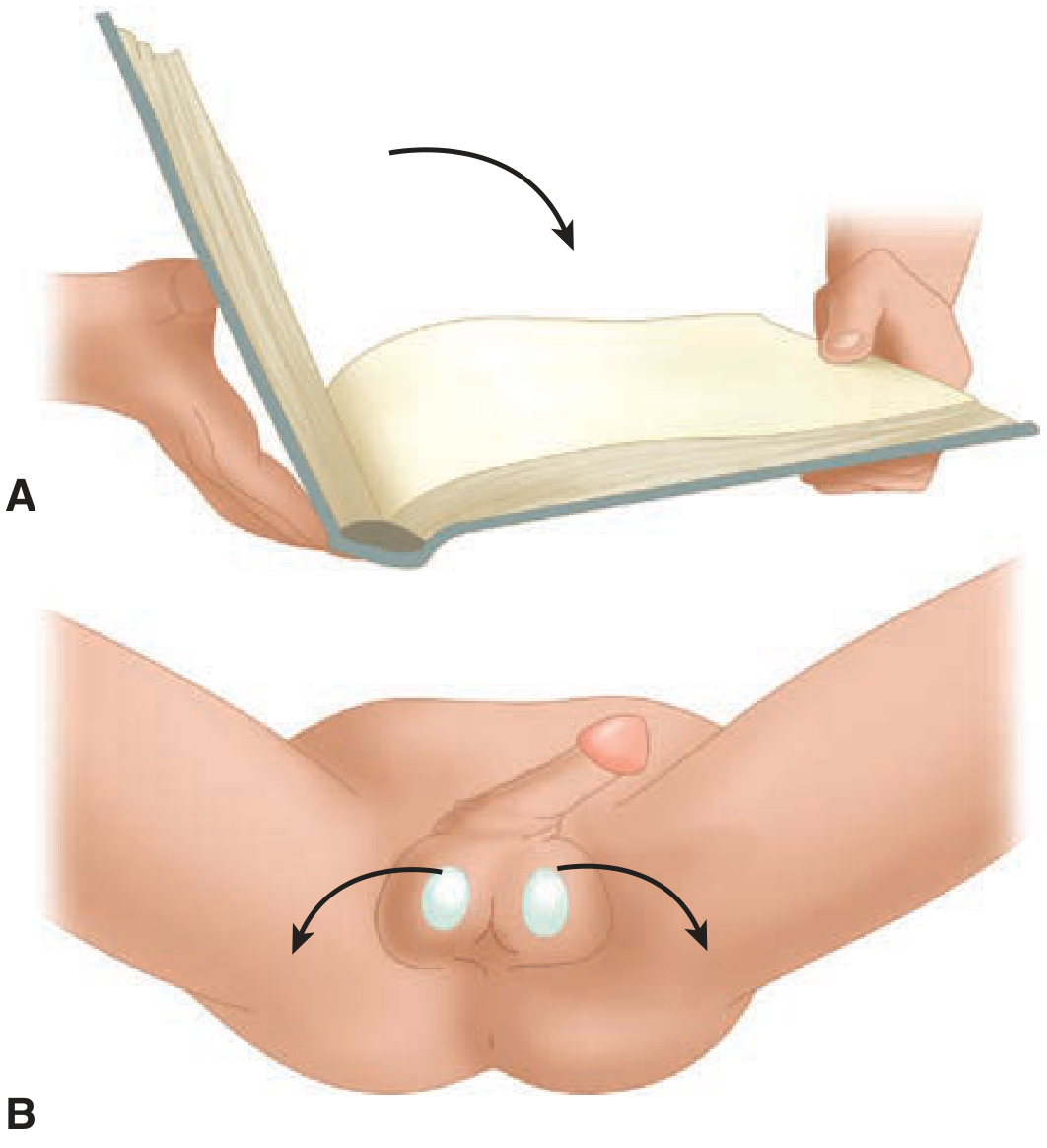
- Left testis: rotate clockwise (from patient's view, outward/laterally)
- Right testis: rotate counterclockwise (outward/laterally)
- Do 1.5 rotations (540°)
- Success = relief of pain + restoration of blood flow on Doppler
- If pain WORSENS → rotate in opposite direction (1/3 of cases twist the other way)
- Successful manual detorsion converts emergency to urgent (not elective) surgery - still needs orchidopexy
Step 3: Emergency Surgical Exploration (Scrotal Exploration)
- Midline (median raphe) or bilateral transverse scrotal incisions
- Detorse the testis → wrap in warm moist swab → assess viability after 5-10 minutes
- Viable testis → orchidopexy: fix with 3 non-absorbable sutures to dartos fascia
- Non-viable (necrotic) → orchiectomy (to prevent abscess; prosthesis can be inserted at same or later time)
- Contralateral testis MUST also be explored and fixed - bell-clapper deformity is bilateral
C. Epididymo-Orchitis - ANTIBIOTICS + SUPPORTIVE
| Patient Profile | Antibiotic Regimen | Duration |
|---|---|---|
| Sexually active (STI - Chlamydia/Gonorrhoea likely) | Ceftriaxone 500 mg IM single dose + Doxycycline 100 mg PO twice daily | 10-14 days |
| Insertive anal sex (also need gram-negative cover) | Above + Levofloxacin 500 mg PO daily | 10 days |
| Older men / enteric organisms (E. coli, Klebsiella) | Levofloxacin 500 mg PO daily | 10 days |
| Severe / febrile / suspected abscess | Admit + IV antibiotics (IV ceftriaxone + IV gentamicin) | Until afebrile, then oral step-down |
- Scrotal support (elevation) - relieves pain (positive Prehn's sign)
- NSAIDs (ibuprofen 400 mg TDS) for pain and inflammation
- Bed rest initially; avoid heavy lifting / straining (increases intra-abdominal pressure)
- No sexual intercourse until treatment complete + partner treated
- Follow-up: severe cases → urologist in 3-5 days; mild cases → 5-7 days
D. Varicocele - GRADED MANAGEMENT
- The left testicular vein drains into the left renal vein at a right angle (high resistance)
- The right testicular vein drains obliquely into the inferior vena cava (lower resistance)
- Left renal vein can be compressed between aorta and superior mesenteric artery ("nutcracker effect")
| Grade | Finding |
|---|---|
| Grade I | Palpable only during Valsalva |
| Grade II | Palpable at rest |
| Grade III | Visible through scrotum ("bag of worms") |
- Asymptomatic + no fertility concerns: no treatment; lifestyle advice (supportive underwear, avoid prolonged standing)
- Symptomatic pain OR infertility: urology referral for:
- Surgical ligation (open, laparoscopic, or microsurgical subinguinal varicocelectomy) - gold standard
- Percutaneous embolisation (radiological) - sclerosant or coil occlusion of left testicular vein; less invasive
⚠️ Important: A NEW left-sided varicocele that does not decompress lying down in an older man → renal cell carcinoma compressing the left renal vein must be excluded with renal USS/CT
E. Appendage Torsion - CONSERVATIVE
- Self-limiting; resolves in 3-5 days
- Analgesia (NSAIDs, paracetamol)
- Bed rest + scrotal support
- If blue dot sign visible + normal Doppler → no surgery needed
- Review if worsening or if torsion cannot be excluded → urological exploration
F. Testicular Cancer - URGENT UROLOGY REFERRAL
- Suspect if: hard, painless (or dull ache) intratesticular nodule on USS; age 15-35 years
- Tumour markers: βhCG, AFP, LDH
- Staging CT chest/abdomen/pelvis
- Treatment: Radical inguinal orchidectomy (never biopsy through scrotum - risk of lymphatic spread alteration)
- Testicular cancer is highly curable even when metastatic (chemotherapy with BEP - bleomycin, etoposide, cisplatin)
Summary Decision Algorithm
INTERMITTENT LEFT TESTICULAR PAIN
│
├── CURRENT EPISODE ONGOING?
│   │
│   ├── YES + Severe sudden pain + nausea/vomiting
│   │   → TWIST Score
│   │   ├── ≥5: EMERGENCY SURGERY - do NOT wait for USS
│   │   ├── 3-4: Urgent Doppler USS → surgery if abnormal
│   │   └── ≤2: Doppler USS + consider alternatives
│   │
│   └── NO - Pain has resolved (intermittent pattern)
│       → INTERMITTENT TORSION until proven otherwise
│       → Doppler USS (may be normal)
│       → URGENT urology referral for elective bilateral orchidopexy
│       → Counsel: go to ER IMMEDIATELY if pain recurs
│
├── GRADUAL ONSET + fever + dysuria + tender epididymis
│   → EPIDIDYMO-ORCHITIS
│   → Swabs + urine culture + Doppler USS
│   → Antibiotics (STI cover) + scrotal support
│
├── "BAG OF WORMS" on standing/Valsalva + dull ache
│   → VARICOCELE (left-sided)
│   → USS confirmation
│   → Urology if symptomatic / infertility
│
├── HARD PAINLESS NODULE on testis + USS mass
│   → TESTICULAR CANCER
│   → Tumour markers (βhCG, AFP, LDH)
│   → URGENT urology → radical orchidectomy
│
└── UPPER POLE blue spot + prepubertal + no nausea
    → APPENDAGE TORSION
    → Conservative: NSAIDs + scrotal support
At-a-Glance Comparison Table
| Feature | Torsion | Intermittent Torsion | Epididymitis | Varicocele | Appendage Torsion |
|---|---|---|---|---|---|
| Age | Neonate, 12-18 yrs | Any | 18-35 yrs | Adolescent/adult | 9-11 yrs |
| Pain onset | Sudden, severe | Sudden, resolves | Gradual | Dull, chronic | Variable |
| Nausea/vomiting | Yes | Often | Rarely | No | Rarely |
| Fever | No (early) | No | Yes | No | No |
| Dysuria | No | No | Often | No | No |
| Testis position | High-riding, horizontal | Normal (when resolved) | Normal | Normal | Normal |
| Cremasteric reflex | Absent | Normal (when resolved) | Present/absent | Present | Present |
| Doppler USS | Absent/reduced flow | May be normal | Increased flow | Dilated veins | Normal testis flow |
| Urgency | Emergency surgery | Urgent elective surgery | Antibiotics | Elective urology | Conservative |
Hematuria exam and treatment
Hematuria - Complete Examination & Treatment Guide
Definition
| Type | Definition |
|---|---|
| Gross (macroscopic) hematuria | Blood visible to the naked eye - pink, red, or brown urine |
| Microscopic hematuria | ≥ 3 RBCs/high-power field (HPF) on urine microscopy (adult definition); only detectable by lab test |
| Dipstick hematuria | Positive blood on dipstick - must be confirmed with microscopy before acting on it (dipstick alone is insufficient) |
Asymptomatic microscopic hematuria (AMH) is found in up to 16% of screening populations - most have no significant pathology, but it may signal urologic cancer in up to 25% of adults and must be evaluated.
Part 1: Examination of the Patient with Hematuria
A. History (Structured Approach)
Character of the Bleeding
| Question | Clinical Meaning |
|---|---|
| Visible or only on dipstick? | Gross = higher cancer risk; microscopic = more common, still needs work-up |
| Which part of the stream? | Initial = urethra/prostate; terminal = bladder neck; total = kidney/ureter/bladder |
| Painful or painless? | Painless = malignancy until proven otherwise; painful = stone, infection, trauma |
| Clots present? | Clots = significant bleeding; shape: worm/vermiform = upper tract; cuboid = bladder |
| Duration and frequency? | Intermittent gross hematuria = common in bladder cancer |
| How many episodes? | Single episode still requires full work-up |
Associated Symptoms
| Symptom | Think |
|---|---|
| Dysuria, frequency, urgency | UTI / cystitis / urethritis |
| Fever, loin pain, rigors | Pyelonephritis |
| Loin-to-groin colicky pain | Ureteral stone |
| Painless, no other symptoms | Bladder cancer / renal cancer - Red flag |
| Bone pain, weight loss | Metastatic prostate cancer |
| Oedema, hypertension, cola urine | Glomerulonephritis / nephritic syndrome |
| Skin rash, joint pains | SLE, Henoch-Schönlein purpura, vasculitis |
| Recent sore throat / URTI | IgA nephropathy (Berger disease) |
| Bleeding elsewhere | Coagulopathy / anticoagulant therapy |
Risk Factor History (Cancer Risk Stratification)
| Risk Factor | Significance |
|---|---|
| Age > 50 years | Most common cause of gross hematuria = bladder cancer |
| Smoking (most important) | 4-7x increased bladder cancer risk |
| Industrial chemical/dye exposure | Aromatic amines (benzidine, aniline dyes, rubber industry) = bladder cancer |
| Cyclophosphamide therapy | Haemorrhagic cystitis / bladder cancer |
| Pelvic radiation | Radiation cystitis / bladder cancer |
| Analgesic abuse (NSAIDs chronically) | Renal papillary necrosis |
| Schistosomiasis (travel) | Squamous cell bladder cancer |
| Family history of renal disease / deafness | Alport syndrome |
| Anticoagulant use (warfarin, apixaban) | Worsens bleeding from existing pathology; does NOT cause hematuria de novo |
| Foley catheter (long-term) | Bladder cancer, UTI |
| Recent urological procedure / trauma | Procedure-related bleeding |
| Exercise (marathon running) | Transient exercise-induced hematuria - resolves with rest |
| Pregnancy | Physiological changes; always investigate |
B. Physical Examination
Vital Signs
- Blood pressure: Hypertension = nephritic syndrome, renal parenchymal disease
- Temperature: Fever = pyelonephritis, UTI
- Heart rate / BP: If tachycardic + pale + hypotensive = significant blood loss
Head to Toe Examination
| Region | What to Examine | What to Find |
|---|---|---|
| Face/Eyes | Periorbital oedema | Nephrotic/nephritic syndrome |
| Skin | Purpura, palpable purpura | Henoch-Schönlein purpura (HSP/IgA vasculitis); SLE |
| Skin | Pallor | Anaemia from chronic haematuria |
| Joints | Swelling, tenderness | SLE, vasculitis |
| Abdomen | Palpable renal mass | Renal cell carcinoma, hydronephrosis, polycystic kidneys |
| Abdomen | Suprapubic mass/tenderness | Distended bladder, cystitis |
| Flanks | Costovertebral angle (CVA) tenderness | Pyelonephritis, ureteral stone, renal trauma |
| Groin | Lymphadenopathy | Metastatic bladder/prostate/testicular cancer |
| Genitalia (male) | Prostate on DRE | BPH (smooth, rubbery), Prostate cancer (hard, nodular) |
| Genitalia (male) | Penile discharge, urethral meatus | Urethritis, STI |
| Genitalia (female) | Pelvic exam | Vaginitis, PID, cervical pathology causing apparent haematuria |
| Scrotum | Testicular mass | Testicular cancer (may bleed into urinary tract via upper tract) |
| BP both arms | Coarctation, arterial disease | Renal artery hypertension |
| Blood pressure + urine protein | Combination | Nephritic syndrome = urgent nephrology referral |
Part 2: Diagnostic Investigations
Step 1: Urine Tests (First Line - Always)
| Test | Purpose | Key Findings |
|---|---|---|
| Urine dipstick | Fast screen for blood, protein, leucocytes, nitrites, glucose | Positive blood = proceed to microscopy; positive protein = glomerular disease |
| Urine microscopy (MSU) - THE KEY TEST | Characterise RBCs + look for casts, bacteria | See table below |
| Urine culture + sensitivity | Exclude UTI | Must treat UTI and re-check for hematuria after treatment |
| Urine cytology | Detect malignant urothelial cells | High specificity but low sensitivity for low-grade tumours; useful for high-grade TCC and CIS |
| Urine protein:creatinine ratio (PCR) | Quantify proteinuria | > 0.3 = significant → glomerular disease work-up |
| Urine pH | Stone work-up | Alkaline = struvite; acidic = uric acid |
Urine Microscopy - The Most Critical Step
| Microscopy Finding | Interpretation | Next Action |
|---|---|---|
| Dysmorphic RBCs + RBC casts | Glomerular origin | Nephrology referral; serology; consider renal biopsy |
| Dysmorphic RBCs + heavy proteinuria | Glomerulonephritis / nephritic syndrome | Nephrology urgent |
| Round (isomorphic) RBCs + WBCs + bacteria | Urological origin (UTI, pyelonephritis) | Urine culture + antibiotics; re-test after treatment |
| Round RBCs only (no casts, no protein, no bacteria) | Urological origin (stone, tumour, trauma) | Full urological work-up (CT + cystoscopy) |
| WBC casts | Pyelonephritis | IV antibiotics + admission |
| Granular casts | Acute tubular necrosis / renal parenchymal disease | Nephrology |
Step 2: Blood Tests
| Test | Purpose |
|---|---|
| FBC | Anaemia (chronic haematuria); leukocytosis (infection); thrombocytopaenia (coagulopathy, TTP) |
| Serum creatinine + eGFR | Renal function - essential baseline |
| Electrolytes | Electrolyte disturbance with renal impairment |
| Coagulation (INR/PT/APTT) | Bleeding diathesis; patient on anticoagulants |
| CRP / ESR | Systemic inflammation (infection, vasculitis, GN) |
| PSA (men > 50 years) | Prostate cancer screen |
| Serum tumour markers | AFP, βhCG, LDH if testicular cancer suspected |
| ANA, anti-dsDNA | SLE |
| ANCA | Vasculitis (Wegener's granulomatosis, microscopic polyangiitis) |
| Anti-GBM antibody | Goodpasture syndrome (haemoptysis + haematuria) |
| Serum complement C3, C4 | Low in post-streptococcal GN, SLE, MPGN |
| ASO titre | Post-streptococcal glomerulonephritis |
| Serum IgA | IgA nephropathy (elevated in ~50%) |
| Blood group + crossmatch | If significant haemorrhage with anaemia |
Step 3: Imaging
| Modality | Indication | Findings |
|---|---|---|
| CT Urogram (CTU) - Gold standard urological work-up | Any adult with haematuria without obvious benign cause | Upper tract tumours (RCC), ureteral/renal stones, renal cysts, filling defects in the collecting system, bladder wall thickening |
| Non-contrast CT KUB | Suspected stone | Stone location, size, density (HU), degree of obstruction, hydronephrosis |
| Renal Ultrasound | First-line if nephrology suspected; pregnancy; children; CKD | Hydronephrosis, renal masses, cysts (simple vs complex), renal size + echogenicity (echogenic kidneys = parenchymal disease), bladder wall thickening |
| MRI Urogram | Cannot use CT contrast (CKD, allergy); pregnancy | Upper tract tumours, obstruction |
| Plain X-ray (KUB) | Radiopaque stones | Calcification; misses radiolucent uric acid stones |
| Chest X-ray | Goodpasture (pulmonary haemorrhage + haematuria), metastases | Pulmonary infiltrates, metastatic deposits |
Step 4: Endoscopic Investigation
Cystoscopy - DEFINITIVE LOWER TRACT INVESTIGATION
| Type | Details |
|---|---|
| Flexible cystoscopy | Done under local anaesthetic; office procedure; visualises urethra → bladder → ureteric orifices |
| Rigid cystoscopy | Done under GA; allows biopsies + TURBT |
| Indications | Any adult > 35 years with haematuria; any age with risk factors (smoking, chemicals); gross haematuria without obvious cause |
| What it detects | Bladder tumours, CIS, bladder stones, prostatic enlargement, urethral pathology |
The combination of CT urogram (upper tract) + cystoscopy (lower tract) = complete urological haematuria work-up.
Step 5: Other Tests (Selective)
| Test | When |
|---|---|
| Renal biopsy | Glomerular haematuria (dysmorphic RBCs + casts + proteinuria); definitive diagnosis of GN |
| Urine BK virus PCR | Renal transplant patient with haematuria |
| Urodynamics | Suspected dysfunctional voiding causing mucosal bleeding |
| 24-hour urine (calcium, oxalate, uric acid, citrate, cystine) | Recurrent stone-related haematuria |
Part 3: Treatment of Hematuria
A. UTI-Related Hematuria
- Haemorrhagic cystitis / pyelonephritis
- Treat the underlying infection:
- Nitrofurantoin 100 mg BD x 5 days (lower UTI)
- Trimethoprim 200 mg BD x 7 days
- Ceftriaxone 1 g IV daily (upper UTI/pyelonephritis - admit)
- Haematuria resolves with treatment of infection
- Re-test urine after treatment to confirm clearance of haematuria
- If haematuria persists after UTI treated → full urological work-up (do not attribute ongoing haematuria to resolved infection)
B. Stone-Related Hematuria
- Treat the stone (see renal colic management)
- Analgesia (NSAIDs), medical expulsive therapy (tamsulosin 0.4 mg), fluids
- Ureteroscopy / ESWL / PCNL depending on stone size and location
- Haematuria resolves once stone passes or is treated
C. Bladder Cancer-Related Hematuria
| Stage | Treatment |
|---|---|
| Superficial (pTa, pT1, CIS) | TURBT (transurethral resection of bladder tumour) + intravesical BCG or mitomycin C |
| Muscle-invasive (pT2+) | Neoadjuvant chemotherapy + radical cystectomy + urinary diversion |
| Metastatic | Systemic chemotherapy (cisplatin + gemcitabine); checkpoint inhibitors (pembrolizumab) |
D. Renal Cell Carcinoma (RCC)-Related Hematuria
- Radical or partial nephrectomy (localised disease)
- Targeted therapy (sunitinib, pazopanib) or immunotherapy (nivolumab) for metastatic disease
- Haematuria resolves with surgery in localised disease
E. Prostate Cancer / BPH-Related Hematuria
- BPH: alpha-blockers (tamsulosin); 5-alpha reductase inhibitors (finasteride reduces prostatic vascularity and haematuria); TURP for severe cases
- Prostate cancer: depends on stage (surgery, radiation, ADT)
- Finasteride specifically shown to reduce haematuria from BPH
F. Glomerulonephritis-Related Hematuria
| Cause | Treatment |
|---|---|
| IgA Nephropathy | ACE inhibitor/ARB for proteinuria + hypertension; corticosteroids in selected cases; fish oil (some evidence) |
| Post-streptococcal GN | Supportive care (BP control, fluid restriction, diuretics); penicillin for residual streptococcal infection; usually self-limiting |
| SLE nephritis | Hydroxychloroquine + corticosteroids + mycophenolate or cyclophosphamide |
| Goodpasture syndrome | Plasmapheresis + corticosteroids + cyclophosphamide (urgent) |
| ANCA vasculitis | Rituximab or cyclophosphamide + corticosteroids |
| Alport syndrome | ACE inhibitors (slow progression); dialysis/transplantation eventually |
G. Gross Hematuria with Clot Retention - EMERGENCY TREATMENT
- Insert a large-bore (20-26 Fr) three-way irrigation catheter (haematuria catheter)
- Manually irrigate bladder with large piston syringe using normal saline to evacuate clots
- Run continuous saline through the three-way catheter to prevent new clot formation
- Gravity flow only - do NOT use pressure (risk of bladder rupture if outflow obstructed)
- Urgent operative cystoscopy under GA
- Rigid cystoscopy + Ellik evacuator for clot evacuation
- Identify and fulgurate (cauterise) bleeding source
- Leave large three-way catheter for post-operative CBI
- Radiation cystitis → hyperbaric oxygen therapy; intravesical alum or formalin (resistant cases)
- Post-TURP bleeding → return to theatre for haemostasis
- Vascular fistula (AV fistula, arterio-ureteral fistula) → angiographic embolisation
- Coagulopathy → reverse anticoagulation; FFP, vitamin K, platelets as appropriate
- Monitor Hb, vital signs
- Transfuse if Hb < 7 g/dL (or < 8 in cardiovascular disease) or symptomatic anaemia
H. Radiation Cystitis
- Chronic pelvic radiation (prostate cancer treatment) causes obliterative endarteritis → mucosal fragility → haematuria
- Hyperbaric oxygen therapy - primary treatment; promotes angiogenesis and mucosal healing
- Intravesical agents: alum irrigation; sodium hyaluronate; PRP
- Formalin instillation (severe cases only - specialist only)
- Cystectomy (last resort if uncontrollable)
I. Drug-Induced Haematuria
| Drug | Management |
|---|---|
| Cyclophosphamide (haemorrhagic cystitis) | MESNA (uroprotective agent) given with cyclophosphamide; aggressive hydration; hyperbaric oxygen if severe |
| Anticoagulants (warfarin, DOACs) | Does NOT cause haematuria de novo - investigate for underlying cause; reverse anticoagulation only if life-threatening bleeding |
| NSAIDs (analgesic nephropathy) | Stop the drug; supportive care |
Summary: Hematuria Work-Up and Treatment Flowchart
HEMATURIA (gross or microscopic ≥3 RBCs/HPF)
│
├── Step 1: EXCLUDE PSEUDOHEMATURIA
│   Dipstick positive but no RBCs on microscopy → not true hematuria → stop
│
├── Step 2: URINE MICROSCOPY (KEY DECISION)
│   │
│   ├── DYSMORPHIC RBCs + RBC CASTS + PROTEINURIA
│   │   → GLOMERULAR DISEASE
│   │   → Serology (ANA, ANCA, C3/C4, anti-GBM, ASO, IgA)
│   │   → Nephrology referral → RENAL BIOPSY
│   │   → Treat cause (steroids, immunosuppression, ACE inhibitor)
│   │
│   ├── ROUND RBCs + WBCs + BACTERIA
│   │   → UTI / PYELONEPHRITIS
│   │   → Urine culture + antibiotics
│   │   → Re-test after treatment
│   │   → If persists → full urological work-up
│   │
│   └── ROUND RBCs (no casts, no bacteria)
│       → UROLOGICAL CAUSE (stone, tumour, trauma, BPH)
│       → Full urological work-up ↓
│
├── Step 3: UROLOGICAL WORK-UP
│   ├── CT Urogram (upper tract)
│   ├── Flexible Cystoscopy (lower tract)
│   ├── Urine cytology
│   └── PSA (men > 45-50 yrs)
│
├── Step 4: TREAT THE CAUSE
│   ├── Stone → Medical expulsive therapy / lithotripsy / ureteroscopy
│   ├── Bladder cancer → TURBT ± BCG ± cystectomy
│   ├── RCC → nephrectomy ± systemic therapy
│   ├── BPH → tamsulosin / finasteride / TURP
│   └── Prostate cancer → depends on stage
│
└── EMERGENCY: Gross haematuria + clot retention
    → Large-bore 3-way catheter → manual irrigation
    → Continuous bladder irrigation (CBI)
    → If fails → urgent cystoscopy + clot evacuation + fulguration
    → Blood transfusion if Hb low