


IMG_1868.jpg
+2 more
Patient is female 23 year old experiencing change in skin rough, slightly elevated, skin coloured less than 1cm in diameter, round, spread all over back with itchy (purities) based on this what is the differential diagnosis, daignosis and treatment and management
I'll analyze the images and consult the medical library simultaneously for a thorough assessment.
analyse_media
analyse_media
analyse_media
Reading File
Now let me search the medical library for the relevant dermatology conditions:
Finding Sources
Finding Sources
Finding Sources
Finding Sources
Now let me read the key sections on pityriasis versicolor and keratosis pilaris:
Reading File
Reading File
Reading File
Let me get the treatment sections and also fetch the relevant textbook images:
Reading File
Loading Image
Finding Sources
Let me get the Fitzpatrick's treatment algorithm and also read about Pityrosporum folliculitis which closely matches this case:
Reading File
Reading File
I now have comprehensive information to provide a thorough, well-referenced answer. Let me synthesize everything.
Clinical Assessment: 23-Year-Old Female with Pruritic Skin-Coloured Papules on Back
Image Analysis Summary
The three images show:
- IMG_1868: Flexural/shoulder area with scattered tiny, pinpoint macules/micro-papules on a background of subtle hyperpigmentation with a slightly velvety/rough texture
- IMG_1869: Broad back view showing large, confluent, reticulated (net-like) hyperpigmented patches spanning the entire back, ill-defined borders
- IMG_1871: Lateral back view with scattered, small brownish macules and subtle patches in a non-dermatomal distribution
Key visible features: follicular papules, scattered distribution, hyperpigmentation, rough texture, involvement of upper back and trunk. This combined with the clinical description of "rough, slightly elevated, skin-coloured, round papules <1cm, spread all over back with pruritus" is highly characteristic.
Most Likely Diagnosis: Pityrosporum (Malassezia) Folliculitis with co-existing Pityriasis (Tinea) Versicolor
These two conditions frequently coexist and are caused by the same organism - Malassezia species (primarily M. globosa, M. restricta).
Differential Diagnosis
| # | Condition | Supporting Features | Against |
|---|---|---|---|
| 1 | Pityrosporum Folliculitis (TOP) | Monomorphic follicular papules on upper back, young female, pruritic, chronic | Needs KOH/Wood's lamp confirmation |
| 2 | Pityriasis (Tinea) Versicolor (TOP) | Hyperpigmented/reticulated patches on trunk, coalescing lesions, young adult, upper back distribution | Usually less follicular/papular |
| 3 | Keratosis Pilaris (KP) | Rough, skin-coloured follicular papules, upper back/trunk | Usually arms/thighs more common; not classically pruritic; more "sandpaper" feel; no hyperpigmentation patches |
| 4 | Miliaria Rubra (heat rash) | Pruritic papules on back, young female | Usually transient, vesicular/erythematous; not hyperpigmented |
| 5 | Acne vulgaris (truncal) | Follicular papules on back | Usually comedones present, not skin-coloured, different age/site pattern |
| 6 | Folliculitis (bacterial) | Follicular papules, pruritus | Usually more erythematous, pustular; systemic symptoms |
| 7 | Secondary syphilis | Faint papules/macules <1cm on nape/trunk, round | Would need serologic confirmation; less rough/keratotic; lymphadenopathy expected |
| 8 | Confluent & Reticulated Papillomatosis (CARP) | Reticulated pattern on back, young female | Usually more verrucous, less pruritic; rare |
| 9 | Atopic Dermatitis | Pruritus | Lacks classic flexural distribution, eczematous quality |
Confirmed Diagnosis
Primary: Pityrosporum Folliculitis (Malassezia Folliculitis)
Concurrent/background: Pityriasis (Tinea) Versicolor
Pathophysiology: Malassezia spp. are lipophilic yeasts that form part of normal cutaneous flora. Under predisposing conditions (heat, humidity, oily skin, sweating, immunosuppression, antibiotic use), they shift to mycelial/hyphal forms and invade hair follicles, causing:
- Pityrosporum folliculitis: Monomorphic dome-shaped follicular papules, chronic, moderately itchy, upper back predominance
- Pityriasis versicolor: Hypopigmented or hyperpigmented scaly patches via azelaic acid production (inhibits tyrosinase) and abnormal melanosome transfer - Andrews' Diseases of the Skin, p.358
The reticulated hyperpigmented pattern seen in Images 2 & 3, combined with follicular papules seen in Image 1, strongly supports concurrent Malassezia infection in both forms.
Reference textbook image of Tinea Versicolor (chest, similar distribution pattern):
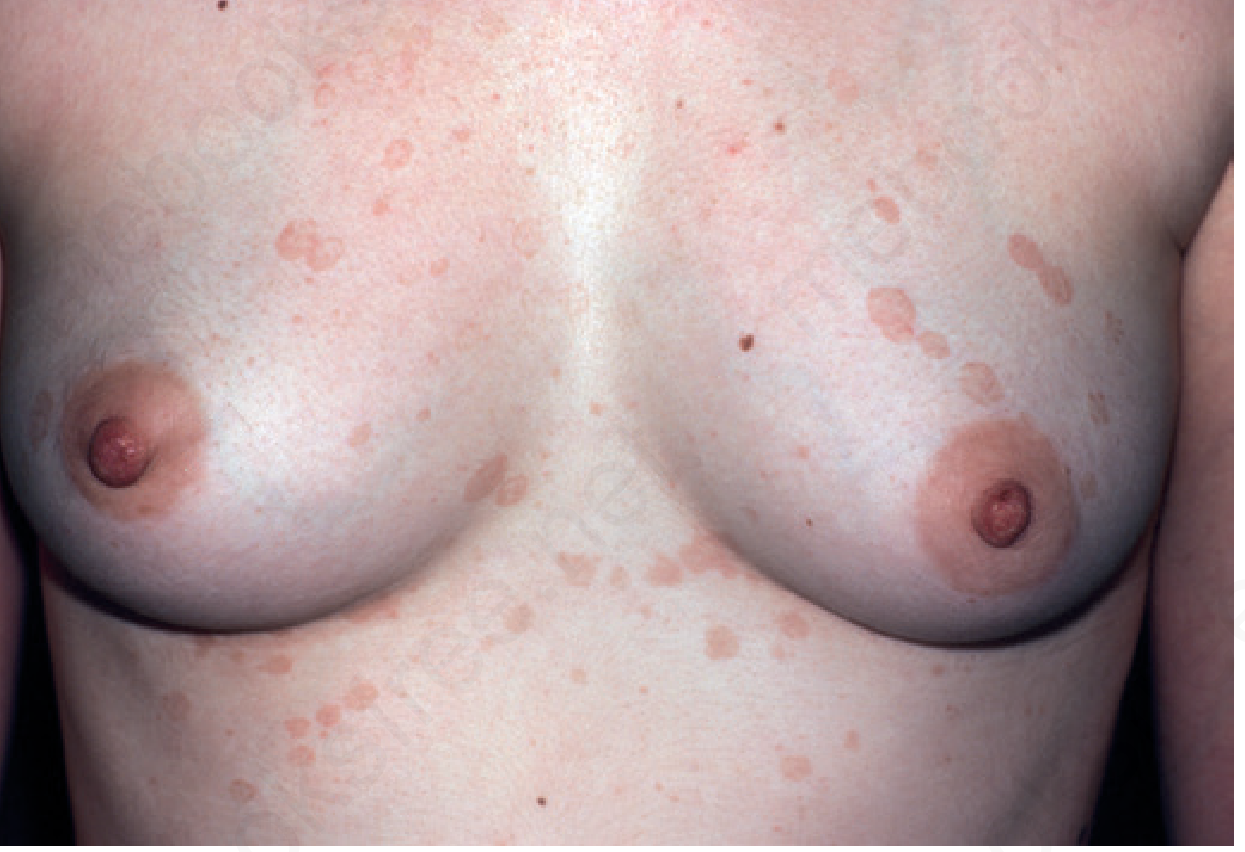
(Fig. 15.18 from Andrews' Diseases of the Skin)
Investigations
- KOH preparation (potassium hydroxide scraping) - MOST IMPORTANT: Demonstrates "spaghetti and meatballs" pattern - short thick hyphae + clusters of spores. Parker blue-black ink (1:1 with 20% KOH) or Chicago Sky Blue stain can highlight organisms.
- Wood's lamp examination - Yellow-green fluorescence in follicular papules (Pityrosporum folliculitis) and accentuates pigment changes of tinea versicolor
- Skin biopsy (if diagnosis uncertain) - Shows basket-weave stratum corneum with hyphae/spores
- Culture - Rarely needed; requires lipid-enriched media (Sabouraud + olive oil)
Treatment & Management
First-Line Topical Therapy
| Agent | Regimen | Notes |
|---|---|---|
| Selenium sulfide 2.5% lotion/shampoo | Apply daily for 1 week, wash off after 10 min OR overnight single application | Cost-effective; monthly prophylaxis application |
| Ketoconazole 2% cream/shampoo | Apply to affected areas daily for 2-4 weeks | Most studied topical azole |
| Zinc pyrithione soap/shampoo | Daily washing | Cost-effective, well tolerated |
| Topical imidazoles (clotrimazole, miconazole, econazole) | Twice daily, 2-4 weeks | Twice-daily superior to once-daily |
| Propylene glycol 30-50% in water | Apply to trunk | Effective for folliculitis component |
(Andrews' Diseases of the Skin, p.358-359; Fitzpatrick's Dermatology, Table 161-4)
Second-Line Systemic Therapy (for extensive/refractory disease - this case is extensive)
| Drug | Dose | Duration |
|---|---|---|
| Itraconazole | 200 mg once daily | 7 days |
| Fluconazole | 300 mg x 2 doses, 7 days apart (or 400 mg single dose) | Single course |
Important: Oral ketoconazole is no longer recommended by the FDA (since May 2016) due to risk of hepatotoxicity and adrenal dysfunction. - Fitzpatrick's Dermatology, p.2992
For Pruritus (Symptomatic Relief)
- Oral antihistamines (cetirizine 10 mg or loratadine 10 mg once daily) for pruritus relief while antifungals take effect
- Avoid scratching (risk of secondary bacterial infection)
Management & Counselling
- Inform patient: Hyperpigmentation/hypopigmentation will persist for weeks to months after successful treatment - this is NOT treatment failure. UV exposure may speed pigment normalisation.
- Relapse prevention (prophylaxis - very important, relapses are common):
- Monthly overnight application of selenium sulfide or ketoconazole shampoo (every 30-60 days)
- Weekly washing with zinc pyrithione bar soap
- Monthly oral fluconazole for severe/recurrent cases
- Lifestyle modifications:
- Wear loose, breathable (cotton) clothing
- Reduce sweating/humidity exposure
- Avoid oily or occlusive topical products
- Shower promptly after exercise
- Avoid triggers: prolonged antibiotic use (suppresses P. acnes, allowing Malassezia overgrowth), immunosuppressants, corticosteroids
- Follow-up: Review in 4-6 weeks to assess treatment response; repeat KOH if lesions persist
Summary Table
| Feature | Finding in this Patient |
|---|---|
| Age/Sex | 23F - classic demographic |
| Morphology | Follicular papules + hyperpigmented patches |
| Distribution | Entire back (upper back predilection for Malassezia) |
| Symptom | Pruritus (moderate, chronic) |
| Causative organism | Malassezia spp. (M. globosa most common) |
| Key investigation | KOH scraping ("spaghetti and meatballs") |
| First-line Rx | Topical selenium sulfide + topical ketoconazole |
| Systemic Rx | Oral itraconazole 200 mg/day x 7 days |
| Prognosis | Good response to antifungals; high relapse rate without prophylaxis |
Sources: Andrews' Diseases of the Skin - Clinical Dermatology, pp.358-359; Fitzpatrick's Dermatology Vol. 1&2, pp.2991-2993; Dermatology 2-Volume Set 5e
Disclaimer: This analysis is for educational/clinical support purposes. A definitive diagnosis requires in-person clinical examination by a licensed dermatologist, including KOH preparation and Wood's lamp examination. Do not initiate treatment without professional evaluation.
Non fluid filled, no pus, non erythematous
The additional features - non-fluid filled, no pus, non-erythematous - are very helpful. This rules out folliculitis (which has pustules) and inflammatory conditions. The lesions are solid, dry, skin-coloured papules with rough texture. This narrows the diagnosis significantly toward Keratosis Pilaris or Pityriasis Versicolor (dry scaly papular variant).
Searching sources...
Finding Sources
Finding Sources
Finding Sources
Reading File
Reading File
Finding Sources
Finding Sources
Finding Sources
Finding Sources
Finding Sources
Finding Sources
Thank you for the critical clarification. The updated lesion profile - solid, non-fluid filled, no pus, non-erythematous, skin-coloured, rough, slightly elevated, round papules <1cm, scattered over the entire back with pruritus - significantly refines the diagnosis. Here is the revised full clinical analysis:
Revised Assessment with New Information
Updated Lesion Morphology Profile
| Feature | Description |
|---|---|
| Type | Solid papule (not vesicle, not pustule, not bulla) |
| Colour | Skin-coloured (not red, not pink, not brown) |
| Surface | Rough / slightly keratotic |
| Elevation | Slightly elevated |
| Size | <1 cm, round |
| Inflammation | None (non-erythematous) |
| Fluid | None (non-fluctuant, dry) |
| Distribution | All over back |
| Symptom | Pruritus |
This pattern is classic for Keratosis Pilaris (KP) involving the trunk, with pityriasis versicolor as a concurrent background finding (explaining the hyperpigmented patches visible in the images).
Revised Differential Diagnosis (Ranked)
1. Keratosis Pilaris (KP) - Most Likely Diagnosis
Hallmark features that match perfectly:
- Small, acuminate (pointed), follicular, solid papules with a horny keratin plug in each follicle
- Skin-coloured (not erythematous) - this is specifically the non-erythematous/non-rubra variant
- Rough sandpaper-like texture on palpation
- Distributed over trunk/back (in addition to classic upper arms, thighs)
- Pruritus can be present
- KP may or may not be erythematous - when erythema is absent, the keratotic plugs are the most prominent feature
"KP may or may not be erythematous. Sometimes the keratotic plugs are the most prominent feature of the eruption." - Andrews' Diseases of the Skin, p.XXX
Pathophysiology: Abnormal follicular hyperkeratinization - excessive keratin production plugs the hair follicle opening, forming a horny plug that elevates the overlying skin. Each papule represents one plugged follicle. Associated with filaggrin mutations, atopic diathesis.
2. Pityriasis (Tinea) Versicolor - Papular/Follicular Variant (Concurrent finding)
- The hyperpigmented reticulated patches visible in the images are characteristic of Pityriasis versicolor
- A subset of patients with Malassezia infection develop follicular papules rather than/in addition to patches
- These are dry, non-pustular, skin-coloured papules
- Pruritus present (mild)
- The two conditions (KP + PV) frequently coexist in young adults
3. Milia (Lower likelihood)
- Tiny, white-yellow, firm, dome-shaped cysts (1-2mm)
- Usually face/cheeks; rarely widespread on back
- Non-pruritic - makes this less likely
- No follicular association
4. Closed Comedones (non-inflammatory acne)
- Skin-coloured, non-erythematous papules
- Follicular plugging
- However: typically on face/upper back; associated with seborrhoea; comedones are wider and flatter; usually not pruritic
5. Lichen Spinulosus
- Groups of follicular, spiny, skin-coloured papules on trunk/neck/buttocks
- Non-erythematous, non-pustular
- Can be mildly pruritic
- Represents a variant/subtype of KP
- More common in children/young adults; may be associated with atopy
6. Perforating Folliculitis
- Follicular papules with keratotic plugs
- Non-erythematous initially
- Associated with diabetes/renal failure - less likely in a 23-year-old otherwise healthy female
- Pruritic
7. Pityriasis Rubra Pilaris (PRP) - Early/Mild
- Follicular keratotic papules, skin-coloured to orange-red
- Can involve trunk/back
- Usually has palmoplantar keratoderma and islands of sparing - features to look for
Most Probable Diagnosis
Keratosis Pilaris (Trunk/Back variant) with concurrent Pityriasis Versicolor (explaining hyperpigmented patches seen in images)
The combination of:
- Solid, dry, non-erythematous, skin-coloured rough follicular papules
- All over back, round, <1cm
- Pruritus
- Young female (KP peaks in adolescence/young adulthood, female predominance)
- Background hyperpigmented reticulated patches (tinea versicolor)
...is textbook KP on the trunk.
Investigations
| Test | Purpose |
|---|---|
| Clinical examination (primary) | Dermoscopy: coiled/spiral hairs, follicular plugs confirm KP |
| KOH scraping of scaly patch areas | Rule in/out concurrent pityriasis versicolor ("spaghetti and meatballs") |
| Wood's lamp | Yellow-green fluorescence if Malassezia is active |
| Skin biopsy (if uncertain) | KP: dilated follicles with keratin plug, perifollicular lymphocytic infiltrate |
| Skin prick test / Total IgE | If atopic diathesis suspected (filaggrin mutation, family history of atopy) |
Treatment & Management
For Keratosis Pilaris (Primary Treatment)
KP has no cure - management focuses on symptom control and cosmetic improvement.
First-Line: Keratolytics + Emollients
| Agent | Regimen | Mechanism |
|---|---|---|
| Ammonium lactate 12% lotion | Apply twice daily | Keratolytic - softens and dissolves keratin plugs; best evidence for KP |
| Urea 10-20% cream | Apply twice daily | Keratolytic + humectant; smooths rough texture |
| Lactic acid 5-12% lotion | Apply twice daily | Alpha-hydroxy acid; exfoliates keratin plug |
| Salicylic acid 2-5% cream/wash | Apply once daily | Beta-hydroxy acid; unroofs follicular plugs |
(Andrews' Diseases of the Skin - keratosis pilaris section)
Second-Line: Topical Retinoids
| Agent | Regimen | Notes |
|---|---|---|
| Tretinoin 0.025-0.05% cream | Apply at night | Normalises follicular keratinisation; may cause initial irritation |
| Adapalene 0.1% gel | Apply at night | Better tolerated than tretinoin; good for trunk |
| Tazarotene 0.05% cream | Apply at night | More potent; use with moisturiser |
Note: Retinoids often improve the keratotic component but may worsen erythema if present. - Andrews' Diseases of the Skin
Additional Options
| Agent | Regimen | Notes |
|---|---|---|
| Topical calcipotriene (calcipotriol) 0.005% | Apply twice daily | Effective in some patients; modulates keratinocyte differentiation |
| Pulsed dye laser | Series of treatments | For significant erythema component; not relevant here (non-erythematous) |
For Concurrent Pityriasis Versicolor (if KOH confirms)
| Agent | Regimen |
|---|---|
| Selenium sulfide 2.5% lotion | Apply to patches daily x 1 week, rinse after 10 min |
| Ketoconazole 2% shampoo | Apply to back, leave 5 min, rinse; daily x 2 weeks |
| Oral itraconazole 200mg/day | 7 days (if extensive) |
For Pruritus Relief
- Oral antihistamines: Cetirizine 10mg once daily at night (non-sedating) or hydroxyzine 25mg at night (if pruritus is severe/disturbing sleep)
- Topical moisturisers with menthol 1% - cooling antipruritic effect
- Avoid hot showers (worsens dryness and pruritus in KP)
Long-Term Management Plan
- Moisturise daily with emollient-rich cream (petroleum jelly, ceramide-based moisturiser) - apply immediately after bathing while skin is still damp
- Exfoliate gently 2-3x/week with a loofah or mild physical exfoliant - do NOT over-scrub
- Lukewarm (not hot) showers - hot water strips skin barrier and worsens KP
- Avoid tight/synthetic clothing on the back - wear breathable cotton
- KP tends to improve with age and in warm humid climates (paradoxically, some worsen in winter/dry conditions)
- Counselling: KP is a chronic benign condition - complete resolution is unlikely but symptoms are manageable
- Screen for atopy: Ask about personal/family history of asthma, allergic rhinitis, eczema - filaggrin mutations link KP to atopic dermatitis
- Review in 6-8 weeks to assess response to keratolytics
Summary
| Detail | |
|---|---|
| Primary Diagnosis | Keratosis Pilaris (trunk/back, non-erythematous variant) |
| Secondary Finding | Pityriasis Versicolor (hyperpigmented patches - visible in images) |
| Ruled OUT by new info | Pityrosporum folliculitis (no pustules), bacterial folliculitis, miliaria |
| Key investigation | KOH scraping; dermoscopy |
| First-line treatment | Ammonium lactate 12% or urea 20% twice daily + bland emollient |
| Second-line | Topical retinoid (tretinoin/adapalene) at night |
| Pruritus | Cetirizine 10mg nocte |
| Prognosis | Chronic but benign; improves with consistent keratolytic use |
Sources: Andrews' Diseases of the Skin - Clinical Dermatology, pp.XXX (Keratosis Pilaris section); Fitzpatrick's Dermatology Vol. 1&2 (Keratosis Pilaris, Malassezia infections)
Disclaimer: This clinical analysis is for educational support. Definitive diagnosis and prescription should be made by a licensed dermatologist after in-person examination, including dermoscopy and KOH preparation.
What is the reason for ventricular trachycardia
Ventricular tachycardia (VT) arises when abnormal electrical activity originates in the ventricles, causing heart rate >100 bpm with wide QRS complexes. Common causes include ischemic heart disease (MI scarring), cardiomyopathy, electrolyte disturbances (low K+/Mg2+), and channelopathies. The underlying mechanism is usually re-entry, triggered activity, or abnormal automaticity.
Searching sources...
Reading File
Finding Sources
Finding Sources
Reading File
Reading File
Reading File
Reading File
Finding Sources
Finding Sources
Finding Sources
Reading File
Finding Sources
Reading File
I now have comprehensive information from multiple cardiology textbooks. Here is the complete answer:
Causes of Ventricular Tachycardia (VT)
Definition: VT is a rapid heart rhythm originating within or below the His bundle (in the ventricles), at a rate >100 bpm (typically 150-200 bpm), characterised by wide, bizarre QRS complexes on ECG. - Rosen's Emergency Medicine
Underlying Mechanisms (The "Why" Behind All Causes)
Three fundamental electrophysiological mechanisms drive VT:
1. Re-entry (Most Common)
The electrical impulse travels in a circular loop through damaged/scarred myocardium. Myocardial scar causes:
- Non-uniform repolarisation across the ventricle
- Slowed conduction through channels of preserved tissue within the scar
- A premature ventricular complex (PVC) blocks in refractory tissue but propagates slowly through a surviving channel - if slow enough, the impulse re-excites already-recovered tissue, establishing a self-perpetuating loop
"Scar causes nonuniform repolarization and regions of slowed conduction. PVCs can block in refractory tissue but propagate through channels of relatively preserved tissue." - Fuster & Hurst's The Heart, 15th Ed.
This is the mechanism behind post-MI VT, cardiomyopathy VT, and ARVC.
2. Triggered Activity
Abnormal after-depolarisations (membrane voltage oscillations after an action potential) reach threshold and fire:
- Early after-depolarisations (EADs) - occur during phase 2/3 of the action potential; responsible for Torsades de Pointes in prolonged QT
- Delayed after-depolarisations (DADs) - occur after complete repolarisation; responsible for digitalis toxicity VT, catecholaminergic VT
3. Abnormal Automaticity
Ectopic ventricular foci develop spontaneous depolarisation (like a pacemaker firing where it shouldn't). Seen in:
- Ischaemia (especially acute MI)
- Electrolyte disturbances
- Drug toxicity (digitalis)
"Ventricular tachycardia usually does not occur unless considerable ischemic damage is present in the ventricles." - Guyton & Hall Textbook of Medical Physiology
Complete Classification of Causes
A. STRUCTURAL HEART DISEASE (Most Common Overall)
1. Ischaemic Heart Disease - #1 Cause
| Condition | Mechanism |
|---|---|
| Acute MI / STEMI / NSTEMI | Acute ischaemia creates electrical instability; early VT within hours of infarct |
| Prior MI with scar | Re-entry circuits through peri-infarct scar tissue; can cause VT months-years later |
| Ischaemic cardiomyopathy (EF ≤35%) | Diffuse scar; highest risk of sustained VT and sudden cardiac death |
| Coronary artery spasm | Transient ischaemia triggers arrhythmia |
2. Non-Ischaemic Cardiomyopathy
| Condition | Mechanism |
|---|---|
| Dilated cardiomyopathy (DCM) | Diffuse myocardial fibrosis; re-entry substrate; accounts for ~10% of VT |
| Hypertrophic cardiomyopathy (HCM) | Myocardial disarray, fibrosis; triggered VT/VF; major cause of sudden death in young athletes |
| Arrhythmogenic Right Ventricular Cardiomyopathy (ARVC) | Fibro-fatty replacement of right ventricular myocardium; re-entry; young patients; exercise-triggered |
| Cardiac sarcoidosis | Granulomatous infiltration creates scar; unpredictable VT |
| Cardiac amyloidosis | Infiltration disrupts conduction |
| Myocarditis | Acute inflammation; oedema + necrosis triggers VT |
| Chagas disease | Trypanosoma cruzi; progressive myocardial damage |
3. Valvular Disease
- Mitral valve prolapse (MVP) - "Arrhythmogenic MVP syndrome"; papillary muscle origin VT; female predominance; can cause sudden death
- Severe aortic stenosis - LV hypertrophy and fibrosis
B. CHANNELOPATHIES (Structurally Normal Heart)
These cause VT/VF without any anatomical damage - purely electrical disease:
| Condition | Ion Channel Defect | VT Type |
|---|---|---|
| Long QT Syndrome (LQTS) Types 1-15 | K⁺/Na⁺ channel mutations (KCNQ1, KCNH2, SCN5A) | Torsades de Pointes (polymorphic VT) |
| Brugada Syndrome | SCN5A mutation (Na⁺ channel) | Polymorphic VT/VF; right precordial ST elevation; male predominance; nocturnal |
| Catecholaminergic Polymorphic VT (CPVT) | RYR2 mutation (ryanodine receptor) | Exercise/emotion-triggered bidirectional VT |
| Short QT Syndrome | K⁺ channel gain-of-function | VF/VT |
| Early Repolarisation Syndrome | K⁺/Na⁺ channels | VF trigger |
From Fuster & Hurst's The Heart 15th Ed, Table 63-1: "Inherited channelopathy - Sudden arrhythmic death syndrome: congenital long QT syndrome (15 types); Brugada syndrome; CPVT; short QT syndrome."
C. ELECTROLYTE DISTURBANCES
| Electrolyte Abnormality | Mechanism | VT Type |
|---|---|---|
| Hypokalaemia (Low K⁺) | Prolongs QT; destabilises membrane potential | Torsades de Pointes |
| Hypomagnesaemia (Low Mg²⁺) | Impairs Na⁺/K⁺-ATPase; prolongs repolarisation | Torsades de Pointes |
| Hyperkalaemia (High K⁺) | Depolarises resting membrane; slows conduction | Wide-complex VT |
| Hypocalcaemia | Prolongs QT interval | Polymorphic VT |
| Acidosis | Alters ion channel function | Various |
D. DRUG / TOXIC CAUSES
| Agent | Mechanism | VT Type |
|---|---|---|
| Digoxin toxicity | Inhibits Na⁺/K⁺-ATPase → ↑intracellular Ca²⁺ → delayed after-depolarisations | Bidirectional VT (classic), triggered activity |
| Class IA antiarrhythmics (quinidine, procainamide) | QT prolongation, Na⁺ channel block | Torsades de Pointes (pro-arrhythmic!) |
| Class IC antiarrhythmics (flecainide, propafenone) | Na⁺ channel block; especially dangerous post-MI | Monomorphic VT |
| QT-prolonging drugs (antipsychotics - haloperidol, sotalol, macrolides, methadone, some antihistamines) | Prolong repolarisation → EADs | Torsades de Pointes |
| Cocaine / stimulants | Coronary spasm, sympathomimetic, Na⁺ channel block | VT/VF |
| Sympathomimetics (adrenaline excess) | ↑automaticity, triggered activity | VT |
E. IDIOPATHIC VT (Structurally Normal Heart, No Channelopathy)
- Accounts for ~10% of all VT
- Outflow tract VT (RVOT most common, also LVOT): cAMP-mediated triggered activity; exercise/stress-induced; generally benign; good prognosis with ablation
- Fascicular VT (Belhassen VT): re-entry involving the left posterior fascicle; sensitive to verapamil (unique!)
- Found in young, otherwise healthy individuals
F. OTHER / SYSTEMIC CAUSES
| Cause | Notes |
|---|---|
| Severe heart failure | Any cause; low EF, neurohormonal activation |
| Hypothermia | Below 30°C; J waves; VF risk |
| Hyperthyroidism/thyroid storm | Sympathomimetic effect |
| Phaeochromocytoma | Catecholamine surge |
| CNS events (subarachnoid haemorrhage) | Neurogenic QT prolongation; sympathetic activation |
| Right heart strain / PE | Acute cor pulmonale can trigger VT |
| Congenital heart disease (post-surgical repair) | Scar at repair site; re-entry |
Summary: Risk Stratification
| Category | VT Risk Level |
|---|---|
| Post-MI with EF ≤35% | Very High - ICD indicated |
| Non-ischaemic cardiomyopathy EF ≤35% | High - ICD indicated |
| ARVC | High in young athletes |
| Idiopathic RVOT-VT | Low - benign |
| Channelopathy (LQTS, Brugada) | Variable - depends on type/triggers |
| Electrolyte imbalance | Reversible - correct and monitor |
ECG Features That Help Identify the Cause
| ECG Finding | Suggests |
|---|---|
| Monomorphic VT (identical QRS) | Structural scar (MI, cardiomyopathy) |
| Polymorphic VT | Acute ischaemia, electrolyte disturbance |
| Torsades de Pointes (twisting axis) | Long QT (congenital or acquired) |
| VT + right bundle branch block | ARVC, idiopathic fascicular VT |
| VT with left bundle branch block morphology | RVOT origin, DCM |
| Bidirectional VT | Digoxin toxicity, CPVT |
Sources: Guyton & Hall Textbook of Medical Physiology; Rosen's Emergency Medicine; Braunwald's Heart Disease 2-Vol Set; Fuster & Hurst's The Heart, 15th Ed.
This is a shared conversation. Sign in to Orris to start your own chat.