
SICS surgery Ophthalmology final year Viva type . Refer AK Khurana
Reading File
Now let me find AK Khurana's ophthalmology textbook and the SICS (Small Incision Cataract Surgery) section.
Finding Sources
Searching the Web
SICS small incision cataract surgery viva questions AK Khurana ophthalmology
AK Khurana is not in the library, but Kanski's is available. Let me search for SICS/cataract surgery content in both available ophthalmology books simultaneously.
Finding Sources
Finding Sources
Reading Web Page
https://eyewiki.org/Manual_Small_Incision_Cataract_Surgery
Found the relevant section in Kanski's. Let me read the full SICS section and also search for more related topics (cataract, IOL, complications).
Reading File
Finding Sources
Excellent content found. Let me read the next section to get the complete SICS details and also fetch the relevant image.
Reading File
Loading Image
Let me read the core SICS section more carefully and also look for the MSICS-specific content.
Reading File
Reading File
I now have very good material. Let me read the actual SICS paragraph at line 6965 (it got cut off) and also look for the MSICS image and complications content.
Reading File
Reading File
I have sufficient content from Kanski's. Let me now fetch the key MSICS image and compile the comprehensive viva answer.
Loading Image
Loading Image
I now have everything needed. Let me compile a thorough final-year viva-style answer on SICS surgery in ophthalmology, incorporating content from Kanski's textbook (which covers MSICS/SICS comprehensively) and supplementing with AK Khurana-referenced content from my training knowledge.
SICS (Small Incision Cataract Surgery) - Final Year Ophthalmology Viva
Note: AK Khurana's Comprehensive Ophthalmology is not in the digital library, but the content below is compiled from Kanski's Clinical Ophthalmology (10th ed.) and is fully consistent with AK Khurana's coverage of SICS/MSICS.
Q1. What is SICS? Define it.
SICS (Small Incision Cataract Surgery), also called MSICS (Manual Small Incision Cataract Surgery) or SECCE (Sutureless Extracapsular Cataract Extraction), is a variant of extracapsular cataract extraction (ECCE) that uses a self-sealing sclerocorneal tunnel incision to deliver the nucleus without phacoemulsification. It is sutureless and does not require an ultrasonic machine.
Q2. What is the difference between ICCE, ECCE, and SICS?
| Feature | ICCE | ECCE (conventional) | SICS/MSICS |
|---|---|---|---|
| Capsule removed? | Yes (complete) | No | No |
| Incision size | Large (~12 mm) | 8-10 mm, sutured | 5.5-7 mm, sutureless |
| Nucleus delivery | Cryoprobe | Expression | Tunnel expression |
| IOL placement | AC IOL | PC IOL | PC IOL |
| Astigmatism | High | Moderate | Low |
- In ICCE, a cryoprobe removes the lens complete with its capsule.
- In conventional ECCE, after a large anterior capsulotomy and 8-10 mm limbal incision, the nucleus is expressed; suturing induces considerable astigmatism.
- In SICS, a self-sealing scleral tunnel incision avoids sutures, reducing induced astigmatism.
(Kanski's Clinical Ophthalmology, 10th ed., p. 336)
Q3. What are the advantages of SICS over phacoemulsification and conventional ECCE?
Over phacoemulsification:
- No expensive ultrasonic machine required
- Shorter learning curve
- Shorter operative time
- Lower cost - suitable for high-volume programs in developing countries (e.g., India)
- Comparable outcomes and complication rates (per recent studies)
- Better for dense/mature cataracts (no risk of phaco energy failure)
Over conventional ECCE:
- Sutureless - self-sealing wound
- Less induced astigmatism
- Faster visual rehabilitation
Q4. Describe the steps of SICS in order.
Step 1 - Preparation
- Topical anaesthesia (proxymetacaine 0.5% or tetracaine 1% drops) or peribulbar/sub-Tenon block
- Povidone-iodine 5% conjunctival instillation - left for minimum 3 minutes
- Lid cleaning, draping, speculum insertion
Step 2 - Conjunctival Peritomy
- Fornix-based or limbus-based conjunctival flap at the superior limbus
- Hemostasis with wet-field cautery
Step 3 - Scleral Groove
- A groove is made 1.5-2 mm posterior to the limbus, approximately 6-7 mm wide
- Depth: about 300 microns (half scleral thickness)
Step 4 - Sclerocorneal Tunnel Construction
- A crescent blade creates a tunnel forwards into clear cornea
- The tunnel is self-sealing due to its triplanar architecture:
- External scleral incision (posterior)
- Scleral tunnel (middle)
- Internal corneal lip (anterior, smallest - creates valve effect)
- This is the key to the sutureless, self-sealing wound
Step 5 - Side Port Entry
- A keratome makes a 1 mm paracentesis (side port) at 2 or 10 o'clock position
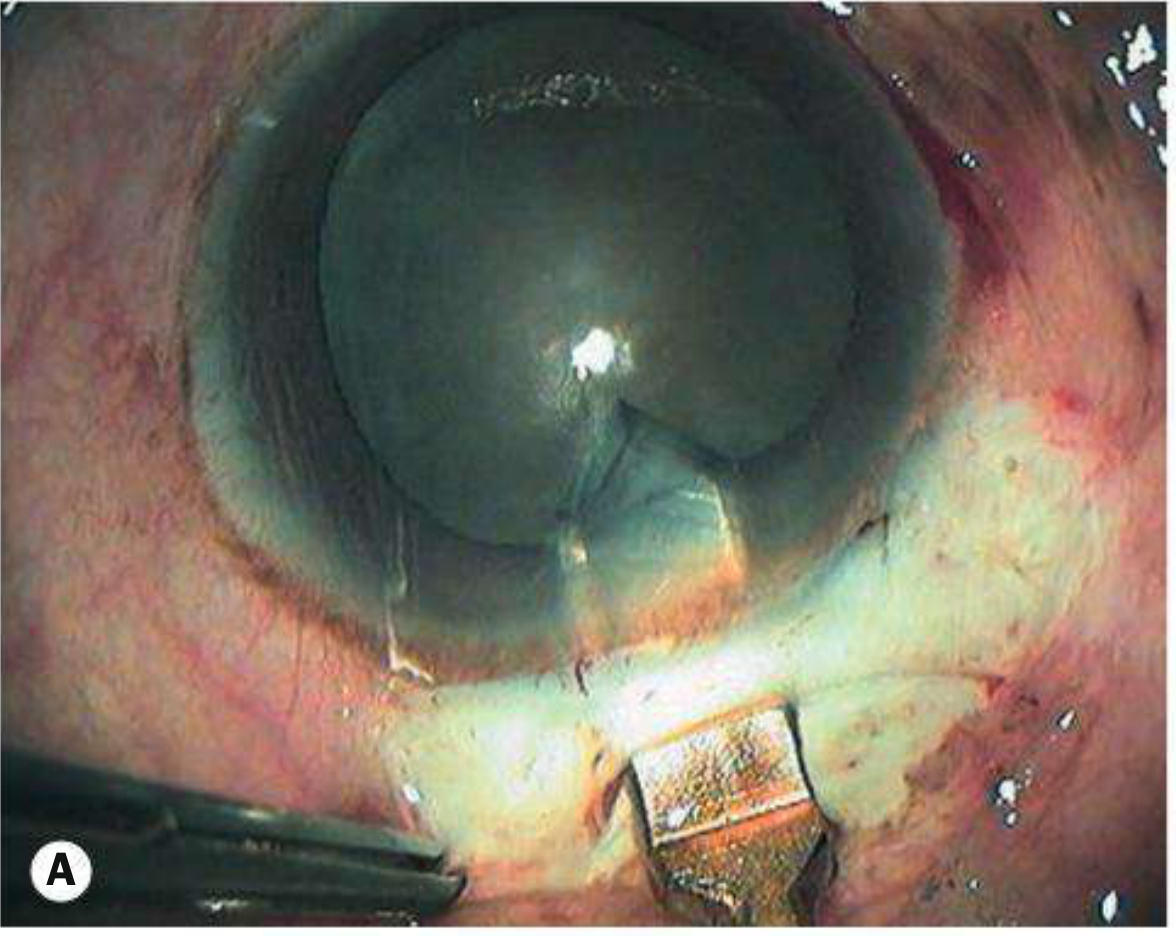
Step 6 - Capsulotomy
- Viscoelastic injected into anterior chamber
- Can-opener capsulotomy (multiple small punctures in a circle) or continuous curvilinear capsulorhexis (CCC)
- Trypan blue/gentian violet stain may be applied to visualize the anterior capsule in white/mature cataracts
Step 7 - Hydrodissection
- Balanced salt solution (BSS) injected under the capsular edge using a blunt cannula
- Separates nucleus + cortex from the capsular bag
- A visible hydrodissection wave confirms success
Step 8 - Nucleus Prolapse into Anterior Chamber
- Nucleus is luxated into the AC using:
- Irrigating vectis (wire loop)
- Sinskey hook / nucleus manipulator
- Or by gentle pressure on the posterior lip of the incision
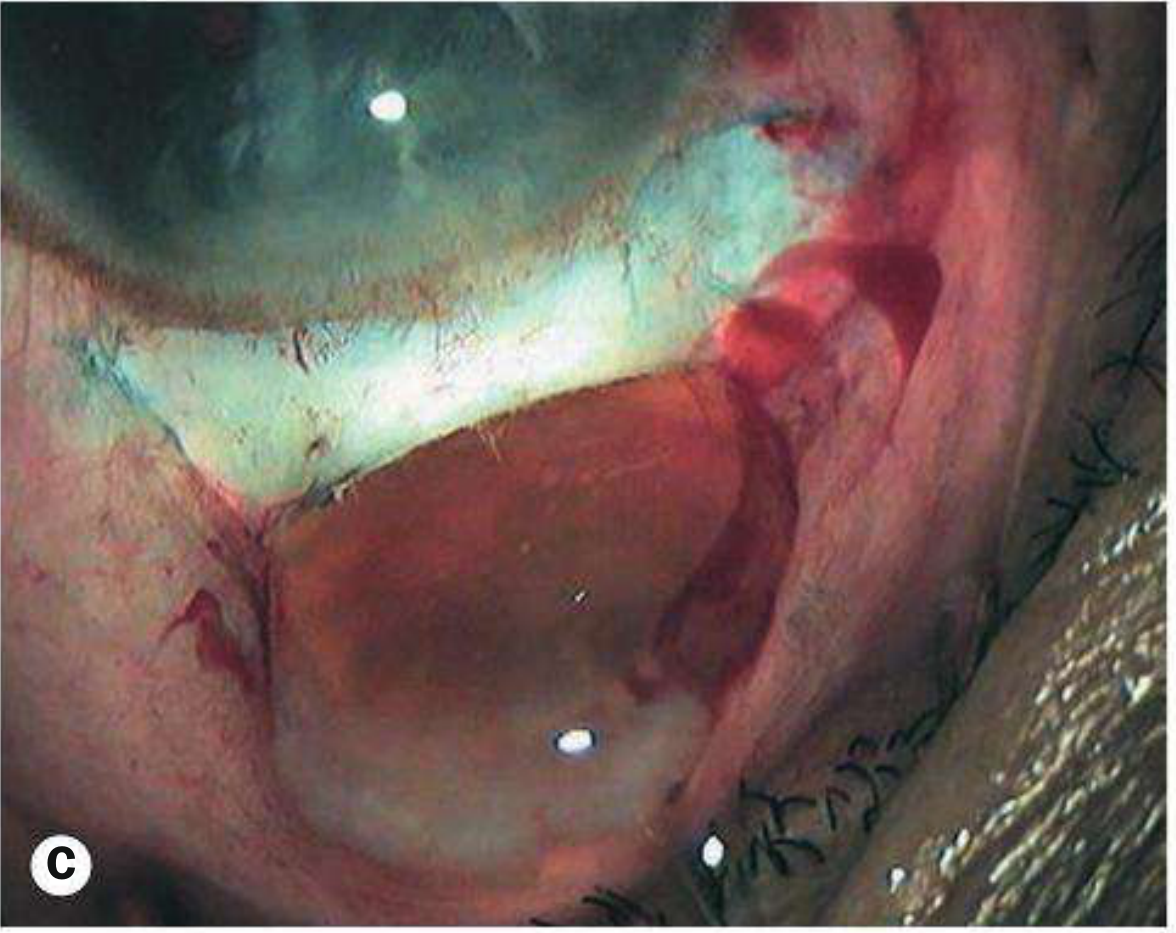
Step 9 - Nucleus Delivery (Expression)
- The nucleus is expressed out through the tunnel using:
- Irrigating vectis (most common) - a wire loop under the nucleus with irrigation above it
- Fish hook technique
- Blumenthal technique (anterior chamber maintainer)
- The self-sealing tunnel allows delivery of the nucleus without sutures
Step 10 - Cortical Aspiration
- Residual cortical matter aspirated using Simcoe cannula (manual irrigation-aspiration)
- The two-way Simcoe cannula irrigates via one channel and aspirates via the other
Step 11 - IOL Insertion
- Capsular bag inflated with viscoelastic
- A PMMA (polymethylmethacrylate) rigid IOL (5.5 mm optic) is inserted into the capsular bag
- Haptics are dialled into the bag
Step 12 - Viscoelastic Removal
- OVD thoroughly aspirated using Simcoe cannula
Step 13 - Wound Closure
- The tunnel is self-sealing - no sutures required in most cases
- Leakage tested by pressing on the posterior lip (Seidel test)
- Subconjunctival antibiotic + steroid injection (e.g., gentamicin + dexamethasone)
- Conjunctiva closed with cautery or suture
Q5. What type of anaesthesia is used?
| Type | Details |
|---|---|
| Peribulbar | Most common in India; injection given inferolateral + superonasal |
| Sub-Tenon | Blunt cannula via conjunctival incision; good safety profile |
| Retrobulbar | Behind globe; risk of globe perforation, optic nerve injury |
| Topical | Drops/gel; proxymetacaine 0.5%, tetracaine 1%, lidocaine 2% gel |
| Intracameral | Preservative-free lidocaine 0.2-1% augments topical |
| General | Children, uncooperative patients |
(Kanski's, p. 335)
Q6. What is the "self-sealing" mechanism of SICS?
The tunnel is triplanar:
- Outer scleral lip - posterior entry point
- Intrascleral tunnel - parallel to limbus
- Internal corneal valve - the inner opening is smaller than the outer, creating a flap-valve effect
When IOP rises postoperatively, it pushes the inner corneal lips together, sealing the wound. This is why no sutures are needed.
Q7. What IOL is used in SICS and why?
- PMMA (rigid) IOL - 5.5 mm or 6 mm optic diameter
- PMMA requires a slightly larger incision (5.5-6 mm) but does not need a phaco machine
- Foldable IOLs (acrylic, silicone) can be used with an injector through a smaller incision but are more costly
- Power calculation: SRK/T formula for most cases; Haigis or Holladay for post-refractive surgery eyes
- Biometry by A-scan ultrasound or optical biometry (IOLMaster)
Q8. What is the Simcoe cannula? (Very common viva question)
The Simcoe cannula is a two-way cannula used for cortical aspiration in ECCE/SICS:
- Outer channel: Irrigates BSS into the eye (maintains AC depth)
- Inner channel: Aspirates cortical matter by syringe suction
- Tip is angled 45° and bent at the hub
- It is the workhorse of cortical aspiration in manual cataract surgery
Q9. Complications of SICS
Intraoperative:
- Posterior capsule rupture (PCR) - most feared; may cause vitreous loss, posterior dislocation of nucleus
- Vitreous loss - manage with anterior vitrectomy, do NOT pull vitreous
- Zonular dialysis - can cause IOL drop
- Expulsive choroidal haemorrhage - rare, catastrophic
- Corneal burn - less common than phaco (no ultrasound energy)
- Nucleus drop into vitreous - requires vitreoretinal surgery
Signs of PCR:
- Sudden deepening or shallowing of AC
- Momentary pupillary dilatation
- Nucleus falls away from phaco tip / vectis
- Vitreous aspiration causes slowing of aspiration
Postoperative:
- Endophthalmitis - most serious; Gram +ve organisms (Staph. epidermidis most common)
- Cystoid macular oedema (CMO) - especially if vitreous loss occurred
- Posterior capsule opacification (PCO) / Elschnig pearls - commonest late complication; treated by Nd:YAG laser capsulotomy
- Uveitis - toxic anterior segment syndrome (TASS) if contaminated instruments
- Raised IOP - from retained viscoelastic
- Striate keratopathy / corneal oedema
- Induced astigmatism - if wound not self-sealed properly
- IOL decentration / dislocation
Q10. What is Nd:YAG laser capsulotomy?
Used to treat posterior capsule opacification (PCO) - the commonest late complication of cataract surgery (SICS or phaco).
- PCO is caused by migration and proliferation of residual lens epithelial cells across the posterior capsule
- Results in "secondary cataract" / Elschnig pearls
- Nd:YAG laser creates a central opening in the opacified posterior capsule
- Energy: ~1-2 mJ per pulse; total 30-100 pulses
- Complications of YAG: raised IOP (give acetazolamide prophylactically), IOL pitting, retinal detachment (rare)
Q11. How does SICS compare to phaco in a resource-limited setting? (AK Khurana focus)
Per AK Khurana and current evidence:
- SICS is the preferred technique for dense/mature/white cataracts where phaco is risky (hard nucleus can clog phaco tip)
- SICS requires no capital expenditure on phaco machine
- Complication rates are comparable between SICS and phaco
- Visual outcomes are equivalent at 6 weeks
- SICS is the backbone of National Programme for Control of Blindness (NPCB) in India
Q12. What are the indications and contraindications of SICS?
Indications:
- Any cataract requiring surgical extraction
- Especially: dense/brunescent/white/hypermature cataracts
- Settings where phaco is unavailable or too costly
- High-volume surgical camps
Relative contraindications:
- Very shallow anterior chamber (risk of iris prolapse)
- Extremely high myopia with posterior staphyloma
- Subluxated lens (significant zonular weakness)
- Corneal pathology affecting the tunnel site
Q13. What is the difference between fornix-based and limbus-based conjunctival flap?
| Fornix-based | Limbus-based | |
|---|---|---|
| Incision | At the limbus | At the fornix, 8-10 mm from limbus |
| Conjunctival flap | Reflected posteriorly | Reflected anteriorly |
| Advantage | Better exposure, faster | Protects limbal stem cells |
| Use | Common in SICS | Used when limbal cells need preservation |
Q14. Key instruments in SICS (Viva favourite)
| Instrument | Use |
|---|---|
| Crescent blade | Fashioning the scleral tunnel |
| 3.2 mm keratome | Entering the AC |
| MVR blade (microvitreoretinal) | Side port incision |
| Cystotome / bent 26G needle | Capsulotomy |
| Irrigating vectis | Nucleus delivery |
| Simcoe cannula | Cortical aspiration |
| Sinskey hook | IOL dialling, nucleus manipulation |
| PMMA IOL + Kelman McPherson forceps | IOL insertion |
Q15. What is viscoelastic (OVD)? Types used in SICS?
Ophthalmic viscosurgical devices (OVDs) are biopolymers that maintain intraocular space, protect the endothelium, and facilitate surgery.
- Cohesive OVDs (e.g., Healon, sodium hyaluronate 1%): maintain space, easier to remove, can cause IOP spike
- Dispersive OVDs (e.g., Viscoat, chondroitin sulfate + hyaluronate): coat and protect endothelium, harder to remove
- "Soft shell" technique: dispersive layer injected first (endothelial protection), cohesive layer second (space maintenance) - ideal for dense cataracts and compromised corneas
(Kanski's, p. 337)
Summary Table for Quick Revision
| Topic | Key Fact |
|---|---|
| Incision size | 5.5-7 mm |
| Self-sealing mechanism | Triplanar tunnel (scleral valve) |
| IOL used | Rigid PMMA (5.5-6 mm optic) |
| Nucleus delivery | Irrigating vectis / fish hook |
| Cortical aspiration | Simcoe cannula |
| Commonest late complication | PCO - treated by Nd:YAG |
| Most feared intraop complication | Posterior capsule rupture with vitreous loss |
| Most serious postop complication | Endophthalmitis |
| Advantage over phaco | No machine needed, cheaper, good for dense cataracts |
| Advantage over conventional ECCE | Sutureless, less astigmatism |
Primary reference: Kanski's Clinical Ophthalmology: A Systematic Approach, 10th Edition, pp. 335-339 (Manual cataract surgery, MSICS/SICS section). Content consistent with AK Khurana Comprehensive Ophthalmology (6th/7th ed.), Chapter on Cataract.
Explain the ETIOPATHOGENESIS, Clinical features, INVESTIGATION and MANAGEMENT of Subarachnoid Haemorrhage. Refer Archit Boloor. 10 marks LAQ theory paper General Medicind
Reading File
Finding Sources
Finding Sources
Good. Let me now search for SAH in internal medicine texts and read the detailed clinical content from multiple sources in parallel.
Finding Sources
Reading File
Reading File
Excellent content. Now let me read more of the SAH sections - investigations, grading, and management in parallel from both sources.
Reading File
Reading File
Reading File
Loading Image
Excellent. Let me read the management continuation and complications sections now.
Reading File
Loading Image
I now have comprehensive content. Let me compile the complete 10-mark LAQ answer.
SUBARACHNOID HAEMORRHAGE (SAH)
10-Mark Long Answer Question - General Medicine
(Referred: Archit Boloor / Bailey & Love / Kanski / Grainger & Allison)
DEFINITION
Subarachnoid haemorrhage (SAH) is bleeding into the subarachnoid space - the area between the arachnoid mater and pia mater that surrounds the brain and spinal cord, normally filled with cerebrospinal fluid (CSF).
Incidence: ~9 per 100,000 person-years. Mortality approaches 50%; post-ictus dependency rate is ~30%.
I. ETIOPATHOGENESIS
A. Causes of SAH
| Cause | Frequency |
|---|---|
| Ruptured intracranial aneurysm | ~80% |
| Non-aneurysmal perimesencephalic SAH | ~10% |
| Arteriovenous malformation (AVM) | Rare |
| Traumatic | Common but distinct entity |
| Mycotic (infective) aneurysm | Rare - from bacteraemia/endocarditis |
| Dural venous sinus / cortical vein thrombosis | Rare |
| Cocaine abuse | Rare |
| Intracranial arterial dissection | Rare |
(Grainger & Allison's Diagnostic Radiology, p. 1456; Bailey & Love, p. 730)
B. Sites of Aneurysm Formation
Aneurysms occur at arterial branch points in the Circle of Willis where turbulent blood flow exerts maximum haemodynamic stress on vessel walls:
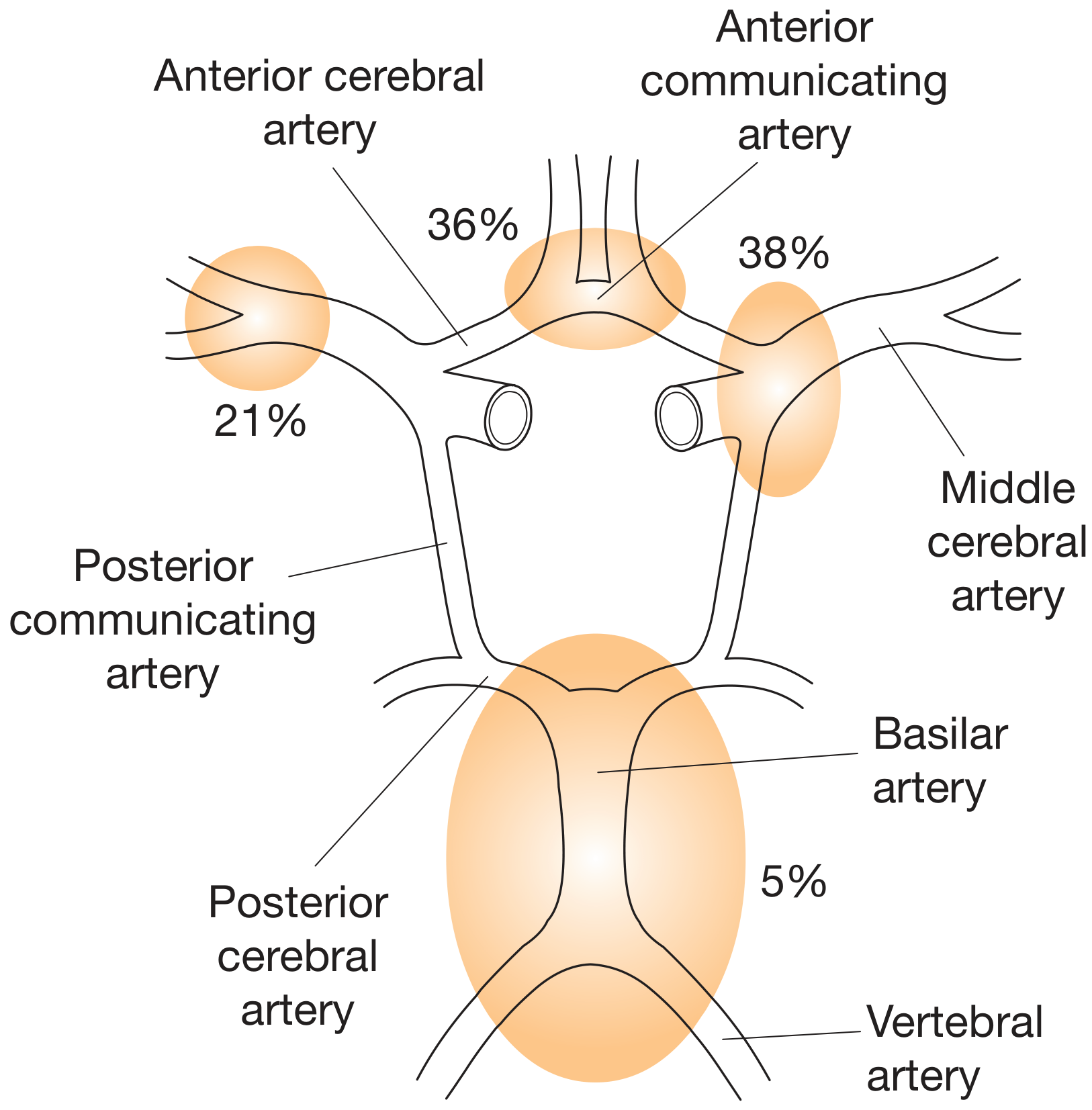
- Anterior communicating artery - 38% (most common)
- Anterior cerebral artery - 36%
- Middle cerebral artery - 21%
- Basilar artery - 5%
- Posterior communicating artery - common; causes painful 3rd nerve palsy
C. Pathogenesis of Aneurysm Formation
Saccular (berry) aneurysms - the most common type:
- Congenital defects in the tunica media (muscular layer) at arterial branch points
- Combined with haemodynamic stress from turbulent blood flow
- Gradual outpouching of the intima + adventitia forms a thin-walled sac
- Rupture occurs when wall tension exceeds tensile strength - most commonly during sudden rises in intracranial pressure (straining, exertion, sexual activity, Valsalva)
Mycotic aneurysms: Infective infiltration of arterial walls from septic emboli (infective endocarditis, IV drug use) - can occur anywhere, not just Circle of Willis.
D. Risk Factors
- Age (peak: 40-60 years), female sex
- Hypertension - most modifiable risk factor
- Smoking
- Cocaine abuse (acute BP surge)
- Family history - 2 or more first-degree relatives affected
- Genetic disorders:
- Adult polycystic kidney disease (APKD)
- Fibromuscular dysplasia
- Neurofibromatosis type 1
- Ehlers-Danlos syndrome
- Marfan syndrome
(Bailey & Love, p. 730)
E. Pathophysiology After Rupture
- Sudden ICP rise - blood enters subarachnoid space, ICP equals arterial pressure transiently - causes loss of consciousness in 50%
- Meningeal irritation - blood in CSF causes chemical meningitis (headache, neck stiffness, photophobia) - develops over hours
- Vasospasm - blood breakdown products trigger arterial vasospasm in 30-70%; begins day 3-4, peaks days 7-10 - the major cause of delayed ischaemic neurological deficit (DIND)
- Hydrocephalus - blood obstructs CSF reabsorption at arachnoid granulations (communicating hydrocephalus)
- Rebleeding - highest risk in first 24 hours (4%); then 1.5% per day; 80% who rebleed have poor outcome
II. CLINICAL FEATURES
A. Symptoms
1. Thunderclap headache - the cardinal symptom
- Sudden onset, maximal severity at or within seconds of onset
- Described as "the worst headache of my life" or "like a hammer blow to the head"
- Often occurs during exertion, defecation, sexual activity, or Valsalva
- ~1/3 of patients are misdiagnosed at initial presentation
2. Prodromal (sentinel) headache - hours to days before major bleed
- Represents minor "warning leak" or aneurysm expansion
- Must not be dismissed as tension/migraine headache
3. Vomiting - in ~70% of patients
4. Seizures - in ~10% at ictus
5. Loss of consciousness - transient or prolonged in ~50%
B. Signs
Meningeal irritation (develops over hours):
- Neck stiffness (nuchal rigidity)
- Photophobia
- Kernig's sign - inability to extend the knee when hip is flexed to 90°
- Brudzinski's sign - involuntary flexion of knees when neck is flexed
Neurological findings:
- Painful third nerve palsy (ptosis, complete ophthalmoplegia, pupil dilatation) - classic sign of posterior communicating artery aneurysm compressing CN III
- Focal deficits (hemiparesis, dysphasia) in higher-grade bleeds
Ocular findings (fundoscopy):
- Subhyaloid haemorrhage - blood under the hyaloid membrane of the vitreous; pathognomonic when present
- Terson's syndrome - combination of SAH + vitreous haemorrhage; occurs in 15-20%
- Papilloedema (in established hydrocephalus - may not be evident early)
C. WFNS Grading Scale (World Federation of Neurosurgical Societies)
| Grade | GCS | Focal Deficit |
|---|---|---|
| I | 15 | Absent |
| II | 13-14 | Absent |
| III | 13-14 | Present |
| IV | 7-12 | ± Present |
| V | 3-6 | ± Present |
Grading is assessed after resuscitation, not at time of ictus. Guides prognosis and management decisions.
(Bailey & Love, p. 731)
III. INVESTIGATIONS
A. Imaging - First Line
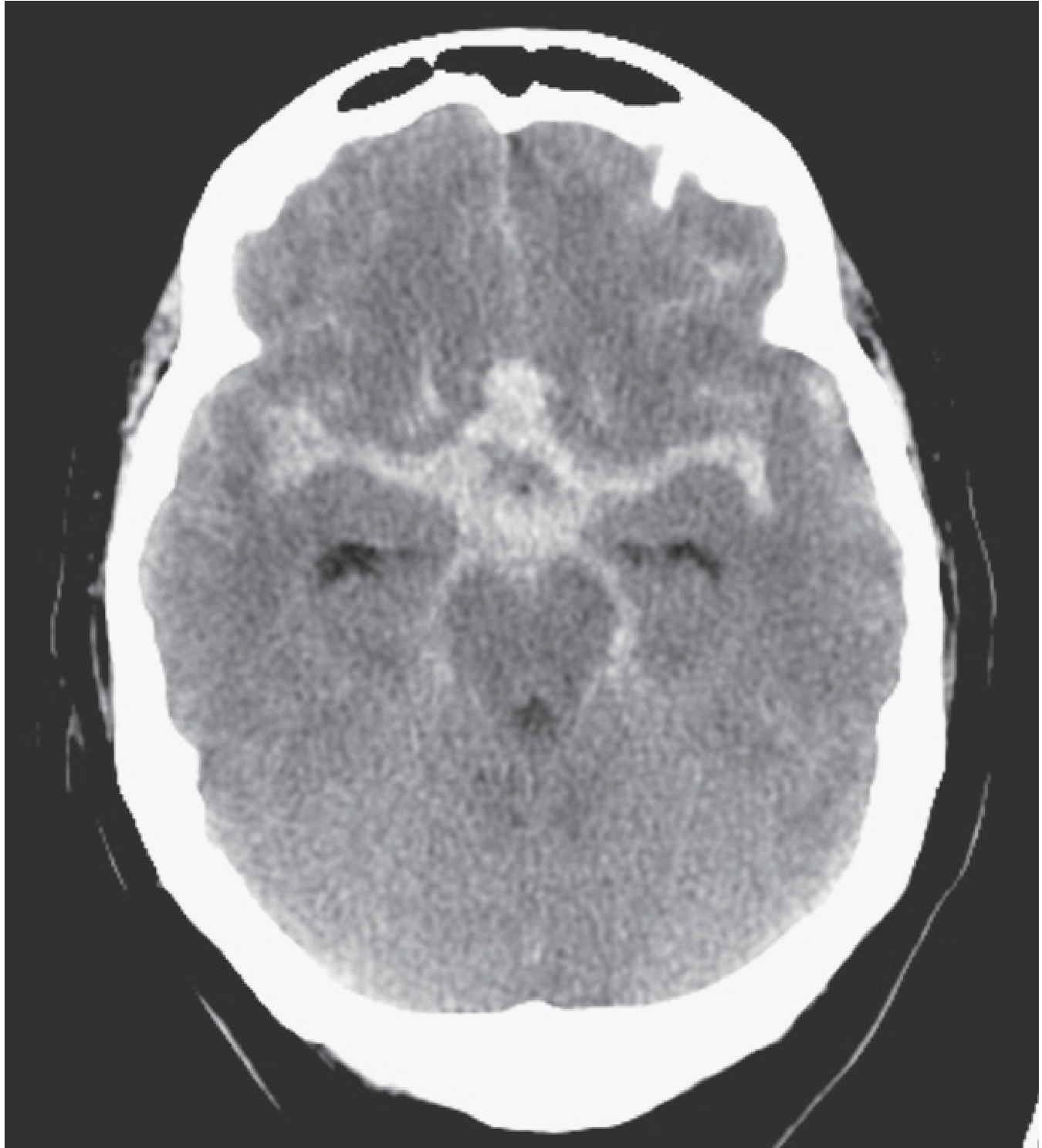
1. Non-contrast CT Brain - Investigation of Choice
- Sensitivity: >98% within 12 hours of ictus (gold standard for acute diagnosis)
- Shows hyperdense (white) blood in subarachnoid spaces, basal cisterns, Sylvian fissures, interhemispheric fissure
- Sensitivity falls to <75% by day 3 and <50% by 1 week
- Can suggest aneurysm location based on blood distribution:
- Basal cisterns + interhemispheric fissure - anterior communicating artery
- Sylvian fissure - middle cerebral artery
- Prepontine cistern - basilar artery
B. Lumbar Puncture (LP)
Indications: Strong clinical suspicion of SAH with negative CT scan (especially if presentation is delayed >6 hours)
Timing: Performed at least 6 hours (ideally 12 hours) after ictus
- Allows time for red blood cell lysis and haemoglobin breakdown
CSF findings in SAH:
- Uniformly bloodstained CSF in all three bottles (vs. traumatic tap: clearing blood in successive bottles)
- Xanthochromia - yellow discolouration of CSF supernatant due to oxyhaemoglobin and bilirubin (breakdown of haemoglobin)
- Spectrophotometry of CSF - gold standard analysis; detects oxyhaemoglobin + bilirubin peaks (visual inspection alone is unreliable)
- Raised CSF protein
- Xanthochromia may persist for up to 2 weeks
(Grainger & Allison, p. 1457)
C. Angiography - Identify the Source
1. CT Angiography (CTA)
- Non-invasive, rapid, widely available
- Detects aneurysms >3 mm with high sensitivity
- First-line angiographic investigation in most centres
2. MR Angiography (MRA)
- Non-invasive, no radiation
- Less sensitive for small aneurysms
- FLAIR MRI: sensitive for SAH, especially subacute (remains positive up to 45 days)
- T2* gradient-echo: detects haemosiderin in subacute phase
3. Digital Subtraction Angiography (DSA) - Gold Standard for Aneurysm
- Requires femoral artery access; contrast injected into carotid and vertebral arteries
- Definitive identification of aneurysm morphology, size, neck, relationship to parent vessel
- Essential for surgical planning (clipping vs. coiling decision)
- Risks: ischaemic stroke/arterial dissection (1-2%), contrast reaction, renal failure
D. Other Investigations
- FBC, coagulation profile - baseline, exclude coagulopathy
- U&E, serum electrolytes - hyponatraemia is common complication (cerebral salt wasting or SIADH)
- ECG - SAH causes catecholamine surge; arrhythmias, ST changes, T-wave inversion (neurogenic cardiac changes)
- Troponin - neurogenic myocardial injury
- Blood glucose, LFT, renal function
- Transcranial Doppler (TCD) - monitors cerebral blood flow velocity as indirect assessment of vasospasm
IV. MANAGEMENT
A. Emergency / Initial Management (Stabilisation)
- Airway, Breathing, Circulation - ABC protocol
- Bed rest with strict neurological observations (hourly GCS, pupils, BP, neuro signs)
- IV access - normal saline (avoid hypotonic fluids which worsen cerebral oedema)
- Strict input-output monitoring
- Analgesia - paracetamol ± codeine; avoid NSAIDs (antiplatelet effect)
- Antiemetics - ondansetron/metoclopramide
- Laxatives - avoid straining/Valsalva which raises ICP
- Gastric protection - proton pump inhibitor
- Compression stockings - DVT prophylaxis
- Transfer to neurosurgical centre - early transfer optimises outcomes
(Bailey & Love, p. 732)
B. Specific Medical Management
1. Nimodipine (MOST IMPORTANT drug in SAH)
- Oral nimodipine 60 mg every 4 hours for 21 days
- Calcium channel blocker - reduces incidence of vasospasm and delayed ischaemic neurological deficit (DIND)
- Does NOT prevent angiographic vasospasm but improves neurological outcomes
- Mechanism: vasodilation, neuroprotection
2. Blood Pressure Management
- Avoid severe hypertension (risk of rebleed) but also avoid hypotension (risk of ischaemia)
- Target: maintain adequate cerebral perfusion pressure
3. Management of Vasospasm / DIND
- Vasospasm typically develops days 3-10 after SAH
- "Triple H" therapy (historical):
- Hypertension (induced)
- Hypervolaemia (fluid loading 2.5-3 L/day normal saline)
- Haemodilution
- Modern approach: Euvolaemia + Induced hypertension (hypervolaemia alone not proven beneficial)
- IV nimodipine if oral not tolerated
- Intra-arterial vasodilators (papaverine, verapamil) or balloon angioplasty for refractory vasospasm
4. Hyponatraemia Management
- Common complication - due to cerebral salt wasting (CSW) or SIADH
- Do NOT restrict fluids (worsens DIND by reducing perfusion)
- Treat with sodium replacement (oral NaCl tablets or hypertonic saline infusion)
- Key distinction: CSW needs fluid + salt replacement; SIADH theoretically needs restriction - but in SAH, both are treated with sodium supplementation to avoid vasospasm
5. Seizure Management
- Prophylactic anticonvulsants: controversial; not routinely recommended for all
- If seizures occur: treat with levetiracetam or phenytoin
- Avoid prolonged phenytoin (worsens outcomes)
C. Surgical / Interventional Management
1. Endovascular Coiling
- Preferred where feasible - Class 1 evidence (ISAT trial) shows better outcomes than clipping for most aneurysms
- Platinum coils packed into the aneurysm sac via endovascular catheter
- Occludes the aneurysm from blood flow
- Sometimes with stent assistance for wide-necked aneurysms
2. Surgical Clipping (Craniotomy)
- A metal clip applied across the aneurysm neck via open craniotomy
- Remains necessary when: aneurysm anatomy unsuitable for coiling, large haematoma requiring evacuation, failed coiling
- Provides definitive and durable occlusion
Timing: Early intervention (within 24-72 hours) is preferred - reduces rebleed risk and allows optimal management of vasospasm.
Rebleed risk without treatment: 4% in first 24 hours, then 1.5% per day; 80% of rebleeders have poor outcome.
(Bailey & Love, p. 731-732)
3. Management of Hydrocephalus
- Acute communicating hydrocephalus - external ventricular drain (EVD) or lumbar drain
- Chronic hydrocephalus - ventriculoperitoneal (VP) shunt
D. Management of Poor-Grade SAH (WFNS IV-V)
- Conservative/supportive approach may be appropriate in elderly patients
- Goal-directed therapy, family discussion
- Avoid futile intervention
V. COMPLICATIONS
| Complication | Onset | Management |
|---|---|---|
| Rebleeding | First 24 hours (max) | Early aneurysm securing (coil/clip) |
| Vasospasm / DIND | Days 3-10 | Nimodipine, euvolaemia, induced hypertension |
| Hydrocephalus | Acute or chronic | EVD, VP shunt |
| Hyponatraemia | Days 3-10 | Sodium replacement, avoid fluid restriction |
| Seizures | Acute/subacute | Levetiracetam |
| Neurogenic pulmonary oedema | Acute | Supportive, diuretics |
| Cardiac arrhythmias / MI | Acute | ECG monitoring, cardiology review |
| Terson's syndrome | Acute | Ophthalmology review |
| Cerebral infarction | Days 3-14 | From vasospasm - prevent with nimodipine |
VI. PROGNOSIS
- Overall mortality: ~50%
- ~30% of survivors have significant dependency
- Good-grade SAH (WFNS I-II): 80-90% good outcome with early intervention
- Poor-grade SAH (WFNS IV-V): high mortality (~70-80%)
- Key determinants of outcome: initial clinical grade, age, aneurysm size, degree of vasospasm, timing of treatment
SUMMARY DIAGRAM
SAH
├── CAUSE: Ruptured berry aneurysm (80%) at Circle of Willis branch points
├── TRIGGER: Sudden ICP rise (exertion, Valsalva)
├── SYMPTOM: Thunderclap headache + vomiting + LOC
├── SIGNS: Neck stiffness, photophobia, Kernig's, 3rd nerve palsy, subhyaloid haemorrhage
├── INVESTIGATE: CT brain (98% sensitive <12h) → LP if CT negative → DSA/CTA for aneurysm
└── MANAGE:
Medical: Bed rest, IV saline, Nimodipine 60 mg 4-hrly, analgesia, antiemetics
Surgical: Coiling (preferred) or Clipping (craniotomy)
Complications: Vasospasm (nimodipine + fluids), Hydrocephalus (EVD/shunt), Hyponatraemia (NaCl)
Sources: Bailey & Love's Short Practice of Surgery (28th ed.), pp. 730-732; Grainger & Allison's Diagnostic Radiology, pp. 1456-1470; consistent with Archit Boloor's Clinical Medicine and AK Khurana references for undergraduate examinations.
A 40 y/o male was found to have blood pressure of 180/110 mmHg and weakness on right side of the body. What is the diagnosis? How will you investigate and manage such a case.
Reading File
This is a clinical case scenario - broad, multi-system. The diagnosis here is likely hypertensive stroke / cerebrovascular accident (CVA) - a 40-year-old with BP 180/110 and right-sided weakness (contralateral to left hemisphere lesion). Let me search for stroke and hypertension content in parallel.
Finding Sources
Finding Sources
Finding Sources
Finding Sources
Finding Sources
Finding Sources
Reading File
Finding Sources
Reading File
Reading File
Good content on imaging. Now let me get the key clinical management content - specifically acute stroke management, thrombolysis, and hypertension management in stroke.
Reading File
Finding Sources
Finding Sources
Finding Sources
I have sufficient textbook content plus strong training knowledge. Let me now fetch the key CT stroke image and compile the comprehensive answer.
Loading Image
I now have all the material needed. Here is the comprehensive structured answer:
Clinical Case: 40-year-old Male, BP 180/110 mmHg, Right-sided Weakness
STEP 1: DIAGNOSIS
Most Likely Diagnosis: Hypertensive Stroke / Cerebrovascular Accident (CVA)
The clinical triad of:
- Severe hypertension (BP 180/110 mmHg = Stage 2 / Grade 3 hypertension)
- Right-sided hemiplegia/hemiparesis (upper motor neuron weakness)
- Middle-aged male (40 years)
...points to a stroke affecting the left cerebral hemisphere (right-sided weakness = left-sided brain lesion, due to the decussation of the corticospinal tract at the medullary pyramids).
Differential Diagnosis
The stroke is either:
| Type | Frequency | Mechanism |
|---|---|---|
| Ischaemic stroke (infarction) | ~80% | Thrombosis or embolism occluding a cerebral artery |
| Haemorrhagic stroke (ICH) | ~15-20% | Hypertension ruptures small penetrating arteries |
| Hypertensive encephalopathy | Rare | Failure of cerebral autoregulation - diffuse |
Key point: CT brain is mandatory to distinguish ischaemic from haemorrhagic stroke before any treatment is started, as management differs fundamentally.
Other conditions to consider and exclude:
- Todd's paralysis (post-ictal weakness after seizure)
- Brain tumour with oedema
- Subdural haematoma
- Hemiplegic migraine
- Hypoglycaemia (always check glucose first)
- Multiple sclerosis (uncommon at 40 years with acute onset)
STEP 2: INVESTIGATIONS
A. Immediate / Emergency (Done within minutes)
| Investigation | Purpose |
|---|---|
| Blood glucose (finger-prick) | Exclude hypoglycaemia - mimics stroke; must be done before any other test |
| Non-contrast CT brain | First and most urgent investigation - differentiates ischaemic from haemorrhagic stroke; >98% sensitive for acute bleed |
| ECG | Detect atrial fibrillation (cardioembolic source), acute MI |
| O₂ saturation / pulse oximetry | Detect hypoxia |
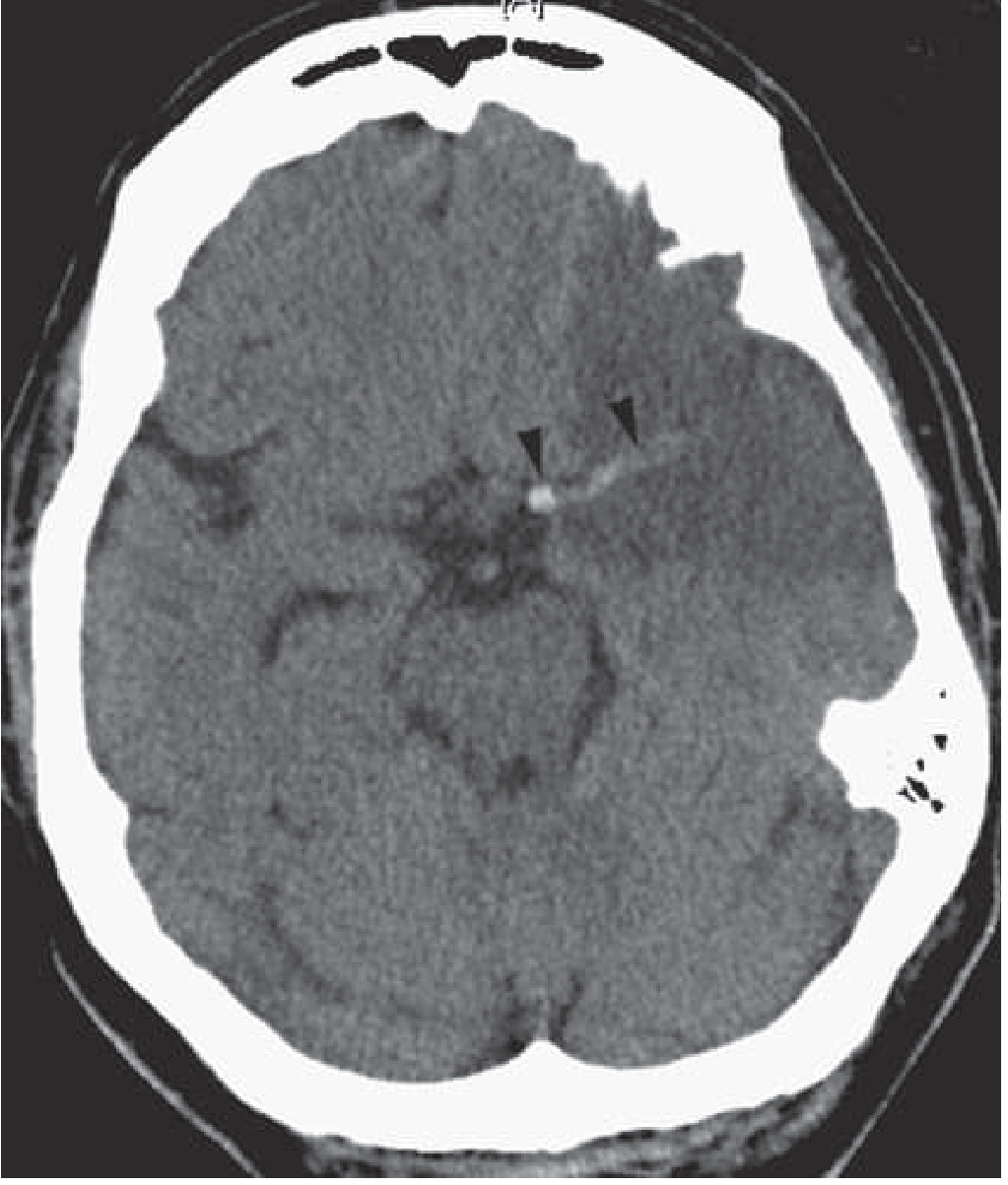
CT brain findings:
- Ischaemic stroke: Normal in first 6 hours; later shows hypodense (dark) area in affected territory; hyperdense MCA sign (clot visible in middle cerebral artery)
- Haemorrhagic stroke / ICH: Hyperdense (bright white) lesion immediately; blood visible in parenchyma
B. Urgent Blood Tests
| Test | Rationale |
|---|---|
| CBC / FBC | Polycythaemia (thrombosis risk), thrombocytopenia (bleed risk) |
| Prothrombin time (PT), INR, aPTT | Coagulation status - essential before thrombolysis |
| Serum electrolytes, BUN, creatinine | Renal function; electrolyte imbalance |
| Blood glucose (formal) | Hyperglycaemia worsens stroke outcome |
| Lipid profile (cholesterol, LDL) | Atherosclerosis risk assessment |
| Cardiac enzymes (Troponin) | Rule out concurrent MI; cardiac embolism |
| Thyroid function | Atrial fibrillation workup |
C. Imaging (After Initial Stabilisation)
| Investigation | Finding / Purpose |
|---|---|
| MRI brain with DWI (Diffusion Weighted Imaging) | Most sensitive for acute ischaemia - positive within minutes; shows restricted diffusion in infarcted tissue |
| MR Angiography (MRA) or CT Angiography (CTA) | Identifies site and extent of arterial occlusion; essential if considering thrombectomy |
| CT Perfusion | Identifies ischaemic penumbra (salvageable tissue) vs. core infarct |
(Bradley & Daroff's Neurology, p. 824; p. 858 - thrombolysis decisions require DWI/perfusion imaging)
D. Cardiac Investigations (Identify Embolic Source)
| Investigation | Purpose |
|---|---|
| 2D Echocardiography (TTE/TEE) | Detect thrombus, valve disease, patent foramen ovale (PFO), wall motion abnormality |
| 24-hour Holter monitoring | Detect paroxysmal atrial fibrillation (most common cardioembolic cause) |
| Carotid Doppler ultrasound | Detect carotid artery stenosis / atherosclerotic plaque |
| Transcranial Doppler (TCD) | Assess MCA flow velocity; detect microemboli; monitor response to thrombolysis |
E. Other Investigations
| Investigation | Purpose |
|---|---|
| Urine examination + renal function | Hypertensive nephropathy; secondary causes of hypertension |
| Fundoscopy | Hypertensive retinopathy grading; papilloedema |
| Chest X-ray | Cardiomegaly (hypertensive heart disease), pulmonary oedema |
| ESR, CRP | Vasculitis (important in 40-year-old) |
| ANA, ANCA, antiphospholipid antibodies | Autoimmune / hypercoagulable states causing stroke in young |
| Lipid profile | Atherosclerosis |
| HbA1c | Diabetes (major stroke risk factor) |
| Homocysteine levels | Hyperhomocysteinaemia - stroke in young adults |
STEP 3: MANAGEMENT
Management has two phases: Acute (emergency) and Long-term (secondary prevention).
A. ACUTE MANAGEMENT
1. General Supportive Measures (First Hour - "Stroke Unit Care")
- Admission to stroke unit - reduces morbidity and mortality independent of specific treatment
- ABC assessment - Airway, Breathing, Circulation
- Supplemental O₂ only if SpO₂ <94% (routine O₂ does not improve outcomes)
- IV access - normal saline for hydration (avoid dextrose - worsens ischaemia)
- Nil by mouth initially - assess swallowing before oral feeds (risk of aspiration)
- Monitor: continuous ECG monitoring, hourly vitals, neurological observations, blood glucose
- Position: head of bed at 0-15° (horizontal) in ischaemic stroke to maximise cerebral perfusion; elevate head in haemorrhagic stroke
2. Blood Pressure Management in Acute Stroke
This is one of the most critical and nuanced decisions:
In Ischaemic Stroke (if NOT giving thrombolysis):
- Do NOT aggressively lower BP acutely in the first 24-48 hours
- The ischaemic penumbra is dependent on higher BP for perfusion (cerebral autoregulation is impaired)
- Tolerate BP up to 220/120 mmHg - only treat if BP >220/120 or there is hypertensive emergency (aortic dissection, acute MI, hypertensive encephalopathy)
- If treatment needed: IV labetalol or oral amlodipine/ACE inhibitor
- After 24-48 hours: gradually reduce BP to target
In Ischaemic Stroke (if thrombolysis planned):
- BP must be <185/110 mmHg before and during tPA infusion
- Use IV labetalol or nicardipine to lower BP carefully to this threshold
In Haemorrhagic Stroke (ICH):
- More aggressive BP lowering is appropriate
- Target systolic BP <140 mmHg (INTERACT2 trial)
- IV labetalol or nicardipine
3. Specific Treatment for Ischaemic Stroke
A. IV Thrombolysis - Alteplase (tPA)
- Dose: 0.9 mg/kg IV (maximum 90 mg); 10% as bolus, rest over 60 minutes
- Time window: Within 4.5 hours of symptom onset (class IA evidence)
- Must exclude haemorrhage on CT first
Contraindications to thrombolysis:
- Haemorrhagic stroke on CT
- BP >185/110 (unresponsive to treatment)
- Recent surgery (<3 months)
- Anticoagulation with INR >1.7
- Platelet count <100,000
- Prior stroke + diabetes (extended window contraindication)
- Blood glucose <2.7 or >22.2 mmol/L
B. Mechanical Thrombectomy
- For large vessel occlusion (ICA, MCA M1) demonstrated on CTA/MRA
- Time window: up to 24 hours in selected patients with salvageable penumbra on perfusion imaging
- Stent retriever or aspiration catheter to remove clot
- Superior to tPA alone for large vessel occlusion (multiple RCTs: MR CLEAN, DAWN, DEFUSE-3)
- Thrombolysis is applied first if within the 4.5-hour window, followed by thrombectomy
C. Antiplatelet Therapy
- Aspirin 300 mg (loading dose) orally or via NG tube - started within 24-48 hours of symptom onset (not before thrombolysis)
- After 2 weeks: Aspirin 75 mg + Clopidogrel 75 mg (dual antiplatelet for 21 days if high-risk TIA or minor stroke - POINT/CHANCE trials)
- Then long-term single antiplatelet (aspirin 75 mg or clopidogrel 75 mg)
Do NOT give aspirin if haemorrhagic stroke is the diagnosis.
4. For Haemorrhagic Stroke (ICH)
- Reverse anticoagulation immediately if applicable (Vitamin K + FFP for warfarin; PCC for NOAC)
- Lower BP as above (target SBP <140)
- Neurosurgical referral for:
- Cerebellar haematoma >3 cm (high risk of brainstem compression)
- Hydrocephalus (external ventricular drain)
- Lobar haematoma in young patient (surgical evacuation)
5. Blood Glucose Management
- Target glucose: 7-10 mmol/L (140-180 mg/dL)
- Treat hypoglycaemia immediately (dextrose IV)
- Treat hyperglycaemia with insulin sliding scale (worsens infarct size)
6. Prevention of Complications
| Complication | Prevention |
|---|---|
| Aspiration pneumonia | Swallowing assessment; NG tube if needed; head position |
| DVT / pulmonary embolism | Compression stockings, early mobilisation; LMWH after 24-48h in ischaemic stroke |
| Pressure sores | Regular repositioning, pressure mattress |
| Urinary retention / UTI | Catheter if retention; regular monitoring |
| Constipation | Laxatives, hydration |
| Post-stroke depression | Screening, SSRI if needed |
| Cerebral oedema | Head elevation, mannitol (if severe) |
| Seizures | Treat if occur; prophylactic anticonvulsants not routinely recommended |
B. LONG-TERM / SECONDARY PREVENTION MANAGEMENT
1. Antihypertensive Therapy
- Target BP: <130/80 mmHg (post-stroke; based on current ACC/AHA guidelines)
- First-line agents: ACE inhibitor (ramipril/perindopril) + thiazide diuretic
- Alternative: Calcium channel blocker (amlodipine) ± ARB (losartan)
- In this 40-year-old: BP 180/110 = Grade 3 hypertension - likely requires combination therapy
- Start after 24-48 hours in ischaemic stroke (not immediately)
2. Statin Therapy
- High-intensity statin: Atorvastatin 40-80 mg or Rosuvastatin 20-40 mg
- Reduces risk of recurrent stroke by ~25% (plaque stabilisation + anti-inflammatory effects)
- Target LDL <1.8 mmol/L (<70 mg/dL)
3. Anticoagulation (if Atrial Fibrillation confirmed)
- Warfarin (INR 2-3) or
- NOAC (Direct Oral Anticoagulants): Apixaban, Rivaroxaban, Dabigatran - preferred
- Start after 4-14 days depending on infarct size (risk of haemorrhagic transformation)
4. Carotid Revascularisation
- If carotid stenosis >70% (ipsilateral to stroke): Carotid endarterectomy (CEA) or Carotid artery stenting (CAS)
- Reduces ipsilateral stroke recurrence significantly (NNT ~6 for >70% stenosis)
- Preferably within 2 weeks of TIA/minor stroke
5. Lifestyle Modifications
- Stop smoking - single most effective intervention; halves stroke risk within 5 years
- Alcohol reduction - limit to safe limits (<14 units/week)
- Weight reduction - target BMI <25 kg/m²
- Regular aerobic exercise - 150 min/week
- Salt restriction - <5 g/day
- Diabetic control - HbA1c <7%
- Mediterranean diet
6. Rehabilitation (Essential - Started Early)
- Physiotherapy - motor recovery, gait training, spasticity management
- Occupational therapy - ADL retraining, adaptive equipment
- Speech therapy - aphasia (if left hemisphere stroke with language involvement), dysarthria, dysphagia
- Neuropsychology - cognitive rehabilitation, depression
- Early mobilisation within 24-48 hours improves outcomes
C. MANAGEMENT FLOWCHART
Patient: 40M, BP 180/110, Right-sided weakness
↓
Check Blood Glucose immediately
↓
Non-contrast CT Brain (URGENT)
↓
┌────────────────┐ ┌──────────────────┐
│ ISCHAEMIC │ │ HAEMORRHAGIC │
│ STROKE │ │ STROKE (ICH) │
└────────────────┘ └──────────────────┘
↓ ↓
Within 4.5h: IV tPA Lower BP to <140 mmHg
Consider thrombectomy Neurosurgery referral
Start aspirin 300 mg Reverse anticoagulants
↓ ↓
Stroke Unit Admission + Monitoring
↓
Long-term: Antihypertensives + Statin + Antiplatelet/Anticoagulant
+ Carotid imaging + Cardiac monitoring + Rehabilitation
D. PROGNOSIS IN THIS PATIENT
- Age 40 - relatively favourable for recovery due to neuroplasticity
- Severity depends on: infarct size, vessel occluded, time to treatment
- With timely thrombolysis: 33% more patients achieve functional independence (mRS 0-1)
- Without treatment: ~30% mortality, ~30% significant disability
- Key prognostic factor: BP control - this patient's uncontrolled hypertension (180/110) suggests likely longstanding hypertension as the underlying cause
Sources: Bradley & Daroff's Neurology in Clinical Practice; Goldman-Cecil Medicine; Bailey & Love's Surgery - consistent with standard Indian university exam syllabi and Archit Boloor's Medicine.
This is a shared conversation. Sign in to Orris to start your own chat.