
Fever with altered sensorium etiology evaluation and management
Reading File
Fever with altered sensorium is a medical emergency requiring rapid evaluation. Key causes include CNS infections (bacterial meningitis, viral encephalitis, cerebral malaria), septic encephalopathy, heat stroke, metabolic encephalopathy, and autoimmune encephalitis. Management centers on stabilization, urgent investigations (LP, blood cultures, CBC, metabolic panel), and empirical treatment while awaiting results.
Searching sources...
Finding Sources
Finding Sources
Searching PubMed
"fever" AND "altered consciousness" AND "evaluation"
Finding Sources
Finding Sources
Finding Sources
Reading File
Reading File
Finding Sources
Reading File
Reading File
Reading File
Reading File
Finding Sources
Reading File
Finding Sources
Reading File
Searching Images
approach to fever with altered sensorium diagnosis
Reading File
Searching Images
CSF analysis meningitis bacterial viral comparison table
Now I have enough information from authoritative sources to compile a comprehensive response. Let me fetch the CSF image that appeared in the textbook.
Loading Image
I now have comprehensive information to deliver a thorough, well-structured answer. Here is the full clinical review:
Fever with Altered Sensorium: Etiology, Evaluation, and Management
Fever with altered sensorium (FAS) is a medical emergency. Together they signal a CNS or systemic process severe enough to compromise brain function. Altered sensorium spans a spectrum from confusion and agitation to delirium, stupor, and coma.
Etiology
1. CNS Infections (Most common and time-critical)
Bacterial Meningitis
- Organisms vary by age. Streptococcus pneumoniae predominates in adults (>50% of cases). Neisseria meningitidis is most common in children/adolescents. Listeria monocytogenes affects neonates, elderly, and immunocompromised patients. Group B Streptococcus and E. coli are seen in the first 6 weeks of life.
- Pathogenesis: nasopharyngeal colonization → mucosal invasion → bacteremia → BBB crossing → CSF pleocytosis → cytokine cascade → cerebral edema → raised ICP → altered consciousness.
- Classic triad: fever + neck stiffness + altered sensorium (only present in ~45% of cases).
Viral Encephalitis
- Herpes simplex virus (HSV-1) is the most treatable cause and must be assumed until proven otherwise. Arboviruses (Japanese encephalitis, West Nile, Dengue) are important in endemic regions. Enteroviruses are common in children.
- Presentation: fever + behavioral change + seizures + focal neurological deficits. HSV classically involves temporal lobes (personality change, olfactory hallucinations, dysphasia).
Acute Encephalitis Syndrome (AES)
Per Park's Preventive & Social Medicine, the WHO/NVBDCP case definition is: acute onset of fever (≤5-7 days) + change in mental status ± new-onset seizures. In an epidemic setting, fever with altered sensorium persisting >2 hours with focal seizure or focal paralysis = encephalitis until proven otherwise. JE IgM ELISA is the diagnostic test of choice in sentinel surveillance.
Tuberculous Meningitis
- Subacute-to-chronic course (weeks to months). Fever + headache + meningism + cranial nerve palsies (CN VI, III most common). Basilar exudate on imaging. High suspicion in HIV, malnutrition, immunocompromised.
Fungal Meningitis (Cryptococcus)
- Almost exclusively in immunocompromised (HIV, transplant). Can present subtly with low-grade fever, headache, minimal meningismus.
Cerebral Malaria
- Plasmodium falciparum (rarely P. vivax). Mechanism: infected red cell adhesion to cerebral endothelium → obstruction of microvascular flow + inflammatory cytokine release → encephalopathy. Untreated, nearly 100% fatal; with treatment, mortality is 15-20%. Common in endemic areas; peripheral smear and RDT are bedside tests.
Brain Abscess
- Fever + raised ICP + focal deficits. Sources: sinusitis, otitis media, dental infection, endocarditis, post-neurosurgical. Altered sensorium indicates significant mass effect or rupture.
2. Systemic Causes (Secondary CNS dysfunction)
| Cause | Mechanism | Key Clue |
|---|---|---|
| Septic encephalopathy | Direct endotoxemia, altered cerebral perfusion, metabolic derangements, multiorgan failure | Source of sepsis (pneumonia, UTI, abdominal) + hemodynamic instability; incidence 10-70% in sepsis |
| Typhoid encephalopathy | Endotoxin-mediated | Rose spots, relative bradycardia, splenomegaly, Widal test |
| Hepatic encephalopathy | Hyperammonemia | Jaundice, asterixis, liver disease history |
| Hypertensive encephalopathy | Cerebral autoregulation failure | SBP >180, papilledema, PRES on MRI |
| Malaria | (see above) | Travel, smear positivity |
| Heat stroke | Temperature dysregulation + direct cellular injury | Core temp >40°C, hot dry skin, physical exertion/hot environment |
| Febrile status epilepticus | Post-ictal state | Witnessed seizure, Todd's paralysis |
| Reye's syndrome | Mitochondrial dysfunction | Child post-viral illness + aspirin use, elevated ammonia, fatty liver |
| Autoimmune/NMDA-R encephalitis | Anti-neuronal antibodies | Young female, prodrome, psychiatric features + movement disorder |
| Drug/toxin-induced | Variable | Drug history (INH, quinolones, NSAIDs) |
Evaluation
Step 1: Initial Rapid Assessment (First 5-10 minutes)
- ABCs: Airway patency (GCS <8 → intubate), breathing, circulation (BP, HR, SpO2)
- Vital signs: Temperature, HR, BP, RR, SpO2, blood glucose (POCT immediately)
- Rapid neurological assessment: GCS, pupillary size/response, focal deficits, signs of herniation (Cushing's reflex = bradycardia + hypertension + irregular breathing)
- Do not delay empirical treatment for investigations in critically ill patients
Step 2: Focused History
- Onset and tempo (acute = bacterial/viral; subacute = TB/fungal/autoimmune)
- Travel history (malaria-endemic regions, AES areas)
- Immunocompromised state (HIV, steroids, transplant, diabetes)
- Animal contacts (rabies, Nipah)
- Seizure activity (witnessed, focal or generalized)
- Drug history, alcohol use
- Recent trauma, ear/sinus infection, dental procedure
- Vaccination history (meningococcal, HiB, JE)
- Contact with similar illness (meningococcal, enterovirus)
Step 3: Physical Examination
| Finding | Significance |
|---|---|
| Neck stiffness, Kernig's sign, Brudzinski's sign | Meningeal irritation (sensitivity low <12%, specificity high) |
| Petechiae/purpura (extremities/trunk) | Meningococcemia, DIC |
| Papilledema, absent venous pulsations | Raised ICP - do CT before LP |
| Focal neurological deficits | Abscess, encephalitis, cerebral malaria, CVT |
| Fundoscopy / bedside ocular ultrasound | Assess ICP non-invasively |
| Jaundice + asterixis | Hepatic encephalopathy |
| Hot, dry skin, no sweating | Heat stroke |
| Rose spots, relative bradycardia | Typhoid |
| Rash pattern | JE excluded if rash present; meningococcal if purpuric |
Step 4: Investigations
Urgent (Bedside/First Hour)
- Blood glucose (hypoglycemia is immediately reversible)
- CBC with differential
- Renal function, LFT, electrolytes
- Blood cultures x 2 (before antibiotics if possible, but do NOT delay treatment)
- Peripheral smear (malaria) + RDT
- Widal test / Typhidot if clinical suspicion
- HIV rapid test
- Urine routine + culture
- Arterial blood gas / VBG
- 12-lead ECG
CT Head (Before LP)
Indicated if ANY of: new focal neurological deficits, papilledema, GCS <12, seizures (new onset), suspected immunosuppression, recent CNS surgery/trauma. Otherwise, LP should NOT be delayed by CT if no signs of raised ICP - the ROSEN's Emergency Medicine guidelines are clear that empirical antibiotics should be started before imaging or LP in suspected meningitis.
Lumbar Puncture (LP)
The most definitive investigation for meningitis/encephalitis. Collect at least 3-4 numbered tubes (1-1.5 mL each).
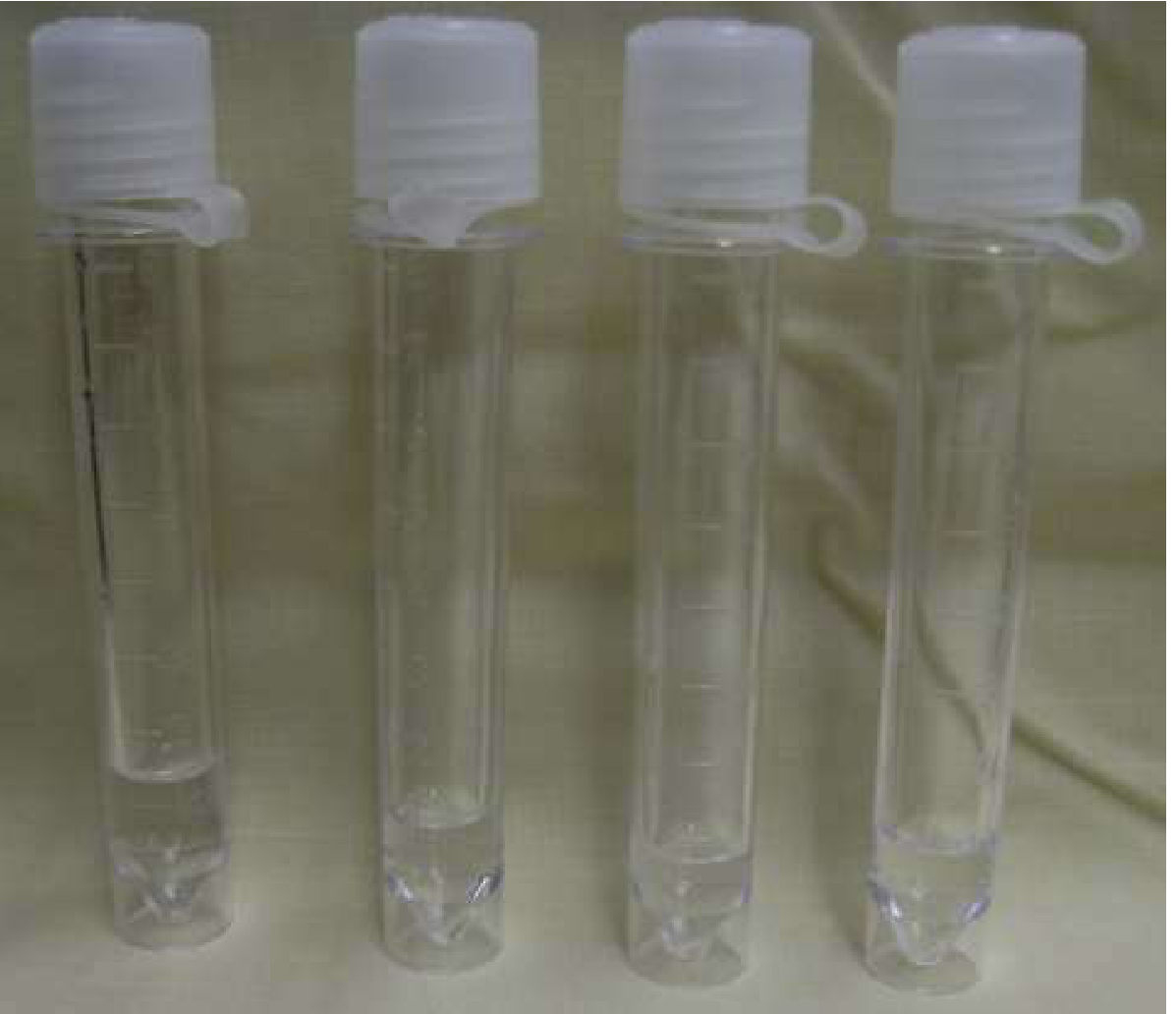
CSF Interpretation:
| Parameter | Normal | Bacterial | Viral | TB/Fungal |
|---|---|---|---|---|
| Appearance | Clear | Turbid/purulent | Clear | Clear/opalescent |
| Opening pressure | 70-180 mmH2O | Elevated | Normal/slightly raised | Elevated |
| WBC | ≤5 cells/mm³ | >1000 (PMN) | <1000 (lymphocytes) | <500 (lymphocytes) |
| Protein | 15-45 mg/dL | >100 mg/dL | 50-100 mg/dL | >100 mg/dL |
| Glucose | 2/3 serum | <40 mg/dL (low) | Normal | Low |
| Gram stain | - | + (60-90%) | - | AFB (10-40%) |
| Other | - | Culture, Ag | PCR (HSV, enterovirus) | India ink, CrAg, ADA |
Note: Up to 10% of bacterial meningitis may show lymphocyte predominance initially (especially Listeria). Early viral meningitis (<48h) can show neutrophils. Treat as bacterial if in doubt.
Additional Targeted Tests
- HSV PCR on CSF (sensitivity ~98%, specificity ~99%)
- JE IgM ELISA on CSF/serum (AES workup)
- CSF VDRL for neurosyphilis
- Cryptococcal antigen in immunocompromised
- EEG: periodic lateralized epileptiform discharges (PLEDs) in HSV encephalitis; useful if non-convulsive status suspected
- MRI brain with contrast: superior to CT for encephalitis (temporal lobe T2/FLAIR changes in HSV), brain abscess, CVT, TB meningitis (basilar enhancement)
- NMDA-R and other autoimmune antibody panels if initial workup negative
Management
Immediate Stabilization
- IV access x2, oxygen (maintain SpO2 >94%), monitor
- Correct hypoglycemia: 50 mL of 50% dextrose IV (after thiamine 100 mg if alcohol/malnutrition suspected)
- Do not delay antibiotics while arranging CT or LP - if CT is needed, draw blood cultures first, then start empirical treatment, then image, then LP
Raised ICP Management (if signs present)
- Head of bed 30 degrees
- Endotracheal intubation + ventilation (target PaCO2 35-40 mmHg; brief hyperventilation to 30-35 only as temporizing measure)
- Mannitol 0.5-1 g/kg IV over 20-30 min, or hypertonic saline (3%)
- Neurosurgical consultation
Empirical Antimicrobial Therapy
Suspected Bacterial Meningitis (Adults, immunocompetent, age <50)
- Ceftriaxone 2 g IV q12h (or cefotaxime 3 g IV q6h) + Vancomycin 15-20 mg/kg q8h
- Add Dexamethasone 0.15 mg/kg (up to 10 mg) IV q6h x 4 days, given WITH or 20 minutes BEFORE first antibiotic dose (proven mortality benefit in pneumococcal meningitis; reduces hearing loss in H. influenzae)
Age >50, neonates, immunocompromised, or suspected Listeria
- Above regimen + Ampicillin 2 g IV q4h (adult); for neonates: 100 mg/kg/dose q8h
Post-surgical / nosocomial
- Replace ceftriaxone with Cefepime 2 g IV q8h (covers Pseudomonas + resistant organisms)
Cephalosporin allergy
- Meropenem or Chloramphenicol
Suspected HSV Encephalitis (start empirically for ANY encephalitis)
- Acyclovir 10 mg/kg IV q8h x 14-21 days; confirm with CSF HSV PCR; do NOT wait for result before starting
Tuberculous Meningitis
- 4-drug regimen: HRZE (isoniazid + rifampicin + pyrazinamide + ethambutol) x 2 months, then HR x 7-10 months
- Add Dexamethasone 0.4 mg/kg/day tapered over 6-8 weeks
Cerebral Malaria
- IV Artesunate 2.4 mg/kg at 0, 12, 24h then once daily (preferred over quinine)
- Supportive: manage hypoglycemia, seizures (benzodiazepines), anemia
Septic Encephalopathy
- Treat the underlying sepsis (source control + broad-spectrum antibiotics per focus)
- Avoid benzodiazepines where possible
- Optimize hemodynamics and oxygenation
Anticonvulsant Management
- Active seizures: Lorazepam 0.1 mg/kg IV (or diazepam 0.15 mg/kg IV) as first line
- Refractory: Phenytoin/Levetiracetam loading
- Prophylactic anticonvulsants are not routinely indicated in meningitis (unless specific encephalitis with seizure risk)
Supportive Care
- Fluid balance: avoid hypo-osmolar fluids (worsen cerebral edema); use isotonic crystalloids
- Fever control: paracetamol (NSAIDs with caution in sepsis/bleeding risk)
- Nutrition: early enteral if intubated
- Nursing: 30-degree head elevation, aspiration precautions, pressure area care, Foley catheter monitoring
Chemoprophylaxis for Contacts (Meningococcal)
Close contacts (>8 hours within 3 feet, or exposed to oral secretions) should receive:
- Rifampicin 600 mg oral q12h x 4 doses, OR
- Ciprofloxacin 500 mg oral single dose (preferred in adults)
- Pregnant women: Ceftriaxone 250 mg IM single dose
Summary Algorithm
Fever + Altered Sensorium
        │
        ├── ABC, POCT glucose, IV access, O2
        │
        ├── Signs of raised ICP?
        │    YES → CT head first → LP when safe
        │    NO  → LP without delay
        │
        ├── Draw blood cultures → Start empirical Rx:
        │    Ceftriaxone + Vancomycin + Dexamethasone
        │    + Acyclovir (if encephalitis suspected)
        │    + Ampicillin (if age >50 / neonate)
        │
        ├── Parallel workup:
        │    CBC, CMP, coags, smear (malaria), LFT, RFT, ABG
        │    CXR, blood cultures, urine cultures
        │
        ├── CSF Analysis → Tailor therapy
        │
        └── Specific causes:
             Cerebral malaria → IV Artesunate
             TB meningitis   → HRZE + Steroids
             Viral AES/JE    → Supportive + Acyclovir (empirical)
             Septic enceph.  → Treat source
             Autoimmune      → Steroids/IVIG/Plasmapheresis
Key sources used:
- ROSEN's Emergency Medicine, Chapter 95 (CNS Infections) - ROSEN's Emergency medicine Concepts and clinical practice
- Harrison's Principles of Internal Medicine 22E (2025) - Encephalitis section
- Park's Textbook of Preventive & Social Medicine - AES/JE guidelines (NVBDCP 2014)
- Park's Textbook of Preventive & Social Medicine - Fever with altered sensorium referral criteria
This is a shared conversation. Sign in to Orris to start your own chat.