
Preparation and Aftercare of Patients Undergoing ENT Surgical Procedures
Preparation and Aftercare of Patients Undergoing ENT Surgical Procedures
I. General Preoperative Preparation
1. History and Physical Assessment
- Sleep-disordered breathing (SDB): Screen for obstructive sleep apnea (OSA) using validated tools such as the STOP-BANG questionnaire (adults) or the STBUR questionnaire (paediatric). Symptoms include snoring, witnessed apnoea, daytime tiredness, and unrefreshing sleep.
- Airway assessment: Observe for audible respirations, mouth breathing, nasal speech quality, chest retractions. Inspect the oropharynx for tonsillar size (graded 1+ to 4+, based on the percentage of transverse oropharyngeal space occupied). Note facial features: elongated face, retrognathic mandible, and high-arched palate indicate difficult airway management.
- Current medications: Antihistamines and over-the-counter cold medicines may contain aspirin, affecting platelet function. These must be identified and stopped preoperatively.
- Infection screen: Current fever or productive cough may be grounds for postponing surgery, particularly in infants, or may warrant postoperative care in a higher-vigilance setting (step-down unit or ICU).
- Cardiac status: Children with long-standing hypoxaemia from upper airway obstruction may develop cor pulmonale - check for right ventricular hypertrophy (ECG), cardiomegaly (CXR), and pulmonary hypertension. Echocardiogram is indicated if cardiac abnormalities are suspected.
2. Investigations
| Investigation | Indication |
|---|---|
| Hematocrit / FBC | Routine; especially in obstructive disease |
| Coagulation screen (PT, APTT) | History of bleeding, medication use |
| ECG | Suspected cor pulmonale, cardiac history |
| CXR | Recent URTI, pneumonia, suspected cardiomegaly |
| Polysomnography (PSG) | Moderate-severe OSA, obesity, Down syndrome, craniofacial abnormalities, neuromuscular disorders, sickle cell disease, mucopolysaccharidoses |
| CT head / neck | Complex airway, large goitre, skull base or sinus surgery |
3. Fasting (NPO Guidelines)
4. Medications
- Aspirin and NSAIDs: Stop 7-10 days before surgery if bleeding risk is a concern (e.g., tonsillectomy).
- Antihypertensives and thyroid medications: Continue per anaesthetist instruction.
- Hyperthyroid patients: Must be rendered euthyroid preoperatively using antithyroid drugs (carbimazole or propylthiouracil) and/or beta-blockers to prevent thyroid storm intraoperatively.
- Antibiotics: For procedures with high infection risk (e.g., peritonsillar abscess), IV antibiotics may be started preoperatively.
5. Anaesthetic Considerations
- Induction: IV induction is standard in adults. Inhalational induction (sevoflurane) is preferred in children, followed by IV cannulation and glycopyrrolate administration.
- Airway device:
- Tonsillectomy: Oral RAE (Ring-Adair-Elwyn) tubes or wire-reinforced tubes taped to the mandible midline are preferred. A laryngeal mask airway (LMA) is an alternative, offering quicker placement and smoother emergence, but provides less airway protection.
- Endoscopic sinus surgery: LMA/SGA device is preferred over ETT as it provides better surgical conditions and smoother emergence; however, it is prone to malpositioning.
- Compromised airway (abscess, large goitre): Awake fibreoptic intubation is the standard approach.
- TIVA vs. inhaled: For endoscopic sinus surgery, propofol-remifentanil TIVA provides better surgical conditions (blood-free field) than balanced inhalational techniques due to lower heart rate and cardiac output.
II. Procedure-Specific Preparation and Aftercare
A. Tonsillectomy and Adenoidectomy
Preoperative
- Document tonsillar grade (1+ to 4+) and the indications. The AAO-HNS guidelines state tonsillectomy is indicated in children with: >7 documented episodes/year, >5 episodes/year for 2 consecutive years, or >3 episodes/year for 3 consecutive years.
- Patients with peritonsillar abscess may have trismus and pharyngeal oedema. Even if awake needle aspiration is performed first, fibreoptic intubation should be planned.
- Outpatient basis is standard; admission is required for: documented OSA (AHI ≥10 or O₂ sat <80%), age <3 years, home >1 hour from hospital, craniofacial abnormalities, or significant comorbidities.
- Polysomnography before surgery is recommended for children with obesity, Down syndrome, craniofacial abnormalities, neuromuscular disorders, sickle cell disease, or mucopolysaccharidoses.
Intraoperative considerations
- A throat pack is often placed; it must be removed before extubation.
- At the end of surgery: suction the oropharynx and pass an orogastric tube to empty the stomach (swallowed blood is a cause of postoperative vomiting).
- Extubation is generally deferred until the patient regains full airway reflexes. Coughing on emergence may be attenuated with IV lidocaine.
Postoperative Care
- Monitoring: Close observation for bleeding - regular pulse and blood pressure, and observation for excessive swallowing (early indicator of haemorrhage).
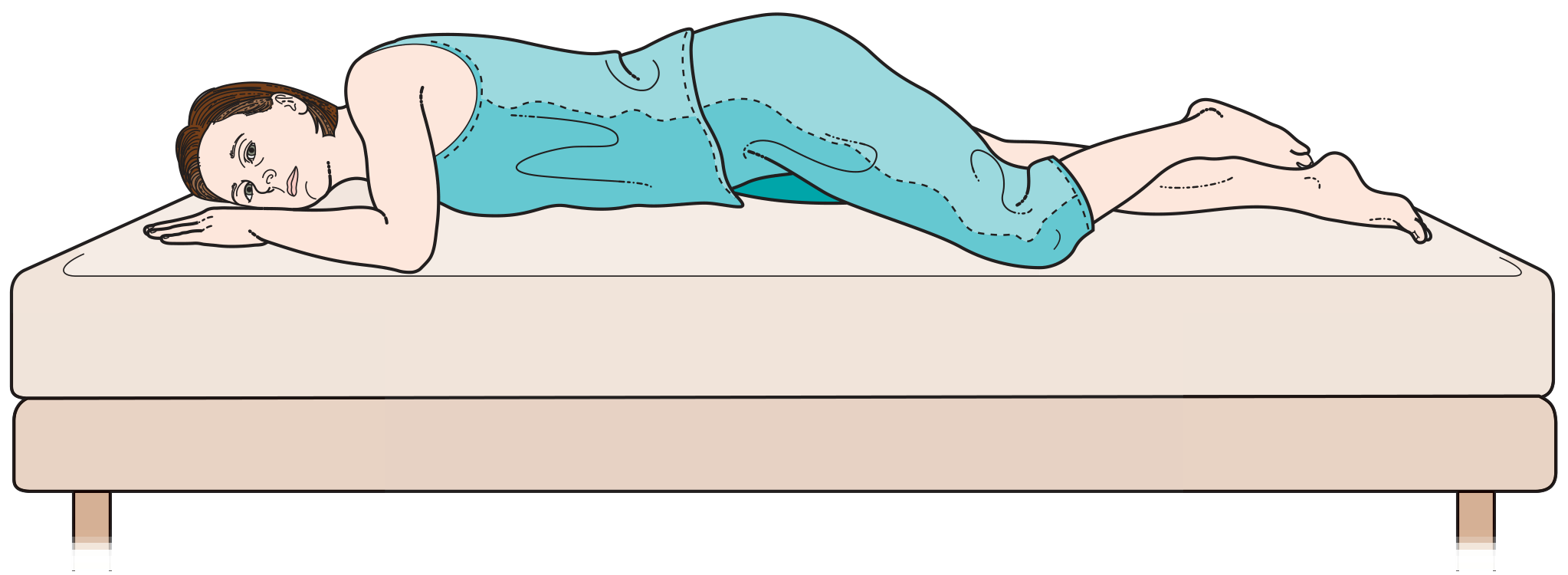
- Positioning: The patient is nursed in the lateral (recovery) position to protect the airway and allow blood/secretions to drain.
- Diet: Patients are encouraged to eat and drink normally - normal eating actually promotes healing and reduces pain. Avoid hot fluids initially.
- Analgesia: Regular oral ibuprofen is first-line; paracetamol as needed. Codeine and other opioids are avoided in paediatric patients due to risk of respiratory depression (particularly in children with OSA). A single intraoperative dose of dexamethasone reduces postoperative nausea/vomiting (PONV) and oedema.
- Antiemesis: Dexamethasone and/or ondansetron reduce PONV. Small vomits of swallowed blood are common and expected.
- Discharge counselling: Warn patients/carers of:
- Referred otalgia via the glossopharyngeal nerve (cranial nerve IX) - common and does not indicate ear pathology
- Secondary haemorrhage may occur up to 10 days post-surgery
- White slough appears in the tonsillar fossa during healing - this is normal
- Return to hospital immediately if any frank bleeding occurs
Complications and Their Management
| Complication | Timing | Management |
|---|---|---|
| Primary haemorrhage | First 24 hours (usually within 6 hours) | Return to theatre; rapid-sequence induction with cricoid pressure (stomach may contain blood); vigorous suction; be prepared for difficult laryngoscopy |
| Reactionary haemorrhage | Up to 24 hours | Local pressure; return to theatre for bipolar diathermy/suturing |
| Secondary haemorrhage | 5-10 days post-op (infection related) | IV broad-spectrum antibiotics; gargle with dilute hydrogen peroxide; theatre for haemostasis if persistent |
| PONV | Immediate post-op | Dexamethasone + ondansetron |
| Dehydration / dysphagia | First week | Encourage oral fluids; IV fluids if inadequate intake |
Posttonsillectomy haemorrhage affects 3-5% of patients. It is a life-threatening complication and should never be underestimated, particularly in younger patients. A previously easy intubation may become extremely difficult in the presence of bleeding and oropharyngeal swelling. (Schwartz's Principles 11e; Miller's Anesthesia 10e)
B. Endoscopic Sinus Surgery (ESS / FESS)
Preoperative
- Imaging: A preoperative CT scan of the sinuses (coronal and axial views) is mandatory - it serves as the anatomical map for intraoperative image guidance.
- Nasal decongestants: Topical nasal steroids and decongestants are typically used for 1-2 weeks preoperatively to reduce mucosal oedema.
- Medical optimisation: Treat co-existing sinusitis, allergy, and polyp disease as much as possible before surgery.
- Screen for bleeding disorders, as haemorrhage in a confined space near the orbit and skull base can be catastrophic.
Intraoperative
- The procedure begins with topical decongestion using pledgets soaked in 4% cocaine and infiltration with 1% lidocaine + 1:100,000 epinephrine to improve the surgical field and haemostasis.
- Controlled hypotension is sometimes used; intraoperative beta-blockade provides better operating conditions than vasodilator drugs.
- Image-guided navigation systems are used to prevent inadvertent injury to surrounding structures.
Postoperative
- Nasal packing: May be placed intraoperatively to prevent haemorrhage; remove at 24-48 hours.
- Head elevation: Nurse the patient semi-upright (30-45°) to reduce nasal swelling.
- Nasal saline irrigation: Begin once packs are removed - essential to maintain mucosal function and clear crusting.
- Topical nasal steroids: Resume promptly post-operatively.
- Activity restriction: Avoid nose-blowing, heavy lifting, and strenuous exercise for at least 2 weeks.
- Complications to watch for: Orbital haematoma (proptosis, chemosis, pain), CSF leak (clear watery rhinorrhoea), significant haemorrhage, anosmia.
C. Thyroid and Parathyroid Surgery
Preoperative
- Hyperthyroid patients must be rendered euthyroid before surgery using antithyroid drugs and beta-blockers to prevent intraoperative thyroid storm (which presents with severe tachycardia, hyperthermia, haemodynamic collapse).
- For severe hypercalcaemia (hyperparathyroidism): preoperative treatment with IV fluids, furosemide, and bisphosphonates.
- Large goitre assessment: CT scanning (and possibly flexible nasoendoscopy) to evaluate the extent of tracheal compression, tracheomalacia, laryngeal deviation, and retrosternal extension. These patients may require awake fibreoptic intubation.
- Vocal cord assessment: Preoperative laryngoscopy documents any pre-existing vocal cord palsy (medicolegal importance and guides risk discussion).
Postoperative
- Airway monitoring: Stridor, hoarseness, or dyspnoea post-extubation may indicate recurrent laryngeal nerve injury or post-surgical haematoma.
- Haematoma: Wound haematoma can cause rapid airway compromise - emergency wound opening at the bedside may be life-saving before return to theatre.
- Hypocalcaemia: Following total thyroidectomy or parathyroidectomy, monitor serum calcium closely (typically 6-hourly for 24 hours, then daily). Symptoms include perioral tingling, Chvostek's sign, Trousseau's sign, tetany. Treat with oral calcium and calcitriol; IV calcium gluconate for severe cases.
- Recurrent laryngeal nerve (RLN) monitoring: Many surgeons use intraoperative nerve monitoring; post-op vocal cord assessment at 6-8 weeks.
D. Middle Ear Surgery (Myringotomy / Tympanoplasty / Mastoidectomy)
Preoperative
- Audiometry: Baseline pure-tone audiogram is mandatory before any middle ear procedure.
- Ear examination: Microscopy of the external auditory canal and tympanic membrane; note discharge (treat active infection before elective surgery).
- Nitrous oxide: Must be avoided during and after middle ear surgery - it diffuses into the middle ear and can increase middle ear pressure, disrupting grafts and causing nausea.
Postoperative
- Ear dressing/pack: Leave undisturbed as instructed by the surgeon (typically 1-2 weeks).
- Avoid water: Strict ear precautions - cotton wool with Vaseline to protect when bathing; no swimming until confirmed healed.
- Nose-blowing: Avoid forceful nose-blowing (Valsalva manoeuvre can displace a tympanic graft).
- Flying: Often restricted for 4-6 weeks after graft surgery.
- Dizziness: Mild postoperative vertigo is common after mastoid/middle ear procedures.
III. General Postoperative Aftercare Principles (All ENT Procedures)
Immediate Recovery Phase (0-4 hours)
| Parameter | Action |
|---|---|
| Airway | Maintain patent airway; lateral position until fully awake |
| Observations | Pulse, BP, SpO₂, RR every 15 minutes |
| Pain | Administer prescribed analgesics promptly; assess using pain scale |
| PONV | Antiemetics as prescribed; monitor for persistent vomiting |
| Haemorrhage | Monitor surgical site; watch for excessive swallowing (tonsillectomy) |
| Fluid balance | IV fluids until oral intake established |
Before Discharge
- Tolerating oral fluids and analgesia
- Vital signs stable with no active bleeding
- Pain adequately controlled
- Written discharge instructions given (including emergency contact details)
- Follow-up appointment scheduled
Discharge Instructions for Patients
- Rest for the recommended period; avoid driving until off opioid analgesics
- Diet: Soft diet as advised; maintain adequate hydration
- Analgesia: Take regularly as prescribed (do not wait for severe pain)
- Warning signs: Return immediately if any significant bleeding, difficulty breathing, high fever, or severe swelling
- Wound care: As per procedure-specific instructions (nasal saline, ear precautions, wound cleaning)
- Activity: Avoid heavy lifting and strenuous activity for the period advised
- School/work return: Variable - typically 1-2 weeks for most ENT procedures
Summary Table: Key Points by Procedure
| Procedure | Key Preoperative Action | Key Postoperative Priority |
|---|---|---|
| Tonsillectomy/adenoidectomy | OSA screening, coagulation check, stop aspirin | Monitor for haemorrhage (primary and secondary); lateral position |
| Endoscopic sinus surgery | CT sinuses, topical steroids pre-op | Nasal irrigation, watch for orbital/CSF complications |
| Thyroid surgery | Render euthyroid, airway CT, vocal cord check | Haematoma, hypocalcaemia, RLN injury monitoring |
| Middle ear surgery | Audiometry, treat active infection, no N₂O | Ear precautions, no nose-blowing, protect graft |
| Airway surgery | Detailed airway assessment, plan for fibreoptic intubation | ICU-level monitoring, dexamethasone for oedema |
- Barash, Cullen & Stoelting's Clinical Anesthesia, 9th Ed - Tonsillectomy/Adenoidectomy chapter (p. 4079-4082)
- Miller's Anesthesia, 10th Ed - Tonsillectomy, Endoscopic Sinus Surgery, Thyroid Surgery chapters (p. 9811-9813)
- Bailey & Love's Short Practice of Surgery, 28th Ed - Tonsillectomy chapter (p. 808)
- Schwartz's Principles of Surgery, 11th Ed - Pharyngeal and Adenotonsillar Disease chapter
- Scott-Brown's Otorhinolaryngology Head & Neck Surgery, Vol. 2 - Tonsillectomy and Adenoidectomy chapter
- Cummings Otolaryngology Head and Neck Surgery - Surgical Techniques and OSA chapters
Possible viva questions and answers
Viva Questions & Answers: ENT Surgical Preparation and Aftercare
SECTION 1: General Preoperative Preparation
- History - symptoms, duration, current medications (especially aspirin/NSAIDs), past anaesthetic history, bleeding history
- Airway assessment - tonsillar size (graded 1+ to 4+), mouth opening, neck mobility, retrognathia, high-arched palate, audible respirations, chest retractions
- Sleep-disordered breathing (SDB) screening - STOP-BANG questionnaire in adults, STBUR questionnaire in children
- Investigations - FBC, coagulation, ECG if indicated, CXR if indicated, CT or PSG based on procedure
- Comorbidity optimisation - hyperthyroid patients must be euthyroid; active infection may delay surgery
- S - Snoring
- T - Tiredness (daytime somnolence)
- O - Observed apnoea during sleep
- P - blood Pressure (elevated)
- B - BMI >35
- A - Age >50
- N - Neck circumference >40 cm
- G - Gender (male)
- Active URTI with fever - particularly in infants, due to risk of laryngospasm and pulmonary complications
- Productive cough or lower respiratory infection - increases anaesthetic risk
- Active tonsillitis - except in emergency (airway compromise, systemic toxicity)
- Uncontrolled hyperthyroidism - risk of intraoperative thyroid storm
- Unoptimised coagulopathy - particularly for procedures with bleeding risk (tonsillectomy)
- Severe untreated cor pulmonale - haemodynamic risk under anaesthesia
- Aspirin and NSAIDs - stop 7-10 days before tonsillectomy; they inhibit platelet function (COX-1 inhibition), increasing the risk of primary and secondary haemorrhage
- Anticoagulants (warfarin, DOACs) - bridged or withheld per haematology guidance
- Over-the-counter cold medicines / antihistamines - many contain aspirin; patients must be specifically asked about these
- Note: Ibuprofen is commonly used postoperatively for tonsillectomy pain; this is acceptable and evidence-based as a short-term analgesic
| Investigation | Indication |
|---|---|
| FBC / Hematocrit | All patients; especially OSA, chronic disease |
| Coagulation screen | Bleeding history, medication use, tonsillectomy |
| ECG | Cor pulmonale, arrhythmia, thyroid disease |
| CXR | Suspected cardiomegaly, recent pneumonia |
| CT sinuses | All FESS cases (mandatory surgical map) |
| Polysomnography | Obesity, Down syndrome, craniofacial abnormality, neuromuscular disease, sickle cell, mucopolysaccharidoses |
| Echocardiogram | Cardiac abnormality suspected clinically |
| Flexible laryngoscopy | Large goitre, vocal cord assessment pre-thyroidectomy |
SECTION 2: Tonsillectomy and Adenoidectomy
- >7 documented episodes of tonsillitis per year, OR
- >5 episodes/year for 2 consecutive years, OR
- >3 episodes/year for 3 consecutive years
- Grade 1+ - <25% of the space
- Grade 2+ - 25-49%
- Grade 3+ - 50-74%
- Grade 4+ - ≥75% ("kissing tonsils")
-
Haemorrhage monitoring - the most feared complication
- Regular pulse and blood pressure measurements
- Observe for excessive swallowing - this is an early, subtle sign of ongoing bleeding into the pharynx
- Visible fresh blood from the mouth is a late and obvious sign
-
Airway position - nurse in the lateral (tonsillar/recovery) position to allow blood/secretions to drain and protect the airway
-
PONV management - patients may vomit swallowed blood; administer dexamethasone and/or ondansetron
-
Pain assessment and analgesia - regular ibuprofen ± paracetamol
-
Fluid intake - encourage normal oral intake; IV fluids if inadequate
| Type | Timing | Cause | Management |
|---|---|---|---|
| Primary haemorrhage | Intraoperative | Surgical bleeding | Bipolar diathermy, sutures in theatre |
| Reactionary haemorrhage | Within 24 hours (usually 6 hours) | Slippage of clot/ligature, blood pressure rise | Local pressure; return to theatre for definitive haemostasis |
| Secondary haemorrhage | Day 5-10 | Infection causing sloughing of eschar | IV broad-spectrum antibiotics; gargling with dilute hydrogen peroxide; return to theatre if persistent |
- Blunted hypoxic and hypercapnic respiratory drive
- Airway that is already vulnerable to obstruction during sleep
- Greater sensitivity to opioid-induced respiratory depression than non-OSA children
SECTION 3: Endoscopic Sinus Surgery (FESS)
- Demonstrating the extent and pattern of sinus disease
- Identifying anatomical variants that increase complication risk (e.g., Onodi cells near the optic nerve, dehiscent lamina papyracea, asymmetric cribriform plates)
- Providing the dataset for intraoperative image-guided navigation systems, which allow the surgeon to correlate the endoscopic view with real-time CT images simultaneously in coronal, sagittal, and axial planes
| Complication | Clinical Features | Management |
|---|---|---|
| Orbital haematoma | Periorbital swelling, proptosis, chemosis, reduced visual acuity, pain on eye movement | Ophthalmology emergency; lateral canthotomy may be needed to decompress |
| CSF leak | Clear watery rhinorrhoea, worse on bending forward; "halo sign" on gauze | Confirm with beta-2 transferrin test; neurosurgical review; may need repair |
| Carotid artery injury | Massive haemorrhage intraoperatively | Angiography and embolisation/vascular surgery |
| Blindness | Loss of vision (optic nerve or orbital trauma) | Prevent by meticulous technique; image guidance |
| Significant epistaxis | Bright red blood, haemodynamic compromise | Packing, endovascular embolisation if severe |
- Displace a freshly placed tympanic membrane graft
- Cause barotrauma to the middle ear
- On discontinuation of N₂O, rapid absorption can create negative pressure in the middle ear, again risking graft displacement
SECTION 4: Thyroid Surgery
- Severe sinus tachycardia or atrial fibrillation
- High fever (>40°C)
- Haemodynamic instability and cardiac failure
- Agitation, confusion, and eventually coma
- Antithyroid drugs (carbimazole or propylthiouracil) to block hormone synthesis
- Beta-blockers (propranolol) to control heart rate and peripheral effects
- Lugol's iodine in some centres to reduce thyroid vascularity
- These must be continued on the morning of surgery
| Complication | Mechanism | Features | Management |
|---|---|---|---|
| Wound haematoma | Reactionary bleeding | Stridor, dysphagia, neck swelling, airway compromise | Emergency wound opening at the bedside; return to theatre |
| Hypocalcaemia | Inadvertent parathyroid removal or devascularisation | Perioral tingling, Chvostek's sign, Trousseau's sign, tetany, laryngospasm | Oral calcium + calcitriol; IV calcium gluconate for severe cases |
| RLN injury | Surgical trauma to recurrent laryngeal nerve | Unilateral: hoarseness; bilateral: stridor, respiratory distress | Voice therapy; if bilateral, tracheostomy may be needed |
| Thyroid storm | Postoperative (rare) | Hyperpyrexia, tachycardia, agitation, cardiovascular collapse | ICU; IV propranolol, antithyroid drugs, steroids, cooling |
| Tracheomalacia | Chronic cartilage compression by large goitre | Stridor on extubation | Staged extubation with tube change under direct vision; re-intubation if needed |
- Medicolegal documentation - establishes baseline vocal cord function before surgery. If a vocal cord palsy is discovered postoperatively, it is important to know whether it was pre-existing (e.g., due to tumour invasion of the RLN) or a new surgical complication.
- Surgical planning - if the recurrent laryngeal nerve is already invaded by malignancy and vocal cord palsy is documented preoperatively, the surgeon may decide to sacrifice the nerve intentionally during resection without this being an unexpected complication.
SECTION 5: Airway Surgery and General Principles
- Trismus (spasm of pterygoid muscles from inflammation) - limits mouth opening
- Pharyngeal oedema - narrows the oropharyngeal inlet
- Deviation of uvula and tonsil - distorts anatomy
- If the patient is cooperative and can open the mouth: awake needle aspiration to decompress before induction
- Awake fibreoptic intubation is the standard anaesthetic approach - provides the safest airway securing method without relaxing protective muscle tone
- Avoid blind nasal intubation due to risk of abscess rupture
- Have a skilled ENT surgeon scrubbed and ready to perform emergency tracheostomy if needed
- Rapid-sequence induction is generally avoided unless airway reflexes are definitely maintained
- Chronic hypoxaemia and hypercapnia → pulmonary vasoconstriction → pulmonary hypertension
- Right ventricular pressure overload → right ventricular hypertrophy → right heart failure
- ECG evidence of right ventricular hypertrophy
- CXR evidence of cardiomegaly
- Blunted hypoxic respiratory drive (medullary dysfunction)
- Higher perioperative risk - may require ICU-level postoperative monitoring
- Cardiac enlargement may be partially reversible after adenotonsillectomy
- The hyperreactive pulmonary vasculature makes these patients very sensitive to hypoxia, hypercarbia, and acidosis
- Opioids must be used with extreme caution or avoided
- Allows blood and secretions to drain anteriorly from the mouth rather than pooling in the pharynx or being aspirated
- Maintains a patent airway while consciousness is recovering
- Reduces the risk of aspiration of blood or vomit
- Allows nursing staff to observe the mouth and pharynx for signs of haemorrhage
- Be fully conscious and oriented
- Have stable observations (normal pulse, BP, SpO₂ for at least 2-4 hours post-op)
- Show no active bleeding or excessive swallowing
- Be tolerating oral fluids adequately
- Have pain controlled on oral analgesics (not IV)
- Have received and understood written discharge instructions including:
- Warning signs requiring immediate return (any fresh bleeding, difficulty breathing, high fever)
- Dietary advice (soft diet, adequate fluids)
- Analgesic regimen
- Expected symptoms (referred otalgia, white slough in throat)
- Activity restrictions
- Emergency contact number
- Have a responsible adult at home for the first 24 hours
- Live within a reasonable distance from hospital (or have been admitted overnight if >1 hour away)
Examiner's tip: In ENT viva questions, examiners frequently probe on haemorrhage recognition and management (especially post-tonsillectomy), the difficult airway, and why certain drugs are avoided (aspirin, opioids, N₂O). Demonstrating knowledge of why - the physiological reasoning - rather than just what will distinguish a strong candidate.
Can you prepare this chat as pdf
ls -la /tmp/workspace/ 2>/dev/null || mkdir -p /tmp/workspace && echo "created"
mkdir -p /tmp/workspace/ent-pdf && cat > /tmp/workspace/ent-pdf/generate_pdf.py << 'PYEOF' from reportlab.lib.pagesizes import A4 from reportlab.lib.styles import getSampleStyleSheet, ParagraphStyle from reportlab.lib.units import cm from reportlab.lib import colors from reportlab.platypus import ( SimpleDocTemplate, Paragraph, Spacer, Table, TableStyle, HRFlowable, PageBreak, KeepTogether ) from reportlab.lib.enums import TA_LEFT, TA_CENTER, TA_JUSTIFY # ── Output path ────────────────────────────────────────────────────────────── OUTPUT = "/tmp/workspace/ent-pdf/ENT_Surgery_Preparation_Aftercare.pdf" doc = SimpleDocTemplate( OUTPUT, pagesize=A4, leftMargin=2*cm, rightMargin=2*cm, topMargin=2.2*cm, bottomMargin=2.2*cm, title="ENT Surgery – Preparation, Aftercare & Viva Q&A", author="Orris Medical Library" ) W = A4[0] - 4*cm # usable width # ── Colour palette ──────────────────────────────────────────────────────────── TEAL = colors.HexColor("#006D6D") TEAL_LIGHT = colors.HexColor("#E6F4F4") TEAL_MID = colors.HexColor("#B2DADA") GOLD = colors.HexColor("#C8860A") GOLD_LIGHT = colors.HexColor("#FDF6E3") DARK = colors.HexColor("#1A1A2E") GREY_BG = colors.HexColor("#F4F6F7") GREY_LINE = colors.HexColor("#CCCCCC") WHITE = colors.white RED_LIGHT = colors.HexColor("#FDECEA") RED = colors.HexColor("#B03030") # ── Styles ──────────────────────────────────────────────────────────────────── base = getSampleStyleSheet() def S(name, parent="Normal", **kw): return ParagraphStyle(name, parent=base[parent], **kw) styles = { "cover_title": S("cover_title", "Title", fontSize=26, textColor=WHITE, leading=32, alignment=TA_CENTER, spaceAfter=6), "cover_sub": S("cover_sub", "Normal", fontSize=13, textColor=TEAL_LIGHT, leading=18, alignment=TA_CENTER, spaceAfter=4), "cover_date": S("cover_date", "Normal", fontSize=10, textColor=TEAL_LIGHT, alignment=TA_CENTER), "part_title": S("part_title", "Heading1", fontSize=18, textColor=WHITE, leading=24, spaceBefore=0, spaceAfter=0, alignment=TA_CENTER), "h1": S("h1", "Heading1", fontSize=14, textColor=TEAL, leading=18, spaceBefore=14, spaceAfter=4, borderPad=4, borderColor=TEAL, borderWidth=0), "h2": S("h2", "Heading2", fontSize=12, textColor=DARK, leading=16, spaceBefore=10, spaceAfter=3, leftIndent=0), "h3": S("h3", "Heading3", fontSize=10.5, textColor=GOLD, leading=14, spaceBefore=8, spaceAfter=2, leftIndent=0), "body": S("body", "Normal", fontSize=9.5, leading=14, spaceAfter=5, alignment=TA_JUSTIFY), "body_small": S("body_small", "Normal", fontSize=8.5, leading=13, spaceAfter=4, alignment=TA_JUSTIFY), "bullet": S("bullet", "Normal", fontSize=9.5, leading=13, spaceAfter=3, leftIndent=14, firstLineIndent=-10), "sub_bullet": S("sub_bullet", "Normal", fontSize=9, leading=12, spaceAfter=2, leftIndent=26, firstLineIndent=-10), "q": S("q", "Normal", fontSize=10.5, textColor=TEAL, leading=15, spaceBefore=10, spaceAfter=3, fontName="Helvetica-Bold"), "a_label": S("a_label", "Normal", fontSize=9.5, textColor=GOLD, leading=13, fontName="Helvetica-Bold", spaceAfter=1), "a_body": S("a_body", "Normal", fontSize=9.5, leading=14, spaceAfter=4, alignment=TA_JUSTIFY), "tip": S("tip", "Normal", fontSize=9, leading=13, spaceAfter=4, leftIndent=8, rightIndent=8, textColor=RED), "source": S("source", "Normal", fontSize=7.5, leading=11, textColor=colors.grey, spaceAfter=2), "toc_entry": S("toc_entry", "Normal", fontSize=10, leading=16, spaceAfter=2), } # ── Helper flowables ────────────────────────────────────────────────────────── def HR(color=TEAL_MID, thickness=0.8): return HRFlowable(width="100%", thickness=thickness, color=color, spaceAfter=4, spaceBefore=4) def section_banner(text, bg=TEAL): """Full-width banner for section headings.""" tbl = Table([[Paragraph(text, styles["part_title"])]], colWidths=[W]) tbl.setStyle(TableStyle([ ("BACKGROUND", (0,0), (-1,-1), bg), ("TOPPADDING", (0,0), (-1,-1), 8), ("BOTTOMPADDING", (0,0), (-1,-1), 8), ("LEFTPADDING", (0,0), (-1,-1), 10), ("RIGHTPADDING", (0,0), (-1,-1), 10), ("ROUNDEDCORNERS",(0,0), (-1,-1), [4,4,4,4]), ])) return tbl def info_box(text, bg=TEAL_LIGHT, border=TEAL): tbl = Table([[Paragraph(text, styles["body"])]], colWidths=[W]) tbl.setStyle(TableStyle([ ("BACKGROUND", (0,0), (-1,-1), bg), ("BOX", (0,0), (-1,-1), 1.2, border), ("TOPPADDING", (0,0), (-1,-1), 7), ("BOTTOMPADDING", (0,0), (-1,-1), 7), ("LEFTPADDING", (0,0), (-1,-1), 10), ("RIGHTPADDING", (0,0), (-1,-1), 10), ])) return tbl def warning_box(text): return info_box(text, bg=RED_LIGHT, border=RED) def tip_box(text): return info_box( f'<font color="#8B0000"><b>Examiner\'s Tip:</b></font> {text}', bg=GOLD_LIGHT, border=GOLD ) def data_table(headers, rows, col_widths=None): data = [[Paragraph(f"<b>{h}</b>", styles["body_small"]) for h in headers]] for row in rows: data.append([Paragraph(str(c), styles["body_small"]) for c in row]) if col_widths is None: n = len(headers) col_widths = [W/n]*n tbl = Table(data, colWidths=col_widths, repeatRows=1) tbl.setStyle(TableStyle([ ("BACKGROUND", (0,0), (-1,0), TEAL), ("TEXTCOLOR", (0,0), (-1,0), WHITE), ("FONTNAME", (0,0), (-1,0), "Helvetica-Bold"), ("FONTSIZE", (0,0), (-1,-1), 8.5), ("ROWBACKGROUNDS",(0,1), (-1,-1), [GREY_BG, WHITE]), ("GRID", (0,0), (-1,-1), 0.4, GREY_LINE), ("TOPPADDING", (0,0), (-1,-1), 5), ("BOTTOMPADDING", (0,0), (-1,-1), 5), ("LEFTPADDING", (0,0), (-1,-1), 6), ("RIGHTPADDING", (0,0), (-1,-1), 6), ("VALIGN", (0,0), (-1,-1), "TOP"), ])) return tbl def q_block(q_text, a_parts): """Build a Q&A block. a_parts = list of (label, content) or (None, content).""" items = [Paragraph(f"Q: {q_text}", styles["q"])] for label, content in a_parts: if label: items.append(Paragraph(f"A: {label}", styles["a_label"])) else: items.append(Paragraph("A:", styles["a_label"])) items.append(Paragraph(content, styles["a_body"])) return KeepTogether(items) def B(text): return f"<b>{text}</b>" def I(text): return f"<i>{text}</i>" def BT(text): return Paragraph(text, styles["bullet"]) def SBT(text): return Paragraph(text, styles["sub_bullet"]) def P(text): return Paragraph(text, styles["body"]) def H1(text): return Paragraph(text, styles["h1"]) def H2(text): return Paragraph(text, styles["h2"]) def H3(text): return Paragraph(text, styles["h3"]) def SP(n=6): return Spacer(1, n) # ═══════════════════════════════════════════════════════════════════════════════ # BUILD STORY # ═══════════════════════════════════════════════════════════════════════════════ story = [] # ── COVER PAGE ──────────────────────────────────────────────────────────────── cover_tbl = Table( [[Paragraph("ENT Surgery", styles["cover_title"])], [Paragraph("Preparation & Aftercare of Patients", styles["cover_sub"])], [Paragraph("with Viva Questions & Model Answers", styles["cover_sub"])], [SP(10)], [Paragraph("Based on authoritative ENT, Surgery & Anaesthesia textbooks", styles["cover_date"])], [Paragraph("Miller's Anesthesia 10e | Barash 9e | Bailey & Love 28e | Schwartz 11e | Scott-Brown's | Cummings", styles["cover_date"])], [SP(6)], [Paragraph("July 2026", styles["cover_date"])], ], colWidths=[W] ) cover_tbl.setStyle(TableStyle([ ("BACKGROUND", (0,0), (-1,-1), TEAL), ("TOPPADDING", (0,0), (-1,-1), 10), ("BOTTOMPADDING", (0,0), (-1,-1), 10), ("LEFTPADDING", (0,0), (-1,-1), 20), ("RIGHTPADDING", (0,0), (-1,-1), 20), ("ROUNDEDCORNERS",(0,0), (-1,-1), [8,8,8,8]), ])) story += [SP(30), cover_tbl, PageBreak()] # ── TABLE OF CONTENTS ───────────────────────────────────────────────────────── story += [ section_banner("Table of Contents", bg=DARK), SP(10), Paragraph("PART 1 – Preparation & Aftercare", styles["h2"]), Paragraph("I. General Preoperative Preparation", styles["toc_entry"]), Paragraph("II. Procedure-Specific Preparation & Aftercare", styles["toc_entry"]), Paragraph(" A. Tonsillectomy and Adenoidectomy", styles["toc_entry"]), Paragraph(" B. Endoscopic Sinus Surgery (FESS)", styles["toc_entry"]), Paragraph(" C. Thyroid and Parathyroid Surgery", styles["toc_entry"]), Paragraph(" D. Middle Ear Surgery", styles["toc_entry"]), Paragraph("III. General Postoperative Aftercare Principles", styles["toc_entry"]), Paragraph("IV. Summary Table", styles["toc_entry"]), SP(8), Paragraph("PART 2 – Viva Questions & Model Answers", styles["h2"]), Paragraph("Section 1 – General Preoperative Preparation (Q1–Q5)", styles["toc_entry"]), Paragraph("Section 2 – Tonsillectomy and Adenoidectomy (Q6–Q12)", styles["toc_entry"]), Paragraph("Section 3 – Endoscopic Sinus Surgery (Q13–Q15)", styles["toc_entry"]), Paragraph("Section 4 – Thyroid Surgery (Q16–Q18)", styles["toc_entry"]), Paragraph("Section 5 – Airway Surgery & General Principles (Q19–Q22)", styles["toc_entry"]), PageBreak() ] # ═══════════════════════════════════════════════════════════════════════════════ # PART 1 – PREPARATION & AFTERCARE # ═══════════════════════════════════════════════════════════════════════════════ story += [section_banner("PART 1 – Preparation & Aftercare of ENT Surgical Patients"), SP(12)] # ── I. General Preoperative ─────────────────────────────────────────────────── story += [H1("I. General Preoperative Preparation"), HR()] story += [H2("1. History and Physical Assessment"), P("A thorough history forms the backbone of preoperative evaluation for any ENT surgical patient. Key domains include:"), BT(f"{B('Airway assessment:')} Observe for audible respirations, mouth breathing, nasal speech quality, and chest retractions. Inspect the oropharynx for tonsillar size (graded 1+ to 4+). Note facial features: elongated face, retrognathic mandible, high-arched palate — all indicate a potentially difficult airway."), BT(f"{B('Sleep-disordered breathing (SDB):')} Screen using the {B('STOP-BANG questionnaire')} in adults or the {B('STBUR questionnaire')} in children. SDB affects 10% of the population; 1–4% progress to obstructive sleep apnoea (OSA)."), BT(f"{B('Current medications:')} Antihistamines and OTC cold medicines may contain aspirin, affecting platelet function. These must be identified and stopped preoperatively."), BT(f"{B('Infection screen:')} Fever or productive cough may warrant postponement, particularly in infants, or may require ICU-level postoperative monitoring."), BT(f"{B('Cardiac status:')} Children with long-standing hypoxaemia from upper airway obstruction may develop cor pulmonale. Check ECG (right ventricular hypertrophy), CXR (cardiomegaly), and consider echocardiogram if indicated."), SP(6)] story += [H2("2. Investigations"), P("Investigations are not blanket-ordered but guided by history and procedure:"), data_table( ["Investigation", "Indication"], [ ["FBC / Haematocrit", "All patients; especially OSA, chronic disease"], ["Coagulation screen (PT, APTT)", "Bleeding history, antiplatelet medication, tonsillectomy"], ["ECG", "Suspected cor pulmonale, arrhythmia, thyroid disease"], ["CXR", "Suspected cardiomegaly, recent pneumonia or URTI"], ["CT sinuses", "All FESS cases — mandatory surgical map"], ["Polysomnography (PSG)", "Obesity, Down syndrome, craniofacial abnormality, neuromuscular disease, sickle cell, mucopolysaccharidoses"], ["Echocardiogram", "Cardiac abnormality suspected clinically"], ["Flexible laryngoscopy", "Large goitre, pre-thyroidectomy vocal cord baseline"], ], col_widths=[W*0.38, W*0.62] ), SP(6)] story += [H2("3. Fasting (NPO Guidelines)"), P("Standard pre-anaesthetic fasting applies: solids restricted for at least 6 hours; clear fluids permitted up to 2 hours before induction. Preoperative carbohydrate loading reduces postoperative insulin resistance and nausea."), SP(4)] story += [H2("4. Medications"), BT(f"{B('Aspirin / NSAIDs:')} Stop 7–10 days before tonsillectomy — COX-1 inhibition impairs platelet aggregation, increasing primary and secondary haemorrhage risk."), BT(f"{B('Anticoagulants:')} Withheld or bridged per haematology guidance."), BT(f"{B('OTC cold medicines / antihistamines:')} Many contain aspirin — patients must be specifically asked."), BT(f"{B('Hyperthyroid patients:')} Must be rendered euthyroid using antithyroid drugs (carbimazole / PTU) and beta-blockers to prevent intraoperative thyroid storm."), BT(f"{B('Antibiotics:')} IV antibiotics may be started pre-operatively for peritonsillar abscess or other active ENT infections."), SP(6)] story += [H2("5. Anaesthetic Considerations"), BT(f"{B('Induction:')} IV in adults; inhalational (sevoflurane) in children followed by IV cannulation and glycopyrrolate."), BT(f"{B('Airway device — Tonsillectomy:')} Oral RAE (Ring-Adair-Elwyn) tubes or wire-reinforced tubes taped midline to mandible are preferred. LMA is an alternative with quicker placement but less airway protection."), BT(f"{B('Airway device — FESS:')} LMA / SGA preferred over ETT for better surgical conditions and smoother emergence, but prone to malpositioning."), BT(f"{B('Compromised airway (abscess, large goitre):')} Awake fibreoptic intubation is the standard approach."), BT(f"{B('TIVA vs. inhaled (FESS):')} Propofol-remifentanil TIVA provides a blood-free surgical field due to lower heart rate and cardiac output — superior to balanced inhalational technique."), SP(8)] # ── II. Procedure-Specific ──────────────────────────────────────────────────── story += [H1("II. Procedure-Specific Preparation and Aftercare"), HR()] # ── A. Tonsillectomy ────────────────────────────────────────────────────────── story += [H2("A. Tonsillectomy and Adenoidectomy"), H3("Preoperative"), BT(f"Document tonsillar grade (1+ to 4+) and indications. {B('AAO-HNS guidelines:')} indicated when children have >7 episodes/year, >5 episodes/year for 2 consecutive years, or >3 episodes/year for 3 consecutive years."), BT("Patients with peritonsillar abscess may have trismus and pharyngeal oedema — plan awake fibreoptic intubation."), BT(f"{B('Outpatient basis is standard.')} Admission required for: OSA (AHI ≥10 or SpO₂ <80%), age <3 years, home >1 hour from hospital, craniofacial abnormalities, or significant comorbidities."), BT("Polysomnography before surgery for: obesity, Down syndrome, craniofacial abnormalities, neuromuscular disorders, sickle cell disease, mucopolysaccharidoses."), H3("Intraoperative Considerations"), BT("Throat pack placed — must be removed before extubation (document on WHO checklist)."), BT("At end of procedure: suction oropharynx and pass orogastric tube to empty the stomach (swallowed blood causes PONV)."), BT("Defer extubation until patient regains full airway reflexes. IV lidocaine attenuates coughing on emergence."), H3("Postoperative Care"), BT(f"{B('Position:')} Nurse in the lateral (tonsillar/recovery) position to drain blood and secretions, protect airway."), BT(f"{B('Haemorrhage monitoring:')} Regular pulse and BP; observe for excessive swallowing — early, subtle sign of ongoing pharyngeal bleeding."), BT(f"{B('Analgesia:')} Regular oral ibuprofen + paracetamol as needed. Opioids avoided in paediatric patients with OSA (respiratory depression risk)."), BT(f"{B('Antiemesis:')} Dexamethasone + ondansetron intraoperatively. Small vomits of blood-stained fluid are common and expected."), BT(f"{B('Diet:')} Encourage normal eating and drinking — promotes healing and maintains hydration."), BT(f"{B('Discharge counselling:')} Warn of referred otalgia (via CN IX), secondary haemorrhage up to Day 10, white slough in fossa (normal healing), and instruct to return immediately for any frank bleeding."), SP(6), warning_box( "<b>Posttonsillectomy haemorrhage (3–5% of cases)</b> is a life-threatening emergency. " "When re-operating: use rapid-sequence induction with cricoid pressure (stomach may contain blood), " "vigorous suction before laryngoscopy, reduce induction drug dose if hypovolaemic. " "Prepare for difficult laryngoscopy with multiple blade sizes and smaller tube sizes available. " "<i>(Miller's Anesthesia 10e; Schwartz's Principles 11e)</i>" ), SP(6), H3("Haemorrhage Classification"), data_table( ["Type", "Timing", "Cause", "Management"], [ ["Primary", "Intraoperative", "Surgical bleeding", "Bipolar diathermy, sutures in theatre"], ["Reactionary", "Within 24 h (usually <6 h)", "Slippage of clot/ligature, BP rise", "Local pressure; return to theatre"], ["Secondary", "Day 5–10", "Infection, sloughing of eschar", "IV broad-spectrum antibiotics; dilute H₂O₂ gargles; theatre if persistent"], ], col_widths=[W*0.15, W*0.22, W*0.28, W*0.35] ), SP(8)] # ── B. FESS ─────────────────────────────────────────────────────────────────── story += [H2("B. Endoscopic Sinus Surgery (FESS)"), H3("Preoperative"), BT(f"{B('CT sinuses (coronal and axial cuts)')} is mandatory — serves as the anatomical roadmap and image-guidance dataset."), BT("Topical nasal steroids and decongestants for 1–2 weeks preoperatively to reduce mucosal oedema."), BT("Screen for bleeding disorders — haemorrhage in a confined space near the orbit and skull base can be catastrophic."), H3("Intraoperative"), BT("Topical decongestion with pledgets soaked in 4% cocaine + infiltration with 1% lidocaine with 1:100,000 epinephrine."), BT("Controlled hypotension if used: intraoperative beta-blockade provides better conditions than vasodilator drugs."), BT("Image-guided navigation used to prevent injury to orbit, optic nerve, carotid artery, and anterior skull base."), H3("Postoperative Care"), BT(f"{B('Head elevation:')} Nurse semi-upright (30–45°) to reduce nasal swelling."), BT(f"{B('Nasal packing:')} Remove at 24–48 hours as instructed by surgeon."), BT(f"{B('Nasal saline irrigation:')} Begin once packs removed — essential for mucosal recovery."), BT(f"{B('Topical nasal steroids:')} Resume promptly."), BT(f"{B('Activity restrictions:')} No nose-blowing, heavy lifting, or strenuous exercise for ≥2 weeks."), H3("Serious Complications to Monitor"), data_table( ["Complication", "Features", "Action"], [ ["Orbital haematoma", "Proptosis, chemosis, periorbital swelling, reduced visual acuity", "Ophthalmology emergency; lateral canthotomy may decompress"], ["CSF leak", "Clear watery rhinorrhoea, worse on bending; halo sign on gauze", "Beta-2 transferrin test; neurosurgical review"], ["Significant epistaxis", "Bright red blood, haemodynamic compromise", "Packing; endovascular embolisation if severe"], ["Carotid artery injury", "Massive intraoperative haemorrhage", "Angiography and vascular surgery"], ], col_widths=[W*0.25, W*0.40, W*0.35] ), SP(8)] # ── C. Thyroid ──────────────────────────────────────────────────────────────── story += [H2("C. Thyroid and Parathyroid Surgery"), H3("Preoperative"), BT(f"{B('Hyperthyroid patients:')} Must be rendered euthyroid — antithyroid drugs (carbimazole / PTU) + beta-blockers to prevent thyroid storm. Continue on morning of surgery."), BT(f"{B('Severe hypercalcaemia:')} Preoperative IV fluids, furosemide, and bisphosphonates."), BT(f"{B('Large goitre:')} CT neck/chest to assess tracheal compression, deviation, tracheomalacia, retrosternal extension. Consider awake fibreoptic intubation."), BT(f"{B('Vocal cord assessment:')} Preoperative flexible laryngoscopy documents baseline vocal cord function (medicolegal importance)."), H3("Postoperative Care"), data_table( ["Complication", "Features", "Management"], [ ["Wound haematoma", "Stridor, dysphagia, neck swelling, airway compromise", "Emergency wound opening at bedside; return to theatre"], ["Hypocalcaemia", "Perioral tingling, Chvostek's sign, Trousseau's sign, tetany", "Oral calcium + calcitriol; IV calcium gluconate for severe cases"], ["RLN injury (unilateral)", "Hoarseness", "Voice therapy; laryngoscopy at 6–8 weeks"], ["RLN injury (bilateral)", "Stridor, respiratory distress", "Re-intubation; possible tracheostomy"], ["Thyroid storm", "Hyperpyrexia, tachycardia, cardiovascular collapse", "ICU; IV propranolol, antithyroid drugs, steroids, cooling"], ["Tracheomalacia", "Stridor on extubation", "Staged extubation; re-intubation if needed"], ], col_widths=[W*0.24, W*0.38, W*0.38] ), SP(8)] # ── D. Middle Ear ───────────────────────────────────────────────────────────── story += [H2("D. Middle Ear Surgery (Myringotomy / Tympanoplasty / Mastoidectomy)"), H3("Preoperative"), BT(f"{B('Audiometry:')} Mandatory baseline pure-tone audiogram before any middle ear procedure."), BT("Treat active ear infection (otorrhoea) before elective surgery."), BT(f"{B('Nitrous oxide (N₂O):')} MUST be avoided — diffuses into the middle ear, raising pressure and risking graft displacement or barotrauma."), H3("Postoperative Care"), BT(f"{B('Ear dressing/pack:')} Leave undisturbed as instructed (typically 1–2 weeks)."), BT(f"{B('Ear precautions:')} Strict water precautions — cotton wool with Vaseline when bathing; no swimming until confirmed healed."), BT(f"{B('Nose-blowing:')} Avoid forceful blowing (Valsalva manoeuvre risks displacing tympanic graft)."), BT(f"{B('Flying:')} Often restricted 4–6 weeks after graft surgery."), BT(f"{B('Dizziness:')} Mild postoperative vertigo is common after mastoid/middle ear procedures — reassure patient."), SP(8)] # ── III. General Postoperative Principles ──────────────────────────────────── story += [H1("III. General Postoperative Aftercare Principles"), HR()] story += [H2("Immediate Recovery (0–4 Hours)"), data_table( ["Parameter", "Action"], [ ["Airway", "Maintain patent airway; lateral position until fully awake"], ["Observations", "Pulse, BP, SpO₂, RR every 15 minutes"], ["Pain", "Administer prescribed analgesics promptly; use validated pain scale"], ["PONV", "Antiemetics as prescribed; monitor for persistent vomiting"], ["Haemorrhage", "Monitor surgical site; watch for excessive swallowing (tonsillectomy)"], ["Fluid balance", "IV fluids until oral intake established; strict fluid chart"], ], col_widths=[W*0.28, W*0.72] ), SP(6)] story += [H2("Discharge Criteria"), BT("Fully conscious and oriented"), BT("Vital signs stable with no active bleeding for ≥2–4 hours"), BT("Pain controlled on oral analgesics (not IV)"), BT("Tolerating oral fluids"), BT("Written discharge instructions given with emergency contact"), BT("Follow-up appointment scheduled"), BT("Responsible adult at home for first 24 hours"), SP(6)] story += [H2("Discharge Instructions for Patients"), BT(f"{B('Rest:')} For the period advised; avoid driving until off any opioid analgesics."), BT(f"{B('Diet:')} Soft diet as advised; maintain adequate hydration."), BT(f"{B('Analgesia:')} Take regularly as prescribed — do not wait for severe pain."), BT(f"{B('Warning signs:')} Return immediately for significant bleeding, difficulty breathing, high fever, or severe swelling."), BT(f"{B('Wound care:')} Per procedure-specific instructions (nasal saline, ear precautions, wound cleaning)."), BT(f"{B('Activity:')} Avoid heavy lifting and strenuous exercise for the recommended period."), BT(f"{B('Return to school/work:')} Typically 1–2 weeks for most ENT procedures."), SP(8)] # ── IV. Summary Table ───────────────────────────────────────────────────────── story += [H1("IV. Summary Table: Key Points by Procedure"), HR(), data_table( ["Procedure", "Key Preoperative Action", "Key Postoperative Priority"], [ ["Tonsillectomy / Adenoidectomy", "OSA screening, coagulation check, stop aspirin", "Monitor haemorrhage (excessive swallowing); lateral position; ibuprofen analgesia"], ["Endoscopic Sinus Surgery", "CT sinuses mandatory, topical steroids pre-op, TIVA anaesthesia", "Nasal irrigation, watch for orbital/CSF complications, head elevation"], ["Thyroid Surgery", "Render euthyroid, airway CT, vocal cord laryngoscopy", "Haematoma (emergency wound opening), hypocalcaemia, RLN injury"], ["Middle Ear Surgery", "Audiometry, treat active infection, NO nitrous oxide", "Ear precautions, no nose-blowing, protect graft, expect dizziness"], ["Airway Surgery", "Detailed assessment, plan fibreoptic intubation", "ICU-level monitoring, dexamethasone for oedema, post-op laryngoscopy"], ], col_widths=[W*0.22, W*0.38, W*0.40] ), SP(8), P(f"{I('Sources: Barash Clinical Anesthesia 9e; Miller\\'s Anesthesia 10e; Bailey & Love\\'s 28e; Schwartz\\'s Principles 11e; Scott-Brown\\'s Otorhinolaryngology Vol. 1 & 2; Cummings Otolaryngology')}"), PageBreak()] # ═══════════════════════════════════════════════════════════════════════════════ # PART 2 – VIVA Q&A # ═══════════════════════════════════════════════════════════════════════════════ story += [section_banner("PART 2 – Viva Questions & Model Answers"), SP(12)] # ── SECTION 1 ───────────────────────────────────────────────────────────────── story += [section_banner("Section 1: General Preoperative Preparation", bg=colors.HexColor("#004D4D")), SP(8)] story += [q_block( "What are the key components of preoperative assessment for an ENT surgical patient?", [(None, "The preoperative assessment covers five domains: " "(1) <b>History</b> — symptoms, duration, medications (especially aspirin/NSAIDs), past anaesthetic history, bleeding history; " "(2) <b>Airway assessment</b> — tonsillar size (1+ to 4+), mouth opening, neck mobility, retrognathia, high-arched palate, audible respirations; " "(3) <b>SDB screening</b> — STOP-BANG (adults) or STBUR (children); " "(4) <b>Investigations</b> — FBC, coagulation, ECG/CXR/CT/PSG as indicated; " "(5) <b>Comorbidity optimisation</b> — hyperthyroid patients must be euthyroid; active infection may delay surgery." )] ), SP(4)] story += [q_block( "What is the STOP-BANG questionnaire and what does each letter stand for?", [(None, "STOP-BANG is a validated adult screening tool for OSA: <b>S</b> = Snoring, <b>T</b> = Tiredness (daytime somnolence), " "<b>O</b> = Observed apnoea, <b>P</b> = blood Pressure elevated, <b>B</b> = BMI >35, <b>A</b> = Age >50, " "<b>N</b> = Neck circumference >40 cm, <b>G</b> = Gender (male). " "Score 0–2 = low risk; 3–4 = intermediate; 5–8 = high risk. " "The paediatric equivalent is the <b>STBUR questionnaire</b> — Snoring, Trouble breathing, Unrefreshed sleep." )] ), SP(4)] story += [q_block( "When would you postpone an ENT surgical procedure?", [(None, "Surgery should be postponed for: active URTI with fever (especially in infants), productive cough or lower respiratory infection, " "active tonsillitis (unless emergency), uncontrolled hyperthyroidism (thyroid storm risk), " "unoptimised coagulopathy, and severe untreated cor pulmonale." )] ), SP(4)] story += [q_block( "Which medications must be stopped before ENT surgery, and why?", [(None, "<b>Aspirin and NSAIDs</b> — stop 7–10 days before tonsillectomy; COX-1 inhibition impairs platelet aggregation. " "<b>Anticoagulants</b> — bridged or withheld per haematology. " "<b>OTC cold medicines / antihistamines</b> — many contain aspirin; patients must be specifically asked. " "Note: ibuprofen is acceptable post-tonsillectomy as a short-term analgesic." )] ), SP(4)] story += [q_block( "What investigations are routinely required before ENT surgery?", [(None, "Investigations are not blanket-ordered but guided by history and procedure. FBC and coagulation are standard for tonsillectomy. " "CT sinuses are mandatory for FESS. Polysomnography is needed for children with obesity, Down syndrome, craniofacial abnormality, " "neuromuscular disease, sickle cell, or mucopolysaccharidoses. ECG and CXR are ordered only for specific clinical indications such as suspected cor pulmonale or recent URTI." )] ), SP(8), PageBreak()] # ── SECTION 2 ───────────────────────────────────────────────────────────────── story += [section_banner("Section 2: Tonsillectomy and Adenoidectomy", bg=colors.HexColor("#004D4D")), SP(8)] story += [q_block( "What are the indications for tonsillectomy in children according to the AAO-HNS guidelines?", [(None, "Tonsillectomy is indicated when children have: >7 documented episodes/year, OR >5 episodes/year for 2 consecutive years, " "OR >3 episodes/year for 3 consecutive years. Each episode must be documented with at least one of: temperature >38.3°C, " "cervical adenopathy, tonsillar exudate, or positive GABHS test. " "Additional indications include multiple antibiotic allergies, peritonsillar abscess, PFAPA syndrome, and obstructive sleep apnoea." )] ), SP(4)] story += [q_block( "How do you grade tonsillar size?", [(None, "Tonsillar size is graded by the percentage of transverse oropharyngeal space between the anterior tonsillar pillars: " "<b>Grade 1+</b> = <25%, <b>Grade 2+</b> = 25–49%, <b>Grade 3+</b> = 50–74%, <b>Grade 4+</b> = ≥75% ('kissing tonsils'). " "Higher grades correlate with greater OSA risk and more likely indication for surgery." )] ), SP(4)] story += [q_block( "Describe the postoperative monitoring priorities after tonsillectomy.", [(None, "(1) <b>Haemorrhage monitoring</b> — most feared complication: regular pulse/BP; watch for excessive swallowing (early subtle sign of pharyngeal bleeding). " "(2) <b>Position</b> — lateral (tonsillar) position until fully awake. " "(3) <b>PONV</b> — dexamethasone and/or ondansetron. " "(4) <b>Analgesia</b> — regular ibuprofen ± paracetamol. " "(5) <b>Fluid intake</b> — encourage oral fluids; IV fluids if inadequate." )] ), SP(4)] story += [q_block( "What is the significance of 'excessive swallowing' after tonsillectomy?", [(None, "Excessive swallowing is a <b>critical early warning sign of postoperative haemorrhage</b>. As blood accumulates in the pharynx, " "the patient reflexively swallows to clear it — often before any visible external bleeding. Nursing staff must be specifically trained " "to recognise this sign. If observed, immediate assessment is required: vital signs, mouth examination, and urgent surgical review." )] ), SP(4)] story += [q_block( "What are primary, reactionary, and secondary haemorrhage after tonsillectomy?", [(None, "<b>Primary</b> — intraoperative; managed with diathermy and sutures in theatre. " "<b>Reactionary</b> — within 24 hours (usually <6 hours); cause is clot/ligature slippage or blood pressure rise; return to theatre. " "<b>Secondary</b> — Day 5–10; caused by infection and sloughing; IV broad-spectrum antibiotics, dilute H₂O₂ gargles, theatre if persistent. " "Overall rate is 3–5%. A life-threatening emergency, especially in children. " "For re-operation: rapid-sequence induction with cricoid pressure, vigorous suction, reduced induction dose if hypovolaemic, prepare for difficult laryngoscopy." )] ), SP(4)] story += [q_block( "Why are opioids avoided in paediatric tonsillectomy patients post-operatively?", [(None, "Opioids cause respiratory depression by reducing hypoxic ventilatory drive. Children with OSA already have blunted hypoxic and " "hypercapnic respiratory drive and greater sensitivity to opioids. Codeine is specifically contraindicated due to variable CYP2D6 metabolism — " "ultra-rapid metabolisers convert it to morphine at accelerated rates, causing life-threatening respiratory depression. " "Standard regimen: ibuprofen (regular) + paracetamol (as needed)." )] ), SP(4)] story += [q_block( "Why does a patient sometimes complain of earache after tonsillectomy?", [(None, "This is <b>referred otalgia</b>, not primary ear pathology. The tonsil and oropharynx share sensory innervation with the ear via the " "<b>glossopharyngeal nerve (CN IX)</b> — Jacobson's nerve (the tympanic branch of CN IX) supplies the middle ear. " "Pain from the tonsillar fossa is referred to the ipsilateral ear. Patients must be specifically warned at discharge to prevent unnecessary re-presentation." )] ), SP(8), PageBreak()] # ── SECTION 3 ───────────────────────────────────────────────────────────────── story += [section_banner("Section 3: Endoscopic Sinus Surgery (FESS)", bg=colors.HexColor("#004D4D")), SP(8)] story += [q_block( "What is the most important preoperative investigation before endoscopic sinus surgery, and why?", [(None, "A <b>CT scan of the paranasal sinuses</b> (coronal and axial cuts) is mandatory. It: (1) demonstrates the extent and pattern of sinus disease; " "(2) identifies anatomical variants increasing complication risk (Onodi cells near the optic nerve, dehiscent lamina papyracea, " "asymmetric cribriform plates); (3) provides the dataset for <b>intraoperative image-guided navigation systems</b>, allowing simultaneous " "coronal, sagittal, and axial CT views alongside the real-time endoscopic view. Without this imaging, surgery risks inadvertent orbital or intracranial entry." )] ), SP(4)] story += [q_block( "What are the serious complications of FESS, and how are they recognised postoperatively?", [(None, "<b>Orbital haematoma</b> — proptosis, chemosis, reduced visual acuity, periorbital swelling; ophthalmology emergency, may need lateral canthotomy. " "<b>CSF leak</b> — clear watery rhinorrhoea worse on bending; confirm with beta-2 transferrin; neurosurgical review. " "<b>Significant epistaxis</b> — haemodynamic compromise; packing or endovascular embolisation. " "<b>Carotid artery injury</b> — massive haemorrhage; angiography and vascular surgery. " "<b>Blindness</b> — optic nerve or orbital trauma; prevent with meticulous technique and image guidance." )] ), SP(4)] story += [q_block( "Why is nitrous oxide avoided in middle ear surgery?", [(None, "Nitrous oxide (N₂O) is highly soluble and diffuses rapidly into air-containing spaces faster than nitrogen diffuses out. " "In the <b>middle ear</b> this raises pressure, risking: (1) displacement of a freshly placed tympanic graft, " "(2) barotrauma to middle ear structures. On discontinuation of N₂O, rapid absorption creates negative pressure, " "again risking graft displacement. N₂O is therefore <b>absolutely contraindicated</b> in myringoplasty, tympanoplasty, and mastoidectomy." )] ), SP(8), PageBreak()] # ── SECTION 4 ───────────────────────────────────────────────────────────────── story += [section_banner("Section 4: Thyroid Surgery", bg=colors.HexColor("#004D4D")), SP(8)] story += [q_block( "Why must hyperthyroid patients be rendered euthyroid before thyroid surgery?", [(None, "Operating on a hyperthyroid patient risks <b>thyroid storm (thyrotoxic crisis)</b> — a life-threatening hypermetabolic state triggered " "by surgical stress: severe tachycardia/AF, hyperpyrexia (>40°C), haemodynamic instability, agitation, and coma. " "Preoperative preparation: antithyroid drugs (carbimazole or PTU) + beta-blockers (propranolol) to control heart rate and peripheral effects; " "Lugol's iodine in some centres to reduce thyroid vascularity. These must be continued on the morning of surgery." )] ), SP(4)] story += [q_block( "What are the postoperative complications specific to thyroidectomy?", [(None, "<b>Wound haematoma</b> — stridor, dysphagia, neck swelling — emergency wound opening at bedside, then theatre. " "<b>Hypocalcaemia</b> — perioral tingling, Chvostek's sign, Trousseau's sign, tetany — oral calcium + calcitriol; IV calcium gluconate if severe. " "<b>RLN injury</b> — unilateral: hoarseness; bilateral: stridor/respiratory distress requiring re-intubation or tracheostomy. " "<b>Thyroid storm</b> — ICU management with IV propranolol, antithyroid drugs, steroids, and cooling. " "<b>Tracheomalacia</b> — stridor on extubation from chronic cartilage compression by large goitre — staged extubation under direct vision." )] ), SP(4)] story += [q_block( "Why is preoperative laryngoscopy important before thyroidectomy?", [(None, "Preoperative flexible laryngoscopy establishes baseline vocal cord function for two reasons: " "(1) <b>Medicolegal documentation</b> — distinguishes pre-existing vocal cord palsy (tumour invasion of RLN) from a new surgical complication. " "(2) <b>Surgical planning</b> — if the RLN is already invaded by malignancy and palsy is confirmed, the surgeon may intentionally sacrifice the nerve " "during resection without this being an unexpected complication requiring explanation." )] ), SP(8), PageBreak()] # ── SECTION 5 ───────────────────────────────────────────────────────────────── story += [section_banner("Section 5: Airway Surgery & General Principles", bg=colors.HexColor("#004D4D")), SP(8)] story += [q_block( "What is the approach to the airway in a patient presenting with a peritonsillar abscess for drainage?", [(None, "Peritonsillar abscess is a <b>difficult airway</b> scenario: trismus limits mouth opening, pharyngeal oedema narrows the inlet, " "and uvular/tonsillar deviation distorts anatomy. Management: (1) If cooperative, awake needle aspiration to decompress first. " "(2) <b>Awake fibreoptic intubation</b> is the standard anaesthetic approach — safest method without relaxing protective muscle tone. " "(3) Avoid blind nasal intubation (risk of abscess rupture). " "(4) Have ENT surgeon scrubbed and ready for emergency tracheostomy. " "(5) RSI generally avoided unless airway reflexes are definitely maintained." )] ), SP(4)] story += [q_block( "What is the significance of cor pulmonale in a child being assessed for tonsillectomy?", [(None, "Cor pulmonale indicates severe long-standing upper airway obstruction causing: chronic hypoxaemia and hypercapnia → " "pulmonary vasoconstriction → pulmonary hypertension → right ventricular pressure overload → right heart failure. " "Investigations: ECG (RVH), CXR (cardiomegaly). These children have blunted hypoxic respiratory drive. " "<b>Implications:</b> higher perioperative risk — may require ICU postoperative monitoring; cardiac enlargement may be partially reversible " "after adenotonsillectomy; opioids must be used with extreme caution or avoided; hyperreactive pulmonary vasculature is sensitive to hypoxia, hypercarbia, and acidosis." )] ), SP(4)] story += [q_block( "What is the 'tonsillar position' and why is it used postoperatively?", [(None, "The <b>lateral (tonsillar/recovery) position</b> means the patient lies on their side. After tonsillectomy it: " "(1) allows blood and secretions to drain anteriorly from the mouth rather than pooling in the pharynx or being aspirated; " "(2) maintains a patent airway while consciousness recovers; " "(3) reduces aspiration risk; " "(4) allows nursing staff to observe the mouth and pharynx for haemorrhage. " "The patient remains in this position until fully conscious with intact protective airway reflexes." )] ), SP(4)] story += [q_block( "What discharge criteria should be met before a tonsillectomy patient is sent home?", [(None, "Before discharge: (1) fully conscious and oriented; (2) stable observations — no active bleeding for ≥2–4 hours; " "(3) pain controlled on oral analgesics; (4) tolerating oral fluids; " "(5) written discharge instructions given (warning signs, diet, analgesia regimen, expected symptoms including referred otalgia and white slough); " "(6) follow-up appointment scheduled; (7) responsible adult at home; " "(8) lives within reasonable distance of hospital, OR has been admitted overnight if >1 hour away." )] ), SP(12)] story += [ tip_box( "In ENT viva questions, examiners frequently probe on: haemorrhage recognition and management (especially post-tonsillectomy), " "the difficult airway (peritonsillar abscess, large goitre), and why certain drugs are avoided (aspirin, opioids, nitrous oxide). " "Demonstrating the physiological reasoning — not just what to do — will distinguish a strong candidate." ), SP(12), HR(color=TEAL), P(f"<i>Sources: Barash Clinical Anesthesia 9e | Miller's Anesthesia 10e | Bailey & Love's Short Practice of Surgery 28e | " f"Schwartz's Principles of Surgery 11e | Scott-Brown's Otorhinolaryngology Head & Neck Surgery Vol. 1 & 2 | " f"Cummings Otolaryngology Head and Neck Surgery</i>"), ] # ── Build ───────────────────────────────────────────────────────────────────── def on_page(canvas, doc): canvas.saveState() canvas.setFont("Helvetica", 8) canvas.setFillColor(colors.grey) canvas.drawCentredString(A4[0]/2, 1.2*cm, f"ENT Surgery – Preparation, Aftercare & Viva Q&A | Page {doc.page}") canvas.restoreState() doc.build(story, onFirstPage=on_page, onLaterPages=on_page) print(f"PDF created: {OUTPUT}") PYEOF echo "Script written"
cd /tmp/workspace/ent-pdf && python generate_pdf.py 2>&1
~/ent-pdf/generate_pdf.py
Error: String not found in file: ' P(f"{I('Sources: Barash Clinical Anesthesia 9e; Miller\\'s Anesthesia 10e; Bailey & Love\\'s 28e; Schwartz\\'s Principles 11e; Scott-Brown\\'s Otorhinolaryngology Vol. 1 & 2; Cummings Otolaryngology')}"),'sed -i "441s/.*/P(\"<i>Sources: Barash Clinical Anesthesia 9e; Miller's Anesthesia 10e; Bailey \& Love's 28e; Schwartz's Principles 11e; Scott-Brown's Otorhinolaryngology Vol. 1 \& 2; Cummings Otolaryngology<\/i>\"),/" /tmp/workspace/ent-pdf/generate_pdf.py python /tmp/workspace/ent-pdf/generate_pdf.py 2>&1
ls -lh /tmp/workspace/ent-pdf/ENT_Surgery_Preparation_Aftercare.pdf
- Cover page with title and source textbooks
- Table of Contents
- General preoperative assessment framework (history, investigations, fasting, medications, anaesthetic considerations)
- Procedure-specific sections: Tonsillectomy/Adenoidectomy, FESS, Thyroid Surgery, Middle Ear Surgery
- Colour-coded tables for investigations, complications, and management
- Warning boxes for critical safety points (post-tonsillectomy haemorrhage)
- General postoperative principles and discharge criteria
- Model answers with physiological reasoning
- Examiner's tip box at the end
- Page footers on every page
ENT Surgery Preparation Aftercare
PDF Document · PDF