
Skin symptoms You developed hives (urticaria) that have been occurring for several weeks. At one point they seemed to improve, but recently: You woke up with one hive between your nose and upper lip. You asked whether hives can appear on the face, and yes, they can. You also asked whether hives can appear on the fingers, and yes, they can. You mentioned that for about 3 days you didn't notice any hives on your body, then a new one appeared on your face. Bruising You noticed random bruises, particularly on your legs and arms. You asked whether high cortisol can cause random bruising because you had heard that it could. Stress and lifestyle From what you described, you've been under quite a bit of stress: You recently moved. You don't have friends nearby yet, which has been making you feel isolated. Your routine has mostly been: Going to work. Coming home. Watching Seventeen, especially Mingyu content. Eating chips or ice cream because you either aren't hungry or feel too tired/lazy to cook. You also said you've been feeling: Lazy. Sometimes super stressed. Low motivation outside of work. Appetite You mentioned: You're not very hungry. You often snack instead of eating full meals. Lack of motivation to cook.
chronic urticaria hives stress cortisol bruising causes management 2025
What's happening with your hives
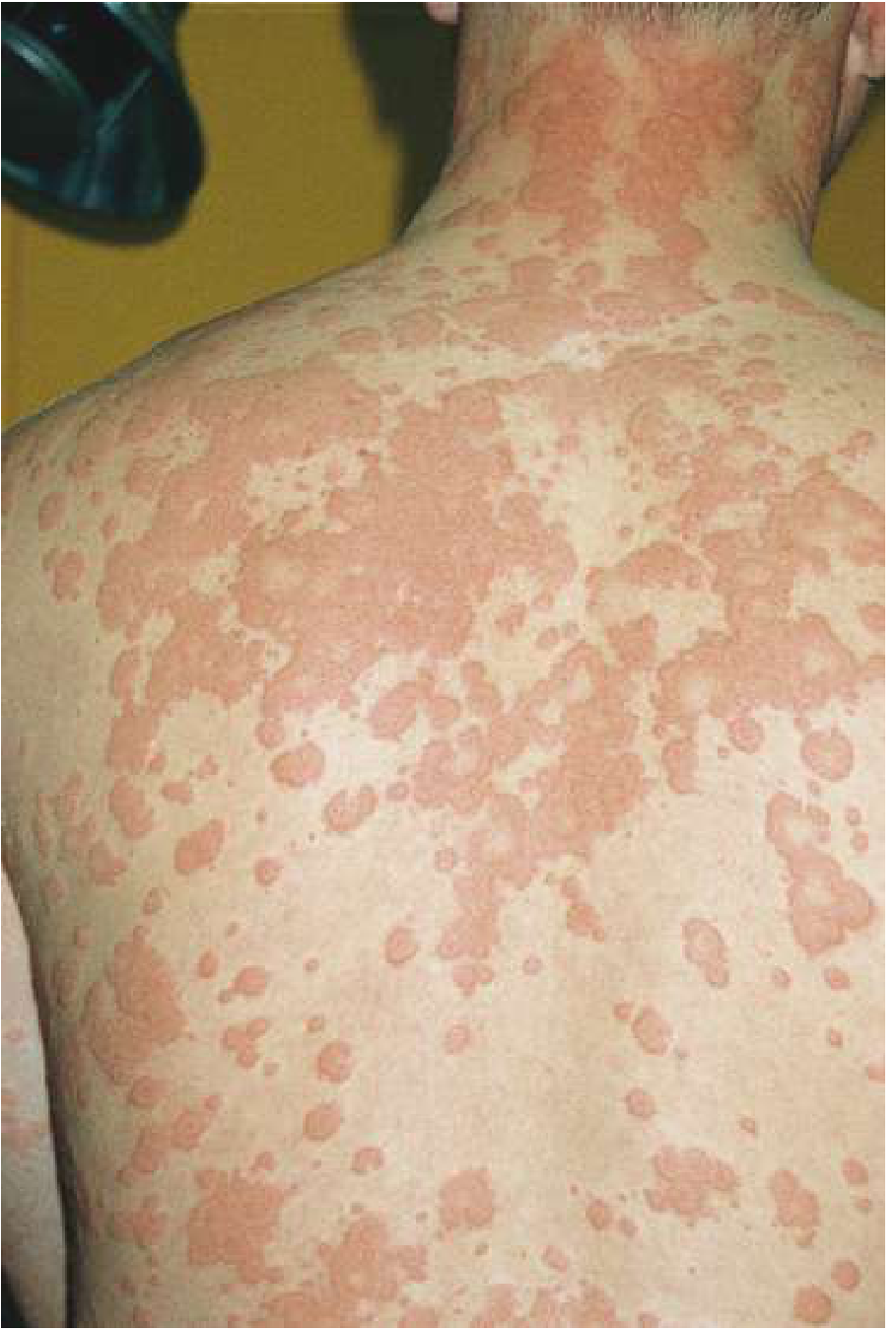
What's actually causing them - and where stress fits in
The bruising question - and whether cortisol is the culprit
"Patients with Cushing's syndrome or on chronic glucocorticoid therapy develop skin bleeding and easy bruising due to atrophy of supporting connective tissue."
- Chronic stress-related cortisol elevation (what you likely have): can cause some increase in bruising tendency, but usually mild.
- Cushing's syndrome (a medical condition of pathologically high cortisol): causes pronounced, widespread easy bruising along with other specific signs - weight gain around the abdomen and face, purple stretch marks, high blood pressure, muscle weakness.
- Vitamin C deficiency - if you're mostly eating chips and ice cream and skipping proper meals, you could be low in vitamin C. It's needed to make collagen, and deficiency causes perifollicular bruising and skin bleeding. This is scurvy at the extreme end, but even mild deficiency can make bruising worse.
- Vitamin K deficiency - poor diet affects clotting.
- Simple trauma you don't remember - legs and arms bruise easily from minor knocks, and when you're tired and not paying attention you bump into things more.
Putting it all together
| Symptom | Most likely explanation |
|---|---|
| Hives for weeks, coming and going | Chronic spontaneous urticaria, likely stress-exacerbated |
| Hives appearing on face and fingers | Normal distribution for urticaria |
| 3-day clear period then new hive | Typical waxing/waning pattern of chronic urticaria |
| Random bruises on legs and arms | Most likely: poor diet (low vitamin C/K) + minor unnoticed trauma + mild cortisol effects |
What to actually do
- A second-generation antihistamine (cetirizine 10mg, loratadine 10mg, or fexofenadine 180mg) taken daily is the first-line treatment, per Goldman-Cecil Medicine. These don't cause the drowsiness of older antihistamines like Benadryl.
- If once daily isn't enough, the dose can go up to 4x daily under medical guidance.
- Avoid NSAIDs (ibuprofen, naproxen) - they trigger hives in up to 30% of chronic urticaria patients.
- If antihistamines don't control it after 2-4 weeks, a doctor can consider omalizumab (a biologic injection) - very effective for chronic urticaria.
- Eat something real, even once a day. Getting vitamin C (citrus, bell peppers, strawberries) and a general multivitamin would genuinely help.
- If the bruises are large, show up with no trauma at all, or you're also noticing bleeding gums or other symptoms, get a basic blood test (CBC, coagulation panel) to rule out a bleeding issue.
- The isolation after a move is real and hard. Your current routine (work, home, Seventeen comfort-watching, snack food) is a reasonable coping mechanism for now, but it does maintain the stress loop that's worsening your skin.
- Even small changes help: one proper meal a day, a short walk outside, or a video call with someone back home. Nothing dramatic - just a small break in the pattern.
- If the hives and bruising persist despite antihistamines and a better diet for a few weeks, it's worth seeing a doctor for bloodwork (CBC, thyroid, autoimmune panel, CRP) to rule out any underlying trigger.