

image.jpg
Teach me everything i need to know and treat this case
analyse_media
Reading File
Good, I have the case details. Now let me search the medical library for comprehensive content on both conditions. I'll run parallel queries.
Finding Sources
Finding Sources
Searching PubMed
"iron deficiency anemia" AND "blood transfusion"
Reading File
Reading File
Finding Sources
Reading File
Finding Sources
Finding Sources
Reading File
Finding Sources
Reading File
Reading File
Reading File
Reading File
I now have rich content from the textbooks. Let me also fetch the peripheral blood smear image and look at FUO diagnostic workup.
Loading Image
Reading File
I now have enough comprehensive information to write a thorough teaching response. Let me synthesize everything.
Case Summary
Patient: Sultana Begum, 47F, Ward: FMW (Female Medical Ward)
Diagnoses:
- Pyrexia Under Evaluation (PUE)
- Severe Iron Deficiency Anemia (IDA)
Management done: 1 unit PRBC transfusion on 1/7/26
PART 1: SEVERE IRON DEFICIENCY ANEMIA
What Is Iron Deficiency Anemia?
Iron deficiency is the most common nutritional deficiency worldwide and the most frequent cause of anemia, affecting ~25-50% of people in lower-resource countries. It results from inadequate hemoglobin synthesis due to insufficient iron. - Robbins, Cotran & Kumar Pathologic Basis of Disease
Iron Metabolism - The Foundation
Understanding why IDA happens requires knowing normal iron physiology:
| Pool | Males (mg) | Females (mg) |
|---|---|---|
| Hemoglobin (functional) | 2100 | 1750 |
| Myoglobin | 300 | 250 |
| Enzymes (catalase, cytochromes) | 50 | 50 |
| Storage (ferritin + hemosiderin) | 1000 | 400 |
| Total | 3450 | 2450 |
Key facts on iron handling:
- Daily loss: only 1-2 mg/day (shed mucosal and skin cells) - there is no regulated excretion pathway
- Normal Western diet: 10-20 mg/day; only 20% of heme iron and 1-2% of nonheme iron is absorbed
- Absorption occurs in the proximal duodenum
- Iron transport in plasma: bound to transferrin (normally ~33% saturated)
- Normal serum iron: ~120 ug/dL (men), ~100 ug/dL (women)
- Normal TIBC: 300-350 ug/dL
The hepcidin-ferroportin axis is the master regulator:
- Hepcidin (liver peptide) degrades ferroportin on enterocytes and macrophages → blocks iron absorption and release
- When iron stores are LOW → hepcidin falls → ferroportin survives → more iron absorbed
- When inflammation is HIGH → hepcidin rises → iron is trapped → "anemia of chronic inflammation"
- This is clinically important here because if Sultana has an active infection causing her fever, the inflammatory state may worsen functional iron availability
Causes of Iron Deficiency
Four main mechanisms:
- Dietary lack - insufficient iron in diet (especially low-resource settings, vegans, elderly, infants)
- Impaired absorption - gastrectomy, celiac sprue, malabsorption syndromes
- Increased requirement - pregnancy, growing children, premenopausal women
- Chronic blood loss - most common cause in adults - menstrual blood loss in premenopausal women, GI bleeding (peptic ulcer, colorectal cancer, hookworm), urinary tract
For Sultana at 47 years old, she is perimenopausal/premenopausal. Likely causes to investigate: menorrhagia (very common), GI blood loss, poor dietary intake. At her age, GI blood loss must be ruled out (colorectal cancer, peptic ulcer).
Stages of Iron Depletion
The process is progressive:
- Pre-latent - iron stores depleted (↓ ferritin, ↓ bone marrow iron), Hb still normal
- Latent - ↓ serum iron, ↑ TIBC, transferrin saturation falls (<15%), Hb still normal
- Iron deficiency anemia - Hb drops, microcytic hypochromic anemia develops
Morphology on Peripheral Blood Smear
The classic picture you'll see:
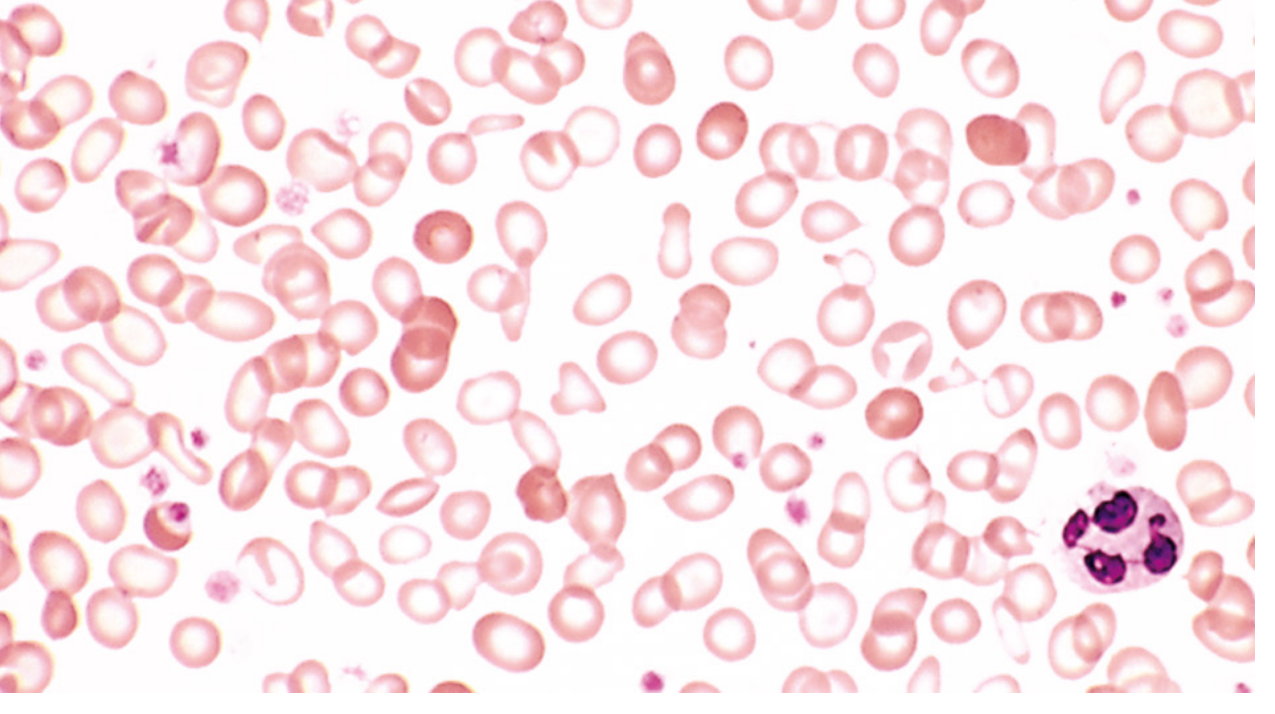
Iron deficiency anemia peripheral blood smear: Note the hypochromic microcytic red cells with a narrow rim of peripheral hemoglobin. "Pencil cells" (elongated poikilocytes) are also characteristically seen. The darker, normally-hemoglobinized cells visible here are from a recent blood transfusion - exactly as in Sultana's case! - Robbins & Kumar Pathologic Basis of Disease
Key findings:
- Microcytic (MCV <80 fL)
- Hypochromic (central pallor >1/3 of cell diameter, MCH <27 pg)
- Pencil cells (elongated poikilocytes)
- Bone marrow: absent stainable iron on Prussian blue stain
Laboratory Diagnosis
| Test | Iron Deficiency | Normal |
|---|---|---|
| Hemoglobin | Low | M: >13, F: >12 g/dL |
| MCV | <80 fL (microcytic) | 80-100 fL |
| MCH | <27 pg (hypochromic) | 27-32 pg |
| Serum Iron | Low | 100-120 ug/dL |
| TIBC (transferrin) | High | 300-350 ug/dL |
| Transferrin saturation | <15% | 20-50% |
| Serum Ferritin | <12 ug/L (very low) | 12-150 ug/L |
| Reticulocyte count | Low (before treatment) | 0.5-1.5% |
| Peripheral smear | Microcytic, hypochromic, pencil cells | Normal |
| Hepcidin | Low | Variable |
Severe IDA = Hb <7-8 g/dL in adults. The threshold for transfusion.
Clinical Features
Symptoms of anemia itself:
- Fatigue, weakness, exertional dyspnea
- Palpitations, tachycardia
- Pallor (conjunctival, palmar, mucosal)
- Headache, dizziness, poor concentration
Features specific to severe/long-standing IDA:
- Koilonychia - spoon-shaped nails
- Alopecia
- Angular stomatitis, glossitis (atrophic tongue)
- Pica - craving for non-food items (clay, ice/pagophagia, dirt)
- Plummer-Vinson syndrome - triad of microcytic hypochromic anemia + esophageal web + atrophic glossitis
- Impaired cognitive function (iron depletion in CNS)
- In children: developmental delay, poor school performance
Treatment of Severe IDA
1. Blood Transfusion (PRBC) - Already Done
Sultana received 1 unit PRBC on 1/7/26. This was appropriate because she has severe IDA.
Indications for transfusion in IDA:
- Hb <7 g/dL (generally)
- Hb <8 g/dL with symptoms (angina, hemodynamic instability)
- Symptomatic severe anemia regardless of precise Hb level
1 unit PRBC raises Hb by approximately 1 g/dL
A 2025 systematic review (PMID 40577932) comparing IV iron vs blood transfusion for IDA found both are effective but IV iron avoids transfusion risks. Transfusion is appropriate for symptomatic severe cases.
Transfusion risks to monitor for:
- Febrile non-hemolytic transfusion reaction (most common)
- Transfusion-related acute lung injury (TRALI)
- Hemolytic reaction (ABO mismatch)
- Fluid overload (transfuse slowly, especially with severe anemia)
- Infection transmission
- Iron overload with repeated transfusions
Important: Transfuse slowly (over 3-4 hours) in severe chronic anemia because the heart has compensated - rapid transfusion can precipitate pulmonary edema.
2. Oral Iron Supplementation (Mainstay of Long-term Treatment)
Ferrous sulfate 200 mg (65 mg elemental iron) TDS - standard regimen
- Take on an empty stomach for best absorption
- Vitamin C (ascorbic acid) enhances absorption - give concurrently
- Avoid with tea, antacids, calcium - they inhibit absorption
- Side effects: nausea, constipation, dark stools, abdominal cramping
Alternative oral preparations:
- Ferrous gluconate 300 mg BD (better tolerated, less elemental iron)
- Ferrous fumarate 200 mg BD
Response monitoring:
- Reticulocytosis in 5-7 days (first sign of response)
- Hb rises ~1-2 g/dL per 2 weeks
- Continue treatment for 3-6 months after Hb normalizes to replenish iron stores
- Check ferritin to confirm stores are repleted
3. Parenteral Iron (IV iron) - when oral fails or is not tolerated
- Iron sucrose, ferric carboxymaltose, iron dextran
- Indicated in malabsorption, intolerance to oral iron, chronic kidney disease, inflammatory bowel disease, or when rapid correction is needed
- Risk: anaphylaxis with iron dextran (less common with newer formulations)
4. Treat the Underlying Cause
This is non-negotiable. Replacing iron without finding the source is incomplete treatment.
- Investigate menstrual history (menorrhagia?)
- Upper and lower GI endoscopy if GI loss suspected (stool occult blood test first)
- Dietary history and counseling
- Deworm if parasitic infestation (hookworm) is suspected
PART 2: PYREXIA UNDER EVALUATION (PUE)
Definition
Pyrexia (fever) = body temperature >38.3°C (101°F) measured orally.
"Pyrexia Under Evaluation" = the fever does not yet have a confirmed diagnosis. If it persists >3 weeks with temp >38.3°C on repeated occasions and the cause remains unknown after initial workup, it formally becomes Fever of Unknown Origin (FUO).
Causes of FUO - The "Big 5" Domains
(Goldman-Cecil Medicine, Table 259-6)
| Domain | Common Examples |
|---|---|
| Infectious | TB (most common globally!), occult abscess, culture-negative endocarditis, CMV, EBV, brucellosis, salmonellosis, HIV |
| Malignant | Lymphoma (Hodgkin >> non-Hodgkin), leukemia, hepatocellular carcinoma, renal cell carcinoma |
| Inflammatory (autoimmune) | SLE, adult-onset Still's disease, giant cell arteritis, rheumatoid arthritis, IBD, vasculitis |
| Miscellaneous | Drug fever, hyperthyroidism, hemophagocytic lymphohistiocytosis, thromboembolism, hematoma |
| Undiagnosed | ~10-15% remain undiagnosed even after full workup |
In India / South Asia, TB is always the #1 priority to rule out in PUE/FUO.
Important note for Sultana: Severe IDA itself can cause low-grade fever. Also, anemia due to underlying malignancy, TB, or connective tissue disease would explain both her anemia and fever simultaneously. The two diagnoses may share a common underlying cause.
Diagnostic Workup for PUE (Initial Tier)
(Goldman-Cecil Table 259-7)
Blood tests:
- CBC with differential - already relevant (severe IDA found)
- CRP and ESR - inflammation markers
- Comprehensive metabolic panel - LFT, RFT
- Blood cultures x3 (spaced at least 2 hours apart) - rule out bacteremia, endocarditis
- HIV Ag/Ab (4th generation)
- CMV IgM/IgG
- TB: IGRA (interferon-gamma release assay) or Mantoux test - critical in India
- Widal test / blood culture for Salmonella typhi - enteric fever
- Malaria thick and thin smear + RDT - essential in endemic regions like Telangana
- LDH - elevated in lymphoma, hemolysis
- TSH - hyperthyroidism can cause fever
- ANA, rheumatoid factor - autoimmune screen
- Serum ferritin - markedly elevated in hemophagocytic lymphohistiocytosis (HLH), Still's disease
Urine:
- Urinalysis with microscopy + culture - rule out UTI/pyelonephritis
Imaging:
- Chest X-ray - TB, pneumonia, mediastinal lymphadenopathy (lymphoma)
- Ultrasound abdomen - hepatosplenomegaly, lymphadenopathy, abscess
- CECT chest/abdomen/pelvis if initial workup unrevealing
Sputum:
- AFB smear and culture if TB suspected
Key Clinical Points for Evaluation
-
Take a thorough history:
- Duration and pattern of fever (continuous? remittent? periodic?)
- Travel history (malaria belt, endemic areas)
- Contact with TB patients
- Menstrual history (source of blood loss)
- Weight loss, night sweats, cough (TB triad)
- Joint pains, rash, oral ulcers (SLE/connective tissue disease)
- Drug history (drug fever!)
- Family history
-
Physical examination:
- Lymphadenopathy (lymphoma, TB)
- Hepatosplenomegaly (malaria, lymphoma, leishmaniasis)
- Pallor, jaundice, signs of IDA (koilonychia, glossitis)
- Heart murmurs (endocarditis)
- Rash (SLE, adult Still's, viral)
- Thyroid enlargement
Treatment Approach for PUE
Rule #1: Do NOT start empiric antibiotics or antitubercular therapy before completing basic workup unless the patient is critically ill or septic. Blind treatment masks the diagnosis.
Symptomatic fever management:
- Paracetamol (acetaminophen) 500-1000 mg every 6-8 hours PRN - safest antipyretic
- Keep well hydrated (oral/IV fluids)
- Physical cooling measures (tepid sponging)
- Avoid aspirin in fever (risk of Reye's syndrome if viral; also avoided in platelet disorders)
- Avoid NSAIDs if GI bleed is suspected (relevant here given possible GI source of IDA)
Directed therapy once diagnosis is confirmed:
- TB → 4-drug ATT (HRZE for 2 months, then HR for 4 months)
- Typhoid → Ceftriaxone or ciprofloxacin
- Malaria → Artemisinin-based combination therapy (ACT)
- SLE → Hydroxychloroquine, steroids
- Lymphoma → Refer oncology
PART 3: PUTTING IT TOGETHER - MANAGEMENT PLAN FOR SULTANA
Today's Priorities
| Priority | Action |
|---|---|
| Monitor post-transfusion Hb | Recheck CBC 24h after transfusion |
| Fever workup | Blood cultures x3, malaria smear, widal, TB IGRA/sputum AFB |
| Routine bloods | CRP, ESR, LFT, RFT, serum ferritin, TIBC, serum iron, TSH, ANA |
| Urine | Urinalysis + culture |
| Imaging | Chest X-ray, USG abdomen |
| GI workup | Stool for occult blood; consider OGD/colonoscopy if GI source suspected |
| Menstrual history | Detailed gynecological history - menorrhagia? |
| Antipyretics | Paracetamol for symptom control |
| Iron replacement | Start oral ferrous sulfate after confirming no further acute bleed |
| Monitor transfusion response | Watch for febrile reaction, fluid overload |
Expected Course
- Post-transfusion: Hb should rise ~1 g/dL per unit transfused
- With oral iron: reticulocytosis in 5-7 days; Hb normalizes in 4-8 weeks
- Continue iron for 3-6 months after Hb normalizes to rebuild stores
- Fever cause must be identified and specifically treated
Key Teaching Points to Remember
- Severe IDA in a 47-year-old woman = always investigate for GI malignancy. Menorrhagia is common but never assume without excluding other causes.
- The PBS image of IDA shows hypochromic microcytic cells with pencil cells - those brighter, fully-hemoglobinized cells you see are from the transfusion she just received.
- Hepcidin is the master switch - infection/inflammation raises hepcidin → traps iron → worsens functional anemia.
- 1 unit PRBC ≈ +1 g/dL Hb - transfuse slowly (3-4 hours) in chronic severe anemia.
- PUE workup is structured: start with CBC, cultures, CRP/ESR, malaria smear, TB screen, chest X-ray. Do not start empiric therapy blindly.
- In India, TB + malaria + typhoid must always be ruled out first in any fever of unknown cause.
- IDA + fever in the same patient - think of one unifying diagnosis: TB causing both (malabsorption + iron loss + fever), lymphoma, or malignancy.
- A 2025 systematic review (Bedan & Lottrup, PMID 40577932) confirms IV iron is a valid alternative to PRBC transfusion for IDA - both effective, but IV iron avoids transfusion complications.
Sources: Robbins, Cotran & Kumar Pathologic Basis of Disease (10e); Robbins & Kumar Basic Pathology; Goldman-Cecil Medicine (International Edition); Bedan & Lottrup, Transfusion Medicine Reviews, 2025 (PMID 40577932)

image.jpg
Teel me everything i need to know about this case and teach me the theoretical part and what questions can be asked in rounds and answers
analyse_media
Reading File
Excellent case. Now let me run parallel library searches for all three main topics: ischemic stroke, thrombolysis with tenecteplase, and UMN lesion anatomy.
Finding Sources
Finding Sources
Finding Sources
Reading File
Finding Sources
Finding Sources
Reading File
Reading File
Reading File
Reading File
Finding Sources
Finding Sources
Finding Sources
Reading File
Reading File
I now have comprehensive textbook material. Let me synthesize everything into a complete teaching guide.
CASE SUMMARY
Patient: Shamalamma, 70F, Ward: FMW (Female Medical Ward)
IP No.: 20260602132 | Date: 2/7/26, 8:00 PM
Diagnoses (Δ):
- Acute Ischemic Stroke with Right Hemiplegia
- Right UMN Palsy - Acute infarct in Left Frontal Capsulo-Ganglionic Region
Comorbidities: HTN, T2DM, UTI (resolved), Lower GI Bleed
Procedures:
- Thrombolysis with Inj. Tenecteplase 40mg on 31/5/26 (uncomplicated)
- 1 unit Whole Blood + 1 unit PRBC transfusion on 1/7/26 (for GI bleed-related anemia)
Current complaint: Abdominal pain reduced by 80%
PART 1: STROKE - COMPLETE THEORETICAL FOUNDATION
1.1 Definition
Stroke = sudden onset of focal neurological deficit lasting >24 hours (or causing death) due to a vascular cause.
TIA = same but resolves within 24 hours (most within 60 minutes). A TIA is a medical emergency - "brain attack."
Types of stroke:
- Ischemic stroke (~85%) - thrombotic or embolic occlusion of cerebral artery
- Hemorrhagic stroke (~15%) - intracerebral or subarachnoid hemorrhage
Shamalamma has ischemic stroke.
1.2 Blood Supply to the Brain - Know This Cold
| Artery | Territory | Deficit if occluded |
|---|---|---|
| MCA (Middle Cerebral Artery) | Lateral hemisphere, internal capsule | Contralateral hemiplegia (face + arm > leg), aphasia (dominant), neglect (non-dominant) |
| ACA (Anterior Cerebral Artery) | Medial frontal/parietal | Contralateral hemiplegia (leg > arm) |
| PCA (Posterior Cerebral Artery) | Occipital lobe, thalamus | Contralateral homonymous hemianopia, thalamic pain |
| Basilar/vertebral | Brainstem, cerebellum | Cranial nerve palsies, crossed signs, ataxia |
| Lenticulostriate arteries | Internal capsule (deep MCA territory) | Pure motor hemiplegia |
Shamalamma's infarct is in the left frontal capsulo-ganglionic region, fed by lenticulostriate arteries (branches of the proximal MCA). This explains her right-sided hemiplegia. The left brain controls the right body.
1.3 Why Left Lesion → Right Hemiplegia?
The corticospinal (pyramidal) tract descends from the motor cortex → through the internal capsule (posterior limb) → through the cerebral peduncle → decussates (crosses) in the medullary pyramids → descends as the lateral corticospinal tract → synapse on anterior horn cells.
Because crossing happens in the medulla, a left hemisphere/capsule lesion → right body weakness (hemiplegia).
Internal capsule anatomy:
- Anterior limb: frontopontine fibers
- Genu: corticobulbar fibers (face, tongue, throat)
- Posterior limb: corticospinal fibers (arm, leg) + sensory fibers
A capsulo-ganglionic infarct involves the posterior limb → pure motor hemiplegia (face + arm + leg, all on right side). This is a classic lacunar infarct syndrome.
1.4 UMN vs LMN - A Must-Know Table
| Feature | UMN Lesion | LMN Lesion |
|---|---|---|
| Tone | Increased (spasticity) | Decreased (flaccidity) |
| Reflexes | Hyperreflexia | Hyporeflexia/areflexia |
| Plantar (Babinski) | Extensor (upgoing toe) | Flexor (normal) |
| Clonus | Present | Absent |
| Wasting | None (or mild disuse) | Prominent |
| Fasciculations | Absent | Present |
| Weakness pattern | Pyramidal (flexors weaker in arm, extensors weaker in leg) | Individual muscle groups |
| Facial weakness | Forehead spared (bilateral cortical representation) | Forehead involved |
In Shamalamma: Right UMN palsy means right-sided spasticity, hyperreflexia, upgoing plantar reflex, and facial weakness sparing the forehead (because the forehead muscles receive bilateral cortical input, so only one hemisphere being damaged doesn't paralyze the forehead - this distinguishes UMN from LMN facial weakness).
Important point: In the acute phase of stroke, the limbs are actually flaccid (hypotonia, hyporeflexia), not spastic. Spasticity develops over days to weeks as the UMN signs "mature."
1.5 NIHSS - National Institutes of Health Stroke Scale
Used to quantify stroke severity:
| Score | Severity |
|---|---|
| 0 | No stroke |
| 1-4 | Minor |
| 5-15 | Moderate |
| 15-20 | Moderate-severe |
| >20 | Severe |
| >25 | Very severe (generally excluded from thrombolysis) |
Assesses: consciousness, gaze, visual fields, facial palsy, motor arm/leg, limb ataxia, sensory, language, dysarthria, extinction.
1.6 Pathophysiology of Ischemic Stroke
The Ischemic Cascade:
- Arterial occlusion → blood flow falls below threshold
- Within minutes: ATP depletion → failure of Na/K ATPase pump
- Cellular depolarization → Na and water enter cells → cytotoxic edema
- Glutamate release → excitotoxicity → calcium influx → cell death
- The ischemic core (irreversibly dead within minutes) is surrounded by the penumbra (ischemic but salvageable if reperfused quickly)
- The penumbra is the target of thrombolysis and thrombectomy
"Time is Brain" - approximately 1.9 million neurons die per minute during a stroke. Every 15 minutes saved = one week of healthy ageing.
Edema timeline:
- Cytotoxic edema: minutes to hours (gray matter predominant)
- Vasogenic edema: hours to days (white matter predominant)
- Peak edema: 72-120 hours after stroke
1.7 Risk Factors for Ischemic Stroke
Non-modifiable: Age (>55), sex (M>F but women live longer so overall more female strokes), race, family history
Modifiable - major:
- Hypertension (most important - present in Shamalamma)
- Atrial fibrillation (cardioembolic strokes)
- Diabetes mellitus (present in Shamalamma)
- Hyperlipidemia
- Smoking
- Carotid artery stenosis
- Prior TIA/stroke
- Cardiac disease (valvular, IHD, heart failure)
Shamalamma has both HTN and DM - two of the most important risk factors.
1.8 OCSP (Bamford/Oxford Community Stroke) Classification
Clinically classifies strokes by pattern of deficit:
| Type | Features | Vessel |
|---|---|---|
| TACI - Total Anterior Circulation Infarct | All 3: hemiplegia + hemianopia + higher cortical dysfunction | MCA or ICA |
| PACI - Partial Anterior Circulation Infarct | 2 of 3 above, or isolated higher cortical dysfunction | MCA branches |
| LACI - Lacunar Infarct | Pure motor, pure sensory, sensorimotor, ataxic-hemiparesis | Small perforators (lenticulostriate) |
| POCI - Posterior Circulation Infarct | Brainstem/cerebellar signs, diplopia, vertigo | Basilar, vertebral, PICA |
Shamalamma's case - left frontal capsulo-ganglionic infarct with right hemiplegia and no cortical signs = LACI (Lacunar Anterior Circulation Infarct).
PART 2: TENECTEPLASE THROMBOLYSIS - WHAT YOU MUST KNOW
2.1 Mechanism of Thrombolytics
Tenecteplase is a genetically engineered variant of tissue plasminogen activator (tPA). It converts plasminogen → plasmin, which breaks down fibrin clots.
Tenecteplase vs Alteplase:
| Feature | Tenecteplase (TNK) | Alteplase (tPA) |
|---|---|---|
| Administration | Single IV bolus | 1-hour infusion (bolus + infusion) |
| Fibrin specificity | Higher | Lower |
| Half-life | Longer (~20 min) | Shorter (~3-5 min) |
| Dose (stroke) | 0.25 mg/kg IV bolus (max 25 mg) | 0.9 mg/kg (max 90 mg) over 60 min |
| FDA approval | Primarily for MI; used off-label/approved for stroke | FDA approved for ischemic stroke |
| Practical ease | Easier (single bolus) | More complex |
In Shamalamma's case, Inj. Tenecteplase 40mg was used. At 0.25 mg/kg, this corresponds to a body weight of ~80 kg (40/0.25 = 160 kg... actually at this dose 40mg = weight ~160kg which seems high; more likely she received tenecteplase dosed for stroke: 0.25 mg/kg max 25mg for stroke, but 40mg may reflect MI dosing). This detail should be verified at bedside. The note states it was uncomplicated.
2.2 Time Windows
- Within 3 hours: Strongest evidence, all eligible patients (≥18 years, no exclusions)
- 3 to 4.5 hours: Also recommended but with additional criteria:
- Age ≤80
- No history of BOTH DM AND prior stroke
- NIHSS ≤25
- No oral anticoagulants
- Infarct <1/3 of MCA territory on imaging
Shamalamma is 70 (≤80) but has T2DM - the 3-4.5h window restriction applies only if there is both prior stroke AND DM together. DM alone does not exclude the 3-4.5h window.
2.3 Blood Pressure for Thrombolysis
Before thrombolysis: BP must be <185/110 mmHg
After thrombolysis: Maintain <180/105 mmHg for at least 24 hours
Given Shamalamma is a known hypertensive, BP control before and after thrombolysis is critical.
2.4 Exclusion Criteria for Thrombolysis (Must Know for Rounds!)
Absolute contraindications:
- Active internal bleeding (this is critical - she now has lower GI bleed)
- Significant head trauma or stroke within 3 months
- Intracranial neoplasm, AVM, or aneurysm
- BP >185/110 mmHg not responsive to treatment
- Symptoms of subarachnoid hemorrhage
- Current use of anticoagulants with elevated INR or aPTT
- Platelet count <100,000
- Blood glucose <50 or >400 mg/dL
Relative contraindications:
- Minor or rapidly improving stroke symptoms
- Seizure at onset
- Prior ischemic stroke within 3 months
- Major surgery within 14 days
- GI or urinary hemorrhage within 21 days (relevant to this patient!)
Key clinical point: Shamalamma developed lower GI bleed AFTER thrombolysis. The GI bleed is likely a complication of the thrombolysis or her underlying condition, and this is why she was transfused. This is one of the feared complications of tPA/tenecteplase.
2.5 Complications of Thrombolysis
| Complication | Notes |
|---|---|
| Symptomatic intracranial hemorrhage (sICH) | Most feared (~6%); suspect if sudden deterioration |
| Systemic bleeding (GI, urinary, orolingual) | Shamalamma likely had this |
| Angioedema | Rare; involves tongue/oropharynx |
| Reperfusion injury | |
| Anaphylaxis | Very rare |
If bleeding occurs post-thrombolysis:
- Stop any anticoagulants/antiplatelets
- Fresh frozen plasma (FFP) + cryoprecipitate
- Transfuse blood as done (PRBC/whole blood already given)
PART 3: ACUTE STROKE MANAGEMENT PROTOCOL
3.1 The "Stroke Chain" - Time-Based
| Time | Action |
|---|---|
| 0 min | Patient arrives - immediate triage |
| 10 min | Physician assessment, ABC |
| 25 min | CT brain without contrast |
| 45 min | CT interpreted |
| 60 min | "Door-to-needle" time - thrombolysis should be given within 60 min of arrival |
| Ongoing | Monitoring, BP control, glucose, temp |
3.2 Initial Assessment and Stabilization
ABCs first:
- Airway: risk of aspiration (especially with hemiplegia + dysphagia) - keep HOB >30°
- Breathing: Pulse oximetry; supplement O2 only if SpO2 <94%
- Circulation: Cardiac monitoring for 48h (AF is common trigger), 12-lead ECG, troponin
Immediate blood tests:
- CBC, PT/INR, aPTT
- Blood glucose (hypoglycemia mimics stroke; hyperglycemia worsens outcome)
- Electrolytes, renal function
- Cardiac biomarkers
3.3 Imaging
CT Brain without contrast (NCCT) - First line
- Done immediately on arrival
- Rules out hemorrhagic stroke (absolute contraindication to thrombolysis)
- May show early ischemic changes (hypodensity, loss of gray-white differentiation, dense MCA sign)
- Early changes of large MCA infarct: ASPECTS score (Alberta Stroke Program Early CT Score)
MRI brain (DWI - Diffusion Weighted Imaging) - more sensitive for acute ischemia
- Restricted diffusion (bright on DWI, dark on ADC) = acute infarct
- Can detect lesions within minutes (vs CT which may miss early infarcts)
CT Angiography (CTA): Identifies large vessel occlusion → guides mechanical thrombectomy decision
3.4 Blood Pressure Management in Acute Stroke
The paradox of BP in stroke:
- In acute ischemic stroke, BP is often deliberately allowed to stay elevated (permissive hypertension)
- Optimal SBP: 160-200 mmHg in the first 24-48h
- Why? The ischemic penumbra depends on cerebral perfusion pressure (CPP). Lowering BP too aggressively can extend the infarct
- Exception: If thrombolysis is given → BP must be <180/105 mmHg
When to treat BP acutely:
- BP >220/120 (if no thrombolysis)
- BP >185/110 (if thrombolysis planned)
- Hypertensive emergency with end-organ damage
Preferred agents in acute stroke:
- IV labetalol (5-20mg IV, repeat as needed)
- IV nicardipine infusion
- Avoid: sublingual nifedipine (precipitous drop), hydralazine (reflex tachycardia)
3.5 Glucose Management
- Hyperglycemia → worse neurological outcome (avoid glucose-containing IV fluids)
- Target glucose: 140-180 mg/dL in acute phase
- Hypoglycemia (<50 mg/dL) must be corrected immediately (can mimic stroke)
- SHINE trial: intensive glucose control did NOT improve outcomes
- Shamalamma has T2DM - monitor blood glucose closely, use normal saline not D5W
3.6 Temperature
- Hyperthermia worsens ischemic outcome - treat fever aggressively
- Paracetamol for fever
- Look for underlying cause (UTI - already treated in Shamalamma, pneumonia, DVT)
3.7 Prevention of Complications
| Complication | Prevention/Management |
|---|---|
| Aspiration pneumonia (most common cause of death in stroke) | NPO until formal swallowing assessment; HOB >30°; NG tube if needed |
| DVT/Pulmonary embolism | Compression stockings; LMWH after 24-48h (not immediately post-thrombolysis) |
| Urinary tract infection | Already treated in this patient; remove catheter early |
| Pressure ulcers | Frequent repositioning, special mattress |
| Depression | Common post-stroke; screen and treat |
| Seizures | Antiepileptics if seizures occur; prophylactic AEDs NOT recommended |
| Cerebral edema | Peaks 72-120h; mannitol, head elevation, consider hemicraniectomy for malignant MCA infarct |
PART 4: SECONDARY PREVENTION - LONG-TERM MANAGEMENT
4.1 Antiplatelet Therapy
Started 24 hours after thrombolysis (not immediately, to avoid hemorrhagic conversion):
- Aspirin 75-100mg/day - first-line
- Clopidogrel 75mg/day - better than aspirin alone; use if aspirin intolerant
- Dual antiplatelet therapy (DAPT): Aspirin + Clopidogrel for 21 days after minor stroke/TIA (POINT/CHANCE trials) then switch to mono
- Aspirin + Dipyridamole (Aggrenox) - another alternative
Note: Antiplatelet use in Shamalamma must be carefully weighed against her lower GI bleed history.
4.2 Statin Therapy
- High-intensity statin (Atorvastatin 40-80mg) for all ischemic stroke patients regardless of baseline cholesterol
- Reduces recurrent stroke by ~20-25%
4.3 Anticoagulation (if AF detected)
- If AF (paroxysmal or persistent) is identified → OAC (oral anticoagulants) preferred over antiplatelets
- Direct oral anticoagulants (DOACs): apixaban, rivaroxaban, dabigatran preferred over warfarin
- Timing after stroke: generally start after 4-14 days depending on infarct size
4.4 Risk Factor Control
| Risk Factor | Target |
|---|---|
| Blood pressure | <130/80 mmHg long-term |
| Diabetes | HbA1c <7% (but aggressive control acutely is harmful) |
| LDL cholesterol | <70 mg/dL for high-risk; <55 mg/dL some guidelines |
| Smoking | Cessation |
| Atrial fibrillation | Rate control + anticoagulation |
PART 5: REHABILITATION
- Early mobilization (within 24-48h if stable) - reduces DVT, pneumonia, improves outcomes
- Physiotherapy - passive then active ROM exercises, gait training
- Occupational therapy - ADL retraining
- Speech and language therapy - for aphasia and dysphagia
- Stroke unit care - proven to reduce mortality and disability more than any single drug
PART 6: ROUND QUESTIONS & MODEL ANSWERS
Q1: What is the significance of the infarct being in the LEFT frontal capsulo-ganglionic region when the patient has RIGHT-sided weakness?
A: The corticospinal tract decussates (crosses) in the medullary pyramids. Therefore, a left hemisphere lesion causes contralateral (right-sided) motor deficit. The capsulo-ganglionic region contains the posterior limb of the internal capsule through which the corticospinal tract descends compactly. An infarct here causes a dense contralateral hemiplegia.
Q2: Why is the forehead SPARED in UMN facial palsy but NOT in LMN facial palsy?
A: The upper face (forehead/frontalis muscle) receives bilateral cortical representation. Even if one hemisphere is damaged, the contralateral hemisphere still supplies the upper face via the corticobulbar tract. Therefore, unilateral UMN lesions spare the forehead. In LMN lesions (e.g., Bell's palsy - CN VII palsy), the nerve itself is affected below this bilateral input, so the entire ipsilateral face is weak, including the forehead.
Q3: What are the classical features of an acute UMN lesion in the immediate period vs established period?
A: Immediately after a UMN lesion (stroke), the limbs show flaccidity, hypotonia, and reduced reflexes (spinal shock / diaschisis). Over days to weeks, classic UMN signs emerge: spasticity, hyperreflexia, Babinski sign (extensor plantar). This is because local spinal reflex arcs become hyperactive once released from supraspinal inhibition.
Q4: What is the mechanism of action of Tenecteplase and how does it differ from Alteplase?
A: Both are recombinant tissue plasminogen activators (tPA) that convert plasminogen to plasmin, which lyses fibrin clots. Tenecteplase has higher fibrin specificity and longer half-life than alteplase, allowing a single IV bolus (0.25 mg/kg, max 25mg for stroke) instead of a 1-hour infusion. This makes it more practical and is associated with higher reperfusion rates before thrombectomy. Its efficacy is non-inferior to alteplase.
Q5: What was the time window for thrombolysis in this case? What are the criteria?
A: The standard window is within 3 hours (solidly established). An extended window of 3-4.5 hours is acceptable with criteria: age ≤80, no simultaneous history of DM + prior stroke, NIHSS ≤25, no oral anticoagulants, infarct <1/3 MCA territory. BP must be <185/110 mmHg. Blood glucose must be >50 mg/dL. In this patient, thrombolysis was done on 31/5/26 and was uncomplicated.
Q6: This patient developed lower GI bleed after thrombolysis. How does this relate to the treatment?
A: GI hemorrhage is a recognized systemic bleeding complication of thrombolysis. tPA/tenecteplase systemically activates plasminogen → widespread fibrinolysis → bleeding at any site including GI mucosa, especially if there is a pre-existing ulcer, polyp, or vascular lesion. This is listed as a relative contraindication (GI hemorrhage within 21 days). Management includes transfusion (as done - PRBC and whole blood), stopping antiplatelets temporarily, FFP/cryoprecipitate if ongoing, and GI evaluation (endoscopy).
Q7: Why is blood pressure NOT aggressively lowered in acute ischemic stroke (unless thrombolysis is given)?
A: In the ischemic penumbra surrounding the infarct core, autoregulation of cerebral blood flow is impaired. Cerebral perfusion becomes pressure-dependent. Aggressively lowering BP reduces cerebral perfusion pressure (CPP = MAP - ICP), extending the infarct into the penumbra. Permissive hypertension (SBP 160-200 mmHg) maintains penumbral blood flow. Exception: if thrombolysis is planned (BP must be <185/110) or if there is hypertensive emergency with end-organ damage.
Q8: Why is hyperglycemia harmful in stroke?
A: Hyperglycemia worsens ischemic brain injury through multiple mechanisms: (1) promotes anaerobic glycolysis in the ischemic penumbra → lactic acidosis → exacerbates intracellular acidosis and cell death; (2) increases cerebral edema; (3) promotes hemorrhagic transformation; (4) impairs cerebrovascular autoregulation. Target glucose in acute stroke: 140-180 mg/dL. Avoid glucose-containing IV fluids (use normal saline).
Q9: What are the signs of hemorrhagic transformation (HT) post-thrombolysis and how would you manage it?
A: Suspect HT if there is: sudden neurological deterioration (loss of consciousness, new severe headache, worsening deficits, vomiting), new-onset HTN. Confirm with urgent NCCT brain (hyperdense areas within infarct = hemorrhagic conversion). Management: (1) Stop anticoagulants, antiplatelets, all fibrinolytics; (2) Reverse anticoagulation (FFP, cryoprecipitate, platelet transfusion); (3) Tight BP control (SBP <140 mmHg); (4) ICP management if needed; (5) Neurosurgical consultation; (6) ICU care.
Q10: What is the NIHSS and what score indicates a large infarction?
A: NIHSS (National Institutes of Health Stroke Scale) quantifies stroke severity on a 0-42 scale, assessing 11 domains: consciousness (3 items), gaze, visual fields, facial palsy, motor arm (bilateral), motor leg (bilateral), limb ataxia, sensory, language, dysarthria, extinction/inattention. NIHSS >15 generally indicates large infarction. Score >25 is a relative exclusion for thrombolysis (very high risk of hemorrhagic transformation). "Time is brain" - 1.9 million neurons die per minute of untreated stroke.
Q11: What secondary prevention medications should Shamalamma be on at discharge?
A:
- Antiplatelet: Aspirin 75-100mg/day (or clopidogrel 75mg if aspirin intolerant) - started 24h post-thrombolysis. Caution: review given her GI bleed history; add a PPI (omeprazole) if using aspirin
- Statin: Atorvastatin 40-80mg (high-intensity) regardless of cholesterol level
- Antihypertensive: Continue/optimize - target <130/80 long-term
- Anti-diabetic: Optimize glycemic control (HbA1c <7%)
- Screen for AF: 24-72h Holter; if AF detected → anticoagulation (DOAC preferred)
- Physiotherapy, speech therapy, OT: Early rehabilitation
Q12: What is a lacunar infarct? How is it different from a large vessel stroke?
A: Lacunar infarcts are small deep infarcts (<15 mm) caused by occlusion of small penetrating arteries (lenticulostriate, thalamoperforating, basilar perforators) due to lipohyalinosis or microatheroma - pathological changes in small vessels caused by HTN and DM. They produce classic "pure" syndromes without cortical features (no aphasia, no visual field defect, no neglect):
- Pure motor hemiplegia (internal capsule/pons)
- Pure sensory stroke (thalamus)
- Sensorimotor stroke (thalamus + internal capsule)
- Ataxic-hemiparesis (pons)
- Dysarthria-clumsy hand syndrome (pons/internal capsule)
Shamalamma's case (capsulo-ganglionic infarct with right hemiplegia in a hypertensive diabetic) is a textbook lacunar infarct. These have a better prognosis than large vessel strokes in terms of early mortality but significant functional disability remains.
CURRENT MANAGEMENT PRIORITIES FOR SHAMALAMMA
| Issue | Action |
|---|---|
| Stroke recovery (day 33 from thrombolysis) | Physiotherapy, OT, speech therapy ongoing |
| Right hemiplegia | Active and passive ROM, prevent contractures |
| Lower GI bleed (improving, pain ↓80%) | Continue monitoring; GI endoscopy to find source; avoid NSAIDs/aspirin until stable |
| Post-transfusion (1 WB + 1 PRBC) | Recheck Hb, monitor for transfusion reactions |
| HTN management | BP monitoring; target <180/105 acutely; long-term <130/80 |
| DM management | Glucose monitoring; avoid hypoglycemia; continue antidiabetics |
| Dysphagia screen | NPO if needed; formal swallowing assessment; NG tube if required |
| DVT prevention | Compression stockings; LMWH now that acute phase is past |
| AF screening | 24h Holter if not done |
| Secondary stroke prevention | Aspirin (once GI bleed resolved) + statin; avoid antiplatelet initiation if active GI bleed |
| Rehabilitation | Stroke unit care; multidisciplinary approach |
Sources: Bradley and Daroff's Neurology in Clinical Practice; Adams & Victor's Principles of Neurology 12e; Rosen's Emergency Medicine; Neuroanatomy through Clinical Cases 3rd Ed; Goldman-Cecil Medicine; Fuster & Hurst's The Heart 15e
Everything I need to know about fever from Harrisons
Finding Sources
The main fever chapter is in block2. Let me read all the key sections in parallel.
Reading File
Finding Sources
Reading File
Reading File
Reading File
Reading File
Reading File
Reading File
Reading File
Reading File
Reading File
Reading File
Reading File
Reading File
Loading Image
Reading File
I now have all the material from Harrison's to write a comprehensive guide. Let me compile it.
EVERYTHING ABOUT FEVER — FROM HARRISON'S PRINCIPLES OF INTERNAL MEDICINE 22E (2025)
Authors: Charles A. Dinarello, Neeraj K. Surana (Chapter 20: Fever) & Catharina M. Mulders-Manders, Chantal P. Rovers (Chapter 22: Fever of Unknown Origin)
PART 1: NORMAL BODY TEMPERATURE
Body temperature is controlled by the hypothalamus, which integrates two signals:
- Peripheral nerve input from warmth/cold receptors in the skin
- Temperature of blood bathing the hypothalamic neurons
These are integrated by the thermoregulatory center to maintain core temperature.
Normal range: 36.5-37.5°C (97.7-99.5°F) orally.
Based on a landmark study of 35,000 individuals, the mean oral temperature is 36.6°C, and a temperature of >37.7°C (>99.9°F) - the 99th percentile - defines a fever.
Factors that affect baseline temperature:
- Diurnal variation: Low at 8 AM and in summer; higher at 4 PM and in winter
- Age: Lower by 0.02°C for every 10-year increase in age (the elderly may NOT mount a fever!)
- Race/sex: African-American women have temperatures 0.052°C higher than white men
- Comorbidities: Cancer raises baseline by 0.02°C; hypothyroidism lowers it by 0.01°C
- Menstrual cycle: AM temperature rises ~0.6°C (1°F) with ovulation and stays elevated until menses
Intriguingly: An increase in baseline temperature of just 0.15°C (1 standard deviation) translates into a 0.52% absolute increase in 1-year mortality after controlling for all confounders.
Site differences:
- Rectal > oral by 0.4°C (0.7°F) - oral is lower due to mouth breathing
- Tympanic membrane thermometers: unadjusted mode reads ~0.8°C lower than rectal
- Lower-esophageal temperatures best reflect true core temperature
PART 2: FEVER vs HYPERTHERMIA - THE CRITICAL DISTINCTION
| Feature | Fever | Hyperthermia |
|---|---|---|
| Mechanism | Elevated hypothalamic set point | Uncontrolled heat gain; set point unchanged |
| Cause | Pyrogens (exogenous or endogenous) | Heat exposure, drugs blocking sweating, hyperthyroidism, malignant hyperthermia, neuroleptic malignant syndrome |
| Response to antipyretics | YES (reduces PGE₂) | NO - antipyretics do NOT work |
| Skin | Can be cold (vasoconstriction phase) | Hot and dry (sweating blocked) |
| Immediate danger | Usually not immediately fatal | Can be rapidly fatal |
"Hyperpyrexia" = fever >41.5°C (>106.7°F). Occurs with severe infections OR most commonly with CNS hemorrhage.
How fever starts (the physiology):
- Set point rises (e.g., 37°C → 39°C)
- Vasomotor center activates → vasoconstriction (hands and feet feel cold)
- Shivering begins (increases heat production from muscles)
- Non-shivering thermogenesis from liver adds to heat production
- Behavioral adjustment (adding clothing)
- Once blood temperature matches new set point → hypothalamus maintains it
- When set point resets downward (pyrogens reduced OR antipyretic given) → vasodilation + sweating → heat loss → fever breaks
PART 3: PATHOGENESIS OF FEVER
The Complete Pathway (Harrison's Figure 20-1):
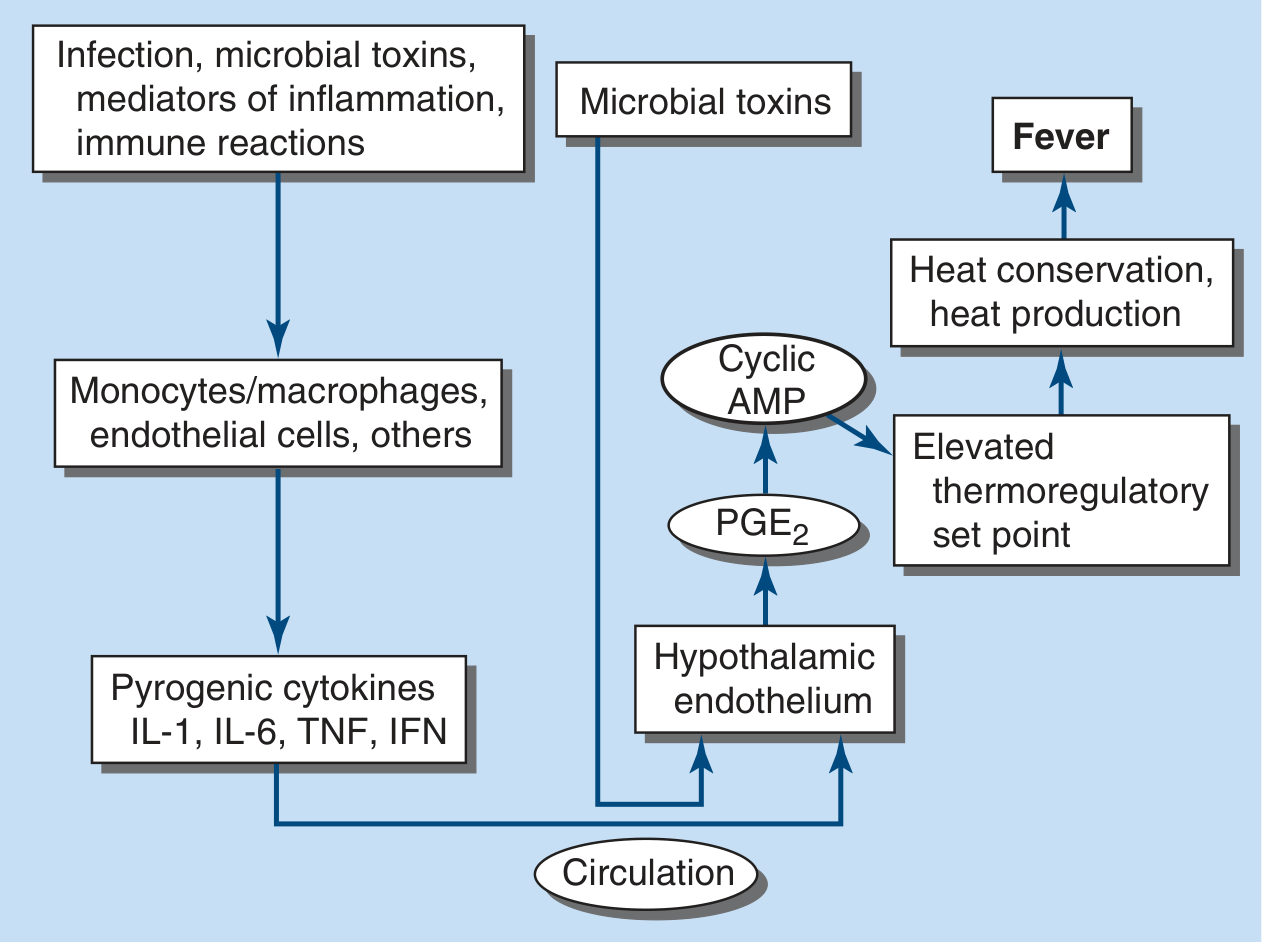
FIGURE 20-1 from Harrison's 22e: Chronology of events for fever induction
Step-by-step:
STEP 1 - Exogenous Pyrogens (come from outside)
- Most are microbial products, toxins, or whole microorganisms
- Classic example: LPS (lipopolysaccharide/endotoxin) from gram-negative bacteria
- Injected IV at 2-3 ng/kg → causes fever, leukocytosis, acute-phase proteins, malaise
- Gram-positive organisms: less pyrogenic LPS but produce superantigens causing fever
- e.g., S. aureus TSST-1, staphylococcal enterotoxins, streptococcal pyrogenic exotoxins
- These cause fever at 1-10 μg/kg IV in animals
STEP 2 - Pyrogenic Cytokines (endogenous pyrogens)
- Exogenous pyrogens activate monocytes/macrophages and endothelial cells to produce pyrogenic cytokines
- Key pyrogenic cytokines: IL-1, IL-6, TNF, ciliary neurotropic factor, IFN-α
- Doses needed to produce fever in humans:
- IL-1 and TNF: 10-100 ng/kg
- IL-6: much higher dose needed (1-10 μg/kg)
- Important: Fever can also occur WITHOUT infection! Pericarditis, trauma, stroke, immunizations all induce IL-1, TNF, and/or IL-6 → fever
STEP 3 - Hypothalamic Endothelium activation
- Pyrogenic cytokines do NOT cross the blood-brain barrier directly
- They act on the endothelium of circumventricular vascular organs (organum vasculosum of lamina terminalis) - networks of enlarged capillaries around the hypothalamic regulatory centers
- This interaction is the first step in raising the set point
STEP 4 - PGE₂ production
- The interaction triggers PGE₂ (prostaglandin E₂) synthesis by hypothalamic endothelium
- PGE₂ levels rise in hypothalamic tissue and the third cerebral ventricle
- PGE₂ acts on the EP-3 receptor (most critical for fever) on glial cells
- This triggers rapid release of cyclic AMP (cAMP) from glial cells
- cAMP is the actual neurotransmitter that raises the set point
STEP 5 - Peripheral effects of PGE₂
- PGE₂ is also produced in peripheral tissues → accounts for the myalgias and arthralgias of fever
- Some systemic PGE₂ escapes lung destruction and reaches the hypothalamus via the internal carotid
CNS cytokines: Viral CNS infections induce microglial production of IL-1, TNF, IL-6 → directly raise hypothalamic set point (bypassing circumventricular organs) → explains hyperpyrexia of CNS hemorrhage and trauma
PART 4: FEVER PATTERNS AND THEIR SIGNIFICANCE
| Pattern | Description | Diseases |
|---|---|---|
| Continuous/Sustained | Temperature stays elevated, minimal variation | Lobar pneumonia, typhoid, UTI |
| Remittent | Stays elevated but fluctuates >1°C daily, never reaches normal | Most infectious fevers, tuberculosis |
| Intermittent | Returns to normal during the day; spikes at intervals | Malaria, pyogenic infections, lymphoma |
| Tertian | Fever every 3rd day | Plasmodium vivax malaria |
| Quartan | Fever every 4th day | Plasmodium malariae |
| Pel-Ebstein pattern | Fever 3-10 days alternating with afebrile 3-10 days | Hodgkin disease and other lymphomas |
| Relapsing | Days of fever → afebrile period → relapse | Borrelia (relapsing fever) |
| Cyclic | Every 21 days | Cyclic neutropenia |
| Periodic fever syndromes | Regular recurrent episodes | FMF, TRAPS, hyper-IgD syndrome |
Temperature-pulse dissociation (relative bradycardia): Heart rate lower than expected for the temperature. Occurs in:
- Typhoid fever
- Brucellosis
- Leptospirosis
- Drug-induced fevers
- Factitious fever
PART 5: DISEASE CATEGORIES PRESENTING WITH FEVER
(Harrison's Table 20-1)
- Infectious diseases (most common worldwide)
- Autoimmune and noninfectious inflammatory disorders
- Cancer
- Medication-related (vaccines, drug fever)
- Endocrine disorders (e.g., hyperthyroidism)
- Intrinsic hypothalamic malfunction
Blunted fever response - who may NOT develop fever despite serious infection:
- Newborns
- Elderly patients
- Chronic hepatic or renal failure
- Patients taking glucocorticoids
- Patients on anticytokine therapy (anti-TNF, anti-IL-1, anti-IL-6, anti-IL-17)
- Patients on NSAIDs
Harrison's explicitly warns: "physicians should be aware that these patients may have active disease in the absence of fever."
PART 6: APPROACH TO THE PATIENT WITH FEVER
History
- Chronology of events preceding the fever
- Exposure to symptomatic individuals
- Exposure to disease vectors (insects, animals)
- Travel history
- Medications (drug fever!)
- Immunization status
- HIV risk factors
Physical Examination
- Look for localizing signs (rash, lymphadenopathy, heart murmurs, organomegaly, tenderness)
- Pulse-temperature relationship
- Signs of end-organ involvement
Laboratory Tests
- CBC with differential - manual preferred for detecting:
- Neutrophil band forms (bacterial infection)
- Toxic granulations (bacterial infection)
- Döhle bodies (bacterial infection)
- Neutropenia (some viral infections)
- CRP and ESR - most valuable for detecting occult disease in low-grade fever
- IL-6 measurement - can be useful (levels remain elevated longer than IL-1/TNF which may be below detection limits)
- Note: circulating IL-1 and TNF are often below detection limit - measuring them is not helpful clinically
PART 7: FEVER IN PATIENTS ON ANTICYTOKINE THERAPY
Patients on anti-TNF, anti-IL-1, anti-IL-6, anti-IL-12/23, anti-IL-17 agents (for Crohn's, RA, psoriasis) have:
- Lowered host defenses
- Risk of reactivating latent TB (anti-TNF)
- Risk of systemic candidiasis (anti-IL-17)
- Blunted febrile response - low-grade fever in these patients is of considerable concern
- Require early and rigorous diagnostic evaluation
PART 8: TREATMENT OF FEVER
The Decision to Treat
Harrison's is very clear: "Fever itself is not an illness - it is an ordinary response to a perturbation of normal host physiology."
Key points:
- No significant clinical evidence that antipyretics delay resolution of viral or bacterial infections
- No evidence that fever facilitates recovery
- Treating fever with antipyretics does no harm in common viral/bacterial infections
- However: in bacterial infections, withholding antipyretics can help assess antibiotic effectiveness and avoid masking inadequately treated infection
Mechanisms of Antipyretics
All antipyretics work by reducing PGE₂ in the thermoregulatory center.
| Drug | Mechanism |
|---|---|
| Aspirin and NSAIDs | Inhibit cyclooxygenase (COX-1/COX-2) → reduce PGE₂ synthesis |
| Acetaminophen (paracetamol) | Weak peripheral COX inhibitor; in brain, oxidized by P450 cytochrome → inhibits COX activity + inhibits COX-3 (only in CNS) |
| COX-2 selective inhibitors | Excellent antipyretics; also reduce IL-1-induced IL-6 |
| Glucocorticoids | (1) Inhibit phospholipase A₂ → block arachidonic acid release → reduce PGE₂; (2) Block transcription of mRNA for pyrogenic cytokines |
Oral aspirin and acetaminophen are equally effective as antipyretics. Chronic high-dose antipyretics do NOT reduce normal body temperature - PGE₂ plays no role in normal thermoregulation.
Regimens
- Acetaminophen (paracetamol) is PREFERRED over aspirin/NSAIDs (avoids platelet effects and GI toxicity)
- In children: Acetaminophen or ibuprofen - aspirin is contraindicated due to risk of Reye syndrome with viral infections
- If patient cannot take oral antipyretics → IV acetaminophen or rectal suppositories
- Physical cooling measures (tepid sponging) facilitate heat loss
- Hyperthermia (not fever): antipyretics do NOT work → need active cooling (ice packs, cooling blankets, cold IV fluids)
Anticytokine therapy for fever in autoimmune/autoinflammatory disease
- Anakinra or canakinumab (IL-1 blockers) - dramatically reduce fevers in autoinflammatory diseases (Still's disease, FMF, hyper-IgD)
- Colchicine: highly effective in preventing FMF attacks; less effective once attack is underway
PART 9: FEVER OF UNKNOWN ORIGIN (FUO)
Definition (Current, Revised from Petersdorf & Beeson 1961)
FUO is defined by ALL of the following:
- Fever ≥38.3°C (≥101°F) on at least two occasions
- Illness duration of at least 3 weeks
- No known immunocompromised state
- Diagnosis remains uncertain after thorough history, physical exam, AND the following obligatory investigations completed:
- ESR and CRP
- Platelet count, leukocyte count + differential
- Hemoglobin, electrolytes, creatinine, total protein, ALP, ALT, AST, LDH, creatine kinase
- Ferritin (very important!)
- ANA, rheumatoid factor
- Protein electrophoresis
- Urinalysis + urine culture
- Blood cultures x3
- Chest X-ray
- Abdominal ultrasonography
- TST (Mantoux) or IGRA for TB
"Inflammation of Unknown Origin (IUO)" = same definition but without fever - just elevated CRP/ESR. Harrison's states IUO and FUO have the same causes and same workup.
Epidemiology
| Geographic Region | Most Common Cause |
|---|---|
| Western Europe | Noninfectious inflammatory diseases (NIIDs) - ~25% |
| Asia | Infections - ~42% |
| Middle East | Infections - ~66% |
| South Asia | Infections 4x more likely than Europe; TB causes up to 50% of infectious FUO |
| Undiagnosed (Western Europe) | Up to 39.5% remain undiagnosed |
"The FUO Paradox": Despite better technology, MORE patients remain undiagnosed now than 60 years ago. Why? Because easy diagnoses are caught before 3 weeks elapses, leaving only the most difficult cases qualifying as FUO.
Differential Diagnosis of FUO (Harrison's Table 22-2)
Infections:
- Bacterial (nonspecific): Abdominal abscess, endocarditis, osteomyelitis, spondylodiscitis, lung abscess, renal abscess, septic arthritis, sinusitis, pyelonephritis, pelvic inflammatory disease...
- Bacterial (specific): Tuberculosis, brucellosis, bartonellosis, leptospirosis, typhoid fever, listeriosis, Q fever (Coxiella burnetii), Whipple disease (Tropheryma whipplei), Lyme disease, legionellosis, syphilis...
- Fungal: Histoplasmosis, cryptococcosis, aspergillosis, candidiasis, coccidioidomycosis...
- Parasitic: Malaria, visceral leishmaniasis, toxoplasmosis, amebiasis, schistosomiasis, echinococcosis...
- Viral: CMV, EBV, HIV, hepatitis A/B/C/D/E, dengue, chikungunya, herpes simplex, parvovirus, West Nile...
Noninfectious Inflammatory Diseases (NIIDs):
- Systemic rheumatic/autoimmune: SLE, RA, Sjögren's, Behçet's, antiphospholipid syndrome, autoimmune hepatitis, inflammatory bowel disease (IBD)...
- Vasculitides: Giant cell arteritis (GCA) - very common in elderly FUO (up to 17%!), polyarteritis nodosa, Takayasu's, GPA (Wegener's)...
- Adult-onset Still's disease - consider in young adults with quotidian (daily) spiking fever + salmon-colored rash + arthritis
- Granulomatous diseases: Sarcoidosis, Crohn's disease
- Autoinflammatory: FMF, TRAPS, hyper-IgD, CAPS (NLRP3)
Malignancies:
- Lymphoma (Hodgkin most classic, non-Hodgkin), leukemia
- Solid tumors: Renal cell carcinoma (classic "internist's tumor"), hepatocellular carcinoma, atrial myxoma
- Myelodysplastic syndrome
Miscellaneous:
- Drug fever
- Factitious fever (self-induced)
- Pulmonary embolism/DVT
- Hemophagocytic lymphohistiocytosis (HLH) - very high ferritin (>500, often >10,000)
- Subacute thyroiditis
- Addison's disease
- Periodic fever syndromes (FMF, TRAPS, PFAPA)
Workup Strategy - PDC-Driven Approach
Harrison's 22e emphasizes Potentially Diagnostic Clues (PDCs) - every finding on history/exam/initial tests that might point toward a diagnosis. The workup is NOT a shotgun approach but targeted.
Stage 1 - Obligatory workup (as listed in definition above)
Stage 2 - PDC-directed testing (examples):
| PDC | Directed Test |
|---|---|
| Elevated ferritin (>10,000) | Think HLH; bone marrow biopsy |
| Heart murmur | Echocardiography (TEE preferred), blood cultures |
| Lymphadenopathy | Lymph node biopsy (excisional) |
| Elevated ALP + hepatomegaly | Liver biopsy |
| Exposure to farm animals/rural | Q fever serology (IFA for Coxiella) |
| GI symptoms, joint symptoms | Whipple disease - PCR/biopsy (duodenal) |
| Elderly + headache + jaw claudication | Giant cell arteritis - temporal artery biopsy; PET/CT |
| Positive TST/IGRA or endemic area | Mycobacterial cultures + PCR; antituberculous trial |
| Recurrent fevers + ethnicity | FMF gene panel; colchicine trial |
Stage 3 - 18F-FDG PET/CT
When PDC-guided testing is unrevealing, perform FDG-PET/CT:
- Diagnostic yield: ~50% in FUO
- FDG accumulates in: malignant cells, activated leukocytes (infection, sterile inflammation)
- Outperforms gallium scintigraphy and leukocyte scintigraphy
- Best performed when ESR/CRP are elevated (increased yield)
- Identifies sites for biopsy even if not directly diagnostic
- Can diagnose large-vessel vasculitis directly (increased vascular FDG uptake - see Figure 22-2 from Harrison's)
- Limitations: High physiologic FDG uptake in brain, bowel, kidneys, bladder, and heart can obscure pathology (prevent cardiac uptake by low-carbohydrate diet before scan)
- Especially important in episodic/periodic FUO - scan during a febrile episode
Stage 4 - Tissue biopsy
- Liver biopsy (granulomas in sarcoidosis, TB, lymphoma, Q fever)
- Bone marrow biopsy (HLH, myelodysplasia, leukemia, miliary TB, disseminated fungal)
- Lymph node excision (lymphoma)
- Temporal artery biopsy (in patients ≥55 years with suspected GCA)
Second opinion in expert center: In over 50% of patients with unexplained FUO, a diagnosis was found at an expert center. The reason: FUO is often an atypical presentation of a common disease - pattern recognition from high exposure is key.
Treatment of FUO
Rule 1: Rational treatment is based on FINAL DIAGNOSIS.
Rule 2: Avoid empirical therapy unless condition is rapidly deteriorating.
If empirical therapy is needed:
- Antibiotics/anti-TB: Only if hemodynamic instability, neutropenia, or strong TB suspicion (positive IGRA + endemic area + compatible picture). Always collect cultures first! If no response after 6 weeks of anti-TB treatment, reconsider diagnosis.
- NSAIDs: Colchicine + NSAIDs - dramatic response in Adult Still's disease to NSAIDs; colchicine prevents FMF attacks
- Glucocorticoids: Effective for GCA, Adult Still's, sarcoidosis, but mask many diagnoses - use only when confident of inflammatory cause
- IL-1 inhibitors (anakinra, canakinumab): For autoinflammatory diseases once other causes excluded
Prognosis of unexplained FUO: The large majority spontaneously become symptom-free. Mortality risk is highest during the index admission (the initial period of diagnostic evaluation).
PART 10: SPECIAL TOPICS
Fever and Rash
(Harrison's Chapter 21 - Kaye & Kaye)
A fever + rash combination requires systematic classification of the rash:
- Macules: flat, color change, blanchable
- Papules: raised, solid, <5 mm
- Plaques: >5 mm, plateau surface
- Vesicles/Bullae: fluid-filled (<5 mm / >5 mm)
- Petechiae: non-blanchable, flat, <3 mm (bleeding into skin)
- Purpura: >3 mm; palpable purpura = vasculitis
- Eschar: necrotic, black crust (tâche noire in rickettsial disease)
History in fever + rash: immune status, medications, travel, animal bites, sexual history, site of rash onset and direction of spread.
Neutropenic Fever
(Harrison's Chapter)
- Defined as ANC <500 cells/μL (or <1000 falling toward 500) with temperature ≥38.3°C
- Medical emergency: empirical broad-spectrum antibiotics immediately
- Gram-positive organisms most common but gram-negative bacteremia is life-threatening
Drug Fever
- Can occur at any time during drug therapy; no fixed time after starting
- Characterized by relative bradycardia (pulse-temperature dissociation)
- Skin rash may or may not accompany
- Common offenders: beta-lactam antibiotics, sulfonamides, phenytoin, carbamazepine, allopurinol, procainamide, hydralazine, methyldopa
- Diagnosis: fever resolves within 48-72 hours of stopping the offending drug
- May have eosinophilia
QUICK-REFERENCE SUMMARY TABLE
| Topic | Key Fact (Harrison's) |
|---|---|
| Definition of fever | >37.7°C (99.9°F) oral - 99th percentile |
| Hyperpyrexia | >41.5°C - CNS hemorrhage or severe infection |
| Key pyrogens | IL-1, IL-6, TNF, IFN-α (pyrogenic cytokines) |
| Exogenous pyrogen | LPS/endotoxin (gram-negative bacteria) |
| Central mediator of fever | PGE₂ → via EP-3 receptor → cAMP → raises set point |
| Antipyretic target | Cyclooxygenase (COX) → PGE₂ reduction |
| Acetaminophen mechanism | Inhibits COX in brain (via P450 oxidation) + inhibits COX-3 |
| Fever vs Hyperthermia | Fever = elevated set point (responds to antipyretics); Hyperthermia = set point normal (does NOT respond) |
| FUO definition | ≥38.3°C, ≥3 weeks, no immunocompromise, uncertain after obligatory workup |
| Most common FUO in West | Noninfectious inflammatory diseases (NIIDs) |
| Most common FUO in Asia/developing world | Infections (TB accounts for up to 50%) |
| Gold standard imaging in FUO | FDG-PET/CT (~50% diagnostic yield) |
| Pel-Ebstein fever | Hodgkin lymphoma (3-10 day fever/afebrile cycle) |
| Tertian/Quartan malaria | P. vivax = every 3rd day; P. malariae = every 4th day |
| Relative bradycardia | Typhoid, brucellosis, leptospirosis, drug fever, factitious fever |
| GCA in FUO | Up to 17% of elderly FUO; PET/CT + temporal artery biopsy in ≥55 years |
| HLH marker | Ferritin often >10,000 |
| Children: antipyretic | Acetaminophen or ibuprofen - aspirin contraindicated (Reye syndrome) |
All content directly from Harrison's Principles of Internal Medicine, 22nd Edition (2025) - Chapters 20 (Fever), 21 (Fever and Rash), 22 (Fever of Unknown Origin)
Anemia of chronic disease acc to harrisons
Your credits are exhausted. You can purchase a top-up or subscribe to a plan to continue using Orris. If you're already subscribed, your daily credits will reset tomorrow.
Anemia of chronic disease acc to harrisons
Your credits are exhausted. You can purchase a top-up or subscribe to a plan to continue using Orris. If you're already subscribed, your daily credits will reset tomorrow.
Anemia of chronic disease according to harrisons
Your credits are exhausted. You can purchase a top-up or subscribe to a plan to continue using Orris. If you're already subscribed, your daily credits will reset tomorrow.
teach me everything i need to know about anemia from harrisons
Your credits are exhausted. You can purchase a top-up or subscribe to a plan to continue using Orris. If you're already subscribed, your daily credits will reset tomorrow.
This is a shared conversation. Sign in to Orris to start your own chat.