
Mechanism of burtonian line
Reading File
Finding Sources
Searching the Web
Burton's line mechanism lead poisoning gum pathology
Reading File
Searching Images
Burton's line lead poisoning gum discoloration
Burton's Line (Burtonian Line) — Mechanism
Definition: A thin, blue-black line running along the gingival margin at the base of the teeth, seen in chronic lead poisoning (plumbism). First described by Henry Burton in 1840.
Mechanism
The formation of Burton's line is a two-step chemical process:
-
Lead absorption and circulation: Lead is absorbed from environmental sources (contaminated air, water, food, old paint, occupational exposure). It enters the bloodstream and distributes throughout the body. Approximately 5–10% remains in blood; the rest enters soft tissues and bone.
-
Reaction with oral bacterial sulfide:
- The oral cavity harbors anaerobic bacteria in dental plaque that produce hydrogen sulfide (H₂S) / sulfur ions (S²⁻) as a metabolic byproduct.
- Circulating lead ions (Pb²⁺) that perfuse gingival capillaries diffuse into the gingival tissue.
- At the gingival margin, Pb²⁺ reacts with the locally produced S²⁻:
Pb²⁺ + S²⁻ → PbS (lead sulfide) -
Deposition: Lead sulfide is an insoluble, dark precipitate that deposits in the superficial gingival tissue, producing the characteristic blue-black line along the free gingival margin.
Key Points
| Feature | Detail |
|---|---|
| Color | Blue-black / blue-grey / leaden-blue |
| Location | Free gingival margin, at the neck of teeth (both jaws) |
| Cause | Deposition of lead sulfide (PbS) in gingival tissue |
| Context | Chronic lead poisoning (usually >1 year exposure) |
| Prevalence | Found in ~50% of chronic lead-poisoned patients |
| Prerequisite | Requires oral bacteria (poorer oral hygiene → more prominent line) |
Why Only at the Gingival Margin?
The gingival sulcus is the zone of maximum bacterial colonization and sulfide production. This is where the concentration of sulfur ions is highest, making it the preferred site for lead sulfide precipitation. The line is absent or less prominent if a patient has good oral hygiene (fewer sulfide-producing bacteria).
Clinical Associations
Burton's line accompanies other features of lead toxicity:
- Hematologic: Microcytic anemia, basophilic stippling of RBCs (lead inhibits ALA dehydratase and ferrochelatase → impaired heme synthesis)
- Neurologic: Peripheral neuropathy in adults (wrist/foot drop); encephalopathy in children
- GI: Lead colic, abdominal pain
- Renal: Proximal tubular damage (Fanconi-like syndrome)
- Skeletal: Dense "lead lines" at the metaphysis on X-ray (growth plate deposition)
Analogous Signs
A similar line — the bismuth line — occurs with bismuth compound ingestion, via the same mechanism (bismuth sulfide deposition). Distinguishing the two requires a clinical history and blood lead levels.
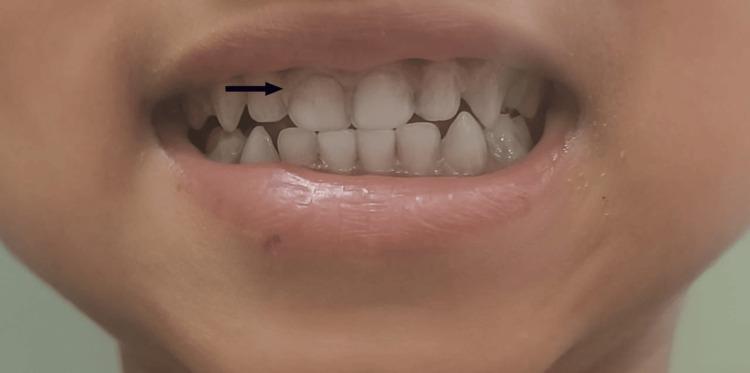
Clinical photo showing the characteristic bluish-purple Burton's line along the maxillary gingival margin in chronic lead poisoning.
Sources: Robbins & Kumar Basic Pathology; Sleisenger & Fordtran's GI and Liver Disease; CMAJ 2024; PMC case series
Rheumatoid arthritis
Asking for Preferences
What aspect of rheumatoid arthritis are you looking for?
This is a shared conversation. Sign in to Orris to start your own chat.